
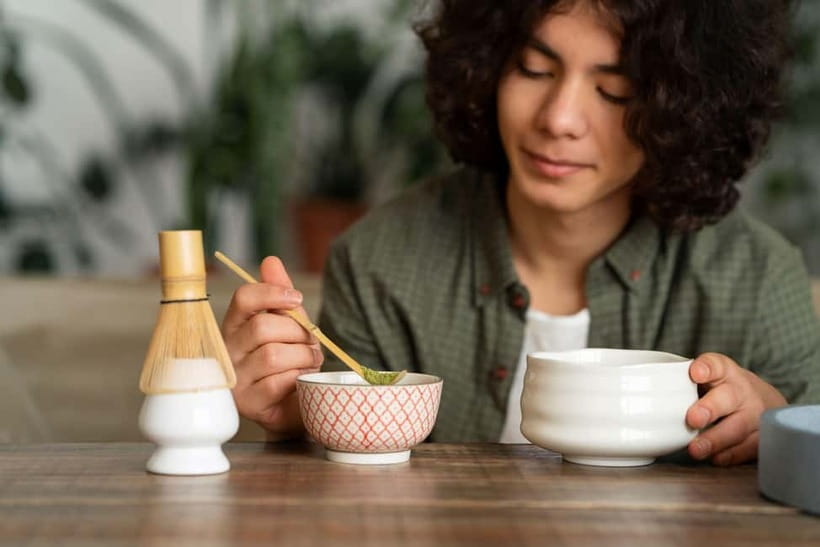
Review · OSAKA
Osaka; Japanese Tea ceremony experience, Macha and Sencha
Tea can tell you a lot about Japan. This one-hour Osaka experience introduces you to matcha and sencha in a traditional tatami room, with an English-speaking tea master explaining the customs, history, and quiet discipline behind each cup. I like the personal instruction and the chance to make tea yourself, not just watch a demonstration. I also like that you taste two very different Japanese teas, along with sweets suited to each one. The main consideration is that the session is short, so you get a friendly introduction rather than a full study of tea ceremony traditions.
The price is $25 per person, which feels fair for a guided cultural activity in central Osaka. Tea master Yuko receives especially warm praise for her gentle teaching style, clear English, and ability to explain the tradition without making it feel stiff. The biggest limitation is access: the activity is not suitable for wheelchair users, and people with food allergies should avoid the Japanese sweets.
Key Points At A Glance
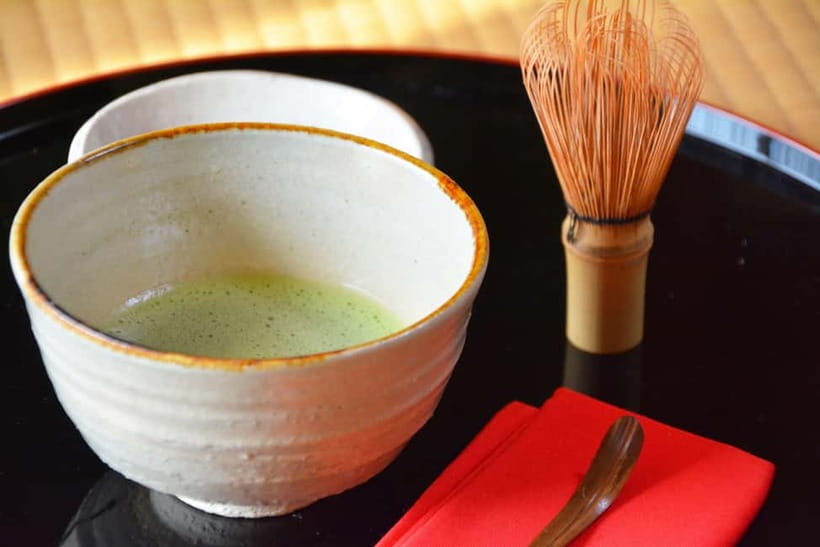
- Two teas in one hour: You prepare and taste matcha, then sample sencha, giving you a useful comparison between ceremonial and everyday tea.
- Hands-on instruction: You do not only watch. The tea master guides you through making tea according to tea ceremony etiquette.
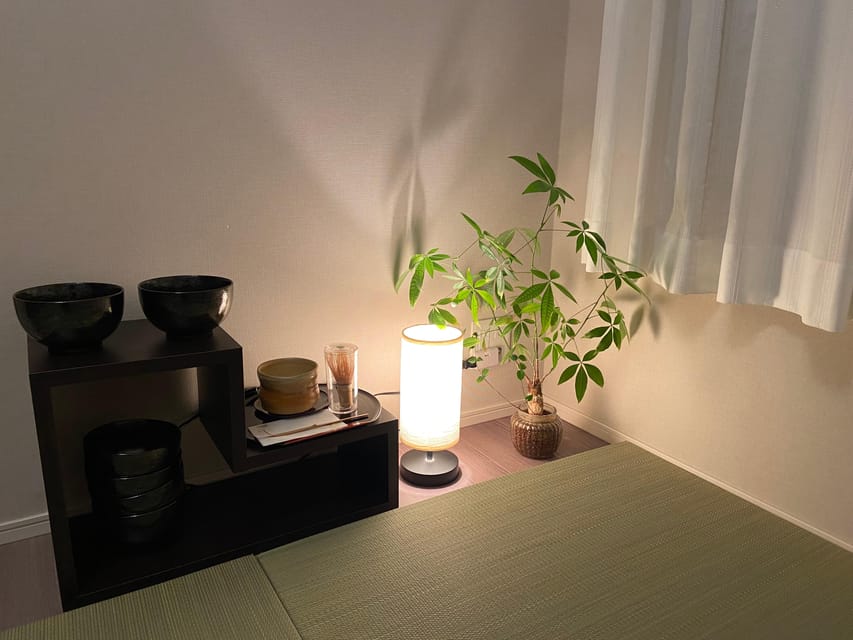
- Traditional tatami setting: The ceremony takes place in a traditional Japanese room, which gives the activity a proper cultural setting.
- Clear English guidance: Instruction is available in English and Japanese, with Yuko praised for her warm manner and strong English.
- Optional yukata: You can add a yukata rental and have photographs taken during the ceremony.
- Easy central meeting point: The meeting point is on the ground floor by Exit 3 of the underground Midosuji Line.
Entering A Traditional Tatami Room In Osaka
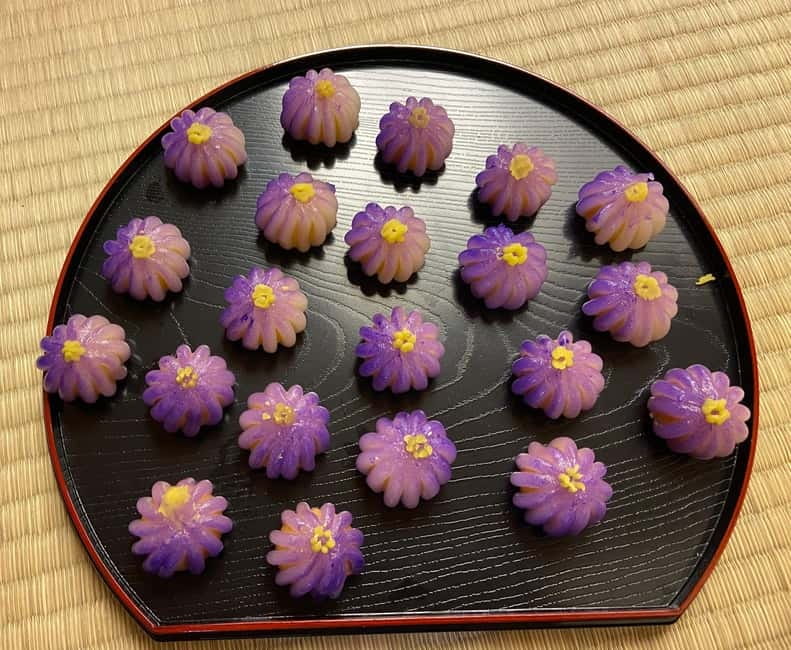
The setting does much of the work here. Instead of sitting in a modern café, you enter a traditional tatami room and meet the tea master in a space designed for ceremony, attention, and calm.
You will be welcomed by an instructor who speaks English and Japanese. That matters because tea ceremony etiquette can look mysterious if nobody explains the reason behind each movement. The instructor gives you context before asking you to copy the steps, so you can understand what you are doing rather than simply imitate a sequence.
The room itself is part of the lesson. A tatami floor, careful preparation, and formal gestures show how tea is connected to Japanese ideas of respect and hospitality. This is not a loud group activity or a quick cup of green tea between sightseeing stops. The rules about posture, movement, and handling the bowl are central to the experience.
The activity is not designed for people who want to rush in, take one photograph, and leave. You will get more from it if you pay attention to the small details and accept that the pace is slower than an ordinary café visit.
More Green Tea Tours in Japan
- Experience all of Japanese culture and Japanese food experience classes “origami, udon, Japanese food, green tea, calligraphy” in 4 hours
★ 5.0 · 105 reviews - Uji: Green Tea Tour with Byodoin and Koshoji Temple Visits
★ 4.8 · 72 reviews - Scenic Green Tea Fields of Hidden Kyoto & Local Tea Exp (Private)
★ 5.0 · 32 reviews
Watching Matcha Become The Main Event
The first part focuses on matcha, the finely powdered green tea used in the ceremony. The tea master prepares it while explaining the process, then shows you how to make it yourself.
Matcha preparation is visually appealing because the tea is whisked into a bright green drink rather than steeped and poured. You will learn the basic etiquette surrounding the bowl and the preparation process. The lesson is practical, so you are not expected to remember an entire rulebook. The instructor guides you through the actions as you go.
I like this hands-on format because it changes the activity from a performance into a cultural lesson. Watching a skilled tea master can be pleasant, but making your own tea gives you a clearer sense of the care involved. You also gain a better understanding of why the ceremony depends on measured gestures and quiet concentration.
The ceremony has a spiritual side, too. Your instructor explains the history and role of tea ceremony in Japanese culture, including the values expressed through the ritual. The supplied information does not give a detailed outline of every historical topic covered, so the exact balance between history and practice may depend on the questions asked and the instructor leading your session.
After the matcha preparation, you taste the tea with traditional Japanese sweets. The sweetness gives you a contrast to matcha’s strong, earthy flavor. If you are new to powdered green tea, the combination may be more approachable than drinking matcha by itself.
Sencha Shows A More Everyday Side Of Japanese Tea
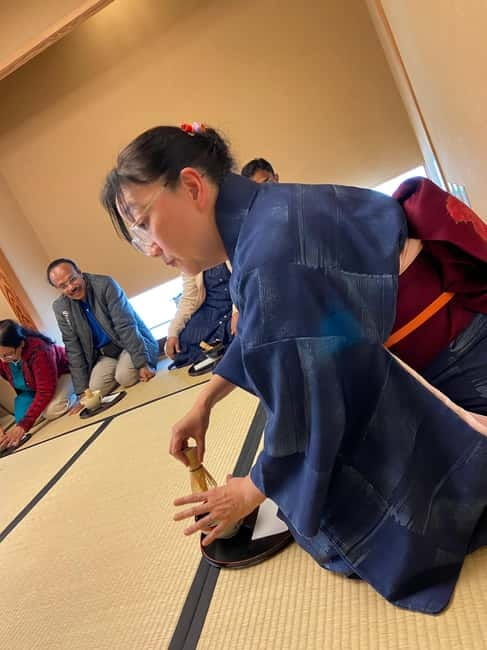
The experience then moves from matcha to sencha. This is an important part of the session because it prevents tea ceremony from seeming like the only way Japanese people drink tea.
Sencha is commonly drunk in Japan today, and the instructor explains its history and other aspects while you taste it with current Japanese confectionery. The preparation and drinking style differ from matcha, giving you a chance to notice how the teas fit different settings.
The contrast is useful. Matcha is strongly linked with formal ceremony and powdered tea preparation. Sencha gives you a look at a more familiar form of Japanese tea drinking. You can ask questions and compare the flavors, textures, and customs while the information is still fresh.
For me, the two-tea structure is one of the best reasons to choose this activity. A shorter session devoted only to matcha might leave you with a narrow view of Japanese tea. Here, you leave knowing that tea culture includes both formal ritual and ordinary daily habits.
The sweets change with this portion, too. You receive traditional Japanese sweets with the matcha and current Japanese confectionery with the sencha. People with food allergies should not eat the sweets, and the activity gives no indication that alternative confectionery is available. If you have an allergy, ask before booking or plan to decline the food.
Learning From Yuko And The English Instruction
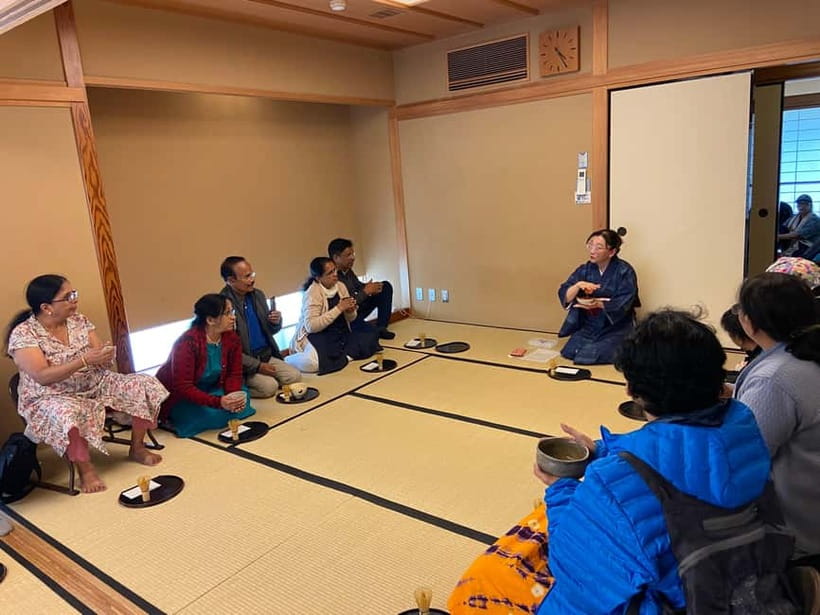
The strongest praise goes to Yuko, one of the tea masters associated with the experience. Her teaching is described as gentle, friendly, and clear, with particularly strong English. That combination is important in an activity built around small gestures and cultural explanation.
A good instructor can make formal etiquette feel welcoming. Yuko is praised for explaining the history of the ceremony with warmth and humor rather than treating it as a rigid performance. That is useful if you are curious but worried about making a mistake.
Instruction is available in English and Japanese. The exact instructor may vary, so you should not assume Yuko will lead every session. Still, the positive comments about her style give you a helpful picture of the tone to expect: personal, patient, and focused on helping you understand the tradition.
The session lasts one hour, which is enough time for an introduction but not enough for an advanced lesson. You will learn the basic process, make tea, taste both drinks, and hear cultural background. You should not expect a long historical lecture or detailed training in every formal movement.
That short length can be a benefit during a busy Osaka visit. You can fit the activity into a day of sightseeing without giving up half a day. It also keeps the lesson approachable for families and first-time visitors who may not want a highly formal cultural course.
More Tea Ceremonies in Osaka
- Osaka: Tea Ceremony Experience
★ 4.9 · 1,426 reviews - Tea Ceremony Experience in Osaka Doutonbori
★ 5.0 · 754 reviews - Osaka: Tea Ceremony, Calligraphy, and Kimono Experience
★ 4.9 · 130 reviews - Osaka: Japanese Traditional Sweets Making and Tea Ceremony
★ 4.7 · 118 reviews
Optional Yukata Photographs
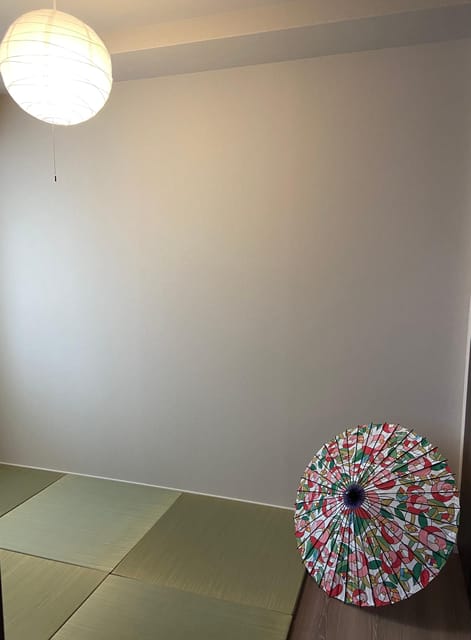
You can add a yukata rental when booking. A yukata is a casual Japanese garment, and wearing one during the tea ceremony gives the photographs more visual character.
The yukata option is separate from the standard price. If you want to wear one, select the additional option when booking rather than assuming it is included. The basic experience includes the tea, sweets, and instructors, but not the rental.
After the tea session, you have the opportunity to have your photograph taken. This gives you a keepsake of the activity, especially if you choose the yukata option. The available details do not specify how many photographs you receive or whether professional photography is included, so treat the photo opportunity as an extra moment rather than a guaranteed photography package.
I would choose the yukata add-on if you want a more memorable visual record of your Osaka visit. If your main goal is learning about tea, the standard session should be enough.
What The $25 Price Gets You
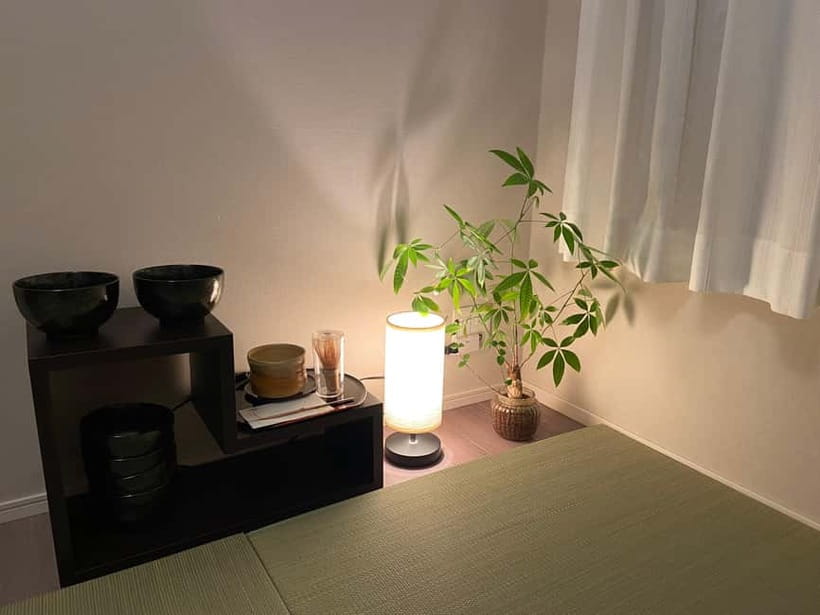
At $25 per person, this is a reasonably priced cultural activity. The fee includes matcha, traditional Japanese sweets, sencha, current Japanese confectionery, and instruction from tea ceremony teachers.
The value comes from the combination of teaching and participation. You are paying for access to a formal setting, an English-language explanation, guided tea preparation, and two different tasting experiences. A simple green tea purchase would cost much less, but it would not explain the etiquette or cultural meaning behind the drink.
The one-hour format also helps the value. You get a focused activity without committing to a long class. It works well as a break from shopping, sightseeing, or Osaka’s busy streets.
The price does not include a meal. It also does not include the yukata, which can be rented separately. The sweets are part of the experience, but they should not be treated as a substitute for lunch or dinner.
Finding The Meeting Point And Planning Your Visit
The meeting point is on the ground floor by Exit 3 of the underground Midosuji Line. This is a useful detail because Osaka’s station system can be confusing, especially if you arrive from a large interchange or follow signs for a different exit.
Give yourself enough time to locate Exit 3. The activity itself lasts one hour, and arriving late could reduce the time available for the explanation and tea preparation. The information provided does not state how early you should arrive, so allow a practical buffer rather than aiming to reach the meeting point at the exact starting time.
The activity has several restrictions. Pets, smoking, alcohol, drugs, weapons, sharp objects, chewing gum, loud noise, fire-making, and intoxication are not allowed. Bachelor and bachelorette party groups are also not suitable.
Non-folding wheelchairs, electric wheelchairs, and scooters are not accepted, and the activity is not suitable for wheelchair users. If you have mobility needs, confirm directly before booking because the tatami-room format may require floor-level sitting or movement that is not accessible.
Free cancellation is available up to 24 hours in advance for a full refund. You can also reserve now and pay later, which helps if you are still arranging your Osaka schedule.
Who Will Enjoy This Tea Ceremony
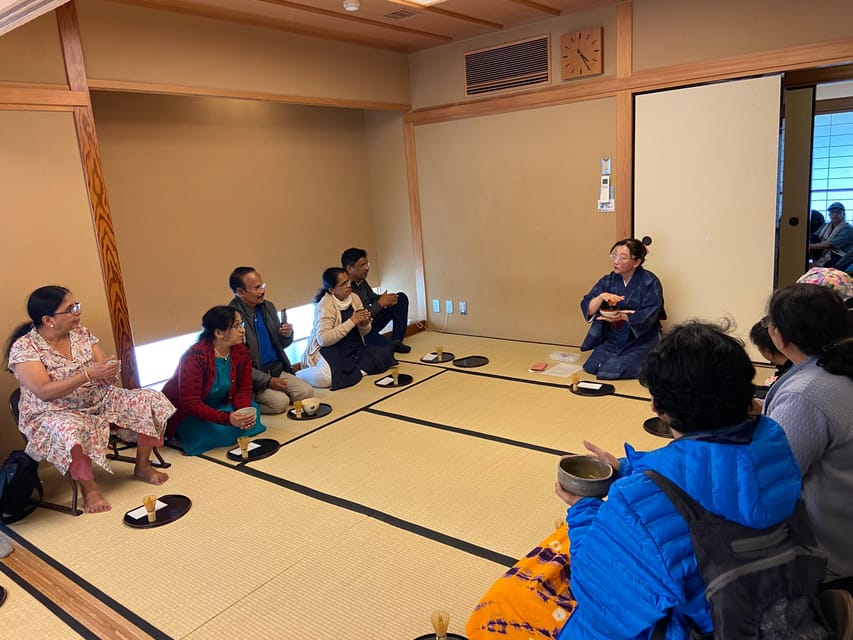
This activity suits you if you want a cultural experience that is short, structured, and easy to understand. It is a good choice for first-time visitors to Japan who want more than a photograph of a tea bowl but do not want a full-day class.
It also works well for couples, solo visitors, and small groups interested in Japanese customs. The option to wear a yukata adds a light, playful touch, while the tea instruction keeps the activity grounded in actual tradition.
Families may appreciate the one-hour length, although the formal pace may not suit very young children. The supplied information does not give a minimum age, so check before booking if you are traveling with children.
You may want to skip it if you dislike sitting through demonstrations, have no interest in etiquette, or want a larger meal-based food experience. This is about tea, ritual, and explanation, not a broad Japanese cooking class.
Food allergies require special care. The instruction specifically says that people with allergies should not eat the Japanese sweets and confectionery. If tasting the sweets is important to you, ask about ingredients before booking.
What The High Rating Tells You
The activity has a rating of 4.9 from 29 reviews, with repeated praise for the instructors, friendly atmosphere, and clear explanations. Several comments highlight the chance to gain a strong introduction to Japanese tea ceremony without feeling overwhelmed.
The most consistent strength is the human side of the lesson. Yuko is singled out for her English, kindness, and ability to explain the history of the ceremony. Other comments describe the meeting as friendly, interesting, and authentic.
That praise does not remove the practical limits. The activity remains only one hour, so the cultural background will be introductory. The setting may also be difficult for anyone who cannot use a traditional tatami-room arrangement.
Still, the high rating makes sense if you judge the activity on its own terms. It offers a clear, pleasant introduction rather than claiming to be an advanced school of tea.
Should You Book It?
Book this Osaka tea ceremony if you want a hands-on cultural lesson with two kinds of tea, a traditional tatami setting, and an English-speaking instructor. The $25 price is fair for the combination of matcha preparation, sencha tasting, sweets, and guided etiquette.
Choose the yukata option if photographs and traditional clothing matter to you. Skip the sweets if you have food allergies, and confirm accessibility before booking if you use a wheelchair or mobility scooter.
I would recommend it most strongly to first-time visitors who want a calm break from Osaka’s busy streets. You will leave with a better sense of how matcha ceremony differs from everyday sencha drinking, and you will have made the tea yourself rather than simply watched someone else do it.
FAQ
How long does the Japanese tea ceremony experience last?
The experience lasts one hour.
What teas are included?
You taste and prepare matcha green tea, then taste sencha green tea. Matcha is served with traditional Japanese sweets, while sencha is served with current Japanese confectionery.
Is the instruction available in English?
Yes. The instructors speak English and Japanese.
Where is the meeting point?
The meeting point is on the ground floor by Exit 3 of the underground Midosuji Line.
Is a yukata included in the price?
No. A yukata can be rented separately by selecting the additional option when booking.
Can I cancel for a full refund?
Yes. You can cancel up to 24 hours in advance for a full refund. You can also reserve now and pay later.
More Green Tea Tours in Osaka
- Kyoto Matcha Green Tea Tour
★ 4.7 · 28 reviews - Slow Cycling Tour at Uji’s Matcha Green Tea Fields and Heritage
★ 5.0 · 25 reviews - Kyoto Matcha Green Tea Tour
★ 4.5 · 23 reviews - Sencha-do the Japanese Tea Ceremony Workshop in Kyoto
★ 5.0 · 21 reviews
Just added around Osaka
- Osaka:Zen Tea Ceremony and Foot Bath Experience<45min>★ 5.0 · 7 reviews
- Osaka Japanese Cooking And Matcha Class near Osaka Castle★ 5.0 · 22 reviews
- Osaka: Tea Ceremony, Calligraphy, and Kimono Experience★ 5.0 · 6 reviews
- Nara Deer Park, Uji Matcha, & Hot Spring Full-Day Tour from Osaka★ 4.0 · 21 reviews
- Osaka: Nara, Todaiji, Uji Matcha, and Hot Spring Tour★ 4.0 · 7 reviews
- Tea and Calligraphy Session at a Table in Osaka★ 5.0 · 4 reviews
- ZEN therapy | Shiatsu-style massage, EnergyTherapy & Japanese Tea★ 5.0 · 5 reviews
- Discover Japanese Tea Blending Techniques in Osaka★ 5.0 · 19 reviews
Tea Ceremonies in Osaka, compared.
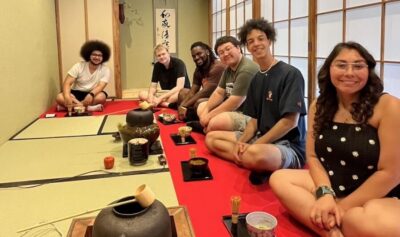
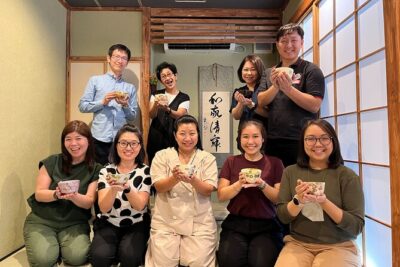
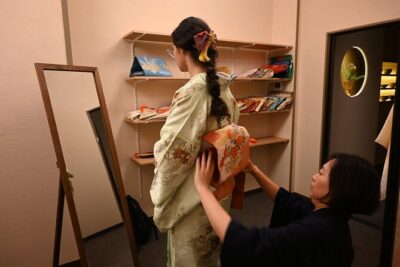
Tea Ceremony, Calligraphy, and Kimono Experience
Read our review →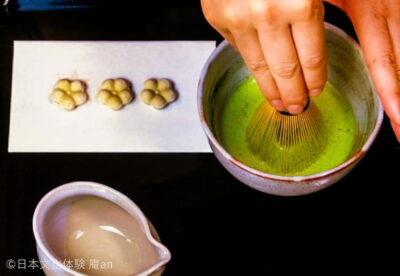
Japanese Traditional Sweets Making and Tea Ceremony
Read our review →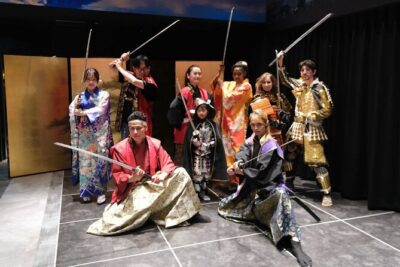
Samurai Show, Tea Ceremony, Japanese Traditional Activities
Read our review →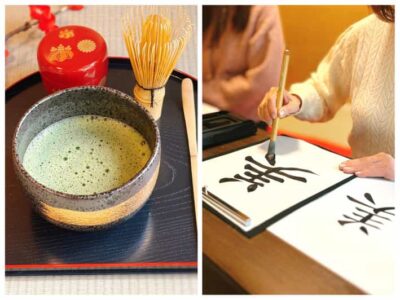
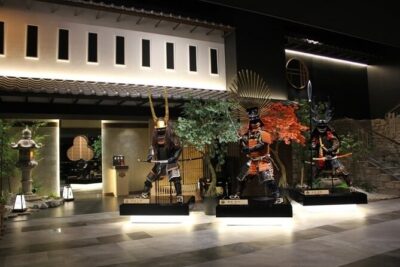
Samurai dress-up and shows, plus Tea Ceremony & Calligraphy
Read our review →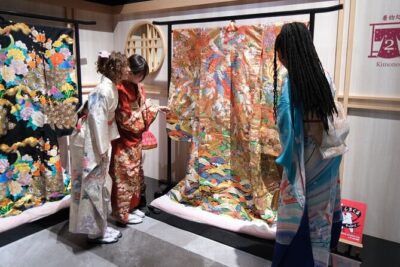
Premium Kimono Dressing, Tea Ceremony, Calligraphy, Samurai show
Read our review →Browse the lists this tour appears in