
Review · OSAKA
Discover Japanese Tea Blending Techniques in Osaka
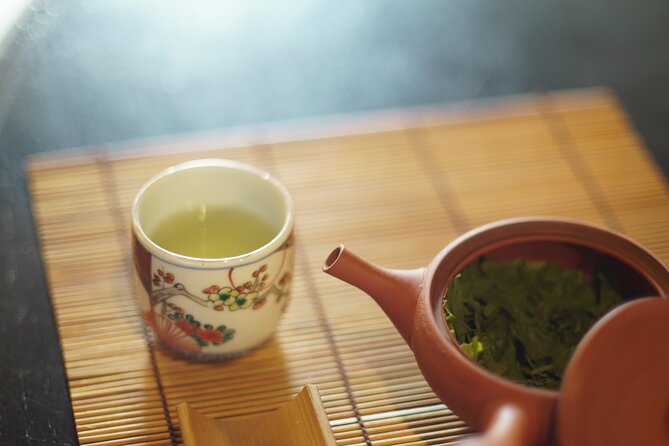
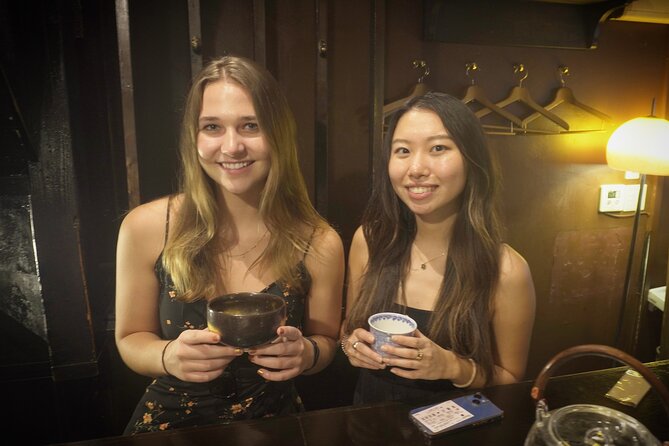
Tea gets personal here. In a small Osaka workshop, you taste several Japanese teas, learn why temperature and technique matter, then create modern tea drinks with fruit and alcohol. I like the tiny maximum group of three, which gives the session a relaxed, almost private feel. I also like meeting Ko, whose humor, clear English, and passion for tea turn a lesson into a friendly conversation.
The main consideration is the price: $54.46 for about two hours is fair for a hands-on tasting, but it is more than a simple cup of tea. You are paying for instruction, multiple drinks, specialty ingredients, recipes, and samples to take home. The 3 p.m. start also means you need to fit it around your afternoon plans.
- Brew five styles of Japanese tea, including sencha, wakocha, oolong tea, hojicha, and matcha.
- Learn the small details, from water temperature to holding a teapot correctly.
- Make modern tea drinks, including fruit-based blends and tea cocktails.
- Meet Ko in a group of no more than three, allowing plenty of time for questions.
- Visit a quieter Osaka neighborhood near Namba Yasaka Jinja rather than staying in the main tourist zones.
- Take home tea samples and recipes so the workshop continues after your trip.
Meeting Ko near Namba Yasaka Jinja

The workshop starts at Namba Yasaka Jinja, at 2-chome-9-19 Motomachi in Osaka’s Naniwa Ward. You meet at 3 p.m., and the activity finishes back at the same meeting point.
That location matters. Namba is one of Osaka’s busiest visitor areas, but the meeting point gives you a reason to see a calmer side of the district. The shrine itself is a useful landmark for finding your way, and the activity is near public transportation. You will not spend the afternoon crossing the city to reach a remote tea farm or formal school.
The small group size is one of the strongest features. With a maximum of three people, you should have room to ask about brewing times, tea origins, tools, and flavor preferences. This is quite different from a large demonstration in which you sit quietly and watch someone else prepare the drink.
Ko is the host, teacher, and mixologist. His English is described as very good, and his teaching style is casual rather than stiff. That helps if you know little about Japanese tea. You can ask basic questions without feeling that you are interrupting a formal ceremony.
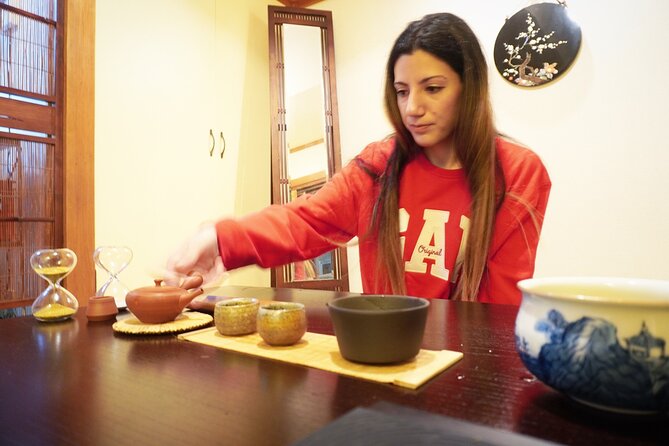
The setting is a real tea house rather than a classroom. It includes antique items and has a calm, cozy feel. That setting supports the subject well, though you should not expect a grand tea ceremony in a temple or a long performance in full formal dress. This is a practical workshop built around tasting and making tea.
Five Japanese teas, five different lessons
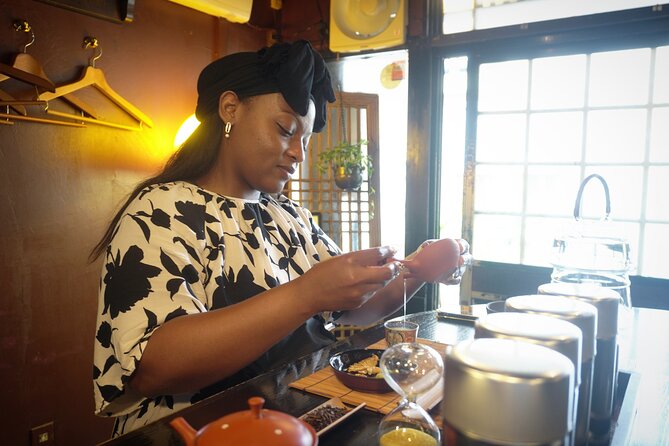
The first part of the workshop introduces several types of tea and explains how each one is made. You may taste sencha, Japanese black tea known as wakocha, Japanese oolong tea, hojicha, and matcha.
This range is useful because Japanese tea is not one single flavor. Sencha can be fresh and grassy. Hojicha, which is roasted, offers a warmer and toastier cup. Wakocha shows that Japan also produces black tea, while oolong gives you another point of comparison. Matcha brings a different method entirely, since the powdered tea is prepared rather than strained from leaves.
The class focuses on how to brew each tea properly, not simply on naming the varieties. You learn about water temperatures, timing, tools, and handling. The way you hold a teapot may seem like a small matter, but it affects control and pouring. The workshop makes those details practical rather than mysterious.
I especially like that the lesson connects preparation with taste. If a tea is too bitter, too weak, or lacking aroma, the cause may be water temperature or brewing time. You leave with a better chance of making a good cup at home instead of simply remembering that one tea was green and another was roasted.
The tea leaves are locally sourced and organic, according to the experience description. You also learn about the process used to make each tea and the role tea has played in Japan. The historical discussion gives the drinks some context without turning the afternoon into a lecture.
Do not expect to become a tea professional in two hours. The value is more modest and more useful: you learn a set of basic habits that can improve the tea you prepare in your own kitchen.
A few more tea experiences around Osaka worth a look
- Osaka: Tea Ceremony Experience
★ 4.9 · 1,426 reviews - Tea Ceremony Experience in Osaka Doutonbori
★ 5.0 · 754 reviews - Matcha Making Class in Osaka with Authentic Japanese Sweets Set
★ 5.0 · 509 reviews
Traditional technique with a modern Osaka twist
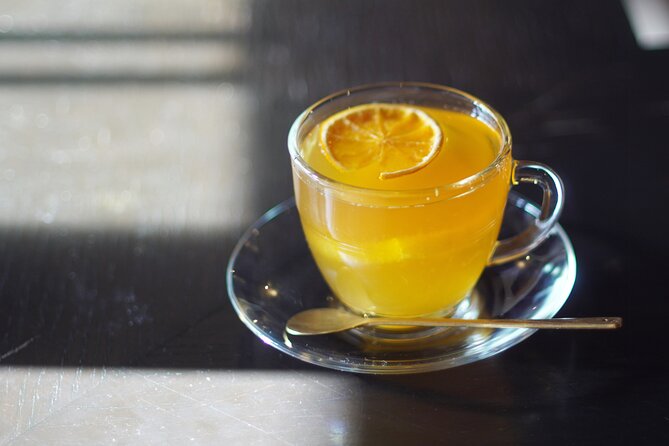
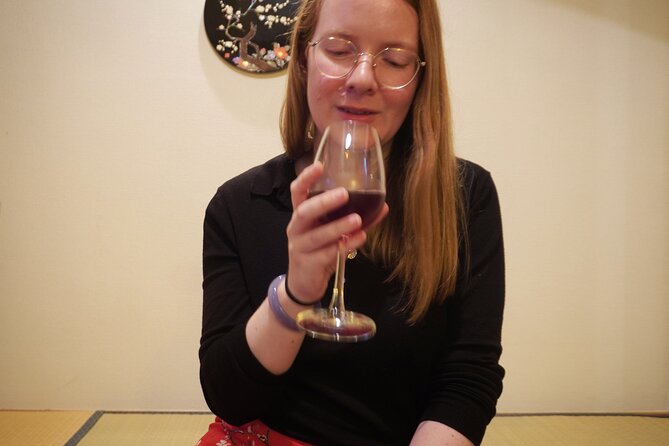
After the tasting and instruction, you use the traditions you have learned in new ways. The hands-on section may include making tea drinks with natural ingredients such as fruit, then infusing tea with alcohol.
This is where the workshop becomes more than a standard tea lesson. You are not only watching Ko make a drink. You apply the brewing principles yourself, then see how tea changes when mixed with fruit, milk, or spirits.
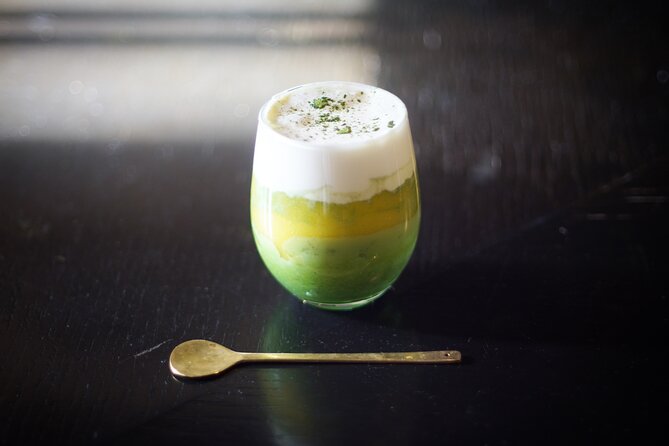
One drink highlighted by the experience is a tea cocktail. The exact recipe can vary, but the point is clear: tea is treated as a serious ingredient in a mixed drink, not just a hot beverage. Matcha-based drinks also appear in the experience, including a mango matcha macchiato described by name in the available details. That combination shows how Japanese tea can move comfortably between traditional preparation and modern café culture.
The cocktail section may be the best fit for people who already enjoy food and drink workshops. You get a little technique, a little experimentation, and a chance to compare your taste with someone else’s. If you prefer tea served in its pure form, you can still focus on the brewing lessons, but the modern drinks are a central part of the afternoon.
Traditional Japanese sweets are included as well. They provide something small to eat while you taste and give you another way to connect tea with Japanese food customs. The sweets are not presented as a full meal, so plan to eat separately if you are hungry.
Why the hands-on format works
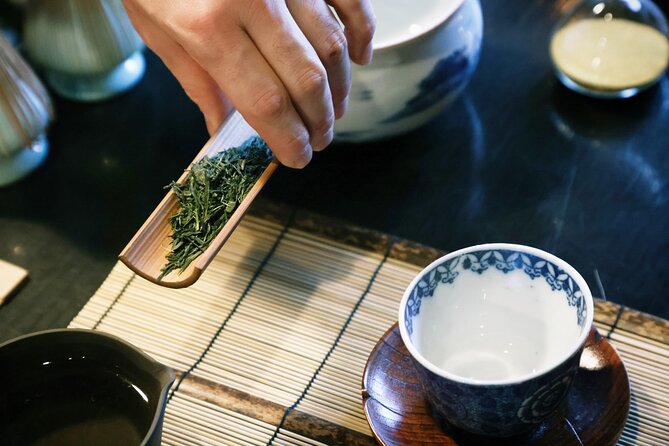
Many cultural activities sound interactive but are mostly demonstrations. This one is built around your participation. You brew tea, handle the equipment, make drinks, and taste the results.
That format has practical value. You can copy a recipe from a page, but it is harder to understand timing and pouring until you have done them yourself. Ko can correct your technique while you are working, including details such as how to hold the pot.
The relaxed pace also seems important. The experience takes about two hours, but the afternoon is not described as a race from one tasting to the next. You have time to talk while tea brews and to ask about the leaves, methods, and drinks.
There is a social side to the class. With only one or two other people, the conversation can shift toward your own preferences. If you like roasted flavors, you can pay more attention to hojicha. If you prefer lighter teas, you can ask about sencha or oolong. The personal element is one reason this works well for couples and honeymooners.
One practical note: one attendee felt that at least an hour and a half should be set aside, despite the listed duration of approximately two hours. That is sensible advice. Allow extra time for arriving, settling in, and enjoying the final drink rather than scheduling another activity immediately at 5 p.m.
Tea cocktails, recipes, and take-home samples
The final part gives the workshop a useful afterlife. You can take home recipes and small tea samples for brewing later.
The samples are a modest but worthwhile part of the price. They let you repeat the experience instead of leaving with only photographs. You can share the tea with family or friends, or use it to test whether you can reproduce the brewing method at home.
The recipes also help clarify what you learned. A good workshop should give you something you can remember without relying on a vague instruction such as make it gently or brew it carefully. Written recipes give you a starting point for water temperature, timing, and ingredients.
The take-home material is especially helpful if you are beginning to buy loose-leaf tea. You may find yourself looking for a teapot or better tea after the class, but that is part of the point. The activity aims to make home brewing feel manageable.
Do not expect a large gift box or a commercial product package. The samples are small. Their value is in extending the lesson, not in replacing a shopping trip.
Same place, a different pot:
- Osaka: Matcha Making Experience with Japanese Sweets
★ 5.0 · 146 reviews - Osaka: Tea Ceremony, Calligraphy, and Kimono Experience
★ 4.9 · 130 reviews - Osaka: Japanese Traditional Sweets Making and Tea Ceremony
★ 4.7 · 118 reviews - Osaka Temple Cool Foot Bath & Matcha Experience〈45min〉
★ 4.9 · 82 reviews
Is $54.46 good value for two hours?
At $54.46 per person, this experience sits above a casual tasting and below a full-day culinary class. I think the value is strongest when you count everything included: several tea styles, instruction, hands-on brewing, traditional sweets, a tea cocktail, modern tea drinks, recipes, and samples.
The group limit improves the calculation. A large class might offer similar information for less, but you would have less time to ask questions or handle the tools. Here, a booking for two people can feel close to a private lesson, provided the third place is not filled.
The price is less appealing if you only want to drink matcha or take part in a formal ceremony. In that case, a tea room may be cheaper and more focused. This experience is for people who want to understand preparation and experiment with tea as an ingredient.
The strong 5 out of 5 rating and 100 percent recommendation add confidence, but I would still judge it by your interests. Tea lovers, home cooks, cocktail fans, and curious couples are likely to get the most from it. Someone who dislikes tasting several types of tea may find the two hours less rewarding.
The activity is often booked around 60 days ahead. That suggests you should not leave it until the last minute if your Osaka schedule is fixed, especially if you want the small-group format.
Who should book this Osaka tea workshop?
I would choose this experience if you want a calm afternoon activity with real participation. It suits you if you enjoy learning by doing, asking questions, and tasting several variations of one ingredient.
It is also a good choice for a honeymoon or anniversary trip. The small group, relaxed setting, and shared drinks make it more personal than a standard sightseeing stop. You can talk with Ko and your companion instead of following a guide through a crowded attraction.
Food-focused visitors should pay attention to the mixology section. The combination of tea, fruit, alcohol, matcha, and sweets gives you more variety than a basic green tea presentation.
This may not suit young children or anyone expecting a large meal, a long formal ceremony, or a full tour of Osaka. The experience is centered on tea technique and conversation. It also starts at 3 p.m., so it works best as a planned afternoon stop rather than something you squeeze between unrelated sights.
You receive booking confirmation at the time of reservation, and free cancellation is available if you cancel at least 24 hours before the local start time. Changes or cancellations inside that window are not accepted for a refund, so check your Osaka plans before committing.
Final decision: a small workshop with real flavor
I recommend booking this if you want more than a photograph with matcha. Ko’s friendly teaching, the maximum group of three, and the mix of traditional brewing with tea cocktails give the activity a clear purpose.
The best reason to go is that you will likely leave able to prepare tea with more confidence. You will also have recipes and samples for home, plus a better sense of why sencha, hojicha, matcha, oolong, and wakocha deserve different treatment.
Skip it if you want a quick, inexpensive tasting or a formal ceremony with little hands-on work. For everyone else, this is a thoughtful way to spend two hours in Osaka, especially if you value local food culture, small groups, and skills you can carry home.
FAQ
Where does the tea workshop meet?
It starts at Namba Yasaka Jinja, located at 2-chome-9-19 Motomachi, Naniwa Ward, Osaka, 556-0016, Japan. The activity ends back at the meeting point.
What time does the experience start?
The workshop starts at 3 p.m. and lasts approximately two hours.
Which teas will I learn about?
The workshop covers sencha, Japanese black tea known as wakocha, Japanese oolong tea, hojicha, and matcha.
Will I make drinks during the workshop?
Yes. The hands-on portion includes modern tea drinks made with natural ingredients such as fruit, along with tea drinks infused with alcohol. Traditional Japanese sweets are also included.
How many people can join?
The activity has a maximum of three travelers, so the group is kept very small.
Can I cancel for a full refund?
Yes, if you cancel at least 24 hours before the experience starts. Cancellations or changes made less than 24 hours before the local start time are not eligible for a refund.
Just added around Osaka
- Osaka:Zen Tea Ceremony and Foot Bath Experience<45min>★ 5.0 · 7 reviews
- Osaka Japanese Cooking And Matcha Class near Osaka Castle★ 5.0 · 22 reviews
- Osaka: Tea Ceremony, Calligraphy, and Kimono Experience★ 5.0 · 6 reviews
- Nara Deer Park, Uji Matcha, & Hot Spring Full-Day Tour from Osaka★ 4.0 · 21 reviews
- Osaka: Nara, Todaiji, Uji Matcha, and Hot Spring Tour★ 4.0 · 7 reviews
- ZEN therapy | Shiatsu-style massage, EnergyTherapy & Japanese Tea★ 5.0 · 5 reviews
- Craft Sushi and Matcha Ice Cream in Central Osaka (3-Course Meal)★ 5.0 · 2 reviews
- Tea and Calligraphy Session at a Table in Osaka★ 5.0 · 4 reviews
Osaka Tea Tours, compared.
Matcha Making Class in Osaka with Authentic Japanese Sweets Set
Read our review →
Tea Ceremony, Calligraphy, and Kimono Experience
Read our review →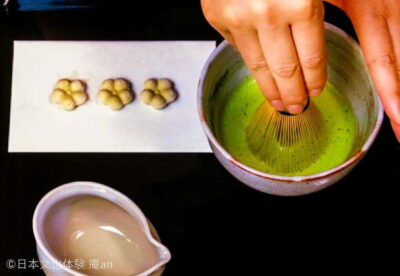
Japanese Traditional Sweets Making and Tea Ceremony
Read our review →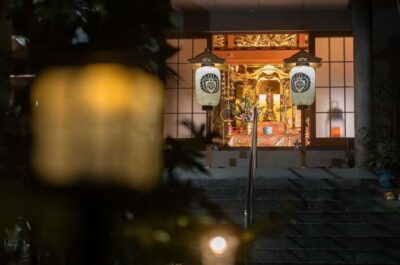
Osaka Temple Cool Foot Bath & Matcha Experience〈45min〉
Read our review →
Samurai Show, Tea Ceremony, Japanese Traditional Activities
Read our review →Browse the lists this tour appears in