
Review · OSAKA
Osaka: Japanese Traditional Sweets Making and Tea Ceremony
Small sweets can teach you plenty about Japan. This 95-minute Osaka experience combines seasonal nerikiri making with a hands-on matcha session, using white and red bean paste from long-established Kyoto shops. I like the creative work, especially shaping flower and fruit designs, and I like that you eat the sweets with matcha you prepare yourself. The main consideration is language: the instructor is Japanese, and English help is provided as much as possible, but you should request it ahead of time.
The location is easy to reach from Higobashi Station, and the $18 price is unusually friendly for a guided cultural activity. Just allow time to find the gray building, take the stairs, and arrive early, since late arrivals cannot be accommodated.
Key points at a glance
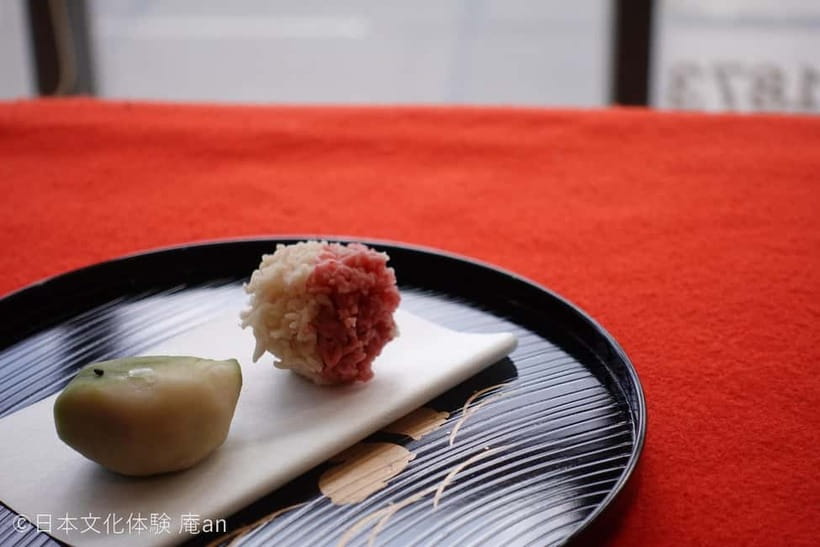
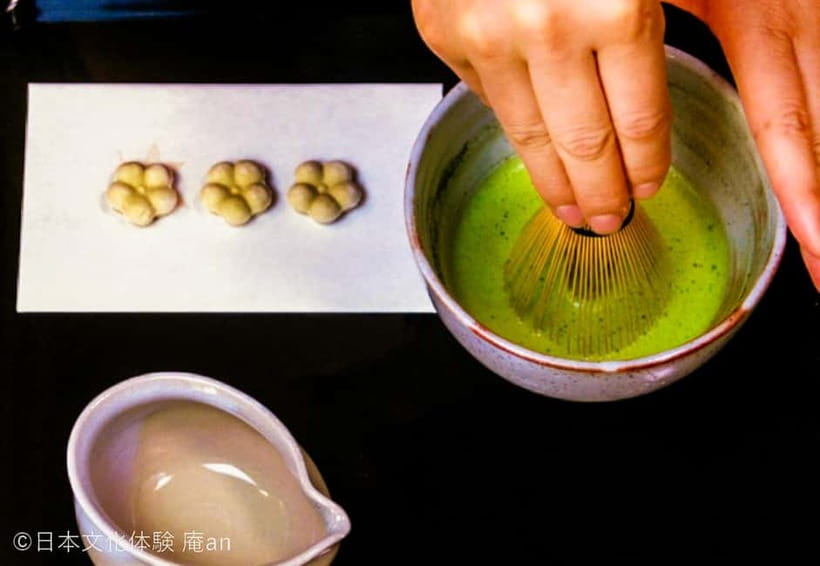
- Two seasonal nerikiri sweets: Shape a flower-style sweet and a kinton-style sweet from colored white bean paste.
- Kyoto-made ingredients: The white and red bean paste comes from long-established Kyoto shops, giving the class a real confectionery connection.
- Matcha from Uji: Learn about single-origin matcha, watch it being ground, then prepare your own cup.
- A calm 95-minute activity: The pace gives you time to make, listen, practice, take pictures, and enjoy what you prepared.
- Strong instruction: Teachers such as Maiko, Jun, and Mihiko have been praised for patience, humor, and clear English explanations.
- Convenient Osaka setting: The venue is one minute from Exit 10 of Higobashi Station, though you must use stairs because there is no elevator.
Why this Osaka sweets class is worth your time
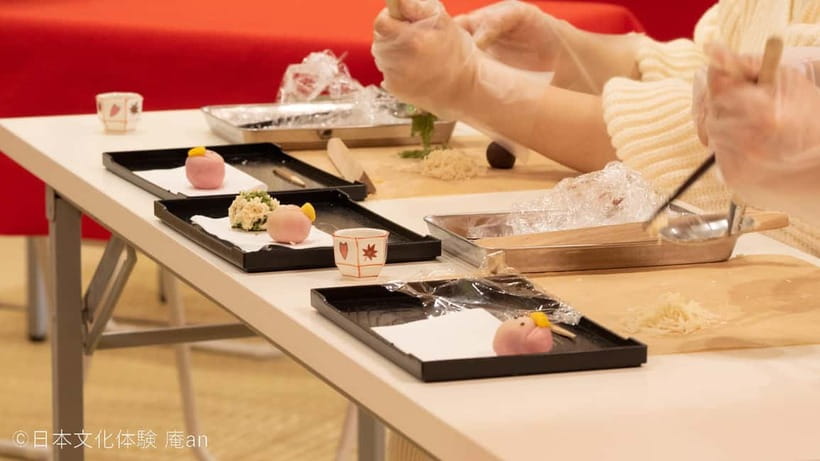
Osaka is famous for food, but much of its food culture is quick, casual, and served in crowded streets. This class gives you a slower hour and a half with a different side of Japanese eating. You are not simply handed a wagashi sweet and told what it is. You color the bean paste, shape it, prepare matcha, and then taste the two together.
That hands-on element matters. Nerikiri is delicate, and the process rewards patience more than perfect technique. You can make something attractive without needing previous cooking experience, though your first flower may look a little more artistic than botanical. That is part of the fun.
I also like the balance between doing and watching. You spend the first part working with the sweets, then see how matcha is ground and learn how tea is handled. It feels like a practical introduction rather than a long lecture.
The activity has a rating of 4.7 from 118 bookings, and the praise is remarkably consistent around three points: friendly teaching, clear explanations, and good value for the price. Several instructors have been singled out by name. Maiko was described as cheerful and effective in both Japanese and English, while Jun was praised for his patience. Mihiko, described as a beginner teacher by one participant, still handled the movement between Japanese and English well.
That does not mean every session will be fully bilingual. The official language is Japanese, and English translation is offered as much as possible. If detailed English instruction matters to you, contact the provider before arriving.
More Tea Ceremonies in Osaka
- Osaka: Tea Ceremony Experience
★ 4.9 · 1,426 reviews - Tea Ceremony Experience in Osaka Doutonbori
★ 5.0 · 754 reviews - Osaka: Tea Ceremony, Calligraphy, and Kimono Experience
★ 4.9 · 130 reviews
Finding the venue near Higobashi
The easiest route is Osaka Metro’s Yotsubashi Line to Higobashi Station. From Exit 10, the venue is about a one-minute walk. It is also roughly five minutes from Exit 7 of Watanabebashi Station, seven minutes from Exit 10 of Yodoyabashi Station, and ten minutes from Exit 11-5 of Kitashinchi Station.
Osaka Station is about a 15-minute walk from the South Central Gate. That can be useful if you are already in the central station area, though Higobashi is the simpler choice if your schedule allows it.
Give yourself extra time to locate the entrance. One participant had trouble finding the gray building because Google Maps did not make the location obvious. This is not a reason to avoid the class, but it is a good reason not to cut things close. The host will not hold the session for late arrivals.
The building has no elevator, and you need to use stairs to reach the venue. That is important for anyone with mobility concerns, young children, or heavy luggage. If you drive, use nearby coin parking rather than expecting dedicated parking.
Coloring and shaping the first nerikiri
The class opens with an explanation of Japanese traditional sweets before you begin making nerikiri. This is a high-grade wagashi made from colored white bean paste and shaped to resemble seasonal flowers or fruit.
You start by coloring the white bean paste. This simple step gives you a better sense of how much care goes into a sweet that may be eaten in only a few bites. The color is not decoration added at the end. It is part of the design from the beginning.
The first sweet is flower-shaped nerikiri. The instructor guides you through the shaping process, helping you turn a soft mass of bean paste into a small seasonal form. You will probably notice that the work is less about speed and more about keeping the shape clean.
This is one of the best parts for children and creative adults. The activity is tactile, visual, and easy to understand even when language is not perfect. Families with children aged 10 and 12 enjoyed the session, and younger children under two can sit on a parent’s lap free of charge.
The ingredient quality adds useful context. The bean paste comes from established Kyoto shops rather than being presented as an anonymous sweet-making material. That does not turn the class into a visit to a Kyoto confectionery, but it connects your small Osaka workshop to a longer wagashi tradition.
Making kinton nerikiri after the flower design
The second sweet is kinton nerikiri. It has a different look from the flower shape and gives you another chance to work with the same basic material in a new form.
Making two sweets is a good choice for a 95-minute class. One design would make the session feel brief, while a larger menu could turn it into a rushed cooking lesson. Here, you get enough repetition to understand the technique without spending the whole afternoon pressing bean paste.
The class schedule places a break at around 55 minutes. By then, you have completed the main sweet-making work. The pause gives you a moment to reset before the tea portion begins.
The sweets are intended to be eaten during the session. If you want to take them away, a box costs 100 yen. That is a small extra charge, but the delicate shapes may travel better in a proper container than wrapped casually in your bag.
Same place, a different pot:
- Matcha Making Class in Osaka with Authentic Japanese Sweets Set
★ 5.0 · 509 reviews - Osaka: Matcha Making Experience with Japanese Sweets
★ 5.0 · 146 reviews - Osaka Temple Cool Foot Bath & Matcha Experience〈45min〉
★ 4.9 · 82 reviews - Samurai Show, Tea Ceremony, Japanese Traditional Activities
★ 5.0 · 56 reviews
Watching matcha being ground and prepared
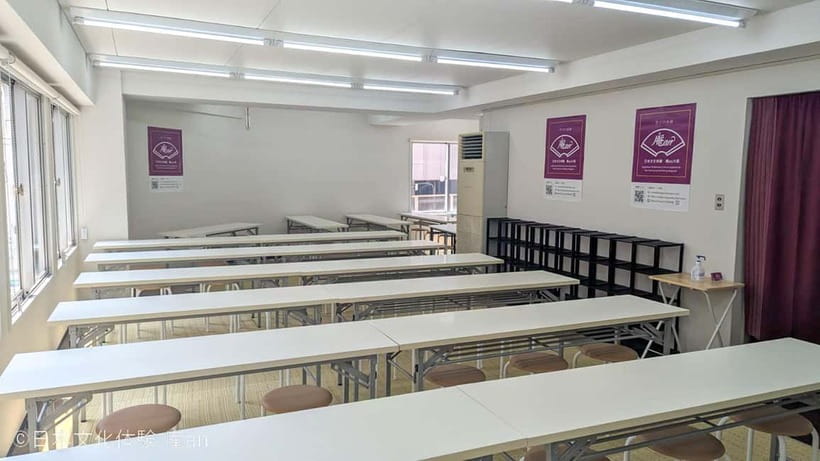
After the sweets, the focus shifts to tea. You learn about Uji matcha, including the use of a single-origin special matcha, and watch a grinding demonstration.
The grinding demonstration is a useful detail because matcha is often treated by visitors as a green powder with a strong taste and little explanation behind it. Seeing how it becomes powder gives you a clearer sense of the preparation involved before the whisking even begins.
The session then introduces tea-ceremony customs and the proper way to drink matcha. This is presented as a culture experience rather than a highly formal ceremony with no room for questions. One participant described it as a more casual tea ceremony, which suited them well. Another said the instructor explained the traditions and answered many questions, but did not have every participant practice each part of the ceremony.
That difference is worth noting. If you want a strict, highly formal tea ceremony with elaborate rules and extended ritual, this may feel light. If you want a friendly introduction with enough structure to understand the basics, the format should fit better.
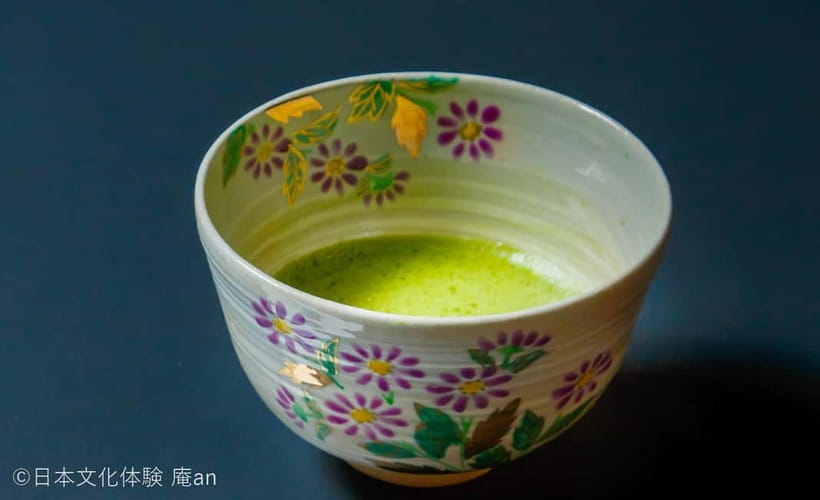
You prepare your own matcha and drink it with the sweets you made earlier. The pairing is the point: the sweetness of the high-quality bean paste softens matcha’s bitter edge, while the tea keeps the dessert from feeling overly sugary.
What the teaching is like in practice
Teaching quality is one of the strongest reasons to book this activity. The instructors have been praised for being patient, warm, and willing to include people speaking both Japanese and English.
Maiko received especially strong praise for her cheerful attitude and explanations in both languages. Jun was described as patient and clear, and another teacher was praised for keeping a small class lively even with only two participants. That last detail suggests the class can still feel personal when attendance is low.
English support is not automatic in the same way as booking an English-language tour. The provider says English translation will be given as much as possible and asks participants to contact them if they would like it added. Do this before the day of the class, especially if you want detailed explanations of the tea customs or sweet-making steps.
The experience can still work with limited English. The methods are shown directly, and the physical process is easy to follow. But language can affect how much cultural context you receive, so your expectations should match the arrangement.
The value of $18 for 95 minutes
At $18 per person, this is good value. The fee includes the experience and the tools needed for it, along with two sweets, a matcha preparation session, and guided cultural explanations.
You are not paying only for a snack. You are paying for ingredients, instruction, equipment, and a structured look at two connected parts of Japanese food culture. The class is also short enough to fit between sightseeing plans in central Osaka.
The value is strongest if you enjoy learning by doing. If you only want to taste wagashi and drink matcha, you can find simpler ways to do that. Here, the payoff is the process and the small sense of accomplishment when your sweets take shape.
There are two optional extras: a 100-yen take-out box and a 300-yen completion certificate. Neither is required. I would consider the box if you want to carry the sweets safely, while the certificate is mainly for people who enjoy keeping a paper record of cultural activities.
Free cancellation is available up to 24 hours before the start time, and you can reserve now and pay later. Those policies help if your Osaka schedule is still shifting, but they do not change the need to arrive on time.
Who will enjoy this experience most
I would recommend this class to you if you want a gentle cultural activity that is easy to fit into a city itinerary. It works particularly well for:
- First-time visitors who want more than sightseeing photos
- Families with school-age children
- Couples looking for a quiet shared activity
- Anyone curious about wagashi, matcha, or Japanese food customs
- Visitors who prefer a modestly priced class to a long formal ceremony
- People who enjoy making something they can eat immediately
You should think twice if stairs are difficult for you, if you need guaranteed English instruction, or if you are looking for a fully formal tea-ceremony performance. The class is practical and friendly, not presented as a solemn ceremony lasting several hours.
The timing also matters. The published session lasts 95 minutes, with the main sweet-making section ending around minute 55, tea instruction beginning around minute 65, picture time around minute 85, and departure at minute 95. Do not schedule a train connection immediately afterward. The activity is compact, but arriving early and finding the room takes some margin.
The best way to plan your visit
Choose a starting time between 10:00 and 17:00, the stated operating window. Check the available start times when booking because the exact session schedule is not fixed in the information provided.
Use Higobashi Station if possible, and aim to be at the building early. Save the map location in advance, since one person had difficulty identifying the gray building. Wear something comfortable for walking and stairs, and avoid bringing luggage you do not need.
If English matters, contact B.B.Advisors Inc. AN OSAKA before the activity. You can also ask about the completion certificate in advance if it matters to you, although the certificate is not included in the basic price.
During the class, pay attention to the seasonal meaning of the designs. Nerikiri is not just a sweet shaped into a flower for decoration. Its colors and forms are linked to the season, which is one reason the craft feels more thoughtful than ordinary dessert making.
Should you book this Osaka tea experience?
Book it if you want a reasonably priced, hands-on introduction to Japanese sweets and matcha, especially if you enjoy calm activities and friendly instruction. The two nerikiri designs, Kyoto-sourced bean paste, Uji matcha, and 95-minute schedule make this a strong fit for a half-day in central Osaka.
I would be more cautious if you need a guaranteed English-speaking instructor, cannot manage stairs, or want a strict ceremonial performance. For most people who want to understand Japanese tea culture without committing to a long or expensive formal event, this class offers a lot for $18.
FAQ
How long does the Osaka sweets and tea experience last?
The experience lasts 95 minutes, including sweet making, a break, tea instruction, a matcha grinding demonstration, picture time, and eating and drinking.
How much does the experience cost?
The listed price is $18 per person.
What sweets will I make?
You will make two seasonal Japanese sweets: a flower-shaped nerikiri and a kinton nerikiri.
Can I take the sweets home?
Yes, but a take-out box costs an additional 100 yen.
Is matcha included?
The experience includes the matcha activity, including preparation and drinking the matcha with the sweets you make.
What kind of matcha is used?
The experience uses single-origin special matcha from Uji.
Is English instruction available?
The instructor is Japanese, and English translation is provided as much as possible. Contact the provider ahead of time if you would like English support added.
How do I reach the venue by train?
The venue is one minute from Exit 10 of Higobashi Station. It is also five minutes from Exit 7 of Watanabebashi Station, seven minutes from Exit 10 of Yodoyabashi Station, ten minutes from Exit 11-5 of Kitashinchi Station, and about 15 minutes from Osaka Station’s South Central Gate.
Is the building accessible by elevator?
No. There is no elevator, and you need to use stairs to reach the venue.
More Tea and Sweets Making in Osaka
- Osaka : Exclusive Tea Ceremony & Wagashi Cooking
★ 5.0 · 2 reviews - Matcha Making Class in Tokyo with Authentic Japanese Sweets Set
★ 5.0 · 744 reviews - Tangier: Sunset, Tea, Sweets, Camel Ride, and Hercules Caves
★ 4.9 · 575 reviews - Tokyo: Matcha Making Experience with Mochi Sweets in Asakusa
★ 4.9 · 388 reviews
Just added around Osaka
- Osaka:Zen Tea Ceremony and Foot Bath Experience<45min>★ 5.0 · 7 reviews
- Osaka Japanese Cooking And Matcha Class near Osaka Castle★ 5.0 · 22 reviews
- Osaka: Tea Ceremony, Calligraphy, and Kimono Experience★ 5.0 · 6 reviews
- Nara Deer Park, Uji Matcha, & Hot Spring Full-Day Tour from Osaka★ 4.0 · 21 reviews
- Osaka: Nara, Todaiji, Uji Matcha, and Hot Spring Tour★ 4.0 · 7 reviews
- Craft Sushi and Matcha Ice Cream in Central Osaka (3-Course Meal)★ 5.0 · 2 reviews
- Tea and Calligraphy Session at a Table in Osaka★ 5.0 · 4 reviews
- ZEN therapy | Shiatsu-style massage, EnergyTherapy & Japanese Tea★ 5.0 · 5 reviews
Tea Ceremonies in Osaka, compared.
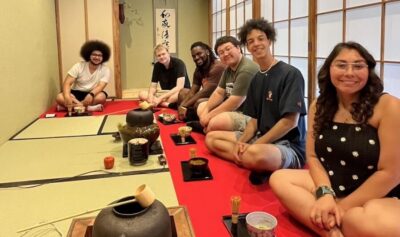
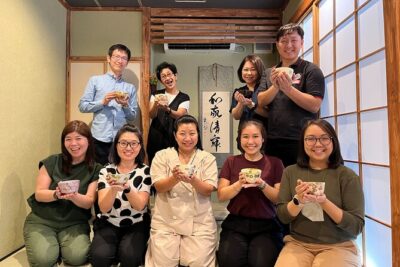
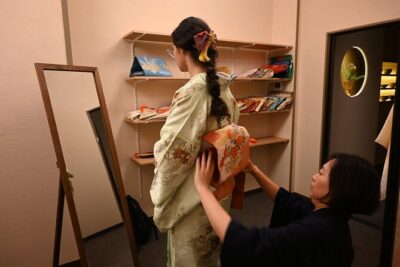
Tea Ceremony, Calligraphy, and Kimono Experience
Read our review →
Samurai Show, Tea Ceremony, Japanese Traditional Activities
Read our review →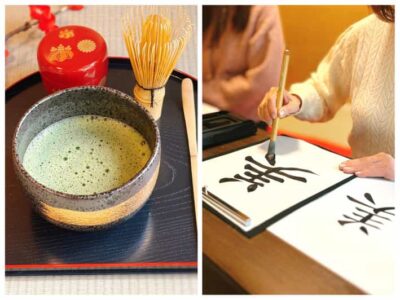
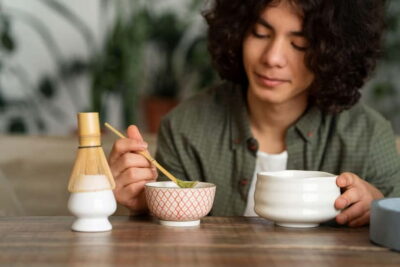
Osaka; Japanese Tea ceremony experience, Macha and Sencha
Read our review →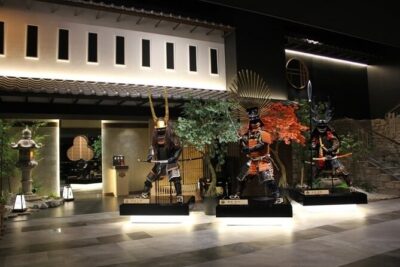
Samurai dress-up and shows, plus Tea Ceremony & Calligraphy
Read our review →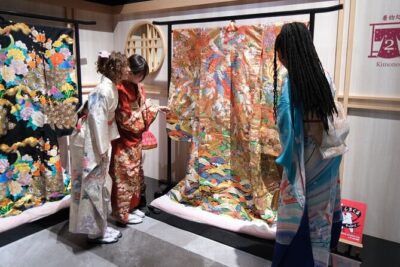
Premium Kimono Dressing, Tea Ceremony, Calligraphy, Samurai show
Read our review →Browse the lists this tour appears in