
Review · KYOTO
Kyoto: Uji Matcha Tea Museum Entry Ticket
Tea has a story worth tasting. This small, hands-on museum makes Uji tea easier to understand through touchable digital displays, clear explanations, and vivid images of the town’s past. I like the way it explains the difference between Gyokuro and Sencha, and I like that children and adults can learn side by side. The main thing to consider is that this is a self-guided museum visit, not a tea-tasting class or a guided tea ceremony.
The ticket costs about $3.87 per person, so it is an easy add-on to a day in Uji or Kyoto. I also appreciate the flexible booking terms, including free cancellation up to 24 hours before the visit and the option to reserve now and pay later. Just remember that the ticket is valid for one day, and the available starting times should be checked before booking.
Key points at a glance
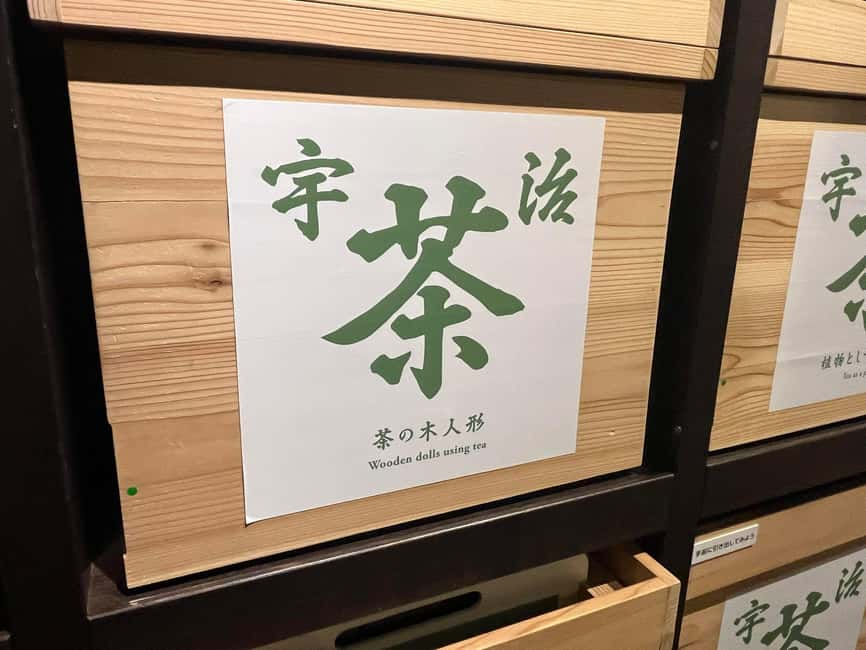
- Touchscreen tea lessons: Learn how Uji tea is grown and made through digital exhibits you can operate yourself.
- Gyokuro and Sencha explained: See how these two famous Japanese teas differ and learn what affects their flavor.
- Uji’s story beyond the cup: Explore the town, the Uji River, and local changes over time in the History Room.
- A huge Byodoin coin: Enter the history section beneath an oversized 10-yen coin featuring Byodoin Phoenix Hall.
- A 4K town panorama: The large digital screen showing Meisho-zue town drawings is one of the museum’s main visual attractions.
- A playful finish: Save time for the tea-themed photo spot at the last corner.
Why this museum works for a short Kyoto stop
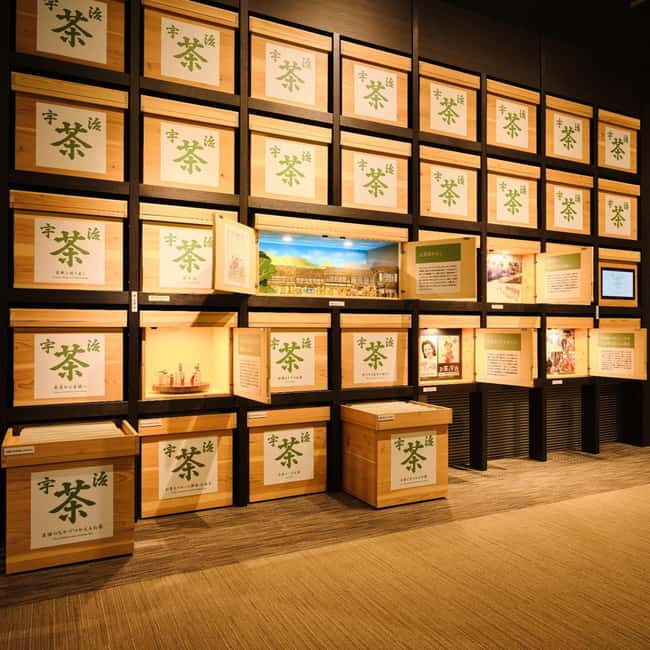
Many tea attractions ask you to sit, watch, and sip. Chazuna’s Uji Matcha Tea Museum takes a different route. It uses digital displays that you can touch and explore, which gives the visit an active feel without requiring specialist knowledge.
That makes the museum a good choice if you are curious about Uji tea but do not know the difference between the many names on a Japanese tea menu. You can start with basic questions, such as how tea is made and how Uji became known for it, then move toward more specific points about processing and preparation.
I especially like the way the museum connects the drink in your cup with the place around you. Uji tea is not presented as an isolated product. The exhibits also explain the town of Uji and the Uji River, giving you a stronger sense of how local identity and tea production fit together.
The ticket price matters here. At roughly $3.87 per person, this is not a major budget decision. It offers a useful indoor stop for families, first-time visitors to Uji, and anyone who wants more context before buying or drinking Japanese tea.
More Matcha Experiences in Kyoto
- Kyoto: Arashiyama Bamboo Forest, Monkeys, Matcha & Temple Tour
★ 5.0 · 759 reviews - Kyoto: Tea Ceremony Meditation – Make Matcha with Tea Master
★ 4.8 · 406 reviews - Kyoto: Kimono Tea Ceremony with Matcha and Sweet
★ 4.9 · 249 reviews
Entering the Uji Tea Room
The first major area is the Uji Tea Room, also called Uji-cha no Ma. This section focuses on the questions most people have when they first become interested in Japanese tea.
You can learn how tea is made, where Uji tea came from, and how production methods affect the finished drink. The exhibits are digital and hands-on, so you are not simply reading long panels from behind a rope. You can interact with the material and move at your own pace.
This is helpful for families. Children can use the touch-based displays as an activity, while adults can focus on the details behind cultivation, processing, and preparation. The format also suits people who prefer learning through pictures and interaction rather than a formal lecture.
The museum presents questions about preparing a good cup of tea, too. That practical angle gives the visit more value than a basic display of tea tools. You come away with a clearer idea of why brewing method matters and why the same plant can produce very different styles of tea.
The information is designed to make you want to drink tea, but it does not replace the experience of tasting it. No tea tasting or tea ceremony is included in this ticket. If tasting is your main goal, you will need to treat this museum as background for another activity.
Gyokuro and Sencha, two teas with different personalities
The difference between Gyokuro and Sencha is one of the most useful subjects covered in the Uji Tea Room. Both are important Japanese green teas, but they are not simply two labels for the same drink.
The museum introduces the production methods behind each type, helping you understand why the flavor, appearance, and brewing approach can differ. For a visitor who usually orders matcha without thinking about other Japanese teas, this is a worthwhile lesson.
You do not need prior knowledge. The displays are meant to answer ordinary questions, including how to make tea taste better and why certain methods produce a particular result. I like this practical focus because it turns tea from a souvenir into something you can pay attention to when you drink it.
The exhibits also give you a useful vocabulary. Afterward, terms such as Gyokuro and Sencha will have more meaning than names printed on a package. You may still need a tasting experience to identify every difference for yourself, but the museum gives you a solid starting point.
The History Room and its giant 10-yen coin
The History Room changes the focus from tea production to Uji itself. A huge 10-yen coin featuring Byodoin Phoenix Hall greets you, linking the museum to one of Uji’s best-known images.
The oversized coin is more than a photo prop. It helps place the history section in a familiar Uji setting, where the town’s identity is closely tied to its river, landmarks, and tea culture. You can use this room to understand how Uji and the Uji River changed over time.
The digital exhibits keep the subject lively. Instead of giving you a long list of dates, the displays use visual material to show how the town developed. That approach should work well if you want local context but do not want a formal history lecture.
The strongest feature here is the huge 4K HDTV screen showing townscape drawings known as Meisho-zue. The screen presents detailed views of the town, giving you a broad sense of how Uji has been pictured and understood over time.
I would spend a little extra time with this screen rather than rushing past it. It is described as a must-see part of the museum, and it gives the History Room its biggest visual impact. The only limitation is that the material remains digital and interpretive. You should not expect a full archaeological museum or a large collection of historic objects.
Same place, a different pot:
- Kyoto: Tea Ceremony in a Traditional Tea House in Kiyomizu
★ 4.9 · 3,519 reviews - Kyoto: Tea Ceremony Ju-An at Jotokuji Temple
★ 4.9 · 3,207 reviews - Kyoto: 45-Minute Tea Ceremony Lesson Experience
★ 4.3 · 2,378 reviews - Kyoto: Table-Style Tea Ceremony at a Kyo-Machiya
★ 4.9 · 1,211 reviews
A photo spot at the last corner
The visit ends with a tea-themed photo spot. This final area adds a lighter note after the production and history displays, and it gives you a chance to take pictures before leaving.
It is a small feature, but it matters for families and friends traveling together. Museum exhibits can sometimes feel serious from beginning to end. A dedicated photo area gives children something playful to look forward to and gives adults a simple record of the visit.
Since the photo spot is at the last corner, save a few minutes for it. You would not want to rush out after the History Room and miss the final display. The information does not specify the exact design of the photo area, so expect a tea-themed setting rather than a guaranteed costume or professional photo service.
How much time should you allow?
The ticket is valid for one day, but no exact visit length is provided. I would treat this as a flexible museum stop rather than a fixed tour with a timed schedule.
You can move quickly through the main questions, or spend longer with the digital displays, the Uji town material, and the large 4K screen. Families may need more time because children can interact with the exhibits at their own pace.
The lack of a stated duration is useful in one way. You are not locked into a long program. You can fit the museum around other plans in Uji, provided you check the available starting times when booking.
The trade-off is that you cannot plan your day around a precise end time from the information provided. If you have a train, meal, or other reservation immediately afterward, leave a reasonable buffer.
Accessibility and booking value
The museum is wheelchair accessible, which makes it a practical choice for visitors who need step-free access. The available information does not provide further details about individual exhibits, seating, or restroom facilities, so you may want to confirm those points if they affect your visit.
The ticket includes museum entry only. It does not include a tea ceremony, tea tasting, transport, food, or a guide. That narrow inclusion is fair at the low price, but you should know what you are buying.
At about $3.87 per person, I see this as good value for a focused cultural stop. The price is low enough that you do not need to make it the main reason for visiting Uji. It works better as a way to add meaning to the rest of your day.
The flexible terms also help. You can cancel up to 24 hours in advance for a full refund, and you can reserve while paying later. Those options are useful when your Kyoto schedule may change.
Who should book the Uji Matcha Tea Museum?
I would recommend this museum to families, tea beginners, and visitors who want a clear introduction to Uji without committing to a long activity. The touch-based exhibits make the subject approachable, and the History Room adds a local angle that goes beyond tea production.
It also suits visitors who enjoy museums with strong visual displays. The giant coin, the 4K Meisho-zue screen, and the final photo spot give the visit several memorable features without requiring a long attention span.
You may want to skip it if you are looking specifically for a tasting session or a traditional tea ceremony. This ticket teaches you about tea, but it does not promise a cup to drink. It is best viewed as an affordable, self-guided introduction to Uji’s tea culture and town history.
Should you book it?
Book this experience if you want a short, inexpensive museum visit that explains Uji tea in a friendly and hands-on way. The best reasons are the clear Gyokuro and Sencha comparison, the touchable digital displays, and the strong Uji setting in the History Room.
Skip it if your priority is drinking matcha rather than learning about it. For everyone else, the low price and flexible booking make this an easy addition to a day in Uji, especially when you want an indoor activity that works for both children and adults.
FAQ
What is included in the ticket?
The ticket includes entry to the Uji Matcha Tea Museum.
How much does admission cost?
The listed price is $3.87 per person.
How long is the ticket valid?
The ticket is valid for one day. Available starting times should be checked when you book.
Can I cancel the booking?
Yes. You can cancel up to 24 hours in advance for a full refund.
Can I reserve now and pay later?
Yes. The booking option allows you to reserve your place and pay later.
Is the museum wheelchair accessible?
Yes. The museum is wheelchair accessible.
Does the ticket include a tea tasting or tea ceremony?
No such activity is included in the stated ticket. The ticket covers museum entry, with exhibits about Uji tea, tea production, tea preparation, and Uji’s history.
More Museums in Kyoto
- Family Mitsui House Museum with green tea admission ticket
★ 4.0 · 5 reviews - Authentic Tea Ceremony & Sushi in The Museum of Kyoto
★ 5.0 · 3 reviews - Afternoon Tea at the British Museum
★ 4.2 · 511 reviews - Private Abu Dhabi Sheikh zayed mosque with Louver Museum & Emirates Place Tea
★ 5.0 · 173 reviews
More Tea Factory Tours in Kyoto
- Matcha Green Tea Plantation and Matcha Factory Visit
★ 5.0 · 6 reviews - Kyoto: Tea Museum Tickets and Matcha Grinding Experience
★ 4.9 · 739 reviews - Uva Halpewatte Tea Factory Tour in Ella Sri Lanka
★ 5.0 · 653 reviews - Nuwara Eliya: Tea Factory and Pickle Waterfalls Tuk Tuk Tour
★ 4.7 · 113 reviews
Just added around Kyoto
- Uji Walking Tour – Byodo-in temple and Tea Ceremony from Kyoto★ 3.5 · 3 reviews
- Tea ceremony at Kyoto’s Zen Temple Teahouse★ 5.0 · 2 reviews
- Kyoto: Authentic Tea Ceremony in a Small Group★ 5.0 · 7 reviews
- Tea Ceremony in 150 Years Old Townhouse with Tables and Chairs★ 5.0 · 22 reviews
- Tea Ceremony Experience in Traditional Kyoto Townhouse★ 5.0 · 19 reviews
- Traditional Tea Ceremony in Kyoto★ 4.5 · 3 reviews
- Silent Beauty of Kyoto Zen Walk and Tea Experience★ 5.0 · 2 reviews
- Kyoto Private Tea Ceremony at a Japanese Inns★ 5.0 · 12 reviews
Matcha Experiences in Kyoto, compared.

Arashiyama Bamboo Forest, Monkeys, Matcha & Temple Tour
Read our review →
Tea Ceremony Meditation – Make Matcha with Tea Master
Read our review →
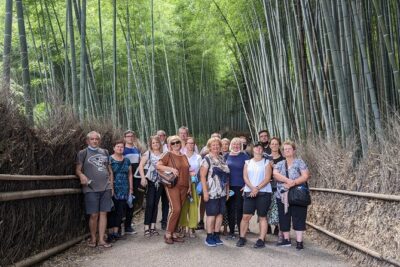
Arashiyama Bamboo, Temple, Matcha, Monkeys & secret spots
Read our review →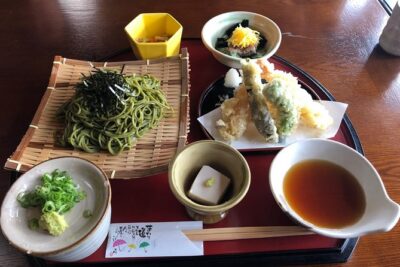
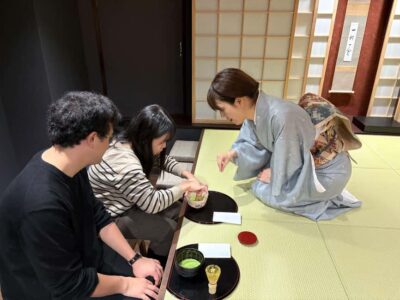
Traditional Tea Ceremony with Matcha & Sweets in Gion
Read our review →
Matcha Grinding Experience and Walking Tour in Uji Kyoto
Read our review →
Browse the lists this tour appears in