
Review · ELLA
Uva Halpewatte Tea Factory Tour in Ella Sri Lanka
Tea leaves tell a bigger story. The Uva Halpewatte Tea Factory gives you a close look at how Sri Lanka’s famous Ceylon tea moves from freshly picked leaves to a finished drink, all in about an hour. I like the step-by-step factory tour, which makes the work behind a simple cup of tea easy to understand, and the tasting at the end gives the visit a pleasant finish. The main drawback is timing: production may not be running on Sundays or later in the morning, so the machines may be quiet when you arrive.
This is a small-group visit, with up to 15 people, and the English-speaking guides are a major part of its appeal. Guides such as Siva, Lahiru, Rajha, and others have been praised for explaining the tea science clearly and answering questions with humor. I also like that the tour includes access to a working factory rather than only a display room. Still, the presentation can feel rehearsed at times, and the tea tasting may seem weak to serious tea drinkers.
Key points to know before you go
- See real tea production up close: The tour covers the main manufacturing stages inside a functioning Ceylon tea factory.
- Go early for the best chance of seeing machines running: Several comments point to morning hours, with one warning that production may stop after about 8:30 AM.
- Small groups keep the explanations manageable: The maximum group size is 15 people.
- Tea tasting is included: You finish with samples of tea made at the factory.
- The hilltop setting adds views: The factory sits on a hill with broad views around Ella.
- Sunday requires extra care: The listed opening hours say daily, but factory production may not operate on Sundays.
Why this factory visit is worth your time in Ella
Ella is full of tea-related sights, but a plantation and a factory show two different parts of the same trade. A walk among the tea bushes helps you understand where the leaves grow and how they are picked. This visit explains what happens after the leaves leave the fields.
That distinction matters. Tea is not simply dried and placed in a packet. The leaves pass through a sequence of processing stages, and each stage affects the final drink. The guide walks you through that sequence in plain English, explaining how the factory turns fresh leaves into different types of Ceylon tea.
I like this approach because it gives the tour a clear purpose. You are not just looking at old machines or posing beside tea plants. You are following a working process. Even if you already drink tea every day, you will leave with a better sense of how much labor and machinery go into that morning cup.
The visit is also relatively short. At about one hour, it fits neatly into a day of sightseeing around Ella. You do not need to give up half a day for a useful introduction to Sri Lanka’s tea industry.
More Tea Factory Tours in Sri Lanka
- Nuwara Eliya: Tea Factory and Pickle Waterfalls Tuk Tuk Tour
★ 4.7 · 113 reviews - From Colombo: Kandy, Pinnawala and Tea Factory Full-Day Trip
★ 4.4 · 99 reviews - Ella: Tea Factory, Train, and Nine Arch Day Tour with Pickup
★ 4.8 · 98 reviews
Arriving at Uva Halpewatte Tea Factory
The meeting point is Uva Halpewatte Tea Factory on Badulla Road in Hela Halpe, Ella. The tour begins and ends at the factory, so you do not have to arrange a separate drop-off point or find your way back after the visit.
The factory is described as one of the larger producers of Ceylon tea and has received awards for its production. That gives the stop more substance than a small souvenir shop with a few tea displays. You are visiting a functioning place of manufacture, although the exact amount of activity you see depends heavily on the time and day.
The setting is part of the experience. The factory sits on a hill, and the surrounding views add interest before the tour even begins. If your schedule allows, arrive with enough time to look around the outside area and take in the setting rather than rushing straight into the explanation.
The advertised hours are 8:00 AM to 4:30 PM, Monday through Sunday. But opening hours and production hours are not always the same thing. A factory can be open for tours while the machinery is idle. One detailed account advises arriving before 8:30 AM, while another recommends going before noon to have the best chance of seeing active production. Sunday is another question mark, since the factory may not be operating even if the site is open.
For that reason, I would choose an early weekday visit whenever possible. If you are especially interested in seeing the machinery running, confirm the operating schedule before setting out.
Following the tea from leaf to finished product
The main attraction is the guided walk through the tea-making process. Your guide explains the stages in order, so you can connect each machine and work area with its role in production.
The exact wording and pace depend on the guide, but the strongest tours make the process easy to follow. Siva has been praised for explaining the science and chemistry of tea, while Lahiru has been singled out for clear and engaging explanations. Rajha is known for combining detailed information with humor. Those names matter because the quality of the tour depends less on polished displays than on the person leading you through the factory.
You will hear about the methods used to process Ceylon tea and the differences between tea varieties. The tour also covers modern manufacturing procedures, giving you a look at how a traditional product is handled in a more organized industrial setting.
This is where the factory visit earns its price. A plantation walk can show you the raw material, but the factory explains the transformation. You get a sense of how much work sits between a green leaf and the dry tea in your kitchen.
The tour is also more useful when you ask questions. The guides have been praised for handling questions about the process, so do not be shy about asking how the stages affect flavor, why different teas look different, or how the factory manages production. The experience is meant to be educational, not just a quick walk past machinery.
One note of caution: not every part of the presentation feels equally polished. Some of the lecture materials and photographs may look worn, and the explanation can feel practiced rather than conversational. That does not erase the value of seeing the factory floor, but it helps set realistic expectations. This is a working industrial site, not a modern museum.
Why the working factory matters
The most useful feature is the chance to see the production area rather than only hearing about it. At some visits, the guide allows you to walk around the factory floor and look closely at the machines. That makes the process easier to grasp than a talk supported only by photographs.
You also see how labor-intensive tea production can be. The machinery handles much of the work, but the finished product still depends on many careful stages and the people who monitor them. That connection gives the drink in your cup a little more weight.
The visit can also encourage more thoughtful tea buying. The factory has a fresh tea shop and cafe, so you can compare what you have just learned with the products on sale. You do not need to buy anything for the tour to be worthwhile, but purchasing tea here can be more meaningful after you understand how it was made.
Keep in mind that the tea shop is also a sales point. Browse at your own pace, ask about the varieties, and buy only what you actually want. The educational part of the visit should not depend on making a purchase.
Same place, a different pot:
- Tea Plantation Tour in Ella, Sri Lanka
★ 5.0 · 319 reviews - Handmade Tea Tour in Ella Sri Lanka
★ 5.0 · 77 reviews - Tea Fields & Factory Tour
★ 5.0 · 67 reviews - Ella Private Day Trip with Train Ride & Tea Factory-All Inclusive
★ 5.0 · 61 reviews
The tasting: a simple but useful finish
The tour ends with a tea-tasting session. This is a modest finale, but it gives you a chance to connect the earlier explanation with taste and aroma.
For many people, the tasting is one of the best parts of the visit. It provides a direct comparison between the tea varieties discussed during the tour, and it gives you a chance to ask which type suits your preferences. Some visitors have described the tasting as enjoyable and informative.
Serious tea drinkers may be less impressed. One account found the tea watery and lacking in flavor. That may reflect preparation on the day rather than the quality of the factory’s tea, but it is still worth mentioning. Do not arrive expecting a formal professional tasting with extensive notes, food pairings, or a large selection.
Think of it as a guided sample rather than the main event. The factory explanation is the real value, and the tasting gives it a practical ending.
Pairing the factory with a plantation visit
If you have time, pairing this tour with a tea plantation visit makes good sense. The two experiences cover different sides of production.
At the plantation, you see the bushes and learn about harvesting. At the factory, you follow the leaves through manufacturing. One visit explains the agricultural work, while the other explains the processing work.
This combination also helps you notice how much manual effort goes into each stage. A plantation visit may include demonstrations of hand-picking, and some versions may offer a hands-on tea-making activity in which you work with leaves and taste the result. Those details can vary, so check exactly what your booking includes.
Do not assume that a factory ticket automatically includes a plantation tour. The factory visit described here focuses on manufacturing and tasting. If you want both, arrange them separately or confirm that a combined option is available.
Is $18 good value?
At $18, I consider this a fair price for an hour-long educational activity, especially if the factory is operating and your guide gives a full explanation. You are paying for access to a working production site, an English-language tour, a tasting, and the chance to buy tea directly at the factory.
The value drops if you arrive when production has stopped. You may still receive the talk, see the equipment, enjoy the views, and taste tea, but the visit will feel more like a demonstration than a live factory tour.
Group size helps keep the cost reasonable. With no more than 15 people, the guide should be able to address questions without the visit becoming a large crowd. The tour is also short enough that it will not consume a full sightseeing day.
I would choose it for the experience and the insight, not simply for the tasting. If you already know a lot about tea and want an advanced tasting session, the visit may feel basic. If you are curious about how everyday tea is produced, $18 is easier to justify.
Who will enjoy this tour most?
This factory visit suits first-time visitors to Sri Lanka who want context for the tea they see throughout the country. It also works well for families, couples, and anyone who enjoys practical demonstrations rather than passive sightseeing.
Tea drinkers will find plenty to think about, even if the tasting itself is simple. Children may appreciate the machines and the clear sequence of production, though the value will depend on their interest in how things are made.
It is also a useful stop for people with limited time in Ella. The tour lasts about an hour, ends where it begins, and does not require a long trek through the countryside. The main condition is choosing the time carefully.
I would be less enthusiastic if your only available slot is on Sunday or late in the day and you specifically want to watch active production. In that case, ask about the factory schedule first. Otherwise, you might receive a talk about a process that is not happening in front of you.
Practical details that affect the visit
Your confirmation is provided at booking, and the activity accepts most participants. The maximum group size is 15 people. The mobile ticket makes entry simple, provided you have the booking details ready.
The tour runs at the factory on Badulla Road and returns to the same meeting point. Since no transport is included in the information provided, plan your own way to the site.
The listed operating period runs through February 16, 2027, with hours shown as 8:00 AM to 4:30 PM daily. Production timing may differ, so early morning is the safer choice. I would also avoid relying on a Sunday slot without checking first.
Cancellation is free if you cancel at least 24 hours before the start time. Changes or cancellations made less than 24 hours in advance are not accepted for a refund.
Should you book the Uva Halpewatte Tea Factory Tour?
Yes, if you want a clear, short introduction to how Ceylon tea is made. The factory floor, practical explanations, small group size, and included tasting make this a worthwhile addition to an Ella itinerary. Guides such as Siva, Lahiru, and Rajha can make the visit especially engaging.
Book it for the production story, not for a luxury tasting or a polished museum presentation. Choose a weekday morning, ask whether the machinery will be running, and combine it with a plantation visit if you want the full journey from leaf to cup. With those expectations, the $18 price offers solid value.
FAQ
Where does the tour start and finish?
It starts at Uva Halpewatte Tea Factory on Badulla Road, Hela Halpe, Ella, Sri Lanka. The activity ends back at the same meeting point.
How long does the factory tour last?
The tour lasts approximately one hour.
What does the tour include?
It includes a guided English-language tour of the tea factory, explanations of the tea manufacturing process, a tea-tasting session, and admission to the factory visit.
What are the factory opening hours?
The listed hours are 8:00 AM to 4:30 PM from Monday through Sunday.
How many people can join the tour?
The activity has a maximum group size of 15 participants.
Can I cancel for a full refund?
Yes. You can cancel for a full refund if you do so at least 24 hours before the experience start time. Changes or cancellations made less than 24 hours in advance are not accepted for a refund.
Just added around Sri Lanka
- Trekking & Picnic in The Tea Plantation From Ella, Haputale & Bandarawela★ 5.0 · 4 reviews
- Tea Experience Tour in Haputale with Lunch at a Village house★ 5.0 · 19 reviews
- Tuk Tuk safari and Picnic in The Tea Plantation from Ella,Haputale & Bandarawela★ 5.0 · 7 reviews
- Nandana Tea Walking Tour in Sri Lanka★ 5.0 · 16 reviews
- Tea Plucking and Tea Factory Visit from Nuwara Eliya.★ 3.5 · 3 reviews
- Explore Nuwara Eliya | Experience the Best Tea in the World★ 4.5 · 3 reviews
- Explore Nuwara Eliya – Waterfall & Tea Factory Tour★ 5.0 · 2 reviews
- Nuwara Eliya: All Inclusive Horton Plains & Tea Plucking Day Trip★ 4.5 · 10 reviews
Tea Factory Tours in Sri Lanka, compared.

Tea Factory, Train, and Nine Arch Day Tour with Pickup
Read our review →
Ella Private Day Trip with Train Ride & Tea Factory-All Inclusive
Read our review →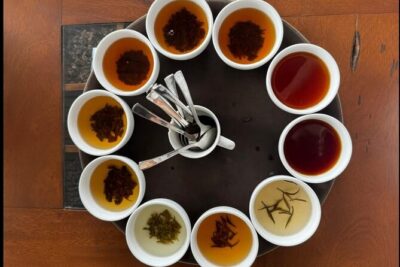
Nuwaraeliya Tea Factory and WaterFall Tour’s With DMJ Tours
Read our review →
9 Arches Bridge, Little Adam’s Peak, Tea Factory
Read our review →
Browse the lists this tour appears in