
Review · KYOTO
Authentic Tea Ceremony & Sushi in The Museum of Kyoto
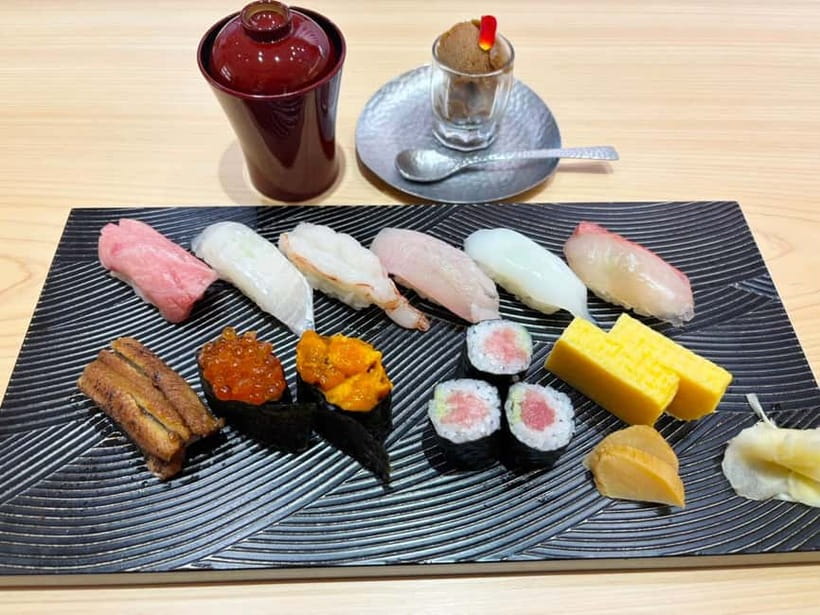
Sushi first, tea ceremony after. This Kyoto experience pairs fresh sushi made before you with a calm chanoyu lesson in a traditional house below The Museum of Kyoto. I like the rare matcha and the chance to whisk your own bowl, and I also like the small garden view and haori jacket, which make the setting feel more special than a standard meal. The main consideration is the $133 price, especially since the visit is not suitable for vegetarians, vegans, or children under 10.
The order changes by session: at 11:00, tea comes first and sushi is served at the end; at 13:30, sushi begins the visit. You should also tell the operator about allergies before arriving. The experience is offered in English and Japanese, and the available ratings give it a perfect 5 out of 5 from three bookings.
Key points to know before booking
- Sushi timing depends on your session: The 11:00 visit serves sushi at the end, while the 13:30 visit starts with sushi.
- The tea setting is below The Museum of Kyoto: You enter a traditional Japanese house with a view toward a carefully made miniature garden.
- You make your own matcha: The staff explain the tea tools and show you how to whisk your bowl.
- The matcha is a major feature: This is premium, rare matcha served with a Kyoto sweet.
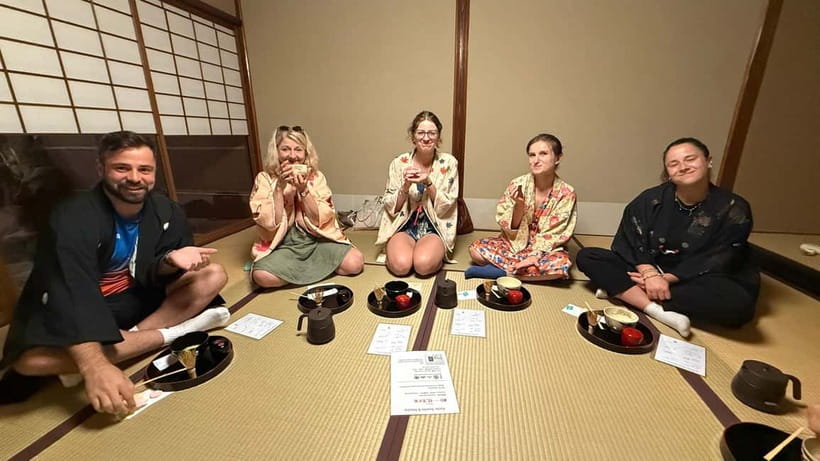
- You wear a haori: The kimono-style jacket adds a traditional touch without requiring a full kimono dressing session.
- This suits food and culture lovers: It is not suitable for vegetarians, vegans, or children under 10.
Sushi and tea in one carefully paced visit
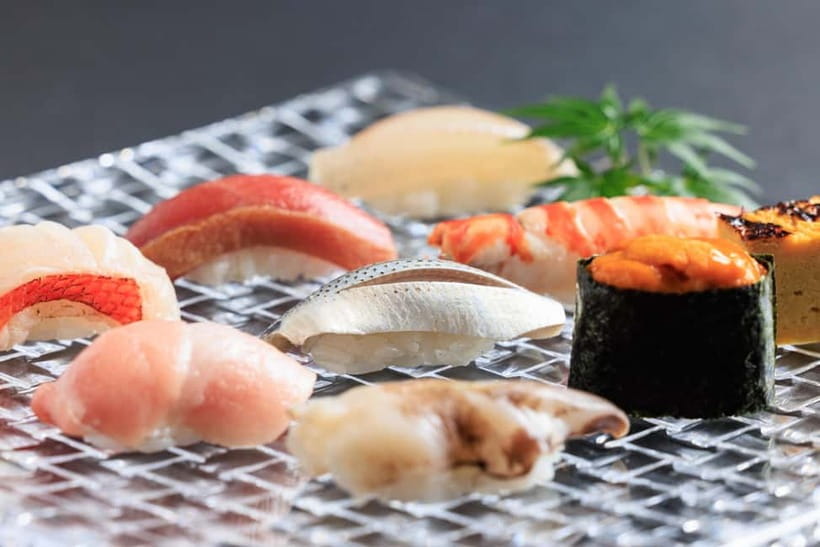
This is a compact cultural outing built around two Japanese arts: sushi preparation and tea ceremony. The pairing makes sense. Sushi brings precision, freshness, and the visible skill of a chef working by hand. Chanoyu then slows the mood, asking you to pay attention to the bowl, the utensils, the sweet, and the movement of whisking tea.
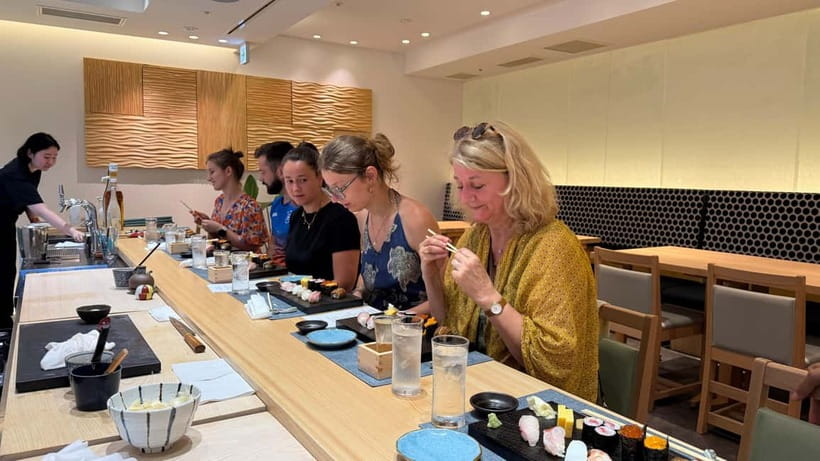
I like that the sushi is prepared directly in front of you. One rating specifically praises the sushi as exceptionally fresh, while another highlights the chef making it on the spot. That changes the meal from a simple plate of food into a demonstration of technique. You get to watch the work rather than receiving a finished meal with no explanation.
The tea portion has a different rhythm. Instead of racing through several attractions, you sit in a quiet setting and learn how tea, tools, sweets, and space fit together. The atmosphere is described as peaceful, and the guide is praised for being friendly and engaging. That balance is important: formal silence can feel stiff if nobody explains what is happening, but too much chatter would spoil the mood.
More Tea Ceremonies in Kyoto
- Kyoto: Tea Ceremony in a Traditional Tea House in Kiyomizu
★ 4.9 · 3,519 reviews - Kyoto: Tea Ceremony Ju-An at Jotokuji Temple
★ 4.9 · 3,207 reviews - Kyoto: 45-Minute Tea Ceremony Lesson Experience
★ 4.3 · 2,378 reviews
Starting at Sushi Shin in The Museum of Kyoto
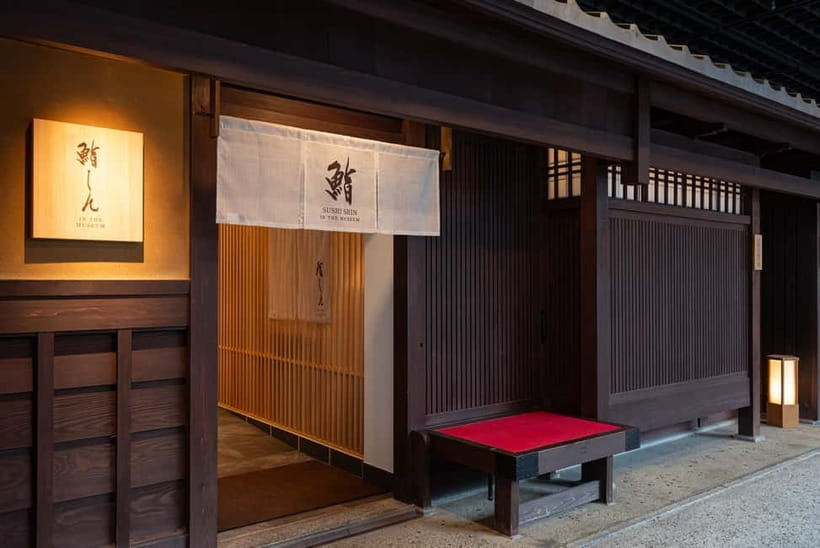
You meet at the sushi restaurant Sushi Shin in the Museum of Kyoto. The activity begins and ends at this same point, so there is no separate transfer to arrange and no risk of being sent across town between the meal and the tea ceremony.
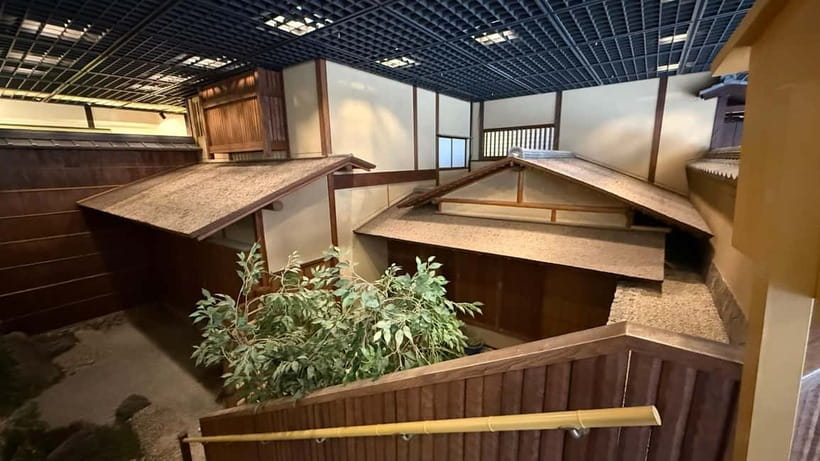
The setting is unusual because the traditional house is on the basement floor of the museum. That may sound less romantic than a standalone tea house, but the description points to an Edo-period atmosphere inside, along with a view of a meticulously designed garden. The contrast is part of the appeal: you are in central Kyoto, yet the tea room is designed to feel removed from the street.
The exact duration and group size are not provided, so I would not plan a tight connection immediately afterward. Allow extra time around the scheduled session, especially if you want to visit more of The Museum of Kyoto before or after the activity. The meeting point is clear, but the listing does not provide a detailed walking route inside the museum.
The 11:00 and 13:30 sessions are not identical
Your choice of time affects the flow.
At 11:00, the tea ceremony comes first. You begin with the quieter cultural portion, learn about chanoyu and its tools, whisk matcha, and eat the traditional sweet. Sushi is served at the end, giving the session a satisfying finish with the meal.
At 13:30, sushi comes first. You watch the chef prepare the food, eat, and then move into the tea ceremony. This order may suit you if lunch is the priority or if you prefer to settle into the visit with a meal before the slower tea ritual.
Neither order is clearly better. I would choose 11:00 if you want the tea ceremony to set the mood and sushi to close the visit. I would choose 13:30 if you want sushi at the start and a calm matcha session afterward. Check the selected time carefully, since the food placement changes.
Watching a master chef prepare the sushi
The sushi is described as being crafted by a master chef with years of training. That phrase matters most because the preparation happens in front of you. You can watch the chef’s precision and see that the meal is treated as a craft, not simply as a quick lunch.
The available feedback is especially strong on this point. One person says the sushi was made directly in front of them and was very good. Another calls it amazing, and a third praises its freshness. Those details suggest that the meal is one of the main reasons to book, not just a small extra attached to the tea ceremony.
You should keep the food restrictions in mind. This is not suitable for vegans or vegetarians, and allergies must be reported in advance. The provided information does not promise substitutions, so do not assume that a special menu can be arranged. If you have an allergy, contact the operator before booking rather than relying on a last-minute explanation.
Same place, a different pot:
- Kyoto: Table-Style Tea Ceremony at a Kyo-Machiya
★ 4.9 · 1,211 reviews - Kimono Tea Ceremony at Kyoto Maikoya, NISHIKI
★ 5.0 · 911 reviews - Kyoto: Arashiyama Bamboo Forest, Monkeys, Matcha & Temple Tour
★ 5.0 · 759 reviews - Kyoto: Kimono Tea Ceremony at Orizuruya Gion
★ 4.9 · 618 reviews
Entering the traditional house below the museum
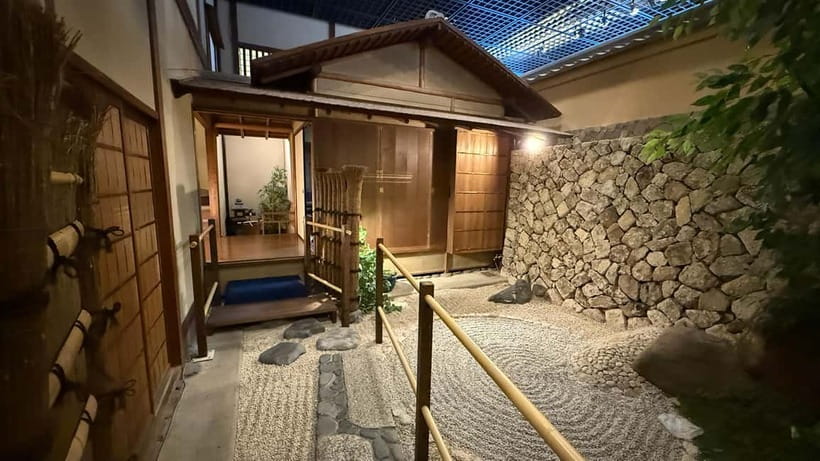
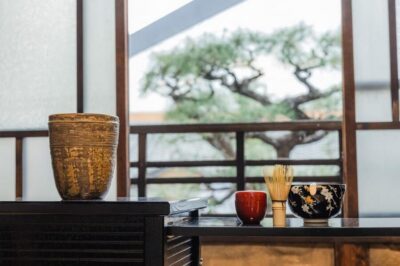
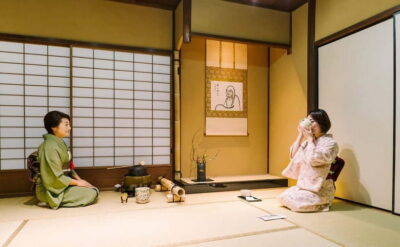
The tea portion takes place in a traditional Japanese house on the basement floor. The space is described as carrying an elegant Edo-period atmosphere, with a view of a carefully designed miniature garden.
That garden is likely to matter more than its size. Japanese garden design often asks you to notice small details rather than grand scale, and a miniature garden can provide a focused view during a quiet ceremony. You are not simply sitting in a plain room while someone serves tea. The room, the garden, and the utensils are part of the lesson.
The setting also gives you a taste of Japanese aesthetics without requiring a full countryside excursion. If your Kyoto schedule is packed, this is a practical way to encounter a traditional atmosphere while staying at a central museum location. The tradeoff is that the setting is below the museum, not a large historic residence or an open garden complex. Keep your expectations focused on intimacy and detail.
Wearing a haori for a traditional touch
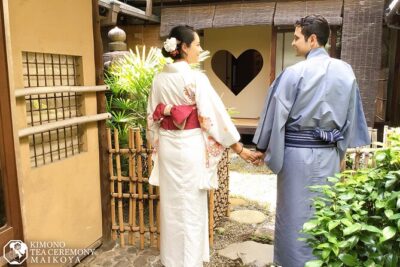
You are provided with a traditional haori, a kimono-style jacket, to wear during the activity. This is a useful middle ground. You get the visual and tactile connection to Japanese dress without the time and effort of full kimono fitting.
The haori helps mark the tea ceremony as a special occasion. It also makes the activity feel less like a regular restaurant meal followed by a short demonstration. Since the jacket is included, you do not need to arrange traditional clothing separately.
The information does not specify available sizes or the exact dressing process. If fit is important to you, ask in advance. That is a practical question worth raising, especially for older participants or anyone who prefers not to change clothing during an activity.
Learning the tools and meaning of chanoyu
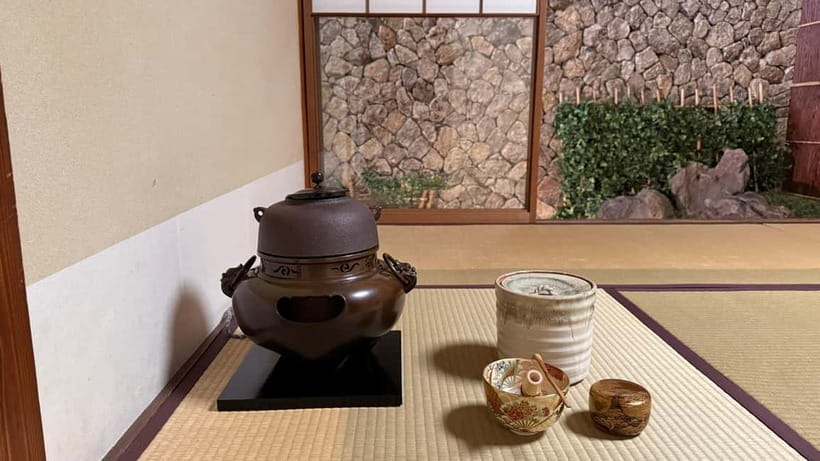
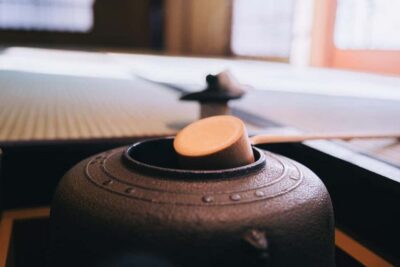
The staff provide a brief explanation of the history and cultural origins of chanoyu, along with an introduction to the utensils used in the ceremony. This is valuable because the movements can seem mysterious if you do not know what you are seeing.
You learn that the bowl, whisk, and other tools are not random tableware. Their form and use contribute to the ceremony. Even a short explanation helps you notice more: the way the tea is whisked, how the bowl is handled, and why the sweet is served with matcha.
The explanation is offered in English and Japanese. One rating praises the ceremony as well explained, and another calls the guide engaging and friendly. Those comments suggest that the teaching is an important part of the visit. Still, this is not described as a long academic lecture. You should expect a concise cultural introduction designed to support the activity, not a full course in Japanese tea history.
Whisking premium matcha and eating a Kyoto sweet
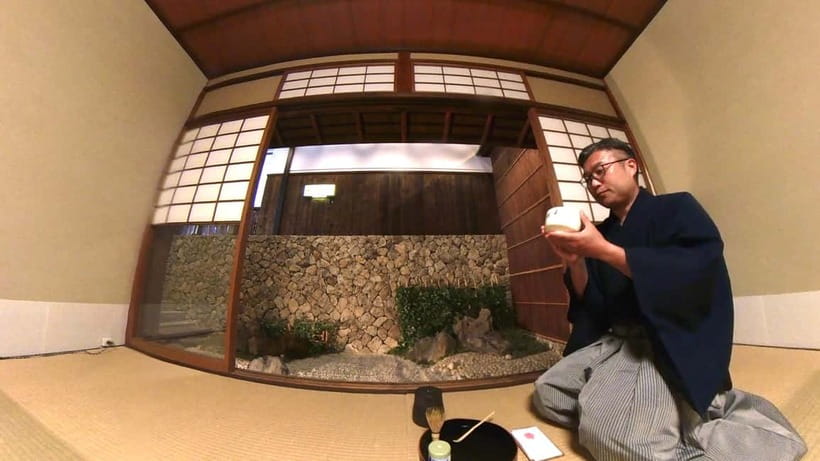
The hands-on part begins when you whisk your own bowl of matcha. This gives you a direct role in the ceremony, though you are guided through the process rather than left to guess.
Matcha can taste grassy, bitter, creamy, or sweet depending on the tea and preparation. The matcha served here is described as premium and rare, and the strong feedback repeatedly singles it out. One person says it was very high quality, while another calls it incredibly good. That is a useful clue for anyone who already enjoys matcha or wants to compare a carefully prepared bowl with the powdered green tea found in ordinary cafés.
The tea is paired with a Kyoto sweet. The sweet is not just a dessert course. Its flavor helps balance matcha, making the bitter edge easier to appreciate and showing how Japanese sweets are used alongside tea.
You should not expect a large dessert selection. The appeal is the pairing and the ritual, not volume. If you want a substantial meal, pay attention to which session includes sushi at the point you need it.
Is $133 a fair price?
At $133 per person, this is a premium activity. You are paying for more than sushi and a bowl of tea. The price includes the chef-prepared meal, the tea ceremony, premium matcha, a Kyoto sweet, use of a haori, instruction about tea utensils, cultural context, and the traditional setting with its garden view.
I see the value most clearly if you want a special Kyoto memory built around food and culture. A standard sushi lunch would cost less, and a simple matcha stop would cost much less. This experience combines both, adds a master chef and a guided ceremony, and gives you a hands-on role.
The value is weaker if you mainly want a quick meal or a casual cup of matcha. The formal setting and cultural explanation are central to the price. You should book it for the combination of craft, atmosphere, and participation, not because it is the cheapest way to eat sushi.
The perfect 5 out of 5 rating from three bookings supports the quality of the concept, though the number of ratings is small. I would treat that as encouraging rather than proof that every participant will have the same reaction.
Who should book this Kyoto experience?
I would recommend it to couples, solo visitors, and small groups who enjoy Japanese food and want a more meaningful cultural activity than a meal alone. It should also suit anyone who likes guided experiences with a calm pace, especially if you are curious about matcha but have never whisked it yourself.
The experience may be a good fit for first-time visitors because it gives you an introduction to several Japanese traditions in one central location. You see sushi preparation, wear a haori, learn about chanoyu, view a garden, and prepare tea. You do not need prior knowledge.
It is less suitable for children under 10, vegans, and vegetarians. People over 95 are also excluded by the stated requirements. Since the duration is not provided, I would also avoid booking it immediately before an important reservation or timed attraction.
If you have allergies, tell the operator in advance. The food is a major part of the visit, so this is not a detail to leave until arrival.
My recommendation: book it for the pairing
I would book this if you want sushi and tea presented as two parts of one Japanese cultural lesson. The best features are clear: sushi prepared before you, a peaceful traditional house, excellent matcha, a Kyoto sweet, and the chance to whisk your own bowl.
Choose the 11:00 session if you want tea first and sushi last. Choose 13:30 if you want sushi at the beginning. Skip it if you need a low-cost meal, require a vegetarian or vegan menu, or prefer a large garden and a full kimono dressing experience. For everyone else, the $133 price is reasonable for a polished food and culture outing, provided you value the setting and instruction as much as the meal.
FAQ
Where does the activity begin?
It begins at Sushi Shin in The Museum of Kyoto.
Where does the activity end?
It ends back at the same meeting point.
Is the experience held in a traditional Japanese house?
Yes. The tea ceremony takes place in a traditional Japanese house on the basement floor of The Museum of Kyoto.
Can I see a garden during the experience?
Yes. You can view a carefully designed miniature garden from within the traditional house.
What happens during the tea ceremony?
You receive an explanation of chanoyu, its history and culture, and the utensils used. You then whisk your own bowl of matcha and enjoy it with a traditional sweet.
Is matcha included?
Yes. Kyoto sweets and premium matcha are included.
Is a traditional garment provided?
Yes. You can wear a traditional haori, which is a kimono-style jacket.
Is sushi served at both session times?
Yes, but the order changes. At 11:00, sushi is served at the end. At 13:30, sushi is served at the beginning.
Is the experience available in English?
Yes. The listed languages are English and Japanese.
Can children join the activity?
Children under 10 cannot join. The activity is also not suitable for vegans, vegetarians, or people over 95 years old.
How should I handle food allergies?
You should inform the operator about allergies in advance.
Can I cancel for a full refund?
Yes. You can cancel up to 24 hours in advance for a full refund.
More Museums in Kyoto
- Family Mitsui House Museum with green tea admission ticket
★ 4.0 · 5 reviews - Kyoto: Uji Matcha Tea Museum Entry Ticket
★ 5.0 · 5 reviews - Kyoto: Tea Museum Tickets and Matcha Grinding Experience
★ 4.9 · 739 reviews - Afternoon Tea at the British Museum
★ 4.2 · 511 reviews
Just added around Kyoto
- Uji Walking Tour – Byodo-in temple and Tea Ceremony from Kyoto★ 3.5 · 3 reviews
- Tea ceremony at Kyoto’s Zen Temple Teahouse★ 5.0 · 2 reviews
- Kyoto: Authentic Tea Ceremony in a Small Group★ 5.0 · 7 reviews
- Tea Ceremony in 150 Years Old Townhouse with Tables and Chairs★ 5.0 · 22 reviews
- Silent Beauty of Kyoto Zen Walk and Tea Experience★ 5.0 · 2 reviews
- Tea Ceremony Experience in Traditional Kyoto Townhouse★ 5.0 · 19 reviews
- Traditional Tea Ceremony in Kyoto★ 4.5 · 3 reviews
- Sencha-do the Japanese Tea Ceremony Workshop in Kyoto★ 5.0 · 21 reviews
Tea Ceremonies in Kyoto, compared.
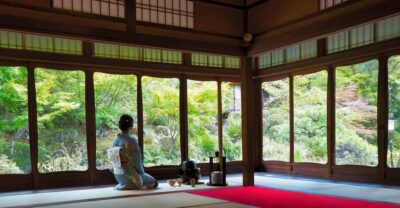
Tea Ceremony in a Traditional Tea House in Kiyomizu
Read our review →
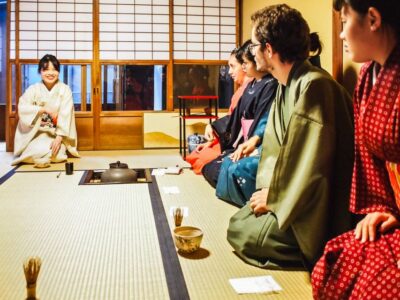
Tea Ceremony in 100-year-old Kyo-Machiya Townhouse
Read our review →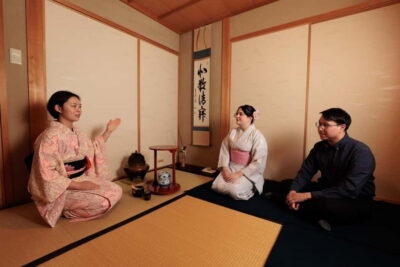
Browse the lists this tour appears in