Review · KYOTO
Kyoto: Nighttime Zen Meditation and Matcha Tea Experience
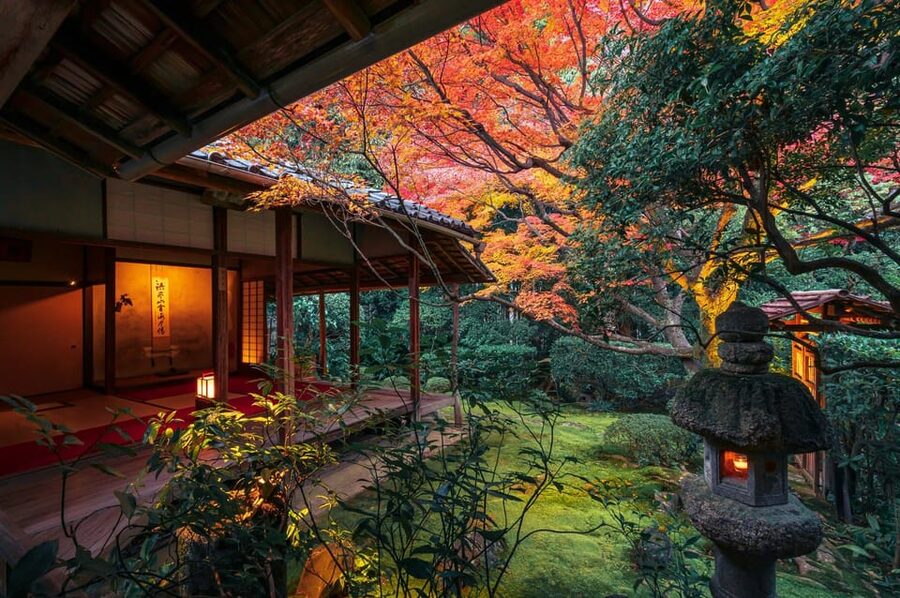
Silence feels different after dark. This 90-minute visit to Keishunin Temple offers a calm look at four illuminated gardens, a private introduction to the temple, zazen meditation, and matcha served with a traditional Japanese sweet. I like the intimate setting and the chance to meet Deputy Chief Priest Yasumasa Arashima, who guides the meditation and tea experience.
I also like the careful look at the hidden tea room Sehakuan and Kano Sansetsu’s fusuma paintings. The main consideration is the price: at $206 per person, this is not a casual add-on, and the experience may feel costly if you want only a quick temple visit or a standard tea tasting.
Key points to know before booking
- Four gardens after dark: Keishunin’s nationally designated historical sites and scenic spots are illuminated for a special evening visit.
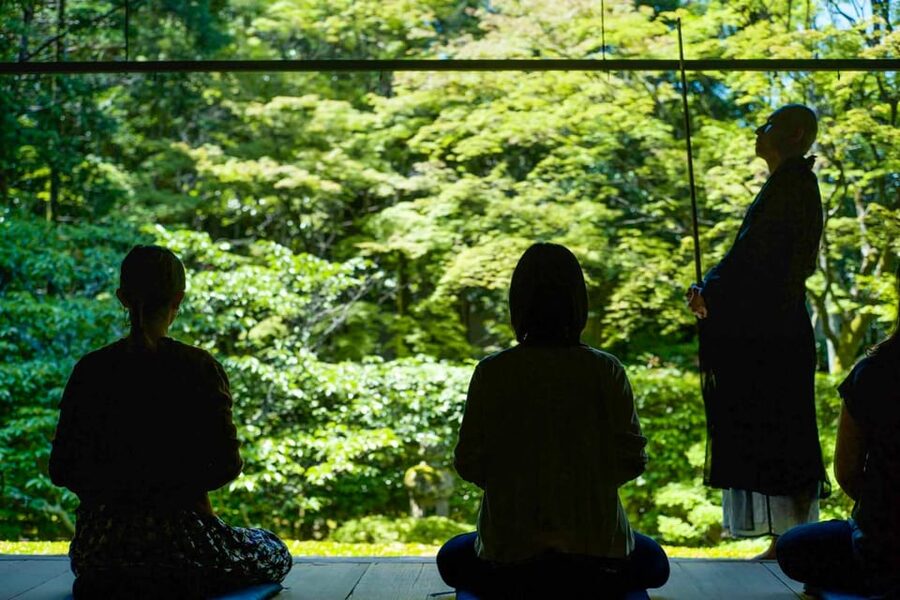
- Meditation with a senior priest: Deputy Chief Priest Yasumasa Arashima leads the zazen session.
- A private group setting: You receive a more personal experience than you would at a large public temple program.
- Tea and a Japanese sweet: Matcha follows the meditation, giving the evening a simple and traditional close.
- A close look at art and architecture: The visit includes the Sehakuan tea room and Kano Sansetsu’s fusuma paintings.
- Plan for quiet and cool conditions: Comfortable clothing and warm layers are important, and flash photography is not allowed.
Why Keishunin feels different at night
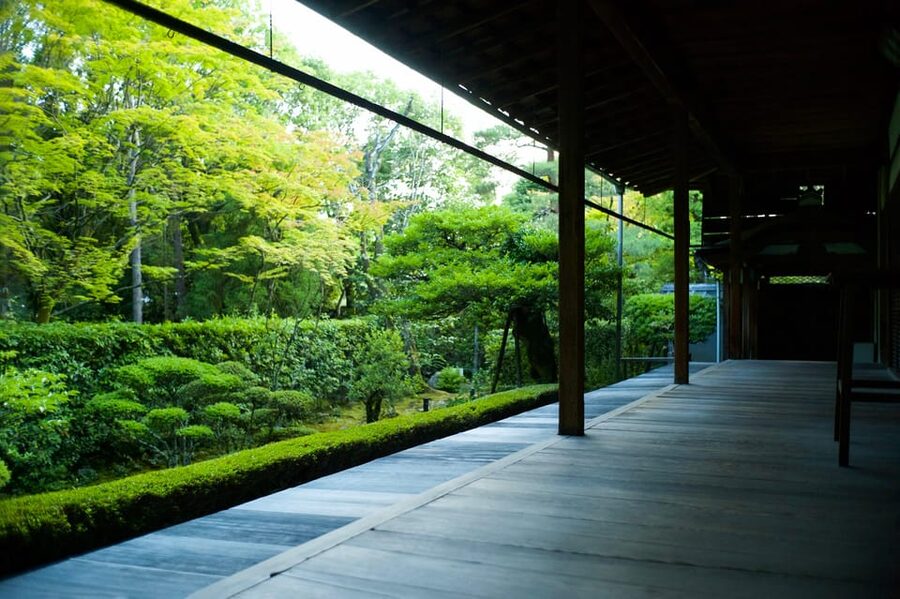
Kyoto has no shortage of temples, but this experience is not built around rushing from one famous gate to another. It gives you time to slow down inside Keishunin, a sub-temple of the Myoshinji Temple complex, and pay attention to small details.
The nighttime timing changes the mood. Light is used to draw your eyes toward the gardens, while the quieter setting supports the meditation later in the visit. You are not simply looking at a temple from the outside. You are being introduced to its rooms, artwork, gardens, and religious customs in a private group.
That distinction matters. If your Kyoto schedule already includes several daytime temple visits, this evening program offers something different. It is less about checking off a sight and more about learning how a Zen temple creates a sense of order and calm.
The visit is available in English or Chinese, with a live guide. That language support is useful during the meditation, when small instructions and cultural explanations can otherwise be easy to miss.
More Matcha Experiences in Kyoto
- Kyoto: Arashiyama Bamboo Forest, Monkeys, Matcha & Temple Tour
★ 5.0 · 759 reviews - Kyoto: Tea Ceremony Meditation – Make Matcha with Tea Master
★ 4.8 · 406 reviews - Kyoto: Kimono Tea Ceremony with Matcha and Sweet
★ 4.9 · 249 reviews
The four illuminated gardens at Keishunin
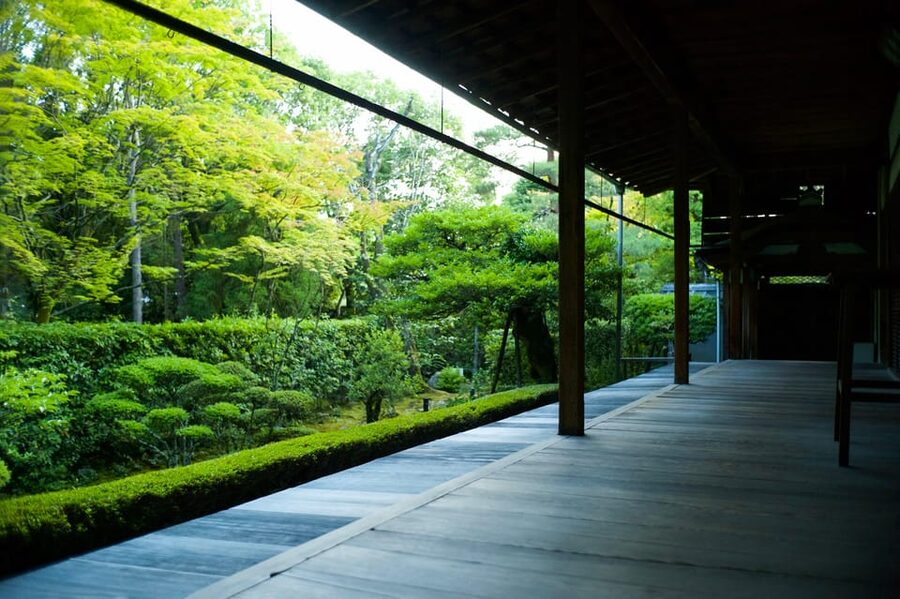
The tour begins with a look at Keishunin’s four gardens. They are designated as nationally designated historical sites and scenic spots, which gives you a good reason to slow down and study them rather than treating them as background scenery.
The evening lighting is one of the main draws. You see the gardens under a controlled glow instead of bright daytime sun. This can make the shape of stones, plants, paths, and open spaces feel more deliberate. The lights are described as fantastic, but the important point for you is that they are used to support the viewing experience, not turn the gardens into a noisy night show.
Your guide also explains the temple’s history and culture as you move through the grounds. This adds meaning to what you are seeing. Without context, a Zen garden can look simply attractive. With an explanation of how the space is used and regarded, you have more to think about during the quiet portions of the evening.
The gardens are likely to appeal most to people who enjoy atmosphere and careful observation. If you prefer dramatic monuments, fast-moving sightseeing, or a long list of photo stops, the pace may feel slow.
Flash photography is not allowed. That is practical advice, not a major restriction. The lighting and the quiet setting are part of the experience, so you should plan to watch first and photograph only when permitted.
Sehakuan tea room and Kano Sansetsu’s paintings
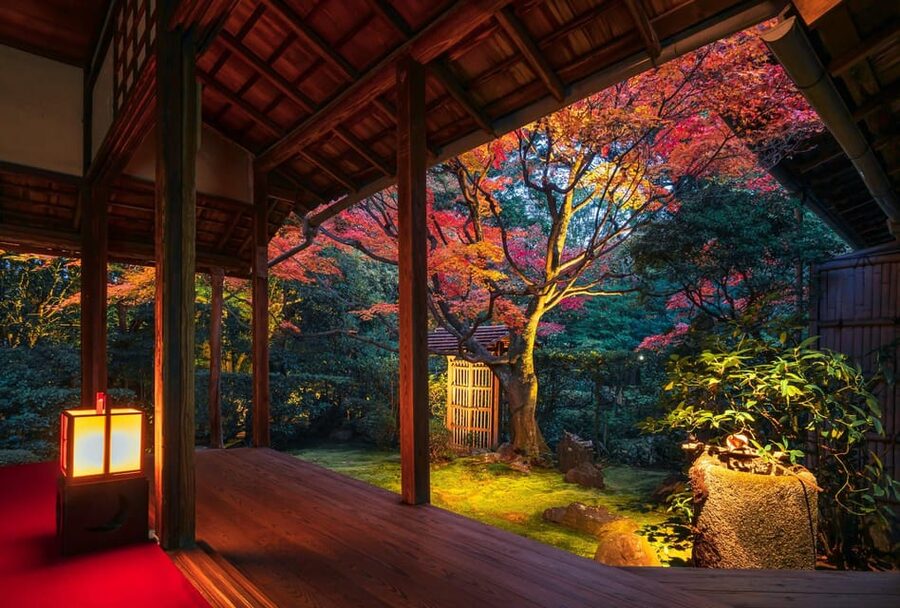
A particularly useful part of the visit is the tour of Sehakuan, described as a hidden tea room. The wording points to a more secluded and less obvious part of Keishunin, rather than a standard public tea counter.
Tea rooms are designed around proportion, movement, and restraint. Even if you are not an expert in Japanese architecture, you can appreciate how a small room creates a different sense of time from the open spaces of the garden. The visit gives you a chance to connect the later matcha tasting with the physical place where tea culture has been practiced and valued.
You also view Kano Sansetsu’s fusuma paintings. Fusuma are sliding doors and room dividers, so these paintings are part of the architecture rather than framed pictures placed on a gallery wall. That makes the viewing more interesting: the art belongs to the rooms and helps shape the atmosphere around you.
This portion is especially valuable for anyone interested in Japanese art, temple interiors, or traditional design. The information provided does not specify how long the group spends with the paintings, so you should think of this as an important stop within a 90-minute experience, not a full museum-style art tour.
What zazen meditation is like here
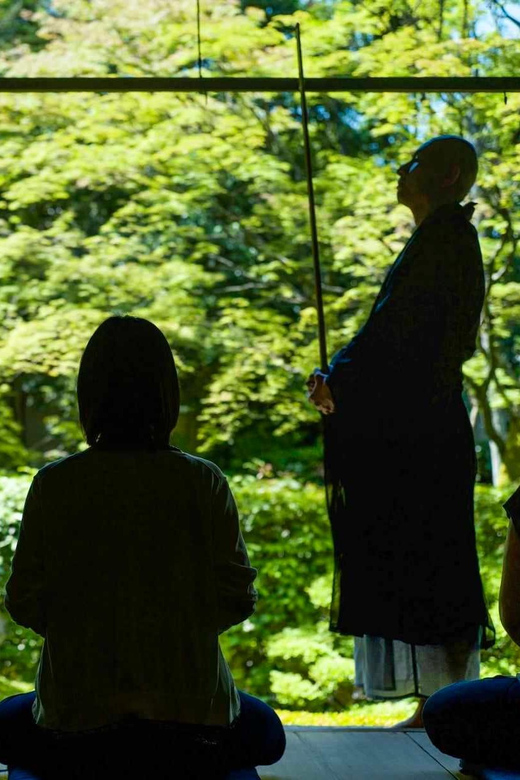
The zazen session is the heart of the program. You receive guidance from Deputy Chief Priest Yasumasa Arashima, who leads the meditation and later takes part in the tea experience.
Zazen means seated Zen meditation. For you, the value is not in trying to become an expert in one evening. It is in learning the basic customs, sitting quietly, and noticing how the temple setting affects your attention.
One especially interesting detail concerns the custom used when a practitioner becomes too tired and needs a refreshing reminder to continue. The experience includes an explanation of this practice, and you may have the chance to try it if you feel adventurous. This gives the meditation a more practical and human side. It is not presented as a vague exercise in relaxation. You learn that Zen practice includes rules, physical discipline, and ways to deal with tiredness.
The session is guided, so you do not need prior meditation experience. Still, you should arrive ready to sit quietly and follow instructions. This is not the place for constant conversation or casual sightseeing during the meditation.
The personal setting helps here. A private group can ask questions and receive translation without the interruptions common in a large public activity. English and Chinese language support are available, and one participant specifically appreciated effective translation during the meditation.
You should also keep expectations realistic. This is a 90-minute temple visit, not a multi-day retreat. You may leave feeling calmer and more focused, but the main benefit comes from giving the activity your full attention while you are there.
More Tea and Calligraphy Workshops in Japan
- Kyoto Hidden Riverside Zen Mediation and Uji Matcha Experience
★ 5.0 · 9 reviews - Whisk Your Own Matcha: A Zen Matcha Experience at Temple
★ 3.6 · 7 reviews - Kyoto: Make Zen Garden and Taste Matcha in Pottery Shop
★ 5.0 · 5 reviews - Kyoto Tea ceremony with Japanese Flower Arrangement Ikebana
★ 5.0 · 3 reviews
Matcha, sweets, and a gentle finish
After the meditation, you enjoy matcha and a traditional Japanese sweet. This is a simple close to the evening, but it works well because tea follows the quiet sitting rather than appearing as an unrelated tasting.
Matcha has a strong flavor and a distinctive preparation. If you have only had sweetened green tea drinks, the taste may surprise you. The traditional sweet provides a contrast and gives you a small example of how Japanese tea service balances bitter and sweet flavors.
The tea is also a chance to talk. One account of the experience describes a brief exchange about the group’s impressions after the meditation. That kind of conversation can help you process what you have just done without turning the evening into a lecture.
The tea service is not advertised as a full meal, so you should not book it expecting dinner. Eat beforehand if you need substantial food. The sweet is part of the cultural experience, not a replacement for a meal.
I like this ending because it leaves room for conversation and reflection. The program moves from gardens, to art and architecture, to meditation, then to tea. Each part supports the next instead of feeling like a collection of unrelated activities.
The value of a $206 private experience
At $206 per person, this is a premium Kyoto activity. The price needs to be judged against what you receive: a special nighttime temple visit, a private group, a live guide, access to four illuminated gardens, a tea room tour, viewing of Kano Sansetsu’s paintings, zazen instruction, matcha, and a Japanese sweet.
That is a stronger package than a basic temple admission or a quick tea tasting. You are paying for access, interpretation, privacy, and the involvement of a senior temple figure. If those are priorities for you, the cost can make sense.
The value is less convincing if you mainly want photographs or a short introduction to matcha. Kyoto offers many lower-cost ways to see temples and drink tea. This experience earns its price through the combination of spiritual instruction, temple interiors, illuminated gardens, and a small-group format.
The private group arrangement is important. You are not being placed in a large crowd with limited time for questions. You can focus on the guide’s explanation and meditation instructions. That said, private does not necessarily mean completely flexible. The visit has a set 90-minute duration, and the gardens, tea room, paintings, meditation, and tea all need to fit within that time.
For a special occasion or a carefully chosen Kyoto evening, I can see the appeal. For a budget-focused trip, I would compare this cost with your other planned cultural activities before booking.
Timing, clothing, and practical details
The experience lasts 90 minutes, but the available start times vary. Check the schedule carefully and allow enough time to reach the meeting point. Transportation to and from the temple is not included, so you arrange that separately.
Wear comfortable clothing. Warm layers are a smart choice because the experience takes place at night, and some parts may feel cool even if the daytime weather is mild. You should be comfortable sitting for meditation and moving through temple areas without restrictive clothing.
Smoking and flash photography are not allowed. These rules protect the quiet setting and the temple interiors. A phone or camera may still be useful if photography is permitted in specific areas, but follow the guide’s instructions.
Reservations are required. The activity excludes Obon and New Year holidays, so availability may be limited during those periods. Cancellation is free up to 72 hours before the start time. From three days before the date until the day before, the charge is 20 percent; on the day, it is 50 percent. Missing the experience without notice, or arriving after it has started, results in a 100 percent charge.
Children under 12 are not suitable for this activity. Primary school students and older can attend, but anyone under junior high school age must be accompanied by a parent or guardian. Wheelchair users cannot take part, so check this carefully before paying.
Who will enjoy this Kyoto evening most
I would recommend the experience to you if you want a quieter and more personal side of Kyoto. It suits people who enjoy temples, Japanese gardens, traditional art, tea culture, and guided meditation.
It is also a good fit if you have already seen major daytime sights and want an evening activity with a clear cultural focus. The private format may appeal to couples, families with older children, or small groups who prefer direct contact with the guide.
The program may be especially meaningful if you are curious about Zen but do not know where to begin. You receive a gentle introduction rather than being expected to arrive with meditation experience.
I would be more cautious if you dislike sitting still, have trouble with cool nighttime conditions, or want a lively food and drink experience. The tea and sweet are modest, and the meditation requires patience. This is a quiet cultural visit, not entertainment in the usual sense.
The experience is also not ideal for a tight budget. At $206 per person, you should want most of the included elements, not just one. If the gardens are your only interest, a less expensive visit may serve you better. If you want the full combination of temple access, art, meditation, and tea, the price is easier to defend.
Should you book the Keishunin nighttime meditation?
Book it if you want to spend an evening in Kyoto with fewer distractions and more personal guidance. The strongest reasons are the illuminated four gardens, the tour of Sehakuan, the Kano Sansetsu fusuma paintings, and zazen led by Deputy Chief Priest Yasumasa Arashima.
I especially like that the evening has a clear rhythm. You see the temple, learn about its spaces and artwork, sit in meditation, then share matcha and a sweet. The result is more thoughtful than a standard sightseeing stop.
Skip it if you want a cheap tea tasting, a large menu, or a fast-moving night tour. Also skip it if you cannot sit comfortably or if the accessibility limits apply to you.
For the right visitor, this is a memorable Kyoto experience because it gives you time to be quiet in a place built for quiet. That is worth paying for, but only if you are ready to slow down.
FAQ
How long does the Keishunin nighttime experience last?
The experience lasts 90 minutes.
What is included in the price?
The price includes the special nighttime visit to Keishunin, a tour of its four gardens, a visit to the Sehakuan tea room, viewing of Kano Sansetsu’s fusuma paintings, a zazen meditation experience, matcha, and a Japanese sweet.
Is transportation included?
No. Transportation to and from the meeting place is not included.
Which languages are available?
The live tour guide is available in English and Chinese.
Can children attend?
Primary school students and older can attend. Each child under junior high school age must be accompanied by a parent or guardian. Children under 12 are listed as unsuitable for the activity.
What is the cancellation policy?
You can cancel up to 72 hours in advance for a full refund. From three days before the start date until the day before, a 20 percent charge applies. The charge is 50 percent on the day, and 100 percent for non-participation without notice or after the activity has begun.
More Tea and Calligraphy Workshops in Kyoto
- Tea ceremony at Kyoto’s Zen Temple Teahouse
★ 5.0 · 2 reviews - Silent Beauty of Kyoto Zen Walk and Tea Experience
★ 5.0 · 2 reviews - Zen Garden Making and Matcha Tasting in Handmade Pottery Shop
★ 3.5 · 2 reviews
Just added around Kyoto
- Uji Walking Tour – Byodo-in temple and Tea Ceremony from Kyoto★ 3.5 · 3 reviews
- Tea ceremony at Kyoto’s Zen Temple Teahouse★ 5.0 · 2 reviews
- Kyoto: Authentic Tea Ceremony in a Small Group★ 5.0 · 7 reviews
- Tea Ceremony in 150 Years Old Townhouse with Tables and Chairs★ 5.0 · 22 reviews
- Tea Ceremony Experience in Traditional Kyoto Townhouse★ 5.0 · 19 reviews
- Traditional Tea Ceremony in Kyoto★ 4.5 · 3 reviews
- Silent Beauty of Kyoto Zen Walk and Tea Experience★ 5.0 · 2 reviews
- Kyoto Private Tea Ceremony at a Japanese Inns★ 5.0 · 12 reviews
Matcha Experiences in Kyoto, compared.
Arashiyama Bamboo Forest, Monkeys, Matcha & Temple Tour
Read our review →
Tea Ceremony Meditation – Make Matcha with Tea Master
Read our review →
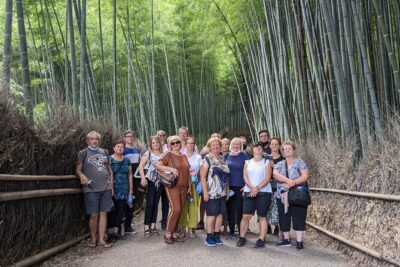
Arashiyama Bamboo, Temple, Matcha, Monkeys & secret spots
Read our review →
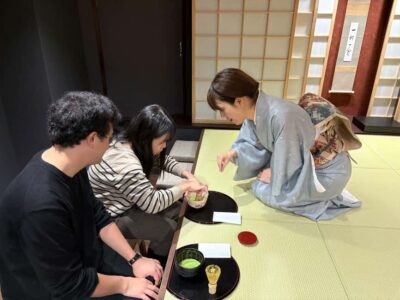
Traditional Tea Ceremony with Matcha & Sweets in Gion
Read our review →
Matcha Grinding Experience and Walking Tour in Uji Kyoto
Read our review →