
Review · KYOTO
Kyoto: Kimono Rental and Matcha Experience
Traditional Kyoto, with a cup of tea. This experience pairs kimono dressing near Kyoto Station with a hands-on matcha lesson in a tatami room near Kodaiji Temple. I like the easy starting point, just one minute from the station, and I like that the taxi to the Kiyomizu area is included. The main drawback is that you must arrange and pay for your own return trip, unless you change back at the café.
The $50 price is fair for a private activity that includes the kimono set, matcha experience, English-speaking help, and one-way taxi. Keep your afternoon open, though, since the rental lasts most of the day and you need to return the clothing by 5:30 pm unless you pay a next-day return fee.
Key Points at a Glance
- One minute from Kyoto Station: Start at MK Kimono Rental Mimosa Hachijo-guchi Store, directly by the station’s Hachijo exit.
- A complete outfit is supplied: You receive a kimono or summer yukata, obi belt, socks, shoes, bag, and innerwear.
- Private taxi to the old streets: The included ride takes you from Kyoto Station to Ichinenzaka 362 Café near Kodaiji Temple.
- You make your own matcha: After watching a short tea ceremony, you whisk a frothy bowl of tea yourself.
- The setting is part of the experience: A renovated townhouse and tatami room provide a calm place to learn.
- Return timing matters: Kimono rental runs from 9:00 am to 6:00 pm, with check-in by 3:00 pm and return by 5:30 pm.
Starting at Kyoto Station, Where the Day Gets Easy
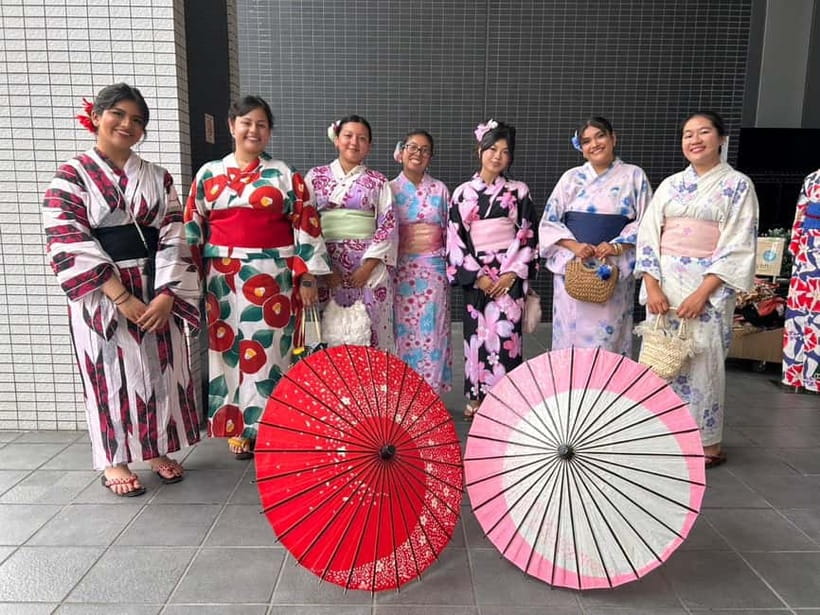
The practical strength of this experience is its starting point. MK Kimono Rental Mimosa Hachijo-guchi Store is in front of the Hachijo exit of Kyoto Station, only about a minute away. That matters in Kyoto, where a morning activity can quickly become a hunt through station corridors and side streets.
You need to go to the correct store, so check the location carefully before setting out. The activity information identifies the starting point as the Hachijo-guchi shop in the Kyoto Station area. Do not simply follow a map to a similarly named business elsewhere in Kyoto.
At the shop, English-speaking staff help you through the process. That is useful for first-time visitors who may not know how a kimono is arranged or which accessories belong with it. The service is set up as a private group, giving you a more personal experience than a large class with strangers.
The rental includes the main clothing and the small pieces that make the outfit work:
- Kimono, or yukata in summer
- Obi belt
- Socks
- Shoes
- Bag
- Innerwear
- Haori jacket for men in winter
Free luggage storage is also available. This can make the morning much easier if you are carrying bags from a hotel, train, or previous stop. The price covers the normal kimono plan, not extras beyond the included set, so ask staff about any optional additions before you agree to them.
More Kimono and Tea Ceremonies in Kyoto
- Kimono Tea Ceremony at Kyoto Maikoya, NISHIKI
★ 5.0 · 911 reviews - Kyoto: Kimono Tea Ceremony at Orizuruya Gion
★ 4.9 · 618 reviews - KYOTO Tea Ceremony with kimono near by Imamiya Jinjya Shrine
★ 5.0 · 343 reviews
Dressing Up Without Packing a Costume
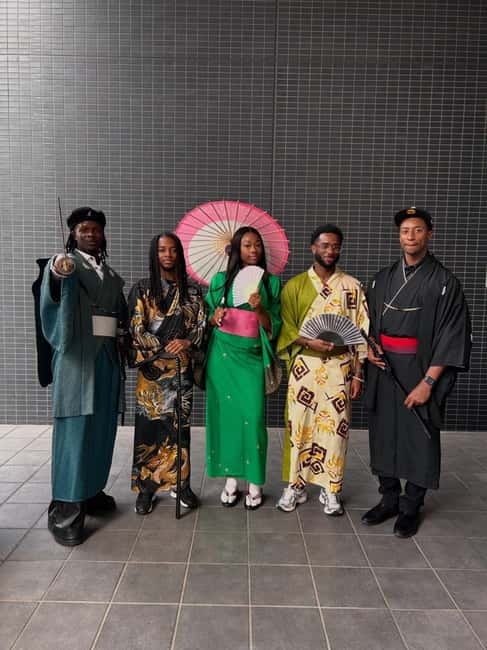
The appeal here is not simply wearing a Japanese outfit for a photograph. Getting dressed changes the pace of your day. You leave the station in clothing designed for a slower walk, a formal tea setting, and old streets lined with wooden buildings.
The staff handle the practical work, while you choose an outfit from the available selection. The supplied details make this easier than arranging everything separately. You do not need to find an obi, shoes, or a bag on your own, and innerwear is included.
Summer visitors receive a yukata rather than a heavier kimono. Men receive a haori jacket in winter, which gives the outfit a more finished cold-weather look. The details of color and pattern selection are not specified, so do not assume that every style or size is guaranteed.
A hairstyle is not listed as part of the included package. One recent participant, Adel Sahyoun, specifically praised the experience after his wife received a beautiful hairstyle, but you should confirm whether hair styling is included or available at an extra cost. That is one of the few details worth checking before you arrive.
The clothing is also a practical consideration. You will be walking through the Kiyomizu area in traditional shoes, and kimono sleeves and layers can feel less casual than everyday clothes. I would plan a comfortable route rather than trying to cover every corner of eastern Kyoto in one afternoon.
The Taxi Ride to Ichinenzaka 362 Café
Once you are dressed, a private taxi carries you from Kyoto Station to Ichinenzaka 362 Café near Kodaiji Temple. The ride takes about 20 minutes according to the activity schedule, and the one-way fare is included.
This is good use of time. You avoid figuring out a bus route while wearing formal clothing, and you arrive in the historic part of Kyoto without spending the first part of the outing navigating public transport. The taxi also keeps the activity focused on the experience rather than the transfer.
The ride is only one way. After the tea and the walk, you are responsible for transportation unless you return to the café to change and then make your own way back. The information says you can also return to Kyoto Station and change there, but that trip is not included in the price.
That return detail affects the real cost. The advertised $50 covers the trip to the old town, but you should budget for your later transportation if you choose to change at the station. If you return the kimono at the café, you still need to arrange your own ride or other transport from the Kiyomizu area.
A Quiet Tea Lesson in a Renovated Townhouse
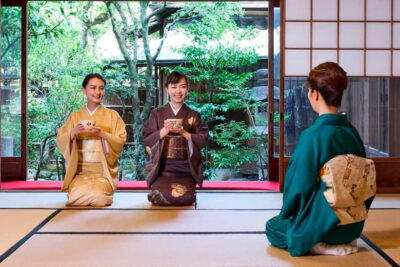
Ichinenzaka 362 Café gives the matcha portion a fitting setting. The lesson takes place in a tatami room inside a renovated townhouse near Kodaiji Temple. That is a better backdrop for tea than a standard café table, because the room itself introduces you to the calm, careful style associated with a Japanese tea gathering.
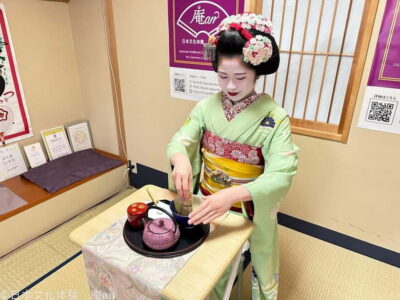
You first watch a short tea ceremony. The point is not to turn you into a tea master in 30 minutes. Instead, you see the basic movements and understand that preparing matcha is more than stirring powder into hot water.
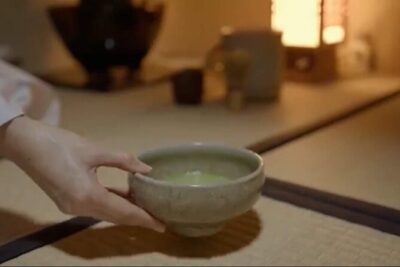
Then you whisk your own bowl of matcha. English-speaking staff guide you through the process, making this suitable for someone who has never handled a bamboo whisk. You get to drink the tea you prepared, which gives the lesson a personal finish.
The tea portion lasts about 30 minutes. It is brief enough to fit beside sightseeing, but long enough to include both demonstration and hands-on practice. If you want a long formal ceremony or a detailed lesson on tea history, this is not that kind of program. Think of it as a friendly introduction with a real setting and a task you perform yourself.
The experience works best when you slow down. Put away the urge to rush to the next temple, watch the preparation, and pay attention to the texture and foam of the tea. The setting does much of the work, but your willingness to be present makes the half hour more rewarding.
More Matcha Experiences in Kyoto
- Kyoto: Arashiyama Bamboo Forest, Monkeys, Matcha & Temple Tour
★ 5.0 · 759 reviews - Kyoto: Tea Ceremony Meditation – Make Matcha with Tea Master
★ 4.8 · 406 reviews - Kyoto: Kimono Tea Ceremony with Matcha and Sweet
★ 4.9 · 249 reviews - Kyoto: Arashiyama Bamboo, Temple, Matcha, Monkeys & secret spots
★ 5.0 · 219 reviews
Walking the Kiyomizu Streets in Kimono
After tea, you have time to explore near Kiyomizu-dera while still dressed in the kimono. The route brings you among traditional shops and wooden houses in the Kiyomizu area, with the old streets providing the photographs many people want from Kyoto.
The activity description highlights the streets around Kiyomizu-dera rather than promising entry to the temple itself. Your time here is for walking and photographs, not a guided temple visit. If Kiyomizu-dera is on your list, you can pair the outing with a separate visit, but make sure you allow enough time to return the rental clothing.
This part is flexible, which I consider a strength. You can take photographs, browse the traditional shops, or simply walk at a slower pace. The kimono makes the area feel different from a quick sightseeing stop, although the clothing can also make steep streets and crowded lanes more tiring.
The photographs are not supplied by a professional photographer. You will need to take your own pictures or ask someone in your group. The traditional shops, wooden houses, and the kimono provide the setting, but the final result depends on your timing and the person holding the camera.
You should also keep an eye on the clock. Kimono rental hours are 9:00 am to 6:00 pm, with the last check-in at 3:00 pm and the standard return due by 5:30 pm. The matcha café is open from 10:00 am to 6:00 pm, with last order at 5:30 pm.
Returning the Kimono Without a Last-Minute Scramble
You have two return choices. You can change and return the kimono at the same location where you enjoyed the matcha, or you can go back to the Kyoto Station store and change there. The return transport is not included.
For a relaxed day, I would decide this before leaving the rental shop. Returning at the café may save you a trip back to the station, but it leaves you in the Kiyomizu area with your onward transport still to arrange. Returning at Kyoto Station may be convenient if you have a train, hotel, or dinner nearby, but you need to allow time for the journey.
Next-day return is possible for an extra charge. Returning between 9:00 am and 10:00 am costs 1,100 yen, while returning between 10:00 am and 6:00 pm costs 2,200 yen. This option could help if you want evening photographs or a longer walk, but it raises the total price and requires another visit to the shop.
The standard schedule suits people who can begin early or midmorning. A 3:00 pm last check-in means this is not a late-afternoon activity. Start too late and you will have little time for tea, photographs, and the return process.
Is $50 Good Value?
At $50 per person, you are paying for more than clothing rental. The package includes the standard kimono set, matcha preparation, English-speaking assistance, and a private taxi from Kyoto Station to the Kiyomizu area.
The strongest value comes from combining several arrangements in one booking. You do not need to find a rental shop, locate a tea class, and work out the first transfer separately. The station location is especially useful if you are arriving by train.
The value is less clear if you only want a quick kimono photo session. You pay for a full-day rental window and a tea activity, so someone who is interested in photographs but not matcha may find the package less appealing. Likewise, the cost does not include your return transportation or anything beyond the normal kimono set.
The private group format also helps justify the price. English-speaking staff can guide you through the dressing and tea steps without forcing you into a large class. The 4.8 rating from 24 reviews supports the idea that the service is generally well received, with particular praise for the welcoming shop staff and the calm matcha presentation.
Adel Sahyoun described the combination of dressing, hairstyle, tea preparation, and photographs as unforgettable. Loretta specifically praised the welcoming women at the shop, while Syed gave the overall experience a strong recommendation. Those comments point to the human side of the activity, not just the schedule.
Who Will Enjoy This Kyoto Experience Most?
I would recommend this for couples, friends, and first-time Kyoto visitors who want a cultural activity with attractive photographs. It also suits anyone who likes hands-on learning more than watching a performance from the sidelines.
The English-speaking support is useful for people who want clear instructions. The private group format makes it a comfortable choice if you prefer not to dress in front of a large crowd or share a tea lesson with a packed room.
It is less suitable for pregnant women and people over 95 years old, both of whom are specifically excluded. Pets are not allowed, and alcohol and drugs are prohibited.
You should also think about your walking comfort. The program combines dressing, a taxi, time on tatami, and a walk through the Kiyomizu area. If you want a short, seated activity with no clothing change or street walking, choose something simpler.
Free cancellation is available up to 24 hours in advance for a full refund, and you can reserve now and pay later. Those terms help if your Kyoto schedule is still shifting, but the key practical issue remains the same: confirm the store location and plan your return.
Should You Book It?
Book this experience if you want a convenient introduction to kimono, matcha, and Kyoto’s old streets in one outing. The station location, included taxi, English-speaking staff, private group, and hands-on tea preparation make it easy to fit into a busy visit.
I would especially choose it for a couple or small group that wants shared photographs and a gentle cultural activity. You get a real tea-making task, not just a costume change, and the Kiyomizu setting gives you time to enjoy the outfit outside the shop.
Skip it if you want a formal, lengthy tea ceremony, a professional photo shoot, or transport back to Kyoto Station included in the price. For everyone else, $50 is a sensible spend, provided you remember the return transport, watch the 5:30 pm clothing deadline, and arrive at the correct Hachijo-guchi shop.
FAQ
Where does the kimono experience begin?
It begins at MK Kimono Rental Mimosa Hachijo-guchi Store, located in front of the Hachijo exit of Kyoto Station.
What is included in the kimono rental?
The normal plan includes a kimono, or a yukata in summer, plus an obi belt, socks, shoes, bag, and innerwear. Men also receive a haori jacket in winter.
Is the matcha activity taught in English?
Yes. English-speaking staff guide you through the experience.
Do I make my own matcha?
Yes. You first watch a short tea ceremony, then whisk and drink your own bowl of matcha.
Is transportation included?
A one-way private taxi from Kyoto Station to Ichinenzaka 362 Café near Kodaiji Temple is included. Transportation after the experience is not included.
When must I return the kimono?
The normal return time is by 5:30 pm. Kimono rental hours run from 9:00 am to 6:00 pm, and the last check-in is at 3:00 pm.
Can I return the kimono the next day?
Yes. Returning between 9:00 am and 10:00 am costs 1,100 yen, and returning between 10:00 am and 6:00 pm costs 2,200 yen.
Just added around Kyoto
- Uji Walking Tour – Byodo-in temple and Tea Ceremony from Kyoto★ 3.5 · 3 reviews
- Tea ceremony at Kyoto’s Zen Temple Teahouse★ 5.0 · 2 reviews
- Kyoto: Authentic Tea Ceremony in a Small Group★ 5.0 · 7 reviews
- Tea Ceremony in 150 Years Old Townhouse with Tables and Chairs★ 5.0 · 22 reviews
- Tea Ceremony Experience in Traditional Kyoto Townhouse★ 5.0 · 19 reviews
- Traditional Tea Ceremony in Kyoto★ 4.5 · 3 reviews
- Silent Beauty of Kyoto Zen Walk and Tea Experience★ 5.0 · 2 reviews
- Kyoto Private Tea Ceremony at a Japanese Inns★ 5.0 · 12 reviews
Kimono and Tea Ceremonies in Kyoto, compared.
KYOTO Tea Ceremony with kimono near by Imamiya Jinjya Shrine
Read our review →
Kimono and Tea Ceremony Experience at Cultural Asset
Read our review →
Private Tea Ceremony and Sake Tasting in Kyoto Samurai House
Read our review →Browse the lists this tour appears in