
Review · JAPAN
Traditional Japanese Tea Ceremony at Master’s Private Tea Room
Old wood, quiet rooms, careful tea.
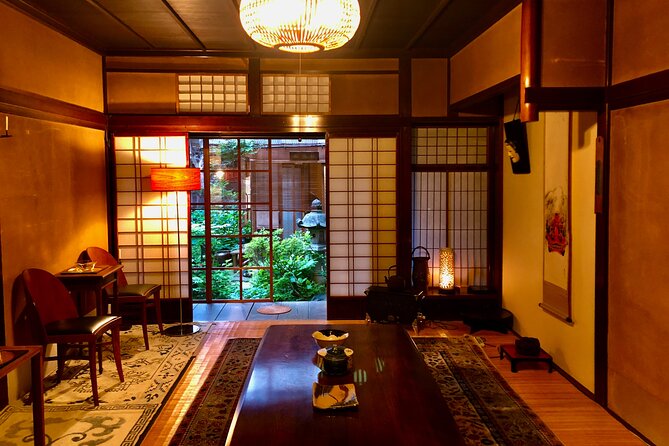
This private tea ceremony offers two things I especially like: a chance to see a more than 200-year-old machiya that still keeps its original character, and a personal introduction to green tea and matcha with seasonal fruit and sweets. The house also has an unusual past as an obstetrics and gynecology clinic, giving the visit a story beyond tea alone.
The main consideration is timing. The experience lasts about two hours, costs $97.73 per person, and is listed with Monday hours from 9:00 a.m. to 6:00 p.m. Availability must be confirmed after booking, so you will want to plan ahead. It is often booked 99 days in advance.
Key Points at a Glance
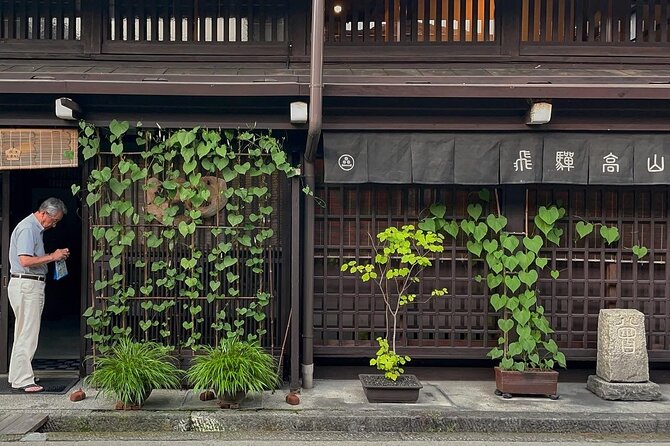
- A 200-year-old Hida machiya: See a long, narrow merchant house built with fine local craftsmanship.
- A private tea room setting: Only your group participates, making this more personal than a large cultural demonstration.
- Tea with seasonal treats: The visit includes Japanese tea, matcha, seasonal fruit, and sweets.
- A former medical clinic: The old house and obstetrics and gynecology clinic share an unusual layout and character.
- A hands-on tea introduction: Bob-san shows you how to make green tea and matcha.
- Simple logistics: The tour begins and ends at 2-chōme-147 Morishitamachi in Takayama, with a mobile ticket and free cancellation up to 24 hours before the start.
Entering Takayama’s Long, Narrow Machiya
A machiya was a merchant house used during the Edo period. From the street, these homes often look narrow and modest. Inside, they extend farther back than you might expect.
That shape reflects the way these buildings were made on tight town plots. A narrow entrance could open into a deeper home, work area, and rear space. The design was practical, but it also gave Hida craftsmen room to show their skill through wood, proportions, materials, and small details.
I like this part of the experience because you are not simply being shown an old building from behind a barrier. The house is presented as a place where people once worked and lived. You get a better sense of how Japanese town life fitted into a limited footprint.
The building is said to be more than 200 years old, and its survival matters. Many machiya buildings have lost their original appearance. This one still gives you a direct look at the form, materials, and arrangement of an old Hida townhouse.
You should not expect a grand palace or a large museum. The value is in the scale. A machiya is an ordinary urban house made special by its age, construction, and continued presence. That can tell you more about daily life than a polished display of isolated artifacts.
More Private Tea Experiences in Japan
- Private Tea Ceremony and Sake Tasting in Kyoto Samurai House
★ 5.0 · 163 reviews - Tea Ceremony Experience in a Private Tea Room in Shibuya
★ 4.9 · 125 reviews - Kyoto: Private Tea Ceremony with a Garden View
★ 4.9 · 61 reviews
The Former Clinic and Its Unusual Layout
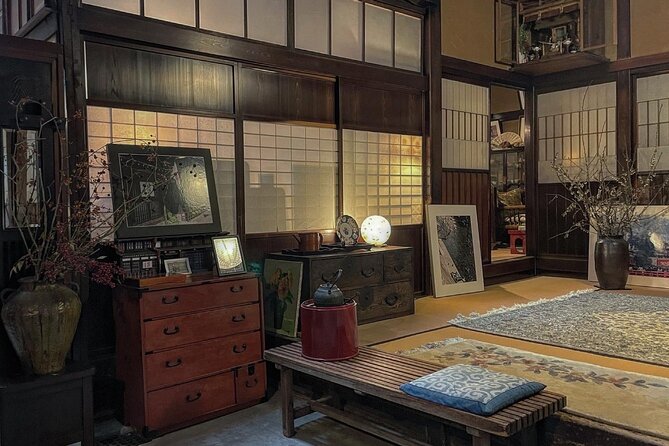
The house has a particularly unusual detail in its past. It was formerly operated as an obstetrics and gynecology clinic.
The combination of the main machiya house and the clinic creates an unexpected mix of domestic and professional spaces. It is described as a strange but beautiful harmony, and that contrast gives the architecture another layer to consider.
You may find this more interesting than a standard tea-room visit because the building is not only a setting for the ceremony. Its previous use helps explain how an old townhouse adapted over time. Historic buildings survive partly because people keep finding practical ways to use them.
The clinic connection also prevents the visit from becoming too polished or predictable. You are not seeing a house frozen in one perfect historical moment. You are seeing a structure that has changed with the people who used it.
Since the experience is private, you can give the building your attention without being folded into a large group. The available information does not promise a full architectural tour of every room, so it is best to think of the house visit as an introduction to machiya design paired with tea, not as a specialist building survey.
Learning the Tea Ritual in a Private Room
The tea portion is the heart of the visit. You will enjoy Japanese tea with seasonal fruits and sweets, and the host introduces the preparation of green tea and matcha.
Bob-san is specifically praised as a friendly and kind host who shows you how to make both kinds of tea. That detail matters. A tea ceremony can feel distant if you only watch someone perform a set of movements. Here, the opportunity to prepare tea yourself gives you a clearer sense of the care involved.
Matcha is not simply a drink served in a cup. The preparation calls for measured movements and attention to texture. Even a short introduction can help you understand why the bowl, whisking, water, and presentation matter.
The activity is not presented as a formal school lesson, and you should not expect to leave as a trained tea practitioner. Its strength is that it offers a friendly first look at the process. You can ask questions, follow the host’s example, and enjoy the tea without needing prior knowledge.
The ceremony also gives you time to slow down. Takayama has plenty to see, but the town is easier to appreciate when you allow a quiet pause between sightseeing stops. A cup of tea in an old wooden house can provide that pause without requiring a full day away from the rest of your plans.
Seasonal Fruit and Sweets With the Tea
Tea is served with seasonal fruits and Japanese sweets. This is not a minor extra. Food helps balance the taste of matcha and gives the ceremony a connection to the time of year.
Seasonal ingredients are part of the appeal because the exact experience can change depending on when you visit. The supplied details do not specify which fruits or sweets are served, so you should not book with one particular dish in mind. Instead, treat the changing selection as part of the point.
The pairing also makes the ceremony more accessible. Matcha can taste strong or bitter if you are not used to it. A sweet or piece of fruit gives you something to enjoy alongside it, rather than making the drink the only focus.
I like that this part keeps the ceremony grounded. You are not just watching a ritual. You are sharing tea and food in a domestic setting, with the house and its history around you.
More Tea Ceremonies in Japan:
- Kyoto: Tea Ceremony in a Traditional Tea House in Kiyomizu
★ 4.9 · 3,519 reviews - Kyoto: Tea Ceremony Ju-An at Jotokuji Temple
★ 4.9 · 3,207 reviews - Kyoto: 45-Minute Tea Ceremony Lesson Experience
★ 4.3 · 2,378 reviews - Osaka: Tea Ceremony Experience
★ 4.9 · 1,426 reviews
What Two Hours Really Gives You
Two hours is a useful length for this activity. It gives you enough time to see the machiya, hear about its design and past, and take part in the tea preparation without turning the experience into a full-day commitment.
That timing works well if you are already visiting Takayama and want to add cultural context to your walk through the town. It also suits anyone who prefers one focused activity instead of racing through several short attractions.
The experience begins and ends at the same address, 2-chōme-147 Morishitamachi, Takayama, Gifu 506-0823. There is no separate transport segment listed, so you should arrange your own way to the meeting point. The location is near public transportation, which makes it easier to fit into a day of sightseeing.
The listed opening information shows Monday from 9:00 a.m. to 6:00 p.m. for the stated operating period, which runs through January 8, 2027. Because the supplied schedule is limited, check the date and availability carefully before building your day around it.
A mobile ticket is provided. Confirmation is sent within 48 hours of booking, subject to availability. Since the activity is often booked 99 days ahead, last-minute planning may not work well, especially if your dates in Takayama are fixed.
Why the Private Format Matters
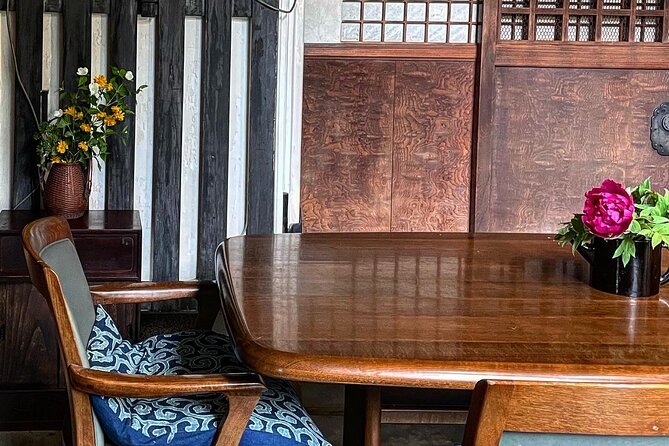
Only your group participates. That changes the mood of the visit.
In a large group, a tea demonstration can become a performance aimed at the back row. In a private setting, the host can focus on your group and give you a more direct introduction. You may also feel more comfortable asking about the house, the clinic, or the difference between green tea and matcha.
The private format is especially useful for couples, families, and small groups with mixed interest levels. Someone fascinated by Japanese architecture can focus on the machiya, while someone new to tea culture can pay closer attention to the preparation.
There is a tradeoff. Private activities often cost more per person than a public cultural presentation. At $97.73 per person, this is not a budget tea stop. You are paying for the private format, the host’s time, access to a historic home, and a more personal pace.
For one person traveling alone, the price may feel high unless you place strong value on the setting and instruction. For a small group, the private arrangement may feel more reasonable because you are not sharing the room with strangers.
Considering the $97.73 Price
The price deserves an honest look. You are not paying only for a bowl of tea. The visit combines four elements:
- Access to a preserved machiya house
- An explanation of Hida craftsmanship and townhouse design
- Instruction in making green tea and matcha
- Seasonal fruit and sweets in a private setting
That package makes the price easier to understand, especially if architecture and cultural context matter to you. The building itself is the main reason this is different from ordering matcha at a café.
Still, the value depends on what you want. If your priority is simply tasting Japanese tea, you can likely find less expensive options elsewhere. If you want a quiet, guided look at a historic Takayama home, the cost is more defensible.
The perfect audience is someone who enjoys learning through places rather than checking off sights. You will get the most from the activity if you are willing to notice the house, listen to how the space was used, and take part in the preparation.
Who Will Enjoy This Most?
I would recommend this experience to visitors who want a personal introduction to Japanese customs without committing to a long formal program.
It suits:
- First-time visitors who want help understanding matcha and tea etiquette
- Architecture fans interested in old merchant homes
- Couples looking for a calm, private activity
- Families who prefer participation over simply looking at exhibits
- Anyone with an interest in how historic buildings continue to be used
It may be less suitable if you want a large-scale performance, a full meal, or an extensive guided tour of Takayama. The available details focus on the machiya, tea, fruit, sweets, and instruction. You should not expect a broad city tour or a full historical lecture.
The experience is also a good choice for people who dislike rushed sightseeing. Two hours gives you room to pay attention, and the return to the same meeting point keeps the plan simple.
Practical Details Before You Book
Plan to arrive at the stated meeting point in Morishitamachi. The activity ends there as well, so you will not need to arrange a separate pickup point afterward.
Book early if your schedule is fixed. The typical advance booking period is 99 days, and confirmation is subject to availability. You receive confirmation within 48 hours of booking.
The activity allows service animals and is near public transportation. Other accessibility details are not provided, so you should contact the provider directly if you have specific mobility or seating needs.
The provider is Hisa Takayama Private Tour Guide. The experience has a 5.0 rating from 11 reviews, with 100 percent recommendation. The strongest praise focuses on Bob-san’s friendliness, kindness, and ability to show visitors how to make good green tea and matcha.
You can cancel for a full refund up to 24 hours before the start time. Changes made less than 24 hours before the activity are not accepted, and the cutoff follows local time in Japan.
Should You Book This Takayama Tea Ceremony?
Book it if you want more than a quick cup of matcha. The old machiya, the former clinic, the private format, and Bob-san’s hands-on guidance make this a personal cultural activity with a strong sense of place.
At $97.73, it is best viewed as a small private tour of a historic home that includes tea, sweets, and instruction. It is not the cheapest way to drink matcha, but it offers far more context than a café visit.
I would choose it for a Takayama itinerary with enough room for a slow morning or afternoon. Confirm the date, check the Monday schedule, and reserve well ahead. If old buildings, local craftsmanship, and quiet conversation appeal to you, this is a thoughtful use of two hours.
FAQ
Where does the tea ceremony take place?
It takes place at 2-chōme-147 Morishitamachi, Takayama, Gifu 506-0823, Japan. The activity ends back at the meeting point.
How long does the experience last?
The tea ceremony and machiya visit last approximately two hours.
What does the experience include?
You will learn about the machiya house and enjoy Japanese tea with seasonal fruits and sweets. The host also demonstrates how to make green tea and matcha.
Is this a private activity?
Yes. Only your group participates in the activity.
What are the listed opening hours?
The supplied opening information lists Monday from 9:00 a.m. to 6:00 p.m., for the operating period ending January 8, 2027. Availability remains subject to confirmation.
Can I cancel for a full refund?
Yes. You can cancel at least 24 hours before the start time for a full refund. Cancellations or changes made less than 24 hours before the start time are not accepted.
More Afternoon Tea in Japan
- Kyoto: Tea Ceremony Experience in a Small Tea Room
★ 4.9 · 70 reviews - Tokyo: Tea Ceremony Experience in a small tea room
★ 4.9 · 53 reviews - Tokyo Tea Ceremony Class at a Traditional Tea Room
★ 5.0 · 2 reviews - London: Afternoon Tea Cruise on the River Thames
★ 4.4 · 3,274 reviews
Just added around Japan
- Yokohama : Tea Ceremony with Sweets and Souvenir★ 5.0 · 5 reviews
- Walking Tour: Yanaka,Nezu& Sendagi: Tea Ceremony & Old Tokyo★ 5.0 · 3 reviews
- Visit local home for music and tea ceremony near Disney★ 4.9 · 13 reviews
- Trip to Kamakura & Enoshima: Shrines, Seaside, Temples &Tea★ 5.0 · 11 reviews
- Yokohama: Sushi & Gyoza Cooking with Matcha & GreenTea Experience★ 5.0 · 3 reviews
- Kyoto tea town for matcha lovers★ 5.0 · 16 reviews
- Uji: Private immersion into Kyoto’s tea and reglious culture★ 5.0 · 17 reviews
- Uji Tea Ceremony and UNESCO Heritage Walking Tour★ 5.0 · 20 reviews
Private Tea Experiences in Japan, compared.
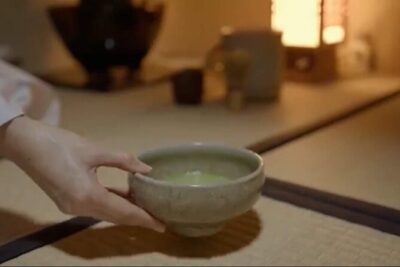
Private Tea Ceremony and Sake Tasting in Kyoto Samurai House
Read our review →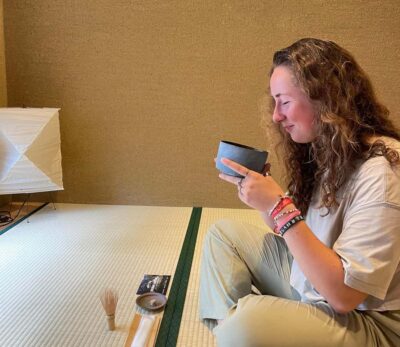
Tea Ceremony Experience in a Private Tea Room in Shibuya
Read our review →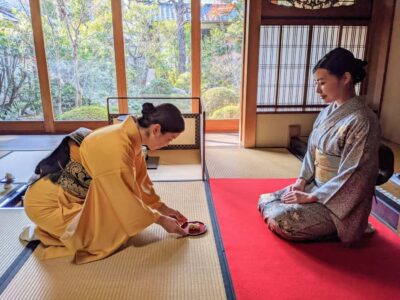
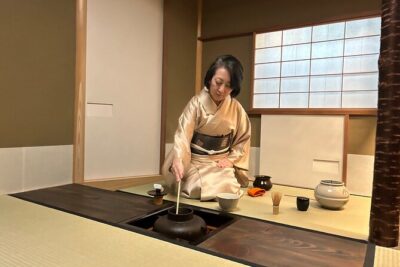
Kyoto Private Tea Ceremony with Tea Master at Home
Read our review →
Stunning Private Tea Ceremony: Camellia Garden Teahouse
Read our review →
Private Tea Ceremony in Hidden Townhouse (Kid-Friendly)
Read our review →
Tea Tasting&Private Tea Ceremony -Master Matcha Making-
Read our review →Browse the lists this tour appears in