
Review · OSAKA
Osaka Japanese Cooking And Matcha Class near Osaka Castle
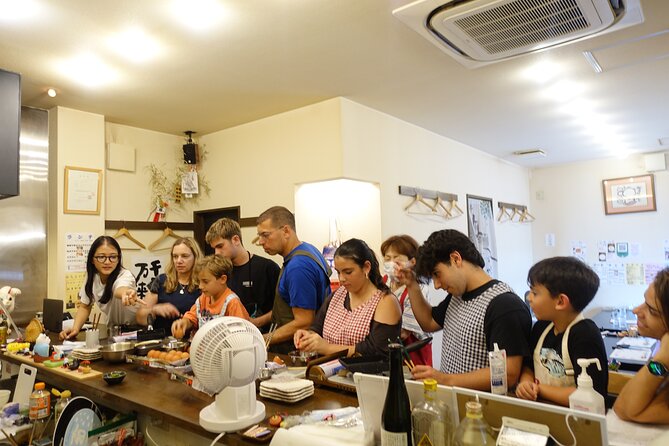
Food is the best way to meet Osaka. This small-group class combines hands-on Japanese cooking with matcha preparation, and I like that you can choose between home-cooked dishes, okonomiyaki, or a bento. I also like the warm family feel created by Ikuko and her son Takumi, who helps with translation and keeps the class personal.
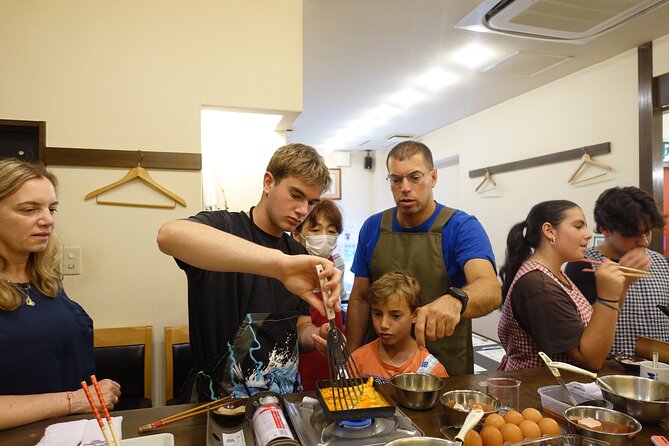
The main consideration is that the menu is not one fixed meal. You choose one cooking option, and past classes have included dishes such as takoyaki, salmon, and dashimaki rolled omelette. The listed start time is 5:30 pm, so you should check the exact session when booking if you want a daytime class.
Key Points Before You Book
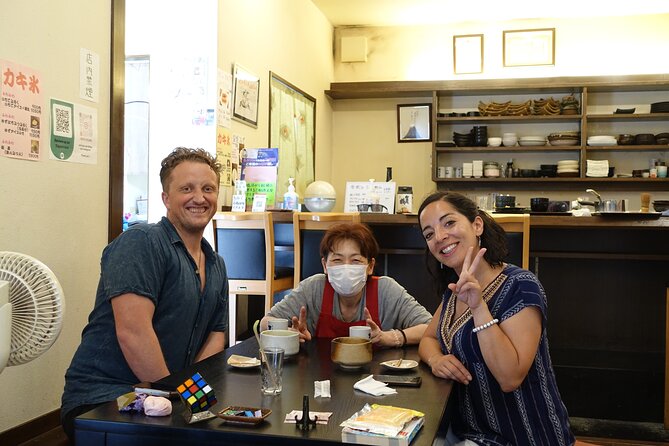
- A family-led class: Ikuko hosts with her son Takumi, who can help translate and make instructions easier to follow.
- Three cooking choices: Pick home-cooked dishes, okonomiyaki, or a bento-style meal.
- Matcha is part of the lesson: You learn how to prepare authentic matcha at home, not just drink it.
- Small groups matter: The class accepts a maximum of 10 people, leaving more room for questions and cooking help.
- Convenient Osaka location: It is one JR station from Osaka Castle Station and about a seven-minute walk from Morinomiya Station.
- Optional sake tasting: You can add a sake tasting to the meal for a fuller Japanese food experience.
Why This Class Feels More Personal Than a Restaurant Meal
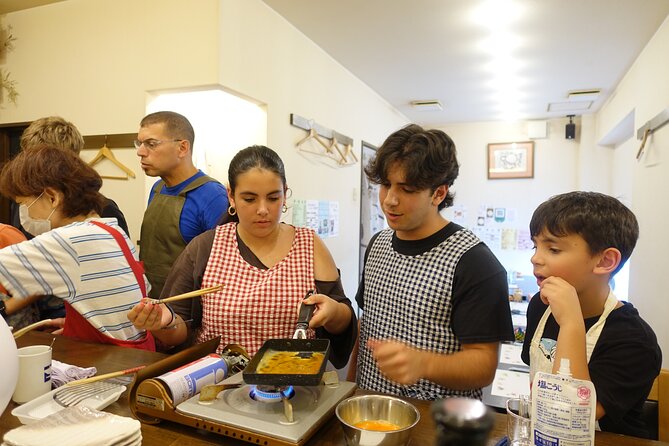
Osaka is famous for food you can eat quickly: takoyaki from a stand, okonomiyaki from a griddle, and noodles from a counter. Those meals are fun, but this class gives you time to understand what goes into them. You are not simply handed a finished plate. You take part in preparing food and learning techniques you can try again at home.
That difference gives the experience lasting value. A restaurant meal ends when the bill arrives. A cooking class can follow you home in the form of a recipe, a method, or the confidence to make something familiar in your own kitchen.
I especially like the family setting. Ikuko is described as warm, cheerful, and eager to interact, while Takumi helps with English when needed. That combination can make a big difference in a cooking class, where clear instructions matter but friendly encouragement matters just as much.
The language support may not be formal or perfectly fluent at every moment. Still, the family format appears to keep communication moving. You can ask questions, watch demonstrations, and receive help as you work. For many people, that is more useful than a polished presentation with little contact.
More Matcha Experiences in Osaka
- Matcha Making Class in Osaka with Authentic Japanese Sweets Set
★ 5.0 · 509 reviews - Osaka: Matcha Making Experience with Japanese Sweets
★ 5.0 · 146 reviews - Osaka Temple Cool Foot Bath & Matcha Experience〈45min〉
★ 4.9 · 82 reviews
Getting to the Kitchen Near Osaka Castle
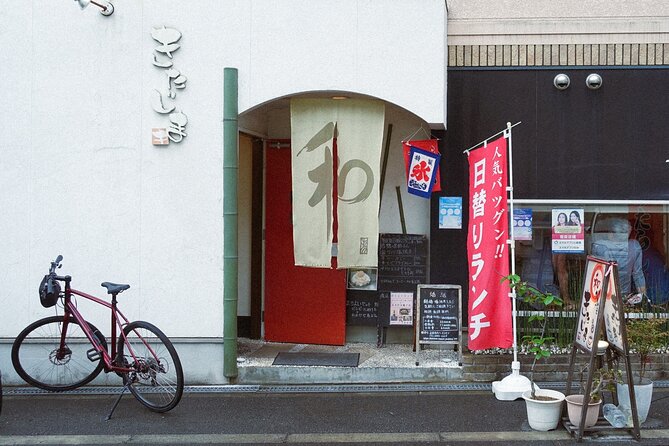
The meeting point is at 3-chōme-8-2 Nakamichi in Osaka’s Higashinari Ward. The class is close to public transportation, which makes it easy to pair with sightseeing in the Osaka Castle area.
From Osaka Castle Station on the JR line, the location is one station away. From Morinomiya Station, it is about a seven-minute walk. The class is also described as convenient from Shinsaibashi and Namba, so you can fit it into a day spent around central Osaka without making a special trip far outside your plans.
The precise address matters here. This is not a class inside Osaka Castle itself, and you should allow enough time to leave the station and find the meeting point. The activity ends at the same place where it begins, which makes the return trip simple.
One pleasant touch is the cafe connected with the cooking space. You can arrive early and have a coffee before class begins. That gives you a calm place to get your bearings instead of rushing straight from the station to the kitchen.
What Happens During the Two-Hour Class
The class lasts about two hours and is offered as a lunch or dinner experience. The supplied start time is 5:30 pm, so that session works well as an early evening activity. Since the experience is relatively short, it can fit neatly between other Osaka plans.
You can expect the session to combine three parts: preparing food, eating what you make, and learning to prepare matcha. The exact order may vary, but the point is participation rather than a long lecture.
The cooking portion focuses on dishes commonly enjoyed in Japan and Osaka. You choose one of three broad options:
- Home-cooked dishes
- Okonomiyaki
- Bento
Each choice gives the class a different feel. Home-cooked dishes are likely the best fit if you want everyday Japanese food rather than a famous Osaka specialty. Okonomiyaki is the natural pick if you want a dish strongly associated with Osaka. A bento option may suit you if you are interested in the careful arrangement of a complete Japanese meal.
The menu details are not fully fixed in the supplied information, so do not book expecting one guaranteed recipe. Past sessions have included salmon and dashimaki rolled omelette, and one class included takoyaki with sake tasting. These examples suggest that the food may change depending on the selected option, seasonal ingredients, or the class format.
That flexibility can be a plus. You may get a more personal class instead of a rigid demonstration repeated exactly the same way every day. The tradeoff is that you should ask about the current menu if one particular dish is your main reason for booking.
Choosing Between Okonomiyaki, Bento, and Home Cooking
Okonomiyaki is the most obvious choice for a first Osaka food class. This savory dish is cooked on a hot surface and is strongly linked with the city’s food culture. If your goal is to learn something that feels especially local, I would start here.
The bento option offers a different lesson. Bento is not simply a packed lunch. It places attention on balance, portions, and presentation. You may prefer it if you enjoy the organized side of Japanese food and want ideas for preparing a complete meal at home.
Home-cooked dishes are the broadest option. They may be best for people who want practical recipes rather than one famous specialty. Past food examples include salmon and rolled omelette, both of which suggest a meal with familiar ingredients and useful everyday techniques.
Takoyaki has also featured in a class, and that is an important Osaka connection. However, it is not listed as one of the three standard choices in the supplied description. If takoyaki is essential to your plans, confirm its availability before booking.
Same place, a different pot:
- Osaka: Tea Ceremony Experience
★ 4.9 · 1,426 reviews - Tea Ceremony Experience in Osaka Doutonbori
★ 5.0 · 754 reviews - Osaka: Tea Ceremony, Calligraphy, and Kimono Experience
★ 4.9 · 130 reviews - Osaka: Japanese Traditional Sweets Making and Tea Ceremony
★ 4.7 · 118 reviews
Making Matcha at Home
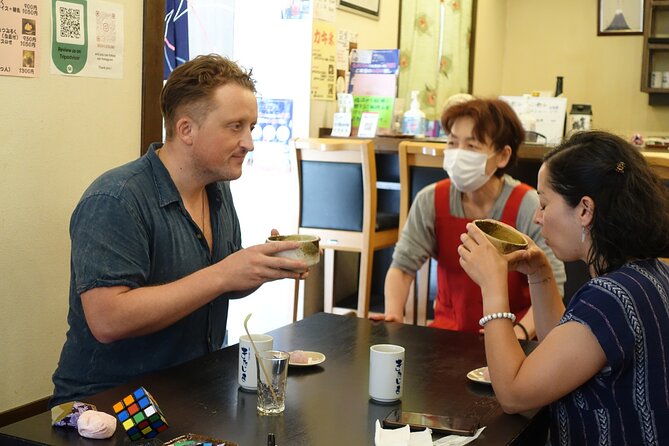
The matcha portion adds a quieter contrast to the cooking. You learn how to make authentic matcha at home, so the lesson is not limited to tasting a prepared cup.
That makes the activity more than a food workshop. Matcha preparation requires attention to process, and it gives you a short pause after the more active cooking. You can ask about the method, watch how it is prepared, and leave with a better idea of how to repeat it at home.
The description does not specify the exact tools, grade of tea, or step-by-step method. I would not book this as a specialist tea ceremony if that is your main goal. It is better understood as a practical matcha lesson included within a Japanese cooking experience.
For first-time visitors, that balance works well. You get food, drink, and cultural context in one compact session without committing to a long formal ceremony.
The Optional Sake Tasting
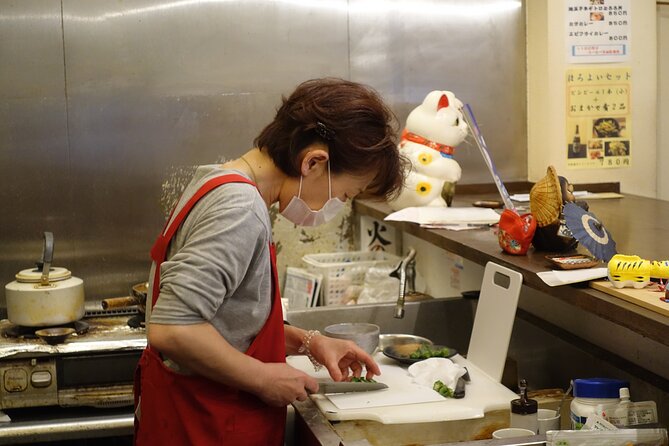
You can upgrade the class to include sake tasting with your meal. This is useful if you want to connect the food with a traditional Japanese drink and learn how the pairing fits together.
The upgrade is optional, so the base experience remains suitable for people who do not drink alcohol. Families and mixed groups can still take the cooking class without making sake the focus.
The available details do not say how many sake samples are included or which types are served. Treat it as an added tasting rather than a full sake seminar. If you are particularly interested in sake, ask for the current tasting details before you commit to the upgrade.
The timing also matters. A sake tasting with dinner can make the class feel like a complete evening meal. If you have more sightseeing planned afterward, keep the tasting modest and allow time for the return journey.
A Maximum of 10 People, With Room to Ask Questions
The class has a maximum of 10 participants. That is small enough to feel more direct than a large demonstration, while still allowing a social meal around the cooking.
This size is especially useful for beginners. You can get feedback when you are preparing food, ask for clarification, and receive help when a technique feels unfamiliar. The hosts are not simply cooking in front of you while you watch from the back.
The family-led format also makes the class suitable for groups with different ages and experience levels. One person can focus on the food, another can ask about matcha, and someone else can simply enjoy the social side.
That said, small does not mean private. If you want a completely private lesson for your own group, this experience is not described that way. You may share the space with other participants, up to the stated limit of 10 people.
The Family Hosts Are a Major Part of the Experience
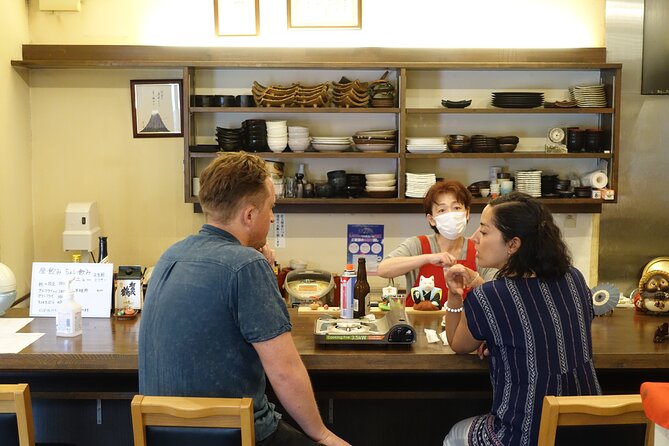
Ikuko receives especially warm praise for her friendliness and enthusiasm. She is keen to interact, and her son Takumi helps with translation. That family partnership gives the class a human quality that a standard cooking school may not offer.
You should expect a friendly, personal atmosphere rather than a formal culinary course. The emphasis is on enjoying Japanese food together, learning practical methods, and making people feel comfortable.
This is good news if you feel nervous about cooking in front of others. You are not expected to arrive with advanced kitchen skills. The experience is built around guidance and participation.
The language issue deserves a fair mention. Ikuko’s English is described as limited, with Takumi helping translate. That may mean some instructions take a little patience. In a hands-on class, though, demonstrations and visual cues can carry much of the lesson, and Takumi’s presence adds support.
Is the $65.69 Price Good Value?
At $65.69 per person, the price is reasonable if you value the full package rather than only the amount of food. You are paying for about two hours of instruction, a prepared meal, matcha practice, a small-group setting, and access to local hosts.
The value is strongest when you want an activity with a personal connection. A restaurant meal might cost less, but it would not teach you how to make the food or prepare matcha. A larger cooking class might offer a more polished setup, but it could provide less individual help.
The sake tasting costs extra, so compare the total price before booking. If you do not drink alcohol, skipping the upgrade keeps the experience focused and avoids paying for something you will not use.
I would also factor in location. Since you can reach the meeting point from Osaka Castle Station and Morinomiya Station, you do not need to spend extra time or money crossing the city for a short activity. The connected cafe is another small benefit if you arrive early.
Who Will Enjoy This Most?
I would recommend this class to people who want more than a photo of Osaka food. It is a good match for:
- First-time visitors who want a friendly introduction to Japanese cooking
- Families looking for a shared activity
- Couples who prefer food preparation to a formal sightseeing stop
- People who want recipes and techniques they can try at home
- Anyone interested in both cooking and matcha
- Visitors staying near Osaka Castle, Shinsaibashi, or Namba
It may be less suitable if you want a professional chef-led course, a fixed menu, or a formal tea ceremony. The experience sounds warm and practical, not technical or highly structured.
The class may also feel brief if you want to study several dishes. You choose one cooking option within about two hours, so this is an introduction rather than a full culinary workshop.
Booking Details Worth Knowing
Confirmation is provided when you book, and the ticket is mobile, which keeps the arrival process simple. The stated meeting time is 5:30 pm, and the activity ends back at the meeting point.
The experience is available with free cancellation up to 24 hours before the start time. If you cancel or request changes less than 24 hours before the start, the payment is not refunded, so check your Osaka schedule before reserving.
The class is usually booked about 14 days ahead. That suggests planning early is sensible, especially if you need a particular date or want to coordinate the class with Osaka Castle sightseeing.
Should You Book This Osaka Cooking Class?
I would book it if you want friendly instruction, local food, and a small-group setting in one easy evening activity. The family hosts, the matcha lesson, and the option to add sake give it more character than a basic cooking demonstration.
Choose the class if you are comfortable with a changing menu and a warm, informal teaching style. Ask about the current dish if you specifically want takoyaki, okonomiyaki, salmon, or bento. For a practical introduction to Japanese home cooking near Osaka Castle, the $65.69 price offers good value.
FAQ
Where does the cooking and matcha class take place?
It takes place at 3-chōme-8-2 Nakamichi, Higashinari Ward, Osaka, 537-0025, Japan.
How long does the experience last?
The class lasts approximately two hours.
What time does the class start?
The stated start time is 5:30 pm.
Can I choose a lunch or dinner class?
The experience is offered with lunch or dinner class options. The provided schedule lists a 5:30 pm start time, so check the available session when booking.
What dishes can I choose from?
You can choose one of three options: home-cooked dishes, okonomiyaki, or bento.
Is matcha included in the experience?
Yes. The class includes instruction on how to prepare authentic matcha at home.
Is sake tasting included?
Sake tasting is available as an upgrade with the meal. It is not part of the basic experience unless you select the upgrade.
How many people can join the class?
The maximum group size is 10 participants.
How do I reach the meeting point?
The location is one JR station from Osaka Castle Station and about a seven-minute walk from Morinomiya Station. It is also accessible from Shinsaibashi and Namba.
Can I cancel for a full refund?
Yes, if you cancel at least 24 hours before the experience start time. Cancellations or changes made less than 24 hours before the start are not refunded.
More Cooking Classes in Osaka
- Osaka: Japanese Cooking Class with Matcha Experience
★ 5.0 · 4 reviews - Cultural Cooking Class Featuring Ramen Sushi and Tea Ceremony
★ 5.0 · 2 reviews - Osaka : Exclusive Tea Ceremony & Wagashi Cooking
★ 5.0 · 2 reviews - Xiao Long Bao, Beef Noodles & Boba Tea Cooking Class in Taipei
★ 5.0 · 159 reviews
Just added around Osaka
- Osaka:Zen Tea Ceremony and Foot Bath Experience<45min>★ 5.0 · 7 reviews
- Osaka: Tea Ceremony, Calligraphy, and Kimono Experience★ 5.0 · 6 reviews
- Nara Deer Park, Uji Matcha, & Hot Spring Full-Day Tour from Osaka★ 4.0 · 21 reviews
- Osaka: Nara, Todaiji, Uji Matcha, and Hot Spring Tour★ 4.0 · 7 reviews
- Discover Japanese Tea Blending Techniques in Osaka★ 5.0 · 19 reviews
- Craft Sushi and Matcha Ice Cream in Central Osaka (3-Course Meal)★ 5.0 · 2 reviews
- Tea and Calligraphy Session at a Table in Osaka★ 5.0 · 4 reviews
- ZEN therapy | Shiatsu-style massage, EnergyTherapy & Japanese Tea★ 5.0 · 5 reviews
Matcha Experiences in Osaka, compared.
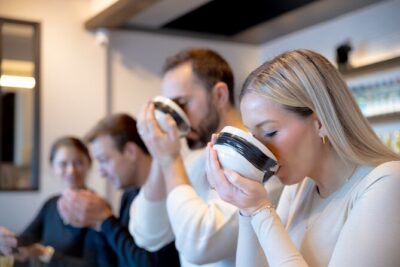
Matcha Making Class in Osaka with Authentic Japanese Sweets Set
Read our review →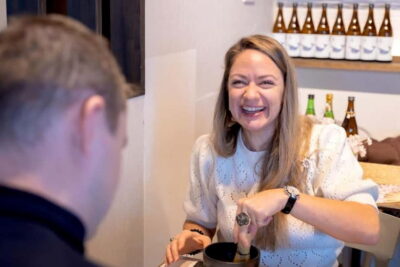
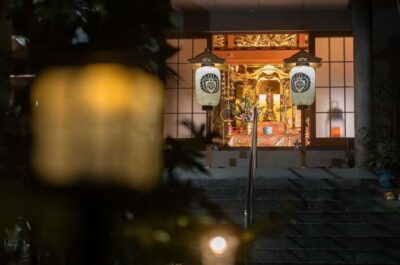
Osaka Temple Cool Foot Bath & Matcha Experience〈45min〉
Read our review →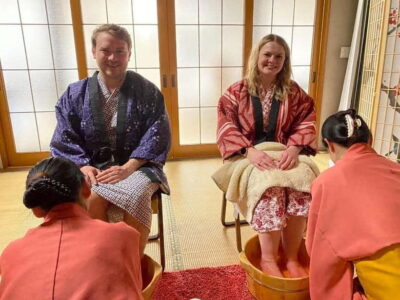
Osaka Temple Head Spa &Matcha Facial – Refresh & Glow〈90min〉
Read our review →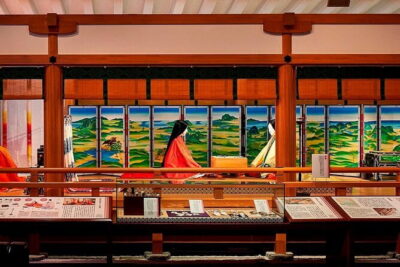
Nara Deer Park, Uji Matcha, & Hot Spring Full-Day Tour from Osaka
Read our review →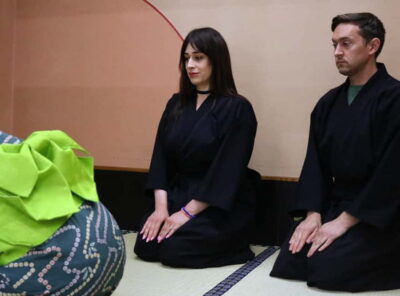
Learn Zen in a class of making Matcha tea near Osaka Castle
Read our review →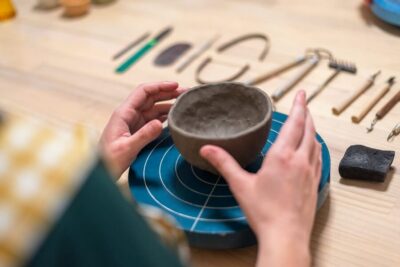

Browse the lists this tour appears in