
Review · OSAKA
Matcha Tea Bowl Experience in Osaka
Make your Osaka souvenir by hand. This private workshop pairs pottery, matcha, and Japanese customs in a traditional building near JR Teradacho Station. I especially like the chance to create a bowl you will actually use at home, and the patient guidance from Anna, a ceramist trained in Osaka and Barcelona. The main catch is that your finished bowl takes about two months to arrive, and international shipping costs extra.
I also like the small-group setting, which gives you room to shape a design that feels personal rather than mass-produced. Anna explains the meaning of the chawan, or matcha bowl, while helping you work through the clay. You should know that this is a hands-on craft session, not a polished sightseeing show, so expect clay, tools, and a little uncertainty before your bowl starts to take shape.
Key points at a glance
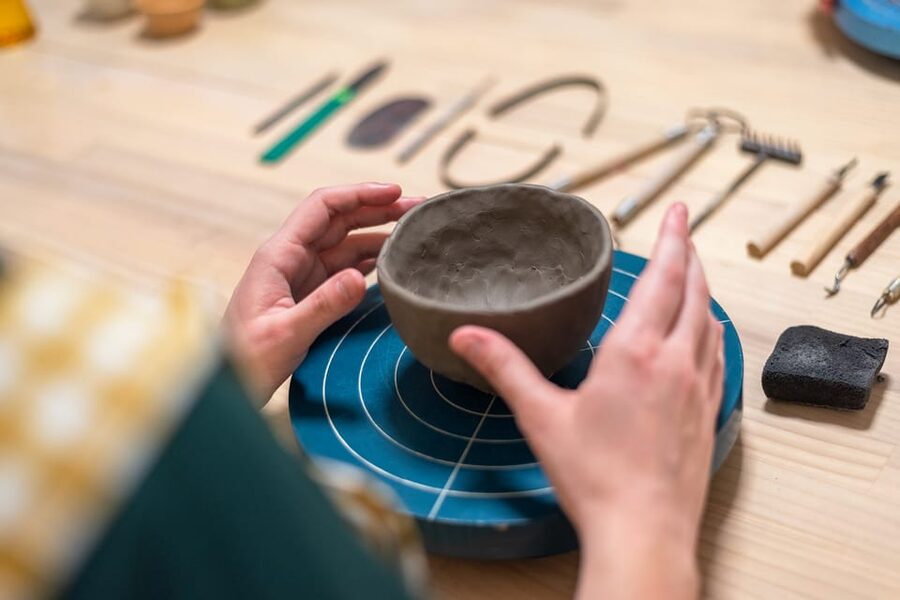
- Carve your own wabi-sabi bowl: Use the traditional kurinuki method to cut and shape a one-of-a-kind design.
- Learn with Anna: The ceramist studied in Osaka and Barcelona, and teaches in English, Spanish, Catalan, or Japanese.
- Meet at JR Teradacho Station: Pickup is at the north exit, where you will look for the Ceramics Tocoton sign.
- Add a tea ceremony lesson: The optional version includes matcha preparation, Japanese sweets, and guidance from tea ceremony teachers Kiyomi and Masako.
- Receive a ceramic gift: A small handmade item is included, with the combined workshop adding a small dish for sweets.
- Plan for delayed delivery: Your bowl is shipped in about two months, with postage paid separately.
Why this small Osaka workshop feels different
Osaka is easy to enjoy through food, neighborhoods, and big-city sights. This workshop gives you a slower way to understand Japan. Instead of buying a finished object, you make one while hearing why a matcha bowl matters in tea ceremony.
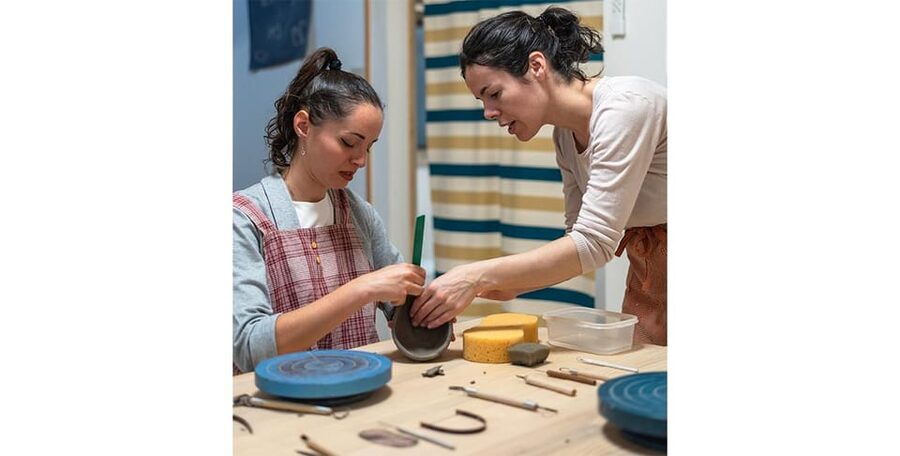
The setting is private and the group can be very small. One session had only two people, which meant plenty of help from Anna and no need to compete for her attention. That matters when you are using unfamiliar tools or trying to decide how much clay to remove.
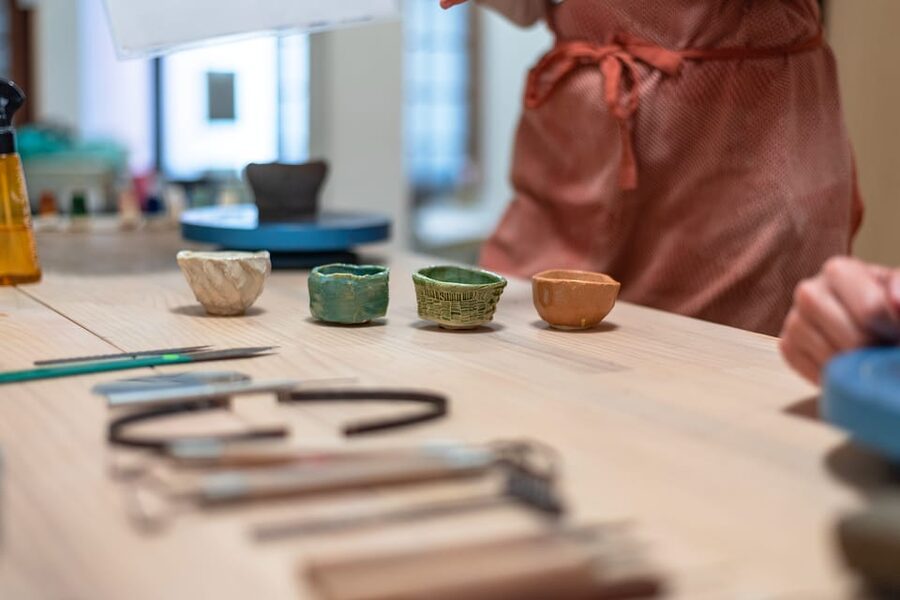
I like the balance between instruction and freedom. Anna explains the method, then lets you create your own surface and shape. The result is not meant to look factory-perfect. The kurinuki technique leaves room for uneven edges, tool marks, and small changes in the clay. Those flaws are part of the appeal of wabi-sabi, the Japanese appreciation of simplicity, imperfection, and change.
You will also have the chance to sign your bowl with Japanese characters. That gives the piece a clear connection to your time in Osaka, though you should not expect to walk out carrying the finished bowl. It needs to be glazed and fired before it can be used.
More Matcha Experiences in Osaka
- Matcha Making Class in Osaka with Authentic Japanese Sweets Set
★ 5.0 · 509 reviews - Osaka: Matcha Making Experience with Japanese Sweets
★ 5.0 · 146 reviews - Osaka Temple Cool Foot Bath & Matcha Experience〈45min〉
★ 4.9 · 82 reviews
Meeting Anna at JR Teradacho Station
The meeting point is the north exit of JR Teradacho Station. Anna or another representative will carry a sign marked Ceramics Tocoton, so the pickup should be straightforward if you arrive at the correct exit.
Allow yourself enough time to get there. If you will be more than 15 minutes late, contact the provider. Arriving later than that counts as a no-show, which is especially important for a private workshop with a fixed start time.
Teradacho puts you outside the usual first-stop Osaka circuit. That is part of the charm. After the workshop, you can explore Ikuno Ward, giving the outing a more local feel than a class held in the center of a major tourist district. The activity information does not promise a guided neighborhood walk, so think of this as free time to look around after your pottery session.
The station pickup is included, as are the clay, tools, drinks, cultural explanations, and a ceramic gift. You will not need to bring special equipment.
Shaping clay with the kurinuki method
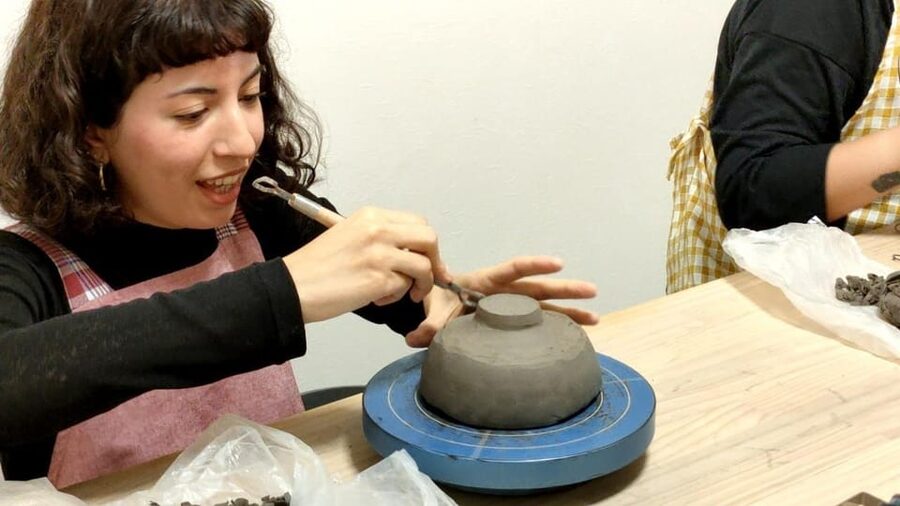
The main craft lesson focuses on kurinuki, a traditional pottery method in which you carve into a solid block of clay. Rather than throwing a symmetrical bowl on a wheel, you remove material with tools and build the form through cuts and decisions.
This makes the session suitable for beginners. You do not need previous pottery experience, and Anna guides you through the parts that feel unfamiliar. She can also correct small mistakes, a useful safety net when you are unsure if a cut is too deep or a wall is too thin.
The method gives every bowl a different character. You might make a simple, quiet surface, or leave more visible marks from the tools. The information provided does not specify the full range of available tools or designs, so your final choices will depend on the workshop setup and your conversation with Anna.
The process also asks for patience. You are not simply decorating a ready-made bowl in a few minutes. You are shaping the form, carving the surface, choosing a color, and marking the piece with your own sign. If you want a fast souvenir, buy pottery in a shop. If you want an object that records your own handwork, this is the better choice.
Matcha, sweets, and the meaning of a chawan
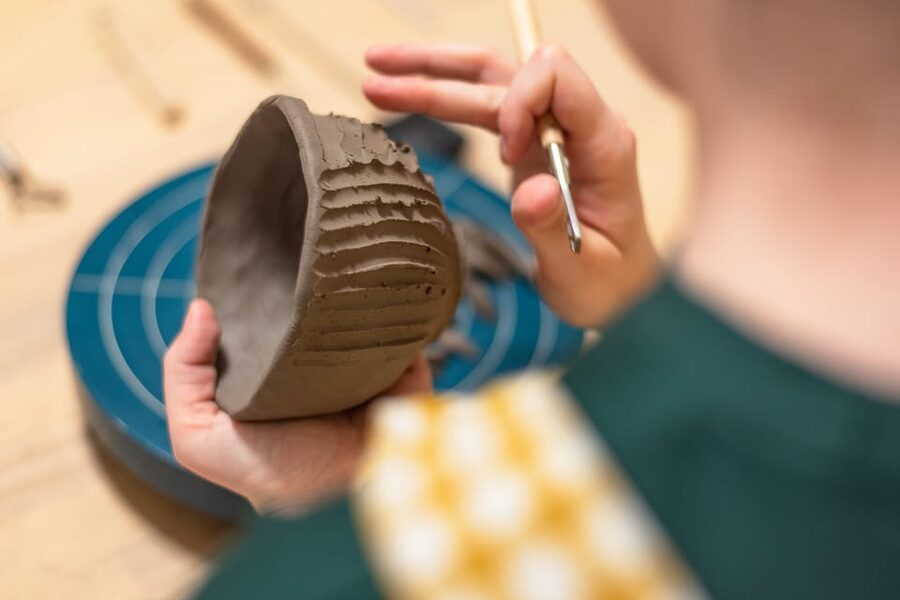
The workshop includes a drink, and the optional combined version adds a fuller introduction to tea ceremony. In that version, tea ceremony teachers Kiyomi and Masako first show you how to prepare matcha, then you work on your bowl with Anna.
You also enjoy Japanese sweets alongside the tea. This is more than a snack break. The lesson helps explain how the bowl fits into the tea ceremony and why its shape, feel, and appearance matter when someone holds it.
A matcha bowl is handled, not merely viewed. Its weight, rim, foot, and uneven surface all affect how it feels during the ritual. Hearing about those details before making your own bowl gives the craft a practical purpose. You are not just producing a decorative object. You are thinking about how it will sit in your hands and hold tea.
The optional addition is the better choice if tea ceremony is your main interest. The basic workshop already includes cultural discussion, but the combined format gives you direct practice preparing matcha. It also includes a small dish as a gift, useful for serving sweets at home.
Same place, a different pot:
- Osaka: Tea Ceremony Experience
★ 4.9 · 1,426 reviews - Tea Ceremony Experience in Osaka Doutonbori
★ 5.0 · 754 reviews - Osaka: Tea Ceremony, Calligraphy, and Kimono Experience
★ 4.9 · 130 reviews - Osaka: Japanese Traditional Sweets Making and Tea Ceremony
★ 4.7 · 118 reviews
Choosing the glaze and waiting for your bowl
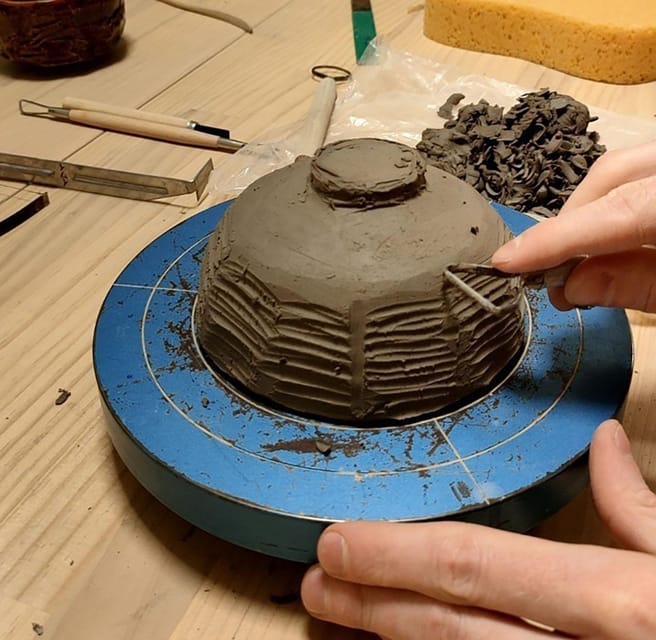
Near the end, you select the color for your bowl and enjoy a drink. The final glaze choice can change the mood of the piece, from restrained and earthy to brighter and more expressive. One visitor particularly liked the range of glaze colors, while several others enjoyed seeing how different each person’s finished design became.
Your work is then completed, glazed, and fired after the session. The bowl is shipped to the address you provide in about two months. Shipping is not included, and the cost depends on the destination country and the number of people in the booking.
That delay is worth planning around. You cannot use the bowl during the rest of your Japan trip, and the final color may look a little different after firing. Still, the wait gives you something to look forward to at home. When it arrives, it will be connected to the choices you made in Osaka rather than picked from a shelf.
Ask for an approximate shipping cost before booking if your budget is tight. The $83 price covers the workshop and materials, but the bowl’s delivery is an extra expense.
What the $83 price buys you
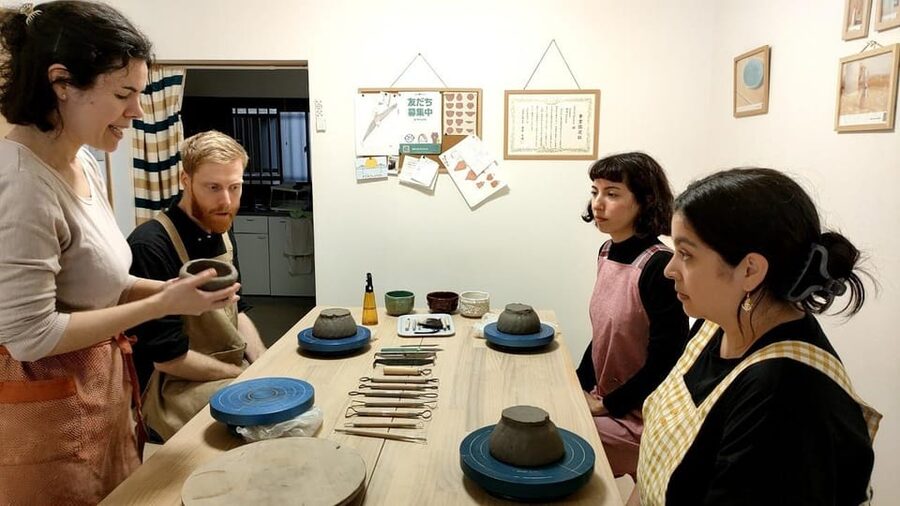
At $83 per person, this is not a bargain-basement craft class. I think the price makes sense for people who value personal instruction, a private group, and a handmade souvenir that will be finished after the session.
You are paying for more than clay. The fee includes station pickup, equipment, materials, drinks, a ceramic gift, and explanations of both pottery and tea culture. Anna’s background in ceramics also adds value. She studied the craft in Osaka and Barcelona, and she provides hands-on help instead of leaving you to guess your way through the process.
The strongest value comes from the small group. In a larger class, you might receive a short demonstration and limited help. Here, the format gives you a better chance to ask about your design, correct a mistake, and understand what you are doing.
The price is less attractive if you only want a quick activity or a souvenir you can pack immediately. The extra shipping charge and two-month wait are real considerations. You are also paying for the learning and making, not just the finished object.
Languages, group size, and who will enjoy it most
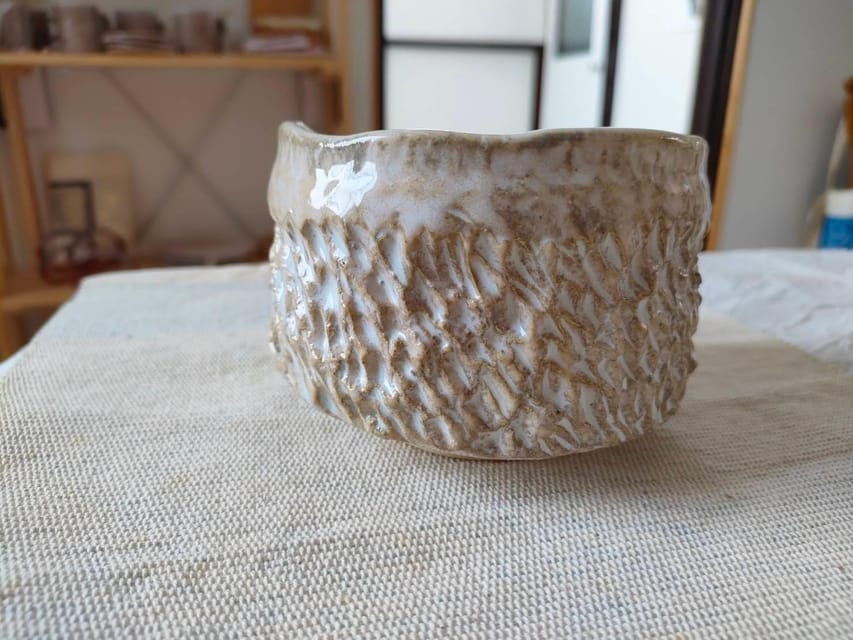
The workshop is offered in English, Spanish, Catalan, and Japanese. That makes it a useful option for visitors who want more than a few translated instructions. The explanations cover technical pottery details and cultural background, so clear communication improves the whole session.
The group is private. The available information does not state a maximum number of people, so check the booking details for your date. Private does not always mean one-on-one, but it does mean your booking is not mixed into a general public class.
I would recommend this most to:
- Couples or friends who want a shared activity with a lasting result
- Solo visitors who enjoy making things and asking questions
- People interested in Japanese tea ceremony, pottery, or both
- Visitors who prefer a neighborhood workshop to a crowded central attraction
- Anyone looking for a personal souvenir rather than a standard Osaka gift
Children under six are not suitable for the activity. The space is also not adapted for wheelchair users, so check your needs carefully before reserving.
The workshop does not allow alcohol or drugs. That is ordinary but important in a pottery setting, where tools and concentration matter.
The optional combined workshop with Kiyomi and Masako
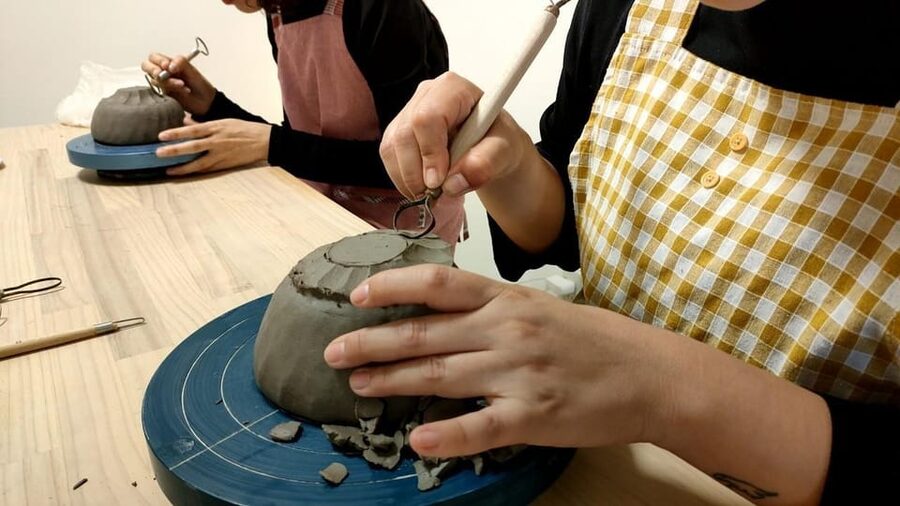
You can choose the pottery-only session or add the tea ceremony portion. The combined workshop begins with Kiyomi and Masako, who teach the basics of preparing matcha and serve it with Japanese sweets.
After that, Anna takes you through the bowl-making process. This order works well because you first see a chawan being used, then create one with its purpose in mind. You may pay closer attention to the rim, depth, and shape after holding a bowl during the tea lesson.
The added ceramic dish is another practical touch. It is intended for sweets at home and gives you a smaller object to use while waiting for the bowl to arrive.
Choose the combined option if you want a fuller cultural lesson and have enough time for the longer format. Choose the standard workshop if pottery is your priority or if you already understand the basics of tea ceremony. Both versions include cultural explanation, but the combined choice gives tea a formal place in the schedule.
Timing, comfort, and practical limits
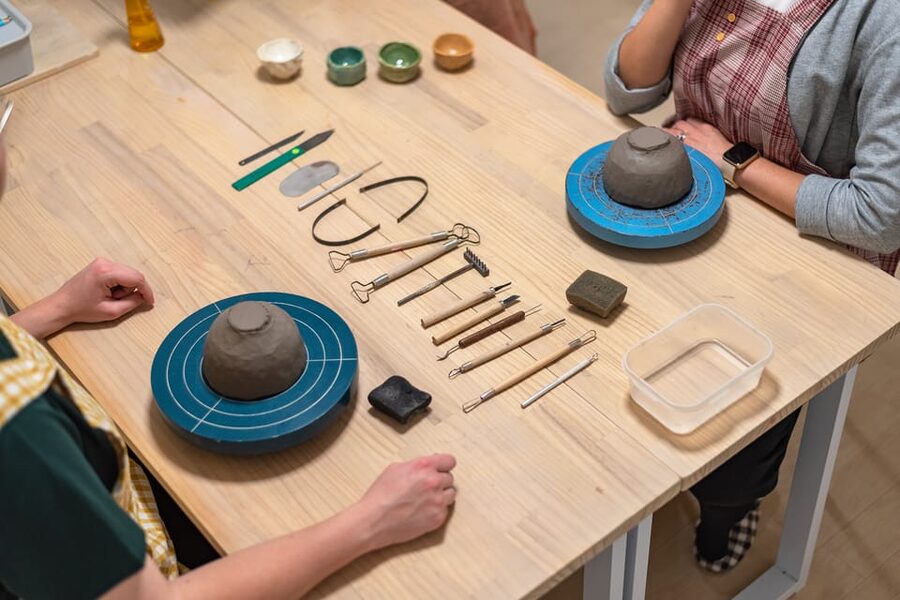
The activity lasts about 90 minutes to two hours, depending on the option and the pace of the group. Check the available start times when you book, since the exact schedule is not fixed here.
Wear something you can relax in while working with clay. The supplied information does not specify a dress code or cleanup arrangements, so I would avoid clothing you are especially protective of. That is practical advice for any pottery session, not a claim about the studio’s particular setup.
The activity takes place in a traditional building, which adds atmosphere but may also mean a less modern layout. Since the space is not wheelchair-adapted, anyone with mobility concerns should confirm suitability before booking.
Cancellation is free up to 24 hours in advance, and you can reserve now and pay later. That helps if your Osaka plans are still shifting. Still, remember the strict late-arrival rule. Contact the provider if you are delayed, and do not assume the class can wait beyond 15 minutes.
Is this matcha bowl workshop worth booking?
I would book this if you want a personal Osaka memory, enjoy hands-on activities, and can wait for the finished bowl to arrive. Anna’s warm teaching style, the private format, and the freedom to make each bowl different are the strongest reasons to choose it.
The standard session is enough for a pottery-focused afternoon. Add the tea ceremony option if you want to understand how the bowl is used, not just how it is made. The extra shipping fee, delayed delivery, limited accessibility, and need to arrive on time are the points to weigh before paying.
For a quick souvenir, this is too involved. For a bowl shaped by your own decisions, with matcha culture and local craft folded into the lesson, the $83 fee offers a memorable and useful piece of Osaka.
FAQ
Where does the matcha tea bowl workshop meet?
The meeting point is the north exit of JR Teradacho Station in Osaka. Look for the person carrying a sign marked Ceramics Tocoton.
How long does the activity last?
The workshop lasts between 90 minutes and two hours. Check the available start times when booking.
Do I need pottery experience?
No. Previous pottery experience is not required, and Anna guides you through the process of shaping and decorating the bowl.
In which languages is the workshop offered?
The activity is offered in English, Spanish, Catalan, and Japanese.
When will my finished bowl arrive?
Your bowl is shipped to the address you provide in about two months. Shipping costs are not included and depend on the destination country and the number of people in the booking.
Is the workshop suitable for young children or wheelchair users?
The activity is not suitable for children under six years old. The space is not adapted for wheelchair users.
Just added around Osaka
- Osaka:Zen Tea Ceremony and Foot Bath Experience<45min>★ 5.0 · 7 reviews
- Osaka Japanese Cooking And Matcha Class near Osaka Castle★ 5.0 · 22 reviews
- Osaka: Tea Ceremony, Calligraphy, and Kimono Experience★ 5.0 · 6 reviews
- Osaka: Nara, Todaiji, Uji Matcha, and Hot Spring Tour★ 4.0 · 7 reviews
- Nara Deer Park, Uji Matcha, & Hot Spring Full-Day Tour from Osaka★ 4.0 · 21 reviews
- Craft Sushi and Matcha Ice Cream in Central Osaka (3-Course Meal)★ 5.0 · 2 reviews
- Tea and Calligraphy Session at a Table in Osaka★ 5.0 · 4 reviews
- ZEN therapy | Shiatsu-style massage, EnergyTherapy & Japanese Tea★ 5.0 · 5 reviews
Matcha Experiences in Osaka, compared.

Matcha Making Class in Osaka with Authentic Japanese Sweets Set
Read our review →
Osaka Temple Cool Foot Bath & Matcha Experience〈45min〉
Read our review →
Osaka Temple Head Spa &Matcha Facial – Refresh & Glow〈90min〉
Read our review →
Osaka Japanese Cooking And Matcha Class near Osaka Castle
Read our review →
Nara Deer Park, Uji Matcha, & Hot Spring Full-Day Tour from Osaka
Read our review →
Learn Zen in a class of making Matcha tea near Osaka Castle
Read our review →
Browse the lists this tour appears in