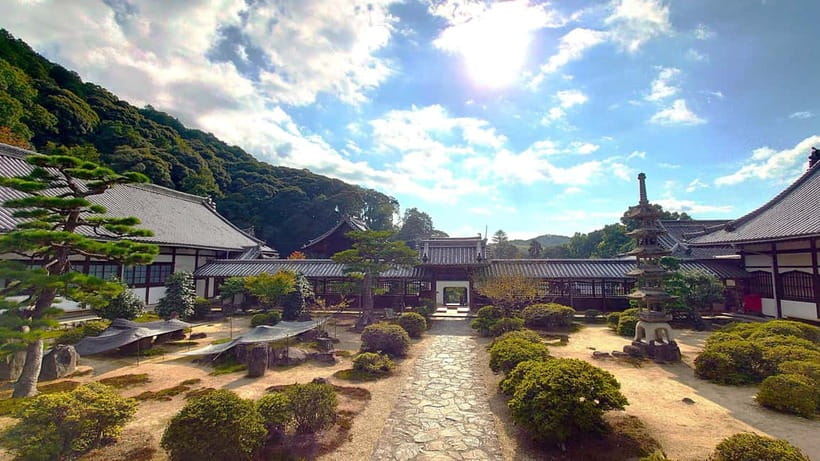
Review · KYOTO
Cycling Tour at Uji’s Matcha Green Tea Fields and Heritage
Slow wheels, serious tea country. This four-and-a-half-hour ride gives you a calm, personal way to explore Uji, with Brompton bicycles carrying you from ancient shrines to quiet river paths and matcha shops. I especially like the small group limit of six and the chance to see corners of Uji that are easy to miss on foot.
I also like the gentle pace. You do not need to be a strong cyclist, and the guide can shape the route around your wishes. The main consideration is cost: at $160 per person, this is not a cheap way to get around, especially once you add food and optional entrance fees.
Key points at a glance
- Brompton bicycles keep the ride easy and stylish, with helmets and transport bags supplied.
- The quiet Uji River route is the tour’s best change of pace, away from the busiest temple streets.
- Chazuna adds useful tea context, including the story and production of Uji matcha.
- Byodoin Phoenix Hall gives the tour its major historic landmark, with entrance to the hall available for an extra fee.
- A guide such as Takashi or Takeshi can make the day personal, adjusting stops, food choices, and cycling speed.
- Six people is the maximum, a good size for questions and for keeping the group together.
Why a bicycle is the right way to see Uji
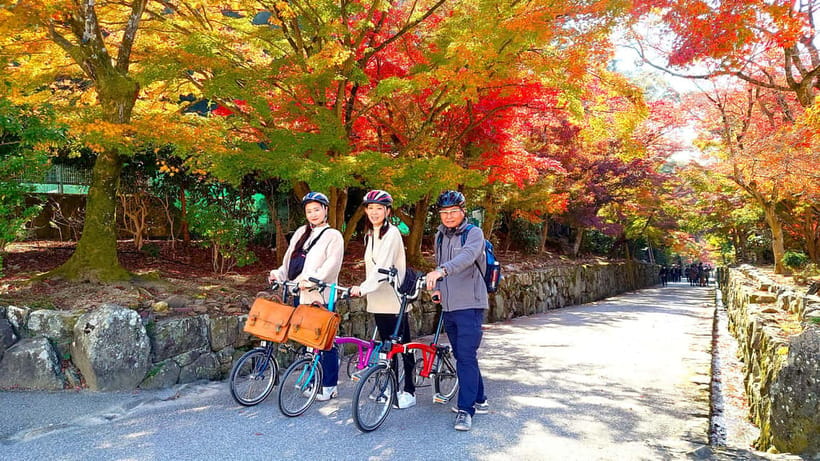
Uji sits south of Kyoto and is best known for matcha. Yet the town is not only a tea stop. Its shrines, temples, river, islands, and old connections with Japan’s court culture give it much more range than a quick bowl of green tea and a photograph at Byodoin.
A bicycle lets you connect those pieces without turning the day into a march. The route moves at a slow pace, with about 270 minutes in all and roughly four hours of listed riding, visits, and food time. That matters in Uji, where a short ride can take you from a busy sight to a quiet stretch of water.
The Bromptons are a practical choice for this kind of outing. They are compact, recognizable folding bicycles, and the rental includes riding equipment such as helmets and bags for wheeled transport. You do not need to bring your own cycling kit.
I would still treat this as an active sightseeing day rather than a passive tour. Slow cycling is accessible to people who lack confidence in their fitness, but you will be riding several times between stops. The guide can help set a comfortable rhythm, and one participant specifically appreciated the patience shown to a slow cyclist.
More Green Tea Tours in Japan
- Scenic Green Tea Fields of Hidden Kyoto & Local Tea Exp (Private)
★ 5.0 · 32 reviews - Kyoto Matcha Green Tea Tour
★ 4.7 · 28 reviews - Sencha-do the Japanese Tea Ceremony Workshop in Kyoto
★ 5.0 · 21 reviews
Starting at Uji’s tea-jar post
The meeting point is easy to identify: find the tea-jar-shaped post just outside JR Uji Station. A navigator with a Brompton bicycle waits there, which is more useful than a vague meeting instruction in a large station area.
This is also a fitting start. Uji’s identity is tied closely to tea, and the post gives you a quick visual reminder that you are entering one of Japan’s best-known tea towns. Allow yourself enough time to locate the station exit and gather before the ride begins.
The group is limited to six people, with Japanese and English guiding available. That small size should make it easier to ask about tea, temples, and local customs without shouting across a large crowd. It also gives the guide room to respond to your interests.
Guides named Takashi and Takeshi are associated with especially warm, attentive outings. The important point is not the name alone, but the style of guiding: patient cycling, clear cultural explanation, and willingness to consider requests for food or route changes.
Chazuna: a useful first lesson in matcha
The first main stop is Chazuna, the Tea and Uji Town Exchange Centre. The scheduled visit and ride take about 30 minutes, with entrance available for an additional 600 yen.
This is a good place to begin because it gives the rest of the day a frame. Uji tea is not simply green powder stirred into hot water. The tea-growing and processing traditions, including the steps that lead to matcha, help explain why the drink has such a strong place in local culture.
The stop also helps you appreciate later tastings. Once you understand that different tea products involve different processes, a matcha drink or sweet is more than a quick snack. You can pay attention to flavor, texture, preparation, and the way each shop presents its tea.
The extra fee is modest, but remember to include it in your budget if you want to enter. If you prefer to keep costs down, the tour still has plenty to offer outside the centre.
Uji Shrine and Ujigami Shrine
The route then reaches Uji Shrine, followed by Ujigami Shrine, with about 20 minutes of riding listed for each section. These are not rushed photo stops in a packed city center. They are part of the older religious character of Uji, a town with temples and shrines dating back more than 1,000 years.
Ujigami Shrine is especially important to the feel of the tour because it sits among the historic places that make Uji different from a tea-themed shopping street. You get a stronger sense of the town’s long religious life and its links to Japan’s early court culture.
I like this part for another reason: the guide gives context that is hard to get from simply walking through a gate and reading a sign. A local navigator can point out why the site matters and answer questions as you move at a relaxed pace.
Do not expect a long private visit at every shrine. The schedule has several stops, so the experience is about connecting the sites rather than studying each one in detail. If one shrine matters most to you, ask the guide whether the route can give it extra attention.
More Matcha Experiences in Kyoto
- Kyoto: Arashiyama Bamboo Forest, Monkeys, Matcha & Temple Tour
★ 5.0 · 759 reviews - Kyoto: Tea Ceremony Meditation – Make Matcha with Tea Master
★ 4.8 · 406 reviews - Kyoto: Kimono Tea Ceremony with Matcha and Sweet
★ 4.9 · 249 reviews - Kyoto: Arashiyama Bamboo, Temple, Matcha, Monkeys & secret spots
★ 5.0 · 219 reviews
Kosho-ji Temple and the quieter side of Uji
Uji Kosho-ji Temple comes next, with another 20-minute cycling segment. This stop helps shift the day away from the most famous names and toward a calmer part of town.
The tour’s appeal is strongest when it takes you beyond the standard route between JR Uji Station and Byodoin. Forest paths, riverside sections, and less crowded religious sites give you a different picture of Uji. One participant particularly valued reaching places that would have been missed on a normal walking tour.
The word slow is important here. You are not racing between landmarks. You can take photographs, listen to the guide, and notice the change from town streets to greener, quieter surroundings. If you are carrying a camera or phone, the supplied bicycle bags are useful for keeping your hands free while riding.
Riding beside the Uji River
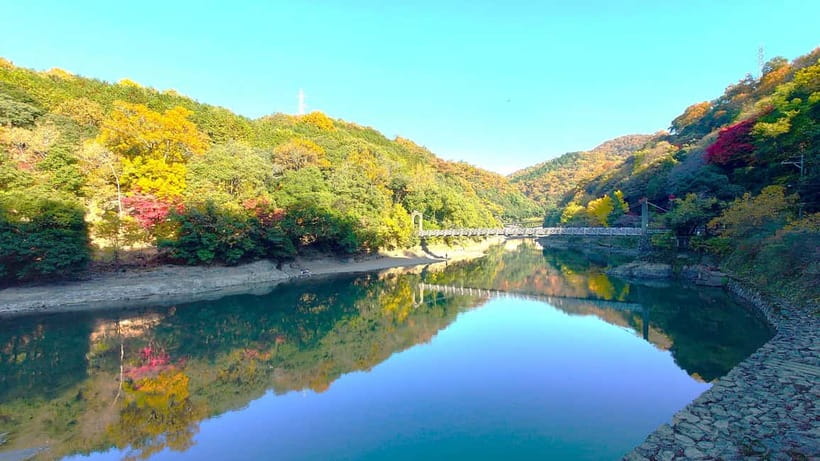
The Uji River section lasts about 30 minutes and is likely to be the day’s most relaxing ride. The water, open views, and slower traffic provide a welcome break after the shrine visits.
This is the part I would most want on a first visit to Uji. The river shows why the town feels different from central Kyoto. You get room to breathe, scenic photo opportunities, and a route where the bicycle feels like a natural part of the day rather than just transport between attractions.
The route is described as a quiet course that many tourists do not know. That does not mean you should expect total solitude. Conditions can vary, and the river area may be busier at popular times. Still, the plan deliberately favors a peaceful side of Uji.
The calm pace also suits mixed-ability groups. If you are a confident cyclist, you will need to accept that the guide is keeping everyone together. If you are slower, you are less likely to feel pressured.
Tō-no-shima Island and the river’s open views
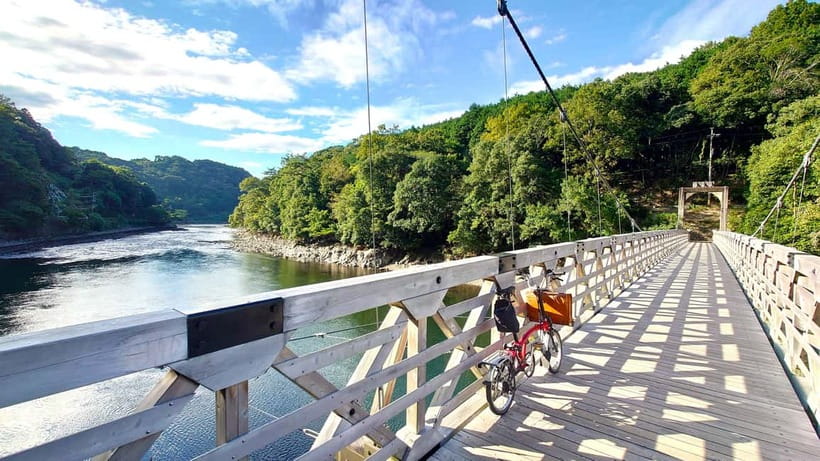
The ride continues to Tō-no-shima Island for around 30 minutes. This section keeps the focus on the river rather than adding another formal temple visit.
The island gives you a chance to see Uji from a wider angle. After the more enclosed shrine and temple grounds, the open river setting changes the mood. It is a good place for photographs and for noticing how the town’s historic buildings relate to the water.
This is also where the bicycle format earns its keep. Walking from the station to the temples, then onward to the island and river paths, would take more effort and time. A bicycle lets you cover the area without making every connection feel like a separate hike.
The tradeoff is that cycling routes depend on conditions and group pace. The tour description allows the course to be arranged around your wishes, but the guide will still need to keep the route sensible for the whole group.
Byodoin Temple and Phoenix Hall
Byodoin is the major landmark on the route, and the visit is scheduled for about an hour. Its Phoenix Hall is a UNESCO World Heritage Site, so this is not a minor add-on. For many people, it will be the historic centerpiece of the day.
The value of arriving by bicycle is that Byodoin comes after a fuller introduction to Uji. You have already seen the tea connection, the shrines, the river, and the quieter paths. By the time you reach the temple, you understand the town as more than the setting for one famous building.
Entrance to Byodoin Phoenix Hall costs an additional 700 yen. Check the details with the guide, since the general temple grounds and the Phoenix Hall can involve separate arrangements in some visits. The supplied information specifically identifies the Phoenix Hall fee, so budget for it if that interior visit is important to you.
An hour is enough to make this a proper stop, though not enough for a slow study of every feature. If you want the longest possible visit at Byodoin, a stand-alone temple visit may suit you better. If you want to place the temple inside a wider day, the tour makes a good balance.
Matcha, snacks, and the final stop
After Byodoin, the group returns to Uji for local snacks, with about 30 minutes set aside. Refreshments are not included, and the guide suggests shops or restaurants according to your preferences.
This flexible food stop is one of the tour’s strongest practical touches. Uji offers more than one standard matcha dessert, and your ideal choice may be a drink, sweet, light meal, or tea product to take home. One outing included a special lunch stop and a highly praised matcha café at the end, while another participant bought matcha powder as a souvenir.
The cost of food depends entirely on what you choose. That keeps the tour flexible, but it also means the $160 price is not the final amount you will spend.
You then return to the tea-jar post outside JR Uji Station. Ending where you began makes the tour simple to combine with onward travel by train.
What the $160 price really buys
At $160 per person, the tour is priced as a private-feeling small-group experience rather than basic bicycle hire. You are paying for the bicycle, riding equipment, an English-speaking navigator, route planning, and local interpretation across nearly five hours.
The maximum of six helps justify the cost. A guide can notice if you are struggling, answer questions, adjust the pace, and suggest food based on your preferences. That level of attention is hard to expect from a large coach outing.
Still, value depends on how you travel. If you only want to see Byodoin and buy matcha, taking the train and exploring independently will cost less. If you want a gentle route linking tea culture, shrines, river paths, and food, the price is easier to defend.
Add up to 500 yen for optional insurance, 600 yen for Chazuna, 700 yen for the Phoenix Hall, and extra money for snacks or lunch. The tour includes the bicycle and equipment, so you avoid separate rental research and the worry of choosing a suitable route yourself.
Who will enjoy this Uji ride most
I would recommend this to you if you want a quieter side of Kyoto and like having local guidance without joining a large group. It suits couples, friends, families with cycling ability, and solo visitors who want company for a half-day outing.
It is also a good choice if you are curious about tea beyond the usual matcha sweets. The Chazuna visit, tea shops, tasting opportunities, and the guide’s explanations give the subject more depth.
You should think twice if you dislike bicycles, want a fully sedentary tour, or need a rigid schedule with no food or route flexibility. This is not a high-speed cycling challenge, but it is still a ride with several transitions.
The tour has earned an overall rating of 5 from 10 submitted ratings, with repeated praise for the guides, peaceful river riding, uncrowded shrines, and access to places missed by ordinary walking routes. The praise is consistent on the points that matter most: calm pacing, personal attention, and a relaxed way to see Uji.
Should you book it?
Book this tour if you want Uji to feel like a place, not just a stop at Byodoin. The best reasons are the quiet Uji River route, the small group, and the chance to combine tea culture with shrines, forests, islands, and local food in one well-paced day.
Skip it if your main goal is simply to save money or spend several hours inside Byodoin. For everyone else, the Brompton bicycles and attentive English guidance make the $160 worthwhile, especially if you value local context and do not want to plan the route yourself.
FAQ
Where does the cycling tour meet?
Meet in front of the tea-jar-shaped post just outside JR Uji Station. A navigator with a BROMPTON bicycle will be waiting there.
How long does the tour last?
The tour lasts 270 minutes, or about four and a half hours. Starting times depend on availability.
What languages are available?
The live tour guide service is available in Japanese and English.
How many people can join?
The tour is a small-group experience limited to six participants.
Are bicycles and helmets included?
Yes. The bicycle rental fee and riding equipment, including helmets and bags for wheeled transport, are included.
Is the tour suitable for slower cyclists?
The tour uses a slow pace and is designed for people who may not feel confident about their physical fitness. The route can also be arranged around your wishes.
Are the food and entrance fees included?
No. Snacks are extra, and the optional Chazuna entrance fee is 600 yen. The optional Byodoin Phoenix Hall entrance fee is 700 yen. Insurance is also optional at 500 yen.
Can I cancel for a full refund?
Yes. You can cancel up to 24 hours in advance for a full refund.
More Tea Plantation Tours in Kyoto
- From Taipei: Thousand Island Lake and Pinglin Tea Plantation
★ 4.7 · 519 reviews - Active Volcano, Rice Field, Hot Spring, Fruit market, Tea Plantation with Lunch
★ 5.0 · 513 reviews - Furnas: Tea Plantations, Lake and Volcano Guided Tour
★ 4.8 · 511 reviews - São Miguel: Furnas Volcano & Tea Plantation Tour with Lunch
★ 4.9 · 375 reviews
More Green Tea Tours in Kyoto
- Matcha Green Tea Plantation and Matcha Factory Visit
★ 5.0 · 6 reviews - Family Mitsui House Museum with green tea admission ticket
★ 4.0 · 5 reviews - Experience all of Japanese culture and Japanese food experience classes “origami, udon, Japanese food, green tea, calligraphy” in 4 hours
★ 5.0 · 105 reviews - Uji: Green Tea Tour with Byodoin and Koshoji Temple Visits
★ 4.8 · 72 reviews
Just added around Kyoto
- Uji Walking Tour – Byodo-in temple and Tea Ceremony from Kyoto★ 3.5 · 3 reviews
- Tea ceremony at Kyoto’s Zen Temple Teahouse★ 5.0 · 2 reviews
- Kyoto: Authentic Tea Ceremony in a Small Group★ 5.0 · 7 reviews
- Tea Ceremony in 150 Years Old Townhouse with Tables and Chairs★ 5.0 · 22 reviews
- Tea Ceremony Experience in Traditional Kyoto Townhouse★ 5.0 · 19 reviews
- Traditional Tea Ceremony in Kyoto★ 4.5 · 3 reviews
- Silent Beauty of Kyoto Zen Walk and Tea Experience★ 5.0 · 2 reviews
- Kyoto Private Tea Ceremony at a Japanese Inns★ 5.0 · 12 reviews
Matcha Experiences in Kyoto, compared.
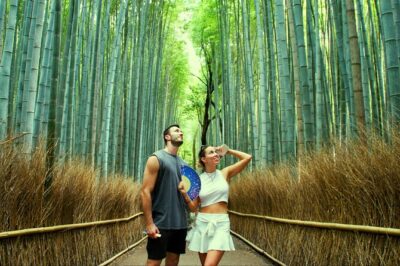
Arashiyama Bamboo Forest, Monkeys, Matcha & Temple Tour
Read our review →
Tea Ceremony Meditation – Make Matcha with Tea Master
Read our review →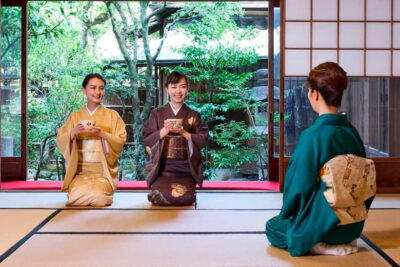
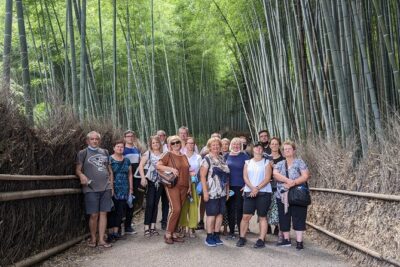
Arashiyama Bamboo, Temple, Matcha, Monkeys & secret spots
Read our review →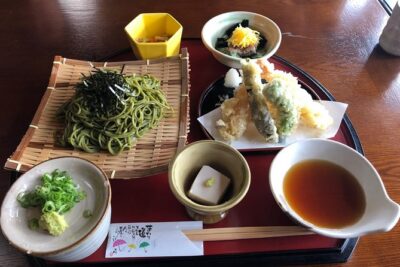
Traditional Tea Ceremony with Matcha & Sweets in Gion
Read our review →
Matcha Grinding Experience and Walking Tour in Uji Kyoto
Read our review →