
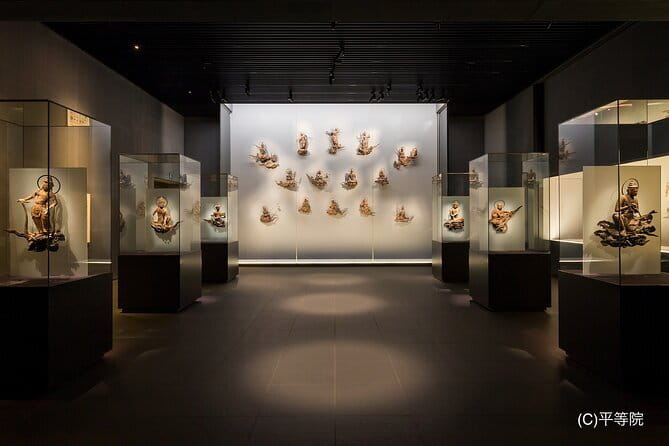
Review · KYOTO
Matcha Grinding Experience and Walking Tour in Uji Kyoto
Matcha tastes better when you make it. This four-hour Uji outing combines Byodo-in Temple with a hands-on stone-grinding workshop, giving you both the famous sights and a close look at the tea culture that made this town famous. I like the small group size, capped at six, and the chance to prepare fresh matcha rather than simply drink it in a café. The main drawback is the early start at 9:30 a.m. from Kyoto Station, plus the need to arrange your own way there.
I also like that the tour includes temple admission, the matcha class, and either Japanese sweets or matcha ice cream in the $130.46 price. Guide Vincent has earned especially warm praise for his friendly manner, local explanations, and ability to adjust the pace when the group is small. Still, four hours goes quickly, so this is better for a focused introduction to Uji than a slow, all-day exploration.
Key points at a glance
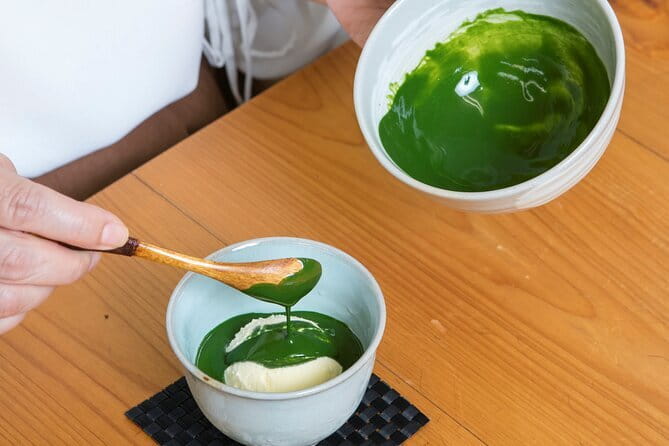
- Stone-grind your own matcha: Use a traditional mill, prepare your tea, and enjoy it with Japanese sweets or matcha ice cream.
- See the temple on the 10-yen coin: Byodo-in admission is included, along with time at this UNESCO World Heritage Site.
- Small groups matter: The tour accepts no more than six people, and it may feel nearly private when bookings are light.
- Meet at Kyoto Station: The 9:30 a.m. start is convenient if you are already in Kyoto, but there is no hotel pickup.
- Learn from a guide called Vincent: His easygoing explanations and local knowledge receive especially strong praise.
- Plan for workshop rules: WhatsApp is needed for communication before the tour, and a mask is required during the matcha class.
Why Uji makes a good half-day from Kyoto
Uji is one of Kyoto’s best short outings when you want something beyond the city’s major temple circuit. It is known as a leading region for high-quality Japanese green tea, and this tour gives that reputation a practical focus. You do not just hear that Uji is important for tea. You grind leaves, make matcha, and drink the result.
The tour lasts about four hours, which is a useful length for a morning. You get enough time for several major stops without giving up your entire day in Kyoto. Afterward, you can continue sightseeing, return to your hotel, or plan another activity.
The meeting point is at Shinshindo near the central bus ticket center at Kyoto Station. That makes the start fairly easy to find, especially if you are already using trains or buses in Kyoto. Since hotel pickup is not included, you need to reach the station on your own and allow enough time to locate the meeting point before 9:30 a.m.
The group limit of six is one of the tour’s best features. A small party makes questions easier, keeps the walking portion more personal, and gives the matcha workshop a less crowded feel. Several of the strongest comments praise Vincent by name, especially for explaining the area and keeping the visit relaxed. When the group is smaller than the six-person limit, the outing may even operate like a private tour.
More Matcha Experiences in Kyoto
- Kyoto: Arashiyama Bamboo Forest, Monkeys, Matcha & Temple Tour
★ 5.0 · 759 reviews - Kyoto: Tea Ceremony Meditation – Make Matcha with Tea Master
★ 4.8 · 406 reviews - Kyoto: Kimono Tea Ceremony with Matcha and Sweet
★ 4.9 · 249 reviews
Byodo-in and the famous 10-yen coin view
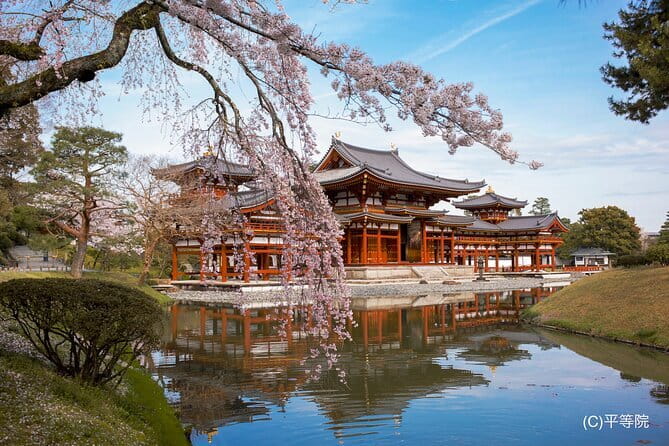
The first major stop is Byodo-in Temple, the sight most closely tied to Uji’s public image. Its Phoenix Hall appears on the back of Japan’s 10-yen coin, so many people recognize the building before they ever arrive. Seeing the actual temple gives that familiar coin design a clear sense of place.
Admission is included, which helps the $130.46 price feel more reasonable. You are not paying only for a walk through town and a tea demonstration. The temple entry, guide service, class, and snack or ice cream are part of the package.
Byodo-in is also a UNESCO World Heritage Site, so this stop adds cultural weight to what could otherwise be a simple food activity. I like the balance here. The temple gives you architecture and ceremony, while the tea class gives you something active to do with your hands.
You should keep your expectations measured. This is not a long temple study tour, and the full four-hour schedule also includes Uji Shrine and the workshop. If you want extensive time for photographs, quiet reflection, or every corner of the temple grounds, a self-guided return visit may be worthwhile.
The guide’s role is useful here. Vincent has been praised for explaining what the group sees, not simply leading everyone from one gate to the next. That can make a major difference at a famous site where the visual details are easy to admire but harder to understand.
Uji Shrine adds a second side of local culture
The next stop is Uji Shrine. Pairing it with Byodo-in gives you a wider look at the town’s religious character. Instead of spending the entire morning at one major landmark, you move between different places and hear more about the area’s local background.
The supplied details do not promise a lengthy shrine lecture or a special ceremony, so you should think of this as part of the walking tour rather than a separate extended visit. Its value comes from the contrast with Byodo-in and from the guide’s explanations along the way.
This is also where the small group helps. A guide can respond to questions more easily when only a few people are present. Past feedback gives Vincent particular credit for discussing temples, shrines, and local history in a clear, friendly way.
The walking format means you should wear comfortable shoes. No demanding hike is described, but the tour links three stops across Uji and lasts four hours. The pace may feel easy for most people, yet anyone who prefers very little walking should take the format into account before booking.
The Fukujuen workshop turns tea into a hands-on activity
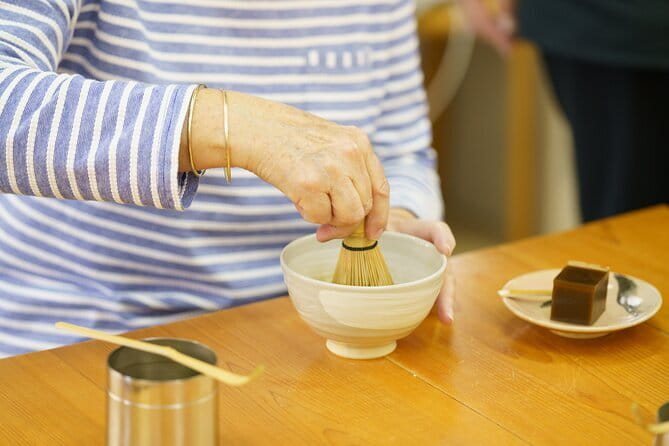
The heart of the tour is the matcha-making class at Fukujuen Ujicha Kobo. Here you use a traditional stone mill to grind tea leaves into matcha powder. Then you prepare and drink your fresh matcha.
That simple act gives you a better feel for the work behind the drink. Matcha is often served in a neat bowl at a café, with little explanation of how the powder is made. Grinding it yourself makes the process slower and more physical. You get to see that matcha is not simply ordinary loose-leaf tea poured into hot water.
The workshop is especially appealing if you already enjoy matcha or want an activity that feels distinctly Japanese. It is more memorable than a standard tasting because you take part in the preparation. The guide also talks you through the process, so you are not left to guess what to do with the mill or tea.
Your finished drink comes with a choice of Japanese snacks or matcha ice cream. That choice gives the final part of the class a pleasant, casual finish. The ice cream may appeal to younger participants or anyone who prefers a cold treat, while the Japanese sweets fit the traditional tea setting more closely.
A mask is required during the matcha workshop. You should also make sure WhatsApp is available before the tour, since the guide uses it for communication. These are small requirements, but they are easy to miss if you book quickly.
The class is not described as an advanced tea ceremony. If you are looking for formal movements, elaborate etiquette, or a long lesson on tea preparation, this may feel too simple. If you want to handle the tools, make a drink, and learn why Uji tea matters, the format should suit you well.
Same place, a different pot:
- Kyoto: Tea Ceremony in a Traditional Tea House in Kiyomizu
★ 4.9 · 3,519 reviews - Kyoto: Tea Ceremony Ju-An at Jotokuji Temple
★ 4.9 · 3,207 reviews - Kyoto: 45-Minute Tea Ceremony Lesson Experience
★ 4.3 · 2,378 reviews - Kyoto: Table-Style Tea Ceremony at a Kyo-Machiya
★ 4.9 · 1,211 reviews
What the guide adds to the morning
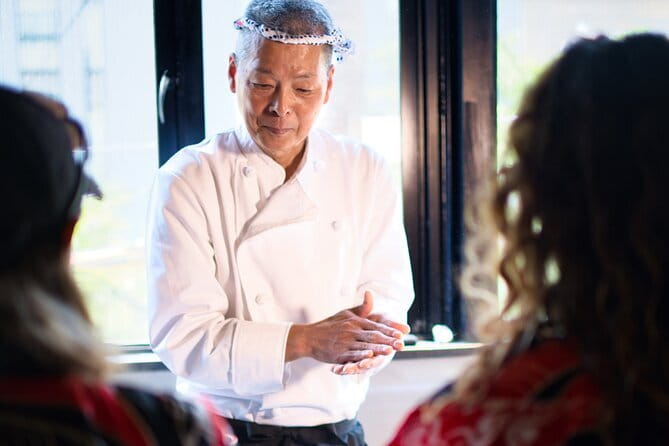
A walking tour of Uji can be done independently, but the guide is the reason to consider paying for this organized version. The strongest praise goes to Vincent, who is described as friendly, flexible, and clear when explaining the temples, shrines, and tea-making process.
That flexibility is useful in a group of six or fewer. One of the comments describes the outing becoming private, allowing the group to go with the flow. You should not assume every departure will be private, but the maximum group size gives you a fair chance of a personal visit rather than a large procession.
I like that the guide covers more than the matcha demonstration. Uji is not being used merely as a backdrop for a food activity. The tour connects tea with the town’s religious sites and explains why this part of Kyoto is linked with high-quality green tea.
The tone also sounds better suited to curious first-time visitors than to specialists. You get a friendly introduction to Uji, not a dense academic lecture. That makes it a good fit if you want context without spending hours memorizing dates and names.
Is $130.46 a fair price?
At $130.46 per person, this is not a cheap morning walk. The value depends on how much you want the guided format and the hands-on tea class.
The price includes Byodo-in admission, the matcha-making workshop, and Japanese snacks or matcha ice cream. It also covers the guide for roughly four hours, with a maximum of six people. Those inclusions make the cost easier to justify than a basic sightseeing stroll.
The best value comes if you would otherwise pay separately for temple entry, seek out a tea class, and want help understanding Uji as you walk. The tour combines all three in one booking. It also removes the need to plan the order of the main stops yourself.
The value is weaker if you only want to see Byodo-in or drink matcha. You could visit Uji independently and spend less, but you would give up the explanations, the organized route, and the chance to grind your own tea with instruction.
Think of the cost as paying for a compact cultural introduction, not just transportation or admission. There is no hotel pickup, and you still need to reach Kyoto Station. If you are staying far from the station, add that planning time to your morning.
Timing, group size, and practical planning
The meeting time is 9:30 a.m., and the activity ends back at the original meeting point. That return arrangement is useful because you finish where you started, rather than needing to work out a new route at the end.
You should arrive early enough to identify Shinshindo near the Kyoto Station central bus ticket center. The address is in the station area, but large transport hubs can take longer to navigate than expected.
The tour is mobile-ticket based, and confirmation is sent within 48 hours of booking, subject to availability. The activity requires a minimum number of participants. If that minimum is not reached and the tour is canceled, you are offered another date or experience, or a full refund.
Free cancellation is available up to 24 hours before the start time. Changes or cancellations inside that 24-hour window are not accepted for a refund. Since the cut-off follows local time, check the deadline before making last-minute changes.
The tour is near public transportation, but it does not include hotel pickup. That distinction matters in Kyoto, where a station meeting can be simple for one person and awkward for another depending on the hotel location.
Who will enjoy this Uji tour most?
I would recommend it most strongly to matcha fans, first-time visitors to Uji, and anyone who likes a guided activity with something to do rather than only something to see. Families may also appreciate the choice of matcha ice cream, though the provided information does not specify a children’s age policy.
It is a good match for people who want a manageable morning. Four hours is long enough to make Uji feel worthwhile but short enough to leave the rest of the day open.
The tour also suits you if you value a small group. A six-person limit is far more appealing than a large bus tour, particularly for a workshop where everyone wants time with the stone mill.
You may want a different plan if you prefer to set your own pace, dislike fixed meeting times, or want to spend a full day at Uji’s temples and tea shops. The 9:30 start and structured route leave less room for extended solo wandering.
Should you book the Matcha Grinding Experience?
Book it if you want three things in one morning: Byodo-in, a guided walk through Uji, and the chance to make matcha with a traditional stone mill. The small group limit and Vincent’s highly praised guiding style add real value, especially if you want clear explanations without a large crowd.
Skip it if your main goal is simply to see Byodo-in at the lowest possible cost, or if you want a long, formal tea ceremony. At $130.46, the tour earns its price through the combination of admission, instruction, snacks, and personal guiding.
For most matcha lovers, this is a well-focused way to meet Uji. Just arrange your own transport to Kyoto Station, keep WhatsApp available, wear a mask for the workshop, and arrive ready to turn tea leaves into your morning drink.
FAQ
How long does the Matcha Grinding Experience and Walking Tour take?
The tour lasts approximately four hours.
What time does the tour start?
It starts at 9:30 a.m.
Where does the tour meet?
The meeting point is Shinshindo near the central bus ticket center at Kyoto Station, at 902 Higashishiokōjichō, Shimogyo Ward, Kyoto.
Does the tour include hotel pickup?
No. Hotel pickup is not included, so you must make your own way to the Kyoto Station meeting point.
What places are included in the walking tour?
The route includes Byodo-in Temple, Uji Shrine, and Fukujuen Ujicha Kobo.
Is admission to Byodo-in Temple included?
Yes. The Byodo-in admission fee is included in the tour price.
What does the matcha workshop include?
You grind tea leaves into matcha powder with a traditional stone mill, make fresh matcha, and receive either Japanese snacks or matcha ice cream.
How many people can join the tour?
The activity has a maximum of six participants.
Is cancellation free?
Yes. You can cancel at least 24 hours before the start time for a full refund. Cancellations or changes made less than 24 hours before the start time are not refunded or accepted.
More Walking Tours in Kyoto
- Kyoto Tea Ceremony & Kiyomizu-dera Temple Walking Tour
★ 5.0 · 115 reviews - The Way of Tea: Kyoto Crafts, Hidden Temples & Wabi-Sabi Walk
★ 5.0 · 41 reviews - Kyoto Gion Tea ceremony & Wabi-sabi Walking Tour
★ 4.5 · 7 reviews - Kyoto Tea Ceremony & Kiyomizu-dera Temple Walking Tour
★ 4.5 · 4 reviews
Just added around Kyoto
- Uji Walking Tour – Byodo-in temple and Tea Ceremony from Kyoto★ 3.5 · 3 reviews
- Tea ceremony at Kyoto’s Zen Temple Teahouse★ 5.0 · 2 reviews
- Kyoto: Authentic Tea Ceremony in a Small Group★ 5.0 · 7 reviews
- Tea Ceremony in 150 Years Old Townhouse with Tables and Chairs★ 5.0 · 22 reviews
- Tea Ceremony Experience in Traditional Kyoto Townhouse★ 5.0 · 19 reviews
- Traditional Tea Ceremony in Kyoto★ 4.5 · 3 reviews
- Silent Beauty of Kyoto Zen Walk and Tea Experience★ 5.0 · 2 reviews
- Kyoto Private Tea Ceremony at a Japanese Inns★ 5.0 · 12 reviews
Matcha Experiences in Kyoto, compared.

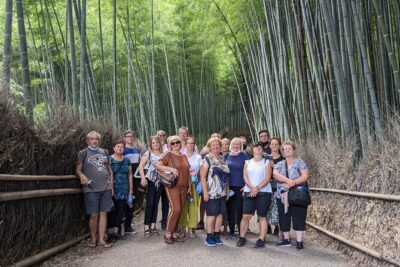
Arashiyama Bamboo Forest, Monkeys, Matcha & Temple Tour
Read our review →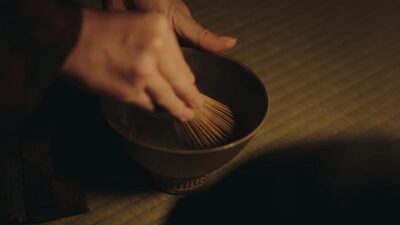
Tea Ceremony Meditation – Make Matcha with Tea Master
Read our review →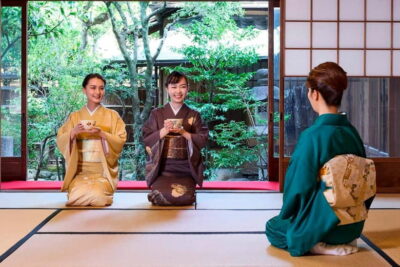
Arashiyama Bamboo, Temple, Matcha, Monkeys & secret spots
Read our review →
Traditional Tea Ceremony with Matcha & Sweets in Gion
Read our review →

Kyoto Local Gourmet Night Experience: Kaiseki & Izakaya & Matcha
Read our review →Browse the lists this tour appears in