Review · KYOTO
Matcha Green Tea Plantation and Matcha Factory Visit
Matcha begins in the field. This three-and-a-half-hour trip from Kyoto takes you to Uji, Japan’s best-known matcha region, for a look at tea growing, milling, tasting, and daily use. I like the small group size of no more than six people, and I like that the tour uses local train travel rather than keeping you inside a sightseeing bus.
The most appealing part is the access to an old tea plantation and its factory, followed by a tasting of several matcha varieties with Japanese sweets. The possible drawback is the price: at $154.84 per person, this is not a casual budget outing, and the short visit may leave you wanting more time in Uji.
The meeting point is easy to find at Hotel Granvia Kyoto inside JR Kyoto Station. Guide Mie has earned special praise for being kind and full of useful information, and the tour’s flexible morning and afternoon departures make it easier to fit around a Kyoto sightseeing plan.
Key things to know before booking
- Uji is matcha country: The town is famous for high-quality tea in much the same way Scotland is associated with whisky.
- You travel from Kyoto Station by train: Transportation fees are included, and the tour begins and ends at Hotel Granvia Kyoto.
- The group is capped at six people: That gives the guide room to answer questions and keep the visit personal.
- You see more than a tea ceremony: The experience includes a plantation, the handling of a green tea mill, factory production, and tasting.
- The tasting includes premium matcha and sweets: You sample multiple varieties, including an especially expensive matcha served at a traditional tea hut.
- Plan for about three and a half hours: The listed Uji visit is three hours, while the full experience is advertised at approximately three hours and thirty minutes.
Why Uji is the right place to learn about matcha
Kyoto is full of polished tea experiences, but Uji gives you a stronger connection to where matcha comes from. The town’s name carries real weight in Japan’s tea trade, and the experience uses that setting to explain why Uji tea is so highly regarded.
Matcha is not simply green tea poured into a cup. The leaves are grown, handled, processed, and ground into a fine powder before you whisk them with water. This tour connects those steps in a useful order, beginning with the plantation and ending with the finished drink.
I like that the focus is not only on ceremony. You get to see how the tea is grown and manufactured, then taste the result in a traditional setting. That makes the experience useful for someone who wants a cultural activity with real production details, not just a photo opportunity.
The tour also introduces the history of matcha in Japan. Matcha was brought to Japan by a Zen monk in the 12th century, and its close relationship with Zen practice helps explain why the preparation of tea can feel so deliberate and calm.
You will not become a tea farmer or tea expert in one short visit. Still, you should leave with a much clearer idea of why matcha costs more than ordinary green tea and why different varieties taste and feel different.
More Green Tea Tours in Japan
- Scenic Green Tea Fields of Hidden Kyoto & Local Tea Exp (Private)
★ 5.0 · 32 reviews - Kyoto Matcha Green Tea Tour
★ 4.7 · 28 reviews - Sencha-do the Japanese Tea Ceremony Workshop in Kyoto
★ 5.0 · 21 reviews
Meeting at Kyoto Station and riding to Uji
The day starts at Hotel Granvia Kyoto, located inside the JR Kyoto Station building near the central entrance. This is a practical meeting point, especially if you are already staying near Kyoto Station or arriving by rail from another part of the city.
I recommend allowing extra time to find the exact entrance. Kyoto Station is large, and Hotel Granvia is part of the station complex rather than a separate building across the street. The tour includes transportation fees, so you do not need to arrange a separate train ticket for the planned transfer.
The ride to the Uji region is part of the experience. You travel like a local, moving out of central Kyoto toward the southern part of the prefecture. That is more useful than it may sound: the train gives you a sense of how easily tea country fits into a Kyoto day trip.
The group limit of six matters here. A guide can keep everyone together on the station transfer, explain the route, and answer questions without the delays that often come with a large coach group. You should still be ready to walk through the station and follow the guide at a normal city pace.
The tour ends back at the same meeting point. That makes it easier to plan another activity afterward, though you should leave some breathing room if you have timed tickets or a dinner reservation.
Visiting one of Kyoto’s oldest tea plantations
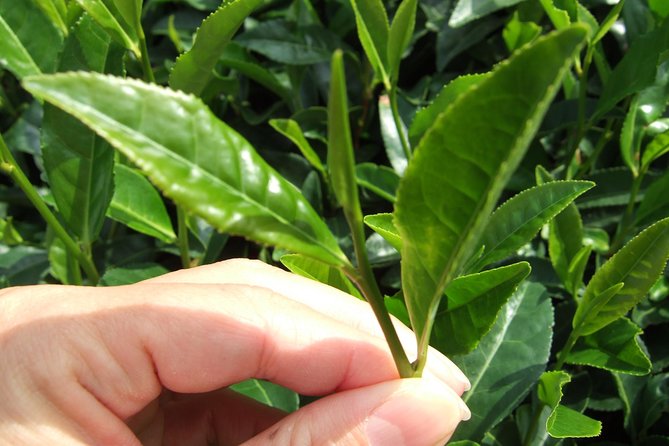
In Uji, the focus shifts from transport to tea production. You visit one of Kyoto’s oldest matcha plantations and get a look at the small tea crop itself. This is the part that gives the activity its strongest sense of place.
The plantation visit is especially valuable because matcha can seem mysterious when you only encounter it in cafés or sweets. Seeing the tea plants helps connect the powder in your bowl with an agricultural product that requires care long before the tasting begins.
The experience also covers the varieties of tea plants. That detail gives the visit more substance than a simple walk through a field. You learn that matcha is not one identical product, and the different plants and production methods help explain changes in flavor and price.
One of the families connected with the visit has grown matcha for five generations. That family connection adds a human side to the tour, showing how tea production can remain tied to a household and a local area over many years.
Do not expect a giant estate or a grand industrial farm. The information describes a small tea plantation crop, which may be better for close explanation but less impressive if you are hoping for endless rows of plants. The value is in the access and the explanation, not in the scale.
Weather also matters. The experience requires good conditions, so poor weather can lead to a different date or a full refund. That policy is worth remembering if you have only one open day in Kyoto.
Seeing the matcha factory and green tea mill
After the plantation, you visit the matcha factory and learn how the tea is processed. A key part of the experience is handling or seeing the green tea mill, which gives you a look at the step that turns prepared tea leaves into the fine powder used for matcha.
This factory visit answers a question many tea drinkers have: how does a leaf become the smooth, bright powder served in a bowl? The guide explains the process and connects it with what you saw at the plantation.
I like this portion because it gives the tour a practical backbone. The tasting is more meaningful after you have seen the work behind the product. You can compare the finished drink with the growing and milling stages instead of treating matcha as just another Japanese beverage.
The available information does not promise a large-scale factory production line or a long technical demonstration. Keep your expectations measured. This is a guided visit with an introduction to the process, not a full-day workshop in tea manufacturing.
That said, the smaller setting may be an advantage. With a group of up to six, you have a better chance to hear the guide and ask about the parts of production that interest you most.
More Matcha Experiences in Kyoto
- Kyoto: Arashiyama Bamboo Forest, Monkeys, Matcha & Temple Tour
★ 5.0 · 759 reviews - Kyoto: Tea Ceremony Meditation – Make Matcha with Tea Master
★ 4.8 · 406 reviews - Kyoto: Kimono Tea Ceremony with Matcha and Sweet
★ 4.9 · 249 reviews - Kyoto: Arashiyama Bamboo, Temple, Matcha, Monkeys & secret spots
★ 5.0 · 219 reviews
Tasting premium matcha with Japanese sweets
The tasting takes place at a traditional tea hut, where you sample multiple varieties of matcha with Japanese sweets. You also have the chance to taste one of the most expensive matchas offered during the visit.
This is the payoff, but it is also a lesson in comparison. Instead of drinking one cup and being told it is special, you can notice how varieties differ. The guide also explains how green tea might fit into your own routine once you return home.
The sweets are important. Matcha can have a strong, grassy, bitter, or savory edge, and Japanese sweets provide a counterpoint. The pairing helps you understand why tea service often includes something sweet, rather than treating the drink as a stand-alone flavor.
The tasting should suit both serious matcha fans and curious beginners. If you already drink matcha, you may appreciate the chance to compare premium varieties in their home region. If you normally add matcha to desserts or lattes, this gives you a more traditional reference point.
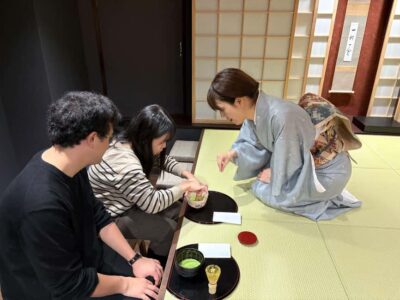
The tea ceremony element is another highlight, but it should not be confused with an extended formal ceremony course. The experience includes tea ceremony service at the traditional hut, along with explanation and tasting. You are there to learn and sample, not to spend an entire afternoon studying etiquette.
Learning how to use green tea at home
A useful feature of the visit is the practical discussion about bringing green tea into your daily life. This keeps the experience from ending with a single cup in Uji.
You can ask about how to make tea part of your routine back home and how different types of tea fit different occasions. That kind of advice is often more useful than a long lecture on abstract tea customs.
The tour also gives you time to shop for green tea and tea utensils. These items can be hard to find elsewhere in Japan, so the stop may be worthwhile if you want to take home a proper souvenir rather than a generic packaged snack.
Shopping is not included as part of the tour price, and the experience does not include food or drink beyond the stated tasting and sweets. Bring payment for any tea or utensils you want to purchase, but the exact shop selection and prices are not specified.
I would treat the shopping as an optional benefit, not the main reason to book. The plantation, factory, and tasting are the core of the experience. The chance to buy local tea simply gives you a practical way to continue what you learned.
What the $154.84 price really buys you
At $154.84 per person, the cost is high for a three-and-a-half-hour activity. You are paying more than the price of a basic Uji train trip or a standard tea tasting.
The value comes from the combination of services. The price includes an English-speaking professional guide, entrance fees, train transportation, matcha tastings, and Japanese sweets. It also gives you a private-style experience within a group capped at six people.
That small group is the key value point. You are not just being delivered to Uji and left to inspect a field. The guide helps connect the train ride, plantation, factory, tea mill, tasting, and daily tea habits into one story.
The price makes the most sense if you care about how matcha is grown and produced, or if you want a personal guide to explain the cultural background. It is harder to justify if you only want to drink a cup of matcha or take a quick look at a tea field.
Group discounts are available, which may help if you are booking for several people. The tour is also offered with morning or afternoon departure choices, so you may be able to avoid sacrificing a full day of Kyoto sightseeing.
Who will enjoy this matcha experience most
This tour is a strong match for anyone who already loves matcha and wants to understand the product at its source. It also works well for food-focused visitors who prefer meeting producers and seeing preparation methods rather than only visiting famous temples.
Families and small groups may appreciate the six-person limit, especially if they want to ask questions without competing with a large crowd. The guided train transfer also takes some of the stress out of reaching Uji.
The experience suits most people who can use public transportation and take part in a walking-based outing. The supplied details say most people can participate, but they do not provide a full accessibility description, so you should confirm specific mobility needs before booking.
It is less suitable if you dislike tea, have no interest in production methods, or want a long formal tea ceremony. The tour is built around learning, travel, tasting, and a short plantation and factory visit.
The activity may also feel too brief for visitors who want extensive time in Uji. You see the tea side of the region, but the stated plan does not include a broad tour of Uji’s other sights.
Timing, cancellation, and practical planning
The tour lasts approximately three hours and thirty minutes, with the Uji portion listed at about three hours. Morning and afternoon departure options give you some control over the rest of your day.
You should arrive at the central entrance of Hotel Granvia Kyoto with enough time to locate the meeting point. The activity ends at the same place, so you can continue from Kyoto Station afterward.
Free cancellation is available if you cancel at least 24 hours before the experience starts. Cancellations made less than 24 hours before the start time are not refunded, and late changes are not accepted.
The weather rule is important because the activity requires good conditions. If poor weather causes cancellation, you are offered another date or a full refund. Confirmation is sent within 48 hours of booking, subject to availability.
Should you book the Uji matcha plantation tour?
Book this experience if you want more than a pretty cup of tea. The plantation, five-generation tea-growing connection, factory visit, green tea mill, premium tasting, and small group format give you a clear look at how matcha moves from field to bowl.
At $154.84, it is a special-interest tour rather than a cheap add-on. I would choose it for a matcha lover, a food-minded visitor, or anyone who values a personal English-speaking guide and local train travel.
Skip it if your main goal is simply to see Uji’s temples, stroll around town, or have one inexpensive tea tasting. For everyone else, especially those curious about the work behind Japan’s famous green powder, this is one of the better ways to give matcha a real sense of place.
FAQ
Where does the matcha tour begin?
The tour begins at Hotel Granvia Kyoto, located in the JR Kyoto Station building near the central entrance.
Where does the experience end?
The activity ends back at the original meeting point at Hotel Granvia Kyoto.
How long does the matcha plantation visit take?
The full experience lasts approximately three hours and thirty minutes. The Uji portion is listed as about three hours.
Is transportation included?
Yes. Transportation fees for the planned transfer from Kyoto Station to the Uji region are included.
Is the tour conducted in English?
Yes. A professional English-speaking guide leads the experience.
How many people can join the tour?
The activity has a maximum of six participants.
Can I cancel for a full refund?
Yes. You can cancel for a full refund up to 24 hours before the experience start time. If poor weather causes the operator to cancel, you are offered another date or a full refund.
More Tea Plantation Tours in Kyoto
- From Taipei: Thousand Island Lake and Pinglin Tea Plantation
★ 4.7 · 519 reviews - Active Volcano, Rice Field, Hot Spring, Fruit market, Tea Plantation with Lunch
★ 5.0 · 513 reviews - Furnas: Tea Plantations, Lake and Volcano Guided Tour
★ 4.8 · 511 reviews - São Miguel: Furnas Volcano & Tea Plantation Tour with Lunch
★ 4.9 · 375 reviews
More Green Tea Tours in Kyoto
- Cycling Tour at Uji’s Matcha Green Tea Fields and Heritage
★ 5.0 · 10 reviews - Family Mitsui House Museum with green tea admission ticket
★ 4.0 · 5 reviews - Experience all of Japanese culture and Japanese food experience classes “origami, udon, Japanese food, green tea, calligraphy” in 4 hours
★ 5.0 · 105 reviews - Uji: Green Tea Tour with Byodoin and Koshoji Temple Visits
★ 4.8 · 72 reviews
Just added around Kyoto
- Uji Walking Tour – Byodo-in temple and Tea Ceremony from Kyoto★ 3.5 · 3 reviews
- Tea ceremony at Kyoto’s Zen Temple Teahouse★ 5.0 · 2 reviews
- Kyoto: Authentic Tea Ceremony in a Small Group★ 5.0 · 7 reviews
- Tea Ceremony in 150 Years Old Townhouse with Tables and Chairs★ 5.0 · 22 reviews
- Silent Beauty of Kyoto Zen Walk and Tea Experience★ 5.0 · 2 reviews
- Tea Ceremony Experience in Traditional Kyoto Townhouse★ 5.0 · 19 reviews
- Traditional Tea Ceremony in Kyoto★ 4.5 · 3 reviews
- Kyoto Private Tea Ceremony at a Japanese Inns★ 5.0 · 12 reviews
Matcha Experiences in Kyoto, compared.

Arashiyama Bamboo Forest, Monkeys, Matcha & Temple Tour
Read our review →
Tea Ceremony Meditation – Make Matcha with Tea Master
Read our review →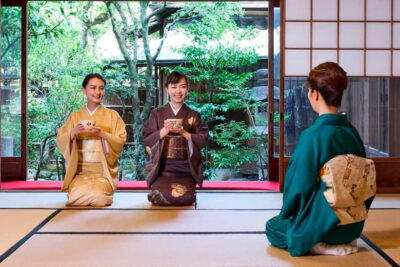
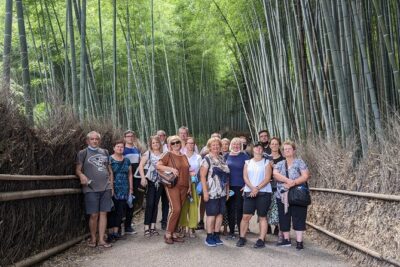
Arashiyama Bamboo, Temple, Matcha, Monkeys & secret spots
Read our review →
Traditional Tea Ceremony with Matcha & Sweets in Gion
Read our review →
Matcha Grinding Experience and Walking Tour in Uji Kyoto
Read our review →