
Review · TOKYO
Tokyo Traditional Tea Ceremony with a Japanese Tea Master
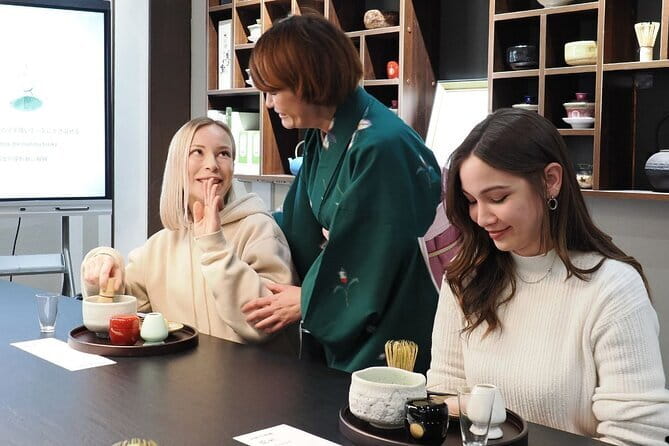
Tea tells you a lot about Japan. This one-hour class makes that lesson easy to enjoy, with several teas, seasonal sweets, and hands-on matcha preparation in a small room near Tokyo University. I like the range of teas, from fruity wakocha to prized Gyokuro and roasted-rice Genmaicha. I also like the relaxed chance to ask questions instead of simply watching a formal ritual.
The main thing to know is that this is more tea tasting and instruction than a full formal tea ceremony. If you expect a geisha-style performance while sitting silently on the floor, this may not match your idea of the event. For about $33.03, though, it offers a useful cultural lesson, several tastings, cake, a certificate, and a group photo.
Key points before you book
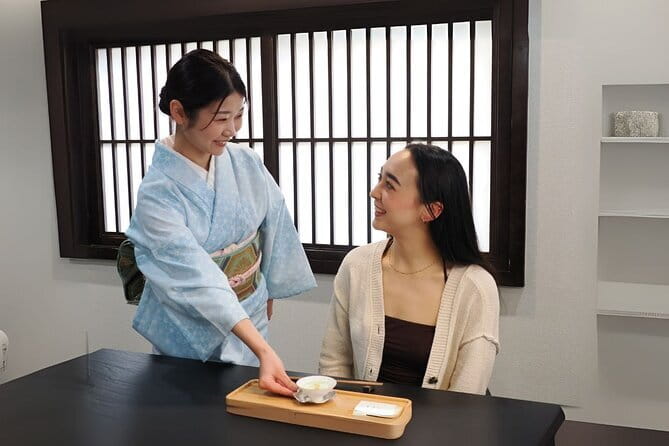
- Five tea styles in about one hour: You sample wakocha, Gyokuro sencha, matcha, Genmaicha, and other Japanese teas during a compact session.
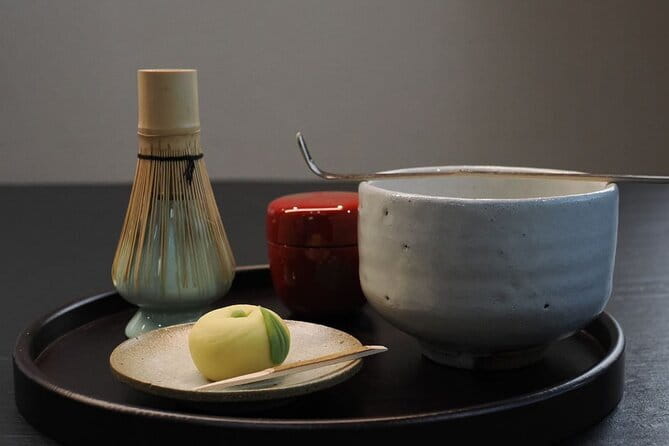
- You make your own matcha: A tea master demonstrates the method, then guides you as you whisk your own cup with traditional tools.
- Cake and wagashi are part of the lesson: Sweets are paired with tea, helping you notice how flavor changes from one cup to the next.
- Small group, maximum 12 people: The size gives you a better chance to ask questions and follow the preparation closely.
- Near Tokyo University in Bunkyo: The Ocharu Tea Ceremony room sits at 6-chome 2-10 Hongo, close to public transportation.
- A souvenir certificate and photo are included: You leave with a simple reminder of the class, not just a cup of tea.
What kind of tea experience is this?
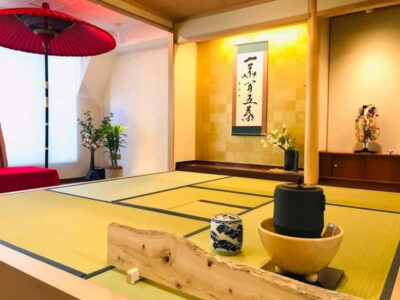
The name may set up the wrong picture. In Japan, a formal tea ceremony can be long, highly structured, and full of precise movements, manners, and symbolism. This Ocharu session takes a more approachable route. It introduces you to several teas, shows how brewing choices affect flavor, and lets you prepare matcha yourself.
I see that as a strength for most short Tokyo visits. You are not asked to sit through a long performance without context. Instead, you taste, watch, ask questions, and handle the tools. The format is especially useful if you want a clear introduction to Japanese tea culture rather than a strictly traditional ceremony.
Still, the difference matters. One dissatisfied participant expected a geisha-like host and a formal floor-seated event, then found a matcha lesson instead. Another reported that the host did not speak English and that explanations had to be read from a screen, despite an English-language request. That appears to be a serious communication concern, so I would confirm the language arrangements before paying if clear spoken English is essential to you.
More Tea Ceremonies in Tokyo
- Kimono Tea Ceremony at Tokyo, Asakusa Maikoya
★ 5.0 · 638 reviews - Tokyo: Traditional Tea Ceremony with a Tea Master
★ 5.0 · 528 reviews - Tea Ceremony Workshop in Tokyo by the Experienced Instrucor
★ 5.0 · 189 reviews
Starting with Shizuoka wakocha and cake
The class begins with wakocha, Japanese black tea from Shizuoka Prefecture. Unlike the stronger black teas many people associate with breakfast, this style is described as having fruity and floral notes. It comes with a welcome tea cake.
This opening is a good choice because it gives you an easy first comparison. You begin with a tea that may feel familiar in color and preparation, but its Japanese origin and lighter flavor profile make it different from a standard English breakfast cup. The cake adds a sweet counterpoint and gives the first part of the class a relaxed feel.
I like this kind of start because it eases you into the subject. You do not need prior tea knowledge. You can simply notice the scent, sweetness, and finish, then carry those observations into the green tea tastings that follow.
The cake is modest rather than a full meal. If you are booking this around lunchtime, eat beforehand. The included food is a pleasant pairing, not a substitute for lunch.
Watching Gyokuro sencha take shape
Next comes Gyokuro sencha, described as the highest grade of green tea. The tea master prepares it while explaining the process. You also taste the leaves and receive seasonal wagashi from Ougiya, a confectioner with generations of experience making these sweets.
This is likely the most distinctive part of the tasting. Gyokuro is treated with care, and brewing temperature matters. The session helps you understand that Japanese green tea is not simply one general drink. Tea variety, water temperature, brewing time, and serving style all affect the result.
Tasting the leaves may sound unusual, but it gives you another way to notice the tea. You are not limited to the liquid in the cup. The seasonal wagashi adds a traditional sweet element and shows how Japanese confectionery can be designed to work with tea rather than overwhelm it.
The details here are valuable because they turn a pretty serving ritual into a lesson. You can leave with a better sense of why a high-grade tea is brewed carefully and why sweets are selected with equal care. If you enjoy trying unfamiliar flavors, this section should reward your curiosity.
Making matcha with traditional tools
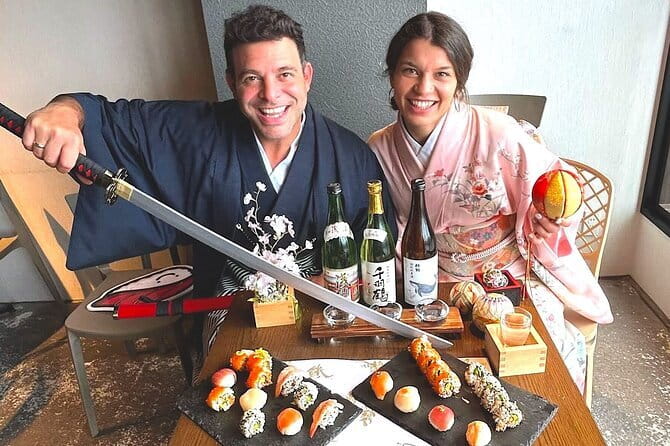
The hands-on matcha session is the heart of the class. The tea master shows you how to prepare the powder, use the traditional equipment, and whisk the tea. Then you make and drink your own matcha.
I like this part far more than simply watching a demonstration. You notice the effort needed to create the foam, the texture of the finished drink, and the small difference between seeing a process and doing it yourself. The instructor can correct your technique and explain what you are doing as you go.
The class is intended for beginners, so you do not need to arrive knowing how to hold the whisk or mix the powder. The small group, capped at 12 people, should make it easier to see the demonstration and ask for help. Several people praised the combination of learning and participation, which is exactly where this experience earns its price.
Your matcha may not look perfect on the first attempt. That is part of the fun. This is a class, not a competition for the smoothest foam. The point is to understand the method and enjoy the drink you prepared.
Same place, a different pot:
- Matcha Making Class in Tokyo with Authentic Japanese Sweets Set
★ 5.0 · 744 reviews - Tokyo: Matcha Making Experience with Mochi Sweets in Asakusa
★ 4.9 · 388 reviews - Asakusa Cultural Walk & Matcha Making Tour
★ 5.0 · 245 reviews - Mt. Fuji & Lake Kawaguchiko Ropeway Panorama Full-Day Tour
★ 4.6 · 236 reviews
Ending with Niigata Genmaicha
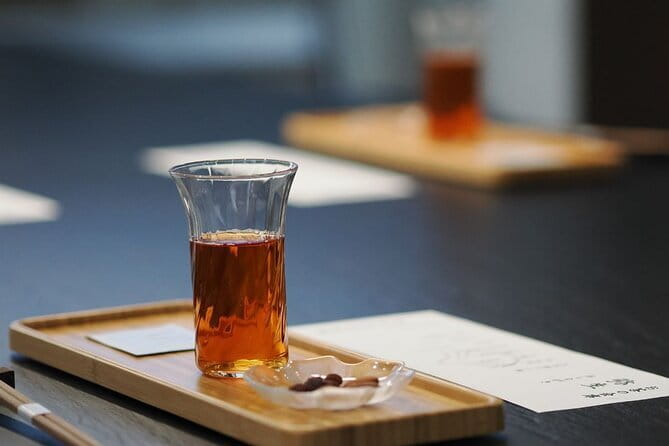
The final cup is Genmaicha, a blend of sencha and roasted rice from Niigata Prefecture. Its toasted rice gives it a softer, more comforting character than the sharper green teas earlier in the session.
Ending with Genmaicha is sensible. After the concentrated flavors of Gyokuro and matcha, the roasted rice brings the tasting back to an easy, familiar note. It also gives you one more clear example of how Japanese tea can be blended for a particular taste and mood.
The sequence is well planned: black tea first, premium green tea next, matcha as the practical lesson, then roasted-rice tea to finish. In one hour, you get a broad sample without the class becoming drawn out. One especially positive response praised the fact that the session lasted about an hour and remained interesting rather than boring.
Why the small group matters
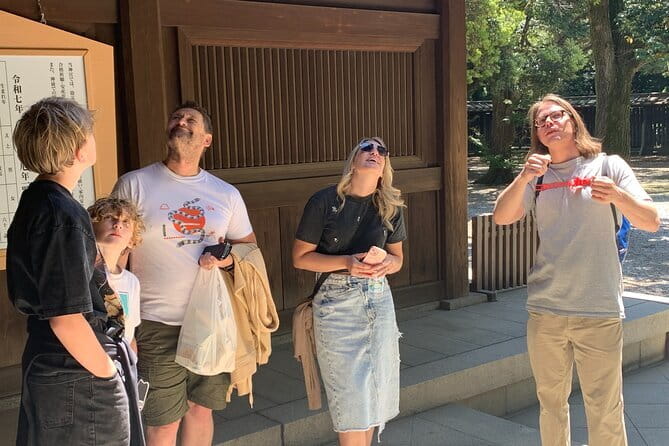
A maximum of 12 people keeps this from feeling like a large demonstration. You have room to ask about tea preparation, flavor, water temperature, and Japanese customs. That matters because tea can seem mysterious when you only watch from a distance.
A small group does not guarantee a private lesson. You will still share the room and the demonstrations with other people. But compared with a crowded presentation, this format gives you a better chance to follow the tools and take part in the matcha preparation.
Families may find the hands-on format a good fit. One family described feeling comfortable throughout the session, and the combination of sweets, tasting, and activity gives children more to do than simply sit quietly. Very young children may not care about the cultural explanation, but the class is short enough that it should not become an all-day commitment.
Couples, solo visitors, and anyone with a free hour in Bunkyo can also fit it into a Tokyo schedule. Since the activity begins and ends at the Ocharu room, you are not tied to a long bus route or a full-day group itinerary.
Location across from Tokyo University
The meeting point is OCHARU at 6-chome 2-10 Hongo, Bunkyo City, Tokyo 113-0033. It is located across from Tokyo University and near public transportation.
That setting adds a useful neighborhood stop to your day. You can pair the tea class with time around Tokyo University and Bunkyo rather than treating it as an isolated attraction. The activity does not include transportation, so you need to arrange your own route to and from the room.
Plan to arrive with enough time to find the exact entrance. One person reported waiting 30 minutes outside the building because the scheduled event did not take place. The provider apologized for the failure, but the incident is a reminder to keep your confirmation details handy and contact the operator promptly if the host does not appear.
The activity ends back at the meeting point. That makes planning simple, but it also means you should not expect a drop-off elsewhere in Tokyo.
Is $33.03 good value?
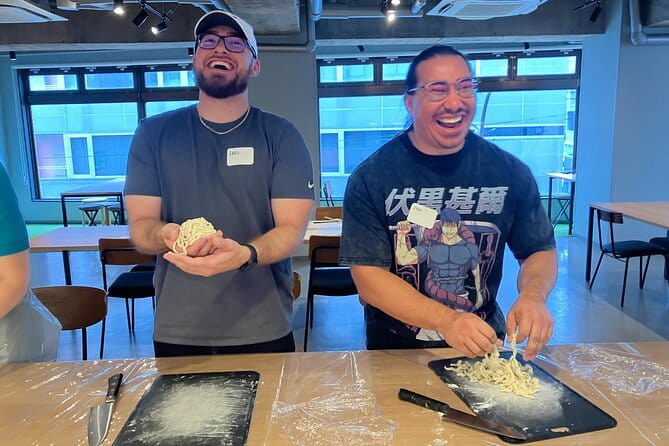
At $33.03 per person, this is fairly priced if you want more than a single cup of tea. You receive a welcome tea and cake, several tastings, seasonal wagashi, a guided matcha-making session, Genmaicha, access to the tea room, a certificate, and a group photo.
The value comes from the instruction. If you only want to drink matcha in a quiet room, you can find simpler options for less money. Here, you are paying for the explanations, the variety, and the chance to use the tools yourself.
The one-hour length also helps the value. You get a compact cultural activity without surrendering half a day of your Tokyo schedule. I would see it as a good add-on between other plans, especially if you are already visiting Bunkyo.
The certificate is a light souvenir rather than a formal qualification. The group photo serves the same purpose: a pleasant memory of the session, not proof of advanced tea skill. Souvenirs and gifts beyond these included items cost extra.
What the praise gets right
The most consistent strengths are the teaching, the variety of tea, and the friendly scale of the class. People especially liked learning how different teas are made, why brewing temperature matters, and how to prepare matcha. Those are practical details you can remember after leaving.
The session also appears to work well for families and first-time visitors. It is informative without being very long, and the food pairings make the tasting more enjoyable. Several comments describe the experience as fun, educational, intimate, and comfortable.
The host has been praised for explaining the teas and guiding the matcha preparation. The provider identifies the experience with Sunrise Adventure, and responses are signed by Nikolai and Kaho. However, the information does not give a named tea master, so you should not book expecting a particular instructor by name.
Important limits before booking
The biggest issue is the word ceremony. If you want a fully formal Japanese tea ceremony, this is not the safest choice. The provider itself describes the event as a relaxed tasting of different Japanese teas, and one response specifically explains that it is not a long, formal ceremony.
Language is another point to check. Most of the available feedback treats the instruction as clear and useful, but one serious complaint says the host did not speak English and relied on a screen. If spoken English makes or breaks the experience for you, contact the provider before booking and confirm what language will be used on your date.
The schedule is also worth treating carefully. The reported no-show was an isolated but serious failure. Bring your booking confirmation, arrive at the stated room, and contact the operator quickly if you cannot locate the host. Free cancellation is available up to 24 hours before the start time. Within 24 hours, you receive no refund, and changes are not accepted.
Who should book this tea class?
I would recommend it to you if you want a short, hands-on introduction to Japanese tea. It suits first-time visitors, families, curious food lovers, and anyone who wants to understand the difference between several teas rather than pose for a ceremonial photo.
It is also a good choice if you enjoy learning through tasting. The wakocha, Gyokuro, matcha, Genmaicha, cake, and wagashi create a clear progression. You will leave with more than a vague impression that Japanese tea is delicate and traditional. You will have tasted several styles and prepared one yourself.
I would hesitate if your main goal is a highly formal ceremony, a geisha performance, or a silent ritual in a traditional room. I would also confirm the language before booking if you need a fully spoken English explanation.
Should you book the Ocharu tea experience?
Book it if you want variety, instruction, and participation in a one-hour session near Tokyo University. The price is reasonable for the number of teas and sweets included, and the matcha lesson gives the experience a useful purpose.
Skip it if the word ceremony means a strict traditional performance to you. This is best understood as a friendly tea class and tasting with ceremonial elements. With that expectation set correctly, it offers an enjoyable and practical look at Japanese tea culture.
FAQ
How long does the tea experience last?
The experience lasts approximately one hour.
Where does the activity begin?
It begins at OCHARU, 6-chome 2-10 Hongo, Bunkyo City, Tokyo 113-0033, Japan.
Where does the activity end?
It ends back at the Ocharu Tea Ceremony room, the same meeting point.
How many people can join?
The activity has a maximum group size of 12 people.
Is transportation included?
No. Travel to and from the Ocharu Tea Ceremony room is not included.
What teas are included?
The experience includes wakocha, Gyokuro sencha, matcha, and Genmaicha, along with other Japanese tea tasting elements described during the session.
Is food included?
Yes. The experience includes a welcome tea with cake and seasonal wagashi with the Gyokuro tasting.
Do I get to make matcha?
Yes. You receive guidance from a tea master and prepare your own matcha using traditional tools.
Do I receive a souvenir?
Yes. You receive a certificate of completion and a group photo. Additional souvenirs and gifts are not included.
Can I cancel for a full refund?
Yes, if you cancel at least 24 hours before the experience start time. Cancellations within 24 hours are not refunded, and changes during that period are not accepted.
Just added around Tokyo
- Yokohama : Tea Ceremony with Sweets and Souvenir★ 5.0 · 5 reviews
- Walking Tour: Yanaka,Nezu& Sendagi: Tea Ceremony & Old Tokyo★ 5.0 · 3 reviews
- Private Kimono and tea ceremony at local home near Tokyo Disney★ 5.0 · 6 reviews
- Private Mochi・Matcha sweets Making Class Near Shibuya Area★ 5.0 · 22 reviews
- Tokyo Sweets Tour: Hidden Gems & Matcha at an Old Tea House★ 5.0 · 6 reviews
- Kimono and Tea Ceremony in Asakusa Private Food Tour With Guide★ 5.0 · 4 reviews
- 2 Hours Mochi &Nerikiri Making & Matcha Class in Bunkyo★ 5.0 · 21 reviews
- Tokyo Tea Ceremony Class at a Traditional Tea Room★ 5.0 · 2 reviews
Tea Ceremonies in Tokyo, compared.
Tea Ceremony Workshop in Tokyo by the Experienced Instrucor
Read our review →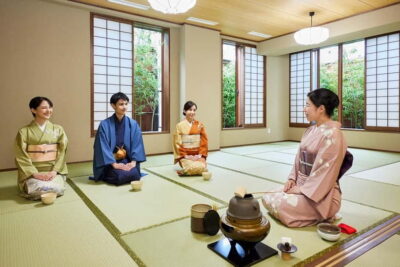
Asakusa: Kimono Tea Ceremony with Matcha and Sweet
Read our review →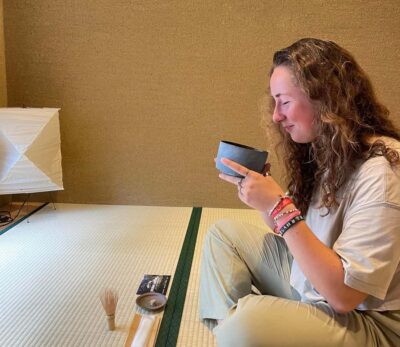
Tea Ceremony Experience in a Private Tea Room in Shibuya
Read our review →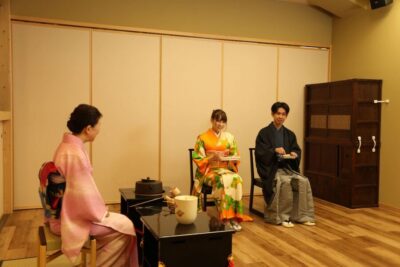
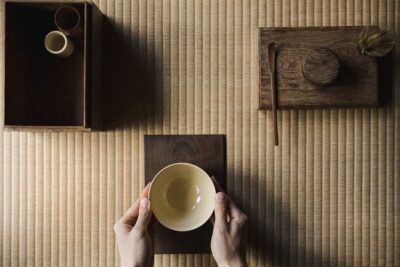
Tea ceremony experience in Japanese-style room 60min
Read our review →Browse the lists this tour appears in