
Review · TOKYO
Tokyo: Private Japanese Traditional Tea Ceremony
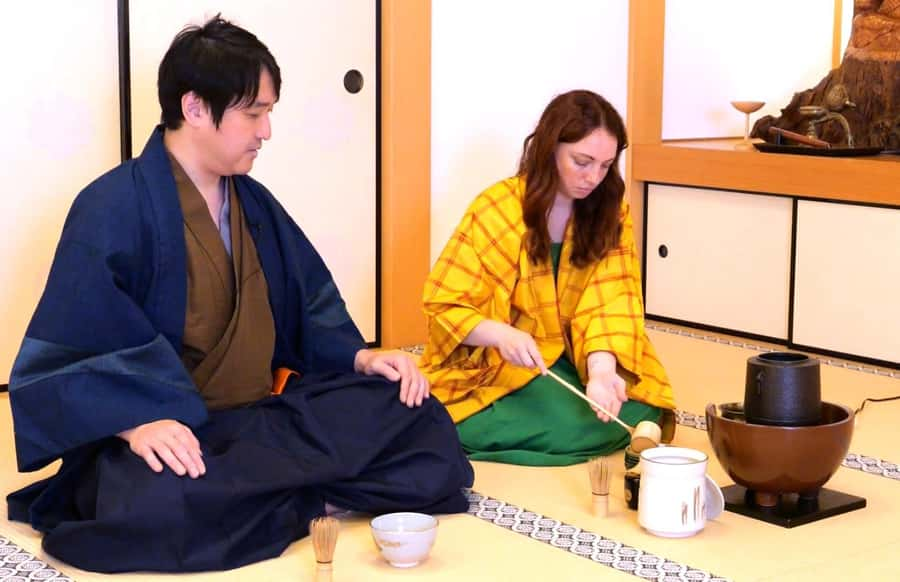
Tea here is a quiet lesson in Japan. This 60-minute ceremony at 1,200-year-old Koboji Temple gives you a calm cultural experience in an authentic 24-mat tatami room, rather than a quick photo stop. I like the clear English guidance and the chance to prepare matcha yourself, and I like that Japanese sweets are part of the ceremony. The main caution is value: at $74 per person, some people may find the session expensive, especially if it runs closer to 45 minutes.
You will sit with a kimono-clad tea master, learn the meaning of the utensils and movements, taste wagashi, and take part in preparing tea. The setting feels special, but check the kimono details carefully: traditional dress and Oshima Tsumugi haori are optional add-ons, not automatically included in the basic ceremony.
Key points at a glance
- A 1,200-year-old temple setting: The ceremony takes place at Mita Koboji Temple, adding a quiet Buddhist setting to the experience.
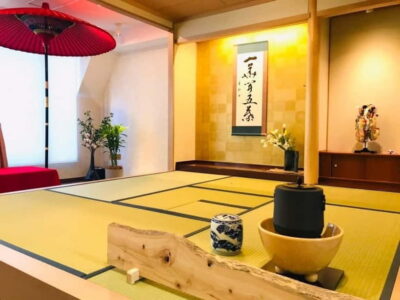
- A real tatami-room presentation: You sit in a 24-mat room designed for traditional Japanese hospitality and tea practice.
- You make matcha yourself: The session is not only a demonstration. You receive guidance and take part in preparing tea.
- English support is available: The tea master explains the utensils, etiquette, and meaning of the ceremony in English or Japanese.
- Wagashi comes with the tea: Japanese sweets are included, but this is not a meal.
- Kimono dressing costs extra: Optional traditional kimono and Oshima Tsumugi haori dressing can add a memorable photo opportunity, but do not assume it is part of the base price.
Arriving at Mita Koboji Temple
The experience begins and ends at Mita Koboji Temple in Tokyo. That simple arrangement helps keep the outing easy to plan. You do not need to coordinate a complicated transfer between several locations, and the activity returns you to the same meeting point after the ceremony.
The temple itself gives the session much of its appeal. A tea lesson in an ordinary rented room could still teach you the basics, but a ceremony inside a place with 1,200 years of history carries more weight. You are not simply learning how to whisk powdered tea. You are seeing how tea, Buddhism, architecture, manners, and hospitality fit together.
The setting is also likely to appeal if Tokyo’s busy streets have started to wear you down. Several descriptions of the experience emphasize its peaceful and calming nature. That matters in a city famous for noise, crowds, and bright signs. Here, the attraction is restraint: a quiet room, careful movements, a small cup of matcha, and a few minutes in which nobody needs to hurry.
The exact temple layout and transport instructions are not specified, so you should confirm the meeting details before setting out. Allow enough time to arrive without rushing. Arriving flustered is not the best preparation for a ceremony built around patience and attention.
More Tea Ceremonies in Tokyo
- Kimono Tea Ceremony at Tokyo, Asakusa Maikoya
★ 5.0 · 638 reviews - Tokyo: Traditional Tea Ceremony with a Tea Master
★ 5.0 · 528 reviews - Tea Ceremony Workshop in Tokyo by the Experienced Instrucor
★ 5.0 · 189 reviews
Inside the 24-mat tatami room
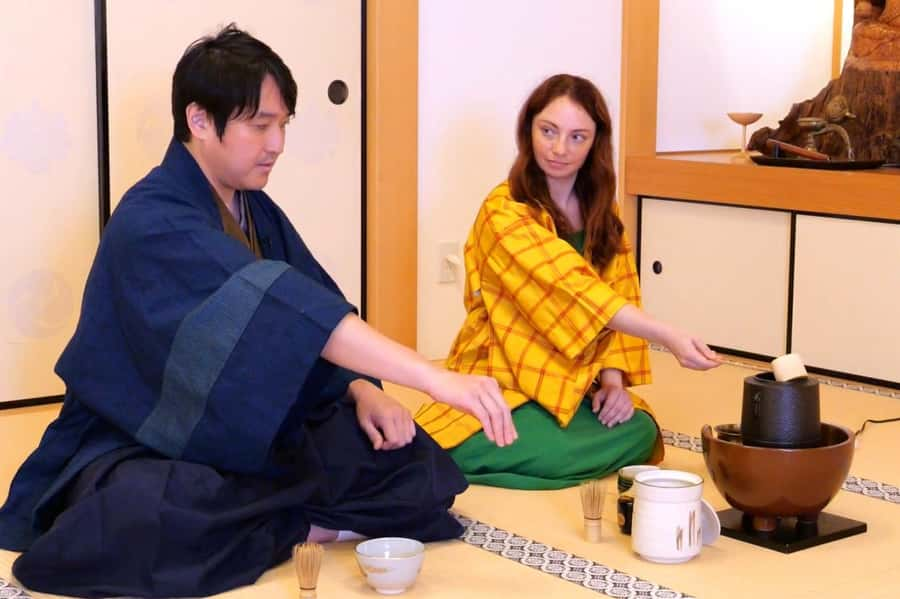
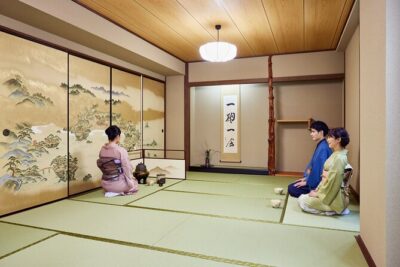
The ceremony takes place in an authentic 24-mat tatami room. Tatami is not just decoration. It changes the feel of the room, encouraging you to sit low, notice small gestures, and pay attention to the objects in front of you.
If sitting on the floor is difficult, consider that before booking. The supplied information does not describe chairs, tables, or special seating arrangements. That does not mean alternatives are unavailable, but you should ask the operator rather than assume.
The room also helps explain why this is a 60-minute experience rather than a quick cup of tea. The tea master has time to introduce the ceremony, explain the utensils, demonstrate the process, and let you participate. It is still a compact activity, but it has enough room for context.
The format is private or semi-private. That is a useful middle ground. You get more personal attention than at a large cultural show, while the presence of a small group can make the experience feel less formal and intimidating. The exact group size is not stated, so I would not book this expecting a completely private appointment unless your confirmation specifically says so.
What the tea ceremony actually includes
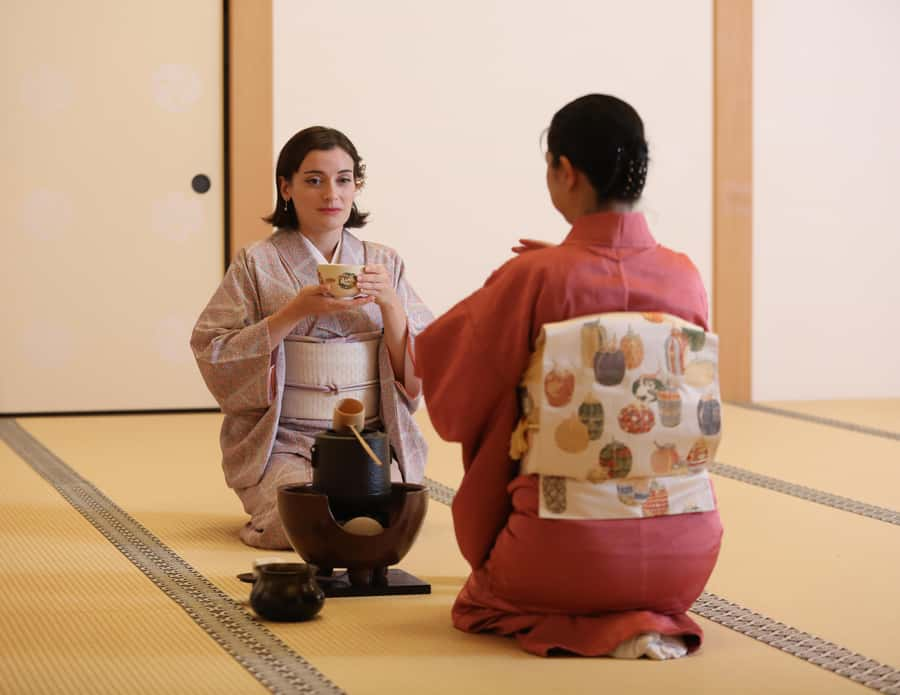
The session begins with a lecture on tea ceremony customs. This is important for first-time visitors because the etiquette can seem mysterious if you are expected to copy movements without explanation. The tea master explains the special utensils and the proper behavior, giving you a reason behind the gestures rather than asking you to mimic them blindly.
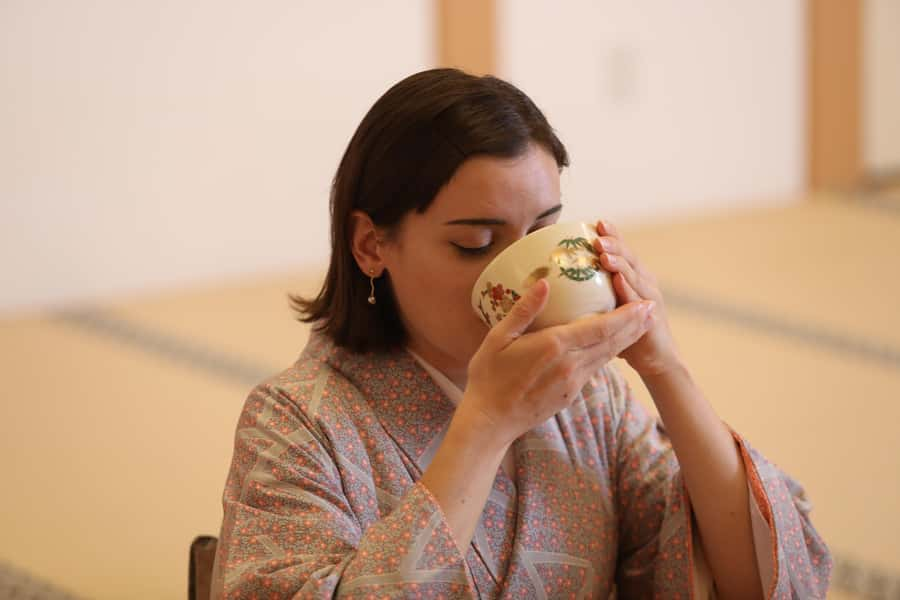
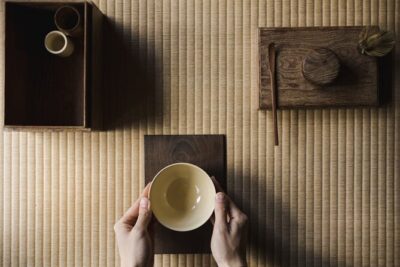
You then receive matcha green tea and traditional Japanese sweets called wagashi. The sweetness of wagashi provides a pleasant contrast to matcha’s grassy, bitter flavor. The pairing is central to the experience, not an extra snack added at the end.
A strong point is the chance to prepare tea yourself. The tea master demonstrates the process, then guides you as you make your own matcha. After that, the master prepares another serving for you. This two-part structure works well because you can first concentrate on doing the movements, then relax and watch the ritual with a better understanding of what is happening.
The ceremony also introduces the meaning of the tools. You may learn about the whisk, bowl, scoop, and other utensils used during the preparation. The supplied details do not identify every item or describe a full historical lecture, so expect an accessible introduction rather than specialist training.
The tea master wears a kimono, which adds to the visual formality of the event. The ceremony’s appeal comes from the contrast between simple materials and careful behavior. A bamboo whisk, a bowl of green tea, and a sweet can become a complete cultural lesson when you understand how each part is used.
English explanations and the pace of the lesson
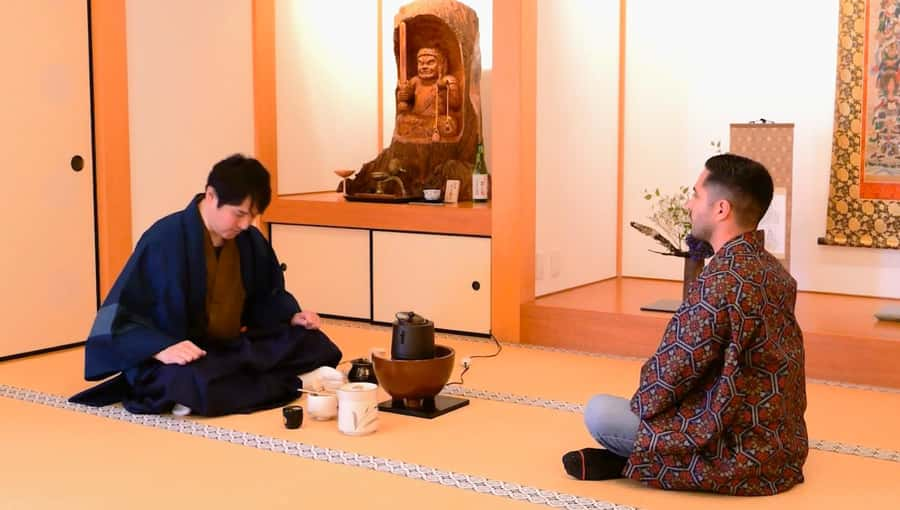
English and Japanese guidance are available. This makes the experience suitable for people who have little or no knowledge of Japanese tea customs. Clear explanations are especially helpful when you are learning how to hold the bowl, when to drink, and how to respond to the person serving you.
The quality of language delivery can vary. One account praised the host for explaining everything very well in English, while another found the English less strong. I would treat this as a useful warning, not a reason to dismiss the activity. The ceremony itself is visual and hands-on, so you can follow demonstrations even when every explanation is not perfectly fluent.
Ask questions as you go. Questions about the tea, the temple, and the ceremony are part of what makes the session worthwhile. The experience is more rewarding when you understand why a particular motion matters instead of treating it as a set of rules.
The pacing is another point to watch. The advertised duration is 60 minutes, but one account described a session lasting about 45 minutes. A shorter ceremony may still feel complete, especially in a private setting, but it affects the value of a $74 ticket. If the activity length matters to your plans, confirm the expected schedule before booking.
Same place, a different pot:
- Matcha Making Class in Tokyo with Authentic Japanese Sweets Set
★ 5.0 · 744 reviews - Tokyo: Matcha Making Experience with Mochi Sweets in Asakusa
★ 4.9 · 388 reviews - Asakusa Cultural Walk & Matcha Making Tour
★ 5.0 · 245 reviews - Mt. Fuji & Lake Kawaguchiko Ropeway Panorama Full-Day Tour
★ 4.6 · 236 reviews
The wagashi and matcha pairing
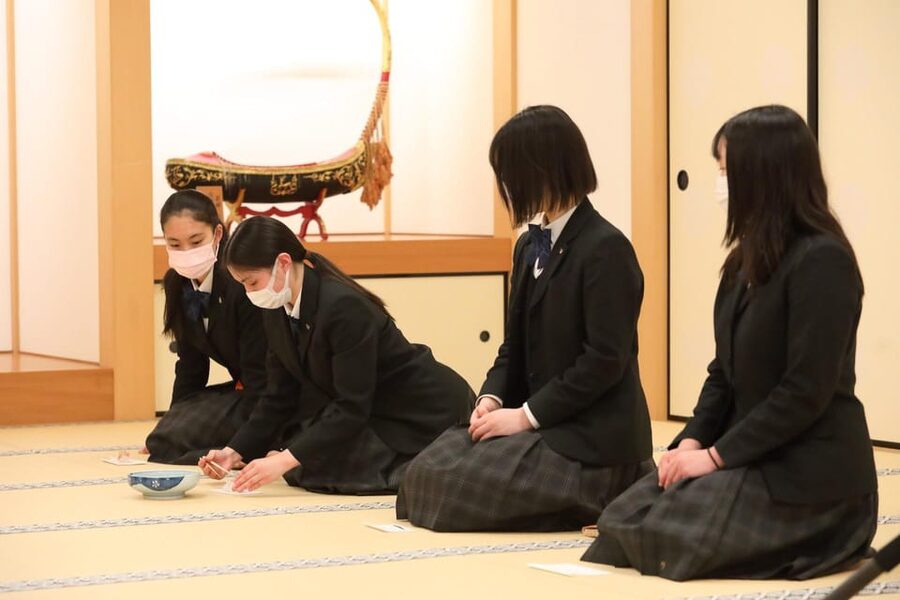
The food element is deliberately small. You receive matcha and Japanese sweets, but no other meal is included. Think of this as a cultural tasting, not breakfast, lunch, or afternoon tea in the Western sense.
Wagashi is important because Japanese tea ceremony is not only about the drink. The sweet prepares your palate for the matcha and gives you another way to notice the care put into presentation. The exact type of sweet is not specified, so do not expect a particular flavor or design.
Matcha can surprise first-time drinkers. It is powdered tea, whisked with water, and has a strong, vegetal taste that is quite different from an ordinary tea bag. The wagashi helps balance it. If you already enjoy matcha, you will appreciate the preparation more. If you are unsure about it, the small serving makes this a low-risk introduction.
Some people also get to make Japanese sweets during the session, according to one account. That detail is not listed as a guaranteed part of the experience, so treat it as a possibility rather than a promise. The confirmed food inclusion is matcha and traditional sweets.
Kimono options and the photo issue
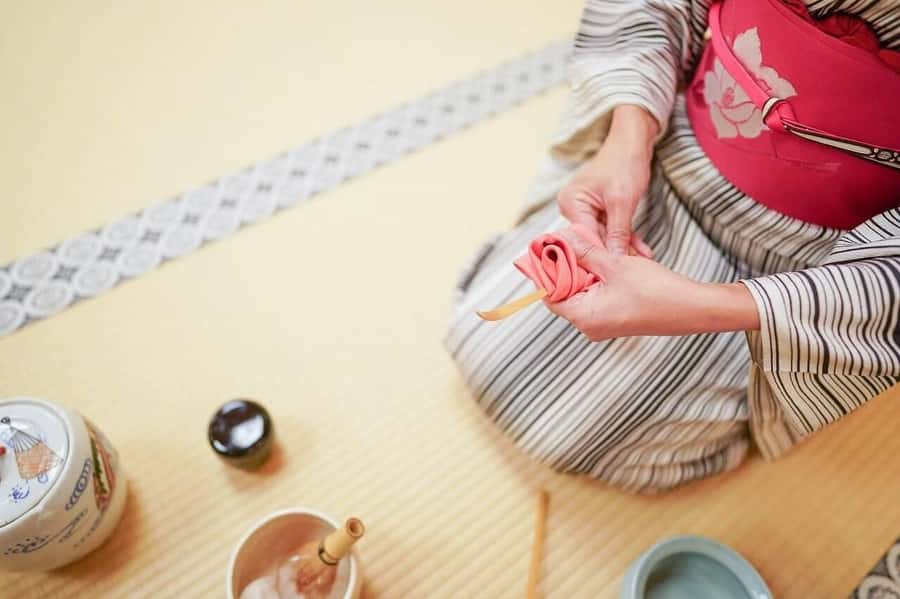
Kimono dressing can add another layer to the visit. You can choose an optional traditional kimono experience or wear an Oshima Tsumugi haori, a luxurious silk garment known for mud-dyed color, kasuri patterns, and a light, supple feel.
A certified kimono master handles the dressing. You can wear the garment comfortably over a T-shirt or kimono undergarment, and you do not need to bring anything. That makes the add-on relatively easy for first-time visitors. It is designed for commemorative photos as well as for experiencing Japanese clothing.
The key phrase is optional add-on. The basic tea ceremony does not promise that you will be dressed in a kimono. This distinction matters because the promotional images can create a different impression. One person specifically chose the activity expecting to try on a kimono and felt disappointed when that did not happen.
My advice is simple: if clothing is the main reason you are interested, add it during booking and confirm the price. If you only want the ceremony, judge the experience on the temple, tatami room, tea lesson, sweets, and personal participation. Do not assume the tea master’s kimono means you will wear one too.
Oshima Tsumugi is particularly appealing if you want something less familiar than a standard rental kimono. It is a refined textile with a soft drape, but the important practical point is that it is an optional clothing experience, not part of the standard $74 admission.
Why the ceremony has cultural value
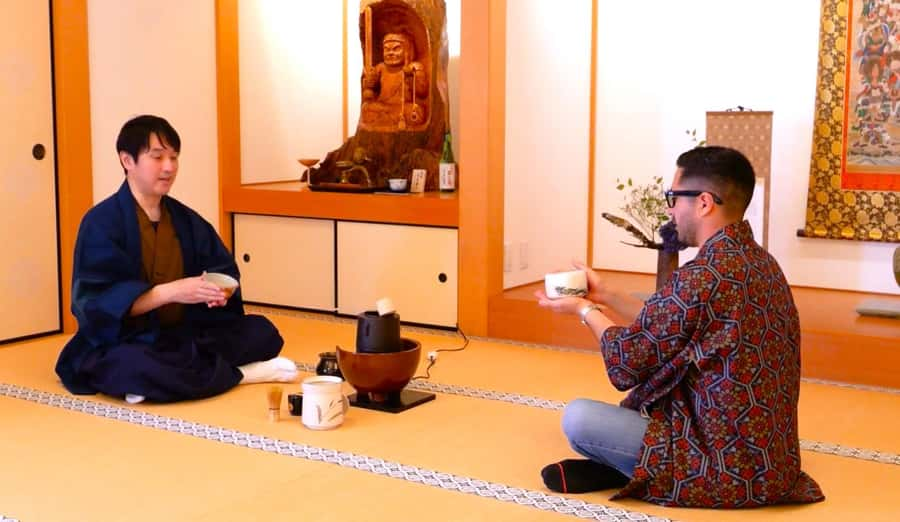
Japanese tea ceremony grew from samurai culture and was once regarded as a high form of entertainment. That background helps explain its strict movements and quiet atmosphere. The ceremony is not trying to serve tea as quickly as possible. It treats preparation, serving, receiving, and drinking as connected acts of hospitality.
For you, the value is not measured by the amount of tea in the bowl. It comes from learning to notice details that are easy to miss during ordinary sightseeing. The way the bowl is handled, the order of the actions, and the respect shown between host and guest all carry meaning.
This is also a good activity for visitors who want cultural context without committing to a full-day class. In one hour, you get a guided introduction and hands-on practice. You will not become a tea master, but you should leave with a better understanding of why tea ceremony has survived as a living art.
The temple setting adds a spiritual note, although the activity should not be mistaken for a religious service. It is a cultural experience held in a Buddhist temple, with the focus on tea, etiquette, and hospitality.
Is $74 a fair price?
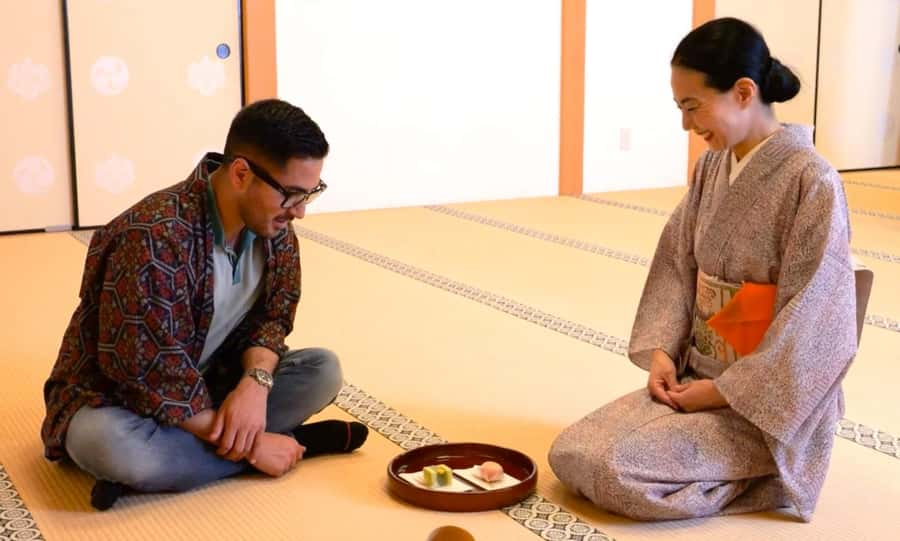
At $74 per person, this is not a cheap way to have matcha. You could buy a cup of tea and a sweet elsewhere in Tokyo for far less. The price needs to be judged against the setting, instruction, small-group format, and opportunity to prepare the tea yourself.
I see the value if you want a structured cultural activity and would otherwise struggle to understand the ceremony. English guidance removes a major barrier, and the private or semi-private format should allow more attention than a large performance. The temple and authentic tatami room also give the experience a sense of place that a café cannot match.
The price is harder to defend if you mainly want a photo, a quick taste, or a kimono rental. The ceremony can feel short, and one person considered the cost excessive for the amount of time involved. If the session lasts closer to 45 minutes, value becomes an even bigger question.
The optional kimono or Oshima Tsumugi add-on will increase the total. Include that cost when comparing this with other cultural activities. If you want both the tea lesson and formal clothing, the combined experience may make sense for a special occasion. If you only want matcha, you may prefer a less expensive tea house.
Who will enjoy this most?
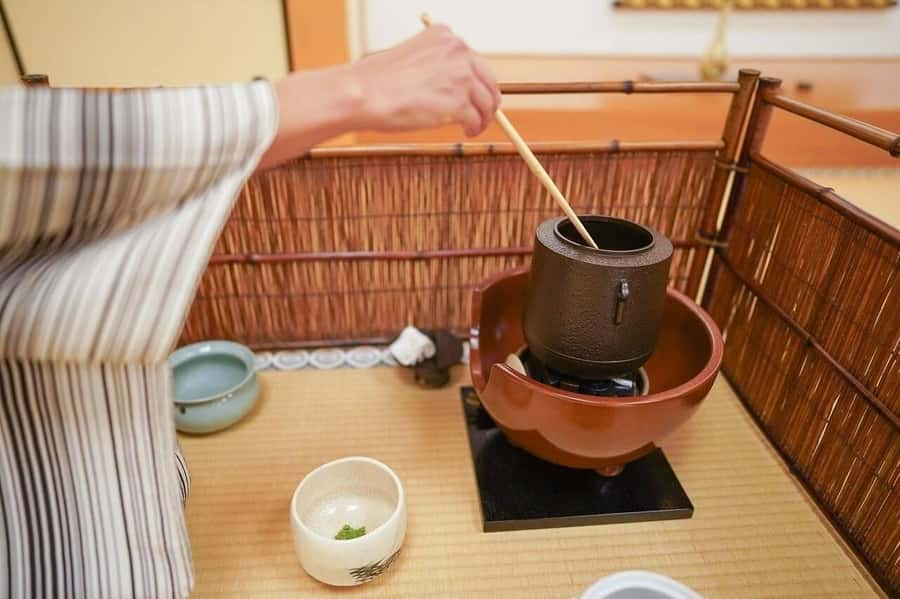
I would recommend this experience to first-time visitors who want a gentle introduction to Japanese culture. It is especially suitable if you enjoy learning by doing, because you prepare tea rather than sitting through a demonstration.
It also fits well into a Tokyo itinerary that already includes major sights but needs a quiet hour. The 60-minute length makes it easy to place between other activities, though you should allow extra time for reaching the temple and settling in.
Families with older children may appreciate the hands-on format, but the provided information does not specify a minimum age or child seating arrangement. Ask before booking if you are traveling with young children.
This is less suitable if you dislike floor seating, do not enjoy formal etiquette, or want a substantial meal. It is also not the best choice if a kimono photo is your top priority unless you reserve the clothing option directly.
Booking details worth knowing
The activity is offered in English and Japanese, and it begins and ends at Mita Koboji Temple. You can reserve now and pay later, which helps if your Tokyo schedule is still taking shape.
Cancellation is allowed up to 24 hours in advance for a full refund. That gives you some useful flexibility, but check the exact booking terms attached to your reservation.
The listed rating is 4.1 from 16 ratings, which suggests a generally positive experience with some real disagreement about price, duration, and kimono expectations. The strongest praise focuses on the calm setting, kind instruction, clear explanations, and chance to participate. The main complaints are not about the basic idea of the ceremony. They concern cost, a shorter-than-expected session, uneven English, and confusion over clothing.
Should you book the Koboji Temple tea ceremony?
Book it if you want a calm, guided introduction to Japanese tea ceremony in a historic temple. The best reasons are the hands-on matcha preparation, the 24-mat tatami room, the wagashi pairing, and the chance to ask questions in English.
Think twice if you are paying $74 mainly for a kimono or a long cultural class. Reserve the clothing add-on explicitly, confirm the expected 60-minute duration, and remember that matcha and sweets are the only food included.
For the right visitor, this is a thoughtful hour in Tokyo, not just a cup of green tea. For a visitor focused on low cost or guaranteed kimono dressing, the price may not feel comfortable. Go in knowing exactly what is included, and the experience is much more likely to leave a good memory.
FAQ
Where does the tea ceremony take place?
The ceremony takes place at Mita Koboji Temple in Tokyo, on Honshu, Japan.
How long does the experience last?
The advertised duration is 60 minutes. One account described the actual session as lasting about 45 minutes, so you may wish to confirm the timing before booking.
What is included in the experience?
The experience includes a lecture on tea ceremony customs, matcha green tea, traditional Japanese sweets, and guided participation in the ceremony.
Is a meal included?
No. Matcha and Japanese sweets are included, but other meals are not.
Can I make my own matcha?
Yes. The tea master guides you as you prepare matcha yourself, then prepares another serving for you.
Is the activity available in English?
Yes. Guidance is available in English and Japanese.
Is kimono dressing included?
No. Traditional kimono dressing and the Oshima Tsumugi haori are optional add-ons. They are not automatically included with the basic tea ceremony.
Is the experience private?
It is offered as a private or semi-private activity. The exact group size is not specified.
Just added around Tokyo
- Yokohama : Tea Ceremony with Sweets and Souvenir★ 5.0 · 5 reviews
- Walking Tour: Yanaka,Nezu& Sendagi: Tea Ceremony & Old Tokyo★ 5.0 · 3 reviews
- Private Kimono and tea ceremony at local home near Tokyo Disney★ 5.0 · 6 reviews
- Private Mochi・Matcha sweets Making Class Near Shibuya Area★ 5.0 · 22 reviews
- Kimono and Tea Ceremony in Asakusa Private Food Tour With Guide★ 5.0 · 4 reviews
- 2 Hours Mochi &Nerikiri Making & Matcha Class in Bunkyo★ 5.0 · 21 reviews
- Tokyo Sweets Tour: Hidden Gems & Matcha at an Old Tea House★ 5.0 · 6 reviews
- Tokyo Tea Ceremony Class at a Traditional Tea Room★ 5.0 · 2 reviews
Tea Ceremonies in Tokyo, compared.
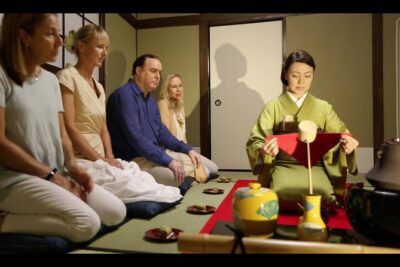
Tea Ceremony Workshop in Tokyo by the Experienced Instrucor
Read our review →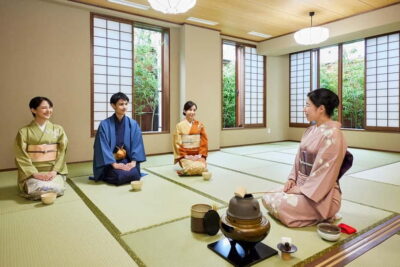
Asakusa: Kimono Tea Ceremony with Matcha and Sweet
Read our review →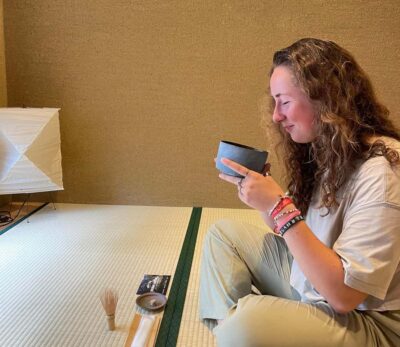
Tea Ceremony Experience in a Private Tea Room in Shibuya
Read our review →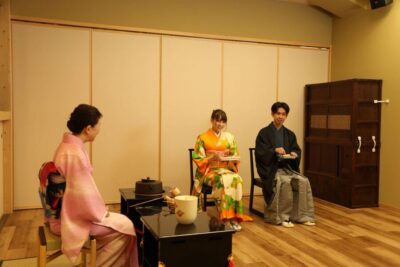
Tea ceremony experience in Japanese-style room 60min
Read our review →Browse the lists this tour appears in