
Review · TOKYO
Tokyo: Matcha Tea Ceremony Experience in Shibuya
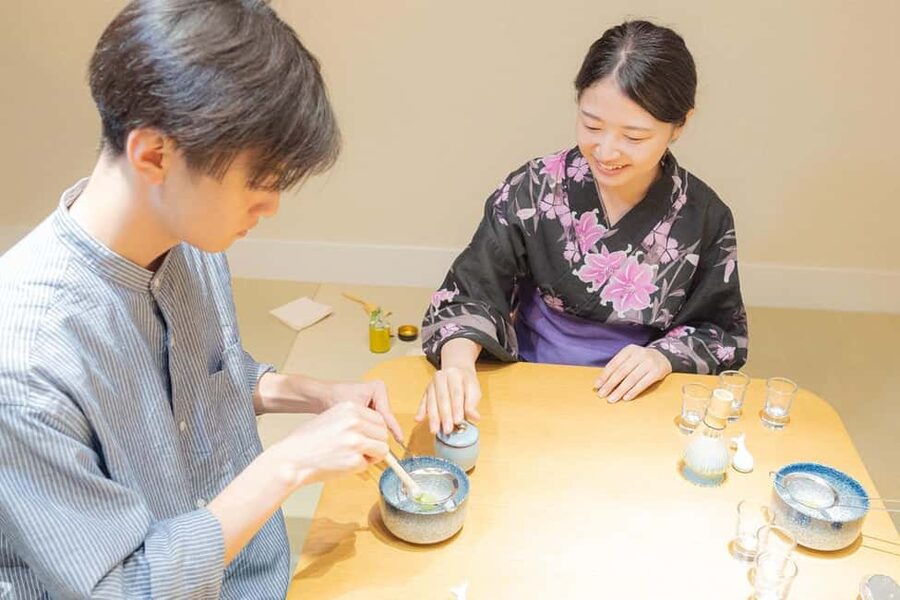
Matcha turns a short hour into a cultural lesson. This Shibuya experience combines hands-on tea making with tasting several Japanese teas and learning the manners behind each movement. I like the friendly English guidance and the chance to compare tea with traditional sweets, rather than simply watching a demonstration. The main drawback is its brief one-hour length, which leaves little room for a full formal ceremony.
I also like the small group size, capped at 10 people, because you can ask questions and receive help while whisking your own matcha. The meeting point is simple to identify, at the entrance of the Okazaki Building beside a vending machine. If instructor Taku leads your session, you can expect excellent English, careful preparation, and a warm hosting style.
Key points to know before booking
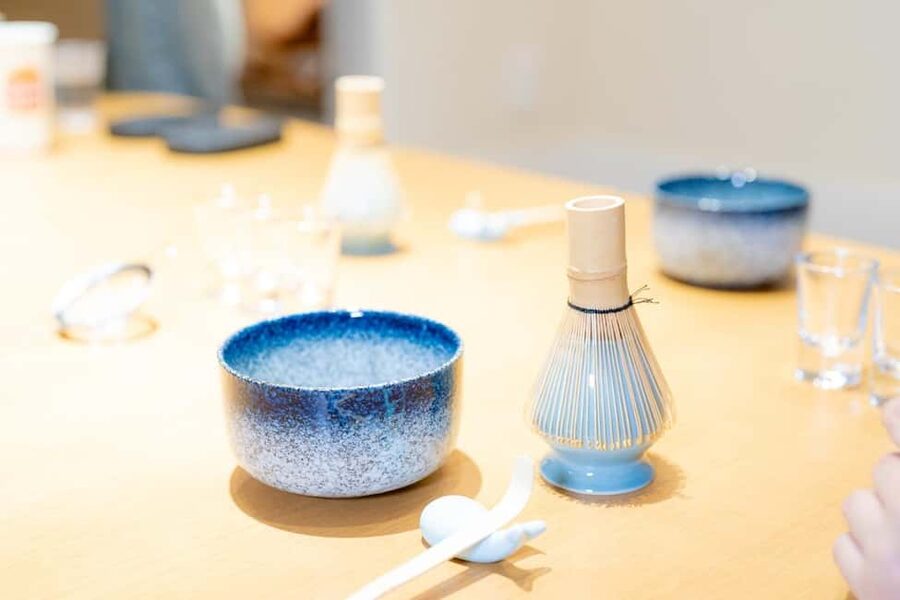
- You make your own matcha: The teacher explains the basic steps and guides you as you prepare the tea yourself.
- Tea tasting goes beyond matcha: You taste several Japanese teas and compare their flavor, aroma, and presentation.
- Traditional sweets are included: A small sweet is served with the tea to show how food can balance and soften its flavor.
- The group stays small: With no more than 10 participants, the class should feel personal without becoming overly private.
- The lesson is easy to fit into a Tokyo day: The activity lasts one hour and takes place in Shibuya.
- Wheelchair access is available: The experience is listed as wheelchair accessible, useful when planning a wider Tokyo itinerary.
What this Shibuya tea experience really offers
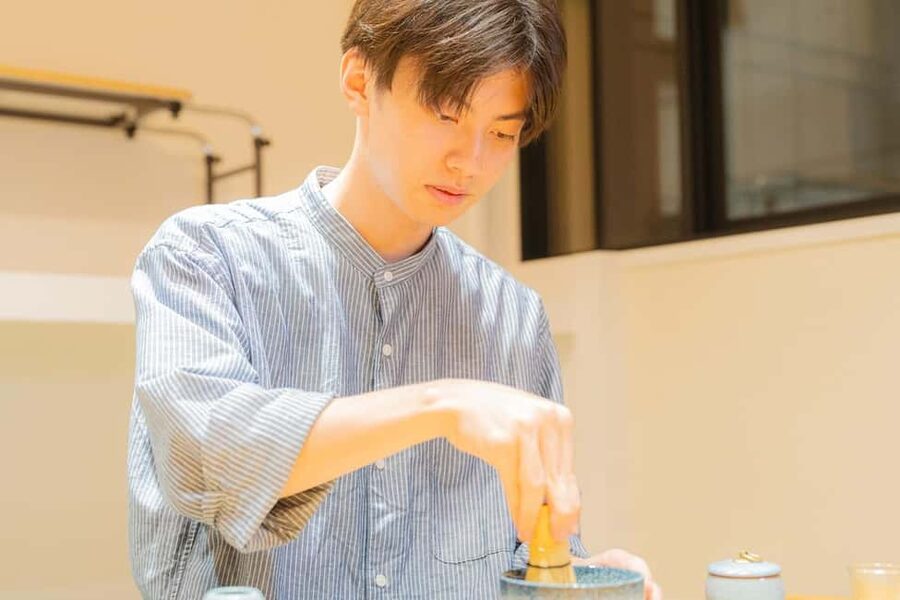
This is not a long, formal tea ceremony with hours of ritual. It is a compact introduction designed for visitors who want to understand the basics, try the tools, and taste several kinds of Japanese tea without giving up half a day.
That format is one of its strengths. A one-hour lesson gives you enough time to learn the purpose behind the actions, prepare matcha, and taste the results. You leave with more than a cup of tea. You have a clearer idea of why Japanese tea service values care, order, calm movement, and attention to small details.
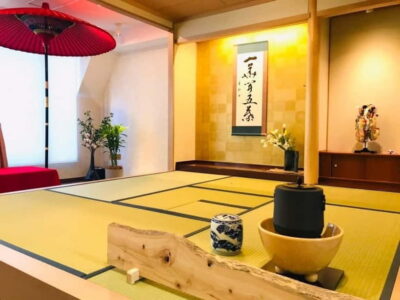
The setting is described as calm and welcoming, which matters in an activity that can seem intimidating at first. You do not need to arrive with prior tea experience. The teacher explains the process step by step, so the ceremony feels like a shared cultural lesson rather than a test of perfect manners.
I would think of this as a practical introduction, not a full study of tea ceremony traditions. If you want a long, highly formal performance, this may feel too short. If you want to try the essential actions and learn what they mean, the hour is well judged.
More Matcha Experiences in Tokyo
- Matcha Making Class in Tokyo with Authentic Japanese Sweets Set
★ 5.0 · 744 reviews - Tokyo: Matcha Making Experience with Mochi Sweets in Asakusa
★ 4.9 · 388 reviews - Asakusa Cultural Walk & Matcha Making Tour
★ 5.0 · 245 reviews
Meeting the teacher at the Okazaki Building
The meeting point is in front of the Okazaki Building entrance, with a vending machine next to it. That detail is useful in Shibuya, where a street address alone may not be enough to identify the correct doorway quickly.
Look for the instructor outside the entrance rather than heading inside and hoping to find a reception desk. The instructions do not list an extended check-in procedure, so arriving with enough time to identify the building should make the start less rushed.
The experience is conducted in English. Taku, named by one participant as the host, received especially strong praise for speaking excellent English and being well prepared. That is important here because the value of the class depends on understanding not only what to do, but why each step matters.
A good teacher can explain a small gesture in a way that connects it to Japanese hospitality and respect. Taku’s reported style was friendly, prepared, and pleasant, while another participant described the activity as fun and informative. Those details suggest a lesson that keeps its cultural content approachable.
Preparing matcha with step-by-step help
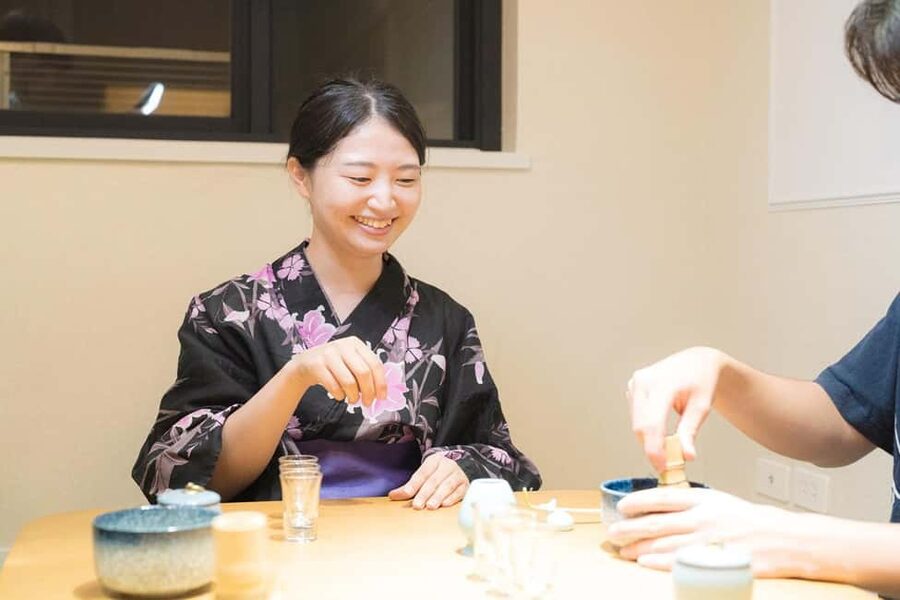
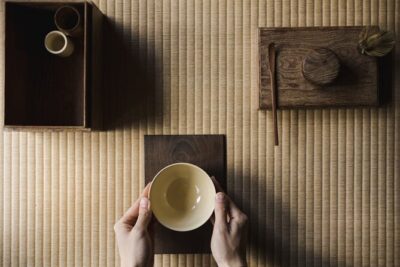
The central activity is making your own matcha. The necessary tea ceremony tools are supplied, along with selected tea leaves and a small sweet snack, so you do not need to bring equipment or ingredients.
You are guided through the basic process rather than being left to copy movements from across the room. That makes a difference for first-time participants. Matcha preparation can look simple, but the order of actions and the way the tools are handled are part of the experience.
The teacher also covers basic manners for serving tea. This gives the activity more substance than a quick drink-making class. You learn how the preparation, presentation, and conduct fit together as one practice.
I like this hands-on approach because it gives you a physical memory of the lesson. Later, when you see matcha prepared in Japan, you will recognize some of the tools and understand why the preparation is treated with care. Your own bowl may not look perfect, and that is part of the fun. The teacher is there to help, not to judge your whisking technique.
The supplied information does not specify the exact tools or the precise sequence of steps, so you should not expect a detailed equipment list in advance. What is clear is that the materials needed for the ceremony are provided and that the instruction is active rather than purely observational.
Tasting different teas with traditional sweets
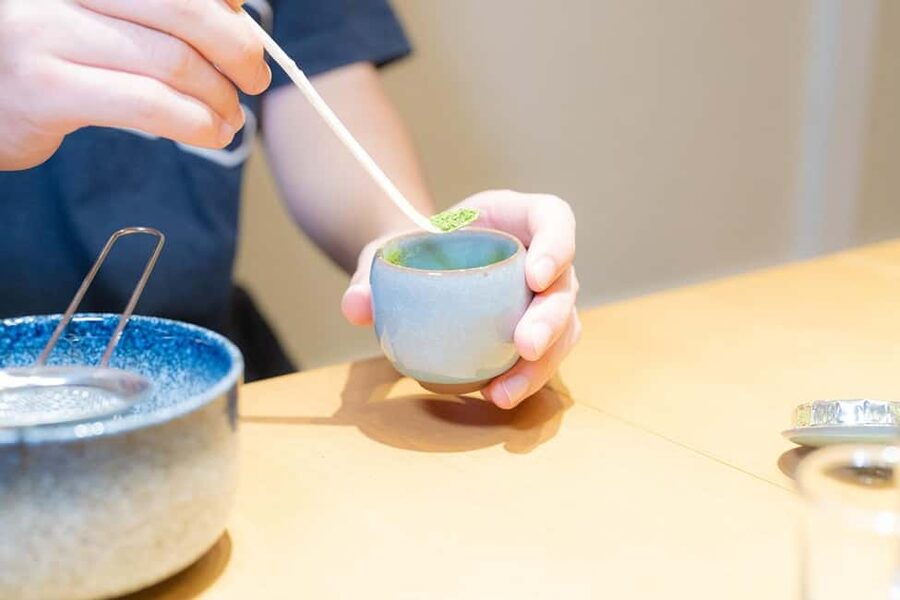
The tasting portion adds welcome variety. You sample several carefully prepared Japanese teas and compare differences in taste, aroma, and appearance. This is useful for anyone who has mostly encountered tea as a generic hot drink.
The lesson encourages you to slow down and notice small changes from one cup to the next. A tea may taste lighter, stronger, more fragrant, or more delicate, and the teacher can place those differences within Japanese tea traditions.
Each tea is paired with a traditional sweet. That pairing is not just a snack break. Sweetness can change how you notice a tea, making certain flavors easier to identify and showing why Japanese tea service often includes a small confection.
The information provided does not name the exact teas or sweets, so I would avoid booking this with a fixed menu in mind. The selection may vary. The important point is that the class gives you several teas to compare, rather than presenting only one prepared cup.
This part should suit curious eaters and cautious tea drinkers alike. You do not need to know tasting terms. Simply noticing which tea you prefer is enough. If you already enjoy Japanese tea, the comparison gives you a more structured way to think about flavor and presentation.
More Tea Ceremonies in Tokyo
- Kimono Tea Ceremony at Tokyo, Asakusa Maikoya
★ 5.0 · 638 reviews - Tokyo: Traditional Tea Ceremony with a Tea Master
★ 5.0 · 528 reviews - Tea Ceremony Workshop in Tokyo by the Experienced Instrucor
★ 5.0 · 189 reviews - Asakusa: Kimono Tea Ceremony with Matcha and Sweet
★ 4.9 · 153 reviews
Learning the meaning behind the movements
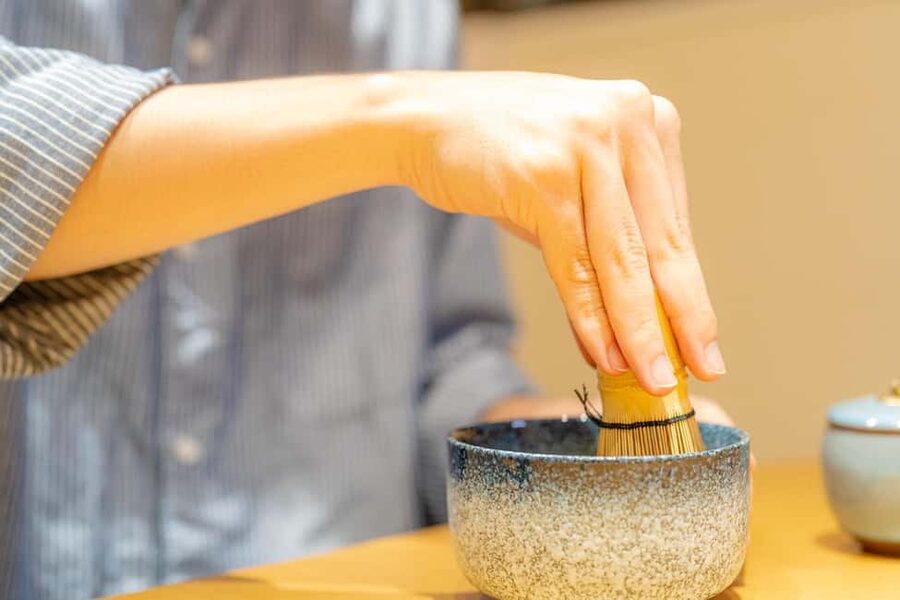
The tea ceremony is valuable because the movements are not treated as empty decoration. You are introduced to the ideas of mindfulness, elegance, hospitality, and cultural respect that inform the practice.
The teacher explains the basic manners of serving tea, helping you understand why the ceremony feels measured and deliberate. The calm pace encourages you to pay attention instead of rushing from one Tokyo sight to the next.
This is where the local guidance matters most. Written instructions could show you how to hold a tool, but they would not easily explain the social meaning of the gesture or answer a question in the moment.
At the same time, keep your expectations realistic. An hour can introduce the tradition, but it cannot cover every school, period, rule, or regional variation in Japanese tea culture. The activity is best viewed as a friendly first lesson with historical and cultural context, not a complete academic course.
That balance makes it suitable for a wide range of people. A first-time participant can follow along without preparation, while someone already curious about Japanese customs gets a short, focused look at one important tradition.
Why the small group size improves the lesson
The group is limited to 10 participants. That is not an especially tiny class, but it is small enough to preserve some personal attention and keep the demonstration visible.
For a hands-on activity, group size affects the experience more than it would on a standard sightseeing tour. You need room to handle the tools, see the teacher’s movements, and ask for help when your preparation does not go as planned.
A group of up to 10 also gives the class a social side. You can taste the teas alongside other people and share the small surprise of discovering different preferences. The atmosphere is likely to feel more relaxed than a private lesson, while still being manageable for the teacher.
The tradeoff is that not every participant will receive unlimited individual time. If you want intense one-to-one instruction, a private experience would be more suitable, but no private option is specified here.
Is $30 a fair price for one hour?
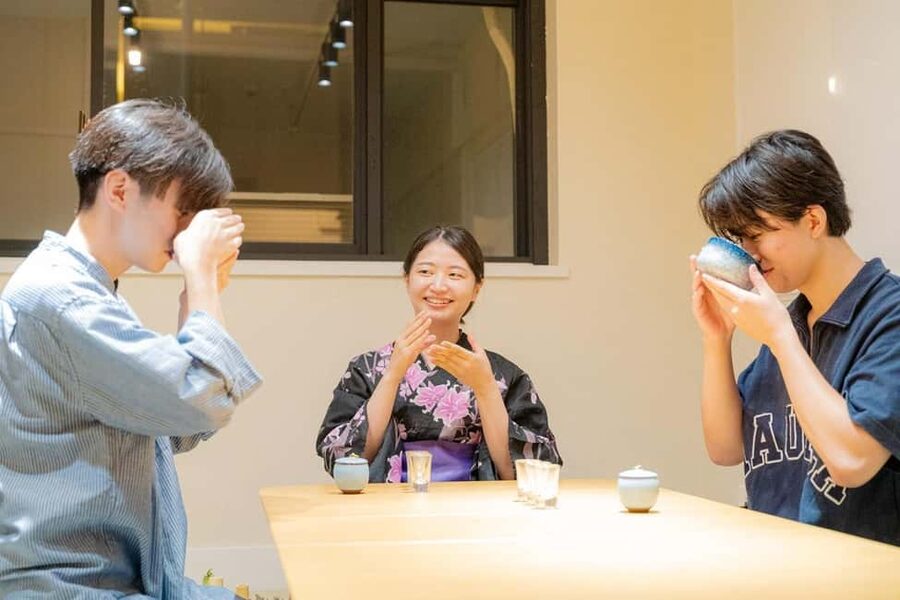
At $30 per person, the experience offers a reasonable value if you want instruction rather than just a cup of matcha. The price includes one hour of guidance, tea ceremony tools, selected tea leaves, a small sweet, and photographs taken during the activity and shared afterward.
Those inclusions matter. You are paying for a teacher’s time, the use of specialized tools, several tastings, and an organized cultural activity in Shibuya. The photos also give you a record of the session without requiring you to stop handling the tea equipment to take pictures.
The value is strongest for first-time visitors who want a clear introduction. You get a guided activity that would be difficult to recreate alone, especially if you do not know the correct manners or have access to the tools.
The price may feel less appealing if you only want to drink matcha. Cafes can offer tea for less, but they will not provide the same instruction, tasting comparisons, cultural explanation, or chance to prepare the tea yourself.
I would also consider the cost in relation to your schedule. One hour is short enough to fit around other plans in Shibuya, so you are not committing to a full morning or afternoon. That makes the activity easier to add to a busy Tokyo itinerary.
Who will enjoy this most?
I would recommend this for visitors who want a gentle first contact with Japanese tea culture. It suits solo visitors, couples, families, and small groups who enjoy learning by doing.
It is also a good choice if you prefer cultural activities that do not require advanced preparation. The teacher uses English, the tools are supplied, and no prior tea ceremony experience is required by the description.
People who enjoy food and drink tastings should appreciate the chance to compare teas with sweets. The experience gives you a reason to pay attention to aroma, flavor, and presentation instead of treating tea as a quick refreshment.
It may be less satisfying for someone seeking a long, formal ceremony with highly detailed instruction. The one-hour format is efficient, but it necessarily limits how far the teacher can go into history, etiquette, and different tea traditions.
The activity is listed as wheelchair accessible. That makes it easier to consider for a mixed group, though you should still check the current arrangements when booking if you have specific mobility needs.
Practical details that affect your decision
The experience lasts one hour, with starting times available according to the date you choose. That makes it easy to place before or after other plans, but you should leave enough time to find the Okazaki Building entrance.
Cancellation is free up to 24 hours before the activity for a full refund. You can also reserve now and pay later, which helps if your Tokyo schedule is still changing.
The instructor’s language is English, and the group is limited to 10 people. Those two details make the class more accessible to international visitors and less overwhelming than a large demonstration.
Photos are taken during the experience and shared at the end. Since the class involves careful movements and tools, having the instructor handle the photos means you can focus on participating.
The meeting instructions are brief, so I would save the building name and the vending-machine landmark before setting out. In a busy district, small navigation details can save more time than an elaborate plan.
Final verdict: should you book it?
Book this experience if you want to make matcha yourself, taste several teas, and learn the basic meaning behind Japanese tea manners in a relaxed English-language class. The friendly teaching style, small group limit, included sweets, and $30 price create solid value for a one-hour cultural activity.
I would skip it only if you want a lengthy, formal ceremony or already have extensive tea ceremony experience. For most first-time visitors, it offers a pleasant and practical introduction, especially when you want something quieter than the usual city sightseeing.
If Taku is your instructor, his excellent English and careful preparation are added reasons to feel confident. Just remember that this is a compact lesson, not a complete course. Arrive at the Okazaki Building entrance, look for the vending machine, and be ready to whisk, taste, and ask questions.
FAQ
How long does the matcha tea ceremony experience last?
The activity lasts one hour.
Where is the meeting point?
Meet the instructor in front of the Okazaki Building entrance. A vending machine is next to the entrance.
What language is the experience conducted in?
The instructor provides the experience in English.
How many people can join the group?
The group is limited to 10 participants.
Is the experience wheelchair accessible?
Yes, the activity is listed as wheelchair accessible.
Do I make my own matcha?
Yes. You receive step-by-step guidance while preparing your own matcha.
Are tea ceremony tools provided?
Yes. The necessary tea ceremony tools are included.
Are tea and sweets included in the price?
Yes. The experience includes selected tea leaves and a small traditional sweet snack. You also taste several kinds of Japanese tea.
Can I cancel for a refund?
Yes. You can cancel up to 24 hours in advance for a full refund.
Just added around Tokyo
- Yokohama : Tea Ceremony with Sweets and Souvenir★ 5.0 · 5 reviews
- Walking Tour: Yanaka,Nezu& Sendagi: Tea Ceremony & Old Tokyo★ 5.0 · 3 reviews
- Private Kimono and tea ceremony at local home near Tokyo Disney★ 5.0 · 6 reviews
- Private Mochi・Matcha sweets Making Class Near Shibuya Area★ 5.0 · 22 reviews
- 2 Hours Mochi &Nerikiri Making & Matcha Class in Bunkyo★ 5.0 · 21 reviews
- Tokyo Sweets Tour: Hidden Gems & Matcha at an Old Tea House★ 5.0 · 6 reviews
- Kimono and Tea Ceremony in Asakusa Private Food Tour With Guide★ 5.0 · 4 reviews
- Tokyo Tea Ceremony Class at a Traditional Tea Room★ 5.0 · 2 reviews
Tea Ceremonies in Tokyo, compared.
Tea Ceremony Workshop in Tokyo by the Experienced Instrucor
Read our review →
Asakusa: Kimono Tea Ceremony with Matcha and Sweet
Read our review →
Tea Ceremony Experience in a Private Tea Room in Shibuya
Read our review →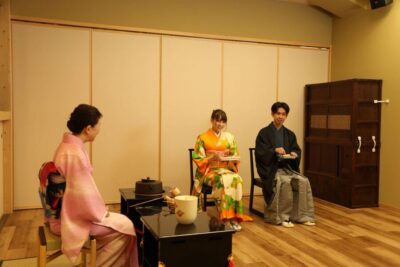
Tea ceremony experience in Japanese-style room 60min
Read our review →Browse the lists this tour appears in