
Review · TOKYO
Tokyo, Asakusa: Tea Ceremony and Sweets Making Class
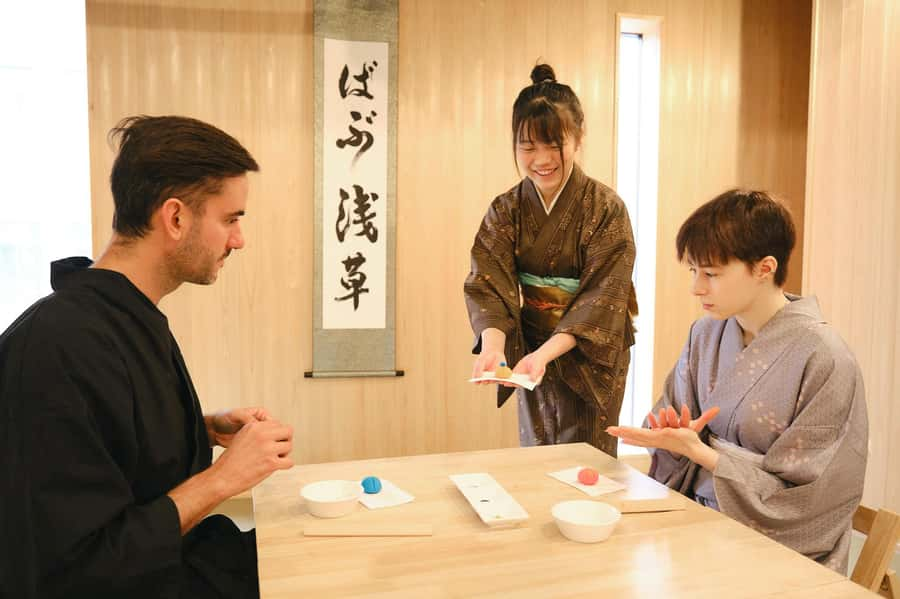
Slow down in Asakusa for an hour. This kimono tea ceremony pairs traditional dress with hands-on nerikiri wagashi making, matcha preparation, and an English conversation with a tea expert. I like the calm setting and the fact that you make something yourself rather than only watching a demonstration. I also like the focus on personal photos, since the kimono and colorful sweets give you something memorable to take home in your camera roll.
The main consideration is the short schedule. At one hour, this is a compact cultural activity, not a full lesson in Japanese tea practice. The $67 price is fair if you want a polished introduction with dressing, sweets, tea, and guidance, but it may feel high if you are seeking a long, formal ceremony.
Key Details Before You Book
- Kimono dressing comes first, with staff helping you choose and put on traditional clothing comfortably.
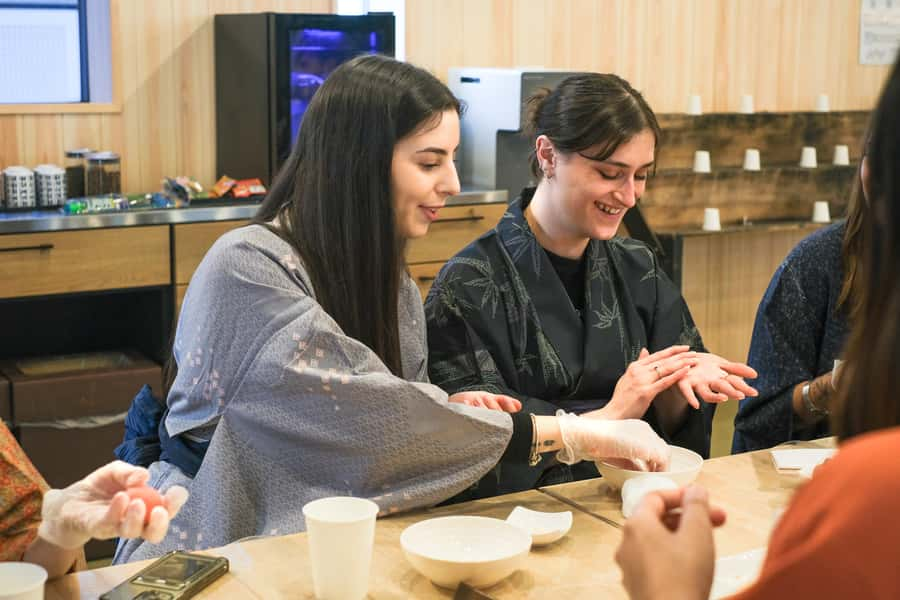
- You make nerikiri wagashi by hand, selecting colors and shapes for sweets that look like small pieces of art.
- The matcha session is guided, so you do not need prior tea ceremony experience.
- An English-speaking tea expert explains the activity, giving you a chance to ask questions about Japanese culture.
- The class runs from 15:30 to 16:30, and it begins and ends at the same Asakusa meeting point.
- Vegan and halal customers can join, since the sweet ingredients and colorings are vegetable-based.
Putting on a Kimono in Asakusa
The experience begins with kimono dressing. You choose from a selection of high-quality kimonos, then staff help you put on the outfit and adjust it so you can sit and move comfortably.
This opening matters because the clothing is not treated as a quick costume change. The kimono sets the tone for the tea ceremony and gives the whole hour a sense of occasion. You also get a chance to take photographs before handling the sweets or tea, while your outfit is still neat.
You should allow a few extra minutes to find the building. The meeting point is on the fifth floor of the Heiwa Building. Take the elevator beside the Lawson store, near the ramen restaurant, in the same building as a karaoke venue. That collection of landmarks is useful once you are nearby, but the address could be easy to miss if you are expecting a traditional tea house with a prominent street entrance.
If you have trouble locating the room, contact BUB Activity Center rather than wandering around Asakusa. Transportation to the venue is not included, so you need to make your own way there.
More Tea and Sweets Making in Tokyo
- Matcha Making Class in Tokyo with Authentic Japanese Sweets Set
★ 5.0 · 744 reviews - Tokyo: Matcha Making Experience with Mochi Sweets in Asakusa
★ 4.9 · 388 reviews - Make Traditional Nerikiri Sweets & Matcha experience in Shibuya
★ 5.0 · 130 reviews
Making Nerikiri Wagashi by Hand
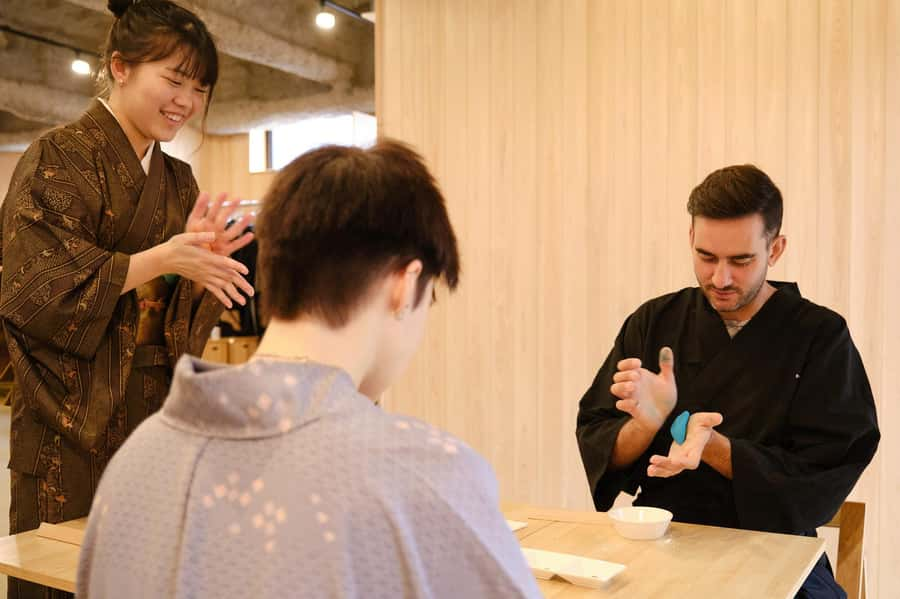
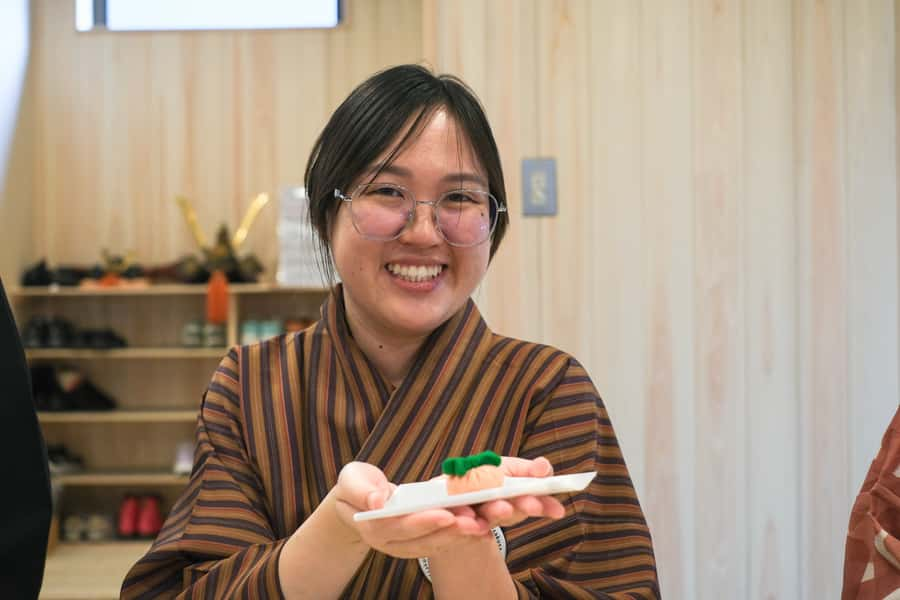
The most hands-on part of the class is the wagashi workshop. Nerikiri is a traditional Japanese sweet made into carefully shaped designs. Here, you choose colors and forms, then create your own pieces with help from the staff.
I like this part because it gives you a task instead of turning the ceremony into a passive photo stop. The sweets become personal objects. You can see how a few simple ingredients and careful shaping create something delicate enough to photograph before you eat it.
The class does not require previous experience. That makes it suitable for first-time visitors who may feel uncertain about Japanese sweets or tea customs. You will not need to arrive knowing how to shape the dough or prepare matcha.
The visual side is a major part of the appeal. The kimono, the colored wagashi, and the tea tools all work well together in photographs. If you want polished travel pictures without booking a separate photo session, this class gives you several natural opportunities.
Do not expect a large meal. Wagashi is included, but other food is not. The activity is best treated as a cultural tasting and creative workshop, not lunch or afternoon tea in the Western sense.
Preparing Matcha With a Tea Expert
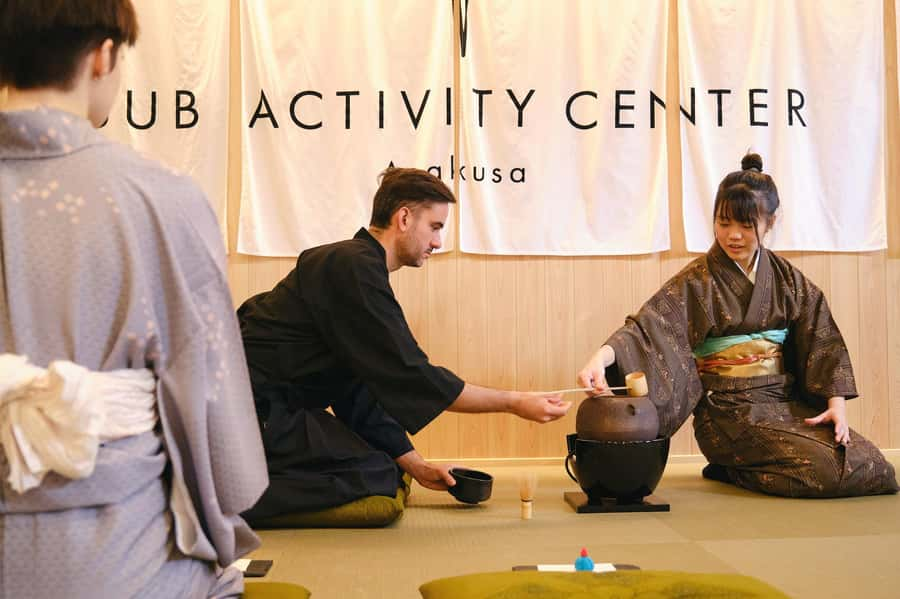
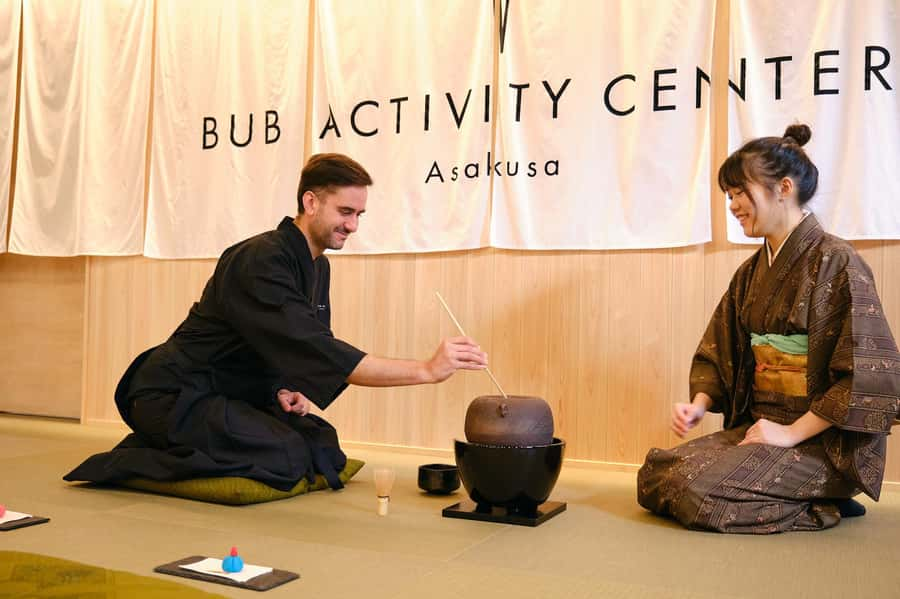
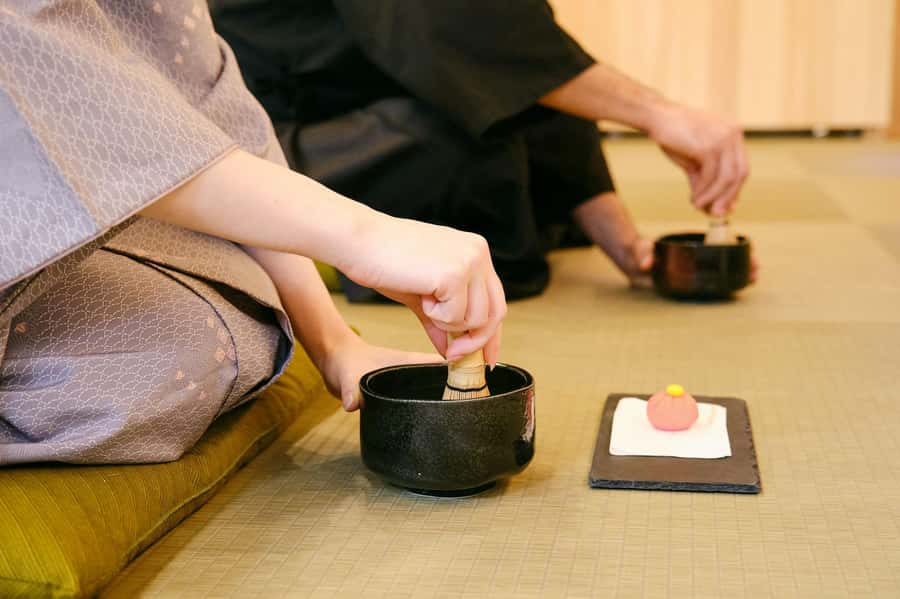
After making the sweets, you take part in a matcha session led by a tea expert. You prepare and enjoy the tea while learning how it fits into Japanese culture.
The ceremony is described as peaceful and unhurried, with time for an intimate conversation in English. That conversation may be the most valuable part for visitors who want context rather than a set of silent movements. You can ask questions as you go, and the expert can explain the meaning behind the tea, the sweets, and the manners involved.
The format is approachable. You are not expected to know the correct way to hold every utensil or perform every step before arriving. The guide leads you through the process, so you can focus on the experience instead of worrying about mistakes.
At the same time, the one-hour schedule limits how much can be covered. You will receive an introduction, not a full education in the many schools and traditions of Japanese tea. If your main goal is a highly formal, extended tea ceremony, you should look for a longer specialist program. If you want a friendly first meeting with matcha culture, this shorter class makes sense.
Why the Conversation Matters
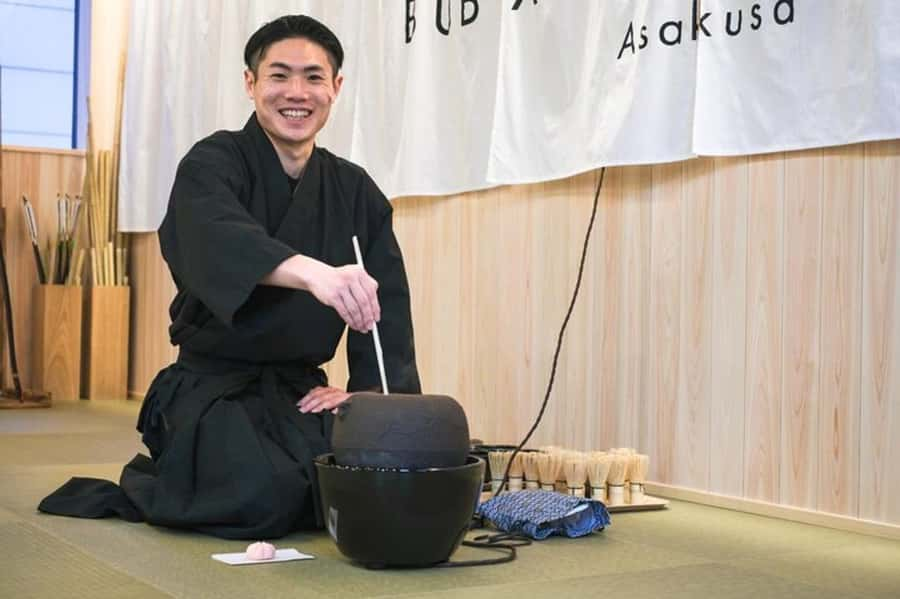
Many cultural activities in Tokyo give you a costume, a few instructions, and a quick photo. This one adds direct conversation with an English-speaking tea expert.
That personal exchange helps connect the separate parts of the class. The kimono is not just clothing. The wagashi is not just a sweet. The matcha is not just a green drink. You can ask how these elements fit together and gain a clearer sense of the care built into Japanese hospitality.
The available feedback is very positive, with a 4.7 rating from three reviews. One short response simply described the activity as great. That is a small review sample, so I would not treat the rating as proof of every detail, but it does support the idea that the class delivers a pleasant, well-liked hour.
The lack of a large review pool is worth noting. You will have less independent detail about group size, exact room layout, or the pace of the dressing process. The supplied information does promise a calm setting without crowds or rush, but it does not give a maximum number of participants. If a very private class is essential to you, ask BUB Activity Center before booking.
More Tea Ceremonies in Tokyo
- Kimono Tea Ceremony at Tokyo, Asakusa Maikoya
★ 5.0 · 638 reviews - Tokyo: Traditional Tea Ceremony with a Tea Master
★ 5.0 · 528 reviews - Tea Ceremony Workshop in Tokyo by the Experienced Instrucor
★ 5.0 · 189 reviews - Asakusa: Kimono Tea Ceremony with Matcha and Sweet
★ 4.9 · 153 reviews
Is $67 a Good Price?
At $67 per person, the price sits in the reasonable range for an activity that combines several services in central Tokyo. You are paying for kimono dressing, guided wagashi making, matcha preparation, an English-speaking expert, and the use of the venue for one hour.
The value depends on what you want from the class. I think it works well for you if you want several connected Japanese experiences in one booking. A kimono-only rental would not include the sweets or tea. A tea-only demonstration would not give you the same creative activity or photo opportunity.
The value is weaker if you mainly want a long ceremony. Since the session lasts from 15:30 to 16:30, every part must move at a steady pace. You should expect a neat introduction to several traditions rather than extended time with any one of them.
The price also does not include transportation or additional meals. That is not unusual, but budget for your own route to Asakusa and do not arrive expecting a full dinner. The wagashi is the food component.
You can reserve now and pay later, which helps if your Tokyo plans are still shifting. Cancellation is available up to 24 hours in advance for a full refund. Keep those policies in mind when fitting the class around sightseeing in Asakusa.
Timing Your Afternoon in Asakusa
The fixed schedule is 15:30 to 16:30. This is a useful time slot if you want to spend the earlier part of the day sightseeing, then finish with a quieter cultural activity.
You should arrive with enough time to locate the fifth-floor room. The venue is in the Heiwa Building, beside the Lawson store and near a ramen shop and karaoke business. The activity itself ends where it begins, so you do not need to arrange a second pickup point.
Because the class is short, do not plan a major attraction on the other side of Tokyo immediately afterward. Allow time for finding the venue and for the possibility that dressing takes a little longer than expected. The meeting instructions are specific, but this is still a city building rather than a landmark that is obvious from every direction.
The afternoon timing may also suit you after a morning of temples and shopping. A calm tea session gives you a break from Asakusa’s busy streets without taking up half the day.
Who Will Enjoy This Class Most?
I would recommend this experience to first-time visitors who want an easy introduction to several Japanese customs. You do not need prior knowledge, and the English-speaking guide makes the class accessible.
It is also a good fit for:
- Couples looking for attractive photographs and a shared activity
- Solo visitors who enjoy making something by hand
- Families with older children who can focus for an hour
- Food-focused visitors curious about wagashi
- Visitors interested in Japanese clothing and tea
- Vegan and halal customers who want clearly suitable sweets
The class may not suit you if you dislike wearing formal clothing, have no interest in photography, or want a full meal. It may also feel too brief if you already have extensive tea ceremony experience.
The setting appears designed for a quiet, personal exchange rather than a loud group show. That is a strength for anyone who values conversation and concentration. Still, because no exact group size is provided, you should not assume a private booking unless the provider confirms it.
Practical Tips for a Smoother Visit
Wear something that allows staff to dress you without difficulty. The supplied information does not give a specific clothing rule, so simple, comfortable clothing is the safest choice.
Keep your schedule flexible around the 15:30 start. Finding the correct elevator is the main practical challenge. Look for the Lawson store, the nearby ramen restaurant, and the karaoke venue, then take the elevator to the fifth floor of the Heiwa Building.
Use the staff’s help when choosing colors and shapes for your wagashi. The point is not to produce a perfect professional sweet. The pleasure comes from making a small design yourself and seeing it take shape.
Bring a phone or camera if photographs matter to you. The activity specifically allows time for elegant kimono and wagashi pictures. Be careful with the outfit and tea tools, and follow the guide’s instructions when moving or eating.
There is no need to study tea ceremony etiquette before you arrive. The class is built for beginners. You will get more from it if you stay curious, ask questions, and let the guide explain the parts that seem unfamiliar.
Alcohol and drugs are not allowed. The activity includes matcha and wagashi only, so plan any other food or drinks separately.
Final Verdict: Book It for a Gentle Cultural Introduction
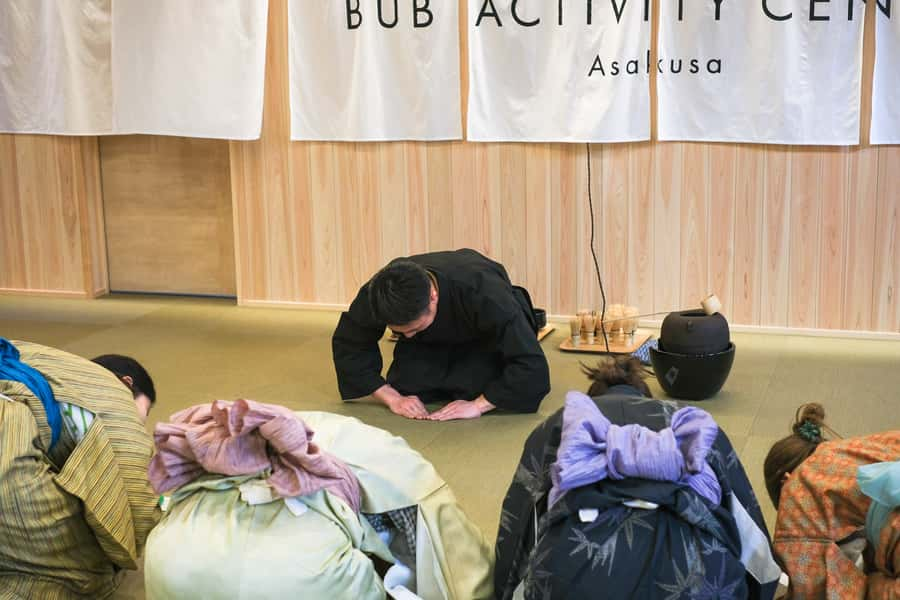
I would book this class if you want a short, polished taste of Japanese culture in Asakusa. The combination of kimono dressing, handmade nerikiri, matcha, English conversation, and photographs gives you more variety than a simple tea tasting.
The strongest reasons to choose it are the hands-on sweets and the calm conversation with the tea expert. Those details make the hour feel personal rather than staged. Vegan and halal visitors also get useful reassurance from the vegetable-based ingredients and colorings.
I would skip it if you want an extended formal ceremony, a full meal, or a guaranteed private session. For everyone else, $67 is a reasonable price for a compact activity that is easy to understand, beginner-friendly, and well suited to a free afternoon in Asakusa.
FAQ
Where does the tea ceremony and sweets class take place?
The meeting point is on the fifth floor of the Heiwa Building in Asakusa. Take the elevator beside the Lawson store, near the ramen restaurant and in the same building as a karaoke venue.
How long does the experience last?
The activity lasts one hour, from 15:30 to 16:30.
Does the activity start and end at the same place?
Yes. The experience ends back at the meeting point.
Is transportation included?
No. You need to arrange your own transportation to the venue.
Is a kimono included?
Yes. Kimono dressing is included, and staff assist you during the dressing process.
Do I need previous tea ceremony experience?
No. Prior experience is not necessary.
Is the class available in English?
Yes. An English-speaking expert guide leads the activity.
Is the wagashi suitable for vegans and halal customers?
Yes. The colorings and ingredients used for the sweets are vegetable-based, making the activity suitable for vegan and halal customers.
What does the $67 price include?
The price includes kimono dressing, wagashi making, the matcha tea ceremony, and an English-speaking expert guide. Meals other than wagashi and transportation are not included.
Just added around Tokyo
- Yokohama : Tea Ceremony with Sweets and Souvenir★ 5.0 · 5 reviews
- Walking Tour: Yanaka,Nezu& Sendagi: Tea Ceremony & Old Tokyo★ 5.0 · 3 reviews
- Private Kimono and tea ceremony at local home near Tokyo Disney★ 5.0 · 6 reviews
- Private Mochi・Matcha sweets Making Class Near Shibuya Area★ 5.0 · 22 reviews
- Tokyo Sweets Tour: Hidden Gems & Matcha at an Old Tea House★ 5.0 · 6 reviews
- Kimono and Tea Ceremony in Asakusa Private Food Tour With Guide★ 5.0 · 4 reviews
- 2 Hours Mochi &Nerikiri Making & Matcha Class in Bunkyo★ 5.0 · 21 reviews
- Tokyo Tea Ceremony Class at a Traditional Tea Room★ 5.0 · 2 reviews
Tea Ceremonies in Tokyo, compared.
Tea Ceremony Workshop in Tokyo by the Experienced Instrucor
Read our review →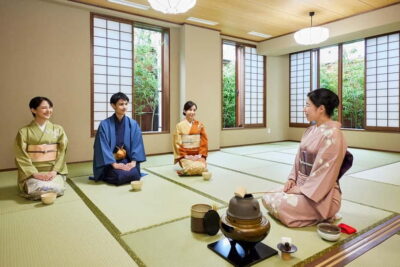
Asakusa: Kimono Tea Ceremony with Matcha and Sweet
Read our review →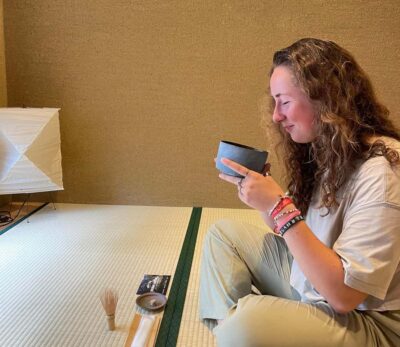
Tea Ceremony Experience in a Private Tea Room in Shibuya
Read our review →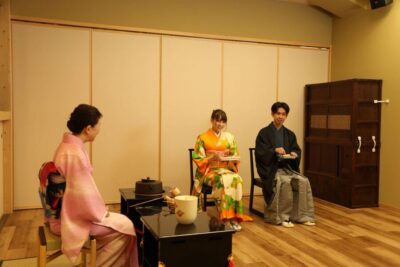
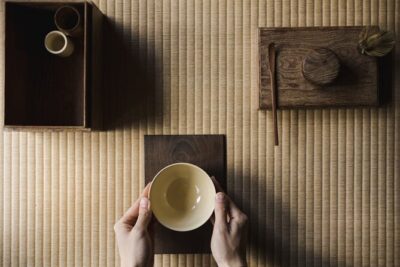
Tea ceremony experience in Japanese-style room 60min
Read our review →Browse the lists this tour appears in