Review · TOKYO
Sweets Making and Kimono Tea Ceremony at Tokyo Maikoya
Culture tastes better when you make it yourself. This two-hour activity at Maikoya in Asakusa combines a hands-on wagashi sweets workshop with a traditional tea ceremony, all while you wear a kimono and learn the customs behind Japanese tea. I especially like the chance to create your own sweets rather than simply watch a demonstration, and the small-group format makes it easier to ask questions. The main consideration is that this is a polished introduction for visitors, not a full tea-school training session, and some parts of the ceremony limit photography.
The price is $112.29 per person, which is fair if you value the kimono fitting, hair styling, sweets ingredients, matcha, instruction, and photo opportunities as one package. I also like that the activity takes place in historic Asakusa and begins at 11:30 a.m., leaving much of the day free. Children under seven cannot enter, and the group may reach 10 to 12 people, so the setting may feel less private than the word small-group suggests.
Key points to know before you book
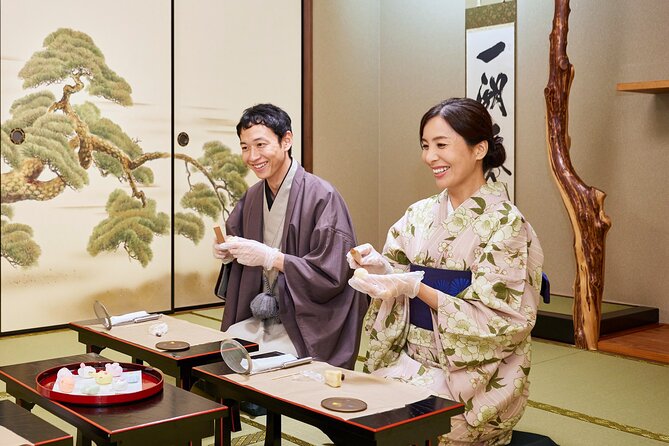
- You make and decorate wagashi: You typically shape and color two Japanese sweets, then enjoy them with matcha.
- Kimono dressing is part of the activity: You choose traditional clothing, with hair styling and accessories available according to the session.
- The tea ceremony has real etiquette: You learn how to prepare and drink matcha, along with the meaning behind the gestures.
- Asakusa is a practical setting: The tea house is near public transportation, and the activity starts and ends at the same address.
- Photos are built into the visit: Staff can guide photo opportunities, including outdoor settings, but tripods are not allowed.
- The group size needs checking: The information gives both a maximum of 10 and a maximum of 12, so confirm the current limit when booking.
Arriving at Maikoya in Asakusa
Your meeting point is Kimono Tea Ceremony MAIKOYA Asakusa at 1-chome-12-2 Asakusa, Taito City, Tokyo 111-0032. The venue is near public transportation, but transportation to and from the tea house is not included. You need to make your own way there and return afterward.
The 11:30 a.m. start is useful for a sightseeing day. You can visit Asakusa’s major sights before or after the class without giving up an entire morning or afternoon. Since the activity lasts about two hours and ends back at the starting point, it is also easy to combine with other plans in the neighborhood.
I would allow time to arrive early. Kimono dressing takes attention and care, and arriving rushed can make the opening part feel hurried. Your mobile ticket is accepted, and confirmation is sent at booking, so keep the ticket easy to access.
More Kimono and Tea Ceremonies in Tokyo
- Kimono Tea Ceremony at Tokyo, Asakusa Maikoya
★ 5.0 · 638 reviews - Tokyo: Matcha and Kimono Experience
★ 4.7 · 219 reviews - Tokyo: Asakusa Kimono Dressing and Matcha Experience
★ 4.9 · 173 reviews
Choosing a kimono and getting ready
The clothing stage is one of the strongest parts of the activity. You can choose a kimono, obi, and hair accessory, then have staff help you dress. Several people particularly enjoyed the color and style choices, and the staff made the fitting feel welcoming rather than intimidating.
For many people, this is the first time wearing a kimono. The layers, belt, and careful arrangement help you understand that traditional clothing is not simply a costume you pull on for a quick picture. It takes skill to put together, and the fitting gives the rest of the activity a stronger sense of occasion.
Hair styling is also included in the experience described by visitors. Some participants had their hair arranged in a traditional updo with a flower or other decoration. Men and boys can also take part in the traditional clothing portion, making this a good choice for families and mixed groups.
The practical tradeoff is comfort. A kimono is formal clothing, and the fitted layers may feel restrictive during the two-hour session. If you prefer casual sightseeing clothes, this part may feel like work. If you enjoy dressing up and photographs, it is likely to be a highlight.
Making Japanese wagashi by hand
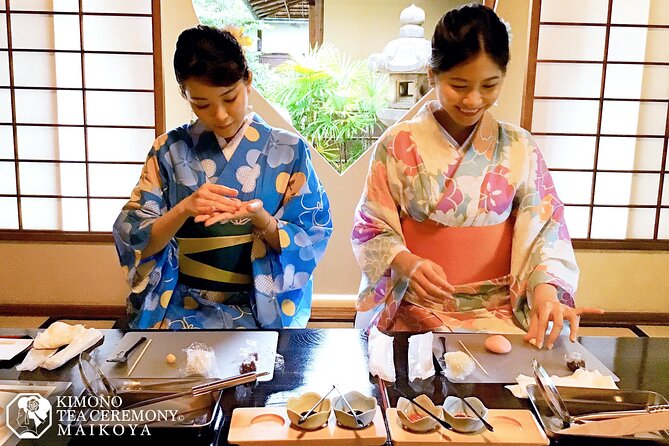
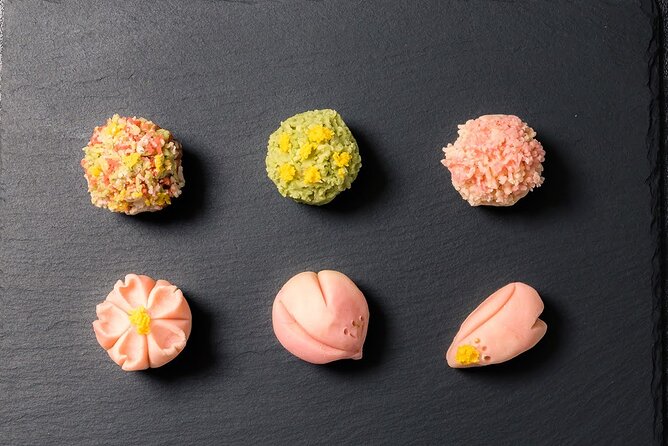
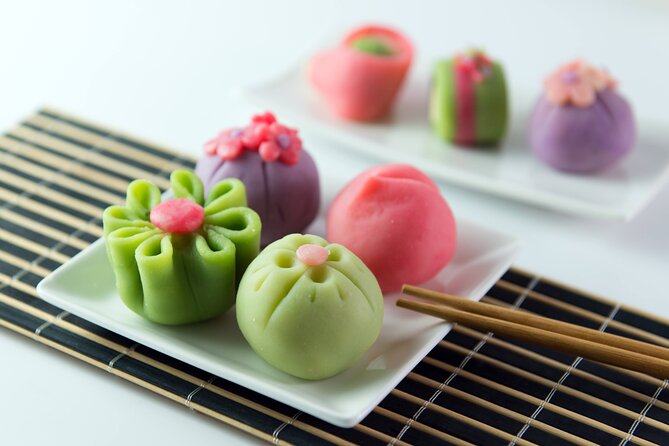
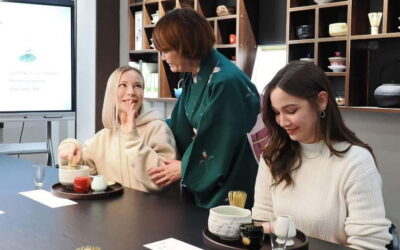
After dressing, you work with ingredients and utensils to make traditional Japanese sweets known as wagashi. The activity usually involves making two sweets, choosing shapes and colors, and designing the surface by hand.
The word making needs a little explanation. You are not necessarily preparing the entire dough from raw ingredients. One detailed account explains that the dough is already prepared, while you color and shape it. That still gives you a real hands-on task, but you should not expect a full pastry class from start to finish.
This is where the activity becomes more than a photo session. Wagashi are designed to please the eye as well as the palate, and the shapes often reward patience and careful fingers. You get to decide how your sweets look, then eat them with matcha later. One sweet may also be taken home, depending on the session arrangement described.
The task can be harder than it looks. Kurumi, one of the hosts praised by name, was especially patient while helping with the shaping process. That patience matters because the sweets require a light touch, and beginners may need several attempts before the design looks neat.
The workshop suits families well. Children old enough to enter can take part in the coloring and shaping, while adults may enjoy the more precise details. Since children under seven cannot enter the tea ceremony venue, families with a younger child cannot reserve this activity for the group.
Learning to prepare matcha
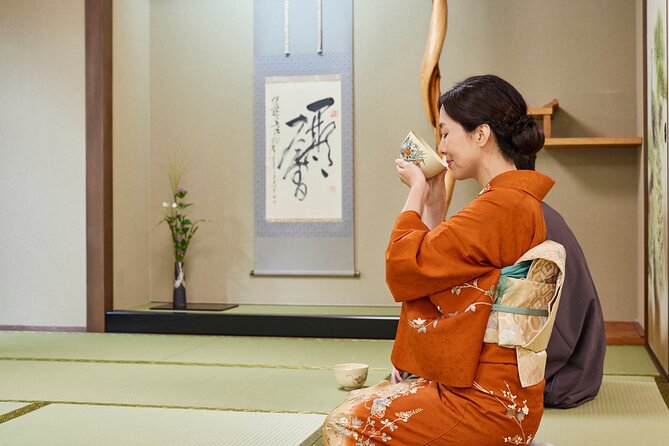
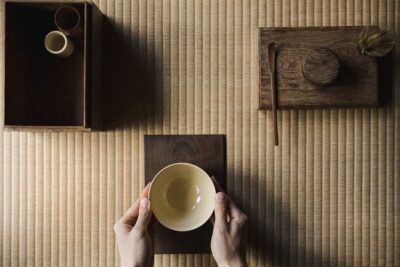
The next part introduces you to matcha green tea. You learn the basic steps for preparing it and receive an explanation of proper tea etiquette. Green tea and water are included, along with the ingredients and equipment for the sweets.
Matcha can taste earthy and intense if you are used to sweetened tea. Here, the wagashi provides the sweet balance traditionally served alongside it. Making the sweets first helps you understand why the two are paired, rather than treating the tea as a stand-alone drink.
The instruction also gives context to the actions. You learn that the ceremony is not only about making tea, but also about attention, respect, order, and quiet concentration. One participant connected the ceremony with Zen meditation, while another especially enjoyed learning the meaning behind the etiquette.
Do not expect a long lecture on every branch of Japanese tea practice. The session is designed for curious visitors who want a clear introduction in a short period. That makes it accessible, but anyone seeking advanced instruction or a highly formal school setting may want a specialist course instead.
More Tea and Sweets Making in Tokyo
- Matcha Making Class in Tokyo with Authentic Japanese Sweets Set
★ 5.0 · 744 reviews - Tokyo: Matcha Making Experience with Mochi Sweets in Asakusa
★ 4.9 · 388 reviews - Make Traditional Nerikiri Sweets & Matcha experience in Shibuya
★ 5.0 · 130 reviews - Japanese Traditional Sweets making and Tea Ceremony
★ 4.7 · 50 reviews
The tea ceremony in a traditional tearoom
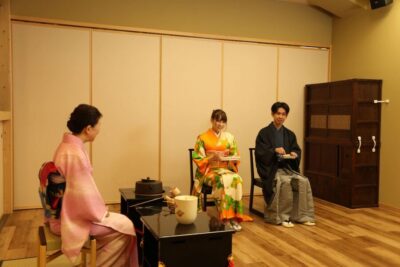
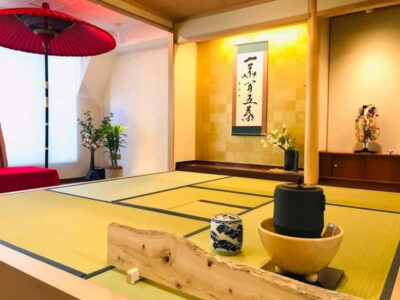
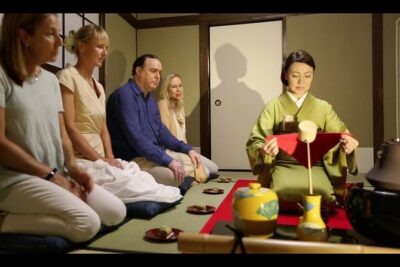
The ceremony takes place in a serene, historic-style tearoom while you remain in your kimono. The tea master demonstrates the process, and you learn how to receive, prepare, and enjoy matcha in the proper manner.
This is the calm center of the activity. The sweets workshop is social and creative, while the ceremony slows the pace. Small gestures become important, and the setting encourages you to pay attention rather than rush through another Tokyo attraction.
The guide explains the meaning behind the ceremony, which helps prevent the formal movements from feeling empty. You will learn why etiquette matters and how the elements of the ceremony fit together. English-speaking staff are described as friendly and able to explain the process clearly.
Photography and video may be restricted during parts of the ceremony. Follow the tea master’s instructions, and do not use a tripod. The photo rules are reasonable: constant camera use would work against the quiet mood, and the ceremony is best enjoyed with your hands free.
Photo time in kimono
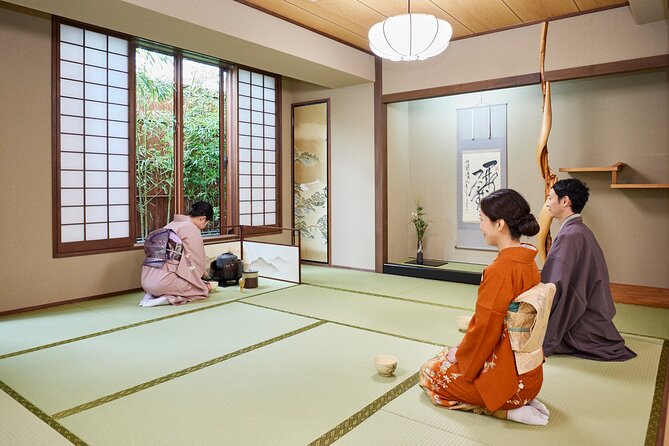
Photo opportunities are an important part of the package. Staff can take pictures if you ask, and the venue offers several attractive places to pose. An outdoor terrace, umbrellas, the tea setting, and your finished sweets can all provide memorable images.
The photos help justify some of the cost, especially if you are marking a birthday, family trip, or special day in Japan. A mother and daughter, couples, and families with teenagers can all make the activity feel personal through the clothing and pictures.
You should still keep expectations realistic. This is not presented as a dedicated professional photo shoot with a separate photographer, styling team, or unlimited session time. Ask the staff politely when you want a picture, and be ready to work within the schedule.
The no-tripod rule is worth noting for couples or groups hoping to create elaborate self-timer shots. Staff assistance is the better option. Also remember that photography may pause during the ceremony itself.
What the $112.29 price includes
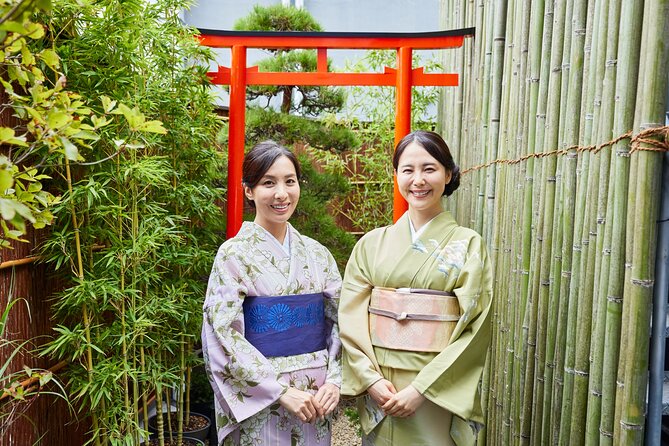
At $112.29 per person, this is not a cheap casual class. The value depends on how many parts you would otherwise book separately. The fee includes kimono wearing, ingredients and utensils for the sweets, green tea, water, instruction, the tea ceremony, and access to the venue.
The clothing alone adds a major part of the appeal. You are not simply paying for a cup of tea and a short demonstration. You receive help dressing, participate in wagashi preparation, learn matcha etiquette, and have time for photos.
For a first visit to Tokyo, I think the package offers reasonable value if you want a compact cultural activity with a strong visual element. It also works well on a day when you want something organized and easy to follow. The price feels less attractive if your main goal is only to taste matcha or watch a ceremony.
Transportation and hotel pickup are not included. Add the cost and time of reaching Asakusa yourself. Since the venue is near public transportation and the event ends at the same point, the arrangement is straightforward, but it is not a door-to-door tour.
Group size, timing, and who will enjoy it
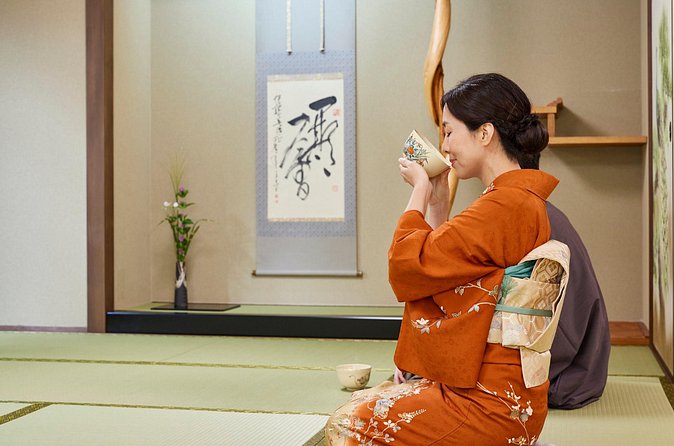
The activity is intended to feel personal, but the supplied details give two different maximum group sizes: 10 participants in one place and 12 in another. Treat it as a small class rather than a private lesson. You can expect more individual attention than at a large sightseeing show, but you may still share the room with several families or couples.
The booking information also says a maximum of five people can be reserved through Viator, while other booking sites may add more participants to the same session. If your group is large, confirm the current capacity before paying.
I think this suits:
- First-time visitors who want a gentle introduction to Japanese customs
- Families with children aged seven and older
- Couples and friends who enjoy dressing up and taking photos
- Anyone interested in food crafts, design, and matcha
- Visitors staying in or near Asakusa who want a two-hour cultural break
It may not suit you if you dislike formal clothing, have very limited mobility for dressing and sitting, or want an advanced tea ceremony lesson. The supplied information does not provide detailed accessibility guidance, so contact Maikoya before booking if you have specific mobility needs.
Practical advice for a smoother visit
Wear clothing that makes changing easy, and avoid building a tight schedule immediately afterward. The session is advertised at approximately two hours, but kimono fitting, hair styling, photos, and group movement all need time.
Bring your phone for pictures, but keep it away during restricted moments. Since tripods are forbidden, ask the staff to help with group photos. You may find that simple portraits in the kimono look better than trying to stage a complicated shot.
Pay attention during the sweets lesson. The activity is not difficult in theory, but the shaping takes patience. If your first design looks uneven, that is part of the fun. Wagashi rewards care, not speed.
Finally, keep track of your belongings. One participant accidentally left a wallet at the studio and had to return from the subway station. The staff stayed open beyond normal hours to help, but avoiding that dash is much better.
Free cancellation is available if you cancel at least 24 hours before the local start time. Cancellations or changes made later are not accepted for a refund.
Should you book the Maikoya tea ceremony?
I would book this if you want Japanese culture presented through several connected activities: clothing, sweets, matcha, etiquette, and photos. The strongest features are the welcoming staff, the chance to shape your own wagashi, the attractive kimono choices, and the calm ceremony that gives meaning to the tea.
The activity is especially good for families, couples, and first-time visitors who want something more active than watching a performance. It gives you a souvenir-style memory without reducing the ceremony to a quick photo stop.
I would skip it if you want a private, highly formal tea lesson or a full pastry-making course. The sweets are partly prepared in advance, the group may reach 12 people, and the ceremony includes photography limits. For most curious visitors, though, the two-hour format and broad range of included activities make the price reasonable.
FAQ
Where does the tea ceremony take place?
It takes place at Kimono Tea Ceremony MAIKOYA Asakusa, located at 1-chome-12-2 Asakusa, Taito City, Tokyo 111-0032, Japan.
What time does the activity start?
The scheduled start time is 11:30 a.m.
How long does the activity last?
The experience lasts approximately two hours.
Does the activity include transportation?
No. Transportation and hotel pickup and drop-off are not included. You must travel to and from the meeting point yourself.
What is included in the price?
The price includes the kimono wearing experience, ingredients and utensils for making Japanese sweets, green tea, and water.
Can children join the activity?
Children under seven cannot enter the tea ceremony venue. If anyone in your party is under seven, you cannot reserve this activity for the group.
How many people can join the experience?
The information gives a maximum of 10 participants in one section and 12 in another. Confirm the current group limit when booking.
Are photographs allowed during the ceremony?
Photography and video may be limited during parts of the ceremony. Follow the tea master’s instructions, and note that tripods are not allowed.
Can I cancel for a refund?
Yes. You can receive a full refund by canceling at least 24 hours before the local start time. Cancellations or changes made less than 24 hours before the start are not accepted.
More Tea Ceremonies in Tokyo
- Tokyo: Traditional Tea Ceremony with a Tea Master
★ 5.0 · 528 reviews - Tea Ceremony Workshop in Tokyo by the Experienced Instrucor
★ 5.0 · 189 reviews - Asakusa: Kimono Tea Ceremony with Matcha and Sweet
★ 4.9 · 153 reviews - Tea Ceremony Experience in a Private Tea Room in Shibuya
★ 4.9 · 125 reviews
Just added around Tokyo
- Yokohama : Tea Ceremony with Sweets and Souvenir★ 5.0 · 5 reviews
- Walking Tour: Yanaka,Nezu& Sendagi: Tea Ceremony & Old Tokyo★ 5.0 · 3 reviews
- Private Kimono and tea ceremony at local home near Tokyo Disney★ 5.0 · 6 reviews
- Private Mochi・Matcha sweets Making Class Near Shibuya Area★ 5.0 · 22 reviews
- Tokyo Sweets Tour: Hidden Gems & Matcha at an Old Tea House★ 5.0 · 6 reviews
- Kimono and Tea Ceremony in Asakusa Private Food Tour With Guide★ 5.0 · 4 reviews
- 2 Hours Mochi &Nerikiri Making & Matcha Class in Bunkyo★ 5.0 · 21 reviews
- Tokyo Tea Ceremony Class at a Traditional Tea Room★ 5.0 · 2 reviews
Tea Ceremonies in Tokyo, compared.
Tea Ceremony Workshop in Tokyo by the Experienced Instrucor
Read our review →
Asakusa: Kimono Tea Ceremony with Matcha and Sweet
Read our review →
Tea Ceremony Experience in a Private Tea Room in Shibuya
Read our review →