
Review · TOKYO
Shibuya Authentic Tea Ceremony with experienced instructor
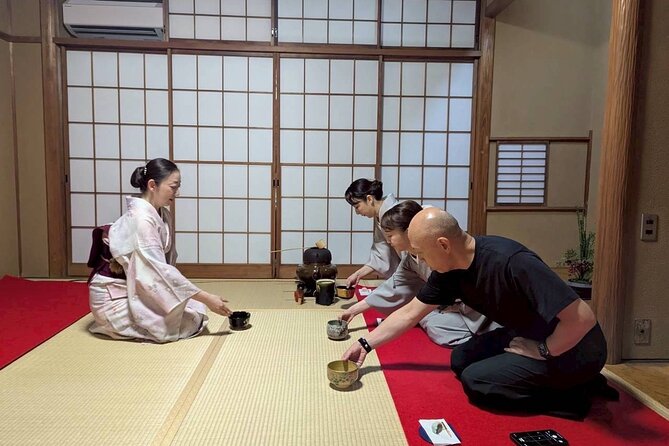
Slow down in the middle of Shibuya. This 50-minute tea ceremony offers a quiet break from Tokyo’s neon streets, with a small group of no more than eight people, a traditional demonstration, and your own hands-on matcha lesson. I especially like the calm setting and the chance to choose a tea bowl before preparing your drink. The main consideration is the short running time: this is a compact introduction, not a full afternoon study of tea ceremony.
I also like the balance between watching and doing. You first learn how tea developed in Japan, then see a tea master prepare matcha, taste the tea with nerikiri, and finally whisk a bowl yourself. The price of $25.76 is fair for that combination, though anyone hoping for a long, formal ceremony or a broad tasting menu should keep expectations modest.
Key points at a glance
- Small groups of up to eight: The limited size should make it easier to see the ritual and ask questions.
- A 500-year-old tea tradition: You watch a formal tea-making performance before trying the basic preparation yourself.
- Stone-milled matcha introduction: A small traditional stone mill helps explain how matcha is produced.
- Tea and nerikiri together: Freshly prepared matcha is served with a traditional Japanese sweet.
- Choose your own chawan: You can select a favorite tea bowl from a collection of beautiful matcha bowls.
- Central Shibuya setting: The meeting point is on Dōgenzaka, close to the busy heart of the district.
A quiet room near Shibuya’s busy streets
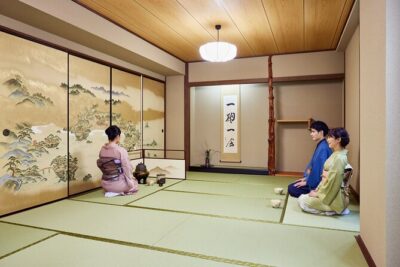
The appeal begins with the contrast. Shibuya is famous for crowds, screens, shopping, and quick movement. This tea house is on a side street at 1-chōme 15 Dōgenzaka, in the Manji Building, Tokyo 150-0043. The exact address matters because the surrounding area can feel hectic, while the tea setting is described as old, original, peaceful, and relaxing.
I would plan to arrive with enough time to locate the building rather than rushing in at the last minute. The meeting point is also the ending point, so you will not need to arrange a second pickup or navigate to another part of Tokyo afterward. A mobile ticket is accepted, which keeps the booking side simple.
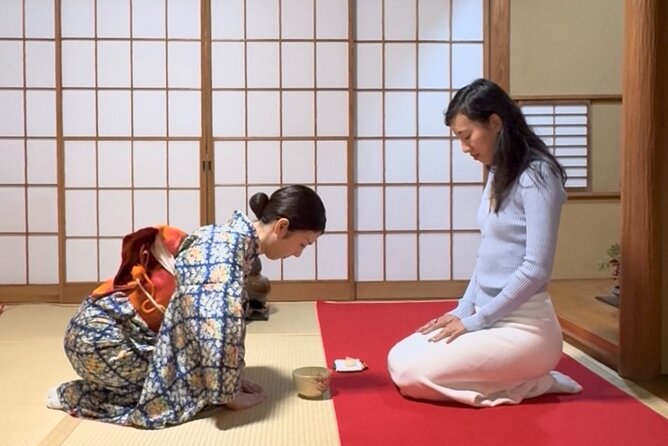
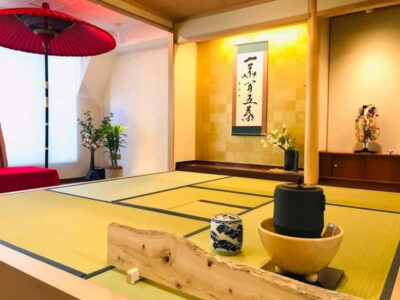
The setting is a major part of the experience. You are not being asked to sit through a long ceremony in a grand temple or formal hall. Instead, you get a short cultural lesson in a small tea house, where the atmosphere helps you notice the details of the bowls, tools, movements, and serving customs.
That small scale is useful for first-time visitors. With a maximum of eight people, you should have a better view than in a large demonstration and a more natural chance to ask about what is happening. It also means the mood can feel personal rather than staged for a large crowd.
More Tea Ceremonies in Tokyo
- Kimono Tea Ceremony at Tokyo, Asakusa Maikoya
★ 5.0 · 638 reviews - Tokyo: Traditional Tea Ceremony with a Tea Master
★ 5.0 · 528 reviews - Tea Ceremony Workshop in Tokyo by the Experienced Instrucor
★ 5.0 · 189 reviews
The first lesson: how tea became part of Japanese culture
The session starts with a short explanation of tea’s history in Japan. This gives the ceremony some context before you see the tools in action. You learn that the tea ritual being demonstrated has roots stretching back more than 500 years.
The history portion is brief, which suits the 50-minute format. I see that as a strength for most visitors. You get enough background to understand why the movements and objects matter without sitting through a long lecture. If you already know a great deal about Japanese tea schools or ceremony traditions, you may find this introduction basic.
You also get to see a small stone mill used in the production of matcha. This is a useful detail because matcha is not simply ordinary green tea placed in a bowl. It is finely ground tea, and the mill gives you a physical connection to the work behind the powder.
The stone mill also helps make the lesson more than a tasting. You are shown part of the process behind the drink, then learn how the powder is prepared and handled. For a short session, this is a smart way to make the subject feel practical.
Watching the tea master prepare matcha
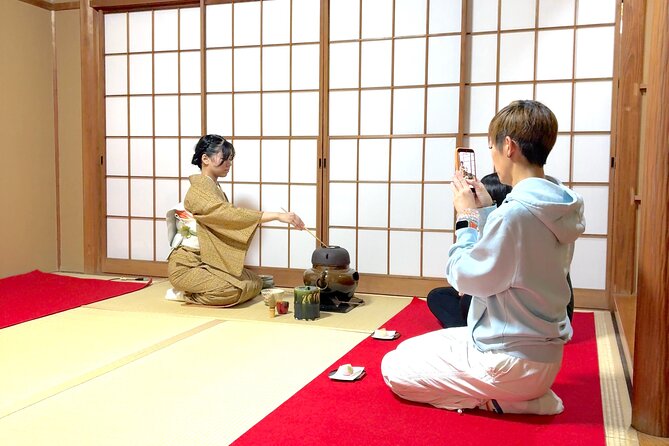
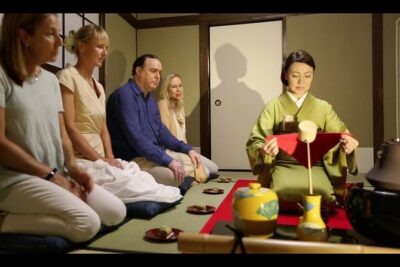
The central demonstration is performed by a tea ceremony master. You watch the tools being arranged and the matcha being prepared according to traditional practice. The ritual has been carried through more than five centuries, so the pace is deliberate and the small actions have purpose.
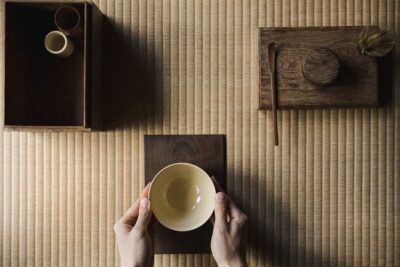
This is the part where a quiet room pays off. Tea ceremony can be difficult to appreciate if you are standing far away or trying to see over a large group. Here, the limited attendance should give you a clearer view of the bowl, whisk, scoop, and the movements used to prepare the tea.
I would pay attention to the order of the actions rather than treating the demonstration as a quick drink-making lesson. The ceremony is about care, attention, and hospitality as much as it is about matcha. Even in a shortened format, the ritual offers a glimpse of how Japanese tea culture turns an everyday beverage into a shared moment.
The hosts are described as friendly and well informed, and the instructor is praised for being kind, polite, and welcoming. One review specifically names Mai and describes the session as peaceful, relaxing, and meditative. Since instructor assignments can vary, you should not assume Mai will lead every session, but the mention gives you a useful sense of the tone to expect.
Matcha, nerikiri, and the pleasure of a small pairing
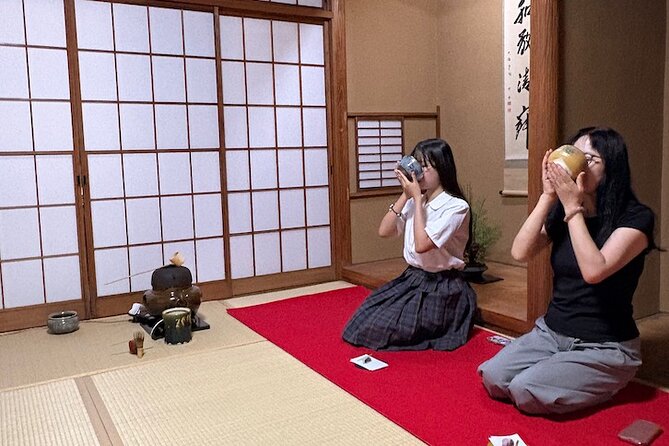
After the demonstration, you taste the freshly prepared matcha with nerikiri. Nerikiri is a traditional Japanese sweet, often shaped with careful seasonal or decorative details. The sweet is not just an extra snack. Its sweetness provides a pleasant contrast to matcha’s earthy, slightly bitter taste.
This pairing is an important part of the lesson. If you drink matcha by itself, its flavor can seem strong, especially if you are accustomed to sweetened tea. The nerikiri helps you understand why traditional tea service includes a sweet alongside the tea.
The portion is best viewed as a tasting rather than a meal. The supplied details mention matcha and one traditional sweet, not a full spread of food. If you need lunch or a substantial snack, plan to eat separately before or after the session.
The freshly prepared tea also gives the demonstration a satisfying finish. You have watched the master make the matcha, learned a little about the custom, and then tasted the result. It is a simple sequence, but it connects the explanation to something you can actually experience.
Same place, a different pot:
- Matcha Making Class in Tokyo with Authentic Japanese Sweets Set
★ 5.0 · 744 reviews - Tokyo: Matcha Making Experience with Mochi Sweets in Asakusa
★ 4.9 · 388 reviews - Asakusa Cultural Walk & Matcha Making Tour
★ 5.0 · 245 reviews - Mt. Fuji & Lake Kawaguchiko Ropeway Panorama Full-Day Tour
★ 4.6 · 236 reviews
Whisking your own matcha
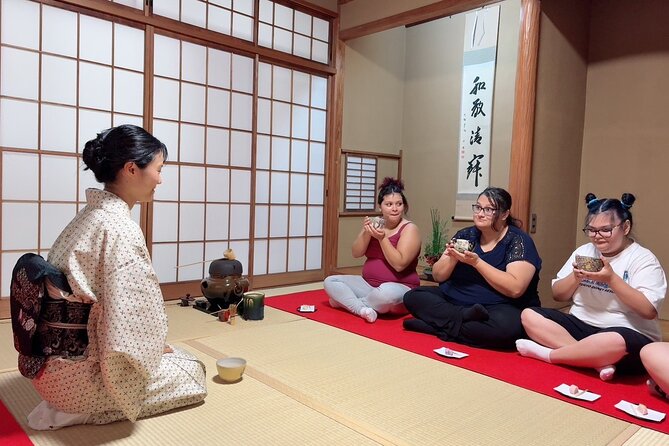
The final stage puts you to work. You use traditional tea tools to prepare your own bowl of matcha. This is the part I consider most valuable for visitors who want something they can repeat at home.
You are not merely watching a skilled instructor perform a ritual. You get to handle the tools, add the matcha, and whisk it into your own drink. The exact technique is taught step by step, so even a complete beginner can follow along.
Your result may not look as smooth or foamy as the master’s, and that is part of the fun. The hands-on portion gives you a better sense of the care involved in preparing matcha. It also makes the ceremony easier to remember than a demonstration alone.
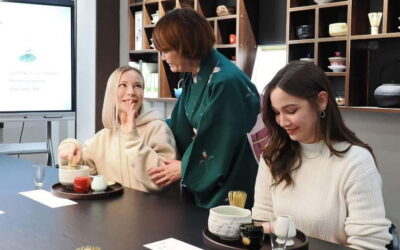
You can choose a favorite chawan, the traditional matcha bowl, from a selection of beautiful bowls. That choice adds a personal touch without making the session complicated. The bowl affects the feel of the experience, and selecting one lets you take part in a small decision that is normally handled by the host.
I would not expect to leave with a bowl or tea tools unless that is separately stated. The information confirms that you can choose a bowl to use during the activity, not that it becomes a souvenir.
What the 50-minute format means
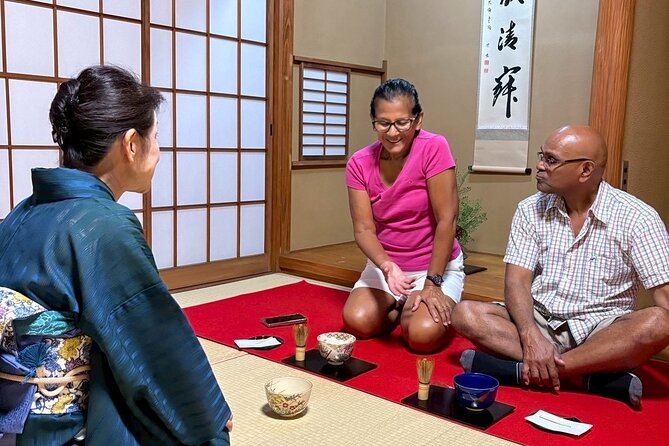
Fifty minutes is enough for a well-shaped introduction. You receive tea history, see the stone mill, watch a traditional performance, taste matcha and nerikiri, and prepare your own bowl. The sequence keeps moving, so you are unlikely to feel stuck in a long explanation.
The tradeoff is depth. You will not have time to study every tea utensil, compare several grades of matcha, or explore the differences between Japanese tea schools. The ceremony itself is also presented in a compact format rather than as a long formal sitting.
That makes this a good fit for a first encounter. You can add it between sightseeing stops in Shibuya without giving up half a day. It also works well for people who want a cultural activity but are unsure about committing to a longer or more formal ceremony.
I would choose a longer experience if your main interest is advanced tea technique or detailed cultural study. For a short Tokyo itinerary, though, the format is sensible. You get the core ideas and a chance to participate rather than spending the entire time watching.
Is $25.76 a fair price?
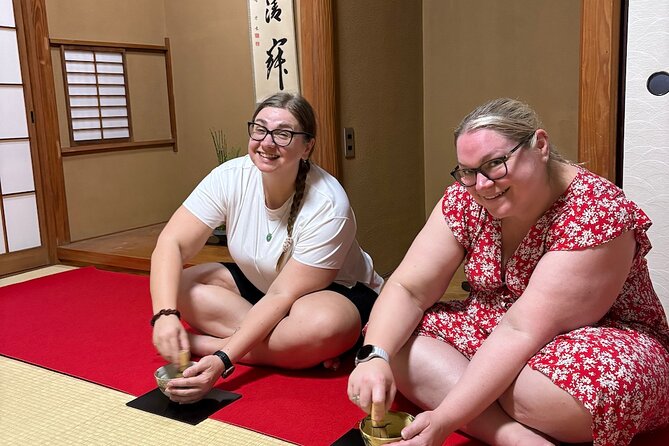
At $25.76 per person, the value is strong if you care about participation. The price covers a small-group session, instruction from a tea master, a traditional demonstration, matcha, nerikiri, and your own preparation with tea tools.
The small group is especially important when judging the cost. You are paying for more than a cup of tea. You are paying for access to an instructor, a setting designed around the ceremony, an explanation of the tradition, and the chance to try the process yourself.
It is less compelling if you see tea ceremony only as a quick drink tasting. You could spend less on a casual matcha elsewhere in Tokyo, but that would not include the cultural explanation, ritual demonstration, or guided preparation.
I also like that the activity fits neatly into a day in Shibuya. You can pair it with nearby shopping or sightseeing without committing to a long excursion across Tokyo. The ending point is the same as the starting point, so the experience does not add a complicated transfer.
Who will enjoy this tea ceremony most?
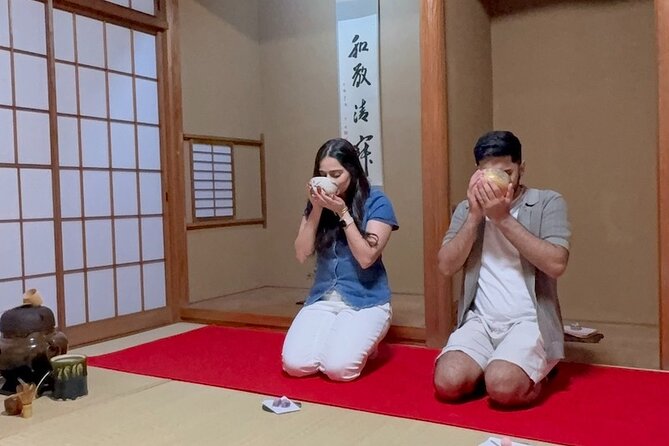
I would recommend it to first-time visitors to Japan, couples, families with an interest in culture, and solo visitors who want a calm activity in central Tokyo. The hands-on element gives children and adults something to do, although the supplied information does not specify a minimum age.
It is also a good choice if you want a quieter alternative to Shibuya’s usual attractions. The experience offers a pause without requiring a full day away from the city. You can learn a little, taste something distinctive, and leave with a basic matcha technique.
Matcha fans will appreciate the preparation lesson and the opportunity to use traditional tools. People who are curious about Japanese customs but know little about tea ceremony should find the short introduction approachable.
I would be more cautious if you need a full meal, want an extensive tea tasting, or expect a long spiritual retreat. The peaceful mood is part of the appeal, but the activity is still a compact 50-minute lesson in a central city location.
Practical details before you book
The meeting point is Japan, 150-0043 Tokyo, Shibuya, Dōgenzaka, 1-chōme 15, Manji Building. Because it is on a side street near a busy area, allow time to find the entrance and arrive ready to start.
Your confirmation is provided at booking, and the mobile ticket makes it easy to keep the entry details on your phone. The activity returns to the meeting point when it ends.
The maximum group size is eight people. That limit is worth checking when comparing tea experiences because a smaller group usually makes it easier to see the tools and follow the instructor’s movements.
Free cancellation is available if you cancel at least 24 hours before the scheduled start time. Cancellations made less than 24 hours ahead, along with late changes, are not refunded or accepted under the stated policy. The cut-off follows local Tokyo time.
Should you book this Shibuya tea experience?
I would book it if you want a short, affordable introduction to Japanese tea ceremony with real participation. The strongest reasons are the small group, the calm traditional setting, the 500-year-old ritual demonstration, and the chance to whisk your own matcha in a bowl you select.
I would skip it only if you want a longer ceremony, a full meal, or advanced instruction. For most visitors, this is a well-paced way to trade part of Shibuya’s noise for tea, sweets, and a simple lesson you can remember after leaving Tokyo.
FAQ
How long does the tea ceremony last?
The activity lasts approximately 50 minutes.
Where does the experience start and end?
It starts at the Manji Building at 1-chōme 15 Dōgenzaka, Shibuya, Tokyo 150-0043. The activity ends back at the same meeting point.
How many people can join the session?
The maximum group size is eight people.
Do I get to make my own matcha?
Yes. You can prepare your own bowl of matcha using traditional tea tools during the final part of the session.
Is food included?
You enjoy freshly prepared matcha with nerikiri, a traditional Japanese sweet.
Can I cancel for a full refund?
Yes, if you cancel at least 24 hours before the experience starts. Cancellations or changes made less than 24 hours before the start time are not accepted for a refund.
Just added around Tokyo
- Yokohama : Tea Ceremony with Sweets and Souvenir★ 5.0 · 5 reviews
- Walking Tour: Yanaka,Nezu& Sendagi: Tea Ceremony & Old Tokyo★ 5.0 · 3 reviews
- Private Kimono and tea ceremony at local home near Tokyo Disney★ 5.0 · 6 reviews
- Private Mochi・Matcha sweets Making Class Near Shibuya Area★ 5.0 · 22 reviews
- Tokyo Sweets Tour: Hidden Gems & Matcha at an Old Tea House★ 5.0 · 6 reviews
- Kimono and Tea Ceremony in Asakusa Private Food Tour With Guide★ 5.0 · 4 reviews
- 2 Hours Mochi &Nerikiri Making & Matcha Class in Bunkyo★ 5.0 · 21 reviews
- Tokyo Tea Ceremony Class at a Traditional Tea Room★ 5.0 · 2 reviews
Tea Ceremonies in Tokyo, compared.
Tea Ceremony Workshop in Tokyo by the Experienced Instrucor
Read our review →
Asakusa: Kimono Tea Ceremony with Matcha and Sweet
Read our review →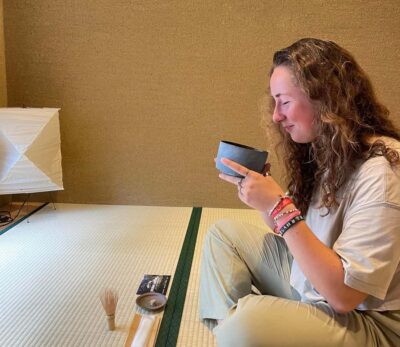
Tea Ceremony Experience in a Private Tea Room in Shibuya
Read our review →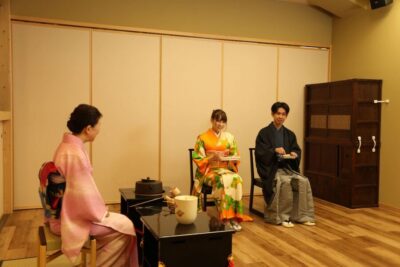
Tea ceremony experience in Japanese-style room 60min
Read our review →Browse the lists this tour appears in