
Review · OSAKA
Osaka: Tea Ceremony and Matcha Tea Bowl Making Workshop
Slow down in Osaka with tea and clay. This two-hour private workshop combines a traditional matcha tea ceremony with hands-on pottery, giving you both cultural context and a bowl made by your own hands. I especially like the balance between watching a skilled tea master and doing practical work yourself. The English-speaking instruction also makes the customs easier to follow.
The chance to work with Anna, a ceramist trained in Osaka and Barcelona, is another strong point. You shape and decorate a matcha bowl using Japanese pottery methods, then receive a small dish for serving sweets. The main consideration is timing: your finished bowl is sent to you after about two months, and shipping costs are not included in the $134 price.
Key Details Before You Book
- Two traditions in one session: Learn the manners and meaning of matcha preparation, then make a bowl designed for that tea.
- Hands-on pottery with Anna: Shape and decorate your bowl with guidance from a ceramist who studied in Osaka and Barcelona.
- A private English-language group: You get instruction in English without being placed in a large mixed group.
- Matcha and sweets are included: Prepare the tea and enjoy Japanese sweets during the ceremony.
- Your bowl arrives later: The finished piece is mailed to the address you provide after two months, with postage charged separately.
- Meet at JR Teradacho Station: Use the North Exit and look for a staff member holding a Ceramics Tocoton signboard.
What This Osaka Workshop Actually Offers
This is not a standard sightseeing tour with a guide leading you from one landmark to another. It is a small cultural activity built around two connected crafts: preparing matcha and making the vessel used to serve it.
That pairing makes sense. The tea ceremony is careful and measured, while pottery asks you to work with your hands and accept small imperfections. You first learn why the bowl matters, then try to make one yourself. I like that order because the clay activity has more meaning after you have seen how a tea bowl is handled and used.
The setting is in Osaka’s Ikuno Ward, rather than in the city’s most famous sightseeing districts. After the session, you can spend time exploring the local area. The workshop itself lasts two hours, so you will not lose an entire day from your Osaka plans.
The group is private, and instruction is in English. That matters here. Tea ceremony movements can seem mysterious if you do not understand what is happening, and pottery is much easier when someone can correct your technique as you work.
More Matcha Experiences in Osaka
- Matcha Making Class in Osaka with Authentic Japanese Sweets Set
★ 5.0 · 509 reviews - Osaka: Matcha Making Experience with Japanese Sweets
★ 5.0 · 146 reviews - Osaka Temple Cool Foot Bath & Matcha Experience〈45min〉
★ 4.9 · 82 reviews
Meeting at JR Teradacho Station North Exit
The meeting point is JR Teradacho Station’s North Exit. Look for a staff member holding a signboard marked Ceramics Tocoton.
Give yourself enough time to find the correct exit. Osaka stations can have several entrances, and arriving at the station is not the same as arriving at the meeting point. If you expect to be more than 15 minutes late, contact the operator. More than 15 minutes late is treated as a no-show, so this is one activity where a calm departure from your hotel pays off.
The meeting instructions are simple, but do not assume you can stroll in late and catch up. The tea portion and pottery portion are linked, and the hosts need to keep the private session on schedule.
Beginning With the Japanese Tea Ceremony
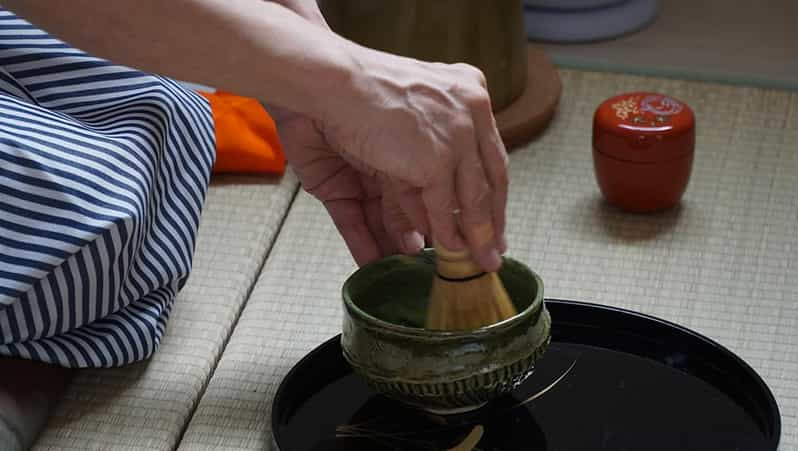
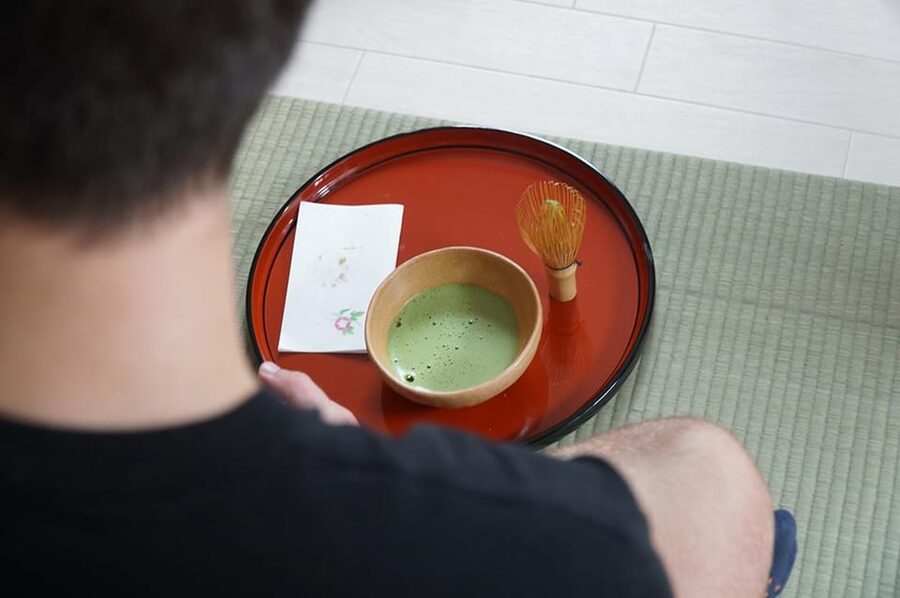
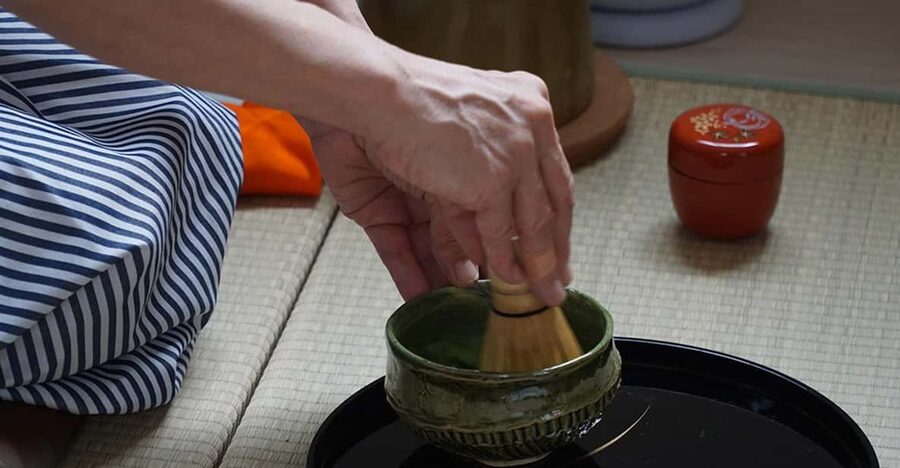
The first part introduces you to the basic ideas behind the Japanese tea ceremony. A tea ceremony master guides you through preparing matcha, then you drink the tea with Japanese sweets.
You are not merely handed a cup and told to take a picture. The point is to learn the care behind the preparation: the movement, the sequence, and the relationship between the tea and the sweet served beside it. The supplied information does not promise an advanced historical lecture, so I would think of this as a practical introduction rather than a full study of tea culture.
The tea is prepared with guidance, which makes this suitable even if you have never handled matcha before. You get to take part instead of sitting on the sidelines. The sweets are included, giving you the proper pairing for the tea and a small taste of the ceremony’s rhythm.
Several comments about the session point to its calm and peaceful atmosphere. That is a useful expectation to carry with you. This is not a loud, fast-moving Osaka activity. The value comes from slowing down and paying attention to small actions.
You may also find the ceremony more formal than an ordinary cup of green tea. That is part of the appeal, but it may not suit someone who wants a casual cooking class or a quick photo opportunity. The best approach is to follow the instructions, watch carefully, and allow the pace to do some of the work.
Making a Matcha Bowl With Anna
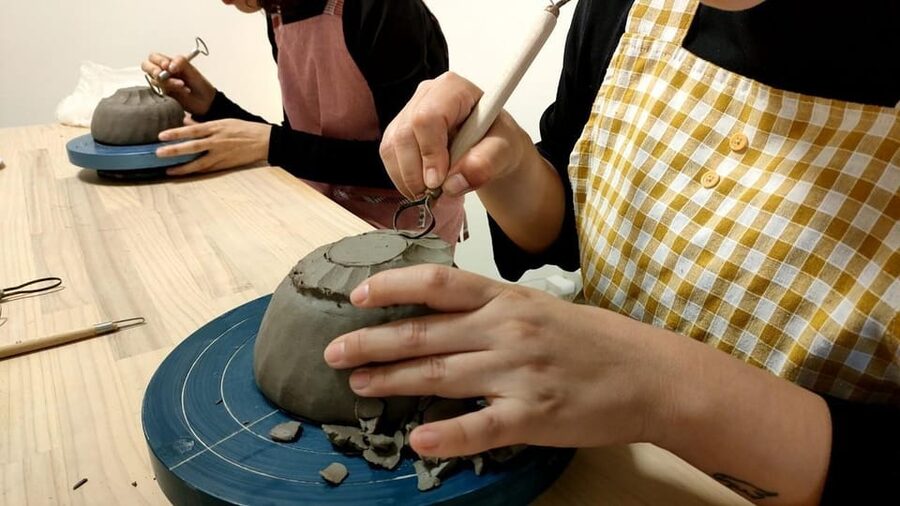
After the tea ceremony, you work with Anna on your own matcha tea bowl. She studied pottery in Osaka and Barcelona, and the activity uses traditional Japanese pottery techniques for shaping and decoration.
The exact appearance of your bowl will depend on how you handle the clay and decorate it. That is a benefit, not a problem. A handmade bowl should not look like a factory-perfect souvenir, and the point is to understand the work involved in Japanese ceramics.
Anna’s role is especially important for first-time potters. One particularly useful detail from the feedback is that she was encouraging and helpful throughout the process. That suggests you will have support while making decisions and correcting mistakes, rather than being expected to know what to do already.
I like the way this part adds a physical memory to the tea ceremony. You do not just learn about a bowl as an object. You shape one yourself, which gives you a better sense of its weight, form, and purpose.
Still, keep your expectations realistic. This is a two-hour combined workshop, not a long professional ceramics course. You will make and decorate a bowl under guidance, but the available information does not promise that you will operate a kiln or complete every stage of firing yourself.
More Tea Ceremonies in Osaka
- Osaka: Tea Ceremony Experience
★ 4.9 · 1,426 reviews - Tea Ceremony Experience in Osaka Doutonbori
★ 5.0 · 754 reviews - Osaka: Tea Ceremony, Calligraphy, and Kimono Experience
★ 4.9 · 130 reviews - Osaka: Japanese Traditional Sweets Making and Tea Ceremony
★ 4.7 · 118 reviews
Why the Two Activities Work Well Together
The matcha ceremony and pottery session could have felt like two unrelated attractions, but they share a clear purpose. The first shows you how the bowl functions in a formal setting. The second asks you to think about the object as a maker.
That connection gives the workshop more substance than a simple tea tasting. You learn that the vessel is part of the experience, not just a container. Shape, decoration, and handling all matter.
The ceremony also sets a quieter tone before you begin the clay work. Based on the feedback, that sense of calm is one of the strongest parts of the activity. If your Osaka schedule has been packed with shopping arcades, major sights, and train connections, two hours of focused work can be a welcome change.
I would not book this expecting a broad tour of Osaka or a detailed lesson in every school of tea. I would book it for a concentrated introduction to two connected Japanese arts, taught in a private setting.
The Small Dish You Receive as a Gift
Along with the bowl-making activity, you receive a small dish that you can use for sweets during a tea ceremony. This is a practical touch, since it extends the experience beyond the workshop.
The dish is not the same as taking home your handmade bowl immediately. Your bowl is sent to the address you provide after two months, and shipping is not part of the price. That delay is important to understand before booking, especially if you will be moving between hotels or leaving Japan soon.
Provide an address where the item can be received later, and check the shipping arrangement when you book. The supplied information confirms that postage costs are separate, but does not give an exact shipping price or list the countries served.
The waiting period may test your patience, but it is also a normal part of a ceramic process. Your bowl needs time before it can be sent. Think of it as a delayed souvenir rather than something you carry out of the workshop in a paper bag.
Is $134 a Fair Price?
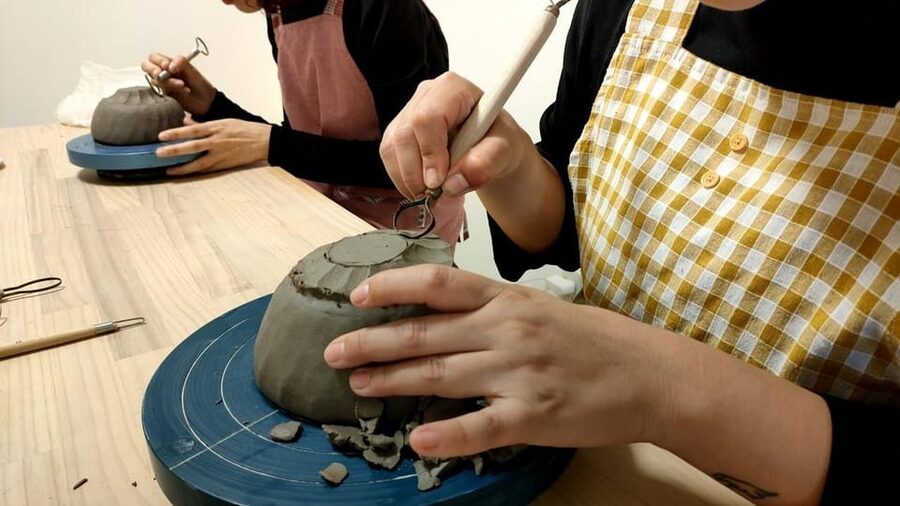
At $134 per person, this is not the cheapest matcha activity in Osaka. The price makes more sense when you look at what is included: a two-hour private group session, English instruction, a guided tea ceremony, matcha, Japanese sweets, pottery instruction, a handmade bowl, and a small dish.
Shipping for the bowl is extra, so the final cost will be higher than the advertised rate. You should also remember that the bowl will not be available during the rest of your Japan trip.
For me, the private format is the main reason the price can be worthwhile. You are not paying only for a drink and a short demonstration. You receive time with a tea ceremony master and with Anna, the ceramist, while making something of your own.
The value depends on your interests. If you want a low-cost introduction to matcha, a shorter tea experience may be enough. If you care about craft, want English guidance, and like taking part rather than watching, this workshop offers more for the money.
The strong response to the experience also supports that value. The available rating is 5 out of 5 from six reviews, with praise focused on the helpful hosts, the peaceful ceremony, and the fun of making the bowls. One participant described it as a favourite activity in Japan, while another appreciated the professional and encouraging instruction.
Who Will Enjoy This Best
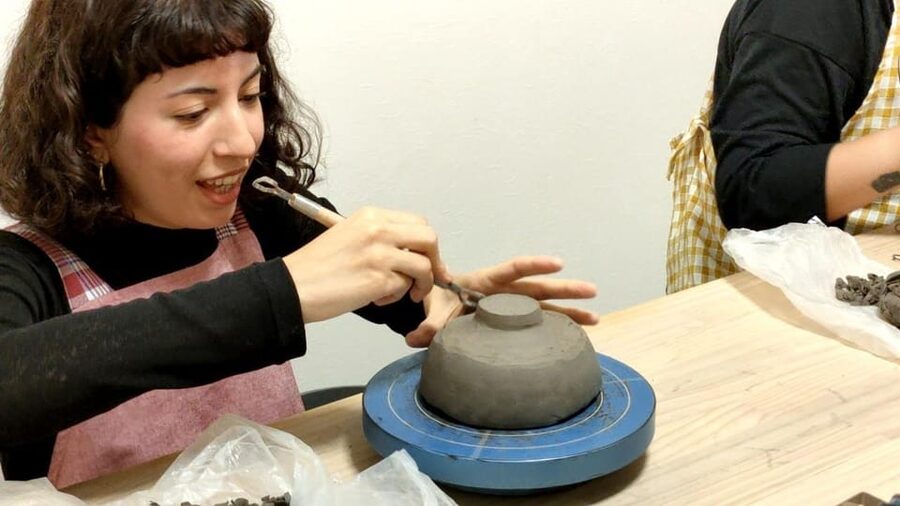
I would recommend this to adults and older teenagers who enjoy Japanese food, design, craft, and cultural traditions. It is particularly suitable if you like activities that give you something to remember beyond photographs.
It is not suitable for children under 13. It is also not suitable for wheelchair users, so check your needs carefully before reserving.
The private group format works well for couples, friends, families with older children, or solo visitors who prefer direct instruction. Since the language is English, you do not need to rely on translation while learning the tea sequence or shaping the bowl.
You should also enjoy a reasonably calm pace. This is not an activity for someone who dislikes formal customs, getting clay on their hands, or waiting for a finished ceramic piece. Smoking, alcohol, and drugs are not allowed.
A Sensible Place in Your Osaka Schedule
The two-hour length makes this easy to fit into a day, but I would not schedule it between two tight reservations. The meeting point is at JR Teradacho Station, and being over 15 minutes late means missing the activity with no-show consequences.
Plan the workshop as a fixed appointment, then leave room afterward for Ikuno Ward. The area gives you a chance to see a less postcard-focused side of Osaka after the class. The information provided does not specify particular shops or sights in the ward, so I would treat the post-workshop time as open-ended local exploration rather than a guided neighborhood tour.
The activity could also work well on a rainy day. Much of the value comes from indoor instruction, tea, and pottery, though the information does not describe the exact studio facilities. Check the meeting instructions carefully and avoid carrying anything you would not want near clay or tea.
Booking and Cancellation Details
You can cancel up to 24 hours before the activity for a full refund. The reserve-now-and-pay-later option lets you secure a place without paying immediately, which is useful when your Osaka schedule is still changing.
Because the group is private, check the available starting times before you plan other activities around it. The operator is Tocoton LLC, and the instructor language is English.
I would also confirm the shipping arrangement before you go. The bowl is mailed after two months, shipping is separate, and you need to provide an address. That is the one practical detail most likely to cause trouble later if you overlook it.
FAQ
How long does the tea ceremony and pottery workshop last?
The activity lasts two hours.
Where do I meet the staff?
Meet at the North Exit of JR Teradacho Station. Look for a staff member holding a Ceramics Tocoton signboard.
Is the workshop taught in English?
Yes. English instruction is provided.
Is this a private activity?
Yes. The activity is offered for a private group.
What is included in the price?
Matcha tea and Japanese sweets are included. The pottery activity and the small dish gift are also part of the experience.
Do I take my handmade bowl home immediately?
No. The bowl is sent to the address you provide after two months.
Is shipping for the bowl included?
No. Shipping costs are not included in the price.
Can children join?
Children under 13 are not permitted to take part.
Is the activity suitable for wheelchair users?
No. The activity is not suitable for wheelchair users.
What happens if I am late?
If you expect to be more than 15 minutes late, contact the operator. Arriving more than 15 minutes late is considered a no-show.
Should You Book This Osaka Workshop?
Book it if you want a quiet, hands-on cultural activity with real participation. The best features are the pairing of a guided tea ceremony with pottery, the English instruction, the private format, and Anna’s supportive approach to bowl making.
Skip it if you need immediate souvenirs, have mobility requirements that the activity cannot accommodate, or want a broad tour of Osaka. Also remember that the $134 price does not include shipping, and your bowl arrives about two months later.
For anyone interested in matcha, Japanese craft, or the pleasure of making something imperfect with their own hands, this is a thoughtful use of two hours in Osaka. Just arrive early, meet at the correct station exit, and treat the finished bowl as a future reminder of your time in Ikuno Ward.
Just added around Osaka
- Osaka:Zen Tea Ceremony and Foot Bath Experience<45min>★ 5.0 · 7 reviews
- Osaka Japanese Cooking And Matcha Class near Osaka Castle★ 5.0 · 22 reviews
- Osaka: Tea Ceremony, Calligraphy, and Kimono Experience★ 5.0 · 6 reviews
- Nara Deer Park, Uji Matcha, & Hot Spring Full-Day Tour from Osaka★ 4.0 · 21 reviews
- Osaka: Nara, Todaiji, Uji Matcha, and Hot Spring Tour★ 4.0 · 7 reviews
- Craft Sushi and Matcha Ice Cream in Central Osaka (3-Course Meal)★ 5.0 · 2 reviews
- Tea and Calligraphy Session at a Table in Osaka★ 5.0 · 4 reviews
- ZEN therapy | Shiatsu-style massage, EnergyTherapy & Japanese Tea★ 5.0 · 5 reviews
Tea Ceremonies in Osaka, compared.
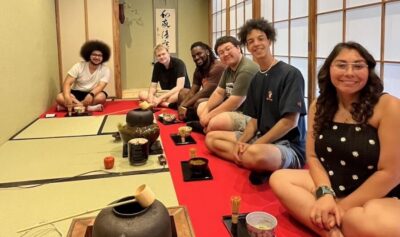
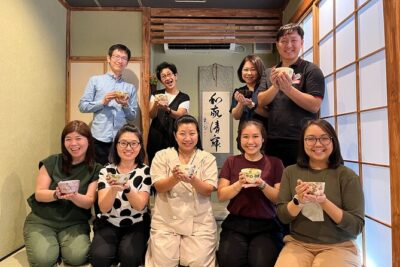
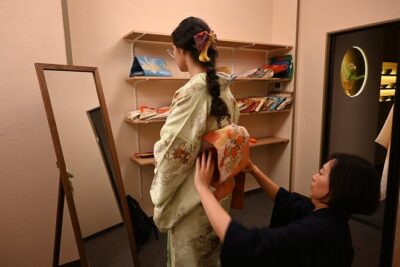
Tea Ceremony, Calligraphy, and Kimono Experience
Read our review →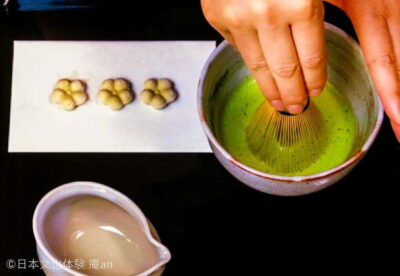
Japanese Traditional Sweets Making and Tea Ceremony
Read our review →
Samurai Show, Tea Ceremony, Japanese Traditional Activities
Read our review →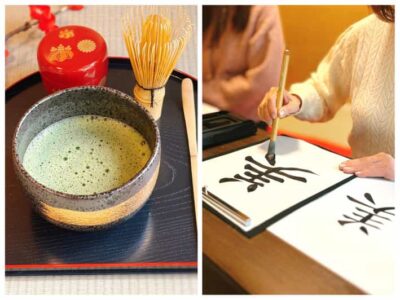
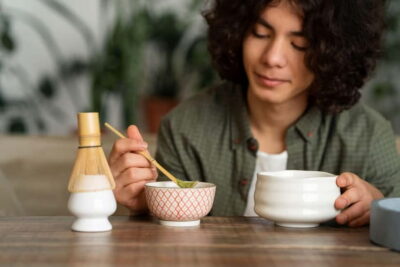
Osaka; Japanese Tea ceremony experience, Macha and Sencha
Read our review →
Samurai dress-up and shows, plus Tea Ceremony & Calligraphy
Read our review →Browse the lists this tour appears in