

Review · TOKYO
Matcha Tea Ceremony in a Cosy Cafe in Shimokitazawa, Tokyo
Small rooms can hold big ideas. This matcha ceremony at cosy Cafe Stay Happy in Shimokitazawa offers a thoughtful introduction to chanoyu, the formal tea practice shaped by Senno Rikyu in the 16th century. I like the intimate maximum of five people, and I like that host Takao Omori encourages you to think about the tea room’s seasonal decoration rather than simply watch a fixed performance. The main consideration is value: at $116.35 per person, this is a costly 80-minute activity, especially since one piece of feedback found the session somewhat rushed and the matcha merely average.
The experience is less about drinking a large amount of tea and more about attention, symbolism, and shared conversation. The cosy setting should appeal to you if you want a calm break from Tokyo’s quick pace, but you should arrive with modest expectations about the tea itself. This is a compact cultural activity, not a full meal, long workshop, or elaborate temple ceremony.
Key points at a glance
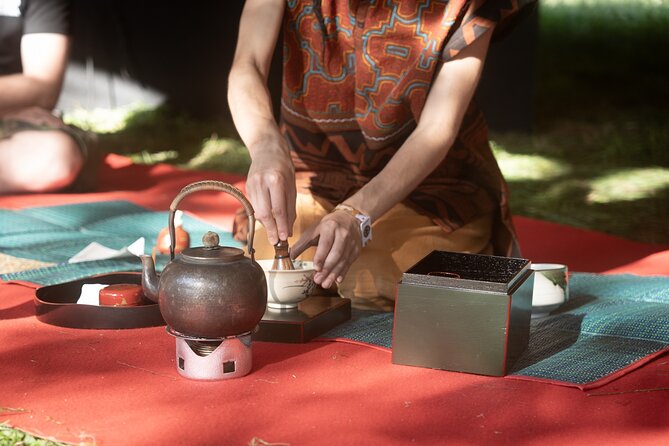
- A maximum of five people keeps the ceremony personal and gives you a better chance to follow the host’s explanations.
- Takao Omori leads the experience, guiding you through the meaning behind the tools, gestures, and atmosphere of chanoyu.
- You imagine the tokonoma, the decorative alcove where a hanging scroll or seasonal object would traditionally express the host’s feeling.
- The ceremony lasts about 1 hour 20 minutes, making it easy to fit into a day in Shimokitazawa.
- The setting is Cafe Stay Happy, described as an extremely cosy cafe near public transportation.
- The matcha itself may not be the highlight, so book this for the ideas and atmosphere as much as the taste.
What this Shimokitazawa tea ceremony is really about
At first glance, a matcha ceremony can seem like a simple cup of powdered green tea. The point here is much broader. Chanoyu treats the act of preparing and serving tea as a carefully ordered exchange, where the room, the season, the tools, the movements, and the relationship between host and participant all matter.
Takao Omori presents the ceremony as a poetic practice shaped by harmony and reflection. You are not only shown how matcha is prepared. You are invited to consider why each action exists and how a small room can create a feeling of welcome across cultural boundaries.
I find that approach more useful than a quick demonstration with no explanation. If you are new to Japanese tea culture, the ceremony gives you a way to understand the spirit behind the gestures. If you already know something about chanoyu, the smaller group may allow for a more personal discussion.
The activity takes place at Cafe Stay Happy, a cosy cafe in Tokyo. That matters because the setting is informal compared with a grand temple or a purpose-built tea house. You can expect a more approachable atmosphere, though the cafe setting may not provide the polished visual drama that some people associate with formal tea ceremonies.
More Matcha Experiences in Tokyo
- Matcha Making Class in Tokyo with Authentic Japanese Sweets Set
★ 5.0 · 744 reviews - Tokyo: Matcha Making Experience with Mochi Sweets in Asakusa
★ 4.9 · 388 reviews - Asakusa Cultural Walk & Matcha Making Tour
★ 5.0 · 245 reviews
Imagining the tokonoma
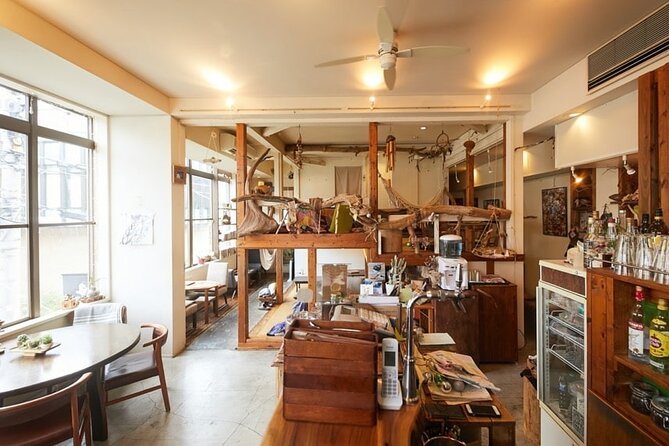
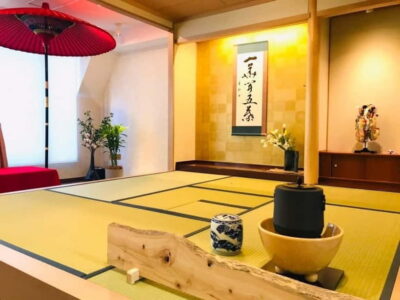
One of the most distinctive parts of this activity is the treatment of the tokonoma. In a traditional tea room, this decorative alcove gives the host a place to express appreciation and acknowledge the season. A hanging scroll or carefully chosen object can set the mood before a word is spoken.
Here, you are asked to use your imagination and picture the tokonoma in the room. You then consider what kind of decoration or hanging scroll would express your state of mind at that moment. This is a simple idea, but it gives the ceremony a personal edge.
I like this feature because it prevents the experience from becoming a passive show. You are encouraged to think about your own response to the season, the setting, and the people sharing the room. It also shows that Japanese aesthetics are not only about beautiful objects. They are about choosing the right object for the right moment.
You should not expect an actual changing display to appear in front of you based on your choice. The point is mental participation. If you enjoy quiet reflection, symbolism, and open-ended questions, this may be the most memorable part of the session. If you prefer a step-by-step craft lesson, it may feel a little abstract.
Following Takao Omori through the ceremony
Takao Omori is the facilitator, and his role is central to the experience. He welcomes you, explains the ceremony, and leads you through the available time at the cafe. His stated aim is to bring people from different cultures together through the calm mindset of chanoyu.
The ceremony draws on a tradition formalized by Senno Rikyu in the 16th century. That does not mean you need prior knowledge of Japanese history or etiquette. The activity is designed as an introduction, with the host explaining the meaning of the process as you go.
You can expect the ceremony to focus on small details. The tools used for matcha have a purpose. Movements are deliberate. Silence, conversation, and the act of receiving tea all contribute to the mood. I would pay attention to these details rather than worry about getting every gesture exactly right.
The available information does not specify the precise order of every activity, so you should not expect a minute-by-minute schedule. The broad shape is clear: an introduction to chanoyu, reflection on the tokonoma, preparation and drinking of matcha, and time for stories or conversation. The experience ends back at the cafe, where it begins.
One useful advantage of a small group is that you may have room to ask questions. With no more than five people, the session should feel less like a stage performance and more like a guided cultural exchange. Still, the total time is only about 80 minutes. One comment described the experience as rushed, so you may find that the host has to keep the pace moving.
What the matcha may taste like
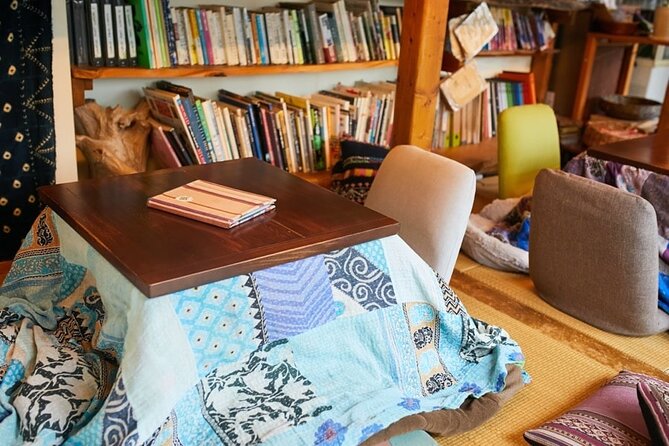
The ceremony gives the tea an important symbolic role, but the matcha may not satisfy someone searching for a high-end tasting experience. A comment about the activity described the tea quality as just okay rather than exceptional.
That is worth taking seriously when you consider the price. Matcha can vary greatly in character, and people who already know Japanese green tea may notice quality more than first-time drinkers. I would book this activity for the ritual, setting, and conversation, not for a rare or especially refined cup.
If you are sensitive to bitterness, the listing does not provide enough information to predict the exact flavor or preparation style. You can expect matcha to be the focus, but details about sweetness, food pairings, serving size, and additional refreshments are not specified.
The most sensible way to frame the drink is as part of a larger cultural practice. The tea is not simply a beverage handed over at the end. It gives the ceremony its rhythm and offers a shared point of attention. That may matter more to you than tasting notes.
More Tea Ceremonies in Tokyo
- Kimono Tea Ceremony at Tokyo, Asakusa Maikoya
★ 5.0 · 638 reviews - Tokyo: Traditional Tea Ceremony with a Tea Master
★ 5.0 · 528 reviews - Tea Ceremony Workshop in Tokyo by the Experienced Instrucor
★ 5.0 · 189 reviews - Asakusa: Kimono Tea Ceremony with Matcha and Sweet
★ 4.9 · 153 reviews
Why the cafe setting changes the experience
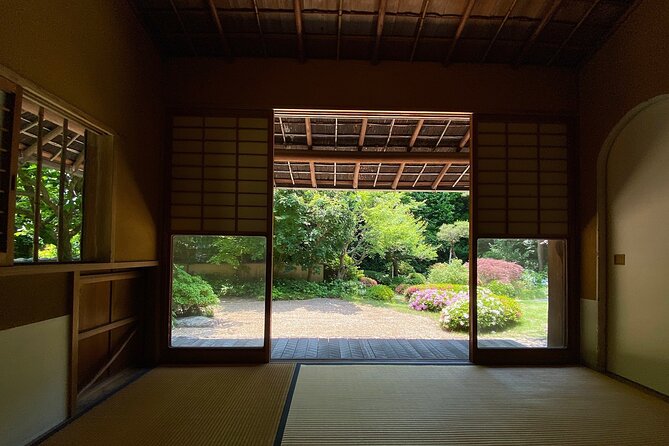
Cafe Stay Happy gives the activity a relaxed character. A cosy cafe can make Japanese tea culture feel easier to approach, especially if you are nervous about entering a highly formal tea room. You are likely to find the atmosphere less intimidating than a ceremony where every movement feels strictly prescribed.
The tradeoff is atmosphere. A cafe may not offer the quiet architecture, traditional fittings, or carefully arranged garden associated with a formal tea house. Since the activity asks you to imagine the tokonoma, the room may rely on your participation rather than on a fully installed ceremonial setting.
I see that as both a limitation and a strength. The limitation is clear: you may not get the grand visual setting you expected for more than $100. The strength is that you are pushed to think about what makes the space meaningful, rather than simply admire an expensive room.
The cafe is in Shimokitazawa, an area served by public transportation. The meeting point is Cafe Stay Happy, at 2-chōme-29-14 Daizawa, Setagaya City, Tokyo 155-0032. Because the activity begins and ends at the same place, you do not need to plan a complicated transfer after the ceremony.
Shimokitazawa timing and group size
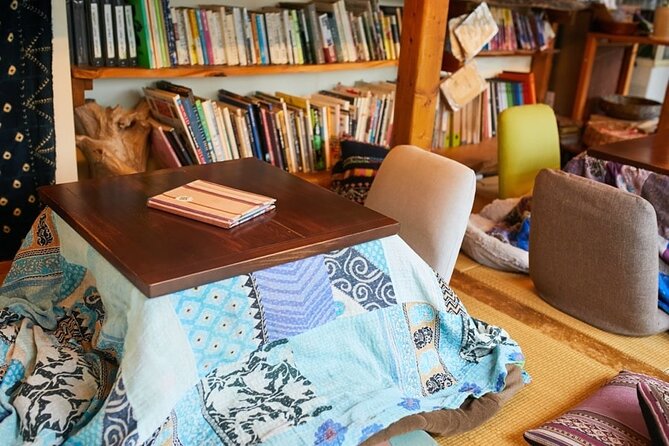
The 1-hour-20-minute length is useful if you want to add a cultural activity without giving up half a day. You could place it between other plans in western Tokyo, though you should allow enough time to find the cafe and arrive without rushing. The exact meeting instructions beyond the address are not provided, so checking your confirmation carefully is sensible.
The maximum group size is five people. This is one of the strongest practical features. A small group can make it easier to see the host’s movements, hear explanations, and take part in the discussion. It also suits an introspective activity better than a large tour bus group.
At the same time, small does not automatically mean private. The information describes a maximum of five, not an exclusive booking for one party. If you need a private ceremony, you should confirm that point before paying.
The short duration also keeps the activity focused. You are unlikely to feel trapped in a long formal ritual, but you may wish for more time if the subject catches your interest. The comment about a rushed feeling is especially relevant here. I would arrive ready to pay attention from the start.
Is $116.35 a fair price?
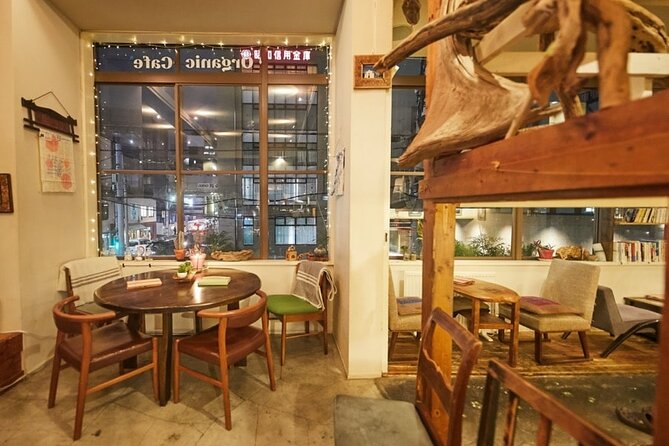
At $116.35 per person, this is not a casual cafe stop. The price pays for a hosted cultural experience with a specialist subject, a very small group, and a guided introduction to a traditional Japanese practice.
I can see the value if you care about personal interpretation and direct conversation with Takao Omori. A small group of up to five can offer a level of attention that a cheaper, larger demonstration cannot. The setting and theme also make it more distinctive than simply ordering matcha at a cafe.
Still, the value is less convincing if you judge the activity mainly by the drink or by the amount of time. The session lasts about 80 minutes, and the available feedback suggests the matcha itself is not exceptional. You are paying for atmosphere, explanation, and participation rather than a substantial serving of food or tea.
I would compare this with your other Tokyo plans. If you already have temple visits, a tea house, and several Japanese food experiences scheduled, this may repeat some themes. If you want one quiet, guided activity that helps you understand the ideas behind chanoyu, the price may feel more reasonable.
Who will enjoy this experience most
I would recommend this ceremony to you if you like cultural activities that leave room for thought. It suits people who enjoy symbolism, seasonal ideas, calm conversation, and learning why ordinary actions can carry meaning.
It may also work well for first-time visitors to Japan who want an introduction without committing to a long formal ceremony. The cafe setting and small group should make the subject approachable. You do not need to arrive as a tea expert.
Couples, solo visitors, and small groups of friends could all fit comfortably within the five-person limit. The activity may be especially appealing if you want something quieter after spending time in crowded shopping areas.
I would be more cautious if you are primarily looking for premium matcha, a highly traditional room, or a detailed hands-on workshop. The available information does not promise a full lesson in tea preparation, a meal, or an elaborate ceremonial venue. The criticism about pace and tea quality means those expectations could lead to disappointment.
Booking, confirmation, and cancellation
Confirmation is sent within 48 hours of booking, subject to availability. That timing matters if you are building a tightly scheduled Tokyo itinerary, so do not assume the reservation is final immediately after payment.
The activity uses a mobile ticket, which is convenient for a day of sightseeing. Keep the ticket accessible on your phone and check the meeting address before setting out.
You can cancel for a full refund if you do so at least 24 hours before the experience starts. Cancellations made less than 24 hours before the start time are not refunded, and changes within that period are not accepted. The cut-off follows Tokyo local time.
My verdict: should you book it?
Book this matcha ceremony if you want a small, reflective introduction to chanoyu and you value the host’s explanations more than the tea’s quality. The tokonoma exercise gives the activity an original angle, and the maximum of five people should keep the experience personal.
Skip it if you want a grand traditional tea house, a long workshop, or exceptional matcha for the money. The 80-minute session may feel quick, and the tea itself may be ordinary.
For the right person, this is a gentle cultural pause in Shimokitazawa. Go for the meaning, the conversation, and the chance to think about how a seasonal object can shape a room. Do not book it expecting a lavish tea tasting.
FAQ
Where does the matcha tea ceremony take place?
It takes place at Cafe Stay Happy, 2-chōme-29-14 Daizawa, Setagaya City, Tokyo 155-0032, Japan.
Where does the activity end?
The activity ends back at the meeting point, Cafe Stay Happy.
How long does the ceremony last?
The experience lasts approximately 1 hour and 20 minutes.
How many people can join?
The activity has a maximum of five participants.
Who leads the ceremony?
Takao Omori facilitates the matcha ceremony and guides the cultural discussion.
What type of tea is served?
The experience focuses on matcha, a powdered Japanese green tea.
Is the meeting point near public transportation?
Yes. The meeting point is described as being near public transportation.
What is included in the experience?
The activity includes a guided matcha tea ceremony at Cafe Stay Happy, an introduction to chanoyu, discussion of the tokonoma, and the opportunity to drink matcha.
When will booking confirmation arrive?
Confirmation is received within 48 hours of booking, subject to availability.
Can I cancel for a full refund?
Yes. You can receive a full refund if you cancel at least 24 hours before the experience start time. Cancellations or changes made less than 24 hours before the start time are not accepted or refunded.
Just added around Tokyo
- Yokohama : Tea Ceremony with Sweets and Souvenir★ 5.0 · 5 reviews
- Walking Tour: Yanaka,Nezu& Sendagi: Tea Ceremony & Old Tokyo★ 5.0 · 3 reviews
- Private Kimono and tea ceremony at local home near Tokyo Disney★ 5.0 · 6 reviews
- Private Mochi・Matcha sweets Making Class Near Shibuya Area★ 5.0 · 22 reviews
- Tokyo Sweets Tour: Hidden Gems & Matcha at an Old Tea House★ 5.0 · 6 reviews
- Kimono and Tea Ceremony in Asakusa Private Food Tour With Guide★ 5.0 · 4 reviews
- 2 Hours Mochi &Nerikiri Making & Matcha Class in Bunkyo★ 5.0 · 21 reviews
- Tokyo Tea Ceremony Class at a Traditional Tea Room★ 5.0 · 2 reviews
Tea Ceremonies in Tokyo, compared.
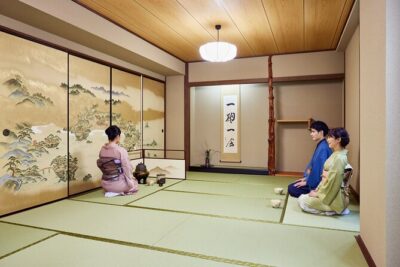
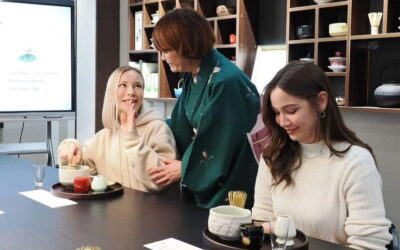
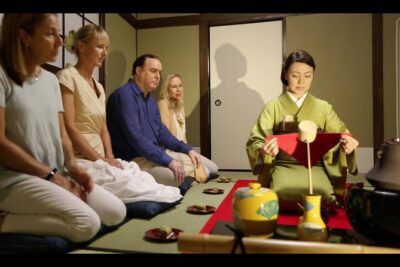
Tea Ceremony Workshop in Tokyo by the Experienced Instrucor
Read our review →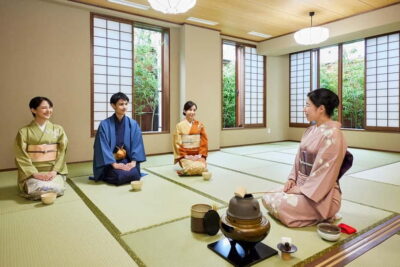
Asakusa: Kimono Tea Ceremony with Matcha and Sweet
Read our review →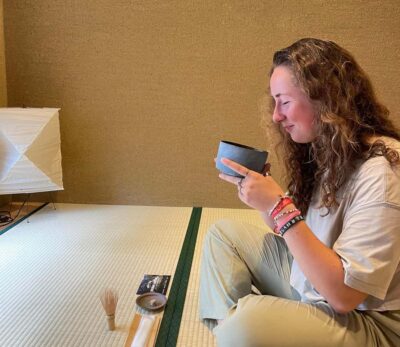
Tea Ceremony Experience in a Private Tea Room in Shibuya
Read our review →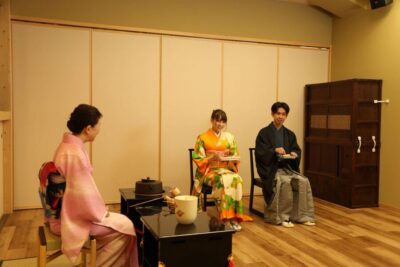
Tea ceremony experience in Japanese-style room 60min
Read our review →Browse the lists this tour appears in