
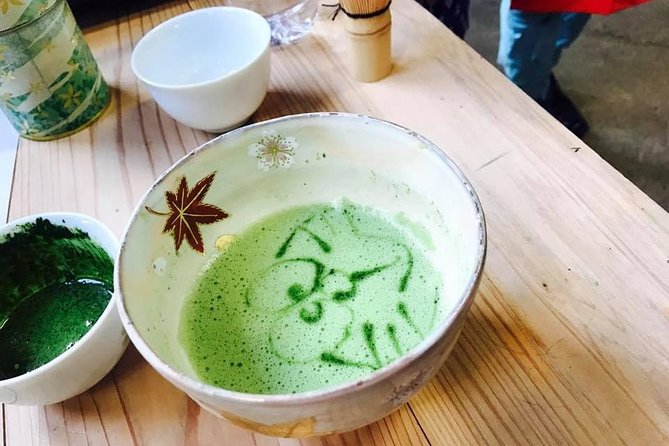
Review · JAPAN
Experience Seasonal Green Tea Picking in Sayama and Nostalgic Walk in Kawagoe!
Tea leaves, old streets, and one easy day. This six-hour outing links Sayama tea picking with Kawagoe’s old-town charm, giving you a taste of rural Saitama and a guided walk through one of Japan’s most atmospheric historic districts. I like the hands-on tea making and the chance to visit Miyanoen plantation, rather than simply looking at tea fields from a bus.
I also like the small-group format and the personal attention shown by guides such as Kaori, Rie, and Yumi. The main drawback is the fixed seasonal schedule, since the experience runs from May to November and depends on good weather. The price is also higher than a simple Kawagoe walking tour, though it covers several useful services.
Key points to know before booking
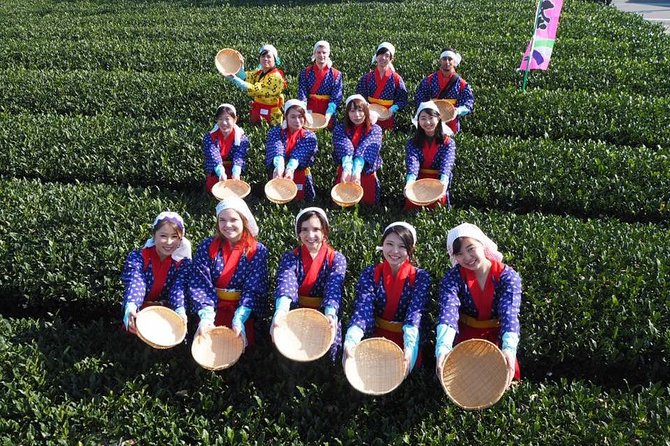
- Pick and prepare tea at Miyanoen: You harvest fresh leaves in Sayama and work with a tea master to make your own tea.
- Ride between the sites: A round-trip mini van links Iriso Station with the Miyano farm, and a one-way train ticket from Iriso to Hon-Kawagoe is included.
- See Kawagoe’s classic sights: The route includes Kitain Temple, Ichibangai Shopping Street, the Warehouse District, and Candy Alley.
- Expect a private group experience: Only your party takes part, which allows the guide to adjust the pace and explain Japanese customs in a personal way.
- Plan around the weather: Poor conditions can lead to a new date or a full refund, and cancellations are free up to 24 hours before departure.
Why this Sayama and Kawagoe pairing works
Many day trips from Tokyo focus on one historic town or one countryside activity. This tour gives you both, without asking you to arrange the connections yourself. You begin at 10:00 am at Iriso Station in Sayama, then visit a tea plantation before moving toward Kawagoe.
That change of setting is the appeal. Sayama gives you an agricultural side of Saitama, while Kawagoe offers old buildings, temple grounds, sweets, and shopping streets. The two experiences feel different, but they fit together well because both introduce parts of everyday Japanese culture that are easy to miss on a standard Tokyo itinerary.
I especially like that the tea activity is not limited to picking leaves. You also learn how tea is prepared with help from a tea master. One family described the experience as a useful way for children to learn about tea production and Kawagoe’s past, while another visitor praised the patient guidance during the tea-making process.
The tour is private, but it is not described as a private car service. You meet at Iriso Station and use the included mini van and train arrangements. Hotel pickup and drop-off are not included, so you need to reach the station on your own.
More Green Tea Tours in Japan
- Experience all of Japanese culture and Japanese food experience classes “origami, udon, Japanese food, green tea, calligraphy” in 4 hours
★ 5.0 · 105 reviews - Uji: Green Tea Tour with Byodoin and Koshoji Temple Visits
★ 4.8 · 72 reviews - Scenic Green Tea Fields of Hidden Kyoto & Local Tea Exp (Private)
★ 5.0 · 32 reviews
Picking leaves at Miyanoen plantation
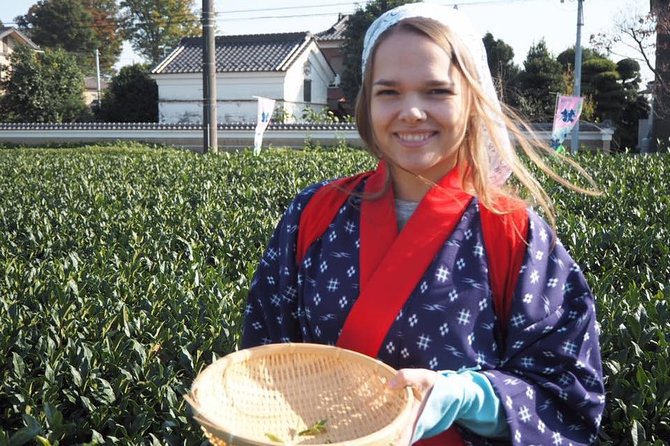
The tea portion takes place at Miyanoen plantation, in the Sayama area known as the birthplace of Sayama tea. Sayama tea is one of Japan’s top three teas and is known for a full, strong flavor. The setting gives the drink more meaning because you see the leaves before they become the tea in your cup.
You can expect to pick fresh green tea leaves as part of the activity. The exact amount of time spent in the fields is not specified, so you should think of this as a cultural workshop with outdoor picking, not a full-day farm labor experience.
The hands-on element is important. You are not only shown a tea field and then hurried away. The tea master helps you make your own tea, and the personal instruction has been one of the most praised parts of the outing. That makes this a good choice if you want a practical activity you can remember after returning home.
A costume is included. The available information does not specify what style of costume you wear or how long you wear it, so you may want to ask the provider if that detail matters to you. Still, its inclusion adds a traditional touch and makes the tea session feel more like a cultural activity than a farm visit.
Guides have also helped make the experience work for families. Yumi prepared material in advance to keep children interested and adjusted the schedule around family suggestions. Rie assisted a group traveling with a six-month-old, and that group found the outing relaxed and accommodating. These details suggest that the private format can be useful if your group has children or needs a gentler pace.
Moving from Iriso Station to Kawagoe
The transportation plan is part of the tour’s value. A round-trip mini van connects Iriso Station with Miyano farm, reducing the need to find a taxi or local bus for the plantation visit. A one-way train ticket from Iriso Station to Hon-Kawagoe Station is also included.
That train ride helps link the two halves of the day. You begin in Sayama for tea, then continue toward Kawagoe for temples and old streets. Since hotel transportation is not included, you should allow enough time to reach Iriso Station before the 10:00 am start.
The tour information lists Iriso Station as the starting point and says the activity ends back at the meeting point. At the same time, the included train ticket is one-way from Iriso to Hon-Kawagoe. Because those details describe different parts of the route, I would confirm the final return arrangement with Trip Designer Inc. before booking, especially if you need to catch a train or have a fixed evening plan.
Kitain Temple and Kawagoe’s old town

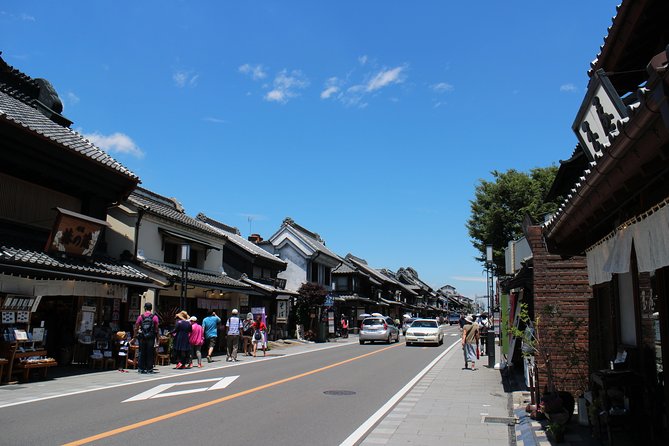
Kawagoe is often called Little Edo because of its preserved Edo-period character. The old town is best known for its traditional warehouse-style buildings, with dark facades, heavy roofs, and storefronts that recall an earlier trading town.
The tour includes Kitain Temple, one of Kawagoe’s key cultural stops. The supplied information does not give a detailed schedule for the temple, so the time available there may depend on the guide and the group’s pace. Still, its inclusion adds a quieter religious setting to a day that also includes shopping streets and candy stalls.
You then explore the Kawagoe Warehouse District and Ichibangai Shopping Street. This is where the town’s historic appearance is easiest to appreciate. The old buildings are not just museum pieces. They now house shops and businesses, so you can see how Kawagoe connects its past with present-day town life.
I like this part of the outing because a guide can explain what you are seeing instead of leaving you to guess at the meaning of every building. Kaori was praised for sharing information about Kawagoe, Japanese culture, and daily life. That kind of explanation can turn a pleasant stroll into a more useful introduction to the area.
Same place, a different pot:
- Kyoto: Tea Ceremony in a Traditional Tea House in Kiyomizu
★ 4.9 · 3,519 reviews - Kyoto: Tea Ceremony Ju-An at Jotokuji Temple
★ 4.9 · 3,207 reviews - Kyoto: 45-Minute Tea Ceremony Lesson Experience
★ 4.3 · 2,378 reviews - World Heritage Kyoto & Nara Uji Authentic Matcha Experience
★ 5.0 · 1,573 reviews
Candy Alley and the pleasures of a slow walk
Kashiya Yokochō, commonly called Candy Alley, is another scheduled stop. The name points to its traditional sweets shops, making it a lighter and more playful part of the Kawagoe visit.
The tour does not specify which shops you visit or whether tastings are included, so plan to treat this as a walking and shopping area rather than a guaranteed food tasting. You may find local sweets and small gifts, but purchases are not listed as part of the tour price.
This section is likely to suit families particularly well. Children have something immediate to look at, while adults can enjoy the older shopfronts and the contrast between the candy stalls and the formal setting of Kitain Temple. The private group structure also means you may have more flexibility than on a large coach tour, though the guide will still need to keep the six-hour schedule on track.
What the $130.06 price really covers
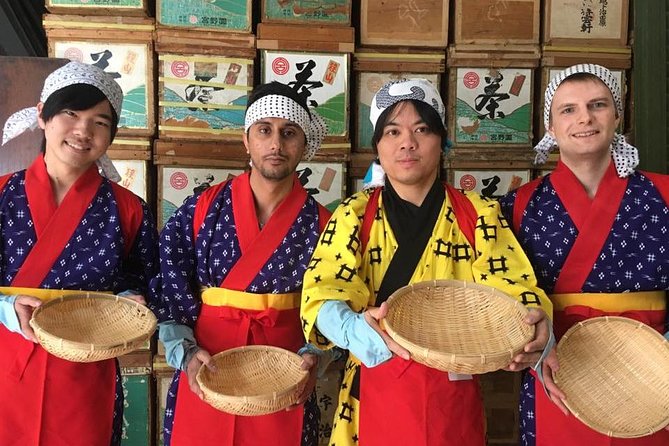
At $130.06 per person, this is not the cheapest way to see Kawagoe. A self-guided Kawagoe visit would cost less, especially if you already know how to reach the town and do not want a tea activity.
The price makes more sense when you count the separate pieces. It includes all fees and taxes, the tea plantation transfer by mini van, a one-way train ticket from Iriso to Hon-Kawagoe, the costume, the tea picking activity, and the guided Kawagoe portion. You are also paying for a private experience rather than joining a large public group.
That private arrangement is where the value rises for families and small groups. Guides have adjusted the schedule for children, answered questions about Japanese life, and helped make the route manageable for a family with a baby. Group discounts are available, which may improve the price for a larger party.
The trade-off is that the price does not include hotel pickup, private transportation by taxi or car, or any purchases you make in Kawagoe. If your main goal is only to see the Warehouse District, you can likely arrange that more cheaply. If you want the tea lesson, countryside transfer, and cultural explanations in one day, the cost is easier to justify.
Who will get the most from this tour
I would recommend this experience to you if you want more than a standard Tokyo sightseeing loop. It suits people interested in Japanese food culture, rural traditions, historic neighborhoods, and guided walks with context.
It is particularly well matched to:
- Families who want an activity that works for children as well as adults
- Couples seeking a quieter day outside central Tokyo
- First-time visitors who prefer a guide to handle the local connections
- Tea lovers who want to learn by picking and preparing leaves
- Small groups that value a private schedule
- Anyone staying in the Tokyo area who has already seen the main city sights
You may want to skip it if you dislike scheduled activities, want a late start, or are only interested in Kawagoe. The 10:00 am meeting time and six-hour duration give you a structured day, not an open-ended wander. The outdoor tea portion also means you need to accept the possibility of weather-related changes.
The activity is available from May through November. Since tea picking is seasonal and the experience requires good weather, the date matters. The provider may offer another date or a full refund if poor weather causes cancellation.
Guide style and the human touch
The guide can make a major difference on a day like this. The available guide feedback points to Kaori, Rie, and Yumi as particularly helpful hosts, each in a slightly different way.
Kaori helped explain Kawagoe, Japanese culture, and daily life while also supporting the tea-making session. Rie made the day easier for a family with a six-month-old and helped keep the walk relaxed. Yumi prepared activities for children and accepted suggestions about changing the schedule.
Those details matter because the tour combines several moving parts: a plantation visit, transportation, a temple, shopping streets, and a candy district. A guide who can read the group and adjust explanations is more useful here than someone who simply recites facts.
The private format also gives you a better chance to ask basic questions without holding up a large group. If you want to know why a tea process works a certain way, how a traditional building is used today, or what a local custom means, this setting should be more comfortable than a crowded bus tour.
Practical planning for the six-hour day
Start by checking your route to Iriso Station in Minamiiriso, Sayama. The meeting time is 10:00 am, and hotel pickup is not offered. A mobile ticket is available, and confirmation is sent within 48 hours of booking, subject to availability.
Wear something that works for outdoor activity and walking. The tour includes tea picking and a historic-town stroll, but the information does not specify footwear requirements or the exact costume arrangement. You should also allow room in your schedule for the train and any slower walking pace within your group.
The activity is private, so only your party participates. That is useful if you have children, an older family member, or a baby. It does not mean every part of the day is completely flexible, so raise special needs with the provider before departure.
Free cancellation is available up to 24 hours before the start time. Changes or cancellations made inside that window are not accepted for a refund. Since the tour is booked about 18 days in advance on average, it is sensible to reserve early if you need a particular date during the May to November season.
Should you book the Sayama tea and Kawagoe tour?
Book this tour if you want a hands-on tea experience paired with a guided introduction to Kawagoe. The tea master, the private group format, and the support offered by guides such as Kaori, Rie, and Yumi give it more personality than a basic sightseeing transfer.
Skip it if you only want a quick look at Kawagoe or prefer to make every decision yourself. At $130.06, the tour earns its price through the tea activity, transport, costume, guide service, and private arrangement. For families and first-time visitors who value ease and explanation, that is a fair exchange. For independent repeat visitors, a self-guided day may be better value.
FAQ
Where does the tour begin?
The tour begins at 10:00 am at Iriso Station, located in Minamiiriso, Sayama, Saitama.
How long does the experience last?
The tour lasts approximately six hours.
What is included in the price?
The price includes all fees and taxes, tea-related activities, a costume, a round-trip mini van between Iriso Station and Miyano farm, and a one-way train ticket from Iriso Station to Hon-Kawagoe Station.
Is hotel pickup included?
No. Hotel pickup and drop-off are not included. You must reach the meeting point at Iriso Station yourself.
Which places in Kawagoe are included?
The route includes Kitain Temple, Kawagoe Ichibangai Shopping Street, the Warehouse District, and Candy Alley, also called Kashiya Yokochō.
Is this a private tour?
Yes. Only your group participates in the activity.
What happens if the weather is poor?
If poor weather causes the experience to be canceled, you will be offered another date or a full refund. You can also cancel for a full refund up to 24 hours before the start time.
More Walking Tours in Japan
- Asakusa Cultural Walk & Matcha Making Tour
★ 5.0 · 245 reviews - Kyoto Tea Ceremony & Kiyomizu-dera Temple Walking Tour
★ 5.0 · 115 reviews - Uji: UNESCO Heritage & Tea Ceremony Walking Tour
★ 4.6 · 54 reviews - The Way of Tea: Kyoto Crafts, Hidden Temples & Wabi-Sabi Walk
★ 5.0 · 41 reviews
Just added around Japan
- Yokohama : Tea Ceremony with Sweets and Souvenir★ 5.0 · 5 reviews
- Walking Tour: Yanaka,Nezu& Sendagi: Tea Ceremony & Old Tokyo★ 5.0 · 3 reviews
- Visit local home for music and tea ceremony near Disney★ 4.9 · 13 reviews
- Trip to Kamakura & Enoshima: Shrines, Seaside, Temples &Tea★ 5.0 · 11 reviews
- Yokohama: Sushi & Gyoza Cooking with Matcha & GreenTea Experience★ 5.0 · 3 reviews
- Kyoto tea town for matcha lovers★ 5.0 · 16 reviews
- Uji: Private immersion into Kyoto’s tea and reglious culture★ 5.0 · 17 reviews
- Uji Tea Ceremony and UNESCO Heritage Walking Tour★ 5.0 · 20 reviews
Green Tea Tours in Japan, compared.
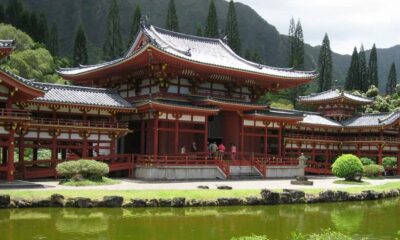
Green Tea Tour with Byodoin and Koshoji Temple Visits
Read our review →
Scenic Green Tea Fields of Hidden Kyoto & Local Tea Exp (Private)
Read our review →
Osaka; Japanese Tea ceremony experience, Macha and Sencha
Read our review →
Slow Cycling Tour at Uji’s Matcha Green Tea Fields and Heritage
Read our review →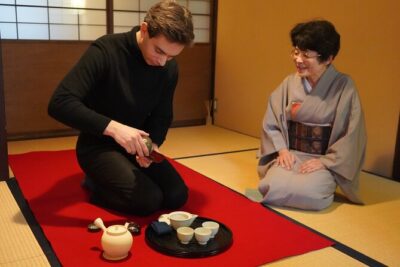
Sencha-do the Japanese Tea Ceremony Workshop in Kyoto
Read our review →Browse the lists this tour appears in