
Review · TOKYO
At an Antique Shop, Tea Ceremony and Japanese Sweets Forming
History comes with your teacup here. This experience pairs a hands-on nerikiri workshop with a traditional tea ceremony inside a 100-year-old roadside antique tableware shop, giving you a setting far more distinctive than a rented apartment room. I like the chance to choose a cup, including pieces that may be several hundred years old, and I like the calm, personal feel created by an artisan host. The main consideration is communication: the host may not speak English fluently, so you should arrive ready to watch closely, ask questions simply, and enjoy a slower pace.
The activity costs $57 per person and takes place about 10 minutes from Nippori Station. It is designed for participants aged 13 and older, but it is not suitable for wheelchair users, people with vertigo or epilepsy, or anyone who is unwell. The chair-based tea room also makes the ceremony easier for many people than a floor-seated format, though bare feet are not allowed.
What makes this experience special
- A century-old antique shop: Look around the tableware before the activity begins, in a shop that has also attracted CNN for its unusual setting.
- Choose your own teacup: Some cups are several hundred years old, adding a real connection to Japanese craft and daily life.
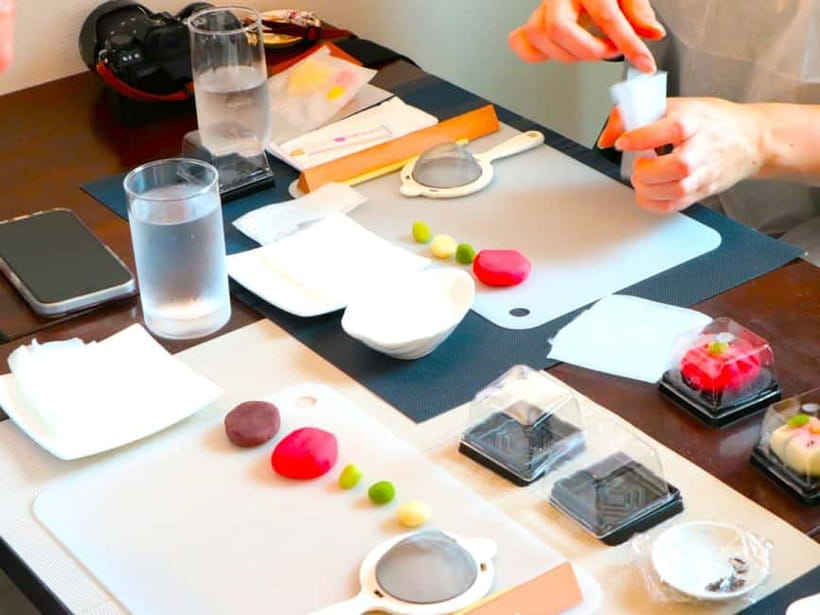
- Make seasonal nerikiri: Shape colored mochi-based dough by hand into a design based on the day’s theme.
- A chair-seated tea ceremony: Enjoy your sweet and freshly prepared matcha in a dedicated room without sitting directly on the floor.
- A calm, question-friendly atmosphere: The host welcomes questions, even when language makes conversation slower.
- Good value for culture lovers: The $57 fee covers the activity, space, tools, ingredients, matcha, sweets, and tax.
Entering the 100-year-old roadside shop
The experience begins at an antique tableware shop roughly 10 minutes from Nippori Station. Exact location details are provided after booking, so you should allow time to find the meeting point and avoid arriving at the last minute.
The shop is not just a convenient room for an activity. It is the main character. You get time to look at antique dishes and tableware before sitting down, and that first look helps explain why the tea ceremony feels connected to Japanese life rather than presented as a staged performance.
Some pieces are several hundred years old. You can choose the cup used during your tea service, which gives you a small but meaningful decision at the start. A teacup is no longer just a prop. You can examine its shape, decoration, and age, then use it while learning how matcha is served.
If you love antiques, the shop may tempt you to buy a piece of tableware. Purchases are not included in the $57 price, so think of the shopping time as an optional extra rather than part of the paid program. The ability to browse before the activity also gives you something to do while settling in, without padding the schedule with a separate tourist stop.
More Tea and Sweets Making in Tokyo
- Matcha Making Class in Tokyo with Authentic Japanese Sweets Set
★ 5.0 · 744 reviews - Tokyo: Matcha Making Experience with Mochi Sweets in Asakusa
★ 4.9 · 388 reviews - Make Traditional Nerikiri Sweets & Matcha experience in Shibuya
★ 5.0 · 130 reviews
Shaping colorful nerikiri by hand
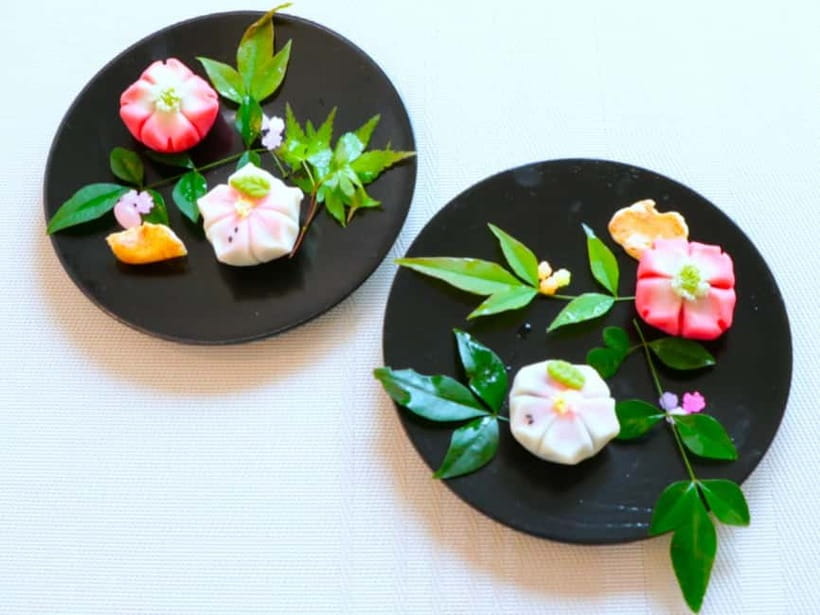
After you have looked around, the focus shifts to wagashi, the broad Japanese term for traditional sweets. The sweet used here is nerikiri, a soft confection made with mochi flour and formed into seasonal designs.
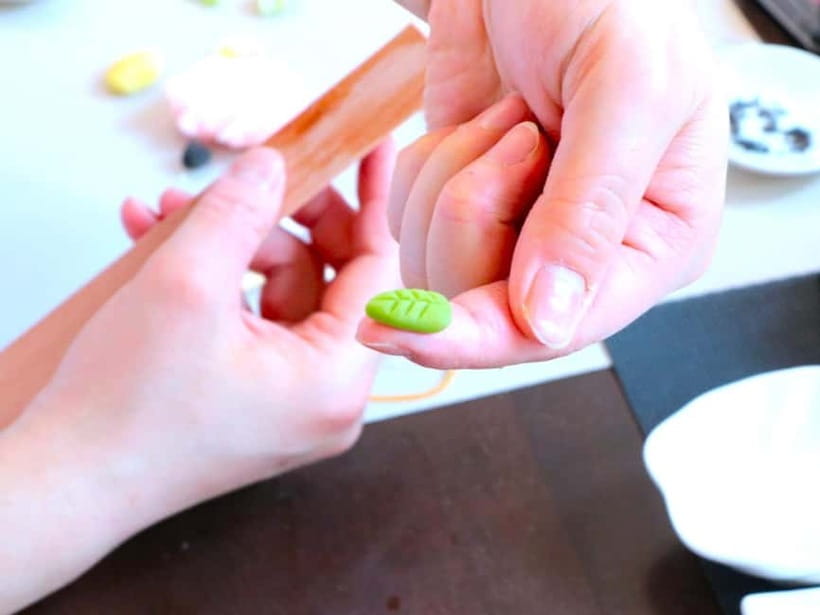
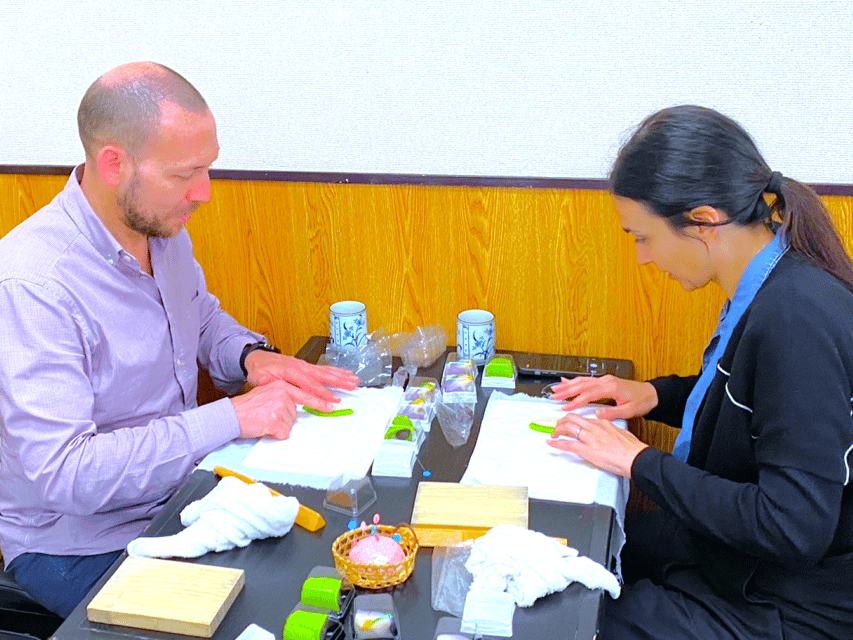
The activity is compared to working with colorful clay, and that is useful preparation. You do not need advanced cooking skills or a background in Japanese confectionery. Instead, you work with colored materials, shape them by hand, and use small tools to add lines and details.
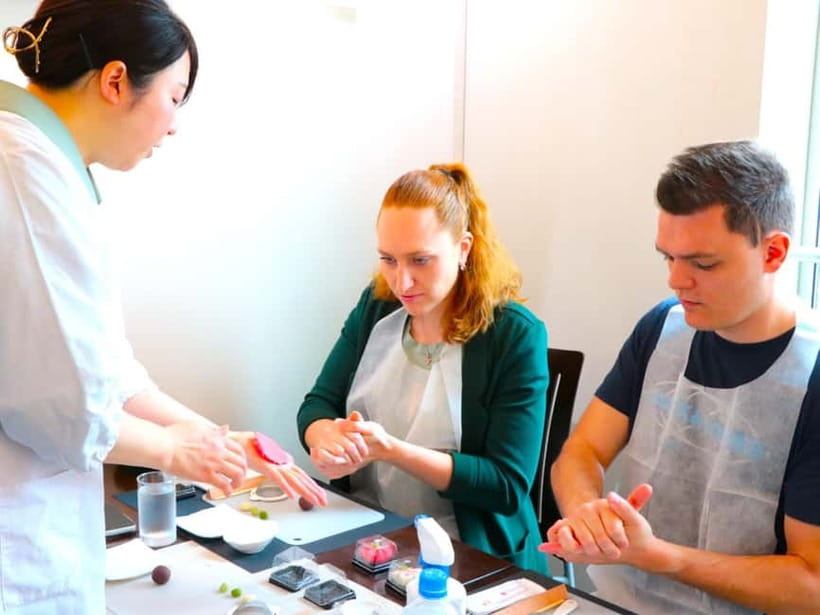
The host guides you through the process carefully. You might begin with simple forms, then combine colors and refine the shape until it resembles the day’s chosen seasonal design. The appeal is not only the final sweet. It is the quiet concentration involved in turning a few colored pieces into something delicate.
I would not book this expecting a professional pastry lesson. The supplied information does not promise recipes, advanced techniques, or a long cooking session. It is a creative cultural activity, closer to guided handwork than a full kitchen class.
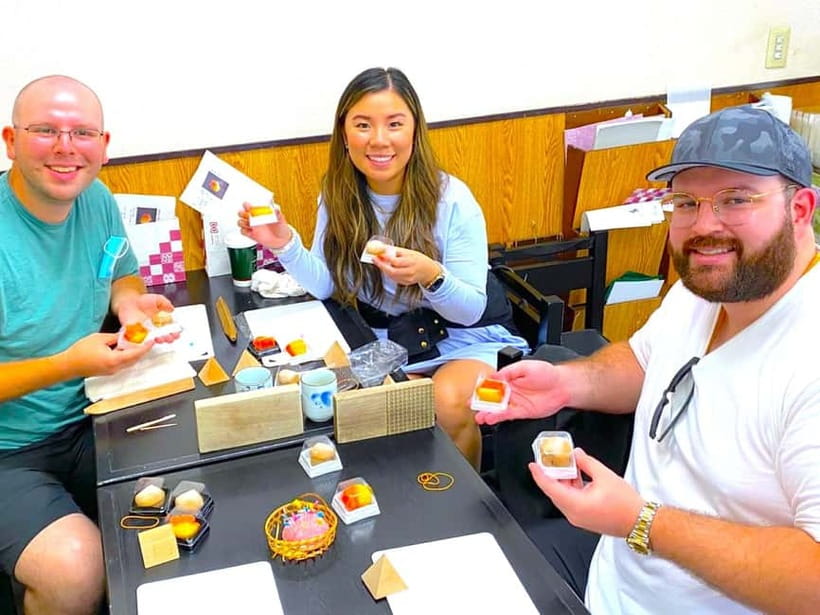
That makes it a strong choice if you want to do something with your hands in Tokyo. You are not only watching a demonstration. You make the confection that you later eat with matcha, so the two halves of the program connect naturally.
The details may require patience. The host is described as a Japanese artisan rather than a commercial-style presenter, and English is not his strongest language. That can mean instructions rely on demonstration, gestures, and repeated steps. For many people, that is part of the charm, but it is worth knowing before you book.
Using tools to show seasonal Japanese beauty
Nerikiri is valued for its appearance as much as its taste. The shaping process asks you to pay attention to color, balance, and fine lines. Small tools help create the surface details that suggest the seasonal theme.
You should expect the finished sweet to look more refined than your first attempt. The host’s careful guidance matters here, especially when adding narrow lines or adjusting the form. The activity is described as easy and fun, but it still rewards a gentle touch. Press too hard and the design can lose its shape.
This is also a good introduction to the Japanese idea that food can reflect the season. The design changes with the day’s theme, so the sweet is not treated as a plain dessert. Its form carries part of the experience.
The strongest praise for this part of the program centers on how enjoyable and accessible it feels. One participant described the activity as excellent and especially appreciated the instructor’s friendly manner despite the language difference. Another found making the sweets particularly enjoyable. That tells you where the activity’s success lies: not in a flashy production, but in patient instruction and the pleasure of making something yourself.
Choosing a cup before drinking real matcha
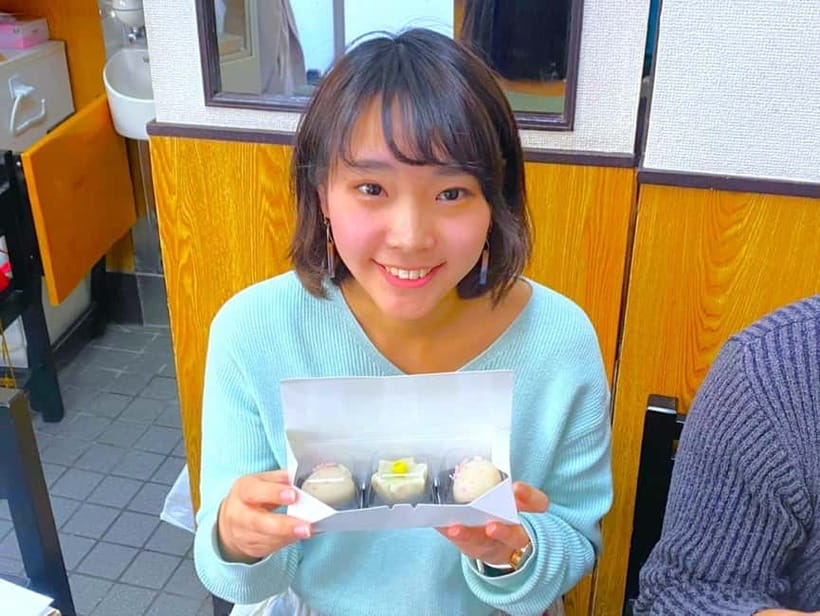
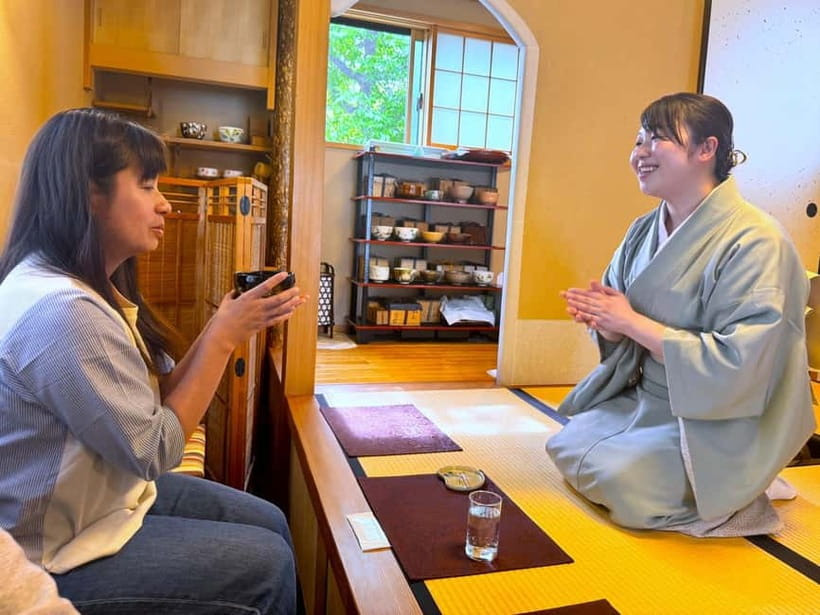
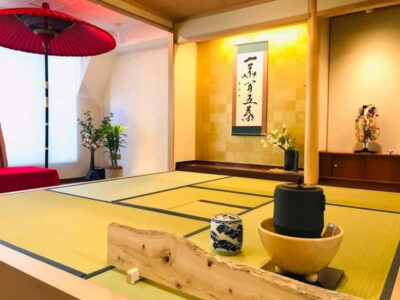
Once the sweet is formed, you move to a dedicated tea room. The room is arranged for a chair-seated ceremony, so you do not need to sit directly on the floor. That is a practical detail, especially for anyone who finds kneeling or sitting cross-legged uncomfortable.
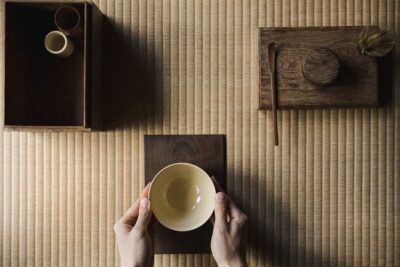
The host serves your confection first, followed by real matcha. The description specifically distinguishes the tea from a sweetened drink, so expect the characteristic bitter, grassy taste of powdered green tea rather than a sugary café beverage.
The order matters. You taste the sweet before the matcha, then notice how the confection changes the tea’s sharpness. Your own nerikiri becomes part of the ceremony, and the cup you selected gives the moment a personal link to the antique shop.
This is also the point where you can ask questions. The host welcomes questions of all kinds and treats conversation as an important part of the ceremony. You can ask about the cup, the tea, the sweet, or the steps you have just watched. Simple questions may work best if English is limited, and visual demonstrations can often communicate what words cannot.
Do not expect a polished stage show with constant commentary. The atmosphere is more relaxed and artisan-led. Some people will appreciate that quiet pace. If you want a highly scripted presentation in perfect English, this may feel less smooth than a larger commercial class.
More Tea Ceremonies in Tokyo
- Kimono Tea Ceremony at Tokyo, Asakusa Maikoya
★ 5.0 · 638 reviews - Tokyo: Traditional Tea Ceremony with a Tea Master
★ 5.0 · 528 reviews - Tea Ceremony Workshop in Tokyo by the Experienced Instrucor
★ 5.0 · 189 reviews - Asakusa: Kimono Tea Ceremony with Matcha and Sweet
★ 4.9 · 153 reviews
Why the CNN connection matters, and what it does not mean
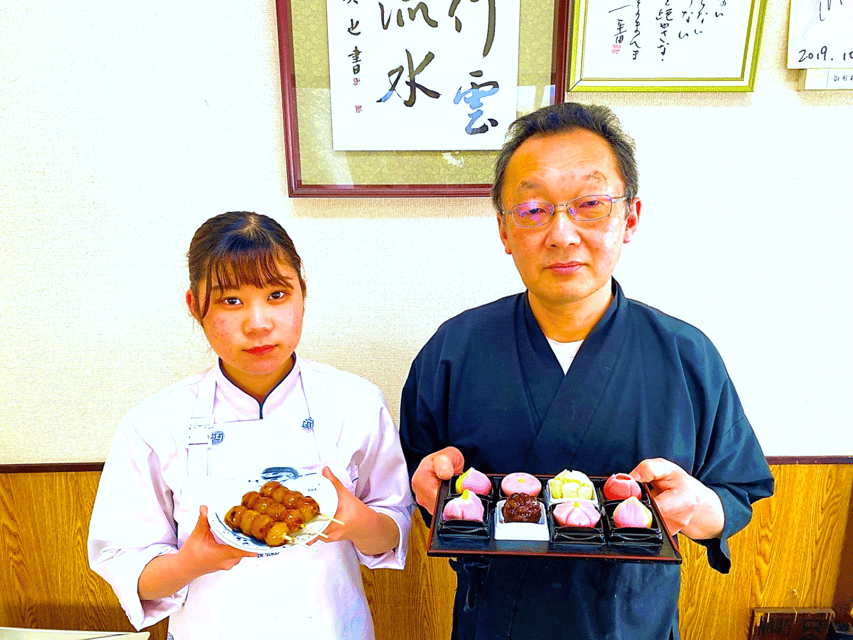
The antique shop has been interviewed by CNN, partly because the setting offers something different from the usual apartment-based tea ceremony or sweets class. That media attention helps confirm that the venue is unusual, but it should not be the reason you book.
The real value is the combination of place, object, craft, and taste. CNN coverage does not make the tea better, and it does not guarantee a grand museum setting. You are visiting a working roadside shop with an old history, not entering a formal palace or a major cultural attraction.
For me, the most useful takeaway is that the experience gives context. You can look at old tableware, handle a selected cup during the ceremony, make a traditional sweet, and drink matcha in a room designed for the activity. Each part supports the next.
Is the $57 price fair?
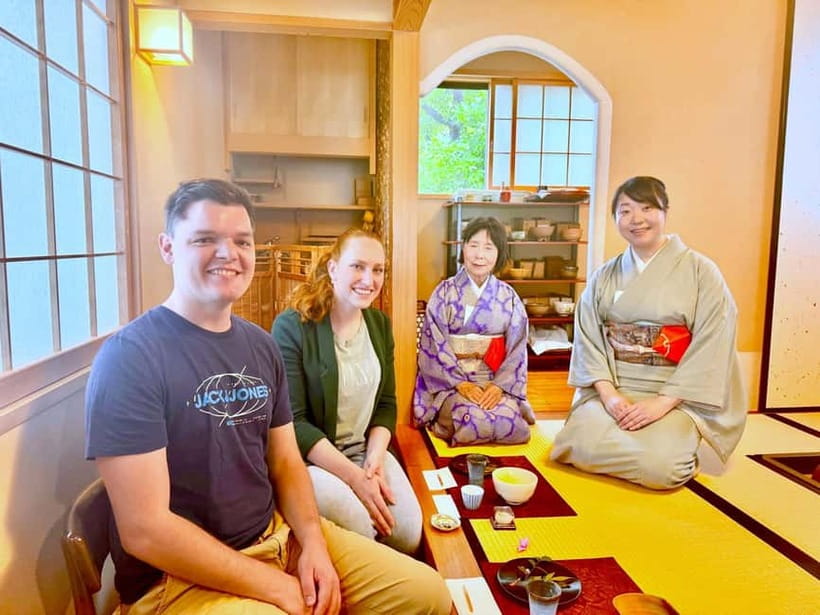
At $57 per person, the price is reasonable for a small, specialized cultural activity, provided you value the setting as much as the food. Your fee covers the experience, facility, tools, nerikiri ingredients, matcha, and consumption tax. You are not paying separately for the room or equipment.
The price also includes more than a simple cup of tea. You spend time examining antique tableware, making a sweet, taking part in a ceremony, and asking questions. The antique shop setting gives the program an identity that a standard classroom may not have.
Still, value depends on your interests. If you mainly want to drink matcha at the lowest possible cost, a tea shop will be cheaper. If you want a long cooking class with a large amount of food, this is not the right comparison. The $57 makes the most sense for you if you want a guided cultural activity with a handmade result and a historic setting.
Antique lovers should also remember that purchases are optional and extra. The activity price does not include tableware you may decide to take home.
Who will enjoy this most?
I would recommend this program to adults, older teenagers, couples, solo visitors, and anyone who prefers cultural activities over crowded sightseeing. It suits you especially well if you enjoy crafts, Japanese food traditions, antique objects, or calm conversation.
The minimum age is 13. Anyone under 18 must be accompanied by an adult, so teenagers cannot attend alone.
It is less suitable for very young children, people who dislike detailed handwork, or those who need fully fluent English instruction. It is also not suitable for wheelchair users, people with vertigo or epilepsy, or anyone with a cold or other illness.
Strollers and baby carriages are not allowed. Smoking, alcohol, drugs, intoxication, chewing gum, and bare feet are also prohibited. These rules may feel strict, but they make sense in a small shop containing valuable antique tableware and delicate materials.
Practical timing and arrival advice
The program ends at the same place where it begins. No transportation is provided as part of the experience, but the shop is about 10 minutes from Nippori Station.
Arrive early enough to locate the venue and settle in. The activity ends at its scheduled time even if you arrive late, and there is no indication that late arrivals receive a refund. That is especially important here because the steps build on one another. Missing the introduction or sweets demonstration could leave you trying to catch up.
Wear normal footwear and avoid arriving under the influence of alcohol. Anyone who is unwell or intoxicated will not be admitted and will not receive a refund.
The program is offered in English, but the artisan host may speak it only to a limited level. You can help the experience along by watching demonstrations closely, asking short questions, and allowing pauses. If you treat the language difference as a reason to slow down rather than a problem to overcome, you are more likely to enjoy the visit.
Cancellations made at least seven days in advance qualify for a full refund. That deadline matters, since illness on the day does not guarantee a refund.
Should you book this Tokyo tea ceremony?
Book it if you want a personal Japanese cultural activity, not just a quick tea tasting. The antique shop, choice of historic teacup, hands-on nerikiri forming, and chair-seated matcha ceremony make this a well-rounded $57 experience.
I would skip it if you need wheelchair access, dislike craft activities, require polished English narration, or want a large, highly choreographed show. For everyone else, especially antique fans and curious older teenagers, it offers a thoughtful way to spend time in Tokyo.
The best reason to reserve is simple: you leave having made something, tasted something, and learned how the objects around tea matter. That is a lot more memorable than buying a souvenir cup without knowing how it is used.
FAQ
Where does the tea ceremony and nerikiri activity take place?
It takes place in a 100-year-old roadside antique tableware shop in Tokyo, about 10 minutes from Nippori Station. Detailed location information is provided after booking.
How much does the experience cost?
The price is $57 per person. It includes the experience fee, facility use, tools, matcha, wagashi ingredients, and consumption tax.
What is nerikiri?
Nerikiri is a Japanese wagashi sweet made with mochi flour. In this activity, you shape colored materials by hand into a seasonal design.
Can I choose the teacup used during the ceremony?
Yes. You can choose the teacup you use, and some of the available cups are several hundred years old.
Is the tea ceremony seated on the floor?
No. The dedicated tea room is arranged so the ceremony can be experienced while sitting in a chair.
What is the minimum age?
Participants must be at least 13 years old. Anyone under 18 must attend with an adult.
Is the activity available in English?
Yes, English is offered. The host is a Japanese artisan who may not speak English fluently, so demonstrations, simple questions, and careful observation are important.
Just added around Tokyo
- Yokohama : Tea Ceremony with Sweets and Souvenir★ 5.0 · 5 reviews
- Walking Tour: Yanaka,Nezu& Sendagi: Tea Ceremony & Old Tokyo★ 5.0 · 3 reviews
- Private Kimono and tea ceremony at local home near Tokyo Disney★ 5.0 · 6 reviews
- Private Mochi・Matcha sweets Making Class Near Shibuya Area★ 5.0 · 22 reviews
- Tokyo Sweets Tour: Hidden Gems & Matcha at an Old Tea House★ 5.0 · 6 reviews
- Kimono and Tea Ceremony in Asakusa Private Food Tour With Guide★ 5.0 · 4 reviews
- 2 Hours Mochi &Nerikiri Making & Matcha Class in Bunkyo★ 5.0 · 21 reviews
- Tokyo Tea Ceremony Class at a Traditional Tea Room★ 5.0 · 2 reviews
Tea Ceremonies in Tokyo, compared.
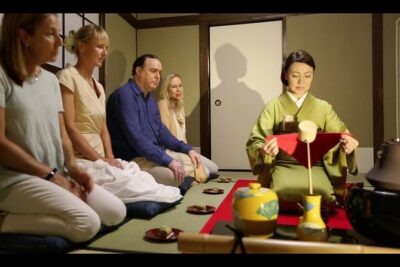
Tea Ceremony Workshop in Tokyo by the Experienced Instrucor
Read our review →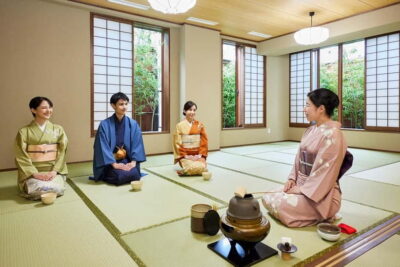
Asakusa: Kimono Tea Ceremony with Matcha and Sweet
Read our review →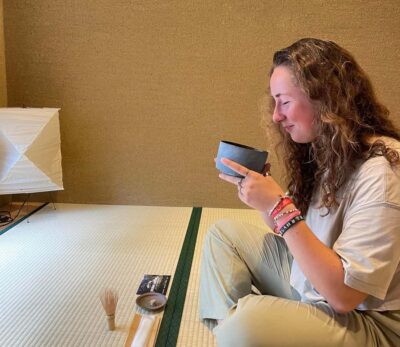
Tea Ceremony Experience in a Private Tea Room in Shibuya
Read our review →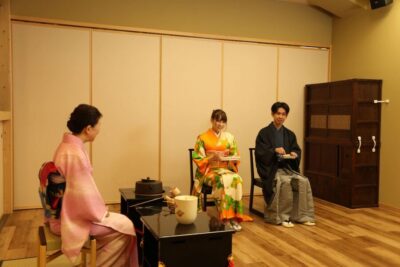
Tea ceremony experience in Japanese-style room 60min
Read our review →Browse the lists this tour appears in