
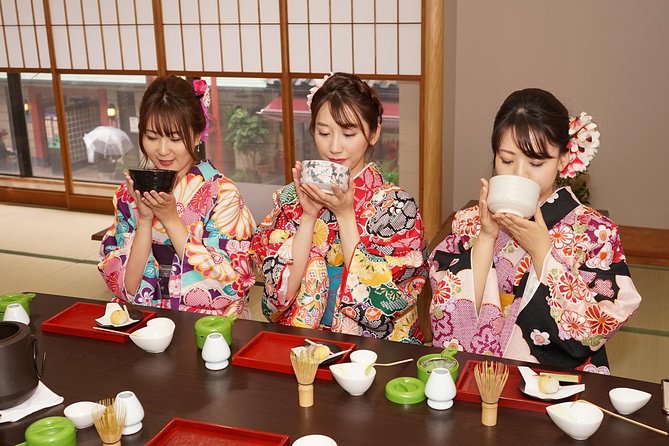
Review · TOKYO
No Bitter Matcha! Casual Tea Ceremony Experience with the Finest Tea Leaves
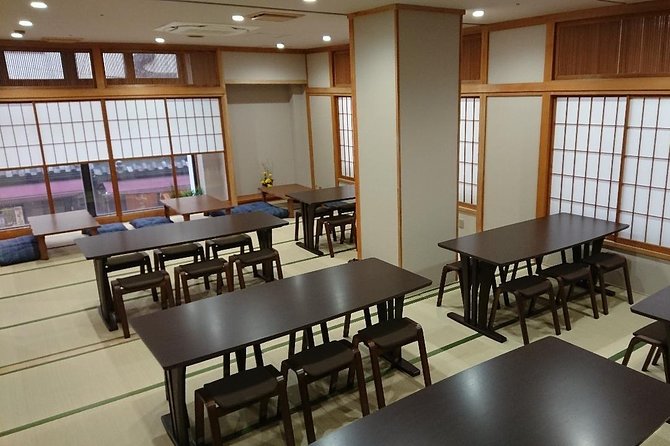
Matcha gets a fair hearing here. In a relaxed 50-minute session near Asakusa’s Sensoji Temple, you grind first-harvest Uji tea leaves on a real stone mill, whisk your own matcha, and pair it with a fine Japanese sweet. I like the focus on ichibancha, the young first-picked leaves prized for their mild flavor. I also like the simple setting inside a matcha sweets shop, which makes this easy to fit between Asakusa sights.
The main thing to consider is the English guidance. The menu and written explanations are available in English, but the activity does not promise a live English-speaking guide. The experience is also non-refundable, so you will want to be sure of your plans before booking.
Key Points at a Glance
- First-picked Uji leaves: The matcha comes from ichibancha harvested in Uji, Kyoto, rather than ordinary bitter tea leaves.
- Stone-mill preparation: You begin by grinding tea leaves into powder with a real stone mill used at the shop.
- A gentler matcha introduction: The tea is chosen for its fresh fragrance and mellow taste, making it a good first matcha experience.
- Traditional sweet pairing: Freshly made matcha is served with jo-namagashi, a high-quality Japanese confection.
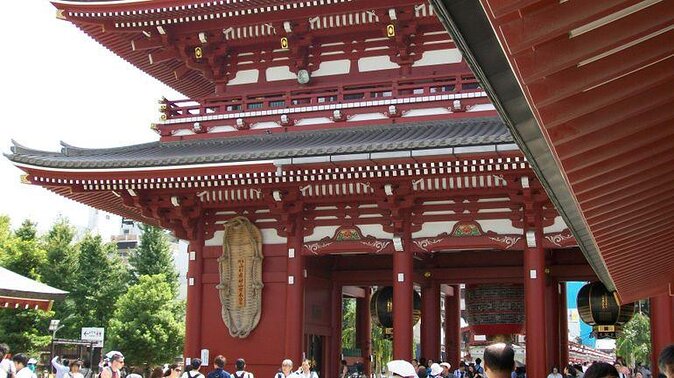
- Easy Asakusa location: The shop is near Sensoji Temple and Asakusa Shrine, with public transportation nearby.
- Short and practical: The session lasts about 50 minutes, costs $23.91 per person, and ends where it begins.
Why This Asakusa Matcha Experience Works
I like this activity because it does not treat matcha as a complicated ceremony that requires formal clothing or hours of study. You step into a specialty shop, learn a little about tea, prepare it yourself, and enjoy it with a Japanese sweet.
That casual format matters in Tokyo. Asakusa offers plenty to see, from Sensoji Temple to Asakusa Shrine, but a morning or afternoon of sightseeing can become noisy and tiring. This short stop gives you a quiet change of pace without taking half a day from your schedule.
The experience also deals with a common problem: many people first encounter matcha as a very bitter green drink. Here, the emphasis is on a higher grade made from ichibancha, the first tea leaves picked in the year. These leaves are harvested in limited amounts from older tea trees and are valued for their young-leaf fragrance and softer flavor.
That does not mean the tea will taste like sweet milk tea. Matcha still has a distinct green, earthy character, and the flavor will depend on your own palate. The point is to show you that matcha has several quality levels and that good tea can be mellow rather than harsh.
More Matcha Experiences in Tokyo
- Matcha Making Class in Tokyo with Authentic Japanese Sweets Set
★ 5.0 · 744 reviews - Tokyo: Matcha Making Experience with Mochi Sweets in Asakusa
★ 4.9 · 388 reviews - Asakusa Cultural Walk & Matcha Making Tour
★ 5.0 · 245 reviews
Starting with Uji Tea and Its First Harvest
The activity focuses on tea from Uji, Kyoto, one of Japan’s best-known tea-growing areas. You learn that matcha quality is not simply a matter of color or presentation. The leaves, harvest timing, cultivation, and processing all shape the final cup.
The first harvest of the year is called ichibancha. Because only a limited amount can be collected, it is treated as a high-quality product. The young leaves carry a fresh scent and tend to have less bitterness than more ordinary leaves used for regular matcha.
I find this background useful because it gives you a way to understand the price and taste. You are not just being handed a green drink and told it is special. You get a basic explanation of why one matcha may taste sharper and another may taste smoother.
The activity also explains that matcha contains antioxidants, caffeine, vitamins, and minerals. You do not need to treat the session as a health lesson, but this context helps explain why matcha is used in both drinks and Japanese sweets.
Grinding the Leaves on a Real Stone Mill
The hands-on work starts before the whisking. You grind tea leaves into powder with a real stone mill used in the shop.
This is a small but important detail. Matcha is not simply loose-leaf tea brewed in hot water. The whole leaf is ground into a fine powder, and you drink that powder rather than filtering it out. Using the stone mill gives you a direct look at the step that turns tea leaves into matcha.
The process also slows the experience down. You are not rushing through a tasting flight or watching someone else prepare the drink behind a counter. The physical act of grinding helps you understand how much work sits behind a small bowl of matcha.
Do not expect a full tea-production class. The activity lasts about 50 minutes, so the explanation is designed as an introduction rather than a technical course. Still, the mill makes the preparation feel more substantial than a standard café visit.
Preparing Matcha and Tasting the Difference
After the tea leaves are ground, you prepare the matcha with the supplied tea utensils. The goal is not simply to watch a tea master perform a formal ceremony. You take part in making the drink yourself.
That makes this a good choice if you want an activity with a clear result. You learn about the leaves, grind them, prepare the tea, and then taste what you have made. The final cup connects the information to something you can actually judge with your own senses.
The tea is described as ceremonial grade, with an unforgettable flavor and a bright appearance. I would treat that description as a guide rather than a promise that every palate will respond in the same way. Matcha has a strong identity, even at its finest, and some people may still notice bitterness or a grassy taste.
The useful part is the comparison between expectations and reality. If you have only tried inexpensive matcha in a sweet drink, this session gives you a chance to taste a higher-quality version on its own. If you already enjoy matcha, you may appreciate the chance to prepare Uji tea from freshly ground leaves.
More Tea Ceremonies in Tokyo
- Kimono Tea Ceremony at Tokyo, Asakusa Maikoya
★ 5.0 · 638 reviews - Tokyo: Traditional Tea Ceremony with a Tea Master
★ 5.0 · 528 reviews - Tea Ceremony Workshop in Tokyo by the Experienced Instrucor
★ 5.0 · 189 reviews - Asakusa: Kimono Tea Ceremony with Matcha and Sweet
★ 4.9 · 153 reviews
Jo-Namagashi: Why the Sweet Matters
The matcha is served with jo-namagashi, a high-quality Japanese confection. This is not an extra snack added without thought. Japanese sweets are often paired with tea to balance its taste, and the sweet gives your palate a different way to read the matcha.
A fine confection can soften the tea’s sharper notes and bring out its fragrance. You do not need to know the formal rules of tea service to appreciate the pairing. Taste the sweet and matcha separately, then try them together. The contrast is part of the lesson.
The sweet also gives the session a distinctly Japanese character. You are not simply sampling a fashionable beverage. You are seeing how tea fits into a broader food tradition, where flavor, texture, and presentation work together.
The exact confection is not specified in the available details, so you should not book this expecting a particular shape or flavor. What is clear is that a jo-namagashi is included, along with your matcha and the tea utensils.
A Calm Break Near Sensoji Temple
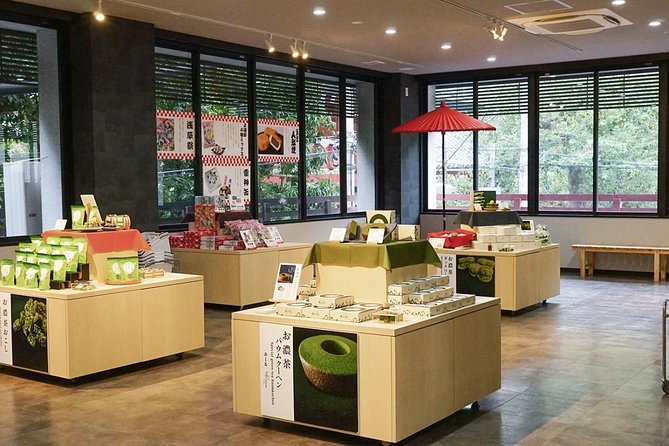
The meeting point is Matcha Sweets Kaminari at 2-chome 7-3 Asakusa, Taito City. The shop is near Sensoji Temple and Asakusa Shrine, two of the area’s major sights.
This location is one of the strongest practical reasons to book. You can place the activity into an Asakusa visit instead of making a separate trip across Tokyo. Public transportation is nearby, and the activity ends back at the starting point, which keeps the schedule simple.
A good plan is to use the session as a pause during your time in Asakusa. You might visit the temple area before or after the tea activity, but leave enough time to find the shop without hurrying. The experience itself is only about 50 minutes, yet nearby sights can easily tempt you into a longer visit.
The shop has free Wi-Fi and a Western-style toilet. Those are minor details, but they are useful when you are spending a full day out in Tokyo. The activity is also suitable for a quick stop between other plans because transportation and personal expenses outside the activity are not included, but the session itself is compact.
How Much Value Do You Get for $23.91?
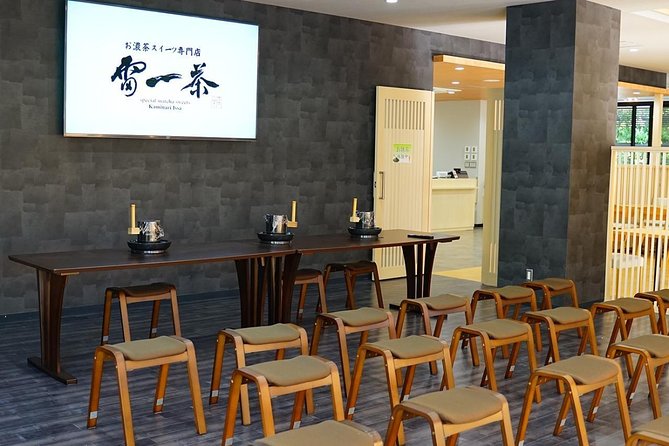
At $23.91 per person, this is priced more like a guided tasting and hands-on workshop than a simple bowl of matcha. The value comes from the combination of premium Uji tea, the stone-mill activity, preparation with tea utensils, an included Japanese sweet, and an explanation of how the tea is grown and processed.
I think the price is fair if you want context and participation. A regular café purchase would be cheaper, but it would not show you how the leaves become powder or explain why first-harvest tea tastes different.
The value is less clear if you only want a quick drink. You are paying for the activity, not just the beverage. Someone who dislikes tea demonstrations or prefers to move quickly through Asakusa may find the session less useful.
The maximum group size is 40 people. That is worth noting. A group of that size can feel less personal than a private lesson, and the experience may not offer much one-to-one attention. On the other hand, the casual format means you do not need the privacy or ceremony of a formal tea-school visit.
English, Timing, and What to Expect
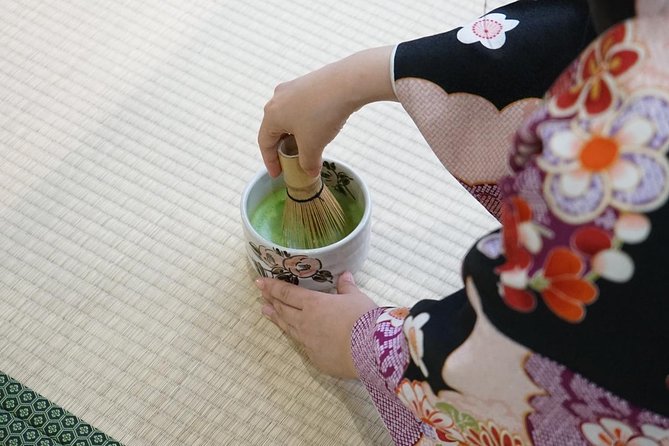
The written information and menu are available in English. Live English guidance is not included as a stated feature, so you should be comfortable following written explanations and watching the preparation.
Two strong points from the experience are the explanation of tea from cultivation through harvesting and production, and the chance to taste the finished matcha. If you want detailed answers about Japanese tea farming, it may help to prepare a few simple questions in advance, but the supplied details do not promise a full bilingual lecture.
The session lasts approximately 50 minutes. That is long enough to cover the basic story of the tea and complete the preparation, but short enough to fit into a day of sightseeing.
The activity is confirmed within 48 hours of booking, subject to availability. Since the cancellation policy allows no refund or changes for any reason, check your Tokyo schedule carefully before paying. The experience accepts mobile tickets, which is convenient when you are already using your phone for transport and sightseeing plans.
Who Will Enjoy This Most
I would recommend this for several kinds of visitors:
- You are trying matcha for the first time and want to understand why some versions are bitter while others are smoother.
- You enjoy food activities that explain production rather than only serving a finished dish.
- You are staying near Asakusa and want a short cultural activity close to Sensoji Temple.
- You like Japanese sweets and want to learn why they are paired with tea.
- You prefer a casual introduction instead of a strict, formal tea ceremony.
- You want a small hands-on activity for a Tokyo itinerary that already includes major sights.
It may be less suitable if you need detailed spoken English instruction, want a private group, or are looking for a longer traditional ceremony with kimono and formal etiquette. Kimono rental is not included, and the activity does not present itself as a full formal tea-school lesson.
Practical Verdict: Book It or Skip It?
Book this experience if you want a friendly introduction to high-quality matcha, especially if the word bitter has kept you away from Japanese tea. The stone mill and first-harvest Uji leaves give the session more substance than a simple tasting, while the jo-namagashi makes the final cup easier to appreciate.
I would also choose it for a flexible Asakusa day. The short duration, nearby public transportation, mobile ticket, and location close to Sensoji Temple make it easy to fit into your plans.
Skip it if you want a fully guided English presentation or a formal ceremony with extensive etiquette. With a maximum of 40 people and written English support, the experience is best understood as a casual, educational tasting workshop.
For the price, it offers a clear lesson, a hands-on task, quality tea, and a traditional sweet in one compact stop. Just book only when your schedule is firm, since cancellations and changes are not refundable.
FAQ
Where does the matcha experience take place?
It takes place at Matcha Sweets Kaminari, located at 2-chome 7-3 Asakusa, Taito City, Tokyo 111-0032, Japan.
How long does the activity last?
The experience lasts approximately 50 minutes.
What kind of tea is used?
The activity uses ichibancha, the first-picked tea leaves of the year, from Uji in Kyoto.
Do I make the matcha myself?
Yes. You begin by grinding tea leaves into powder with a real stone mill and then prepare the matcha using a set of tea utensils.
Is Japanese confectionery included?
Yes. Jo-namagashi, a high-quality Japanese confection, is included with the matcha.
Is the experience available in English?
English menus and written explanations are available. Live English guidance is not listed as included.
Can I cancel or change my booking?
No. The experience is non-refundable and cannot be changed for any reason.
Just added around Tokyo
- Yokohama : Tea Ceremony with Sweets and Souvenir★ 5.0 · 5 reviews
- Walking Tour: Yanaka,Nezu& Sendagi: Tea Ceremony & Old Tokyo★ 5.0 · 3 reviews
- Private Kimono and tea ceremony at local home near Tokyo Disney★ 5.0 · 6 reviews
- Private Mochi・Matcha sweets Making Class Near Shibuya Area★ 5.0 · 22 reviews
- 2 Hours Mochi &Nerikiri Making & Matcha Class in Bunkyo★ 5.0 · 21 reviews
- Tokyo Sweets Tour: Hidden Gems & Matcha at an Old Tea House★ 5.0 · 6 reviews
- Kimono and Tea Ceremony in Asakusa Private Food Tour With Guide★ 5.0 · 4 reviews
- Tokyo Tea Ceremony Class at a Traditional Tea Room★ 5.0 · 2 reviews
Tea Ceremonies in Tokyo, compared.
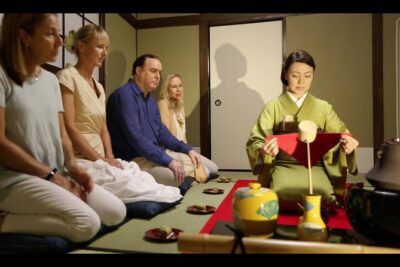
Tea Ceremony Workshop in Tokyo by the Experienced Instrucor
Read our review →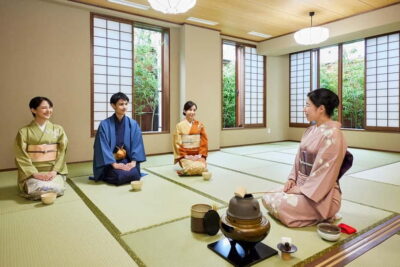
Asakusa: Kimono Tea Ceremony with Matcha and Sweet
Read our review →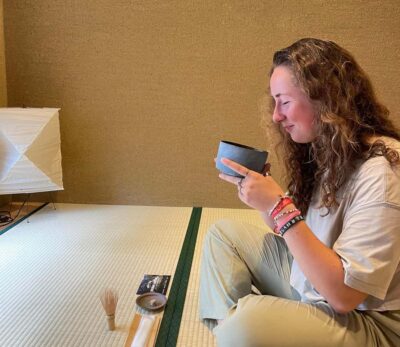
Tea Ceremony Experience in a Private Tea Room in Shibuya
Read our review →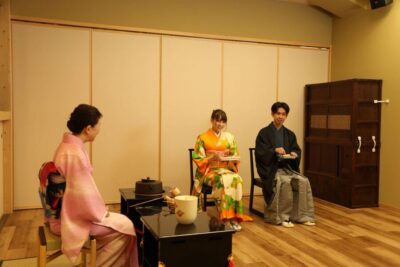
Tea ceremony experience in Japanese-style room 60min
Read our review →Browse the lists this tour appears in