
Review · TOKYO
Asakusa Cultural Walk & Matcha Making Tour
Asakusa serves up old Tokyo with a hands-on finish. I like the mix of temples and street snacks, followed by matcha preparation and a cook-your-own okonomiyaki lunch. I also like the small group size, capped at seven, which gives guides room to answer questions and take photos. The one concern is food flexibility: gluten-free requests cannot be accepted, and allergy-free meals are not guaranteed.
At about three hours and $90.86 per person, this is not a cheap sightseeing stroll. Still, the price covers snacks, lunch, a drink, matcha making, a certified guide, and photos. You should also allow for crowds around Sensoji, especially during busy seasons, and wear comfortable shoes for the walking portions.
Key points at a glance
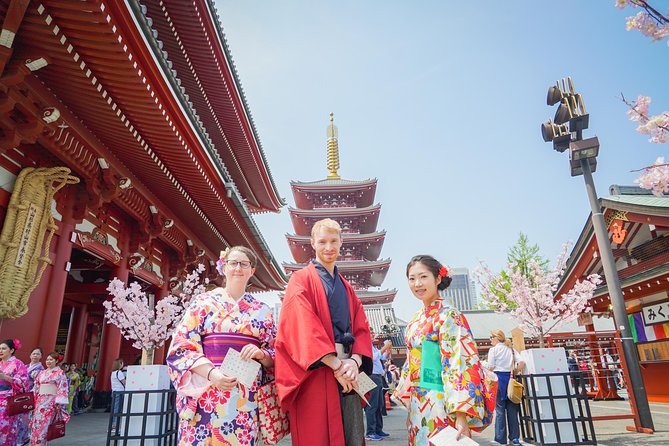
- A compact Asakusa introduction: Visit Nakamise Shopping Street, Kaminarimon, Sensoji Temple, and Asakusa Shrine in one morning-to-afternoon outing.
- Matcha is more than a drink: You prepare and taste matcha while learning about its place in Japanese culture.
- Lunch is hands-on: Cook okonomiyaki or monja-yaki at a traditional restaurant, with one drink included.
- Small groups make a difference: The maximum of seven allows for a more personal pace and easy questions.
- Street food adds local flavor: Japanese sweets, snacks, and freshly made rice crackers may appear along the shopping streets.
- Food restrictions need care: Vegetarian meals are available, but the tour cannot handle gluten-free requests or promise allergy-free preparation.
Why Asakusa works so well for this tour
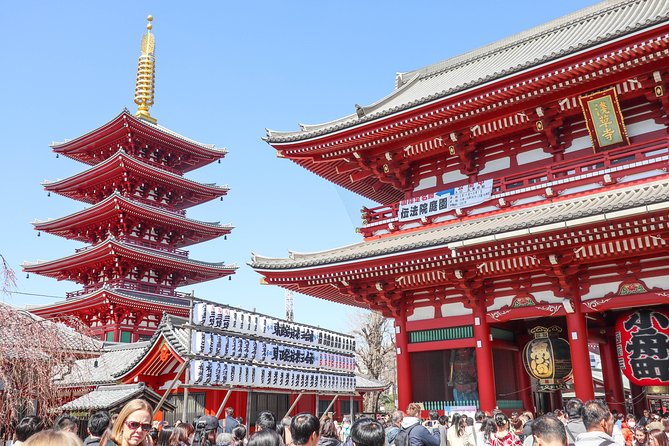
Asakusa is one of Tokyo’s best areas for seeing several layers of the city in a short time. You get a major Buddhist temple, a Shinto shrine, old-style shopping streets, food stalls, and traditional dining within a fairly compact part of Taito City.
That makes this tour useful early in a Tokyo visit. You begin at 11:00 a.m. near the Kaminarimon Police Box, then move through the district with a guide who can explain customs that are easy to miss on your own. The route is not just a photo stop at a famous gate. You learn how to approach a temple, use incense, pray, and handle fortune-telling.
I especially like the way the tour connects observation with participation. You do not only look at matcha, you make it. You do not only order lunch, you help cook it. Those activities give the neighborhood more meaning after you leave.
The group limit of seven is important here. Asakusa can feel crowded, and a large group would make the shopping streets harder to manage. With fewer people, you have a better chance to hear the guide, ask about customs, and receive help with menus or local purchases.
More Matcha Experiences in Tokyo
- Matcha Making Class in Tokyo with Authentic Japanese Sweets Set
★ 5.0 · 744 reviews - Tokyo: Matcha Making Experience with Mochi Sweets in Asakusa
★ 4.9 · 388 reviews - Tokyo: Matcha and Kimono Experience
★ 4.7 · 219 reviews
Starting under the Kaminarimon gate
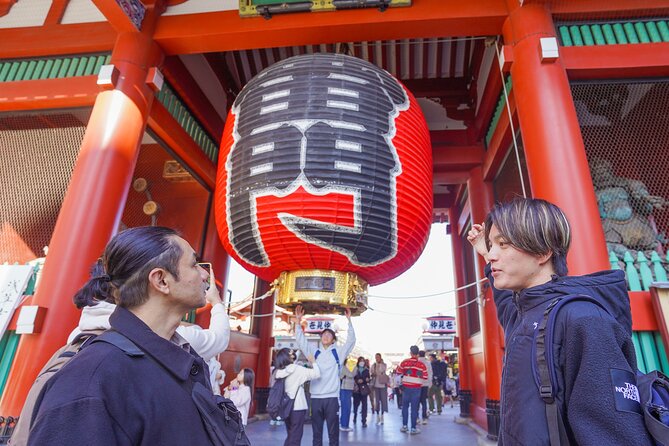
The meeting point is the Kaminarimon Police Box at 1-chōme-3-1 Asakusa. This places you close to Kaminarimon, the famous Thunder Gate associated with Sensoji Temple.
The gate area is one of the busiest photo spots in Asakusa. You will see people stopping beneath the giant lantern, taking pictures, and moving toward Nakamise Shopping Street. Your guide helps turn this crowd into a useful first lesson by pointing out the connection between the gate, the temple approach, and the district’s long commercial tradition.
The tour also includes a rickshaw ride through Asakusa. This is a fun way to see the streets without treating the neighborhood as a simple march from one landmark to another. The supplied schedule does not give a separate duration for the ride, so think of it as one element within the half-day experience rather than a long standalone excursion.
Because the start time is fixed, arrive with enough time to find the police box. The tour ends back at the same meeting point, which makes the plan easy to fit around other Tokyo activities.
Nakamise Shopping Street and Japanese sweets
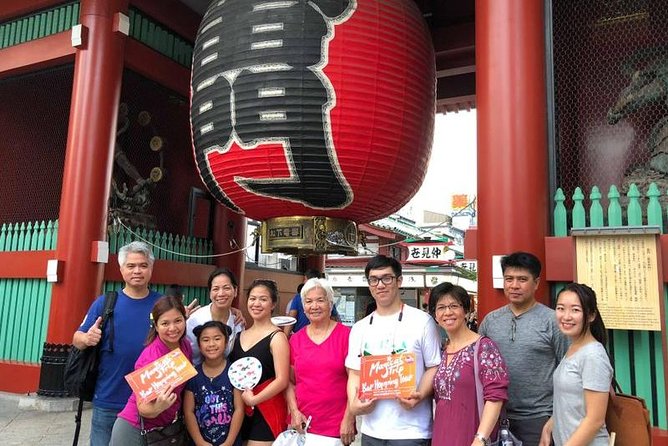
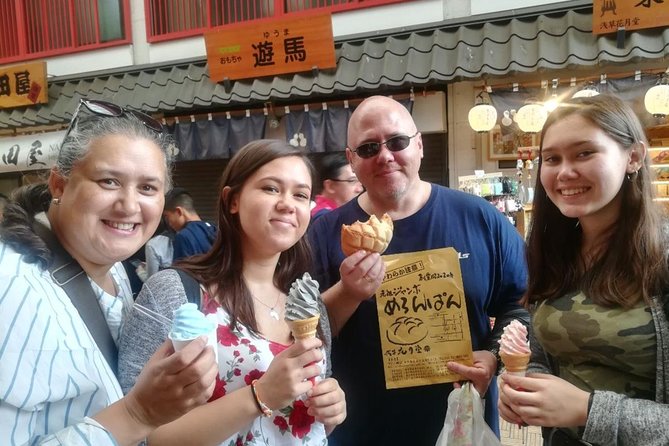
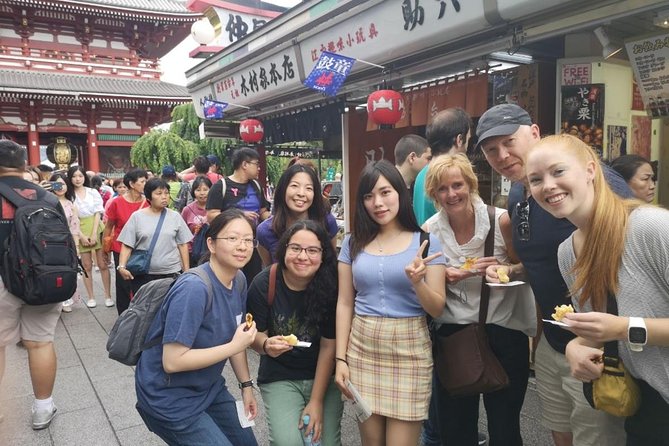
Nakamise Shopping Street leads toward Sensoji and is lined with shops selling souvenirs, crafts, small gifts, and traditional snacks. The scheduled stop is about 20 minutes, with traditional Japanese sweets included for sampling.
This is a short stop, so do not expect a long shopping session. It works better as a guided introduction to the flavors and products associated with Asakusa. You may sample sweets that you would not recognize from a menu, then decide if you want to buy more later.
The guide can also help you understand the difference between a snack meant for immediate eating and a packaged item designed as a souvenir. That small bit of context matters in Japan, where gift shopping and food presentation are closely tied to daily customs.
Several guides have been praised for taking photos, including Aoi and Meg, and for allowing enough time to look around. Hana was also credited with pointing out local shops and helping with reservations and translation. The amount of personal help can depend on the day’s group, but the small size gives the guide a fair chance to assist.
Kaminarimondori and the approach to Sensoji
The next portion covers Asakusa Kaminarimondori Shopping Street, with about 15 minutes to see Kaminarimon and the surrounding approach.
This part may feel brief, but it helps you understand how the area is arranged. Sensoji is not an isolated building hidden behind a quiet entrance. The route toward it is part of the experience, filled with movement, food, shops, and visitors heading toward the temple.
You should expect crowds. One participant found the temple area difficult during late May, and that is a fair warning. The route remains worthwhile, but photographs and quiet moments may require patience. Keep your belongings close, stay near the group, and do not expect a calm temple atmosphere at midday.
Same place, a different pot:
- Kimono Tea Ceremony at Tokyo, Asakusa Maikoya
★ 5.0 · 638 reviews - Tokyo: Traditional Tea Ceremony with a Tea Master
★ 5.0 · 528 reviews - Mt. Fuji & Lake Kawaguchiko Ropeway Panorama Full-Day Tour
★ 4.6 · 236 reviews - Tea Ceremony Workshop in Tokyo by the Experienced Instrucor
★ 5.0 · 189 reviews
Sensoji Temple and practical Buddhist customs
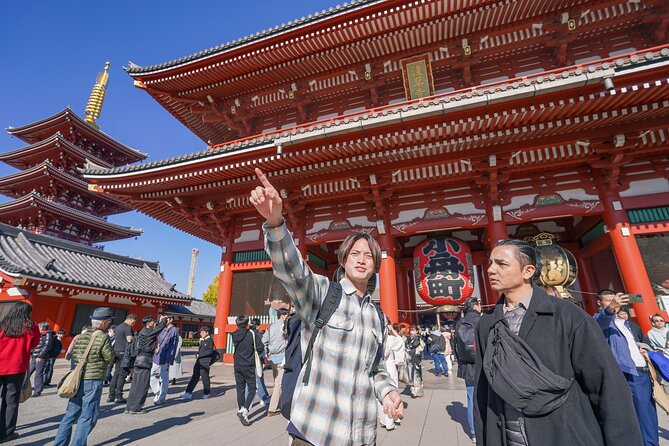
The visit to Sensoji lasts about 30 minutes. This is the main cultural anchor of the walking portion.
Sensoji is famous, but a guide helps you see beyond the large gate and impressive hall. You learn what people do at a Japanese temple, including praying, drawing fortunes, and using incense. A useful custom explained on the tour is fanning incense smoke toward yourself because it is believed to have healing properties.
You may also learn the basic rhythm of a temple visit: approach respectfully, use the purification area if directed, offer a coin, and pray in the proper place. The exact explanation can vary by guide, but the tour is designed to help you take part rather than simply watch others.
A few hours in Asakusa cannot cover every layer of Sensoji’s past. One participant wanted more historical detail about the temple itself. That is the main limitation here. The guide appears strongest at explaining customs, local culture, and practical details, while visitors seeking a long architectural lecture may want additional reading or a separate temple tour.
Guides such as Yuki, Mai, Mihori, and Rina have been praised for clear English and friendly explanations. Mai, in particular, has been noted for helping first-time visitors understand the area and for sharing suggestions about other things to do in Japan.
Asakusa Shrine beside the temple
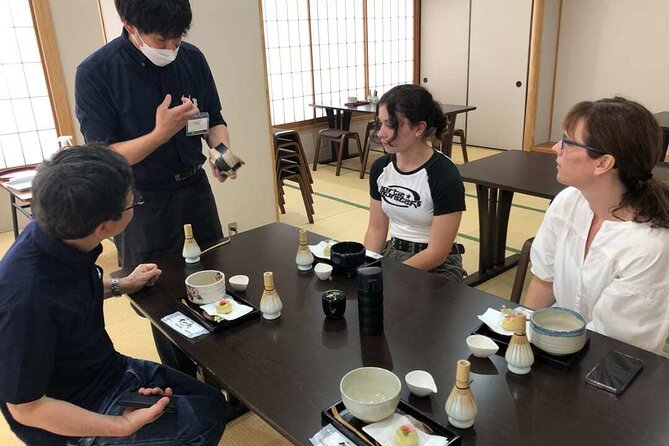
Asakusa Shrine sits next to Sensoji and receives about 30 minutes on the route. Visiting both places together is valuable because they represent different Japanese religious traditions in the same small area.
Sensoji is a Buddhist temple, while Asakusa Shrine is a Shinto shrine. Your guide can point out the difference in setting and customs, helping you avoid treating every religious site as simply another beautiful building.
The shrine stop also gives the group a chance to slow down after the busier shopping streets. The schedule allows enough time to explore, ask questions, and observe how people pray. If you are new to Japan, this may be one of the most useful parts of the tour because the guide can explain what is appropriate without making the ritual feel mysterious or intimidating.
Matcha making with time to taste
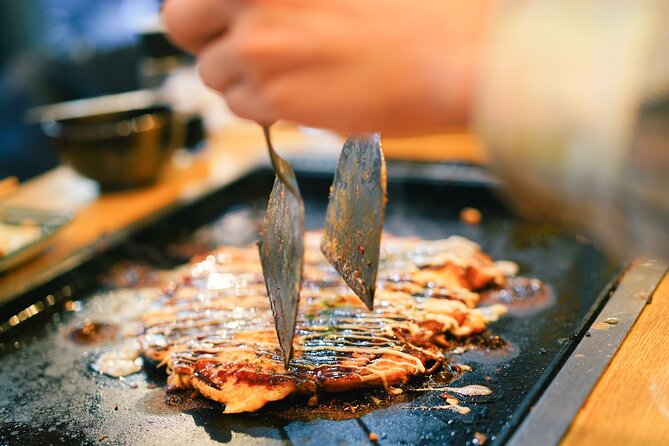
The matcha making experience is one of the strongest reasons to book this tour. You learn about matcha preparation, make the tea, and taste it rather than receiving a quick cup with no explanation.
This hands-on format is especially helpful if you have never attended a tea experience. The process gives you a better sense of the care behind the powder, the tools, and the preparation. It also offers a quiet change of pace after the open streets and temple crowds.
The matcha session has been described as private and informative by people who enjoyed the tour. Some groups have found it to be the highlight, particularly because the guide explains the meaning behind the activity in plain language.
Do not expect a full-length formal tea ceremony unless the guide specifically describes it that way on your booking. The information provided promises matcha making and tasting, with cultural explanation. That is enough for a pleasant introduction, but it is not the same as booking a specialist ceremony focused only on tea.
Okonomiyaki or monja-yaki for lunch
The meal is more engaging than a standard restaurant stop. You eat okonomiyaki, a savory Japanese pancake, or monja-yaki, and help prepare the food on a table grill. One drink is included.
The cook-your-own format gives the final part of the tour a social feel. Guides help explain what to do, and the group shares the process rather than sitting silently while food arrives. Families and teenagers have found this especially appealing because the meal is an activity, not just a break.
Some groups have had an upstairs restaurant area to themselves, which made the lunch feel relaxed and personal. That setup cannot be guaranteed, but the small group limit makes a quieter meal more possible than on a large bus tour.
Vegetarian food is available. The tour is not vegan and cannot accommodate gluten-free requests. Allergy-free preparation is also not guaranteed because the food is made in kitchens outside the tour company’s control. Substitutions may not be possible at every stop, though the guide will try to compensate at another stop.
If you have a serious allergy, ask before booking and consider choosing another experience with tighter kitchen control. For ordinary food preferences, the guide may be able to help, but you should not count on replacing every item.
How the guide shapes the day
The guide is the part of this experience most likely to change from one departure to the next. The strongest reports describe guides who are warm, patient, clear in English, and willing to answer questions beyond the official route.
Aoi has been praised for thoughtful explanations and for taking excellent photos. Yuki was appreciated for her English and ability to explain Japanese culture. Hana helped with translations and reservations, while Mai was singled out for her friendly manner and practical suggestions.
Those details matter because this tour involves customs that can be hard to interpret alone. A guide can explain when to bow, how to pray, what a food is, or why a particular shop matters. The best guides also adjust the tone for the group. Parents with teenagers, first-time visitors, and people who want extra cultural detail may all need something different.
The small group is a real advantage. It lets you ask a question without stopping a large crowd, and it gives the guide more room to take photos. In rare cases, only two people have booked, making the outing feel almost private. That cannot be promised, but the seven-person maximum keeps the experience personal.
Is $90.86 a fair price?
At $90.86 per person, this tour costs more than visiting Sensoji and Nakamise on your own. The comparison is not quite fair, though, because the fee includes several separate elements: a certified guide, Japanese snack samples, lunch, one drink, matcha making, photos, and the rickshaw portion.
The value is strongest if you want help with cultural etiquette and prefer active experiences to passive sightseeing. Buying snacks, booking a tea session, arranging lunch, and finding a guide separately could take more time and may not produce a smoother morning.
The price is less attractive if you mainly want temple photographs or already feel comfortable ordering Japanese food and navigating Asakusa. In that case, you could explore independently for less money.
I see this as a good value for a first Tokyo visit, especially if you want one organized experience that covers food, religion, shopping, and local explanation. The 98 percent recommendation rate and 4.9 rating from 245 reviews point to consistently strong satisfaction, though the cancellation incident shows that last-minute changes can happen. Free cancellation is available up to 24 hours before the start time, but changes or cancellations inside that window are not refundable.
Who should book this Asakusa experience?
I would choose this tour if you are visiting Tokyo for the first time, want a clear introduction to Japanese customs, or enjoy learning through food. It also suits families and teenagers because the route changes pace often: street snacks, temples, matcha, and a meal you help cook.
It is a good fit for couples and small groups who value a friendly guide and photos. Solo visitors can also benefit from the small group, since the meal and activities provide natural conversation.
I would be cautious if you need strict dietary control, want a vegan or gluten-free lunch, dislike crowded sightseeing areas, or prefer a long scholarly explanation of temple architecture. The experience gives you a broad, practical introduction rather than a specialist study of one subject.
Wear comfortable shoes, bring water, and use a hat in Japan’s hot, humid summer. The route includes outdoor walking and crowded streets, so a little preparation makes the three hours much easier.
Should you book it?
Book this tour if you want to get your bearings fast in Asakusa while doing more than taking pictures. The combination of Nakamise snacks, Sensoji and Asakusa Shrine customs, matcha preparation, and cook-your-own okonomiyaki gives the experience a pleasing range.
I would especially recommend it for a first or second day in Tokyo, when a guide can explain the basics and help you feel more comfortable with Japanese food and temple etiquette. At $90.86, it earns its price through the included meal, activities, and personal attention.
Skip it if food restrictions make the meal risky, or if you would rather spend three hours wandering at your own pace. For most visitors who want a friendly, practical introduction to old Tokyo, this is a well-balanced choice.
FAQ
Where does the Asakusa tour begin?
The tour begins at the Kaminarimon Police Box at 1-chōme-3-1 Asakusa, Taito City, Tokyo 111-0032, Japan.
What time does the tour start?
The scheduled start time is 11:00 a.m.
How long does the experience last?
The tour lasts approximately three hours.
Where does the tour finish?
The experience ends back at the meeting point near the Kaminarimon Police Box.
How many people can join?
The tour has a maximum of seven participants.
What food is included?
The tour includes Japanese snack and sweet samples, plus lunch of okonomiyaki or monja-yaki with one drink.
Is a vegetarian meal available?
Yes. A vegetarian menu is available, but the tour is not vegan.
Can the tour accommodate gluten-free or allergy-free meals?
No gluten-free requests can be accepted. Allergy-free preparation is not guaranteed, and substitutions may not be possible at every stop.
What is included besides food?
The price includes the certified guide, tour photos, the matcha making experience, food samples, and lunch. Additional food and drinks are not included.
More Walking Tours in Tokyo
- Tokyo Walking Tour : Sumo, Sushi, Tea, Temples and Tokyo Tower
★ 5.0 · 21 reviews - Walking Tour: Yanaka,Nezu& Sendagi: Tea Ceremony & Old Tokyo
★ 5.0 · 3 reviews - Great Ocean Road Tour Plus Koalas, Forest Walk and Morning Tea
★ 4.5 · 1,068 reviews - Marrakech: Medina by Night Walking Tour with Moroccan Tea
★ 4.6 · 586 reviews
Just added around Tokyo
- Yokohama : Tea Ceremony with Sweets and Souvenir★ 5.0 · 5 reviews
- Walking Tour: Yanaka,Nezu& Sendagi: Tea Ceremony & Old Tokyo★ 5.0 · 3 reviews
- Private Kimono and tea ceremony at local home near Tokyo Disney★ 5.0 · 6 reviews
- Private Mochi・Matcha sweets Making Class Near Shibuya Area★ 5.0 · 22 reviews
- Tokyo Sweets Tour: Hidden Gems & Matcha at an Old Tea House★ 5.0 · 6 reviews
- Kimono and Tea Ceremony in Asakusa Private Food Tour With Guide★ 5.0 · 4 reviews
- 2 Hours Mochi &Nerikiri Making & Matcha Class in Bunkyo★ 5.0 · 21 reviews
- Tokyo: Tea Ceremony & Japanese Sweets Making★ 5.0 · 10 reviews
Matcha Experiences in Tokyo, compared.
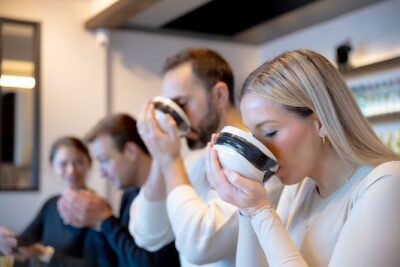
Matcha Making Class in Tokyo with Authentic Japanese Sweets Set
Read our review →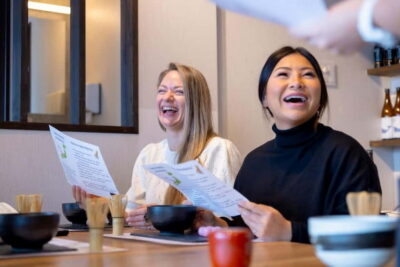
Matcha Making Experience with Mochi Sweets in Asakusa
Read our review →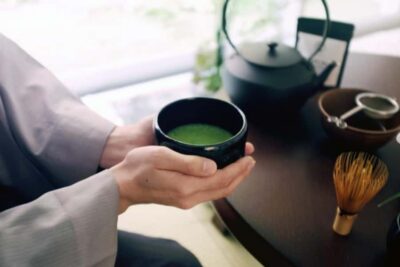
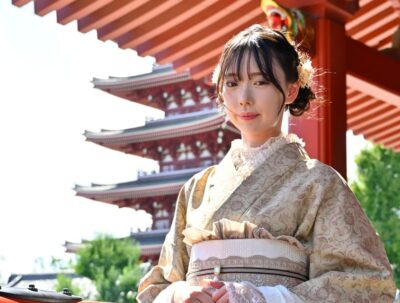
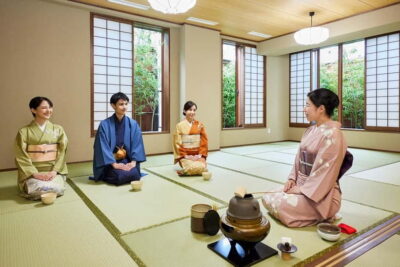
Asakusa: Kimono Tea Ceremony with Matcha and Sweet
Read our review →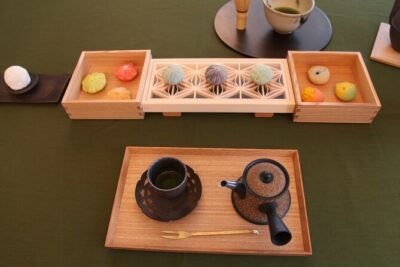
Make Traditional Nerikiri Sweets & Matcha experience in Shibuya
Read our review →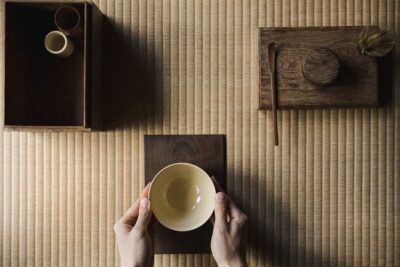
Tokyo Sushi Making Class : Sake Ceremony & Matcha Experience
Read our review →Browse the lists this tour appears in