
Review · TOKYO
Tokyo Sushi Making Class : Sake Ceremony & Matcha Experience
Sushi gets hands-on here. This 90-minute class in Asakusa combines sushi making and Japanese ceremony in a compact, friendly session, with enough variety to keep the pace lively. I like the opening kagami-biraki sake barrel ceremony, and I like that you finish by whisking your own matcha instead of simply watching a demonstration. The $45.77 price is fair for the mix of food, instruction, and cultural activities.
The main consideration is time. You will make between six and 12 pieces, but this is an introduction rather than a full sushi course. A group of up to 20 people may also mean less individual attention during the busiest moments. Still, the format looks especially good for first-time sushi makers, couples, families, and anyone who wants a cheerful indoor activity near Asakusa.
Key points at a glance
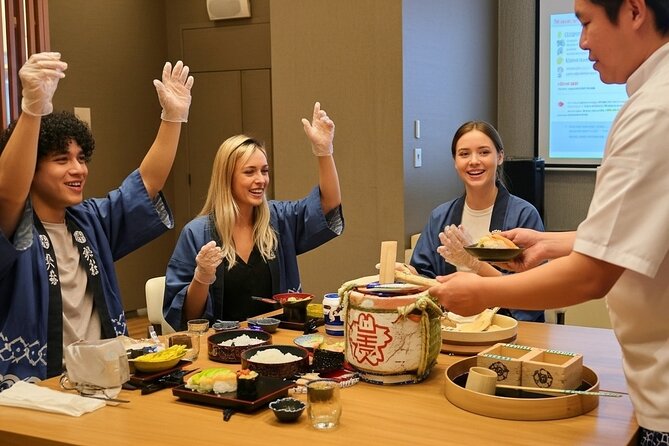
- Start with a real kagami-biraki ceremony: Help open a sake barrel and join the group chant, Yoisho, yoisho, yoisho! Water or warm Japanese tea is available instead of alcohol.
- Learn useful nigiri basics: You practice shaping rice, handling toppings, and placing fish with the right pressure.
- Make modern torched salmon mayo gunkan: This is the playful crowd favorite, with salmon, mayonnaise, and a quick torch finish.
- Make six to 12 pieces: Your food includes a mixture of nigiri and rolls, giving you more than one sushi style to try.
- Whisk matcha yourself: The class ends quietly with a lesson in making a smooth, foamy bowl.
- Stay in one convenient Asakusa location: The class begins and ends at Sushi Meets Matcha, at 1-chōme-10-16 Hanakawado, Taito City.
Why this Asakusa class makes sense for a short Tokyo visit
Asakusa is one of Tokyo’s most useful areas for a first visit. You can pair this class with sightseeing nearby, then return to the same meeting point without spending half the day crossing the city. The activity begins and ends at Sushi Meets Matcha, and the location is near public transportation.
The compact length matters. At about one hour and 30 minutes, this is short enough to fit between other plans. You are not committing to an all-day cooking school, but you still get several distinct parts: a ceremony, sushi instruction, a torching session, and matcha preparation.
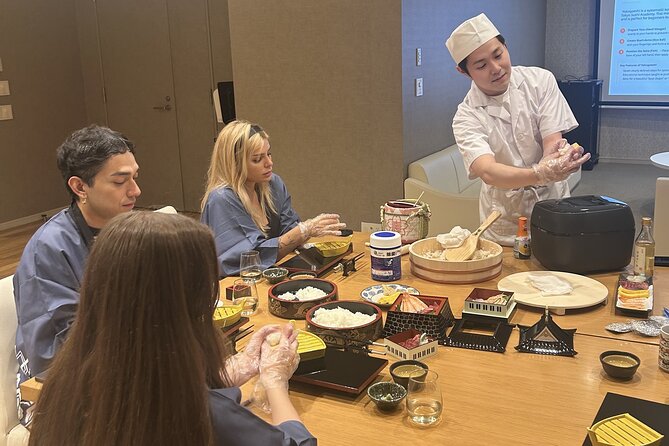
I also like the balance between watching and doing. The class is not simply a food tasting with a short explanation. You shape rice, handle toppings, assemble pieces, and whisk tea. Those small tasks help you understand why sushi preparation requires control and care.
The mood is intended to be social. The chants give the class a bit of theater, while the guided practice keeps beginners from having to guess what to do next. If you prefer a silent, highly formal lesson, this may feel too playful. If you want an activity that gets a group talking, the format should work well.
More Matcha Experiences in Tokyo
- Matcha Making Class in Tokyo with Authentic Japanese Sweets Set
★ 5.0 · 744 reviews - Tokyo: Matcha Making Experience with Mochi Sweets in Asakusa
★ 4.9 · 388 reviews - Asakusa Cultural Walk & Matcha Making Tour
★ 5.0 · 245 reviews
Opening with kagami-biraki and a group toast
The class begins with kagami-biraki, the traditional opening of a sake barrel. This ceremony is used to mark new beginnings and celebrations. Here, you join the group in opening the barrel and raising a toast after the chant Yoisho, yoisho, yoisho!
That opening changes the feel of the class right away. Instead of walking in and immediately handling raw ingredients, you get a short cultural moment that gives the session a sense of occasion. It is a small tradition, but it helps connect the food to Japanese customs around celebration and good fortune.
You do not have to drink alcohol. Water or warm Japanese tea is available, which is useful for children, non-drinkers, and anyone who has a busy afternoon of sightseeing ahead. The provided information does not specify the exact sake serving or whether the barrel opening is performed by each participant, so you should think of it as a shared group ceremony rather than a private tasting.
The chant is part of the fun. It may feel a little theatrical, but that is the point. This is a participatory class, not a solemn museum demonstration. I would expect the opening to be one of the best moments for group photos, especially if you are traveling with friends or family.
Shaping nigiri without overworking the rice
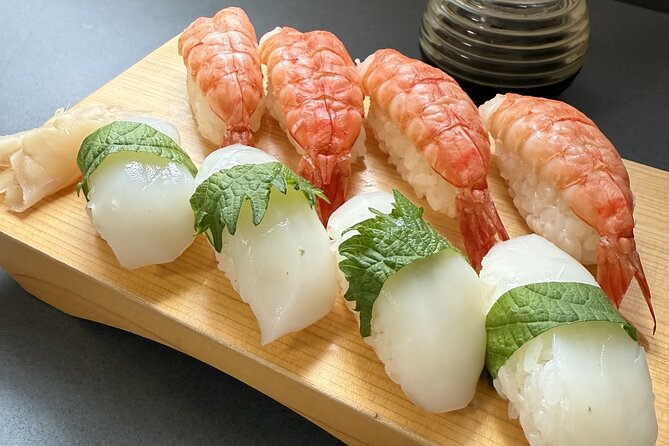
The main lesson covers the basic mechanics of nigiri sushi. You learn how to shape the rice, manage the toppings, and place the fish neatly. These are simple actions, but the pressure matters. Too much handling can make the rice dense, while too little control can leave the piece loose.
The step-by-step approach is helpful for beginners. You do not need prior cooking experience or sushi-making skills. The aim is not to turn you into a sushi chef in 90 minutes. It is to give you a practical feel for the sequence and enough confidence to assemble pieces that look presentable.
The class also gives you a chance to notice the difference between making sushi and eating sushi. In a restaurant, nigiri arrives in a few seconds. Here, you pay attention to rice shape, topping placement, and the final presentation. That hands-on process adds value to the meal because you understand more of the work behind each piece.
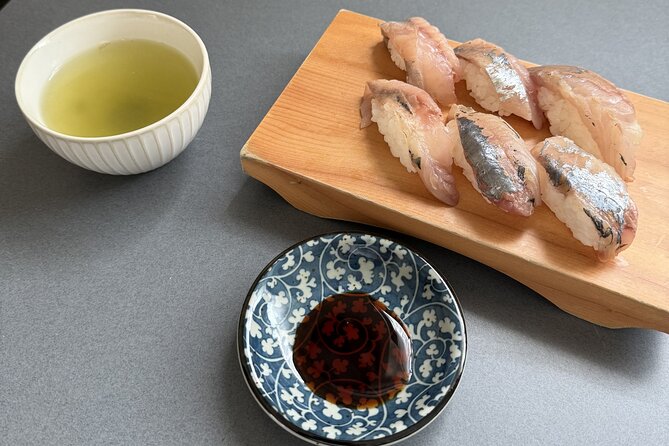
The exact fish selection is not specified, so you should not book this expecting a particular premium ingredient. The focus is technique and participation. That is a sensible choice for a short beginner class, but serious sushi fans may want a separate food tour or specialist lesson that spends more time on fish quality and knife work.
The fun turn: torched salmon mayo gunkan
After the classic nigiri practice, the class shifts to a modern Tokyo-style creation: torched salmon mayo gunkan. You pile salmon high, add a zigzag of mayonnaise, and finish it with a quick torch.
This is deliberately different from traditional Edomae sushi. The combination is creamy, smoky, and rich, with the torch adding a cooked aroma to the salmon. It is also visually appealing. The high salmon topping and mayonnaise pattern make this the sort of piece people like to photograph before eating.
The group chants Wasshoi! three times at the best photo moment. Like the opening chant, this keeps the class light and social. It also gives you a clear occasion to take pictures without interrupting the instruction.
The torching is an appealing feature, but you should expect to follow the instructor’s directions closely. The provided details do not say whether every participant handles the torch personally, so do not assume you will receive a long flame-handling lesson. The important part is learning how the finishing step changes the flavor and appearance.
I like this modern dish because it prevents the class from becoming too formal. You get a taste of basic nigiri technique, then try a fun combination that feels closer to the creative side of contemporary sushi shops. The tradeoff is that it is not a pure traditional sushi lesson. If you want only classic Edomae methods, the salmon mayo gunkan may feel like a detour. For most beginners, it adds variety.
Same place, a different pot:
- Kimono Tea Ceremony at Tokyo, Asakusa Maikoya
★ 5.0 · 638 reviews - Tokyo: Traditional Tea Ceremony with a Tea Master
★ 5.0 · 528 reviews - Mt. Fuji & Lake Kawaguchiko Ropeway Panorama Full-Day Tour
★ 4.6 · 236 reviews - Tokyo: Matcha and Kimono Experience
★ 4.7 · 219 reviews
Making six to 12 pieces at your own level
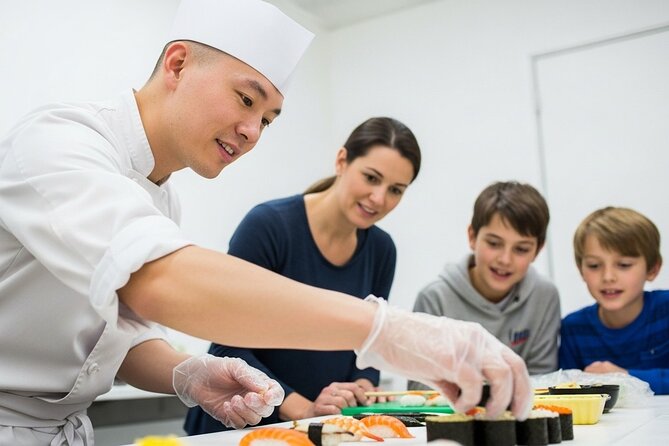
The class includes six to 12 pieces of nigiri and rolls. That range gives you a useful amount of food without turning the session into a long meal. It also suggests some flexibility in how much you produce, though the exact number may depend on the class format and pace.
For a light activity, this is a good portion. You get to practice more than one piece, so your first attempt does not have to be your only attempt. By the end, you should have several pieces that show how your technique improved during the lesson.
The food is part of the value, but it is not the only value. At $45.77 per person, you are paying for instruction, the ceremony, the ingredients, the matcha activity, and a social setting. Compared with buying a similar amount of sushi at a casual restaurant, the class costs more. Compared with booking a longer cooking workshop, it is reasonably priced.
I would judge the value by your goals. If you only want a cheap lunch, order sushi. If you want a compact cultural activity where you make the food and take photos, the price makes more sense. The inclusion of both sake ceremony and matcha gives you more range than a standard sushi-only lesson.
Finishing with your own bowl of matcha
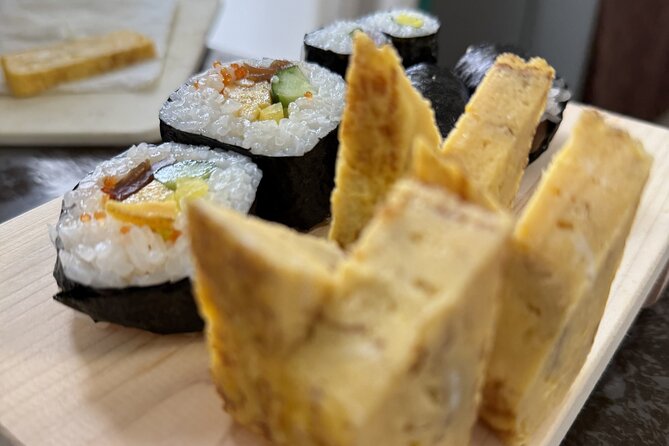
The class closes with matcha preparation. You learn how to whisk the tea properly, aiming for a smooth, foamy bowl, then drink what you have made.
This is a smart ending. Sushi preparation is active and social, while matcha whisking slows the pace. The change gives you a quiet final moment after the chants, torching, and food assembly. It also means the class covers three familiar parts of Japanese culture: sushi, sake, and matcha.
The matcha lesson is presented as a hands-on activity, not just a tea sample. You get to practice the whisking motion yourself. The information does not specify the matcha grade, serving size, or whether sweets accompany the tea, so I would keep expectations focused on the preparation rather than a full tea ceremony.
For a first visit to Japan, this is a useful introduction. You will not become an expert in tea ceremony etiquette, but you will leave knowing that matcha preparation involves more than stirring green powder into hot water. The foamy texture is part of the appeal, and making it yourself gives the finale a clear purpose.
Group size, pace, and the practical details
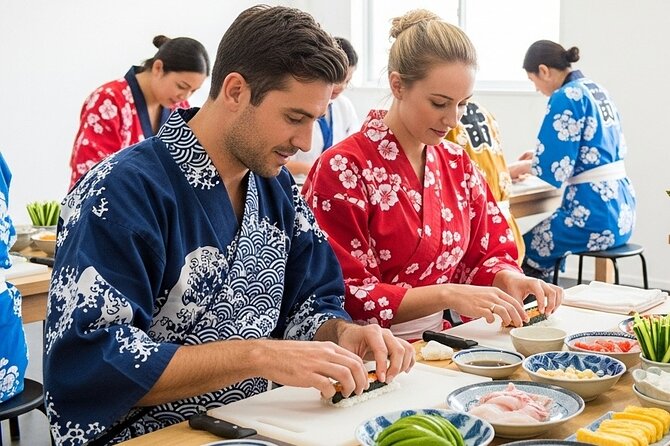
The maximum group size is 20 people. That is not a private lesson, so expect a shared class rather than one instructor devoted to each participant. The benefit is energy and a chance to enjoy the chants together. The drawback is that individual questions may take a little patience during the busiest steps.
The session lasts approximately 90 minutes. I would leave room around it in your day, especially if you plan to meet friends, catch a train, or visit another timed attraction. The class ends where it begins, which makes planning easier.
A mobile ticket is available, and booking confirmation is provided at the time of booking. The meeting point is Sushi Meets Matcha at 1-chōme-10-16 Hanakawado, Taito City, Tokyo 111-0033. Since the activity is near public transportation, you can reach it without treating the class as a full-day outing.
The class has free cancellation if you cancel at least 24 hours before the local start time. Cancellations or changes made less than 24 hours ahead are not accepted for a refund. That is a reasonable policy, but pay attention to the local cut-off time when arranging a busy Tokyo schedule.
Who will enjoy this most?
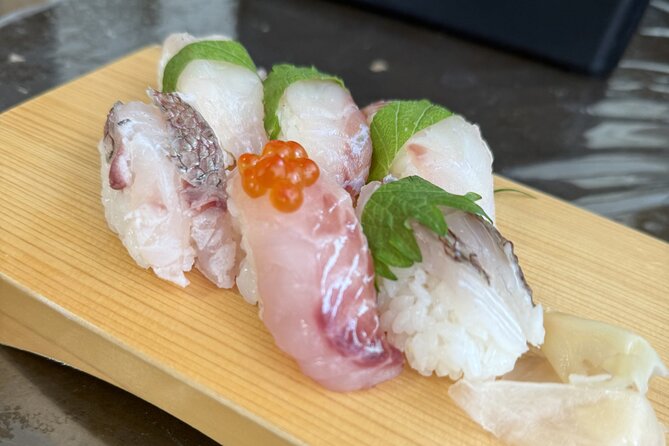
I would recommend this class to first-time sushi makers who want clear guidance without a long culinary commitment. You get repeated practice, an approachable menu, and enough structure to avoid feeling lost.
It also suits families and groups who want an activity with built-in photo moments. The Yoisho and Wasshoi chants, barrel opening, and torch finish give the session more personality than a basic sit-down meal.
Couples may like the balance of playful and calm. You begin with a group celebration, work together on sushi, then finish with matcha. It is a good fit for people who want an activity rather than another restaurant reservation.
I would be more cautious if you want advanced sushi training, detailed fish sourcing, knife skills, or a long lesson focused on traditional Edomae methods. The class is designed for an accessible introduction. Its strength is variety and atmosphere, not technical depth.
Should you book the Tokyo sushi and matcha class?
Book it if you want a cheerful, well-priced Asakusa activity that combines making food with a few Japanese customs. The sake barrel opening, torched salmon mayo gunkan, and hands-on matcha whisking give you three distinct memories in 90 minutes.
Skip it if you only want to eat high-end sushi or study advanced technique. The group may include up to 20 people, and the modern salmon dish is intentionally playful rather than strictly traditional.
For most visitors, the strongest reason to book is the mix. At $45.77, you get more than a meal and more than a demonstration. You leave with sushi you helped make, a better sense of how nigiri is formed, a matcha bowl, and a few lively photos from the ceremony.
FAQ
Where does the sushi-making class take place?
It takes place at Sushi Meets Matcha, located at 1-chōme-10-16 Hanakawado, Taito City, Tokyo 111-0033, Japan.
Where does the activity finish?
The activity ends back at the meeting point.
How long does the class last?
The experience lasts approximately one hour and 30 minutes.
How much does the experience cost?
The listed price is $45.77 per person.
What sushi will I learn to make?
You will learn basic nigiri techniques and make a modern torched salmon mayo gunkan. The class also includes rolls.
How many sushi pieces will I make?
You will make approximately six to 12 pieces, including nigiri and rolls.
Is alcohol required during the sake ceremony?
No. You can choose water or warm Japanese tea instead of sake.
How many people can join the class?
The activity has a maximum of 20 participants.
Can I cancel for a refund?
Yes. You can cancel at least 24 hours before the local start time for a full refund. Cancellations and changes made less than 24 hours before the start are not accepted for a refund.
More Food and Drink Tours in Tokyo
- Experience all of Japanese culture and Japanese food experience classes “origami, udon, Japanese food, green tea, calligraphy” in 4 hours
★ 5.0 · 105 reviews - Matcha Experience with of Japanese Tea Tasting in Tokyo
★ 5.0 · 31 reviews - Tokyo: Matcha Tasting and Making Experience
★ 4.9 · 21 reviews - Authentic Japanese tea tasting: sencha, matcha and gyokuro
★ 5.0 · 12 reviews
More Drinking Tours in Tokyo
- Making Japanese desserts Nerikiri & drinking matcha in Tokyo
★ 5.0 · 20 reviews - Private Tea Ceremony and Sake Tasting in Kyoto Samurai House
★ 5.0 · 163 reviews - Kyoto Local Gourmet Night Experience: Kaiseki & Izakaya & Matcha
★ 5.0 · 22 reviews - Shanghai Mahjong Experience in Local Tea Bar
★ 5.0 · 4 reviews
Just added around Tokyo
- Yokohama : Tea Ceremony with Sweets and Souvenir★ 5.0 · 5 reviews
- Walking Tour: Yanaka,Nezu& Sendagi: Tea Ceremony & Old Tokyo★ 5.0 · 3 reviews
- Private Kimono and tea ceremony at local home near Tokyo Disney★ 5.0 · 6 reviews
- Private Mochi・Matcha sweets Making Class Near Shibuya Area★ 5.0 · 22 reviews
- Tokyo Sweets Tour: Hidden Gems & Matcha at an Old Tea House★ 5.0 · 6 reviews
- Kimono and Tea Ceremony in Asakusa Private Food Tour With Guide★ 5.0 · 4 reviews
- 2 Hours Mochi &Nerikiri Making & Matcha Class in Bunkyo★ 5.0 · 21 reviews
- Tokyo Tea Ceremony Class at a Traditional Tea Room★ 5.0 · 2 reviews
Matcha Experiences in Tokyo, compared.
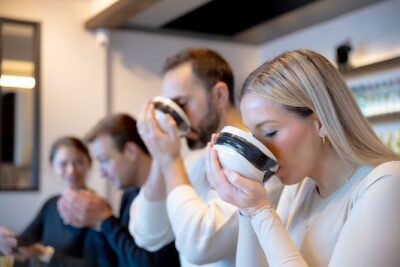
Matcha Making Class in Tokyo with Authentic Japanese Sweets Set
Read our review →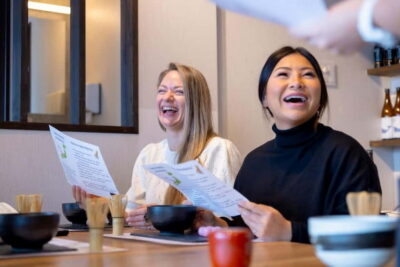
Matcha Making Experience with Mochi Sweets in Asakusa
Read our review →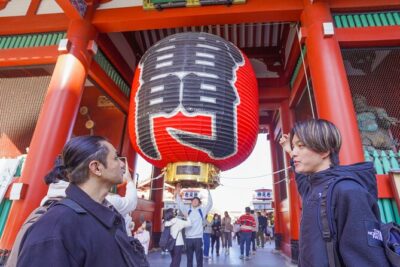
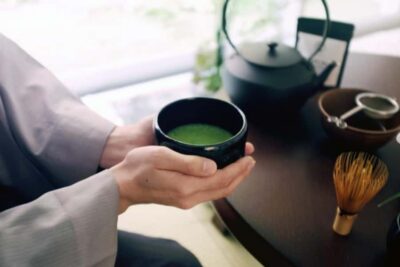
Asakusa: Kimono Tea Ceremony with Matcha and Sweet
Read our review →
Make Traditional Nerikiri Sweets & Matcha experience in Shibuya
Read our review →
Browse the lists this tour appears in