
Review · TOKYO
Tokyo Walking Tour : Sumo, Sushi, Tea, Temples and Tokyo Tower
Tokyo rewards curious walkers. This 8-hour, 15-minute tour links sumo, sushi, gardens, temples, and Tokyo Tower into one carefully paced day, using trains and your own two feet rather than a private vehicle. I especially like the chance to watch real sumo practice at Arashio Beya and the quiet tea stop inside Hama Rikyu Gardens. The main consideration is stamina: you will spend several hours outdoors, walking between sights and using public transport.
I also like the balance between structured visits and free time. You get guidance at Tsukiji, Hama Rikyu Gardens, Zojoji Temple, and Tokyo Tower, but you can still browse, take photographs, and enjoy food at your own pace. The sumo practice schedule can change, and training may not be available during tournament periods in January, May, and September.
Key Points at a Glance
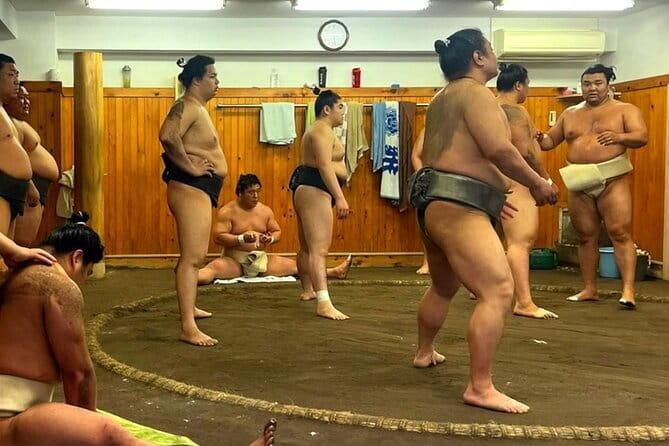
- Real sumo training at Arashio Beya: Watch from a respectful distance while wrestlers practice, with no interruption to the serious training session.
- Tsukiji food and shopping time: A guide introduces the Outer Market, while you pay separately for the sushi, snacks, and drinks you choose.
- Tea in Hama Rikyu Gardens: A traditional tea and sweet experience provides a calm break after the market.
- Sutra copying at Zojoji Temple: This gives the temple visit a hands-on, reflective element beyond sightseeing.
- Tokyo Tower to finish the day: The final stop supplies wide city views and a look at one of Tokyo’s most familiar landmarks.
- Small group format: The group is limited to 15 people, with an English-speaking guide leading the day.
Why This Tokyo Route Works
At $166.85 per person, this is not a cheap orientation walk. It is a full-day experience that combines several admission fees, a train fare, a tea-house visit, a sutra copying session, and Tokyo Tower access. You still buy your own food and drinks, and you pay for transport before and after the tour.
I see the value in the range of experiences. A regular sightseeing pass might get you to Tokyo Tower or a temple, but it would not normally put you inside a sumo training setting, arrange tea in a historic garden, and include sutra copying in one day. If you want a broad introduction to traditional and modern Tokyo, the price is easier to justify.
The route also avoids the feel of a simple checklist. You move from a working sumo stable to a food market, then to a garden, temple, and observation deck. Each stop changes the mood. The result is a day with plenty of variety, though the tight schedule means you should not expect long, unplanned visits at every location.
The tour begins at 8:15 a.m. near Hamacho Station and finishes near Akabanebashi Station. That early start matters because the sumo session comes first, and you will want comfortable shoes, water, and clothing suited to several hours outside.
More Walking Tours in Tokyo:
- Asakusa Cultural Walk & Matcha Making Tour
★ 5.0 · 245 reviews - Walking Tour: Yanaka,Nezu& Sendagi: Tea Ceremony & Old Tokyo
★ 5.0 · 3 reviews - Great Ocean Road Tour Plus Koalas, Forest Walk and Morning Tea
★ 4.5 · 1,068 reviews
Watching Sumo Practice at Arashio Beya
The first stop is Arashio Beya, a traditional sumo training room. You are there to observe real practice, not a staged performance. That distinction is important. The wrestlers cannot be disturbed, so the visit depends on quiet attention and respect for the setting.
For many people, this will be the most unusual part of the day. Sumo is often presented through tournaments and ceremony, but a training stable shows the working side of the sport. You may see wrestlers preparing and practicing in a setting built for discipline rather than entertainment.
The scheduled visit lasts about 1 hour and 10 minutes, with no admission fee listed. The timing is useful because it gives you enough room to watch without turning the first stop into a rushed photo opportunity.
There is one major uncertainty. The schedule can change, and the wrestlers may not be training when you arrive. Practice also closes during certain weeks when the Grand Sumo Tournaments take place in January, May, and September. If seeing sumo is the main reason you want to book, treat it as a strong possibility rather than a guarantee.
This is also a place where expectations matter. You are not promised interaction with the wrestlers, a lesson in sumo technique, or an arranged photograph. You are watching training, and the rules of the stable come first.
Eating Your Way Through Tsukiji Outer Market
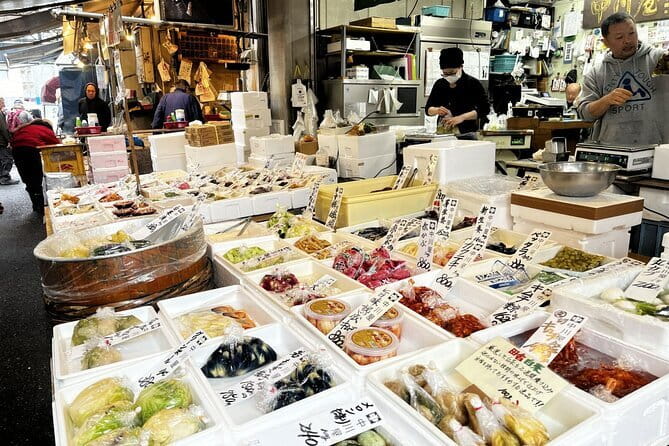
After sumo, the route moves to Tsukiji Outer Market for about 1 hour and 30 minutes. The guide introduces the market and points out the food available, then you have time to explore and shop on your own.
This is a smart place to include food because Tsukiji works best when you can choose what appeals to you. You might want sushi, a small street-food bite, or something you have never seen before. The cost of food and drinks is not included, so you control both the menu and the bill.
The included train fare covers travel from Ningyocho Station to Tsukiji Station. Other transport before and after the tour is your responsibility. The route therefore gives you a guided introduction without pretending that every snack or purchase can be bundled into one fixed price.
I like the balance here. A guide can help you understand the market, but the free time keeps the stop from feeling like a forced tasting menu. You can take pictures, browse, and decide how much you want to eat. If you are keen on food, budget extra money for this stop. The tour price alone does not cover your sushi or market purchases.
Tsukiji can also be a sensory change after the quiet discipline of the sumo stable. That contrast is part of the appeal. Still, the 90-minute window is not unlimited. If you want a leisurely meal and extensive shopping, you may need to choose carefully.
Tea and Garden Time at Hama Rikyu
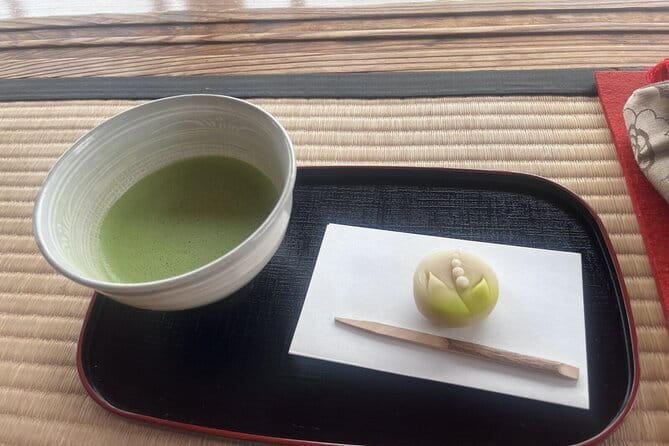
Hama Rikyu Gardens provides the day’s calmest setting. The guide gives you an introduction to the garden and its past, followed by free time before the group meets again for tea and a sweet in a traditional tea house.
The visit lasts about 1 hour and 20 minutes. Admission to the gardens and the tea-house experience are included, which helps explain part of the tour price. This is more than a quick walk past flower beds. The garden gives you a chance to slow down, notice the design, and enjoy a traditional drink in a setting made for quiet observation.
The free time is useful after Tsukiji. You are not required to stay shoulder to shoulder with the group every minute. You can look around at your own pace, take photographs, and return to the meeting point for the tea experience.
Tea ceremonies can be formal, but this visit is described as a traditional tea and sweet experience rather than a lengthy ceremony. That makes it a good introduction if you want cultural context without committing to a specialized class.
The main limitation is time. Hama Rikyu is one portion of a packed day, not a half-day garden visit. You will see and experience the garden, but the schedule may not suit you if you prefer to linger quietly for hours.
A few more tea experiences around Tokyo worth a look
- Matcha Making Class in Tokyo with Authentic Japanese Sweets Set
★ 5.0 · 744 reviews - Kimono Tea Ceremony at Tokyo, Asakusa Maikoya
★ 5.0 · 638 reviews - Tokyo: Traditional Tea Ceremony with a Tea Master
★ 5.0 · 528 reviews - Tokyo: Matcha Making Experience with Mochi Sweets in Asakusa
★ 4.9 · 388 reviews
A Reflective Hour at Zojoji Temple

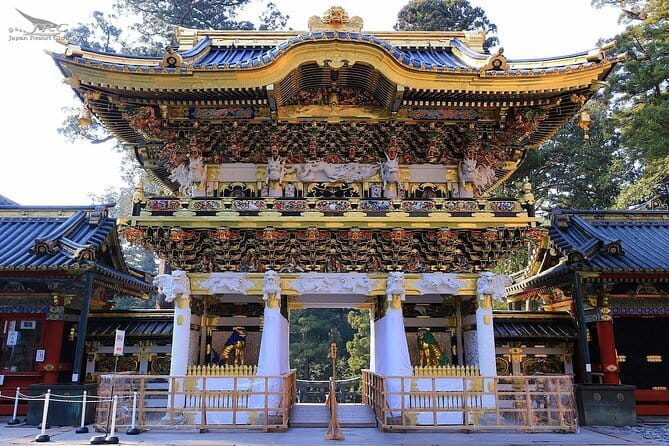
Zojoji Temple brings the route into a historic Buddhist temple complex and park. The guide explains the temple and its past, then you take part in a sutra copying experience.
This activity gives the stop a different rhythm from the market and observation deck. Copying a sutra asks you to slow down and focus. You do not need to be religious to appreciate the pause. It offers a more personal way to approach the temple than simply walking through, taking a photograph, and leaving.
The temple visit lasts about one hour, and the sutra copying fee is included. That makes this another area where the tour provides something you might not arrange easily on your own.
The activity may appeal most to people who enjoy cultural participation rather than simple sightseeing. If you prefer to keep moving and see as many buildings as possible, the copying session may feel like a long pause in an already full day. I would view that as a matter of taste, not a flaw.
The temple and park also give you a chance to reset before the final stop. By this point, you will have been walking and standing for much of the day, so the quieter pace can be welcome.
Tokyo Tower Views at the End
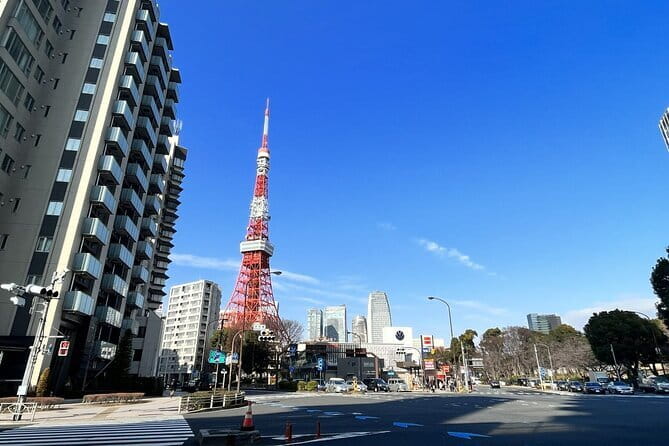
The final stop is Tokyo Tower, where you receive an admission ticket and spend about 1 hour and 15 minutes taking in the city views. The visit also highlights the tower’s retro architectural character.
Ending here makes practical sense. The route finishes near Akabanebashi Station, and your guide can help with questions about returning to your hotel or continuing to your next destination. You are not left at an isolated attraction without a transport option.
Tokyo Tower is a familiar symbol, but the ticket gives the day a clear finale. After visiting a sumo stable, market, garden, and temple, you get a high viewpoint over the city. The contrast between traditional places and Tokyo’s dense urban scale is one of the route’s strongest themes.
The tower stop is not only about the view. The retro feel of the structure adds another layer. You can appreciate it as a piece of Tokyo architecture, not simply as an elevator ride to an observation deck.
Weather can affect how much you enjoy an observation deck, though the provided schedule does not promise particular visibility. I would keep expectations sensible. The tower is included, but the view will depend on the conditions that day.
Walking, Trains, and the 15-Person Group

This is a walking tour in the practical sense. You use public transport, walk outdoors for several hours, and move through five different parts of Tokyo. There is no private vehicle to carry you between each stop.
That arrangement has advantages. Public transport keeps you connected to the city rather than sealed inside a van, and the route includes the train fare from Ningyocho Station to Tsukiji Station. It also means you should be comfortable with a full day on your feet.
The group maximum is 15 people. That is small enough for a guide to manage questions and meeting points without the feel of a large coach excursion. It is not a private tour, though, and the pace will be shared with the group.
Most people can participate, but the tour’s length and outdoor walking deserve attention. Wear shoes you trust. You will also need to handle your own transport to the starting point at Hamacho Station and from the ending point near Akabanebashi Station.
The start is at 8:15 a.m., so check your route to Hamacho Station before the morning of the tour. Your mobile ticket is convenient, but it does not remove the need to arrive at the correct station and meeting point on time.
The Guide Makes the Difference
An English-speaking local guide leads the day. The strongest praise attached to this experience focuses on the guide’s ability to blend personal anecdotes with Japanese history. One named guide, Jade, was specifically praised for making the day work through that mix of storytelling and context.
That detail matters. The stops are good on their own, but the connections between them give the experience its value. A guide can explain why the sumo stable requires quiet, help you make sense of the market, introduce the garden, and give the temple activities a clear place in the day.
The group format also means the guide handles timing. You do not need to work out the sequence of train travel, garden admission, tea, temple activities, and Tokyo Tower on your own. In return, you accept a set schedule and must return to meeting points when asked.
The available rating is 5 out of 5, with a 100 percent recommendation rate from 21 ratings. That is a small sample, so I would not treat it as proof that every departure will be perfect. Still, the praise for personal storytelling points to the part of the experience that may separate it from a basic city walk.
Who Should Book This Experience?
I would recommend this tour if you have one full day in Tokyo and want a broad first look at the city’s traditional culture, food, and famous sights. It suits people who like variety and prefer a guide to handle the structure.
It is especially useful for a first visit because you see several major types of place in one day: a sumo stable, food market, formal garden, Buddhist temple, and observation tower. You finish with a better sense of how old and modern Tokyo fit together.
I would be more cautious if you dislike early starts, long walks, public transport, or fixed schedules. It may also disappoint you if your main goal is guaranteed sumo practice, since training can be canceled or unavailable during tournament periods.
Food lovers should plan extra spending at Tsukiji. The tea experience is included, but the market food is not. Also remember that transport before the tour and after it ends is not covered.
Free cancellation is available if you cancel at least 24 hours before the start time. Changes or cancellations made inside that period are not accepted for a refund.
Should You Book It?
Book this tour if you want one well-organized day of varied Tokyo experiences and are happy to walk, ride trains, and follow a shared schedule. The strongest reasons are the real sumo setting, tea in Hama Rikyu Gardens, sutra copying at Zojoji, and the included Tokyo Tower ticket.
Skip it if you want a relaxed food tour, private transport, or a guaranteed sumo session. For everyone else, the combination is unusually broad, and the guide’s personal stories can turn a busy day of sightseeing into a more meaningful introduction to Tokyo.
FAQ
Where does the tour start?
The tour starts at Hamacho Station, at 2-chōme-59-3 Nihonbashihamachō in Chuo City, Tokyo.
What time does the tour begin?
The scheduled start time is 8:15 a.m.
Where does the tour finish?
The tour ends near Akabanebashi Station at 1-chōme-28-13 Higashiazabu, Minato City, Tokyo. The guide can assist with questions about transport afterward.
How long does the tour last?
The experience lasts approximately 8 hours and 15 minutes.
Is transportation included?
The train fare from Ningyocho Station to Tsukiji Station is included. Transport before the tour starts and after it finishes is not included.
Is food included at Tsukiji Fish Market?
No. Food and drinks are not included, so you pay separately for anything you choose to eat or buy at the market.
Is Tokyo Tower admission included?
Yes. The Tokyo Tower ticket is included in the tour price.
Is sumo training guaranteed?
No. The sumo training schedule can change, and training is closed during certain weeks when Grand Sumo Tournaments take place in January, May, and September.
How large is the group?
The tour has a maximum of 15 people, and an English-speaking local guide leads it.
Just added around Tokyo
- Yokohama : Tea Ceremony with Sweets and Souvenir★ 5.0 · 5 reviews
- Walking Tour: Yanaka,Nezu& Sendagi: Tea Ceremony & Old Tokyo★ 5.0 · 3 reviews
- Private Kimono and tea ceremony at local home near Tokyo Disney★ 5.0 · 6 reviews
- Private Mochi・Matcha sweets Making Class Near Shibuya Area★ 5.0 · 22 reviews
- Kimono and Tea Ceremony in Asakusa Private Food Tour With Guide★ 5.0 · 4 reviews
- 2 Hours Mochi &Nerikiri Making & Matcha Class in Bunkyo★ 5.0 · 21 reviews
- Tokyo Sweets Tour: Hidden Gems & Matcha at an Old Tea House★ 5.0 · 6 reviews
- Tokyo Tea Ceremony Class at a Traditional Tea Room★ 5.0 · 2 reviews
Walking Tours, compared.
Great Ocean Road Tour Plus Koalas, Forest Walk and Morning Tea
Read our review →

Great Ocean Road 12 Apostles & Rainforest Walk with Morning Tea
Read our review →

Kyoto Tea Ceremony & Kiyomizu-dera Temple Walking Tour
Read our review →
Antalya: Old Town Walking Tour with Turkish Tea and Baklava
Read our review →Browse the lists this tour appears in