
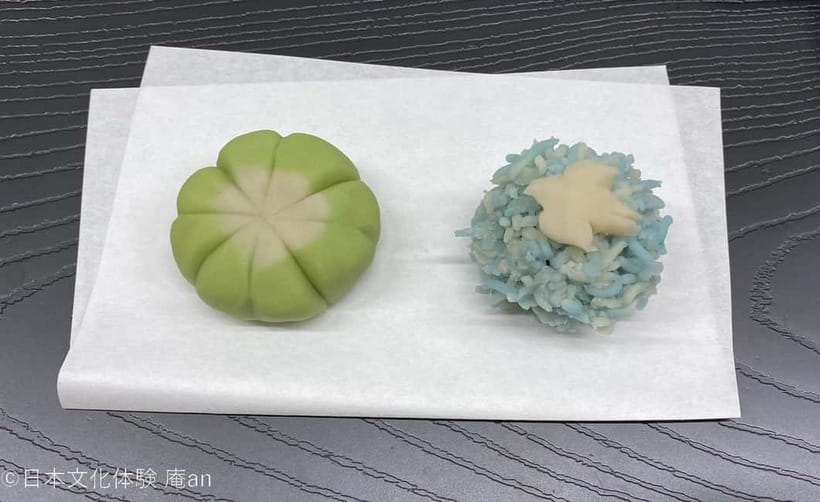
Review · TOKYO
Tokyo: Two Types of Japanese Sweets Making and Tea Ceremony
Make sweets, then whisk your own tea. This Tokyo class gives you three hands-on ways into Japanese food culture: wasanbon ohigashi, seasonal nerikiri, and matcha prepared in a casual tea ceremony. I like the use of bean paste from long-established Kyoto shops, and I like that you do the work yourself rather than simply watching a demonstration. The main consideration is that nerikiri takes a little finger skill, especially if you want neat shapes.
The price is $28 per person, which I find fair for 125 minutes of instruction, ingredients, and three connected activities. The Japanese instructor provides English translation as much as possible, and the small cultural details about sweets, green tea, and matcha add value beyond the finished treats.
This is a calm, focused experience, not a fast sightseeing stop. You need to arrive on time because the session cannot wait for late arrivals, and people who do not take part cannot enter. Children under two sitting on a parent’s lap are free.
Key points to know before booking
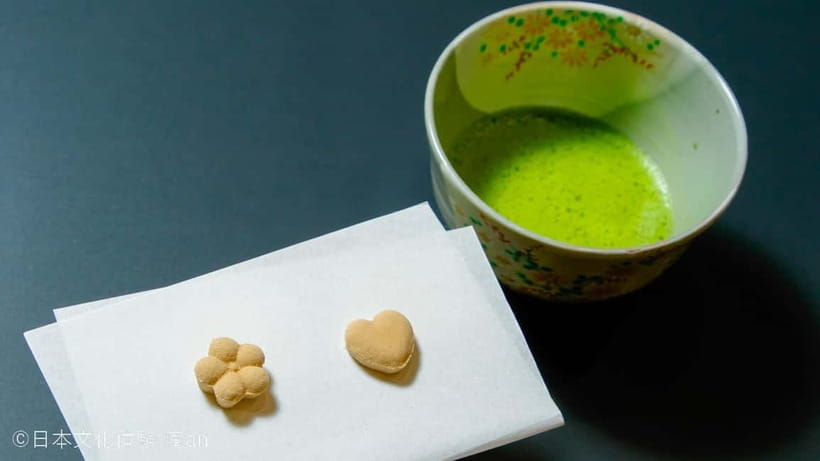
- Three activities in one class: Make wasanbon ohigashi, two seasonal nerikiri sweets, and matcha.
- Kyoto-made bean paste: The white and red bean paste comes from long-established Kyoto shops.
- Seasonal designs: Your nerikiri includes a flower shape and a kinton style.
- A practical tea lesson: You grind matcha during a demonstration, then whisk and drink your own tea.
- English support is available: The instructor teaches in Japanese and provides English translation as much as possible.
- Allow the full 125 minutes: The class includes short breaks, a photo period, and time to eat and drink what you make.
Why this Tokyo sweets class is worth your time
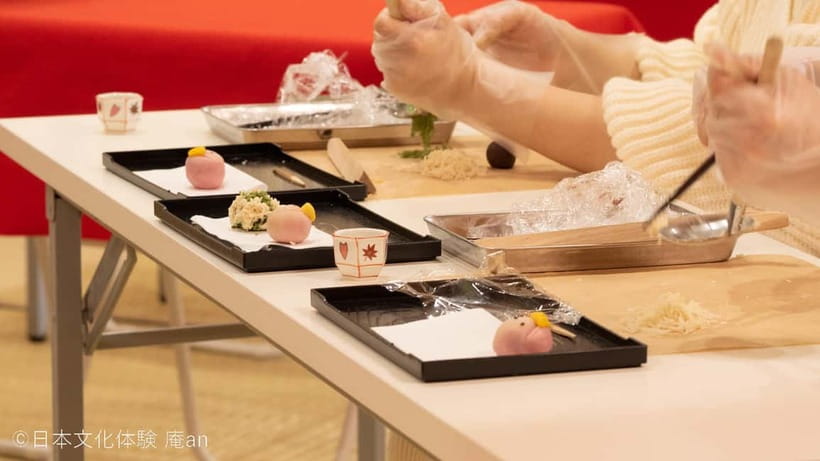
Japanese sweets can look like tiny works of art, but their appeal is not only visual. They are tied to the season, the tea table, and the careful balance of texture and sweetness. This class lets you handle the ingredients and see how several types of sweets fit into Japanese culture.
You make three different things, each with its own method. Ohigashi is dry and firm. Nerikiri is soft and moldable. Matcha is bitter, foamy, and best understood when you prepare it yourself. That variety keeps the two-hour session from feeling repetitive.
I especially like the link between the sweets and the tea ceremony. The program does not treat tea as a separate add-on. You make the sweets first, then prepare matcha and enjoy the results together. That gives the class a clear purpose: you are creating the small foods traditionally served with tea, then sitting down to taste them.
The experience takes place at AN TOKYO Japanese Culture Experience in Tokyo. The published rating is 4.6 from 26 ratings, and the strongest praise centers on the warm instruction, clear explanations, and the chance to try all three activities in one visit.
More Tea and Sweets Making in Tokyo
- Matcha Making Class in Tokyo with Authentic Japanese Sweets Set
★ 5.0 · 744 reviews - Tokyo: Matcha Making Experience with Mochi Sweets in Asakusa
★ 4.9 · 388 reviews - Make Traditional Nerikiri Sweets & Matcha experience in Shibuya
★ 5.0 · 130 reviews
Starting with wasanbon ohigashi
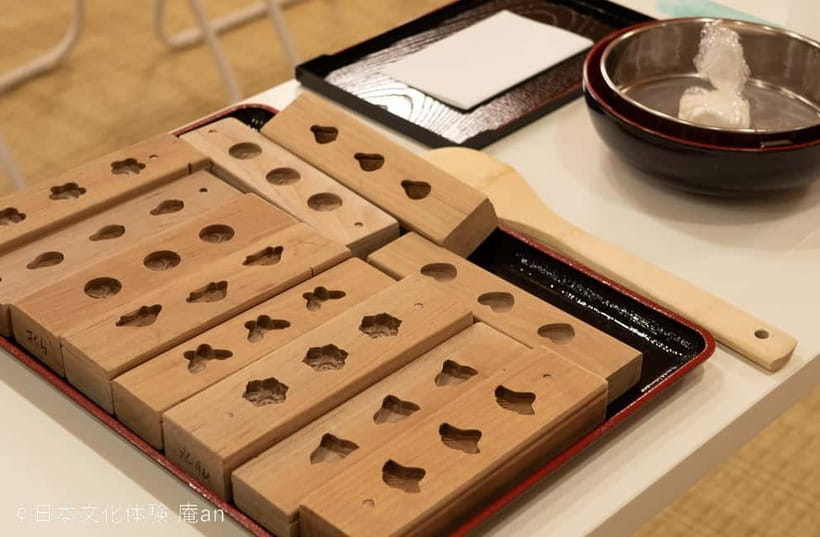
The first activity is ohigashi, a dried Japanese sweet made with wasanbon, a traditional Japanese sugar. Unlike soft bean paste sweets, ohigashi has a dry, delicate texture and is often shaped with molds.
This is the easiest part of the class according to the practical feedback available. You receive an explanation of traditional Japanese sweets, then make the ohigashi yourself. The method is approachable, so it gives you a gentle start before the more detailed nerikiri work.
Wasanbon matters here. It is not simply ordinary granulated sugar used in a different shape. The class presents it as a traditional Japanese ingredient, and its use helps show how Japanese confectionery values fine texture, subtle sweetness, and appearance.
You should not expect to produce a large quantity of sweets. The point is the process and the cultural setting, not stocking up for the rest of your Tokyo trip. If you want to take some home, a sweets take-out box costs an additional 100 JPY.
The hands-on challenge of two seasonal nerikiri
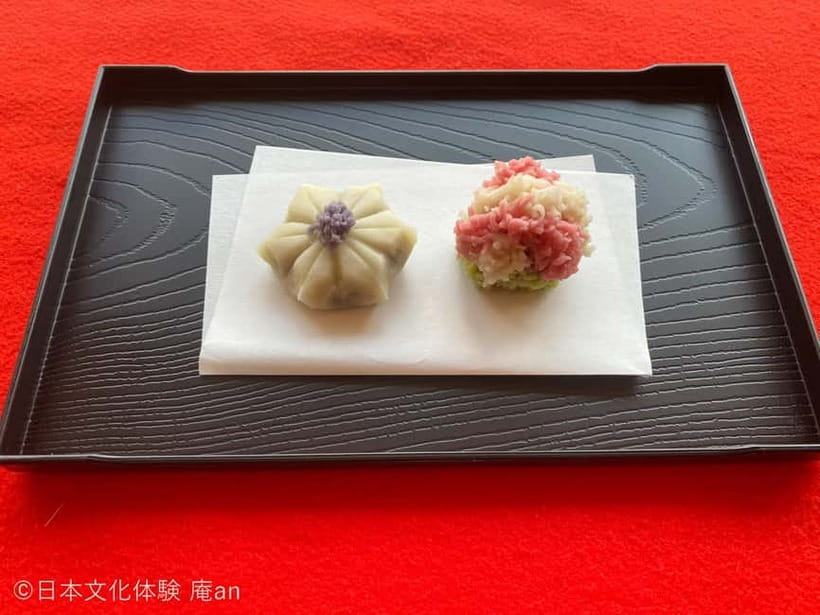
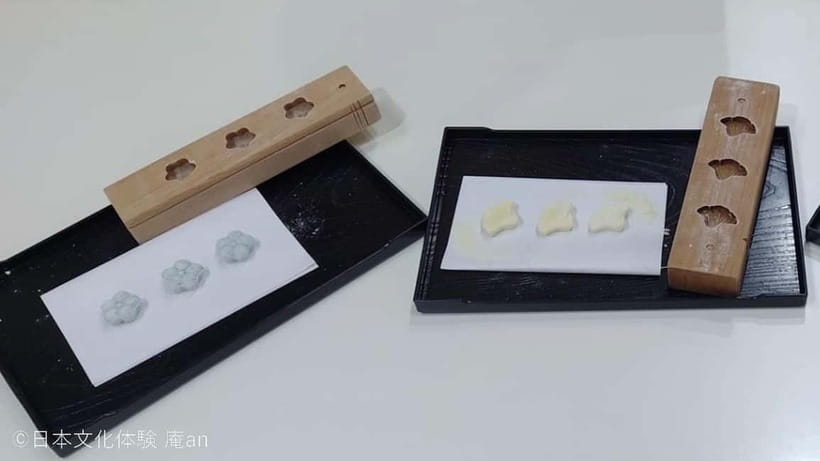
After the first activity and a short break, the class moves to nerikiri. You make two seasonal sweets: a flower-shaped nerikiri and a kinton nerikiri.
Nerikiri is made from white or red bean paste and shaped into detailed forms. The white and red bean paste used here comes from long-established shops in Kyoto, which gives this portion a stronger sense of place. You are not simply working with an anonymous sweet mixture. The ingredient has a connection to one of Japan’s best-known confectionery traditions.
The flower design is a good introduction to shaping. The kinton style requires a different look and more care. This is where you need a light touch. The paste can be forgiving, but it also shows fingerprints and uneven handling. If you care about making a tidy final shape, slow down and follow the instructor’s movements.
The class is suitable for beginners, but you should set your expectations sensibly. Your sweets may not look as polished as those in a Japanese shop window. That is part of the fun. You will understand why professional wagashi makers spend years refining small movements.
The seasonal element also gives this activity more meaning. Japanese sweets often reflect flowers, weather, or the time of year. The exact designs can change with the season, so the sweets you make are linked to the date of your visit rather than being fixed year-round souvenirs.
What the Kyoto bean paste adds
The bean paste is one of the best details in this experience. White bean paste, often used for pale and delicate nerikiri, gives you a smooth base for color and shape. Red bean paste brings a deeper bean flavor and a more familiar Japanese sweetness.
The information provided does not specify the exact balance of white and red paste in each sweet, so you should not expect a detailed tasting menu. Still, the ingredient choice helps separate this class from a generic craft workshop.
You also have the option of adding color for 200 JPY. This may be useful if you want more decorative results, especially for the flower shape. Ask about this before you begin so you understand what is included and what costs extra.
More Tea Ceremonies in Tokyo
- Kimono Tea Ceremony at Tokyo, Asakusa Maikoya
★ 5.0 · 638 reviews - Tokyo: Traditional Tea Ceremony with a Tea Master
★ 5.0 · 528 reviews - Tea Ceremony Workshop in Tokyo by the Experienced Instrucor
★ 5.0 · 189 reviews - Asakusa: Kimono Tea Ceremony with Matcha and Sweet
★ 4.9 · 153 reviews
A short break before the matcha
The schedule includes another break before the tea portion. The timing is clear: the class begins with an explanation and ohigashi, moves to nerikiri at about the 30-minute mark, then reaches the tea explanation around 95 minutes.
These pauses matter. Making nerikiri requires concentration, and a short rest keeps the session from becoming a long stretch of fine handwork. You also have time to look at what you have made before moving into the quieter tea section.
The program is structured rather than open-ended. You are guided from one stage to the next, so this suits you if you prefer a clear lesson. It may feel less suitable if you want to wander between stations or choose your own pace.
Grinding, whisking, and drinking single-origin matcha
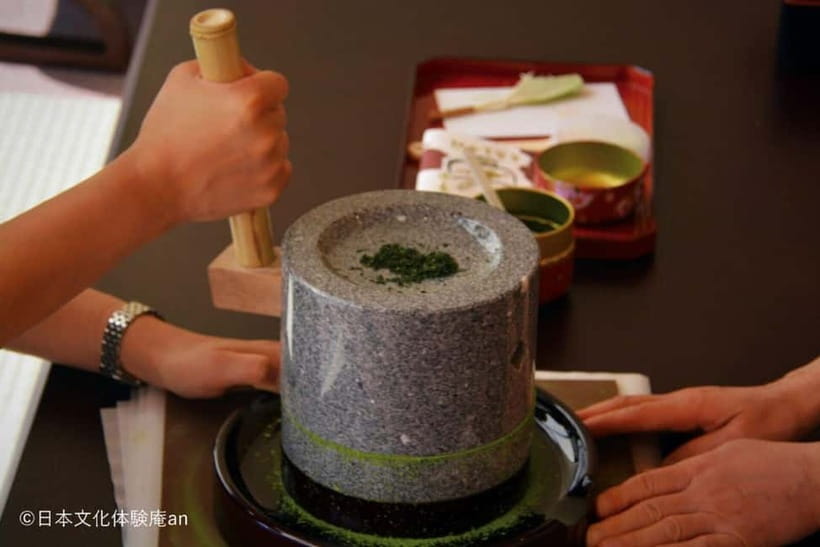
The final main activity is matcha. You first receive an explanation of tea, followed by a demonstration of grinding matcha. The class uses special single-origin matcha, a detail that gives the drink more focus than a casual green tea tasting.
You then prepare your own matcha and take part in a relaxed tea ceremony. This is not presented as a strict, formal ceremony with pressure to memorize every movement. It is a friendly introduction that lets you try the basic action of whisking the tea and then taste what you prepared.
The hands-on part is easier than the nerikiri shaping. The whisking itself is not difficult, though getting a fine foam may take a little practice. The contrast works well: the sweets demand finger control, while the tea gives you a simple, calming finish.
A useful explanation compares green tea and matcha, along with different types of Japanese sweets. That background helps you understand what you are drinking and eating. You leave with more than a sweet snack, although the session remains light and approachable.
The final photo and tasting period
Near the end, there is time for pictures, followed by eating and drinking. The formal session ends at about 115 minutes, and you leave the room at approximately 125 minutes.
The photo period is useful because your nerikiri will look its best before you eat it. If you want a record of the experience, this is the natural moment to take pictures of the sweets and your tea. The exact photography setup is not specified, so you should not assume a professional photo service.
The tasting is part of the experience, not just an afterthought. You get to compare the dry ohigashi with the softer nerikiri and match them with the bitter matcha. That contrast is one of the strongest reasons to choose this activity instead of a simple sweets-making lesson.
English support and the teaching style
The instructor is Japanese, and English translation is provided as much as possible. You should treat this as helpful support rather than a promise of fully bilingual instruction at every second.
Clear gestures and demonstrations are especially useful here. The activities are visual and hands-on, so you can follow the shaping and whisking even if some explanations require patience. The instructor also explains background information, including types of ohigashi and the difference between green tea and matcha.
The most praised feature is the care taken by the instructor. The teaching is described as kind and attentive, with effort made to explain both the techniques and the cultural background. That matters in a class where the ingredients and gestures may be unfamiliar.
If you need highly detailed English instruction for every step, contact the provider before booking. The listed language is Japanese, with English translation provided as much as possible.
Is $28 a good value?
At $28 per person, this is good value if you want an active cultural experience rather than a short tasting. You receive three activities over 125 minutes, ingredients for the sweets, matcha, instruction, and time to consume what you make.
The value is strongest when you care about learning how Japanese sweets and tea connect. A person interested only in eating wagashi could find the session longer than necessary. You are paying for the guided process, not just the food.
Extra charges are modest but worth noting. A take-out box costs 100 JPY, added color costs 200 JPY, and a completion certificate costs 300 JPY. None is required for the core activity.
The reserve-now-and-pay-later option also helps if your Tokyo schedule is still shifting. Free cancellation is available up to 24 hours in advance for a full refund. Do remember that the provider cannot hold the session for delays, and it does not cover travel costs if you miss or cancel the event.
Who should book this experience?
I would recommend this class to you if you want a quiet, creative break in Tokyo. It works well for couples, families with participating children, and anyone curious about Japanese sweets but unsure where to begin.
It is also a good choice for people who enjoy food crafts. The nerikiri portion gives you something to shape with your hands, while the tea ceremony adds cultural context. You do not need prior experience with matcha or Japanese confectionery.
You may want to skip it if you dislike sweet bean paste, do not want to participate actively, or prefer a fast activity with no fixed schedule. Nonparticipants cannot enter, so this is not a good arrangement for a group where one person simply wants to watch.
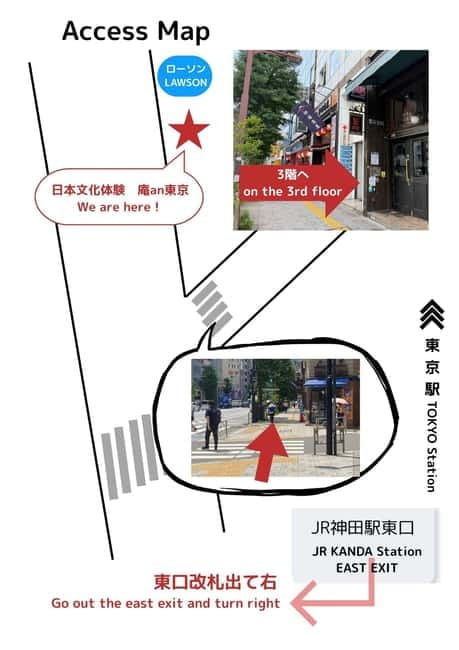
Arrive with enough time to find AN TOKYO Japanese Culture Experience. The class cannot wait for late arrivals, and the full schedule runs for just over two hours. Operating hours are 10:00 to 17:00, with reservations received after 17:00 processed the next day.
Should you book the Tokyo sweets and tea class?
Book it if you want three linked Japanese culture activities at a reasonable price. The best parts are the Kyoto bean paste, seasonal nerikiri, single-origin matcha, and the kind instruction that makes unfamiliar techniques feel manageable.
Go in expecting handmade sweets, not perfect confectionery-shop results. The nerikiri can be fiddly, but that challenge is also what makes the finished sweets satisfying. Add the inexpensive take-out box if you want to carry them away, and arrive on time for a relaxed 125-minute lesson with plenty to taste and remember.
FAQ
Where does the experience take place?
It takes place at AN TOKYO Japanese Culture Experience in Tokyo, on Honshu, Japan.
How long does the class last?
The full experience lasts 125 minutes. The formal session ends at about 115 minutes, followed by eating and drinking time before room departure at 125 minutes.
What Japanese sweets will I make?
You will make wasanbon ohigashi, a flower-shaped nerikiri, and a kinton nerikiri. The two nerikiri sweets match the season.
What is ohigashi?
Ohigashi is a dried Japanese sweet made with wasanbon, a traditional Japanese sugar.
What ingredients are used for the nerikiri?
The sweets use white and red bean paste produced by long-established shops in Kyoto.
Is matcha included?
Yes. The experience includes a matcha grinding demonstration, a casual tea ceremony, and the chance to make and drink your own matcha.
Is English instruction available?
The instructor teaches in Japanese, and English translation is provided as much as possible.
How much does the experience cost?
The listed price is $28 per person.
Can I take the sweets home?
A sweets take-out box is available for an additional 100 JPY.
What happens if I need to cancel?
You can cancel up to 24 hours in advance for a full refund. The session cannot be held for delays, and travel expenses are not compensated if the event is missed or canceled.
Just added around Tokyo
- Yokohama : Tea Ceremony with Sweets and Souvenir★ 5.0 · 5 reviews
- Walking Tour: Yanaka,Nezu& Sendagi: Tea Ceremony & Old Tokyo★ 5.0 · 3 reviews
- Private Kimono and tea ceremony at local home near Tokyo Disney★ 5.0 · 6 reviews
- Private Mochi・Matcha sweets Making Class Near Shibuya Area★ 5.0 · 22 reviews
- Kimono and Tea Ceremony in Asakusa Private Food Tour With Guide★ 5.0 · 4 reviews
- 2 Hours Mochi &Nerikiri Making & Matcha Class in Bunkyo★ 5.0 · 21 reviews
- Tokyo Sweets Tour: Hidden Gems & Matcha at an Old Tea House★ 5.0 · 6 reviews
- Tokyo Tea Ceremony Class at a Traditional Tea Room★ 5.0 · 2 reviews
Tea Ceremonies in Tokyo, compared.
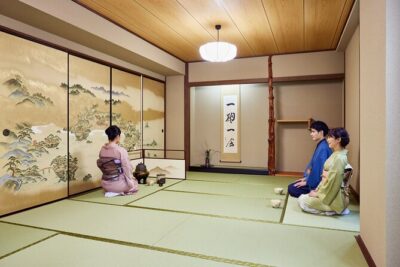
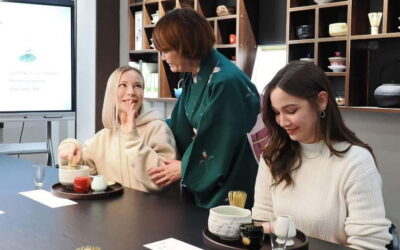
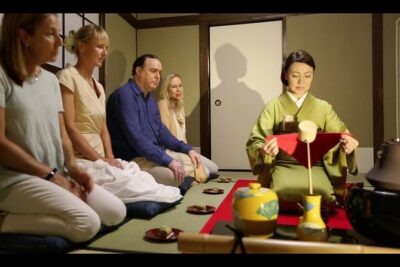
Tea Ceremony Workshop in Tokyo by the Experienced Instrucor
Read our review →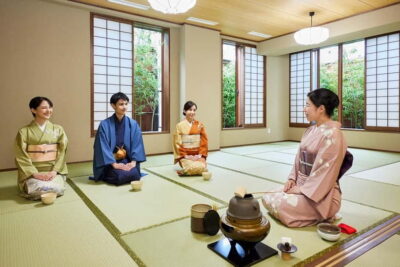
Asakusa: Kimono Tea Ceremony with Matcha and Sweet
Read our review →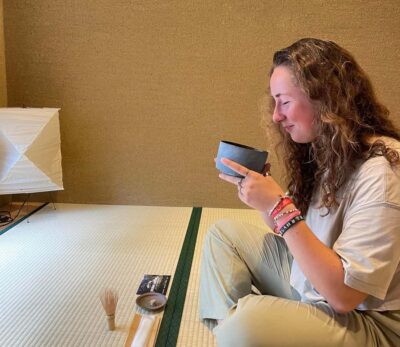
Tea Ceremony Experience in a Private Tea Room in Shibuya
Read our review →
Tea ceremony experience in Japanese-style room 60min
Read our review →Browse the lists this tour appears in