
Review · TOKYO
Tokyo: Tea Ceremony in Shibuya Tokyo
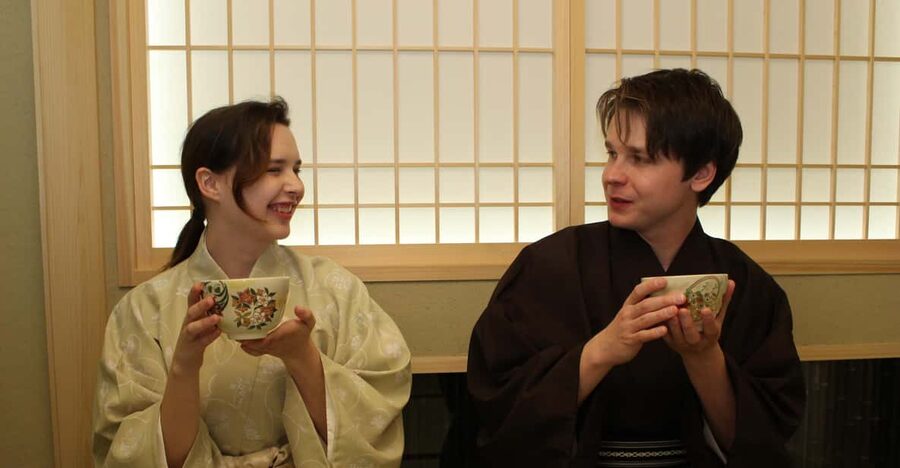
Slow down over a bowl of matcha. This private Shibuya tea ceremony gives you a calm introduction to Japanese tea culture, with an English-speaking teacher, a formal tea demonstration, traditional sweets, and time to prepare your own drink. I especially like the private format, which keeps the experience personal, and the chance to learn by doing rather than simply watching.
The setting is a prestigious tea room, and the teachers have experience in tea ceremony instruction. The main consideration is the price: at $81 per person, this is not a quick, budget cup of tea. It makes the most sense if you want cultural context, patient guidance, and a small-group experience rather than a short tasting.
Key points to know before booking
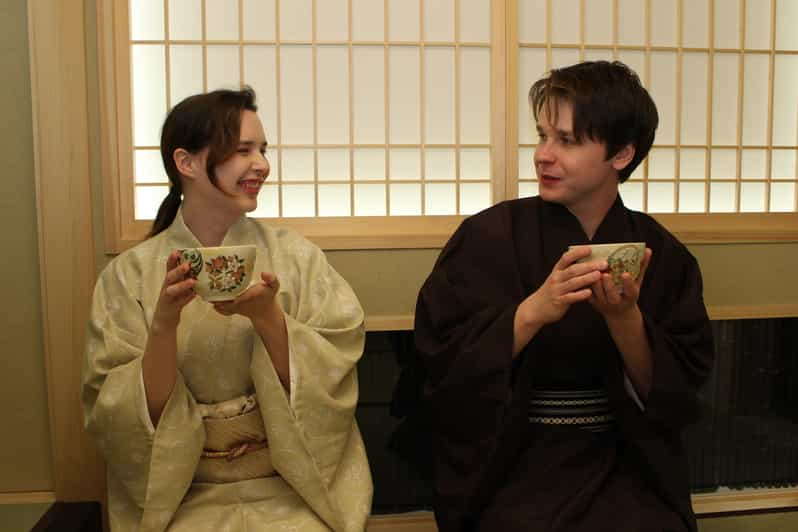
- Private groups of one to four people: You share the tea room only with your own family or friends, not a mixed group.
- English-speaking instruction: The class covers tea ceremony history, etiquette, and the Otemae tea-making process.
- You make your own matcha: After watching the teacher, you prepare tea yourself and then drink it with a traditional Japanese sweet.
- A one-hour option is available: One published experience describes a shorter one-hour format, while other plans and dates may be available.
- Kimono rental is optional: You may be able to wear a kimono for an extra charge. Suitable pants or a wrap skirt are available at no cost if your clothing does not cover your knees.
- Small cultural souvenirs: The experience may also offer items such as Pokemon figures made from kimono fabric, along with tea-related goods.
Why a Shibuya tea ceremony makes a good break
Shibuya is famous for bright signs, shopping, music, and crowded crossings. A tea ceremony offers a very different rhythm. You sit down, listen carefully, watch deliberate movements, and focus on a single bowl of matcha.
That change of pace is part of the appeal. You do not need to know anything about tea ceremony before arriving. The class is designed to explain the customs as you go, so you can appreciate the gestures instead of worrying about making a mistake.
I like that the lesson treats tea ceremony as more than a way to prepare a drink. You learn about its history and etiquette, then see how those ideas appear in the arrangement of the room, the host’s movements, and the way tea and sweets are served.
The private setup matters here. In a large class, it can be hard to ask questions or see the demonstration clearly. With a maximum of four people, you can take your time, and the teacher can guide each person through the process.
More Tea Ceremonies in Tokyo
- Kimono Tea Ceremony at Tokyo, Asakusa Maikoya
★ 5.0 · 638 reviews - Tokyo: Traditional Tea Ceremony with a Tea Master
★ 5.0 · 528 reviews - Tea Ceremony Workshop in Tokyo by the Experienced Instrucor
★ 5.0 · 189 reviews
Entering the tea room and learning the rules
The experience begins with an explanation of tea ceremony, its history, and its basic etiquette. This introduction gives you the cultural frame for everything that follows.
Japanese tea ceremony has many formal movements, but you are not expected to memorize a long list of rules. The teacher explains what to do and why it matters. That makes the customs easier to understand and less intimidating.
Pay attention during this opening section. Small actions, such as how tea is presented or how you handle the bowl, are connected to ideas of respect and attention. The ceremony asks you to notice details that you might normally rush past.
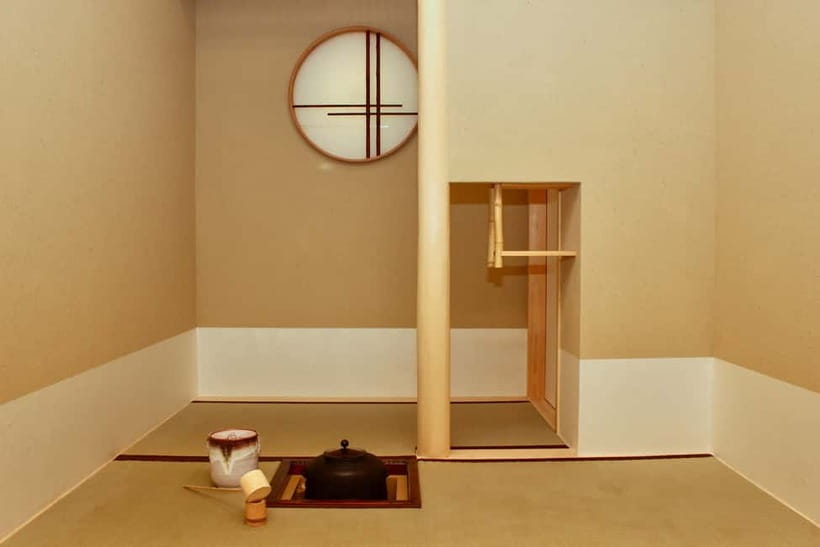
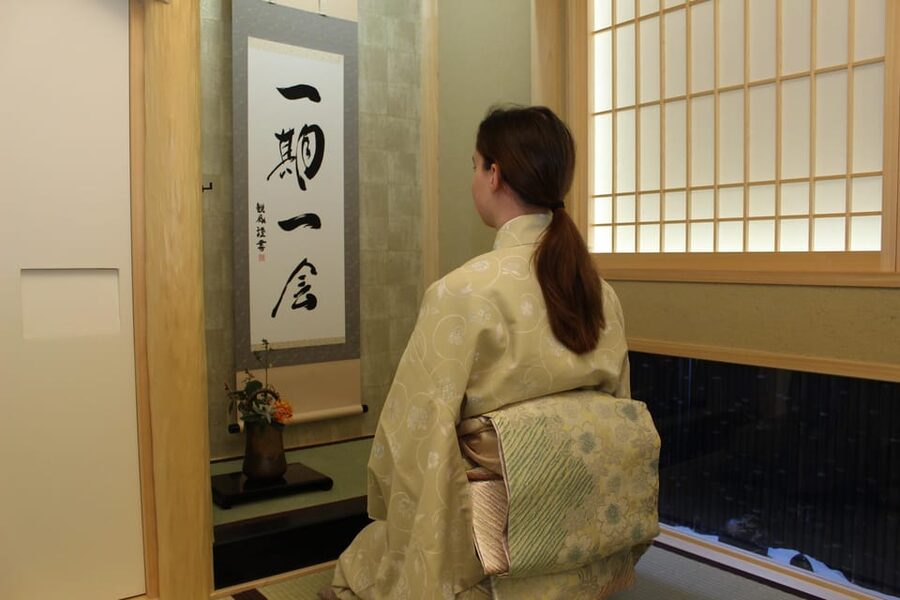
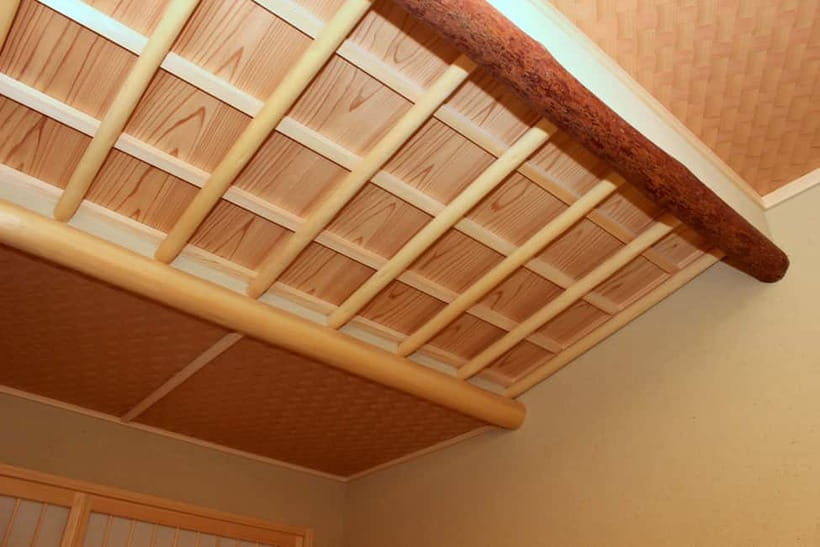
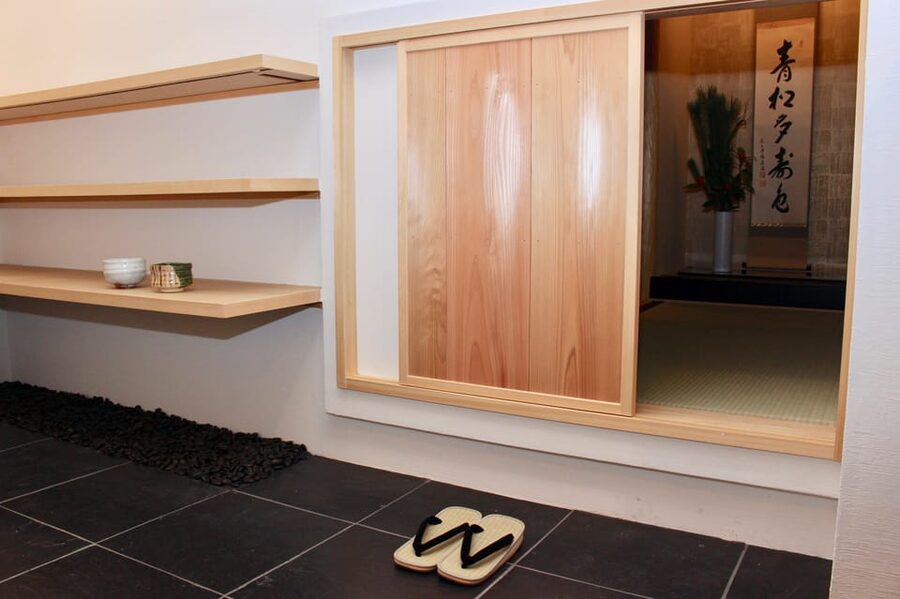
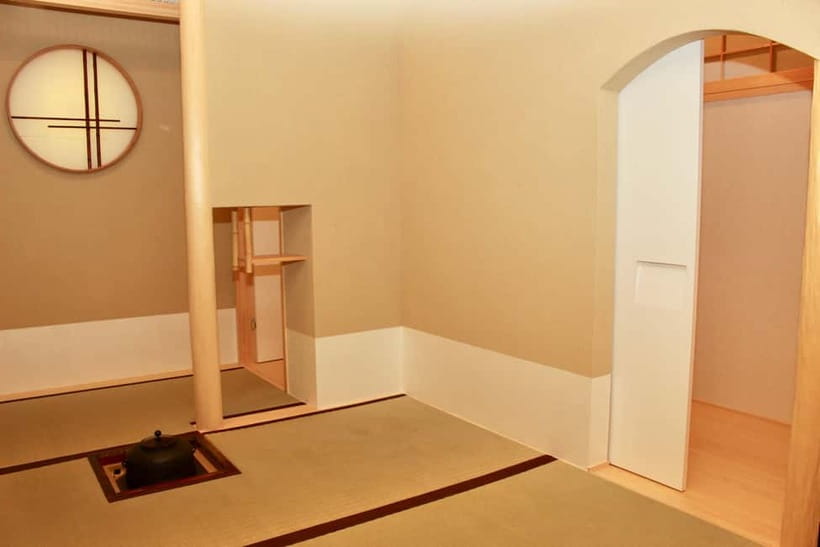
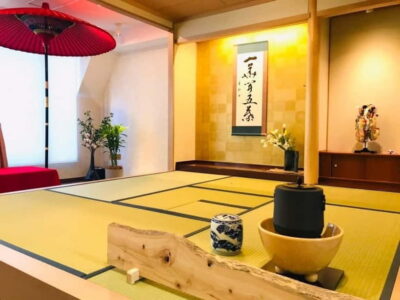
The room itself is part of the lesson. The setting is described as a prestigious tea room, so the surroundings should feel more considered than a casual cafe. The exact design and decoration can vary by plan, but you can expect the room to support a quiet, formal presentation.
One point to keep in mind is that the ceremony has its own pace. If you prefer a fast activity with constant movement, the quiet pauses may feel slow. If you enjoy learning through observation, those pauses are exactly what make the experience work.
Watching Otemae, the formal tea preparation
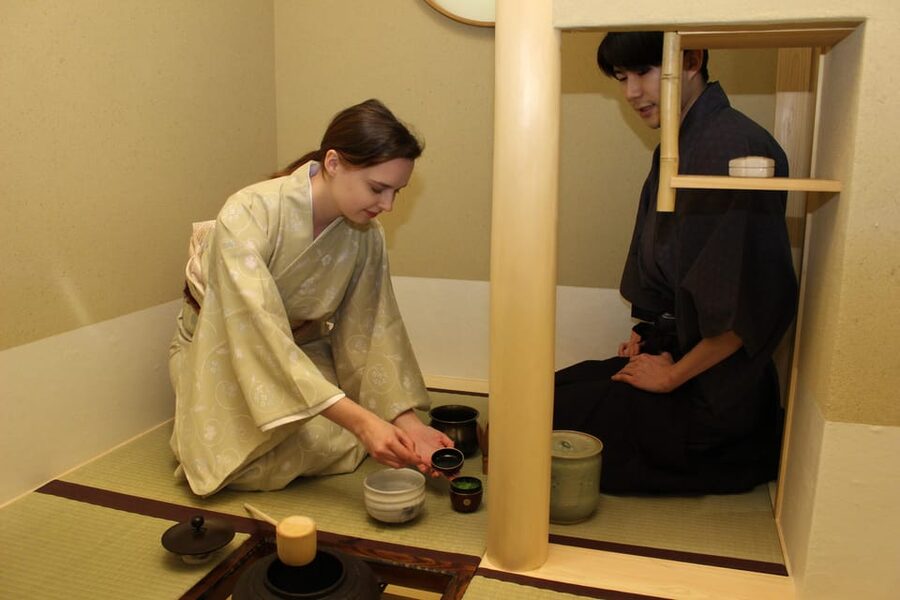
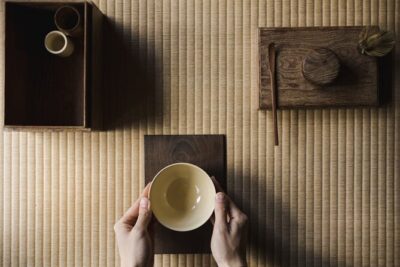
Next comes the teacher’s demonstration of Otemae, the process of preparing matcha. This is the moment when the explanation becomes physical. You see the tools handled in a set order, the matcha prepared, and the tea presented with care.
The demonstration is led by an experienced teacher, and instruction is available in English. That is important because the meaning of the movements can otherwise be easy to miss. You are not simply watching someone whisk green tea. You are being shown a traditional sequence and the manners that accompany it.
A teacher named Mako-san is specifically associated with one of the classes. She is described as charming and very well informed about the ceremony. If your booking is with her, her friendly manner may help make the formal setting feel welcoming rather than stiff.
The demonstration also gives you a chance to watch before trying anything yourself. I prefer this approach to being handed a bowl and whisk with little explanation. You first see the correct method, then have a chance to copy it with help.
Do not expect every movement to feel natural on the first attempt. Tea ceremony is precise, and your first bowl may not look exactly like the teacher’s. That is fine. The point is to understand the process and take part, not to pass a test.
Tasting Japanese sweets before your matcha
Traditional Japanese sweets are served before you make your tea. This is not just a snack break. Sweet flavors help balance the bitter, grassy taste of matcha, making the drink easier to appreciate.
The sweets are part of the cultural experience, too. You get to see how tea ceremony brings together presentation, taste, and timing. A small sweet can prepare your palate for the matcha and help you notice how the two flavors work together.
The exact type of sweet is not specified, so do not book this expecting a particular dessert. You can expect traditional Japanese sweets to be included, along with the tea and facility charges.
Several people who have tried this class have praised both the sweets and the matcha. That makes the tasting a meaningful part of the program rather than a token inclusion. Still, matcha has a distinct flavor, and you may find it stronger or more bitter than the green tea commonly served outside Japan.
Same place, a different pot:
- Matcha Making Class in Tokyo with Authentic Japanese Sweets Set
★ 5.0 · 744 reviews - Tokyo: Matcha Making Experience with Mochi Sweets in Asakusa
★ 4.9 · 388 reviews - Asakusa Cultural Walk & Matcha Making Tour
★ 5.0 · 245 reviews - Mt. Fuji & Lake Kawaguchiko Ropeway Panorama Full-Day Tour
★ 4.6 · 236 reviews
Making your own bowl of matcha
After the demonstration and sweets, it is your turn. You prepare your own matcha under the teacher’s direction, then taste the tea you made.
This hands-on part is the strongest reason to choose the experience over a simple tea presentation. You understand the effort behind the drink because you have handled the tools and followed the steps yourself.
The private group format should make this portion comfortable. Each person can take a turn without feeling watched by a room full of strangers. You can also ask questions as you go, which is useful if you are unsure about the whisking motion or the order of preparation.
Your result may differ from the teacher’s. That is part of the fun. The class is not aimed at producing a perfect cup every time. It gives you a practical connection to the ceremony and a better sense of why the preparation is so deliberate.
The final tasting closes the main activity. You drink your own matcha with the Japanese sweet and have a chance to reflect on the process. The experience is short enough to fit into a busy Tokyo day, but it has more substance than a quick cultural photo stop.
Optional kimono wear and handmade souvenirs
You may be able to wear a kimono while taking part in the ceremony, though a charge applies. This can make the occasion feel more special and creates a stronger visual connection with the setting.
Because kimono dressing is not included in the stated price, ask about the cost before booking if wearing one is important to you. The basic tea ceremony remains the main activity, so you do not need a kimono to take part.
Clothing should cover your knees. If your skirt or pants are not suitable, the provider can lend you appropriate pants or a wrap skirt free of charge. That is a useful practical detail, especially if you are dressing for a full day of sightseeing and did not plan an outfit around tea ceremony etiquette.
The experience may also include souvenirs made from kimono material, including Pokemon figures. These are a fun contrast to the formal ceremony. They connect traditional fabric with a modern Japanese pop-culture favorite, making them more distinctive than a standard souvenir-shop item.
There may also be tea sets and matcha available for purchase. One participant bought a tea set after the ceremony, so allow a little extra time if you are interested in taking home something practical. These purchases are not part of the $81 price.
What the $81 price includes
At $81 per person, the experience sits in the midrange for a private cultural activity. The price includes the tea, traditional sweets, facility charges, and taxes. You are paying for instruction and private use of the experience, not only for the ingredients.
For one person, the cost is harder to justify if you simply want to taste matcha. A cafe will be cheaper and faster. The value improves for a couple, family, or group of friends who want a shared activity with no strangers in the room.
The private maximum of four people is an important part of the price calculation. You receive direct instruction and avoid the anonymity of a large class. If you are traveling with three other people, the total cost buys a more personal setting where everyone gets a turn.
Kimono rental, if selected, costs extra. Souvenirs and tea sets are also separate purchases. Factor those costs in if you want the full dress-up experience or plan to shop afterward.
The experience provider is Legalis. Booking and payment are required in advance, but the available booking terms allow you to reserve and pay later. You can cancel up to 24 hours before the activity for a full refund, which gives you some protection when planning a packed Tokyo schedule.
Timing, pickup, and practical preparation
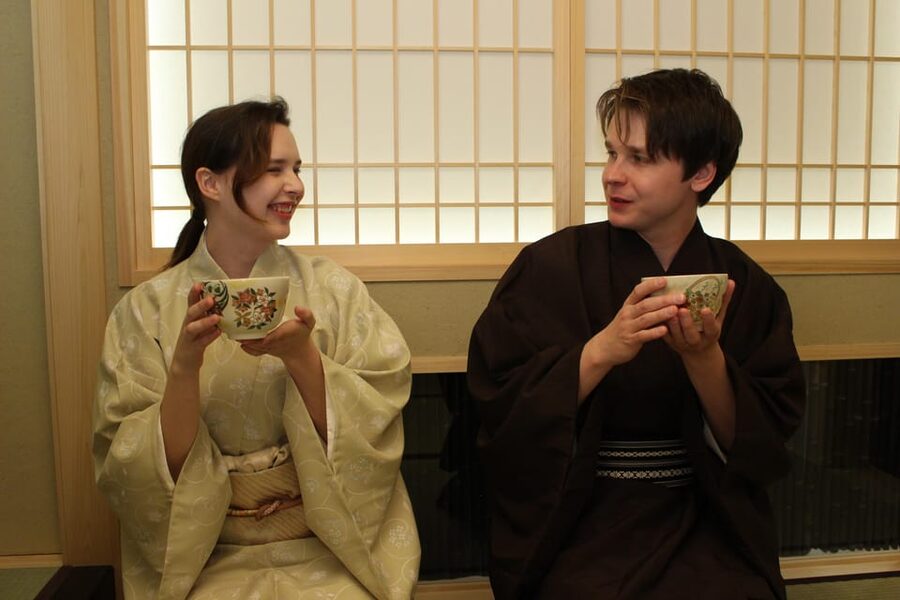
A shorter one-hour tea ceremony format is available, based on the described experience. Other plans and dates may also be offered, so check the selected option carefully rather than assuming every booking has the same length.
Pickup service is included if needed, but you should contact the provider by email before booking to arrange it. Use [email protected] for questions about pickup, kimono rental, available plans, or other arrangements.
The tea class is offered in English. That makes it a good choice if you want cultural explanation without relying on translation. It also means you can ask about the meaning behind the gestures and etiquette as the lesson progresses.
You do not need to bring special equipment. The tea, sweets, and facility charges are covered, and suitable clothing can be lent if needed. Wear something comfortable and make sure your knees will be covered, or plan to use the provided pants or wrap skirt.
Since the group size ranges from one to four people, the experience can work for a solo booking, a couple, or a small family. Mixed sessions are not arranged, so you do not share the lesson with unrelated people.
Who will enjoy this experience most
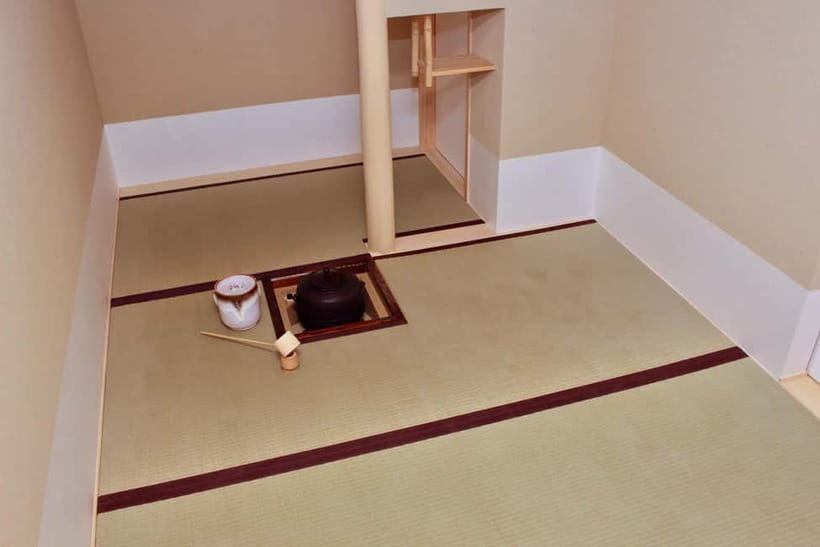
I would recommend this ceremony to anyone who wants more than a photograph in a traditional room. You get an explanation, a demonstration, a tasting, and a chance to prepare the tea yourself.
It is particularly suitable for:
- Couples looking for a quiet cultural activity
- Families who want a private lesson
- Friends who prefer hands-on experiences
- First-time visitors to Japan who want help understanding tea etiquette
- Anyone interested in traditional clothing, handmade goods, or Japanese sweets
The class may be less suitable if you are looking for a large social event or a highly active outing. It is quiet and structured. You will spend much of the time sitting, watching, listening, and repeating careful movements.
Children may enjoy making the matcha, especially in a private group where the teacher can give individual guidance. The provided information does not specify a minimum age, so ask before booking if you are traveling with young children.
The activity also suits a busy Tokyo itinerary because the shorter format can fit between other plans. Just allow enough time to reach the venue and, if needed, arrange pickup in advance.
Should you book this Shibuya tea ceremony?
Book it if you want a private, English-led introduction to Japanese tea ceremony and value personal instruction. The combination of history, etiquette, sweets, demonstration, and hands-on matcha preparation gives the $81 price a clear purpose.
I would especially choose it for a couple or a group of up to four people. The private setting, optional kimono, and small fabric souvenirs make it feel more personal than a standard cultural demonstration.
Skip it if your main goal is an inexpensive drink or a fast stop between shopping visits. Matcha can be found for less elsewhere, and the formal pace will not suit everyone.
For a calm hour or so in Shibuya, though, this is a thoughtful choice. You leave with more than a taste of green tea. You understand the manners, movements, and care that turn a simple bowl of matcha into a Japanese cultural ritual.
FAQ
Where does the tea ceremony take place?
The experience takes place in Shibuya, Tokyo, on Honshu, Japan, inside a prestigious tea room.
How much does the experience cost?
The listed price is $81 per person.
How many people can join one booking?
Each booking is private and can include from one to four people.
Will I share the ceremony with other groups?
No. The experience is private for your own group, and mixed sessions are not arranged.
Is the class offered in English?
Yes. The classes are led by English-speaking teachers experienced in tea ceremony.
What happens during the ceremony?
You receive an explanation of tea ceremony history and etiquette, watch a demonstration of Otemae, prepare your own matcha, and taste it with traditional Japanese sweets.
Are tea and sweets included in the price?
Yes. Tea, sweets, facility charges, and taxes are included.
Do I need to bring anything?
Nothing special is required. You should wear a skirt or pants long enough to cover your knees. Suitable pants or a wrap skirt can be lent to you free of charge if needed.
Is pickup available?
Pickup service is included if needed, but you should contact the provider by email before booking to arrange it. The email address is [email protected].
Just added around Tokyo
- Yokohama : Tea Ceremony with Sweets and Souvenir★ 5.0 · 5 reviews
- Walking Tour: Yanaka,Nezu& Sendagi: Tea Ceremony & Old Tokyo★ 5.0 · 3 reviews
- Private Kimono and tea ceremony at local home near Tokyo Disney★ 5.0 · 6 reviews
- Private Mochi・Matcha sweets Making Class Near Shibuya Area★ 5.0 · 22 reviews
- Tokyo Sweets Tour: Hidden Gems & Matcha at an Old Tea House★ 5.0 · 6 reviews
- Kimono and Tea Ceremony in Asakusa Private Food Tour With Guide★ 5.0 · 4 reviews
- 2 Hours Mochi &Nerikiri Making & Matcha Class in Bunkyo★ 5.0 · 21 reviews
- Tokyo Tea Ceremony Class at a Traditional Tea Room★ 5.0 · 2 reviews
Tea Ceremonies in Tokyo, compared.
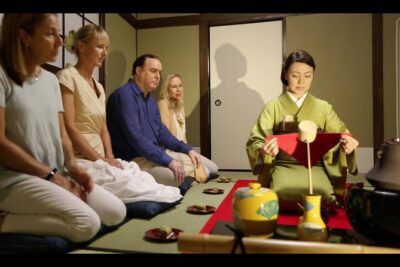
Tea Ceremony Workshop in Tokyo by the Experienced Instrucor
Read our review →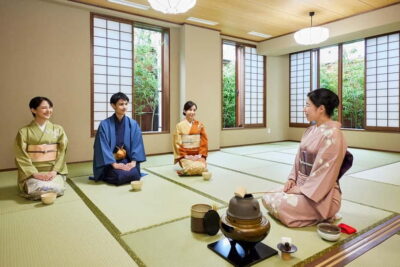
Asakusa: Kimono Tea Ceremony with Matcha and Sweet
Read our review →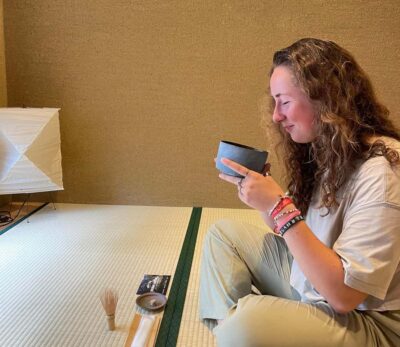
Tea Ceremony Experience in a Private Tea Room in Shibuya
Read our review →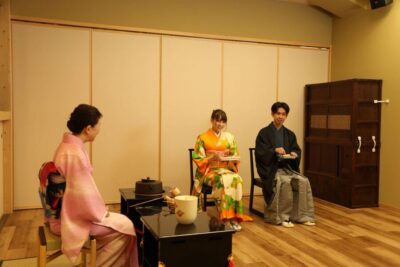
Tea ceremony experience in Japanese-style room 60min
Read our review →Browse the lists this tour appears in