
Review · TOKYO
Tokyo: Tea Ceremony Experience in Asakusa
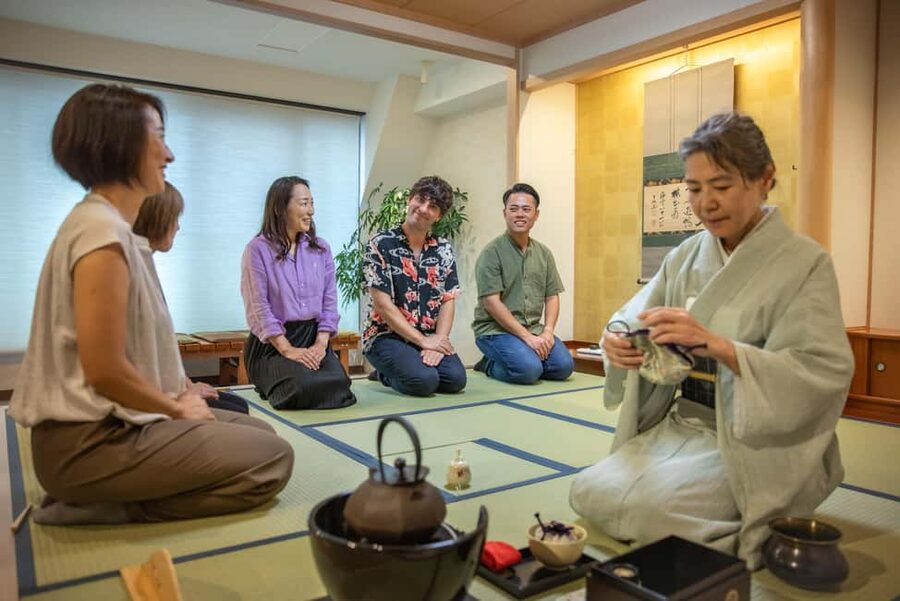
Slow down with a bowl of tea. This Asakusa experience makes Japanese tea ceremony friendly and practical, giving you a chance to learn the gestures, taste matcha, and prepare your own bowl. I like the relaxed English instruction and the chance to ask questions without worrying about perfect etiquette. I also like the small group limit of eight, which gives the lesson a personal feel. The main drawback is its short one-hour format, so you get an introduction rather than a full study of tea culture.
The class costs $25 per person, a fair price for guided instruction, sweets, and hands-on matcha preparation in central Tokyo. You will not wear a kimono, since rental is not included, and the meeting point can take a little care to find: Tokyo Tourist Lounge Asakusa is on the fifth floor of its building.
Four things to know before booking
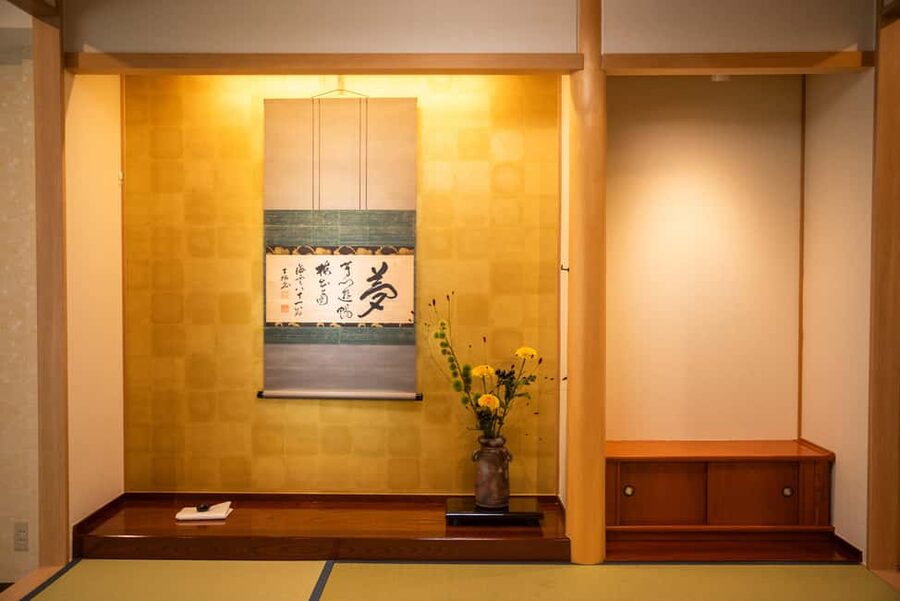
- You prepare your own matcha: The lesson does not stop at watching. You whisk your own bowl and drink it at your own pace.
- The ceremony is made for beginners: Your host explains the meaning behind the movements, including pouring water and presenting the tea.
- The group is limited to eight: This helps keep the session calm and leaves room for questions and photos.
- English guidance is included: Hosts such as Midori and Kaz have been praised for clear, kind instruction.
- Traditional sweets come with the tea: The sweets balance matcha’s strong, grassy flavor and make the tasting easier for first-time drinkers.
- Asakusa makes a handy setting: The meeting point is Tokyo Tourist Lounge Asakusa, on the fifth floor, at 35.7103757, 139.796744.
A gentle introduction to tea ceremony in Asakusa
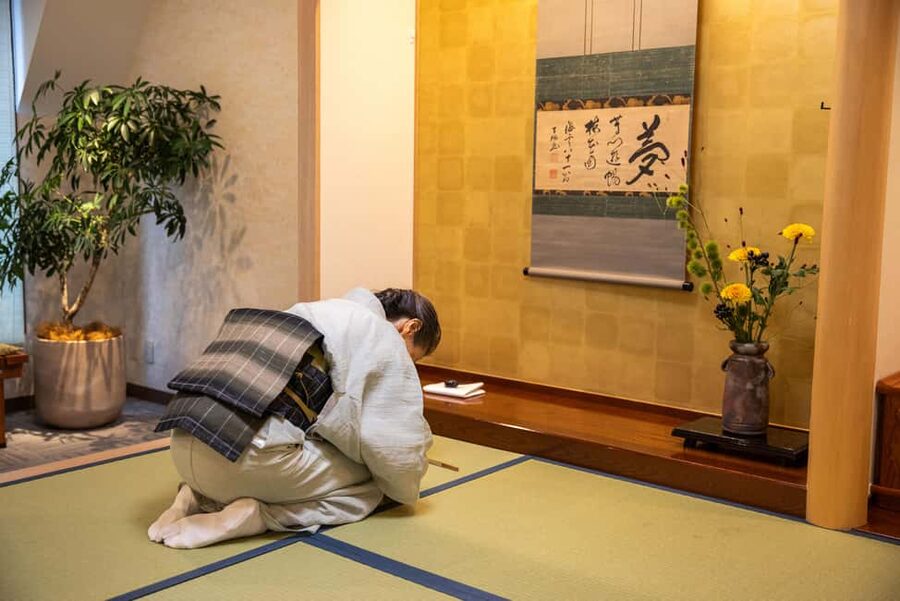
Japanese tea ceremony can look highly formal from the outside. Every movement appears measured, and the objects seem to carry their own rules. This class removes much of the pressure and lets you understand the meaning behind the actions before trying them yourself.
That approach matters. You are not expected to arrive with knowledge of tea etiquette, Japanese customs, or matcha preparation. The instructor guides you through the process in English and encourages questions along the way.
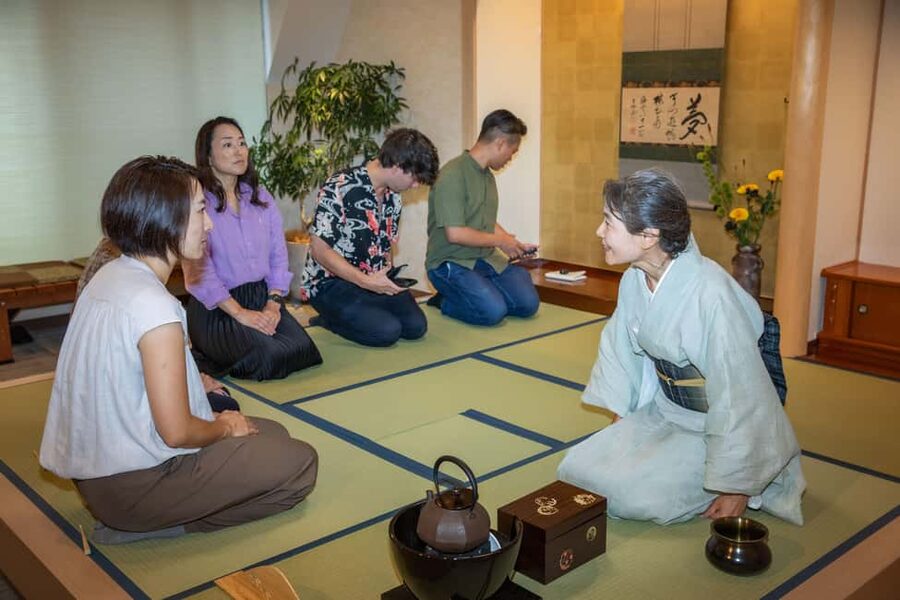
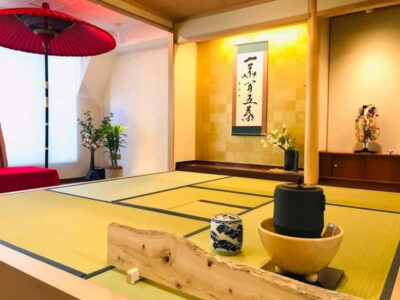
The mood is calm and friendly rather than stiff. You sit comfortably, watch the host demonstrate the ceremony, and then take part at your own pace. Photos are welcome, which is useful if you want a visual reminder of the whisking technique or the arrangement of the tea.
I would choose this activity for anyone who wants cultural context without committing to a long formal class. It also works well for first-time visitors who want one quiet hour between Tokyo’s busier sights.
More Tea Ceremonies in Tokyo
- Kimono Tea Ceremony at Tokyo, Asakusa Maikoya
★ 5.0 · 638 reviews - Tokyo: Traditional Tea Ceremony with a Tea Master
★ 5.0 · 528 reviews - Tea Ceremony Workshop in Tokyo by the Experienced Instrucor
★ 5.0 · 189 reviews
What happens during the one-hour session
The class begins with an explanation of matcha and the ceremony itself. Your host introduces the powdered green tea and explains its place in Japanese society and culture. One recent session included a short account of where matcha comes from and why it matters in Japan.
That background gives the practical lesson more meaning. You are not simply stirring green powder into hot water. You learn that the ceremony places value on harmony, attention, hospitality, and the care shown between host and guest.
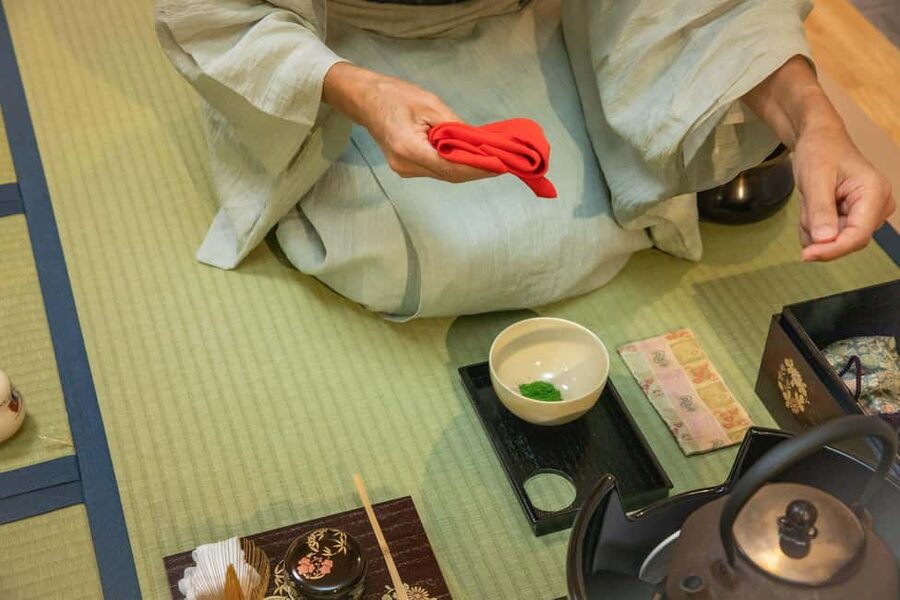
Next, the instructor demonstrates the basic actions. These can include pouring the water, handling the tea utensils, whisking the matcha, and presenting the finished drink. The host explains the purpose of each step instead of asking you to copy a series of movements without context.
This is where the class earns its price. A tea demonstration alone might be pleasant, but the explanation turns it into a lesson you can remember and repeat.
You then prepare your own bowl. The host shows you how to whisk the matcha, and you follow along. The activity is hands-on but not competitive. You can take your time, ask for help, and adjust your technique as you go.
After preparing the tea, you drink it with traditional Japanese sweets. The sweets are an important part of the tasting, since their sweetness offsets the sharp, vegetal character of matcha. If you have only tried sweetened matcha drinks before, expect this version to taste more direct and earthy.
The session finishes with time to enjoy the tea, ask questions, and take photos. Because the class is limited to eight people, you should have a better chance of receiving personal guidance than in a large demonstration.
Why making your own bowl matters
The strongest part of this activity is the move from watching to doing. You see the technique first, then make your own matcha with the same basic steps.
That small change makes the ceremony easier to understand. When you whisk the tea yourself, you notice the care involved in preparing a smooth drink. You also gain a clearer sense of why the host handles each item with such attention.
The experience does not require you to produce a perfect bowl. It is designed for curious beginners, and the atmosphere is deliberately approachable. If your whisking is uneven, the instructor can help you. The point is to learn the method and appreciate the process, not pass an examination.
You also drink the matcha at your own pace. That is useful if you are new to the flavor or want to pause and consider what you are tasting. The class gives you room to enjoy the tea instead of rushing through it as one more scheduled activity.
The instructors make the difference
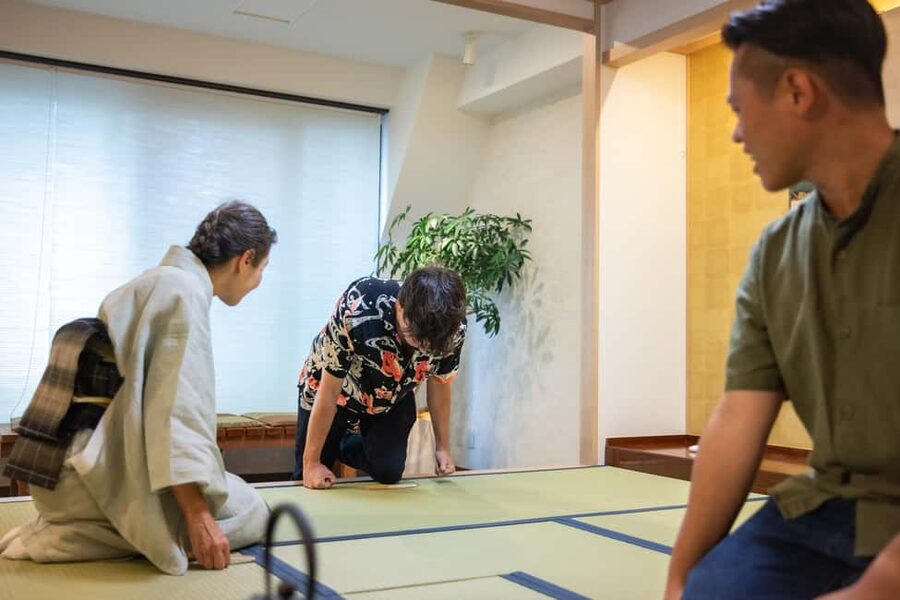
A tea ceremony lesson depends heavily on the person leading it. Clear explanations and a warm manner can turn an unfamiliar custom into something easy to follow.
Midori has been praised for being kind, informative, and careful in explaining each action. Her teaching covers both the practical movements and their meaning in Japanese culture. Kaz has also led sessions described as enjoyable and well taught, with time to learn about the ceremony and prepare matcha.
The wording in these descriptions points to the activity’s main strength: the instructors make the class feel personal. You are not left to guess why a particular gesture matters or how to use the whisk.
Instruction is in English. That does not mean every cultural detail will receive a long lecture. The class lasts only one hour, so explanations stay focused. Still, you get enough context to understand the ceremony as more than a photo opportunity.
If you like asking questions, this format should suit you. The rules are not presented as a barrier. Instead, they become a way to notice the values behind the ceremony.
Same place, a different pot:
- Matcha Making Class in Tokyo with Authentic Japanese Sweets Set
★ 5.0 · 744 reviews - Tokyo: Matcha Making Experience with Mochi Sweets in Asakusa
★ 4.9 · 388 reviews - Asakusa Cultural Walk & Matcha Making Tour
★ 5.0 · 245 reviews - Mt. Fuji & Lake Kawaguchiko Ropeway Panorama Full-Day Tour
★ 4.6 · 236 reviews
A relaxed format, not a full formal ceremony
It is important to set your expectations correctly. This is a relaxed version of a Japanese tea ceremony, designed for beginners and curious visitors.
That makes it accessible, but it also means the class is not a complete formal tea gathering. You should book it to learn, participate, and enjoy matcha in a friendly setting. You should not expect an extensive study of tea schools, utensils, architecture, or advanced etiquette.
The one-hour length keeps the activity easy to fit into a Tokyo day. It is short enough for families, couples, and people with packed sightseeing plans. The tradeoff is that the session can cover only the basics.
I see that as a sensible choice for most people. A longer class might appeal to someone with a serious interest in tea ceremony, but many visitors want a first taste rather than a specialist course. This activity gives you the essential ideas and lets you try the central skill yourself.
The Asakusa meeting point and practical details
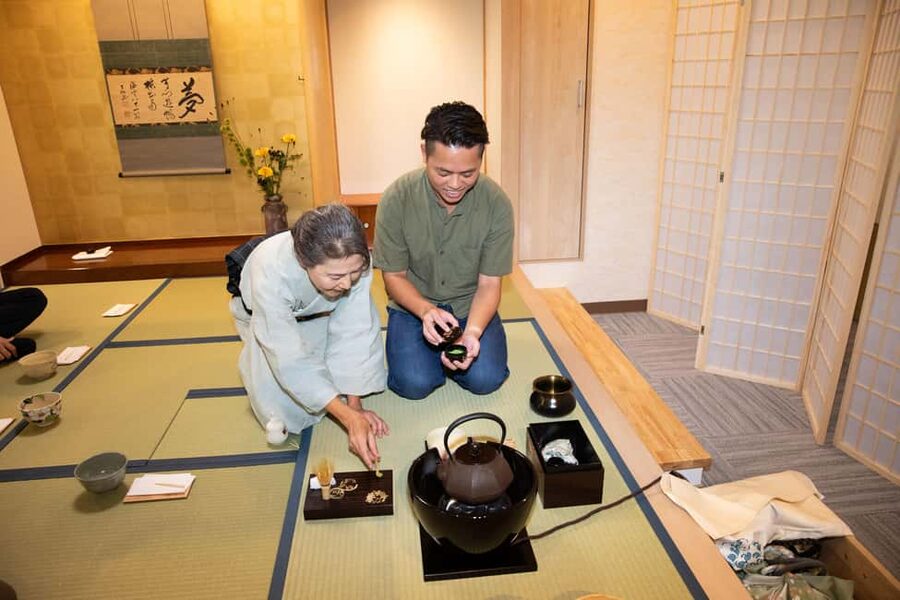
The meeting point is Tokyo Tourist Lounge Asakusa, located on the fifth floor of the building. Use Google Maps and type the name exactly as provided. The coordinates are 35.7103757, 139.796744.
The fifth-floor location is worth noting because you should not expect the class to be held at street level. Give yourself enough time to find the building and reach the correct floor, especially if you are unfamiliar with the area.
Asakusa is a useful base for this kind of activity because it is associated with traditional Tokyo culture and sightseeing. The supplied information does not specify a walking route from nearby attractions, so use the map location rather than relying on an assumed entrance or landmark.
The activity is wheelchair accessible. That is valuable for anyone who needs step-free access, though you should still use the exact meeting instructions when planning your arrival.
The class is offered in English and has a maximum of eight participants. A small group can make a major difference in a hands-on lesson. You can see the demonstration more clearly, receive help with your whisking, and ask questions without interrupting a large audience.
Is $25 a good value?
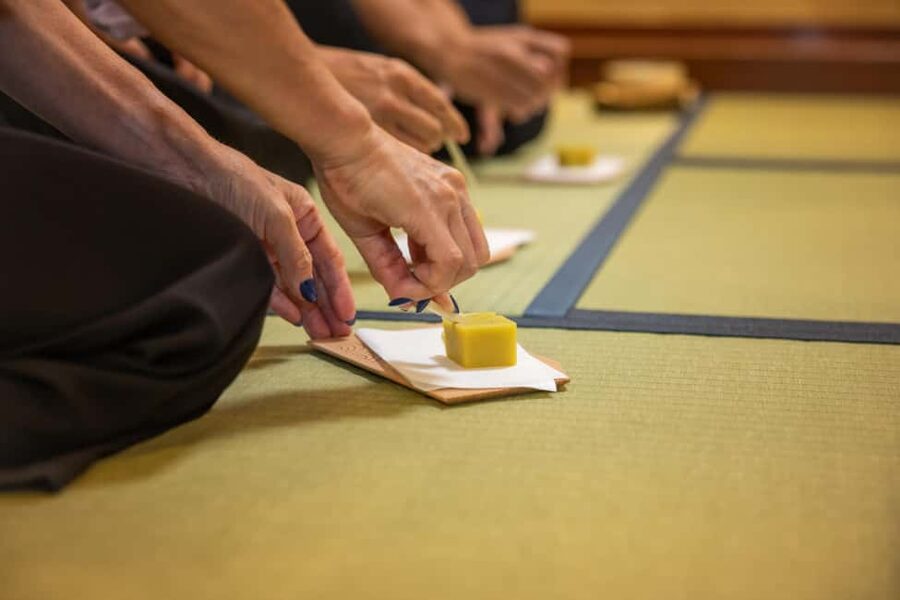
At $25, this is a reasonably priced cultural activity in Tokyo. The fee includes the tea ceremony, the matcha preparation lesson, traditional sweets, and English guidance.
The value comes from participation. You are not paying only for a cup of tea. You receive an explanation of the ceremony, a demonstration, instruction in whisking, and the chance to make your own bowl.
The cost also makes sense if you want a simple activity with a clear time limit. One hour is long enough to feel substantial but short enough to fit before or after other plans in Asakusa.
There are limits. A kimono rental is not included, so you will not receive a full costume-based cultural package. If dressing up is your main goal, this will not cover it. You can still take photos during the session, but the focus is tea, preparation, and explanation rather than formal portraiture.
For someone who wants a first introduction to matcha and Japanese hospitality, I consider the price fair. For someone seeking an advanced ceremony with extensive historical instruction, the short format may feel too basic.
Who will enjoy this activity most?
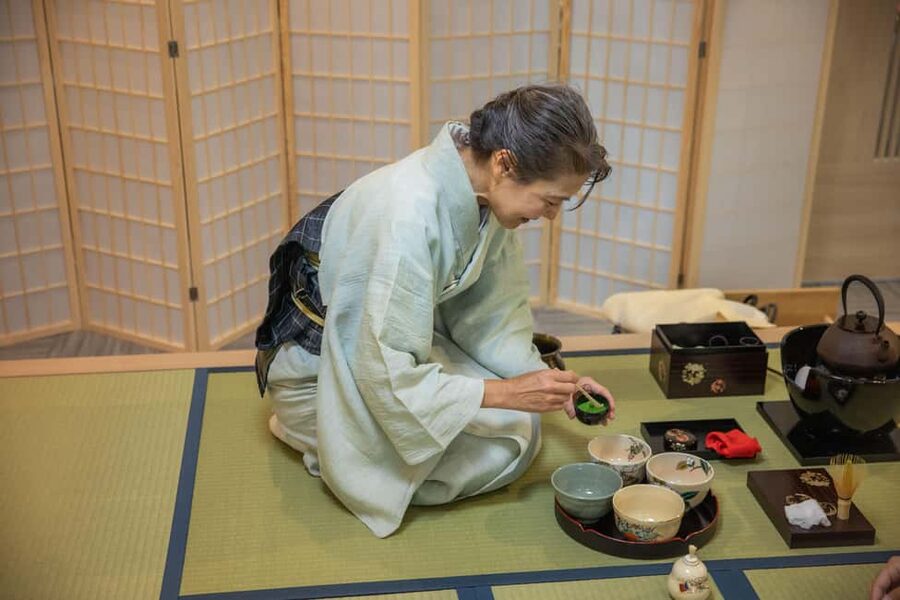
I would recommend it to first-time visitors who want a clear, low-pressure introduction to Japanese culture. You receive enough explanation to understand what you are seeing, then get to practice the central skill yourself.
It is also a good fit for repeat visitors who have already seen Tokyo’s major sights and want a slower activity. The class gives you a chance to pause and focus on one small part of daily and ceremonial culture.
Families and mixed-age groups may appreciate the hands-on format, though the supplied information does not list a minimum age. If you are booking for children, confirm age requirements before paying.
Couples and solo visitors should also find the small group structure comfortable. You can participate without needing prior knowledge, and the friendly tone makes it easier to ask basic questions.
I would be less likely to choose this activity if you want a full kimono experience, a long formal ceremony, or a detailed specialist course. Those expectations go beyond what this one-hour beginner session promises.
Booking flexibility and timing
You can cancel up to 24 hours in advance for a full refund. The reserve-now-and-pay-later option also helps if your Tokyo schedule is still changing.
Starting times vary, so check availability for the date you want. Since the class lasts one hour, it can work well as a planned break in a day of sightseeing.
I would avoid booking it so tightly against another fixed appointment that a small delay becomes stressful. The ceremony is meant to be calm, and you will enjoy it more if you arrive with enough time to locate the fifth-floor meeting point.
Should you book the Asakusa tea ceremony?
Book it if you want a short, friendly, hands-on introduction to matcha and Japanese tea customs. The best reasons are the small group, English instruction, clear explanations, traditional sweets, and the chance to prepare your own tea.
The strongest praise has focused on the hosts, especially Midori and Kaz, who make the lesson informative and welcoming. That human touch matters more here than elaborate surroundings or costume.
Skip it if you are looking for kimono rental or an advanced formal ceremony. For everyone else, $25 buys a thoughtful hour of cultural learning, a taste of matcha, and a skill you can remember long after you leave Asakusa.
FAQ
How long does the tea ceremony experience last?
The experience lasts one hour.
How much does the activity cost?
The price is $25 per person.
Is the experience taught in English?
Yes. The instructor language is English.
Can I prepare my own matcha?
Yes. You learn how to whisk matcha and prepare your own bowl, then enjoy it at your own pace.
Are traditional Japanese sweets included?
Yes. Traditional Japanese sweets are included with the tea ceremony.
Is kimono rental included?
No. Kimono rental is not included.
Where is the meeting point?
Meet at Tokyo Tourist Lounge Asakusa on the fifth floor of the building. You can use Google Maps and enter the name, or use the coordinates 35.7103757, 139.796744.
Just added around Tokyo
- Yokohama : Tea Ceremony with Sweets and Souvenir★ 5.0 · 5 reviews
- Walking Tour: Yanaka,Nezu& Sendagi: Tea Ceremony & Old Tokyo★ 5.0 · 3 reviews
- Private Kimono and tea ceremony at local home near Tokyo Disney★ 5.0 · 6 reviews
- Private Mochi・Matcha sweets Making Class Near Shibuya Area★ 5.0 · 22 reviews
- Tokyo Sweets Tour: Hidden Gems & Matcha at an Old Tea House★ 5.0 · 6 reviews
- Kimono and Tea Ceremony in Asakusa Private Food Tour With Guide★ 5.0 · 4 reviews
- 2 Hours Mochi &Nerikiri Making & Matcha Class in Bunkyo★ 5.0 · 21 reviews
- Tokyo Tea Ceremony Class at a Traditional Tea Room★ 5.0 · 2 reviews
Tea Ceremonies in Tokyo, compared.
Tea Ceremony Workshop in Tokyo by the Experienced Instrucor
Read our review →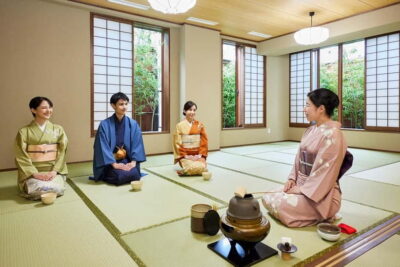
Asakusa: Kimono Tea Ceremony with Matcha and Sweet
Read our review →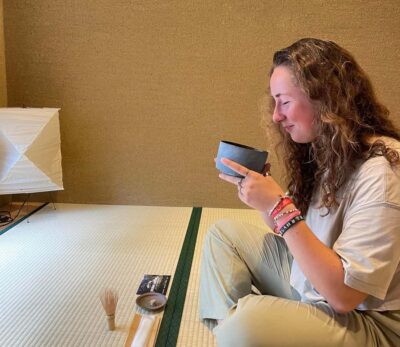
Tea Ceremony Experience in a Private Tea Room in Shibuya
Read our review →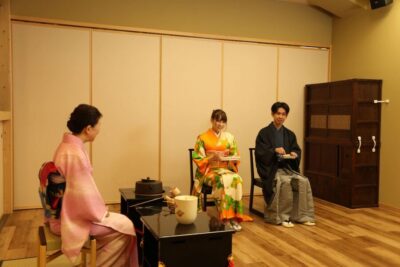
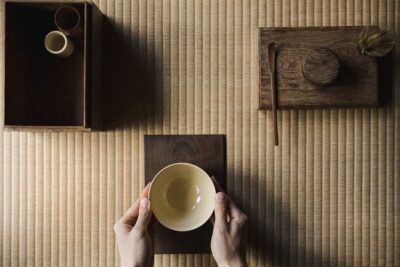
Tea ceremony experience in Japanese-style room 60min
Read our review →Browse the lists this tour appears in