
Review · OSAKA
Osaka: Matcha Making Experience with Japanese Sweets
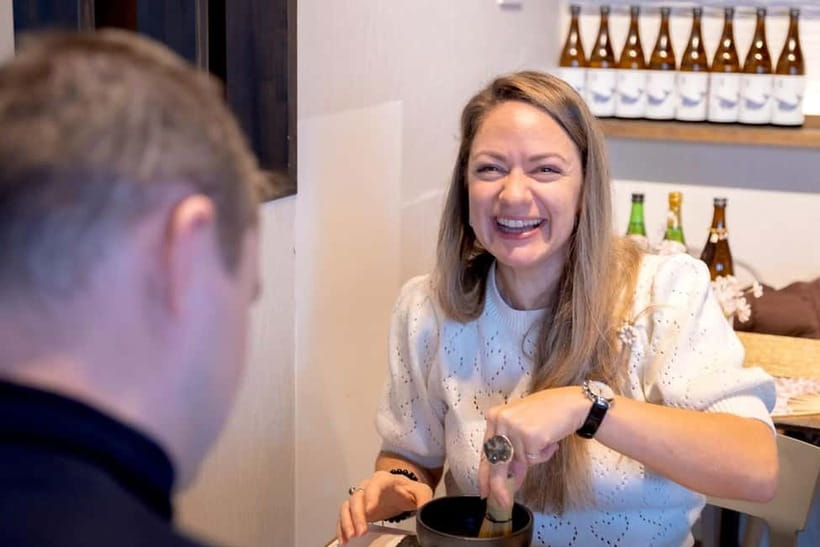
Matcha is easier to make than it looks. This one-hour class puts you in central Osaka, close to Dotonbori and Shinsaibashi, for a friendly introduction to Japanese tea culture. I like the small groups of up to six and the hands-on use of traditional tools. I also like that the English-speaking instructors keep the history lesson light, using an interactive quiz instead of a dry lecture.
The main trade-off is time. One hour gives you a pleasant taste of matcha making, but not a full formal tea ceremony or a long meal. The sweets and tea are satisfying as part of the activity, though the food portion is modest. The room can also be a little hard to spot, so allow time to find the third floor of the Galleria Acca Building.
Key points at a glance
- A six-person class: The small table setup gives you room to ask questions and receive help while whisking.
- A quiz before the tea: Matcha history becomes easier to remember when you learn it through questions and conversation.
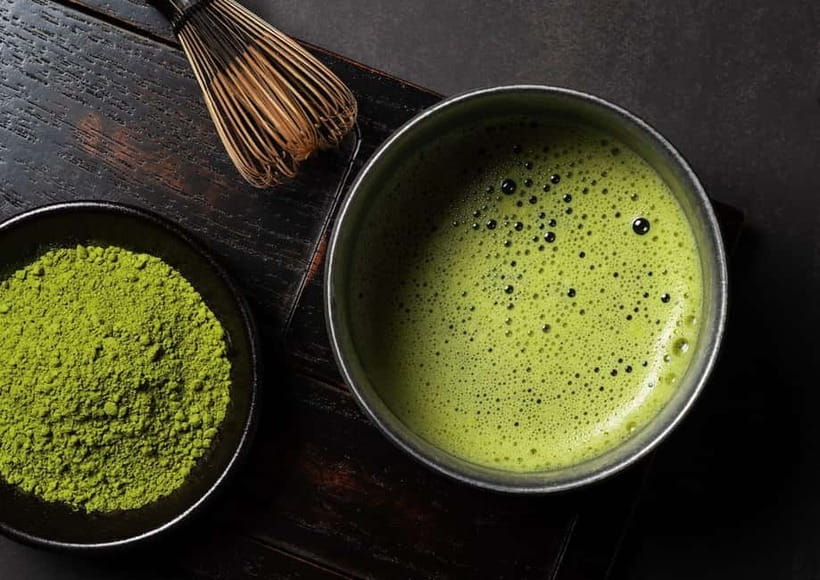
- Traditional tools, simple instructions: You whisk your own tea with a bamboo tool, even if this is your first attempt.
- Sweets balance the tea: Japanese sweets soften matcha’s earthy, slightly bitter taste and make the tasting more enjoyable.
- Central Osaka location: The class fits neatly between shopping around Shinsaibashi and food stops near Dotonbori.
- Friendly English instruction: Hosts such as Fujiko, Serin, Matty, Yui, Reika, and Takara have been praised for clear explanations and warm personalities.
Why this small Osaka class works so well
Matcha can seem mysterious when you only encounter it in a café latte or a bright green dessert. Here, you get to see the powder, handle the tools, make the drink, and taste it with a traditional sweet. That simple sequence gives you a much better sense of what matcha is than ordering one more iced drink from a café.
The class is run by Sushi Making Japan, with the activity presented as part of Food Activity Japan. You do not need cooking experience, prior tea knowledge, or Japanese language skills. English is the teaching language, and the staff are there to guide each step rather than expect you to know the correct movements already.
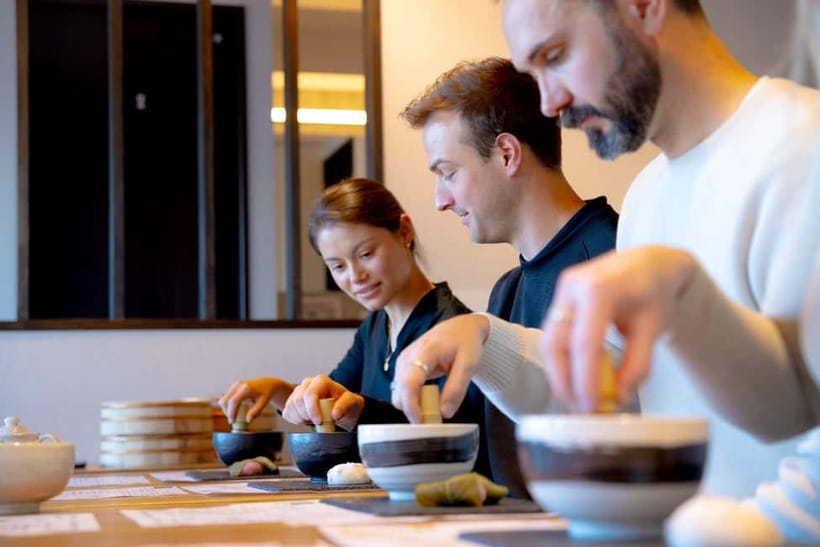
I especially like the size of the group. With a maximum of six people, the session feels more personal than a large demonstration. You can watch the instructor closely, ask about flavor or technique, and get help when your whisking needs a little rescue.
This is also a useful break from Osaka’s crowds. The class is in the Dotonbori and Shinsaibashi area, one of the city’s busiest food and shopping zones, but the activity itself offers a quiet hour indoors. One person described the setting as a calm place to sit away from the crowds, while another appreciated the clean, well-kept room.
More Matcha Experiences in Osaka
- Matcha Making Class in Osaka with Authentic Japanese Sweets Set
★ 5.0 · 509 reviews - Osaka Temple Cool Foot Bath & Matcha Experience〈45min〉
★ 4.9 · 82 reviews - Osaka Temple Head Spa &Matcha Facial – Refresh & Glow〈90min〉
★ 5.0 · 24 reviews
Finding the Galleria Acca Building
The meeting point is on the third floor of the Galleria Acca Building, about a five-minute walk from Shinsaibashi Station. The stated coordinates are 34.6723159, 135.5024459.
The location is practical if you already plan to visit Shinsaibashi, Dotonbori, or nearby food streets. You can place the class in the middle of a shopping afternoon, use it as a slower pause before dinner, or schedule it when Osaka’s summer heat becomes tiring.
The building can be a little difficult to identify from the street. One participant specifically advised going up the stairs after finding the building. That is a useful detail: do not arrive at the last minute and assume the class will be obvious from the sidewalk.
Hotel pickup and drop-off are not included. You make your own way to the building, but the short walk from Shinsaibashi Station keeps the logistics simple. Check the exact starting time when booking because several sessions may be offered during the day.
The quiz makes matcha history easy to follow
The class begins with an introduction to matcha and its place in Japanese culture. Rather than asking you to sit through a long presentation, the instructor uses an interactive and lighthearted quiz.
That format suits this activity. You learn the basic story of matcha while taking part in the conversation, and the questions give you a reason to pay attention. The class is not trying to turn you into a tea scholar in sixty minutes. It gives you enough context to understand why the drink is prepared with care and why the tools matter.
The strongest praise has gone to the instructors’ ability to make this part clear and entertaining. Fujiko has been described as funny, friendly, and easy to understand in English. Serin was praised for an interactive approach, while Matty received special credit for making the subject enjoyable for elementary-age children and adults alike.
The guide may also answer questions about Japanese tea culture and offer local food suggestions. Several instructors have shared restaurant tips for the area, which is handy when you are deciding where to eat after the class. These conversations are not a guaranteed part of every session, but they fit naturally with the friendly style of the activity.
Preparing your own matcha with a chawan and whisk
After the introduction, you move to the practical part: making your own matcha. You use traditional equipment, including the bamboo whisk and tea bowl, known as a chawan.
The process is straightforward, but the instructor’s demonstration matters. You learn how the powder is handled, how water is added, and how to whisk the mixture into a smooth drink. Even if the basic steps look simple, getting the texture right takes a little practice.
This is the part that gives the class its value. A demonstration alone would be easy to forget. Making the tea yourself means you leave with a method you can try again at home. Several people said they planned to make matcha after returning home, and one participant purchased a chawan bowl as a keepsake.
You should not expect to become a tea master in one session. The class offers an introduction to the traditional way of preparing matcha, not an extended study of tea ceremony etiquette. Still, it provides enough instruction to help you avoid the common mistake of treating matcha as ordinary powdered coffee.
The table setup is worth noting. One participant liked that the arrangement had a traditional feel without requiring everyone to kneel on the floor. That makes the experience more comfortable for people who prefer a chair-height table or who are not used to sitting formally for long periods.
Same place, a different pot:
- Osaka: Tea Ceremony Experience
★ 4.9 · 1,426 reviews - Tea Ceremony Experience in Osaka Doutonbori
★ 5.0 · 754 reviews - Osaka: Tea Ceremony, Calligraphy, and Kimono Experience
★ 4.9 · 130 reviews - Osaka: Japanese Traditional Sweets Making and Tea Ceremony
★ 4.7 · 118 reviews
Tasting matcha with Japanese sweets
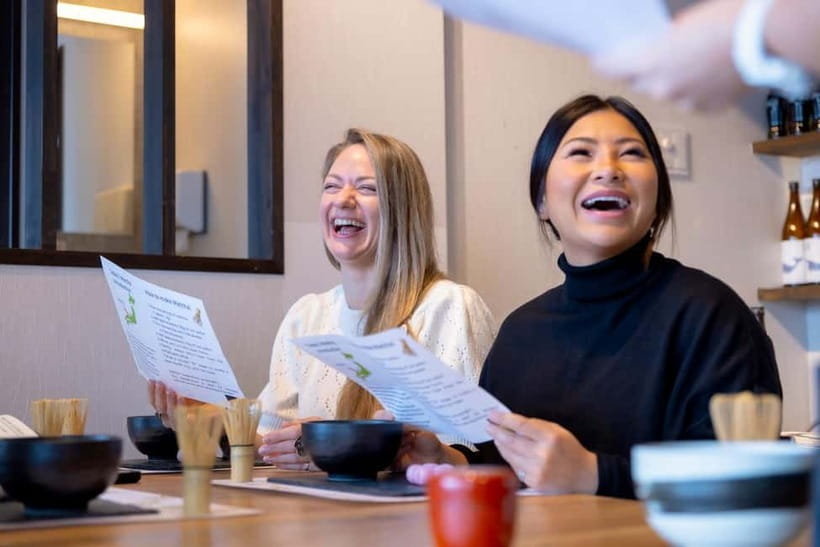
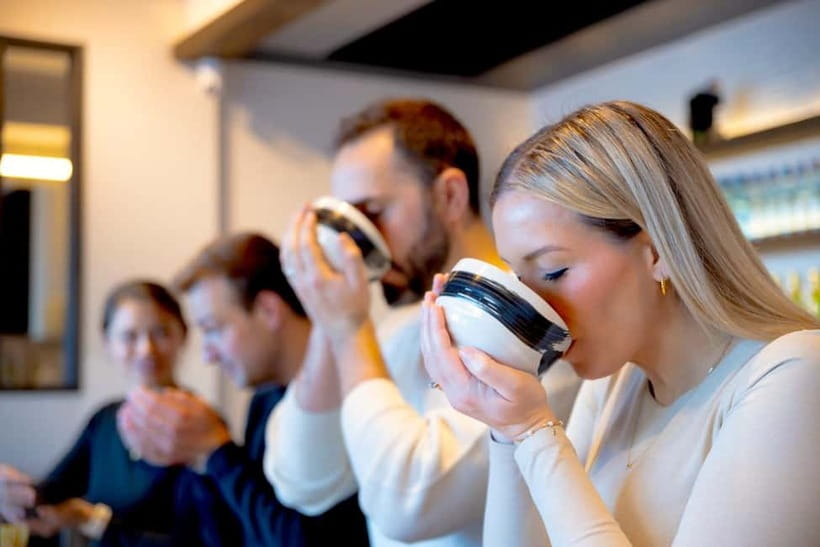
Once your tea is ready, you drink it with Japanese sweets. The sweets are not there simply as decoration. Their sweetness helps balance matcha’s grassy, earthy flavor, especially if this is your first cup.
The pairing also gives you a better idea of how the drink fits into Japanese food culture. You are not just swallowing a green beverage and moving on. You pause, taste the tea, try the sweet, and notice how the flavors change together.
The food portion is small, so do not book this expecting lunch or dessert for the evening. One person made the fair point that there is not a large amount of matcha or food, but still found the activity very worthwhile. I see it the same way: the sweets are part of the lesson and tasting ritual, not a substitute for a full meal.
The ingredients and cooking class are included in the price. You do not need to bring equipment or buy anything extra to take part. If you enjoy the bowl or tools used in the session, a chawan may be available to purchase, though that is an optional expense rather than part of the $22 price.
A relaxed class for first-time tea drinkers
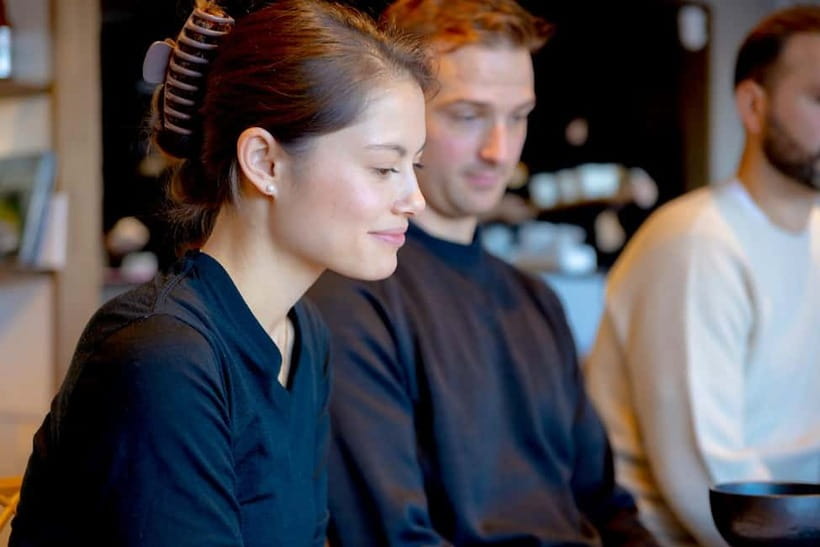
This experience is particularly well suited to first-time matcha drinkers. Several people had never made or tasted matcha before and found the instructions clear enough to follow without feeling self-conscious.
That matters because matcha has a distinct flavor. It can taste strong or bitter if you are used to sweetened café drinks. The sweets make the first tasting easier, and the instructor can explain how the drink should be prepared and enjoyed.
The class also works for families and mixed-age groups. An eight-year-old joined one session, and a nine-month-old accompanied a parent. Children may enjoy the quiz and the whisking more than a long museum visit, though adults should remember that the activity involves hot water and tea tools.
Teenagers can also take part without the event feeling too formal. One parent attended with two teenage daughters and described the class as a good shared activity. The casual tone helps, especially if your family is curious about Japanese culture but does not want a strict ceremonial presentation.
Couples, solo participants, and friends can all fit into the format. Solo visitors may share the table with other participants, since the class is designed as a small group rather than a private appointment.
The instructors make the difference
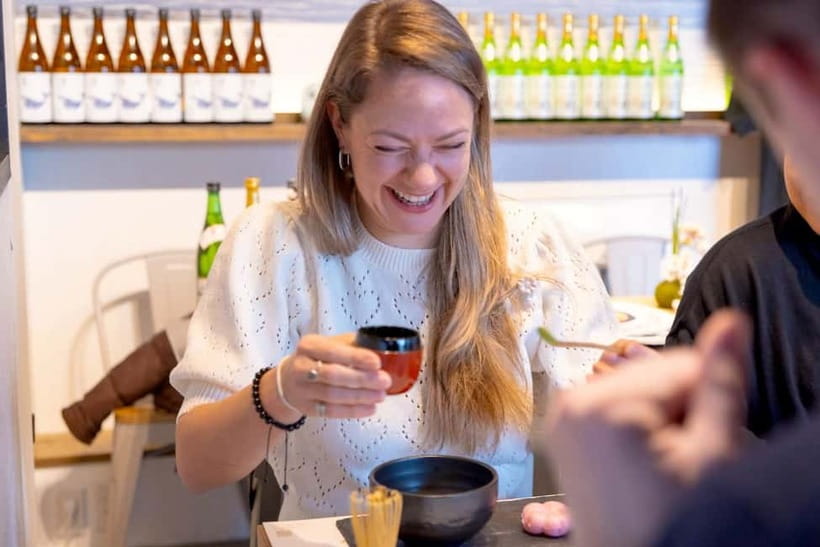
The tea itself is important, but the person leading the class shapes the experience. The strongest feedback centers on the staff’s warmth, humor, English, and patience.
Names that have received especially positive attention include Fujiko, Serin, Matty, Yui, Reika, Takara, Shota, Harita, Moe, Lala, and Mayuho. Different sessions may have different instructors, so you should not assume you will meet a particular person unless the booking page confirms it.
Fujiko has been praised for her humor and strong English. Matty has been described as energetic and effective with both children and adults. Takara was appreciated for explaining each step patiently, from whisking to tasting, while Yui received praise for making the lesson enjoyable and answering questions clearly.
The tone is friendly rather than stiff. You get some formality and proper technique, but you are not expected to perform a perfect ceremony. That balance is one of the activity’s best features. You learn the traditional method without feeling as if you are being tested.
What the $22 price really buys you
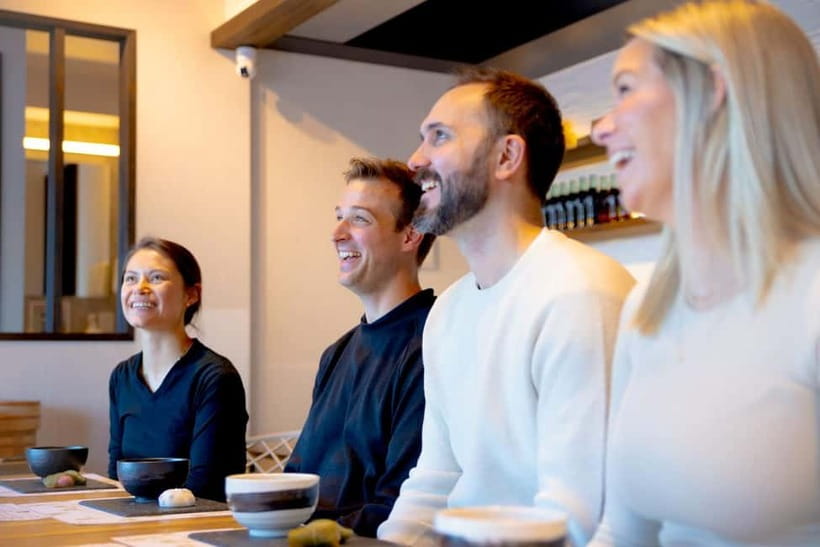
At $22 per person, this is a reasonably priced cultural activity in central Osaka. The fee covers the cooking class, ingredients, instructor, tea, sweets, and use of the equipment during the session.
The strongest value comes from the combination of instruction and participation. You are not paying only for a drink and a snack. You receive background information, a demonstration, your own attempt at whisking, and time to taste the result.
The price is less attractive if you want a full meal, a long ceremony, or a deep study of Japanese tea customs. The one-hour schedule keeps the cost down, but it also limits how much detail the instructor can cover.
For most visitors, I would judge it by the quality of the hour rather than the amount of food. The small group, English instruction, central location, and hands-on format make it a useful addition to an Osaka itinerary. It is also an easy activity to fit between larger attractions.
Timing your visit around Dotonbori
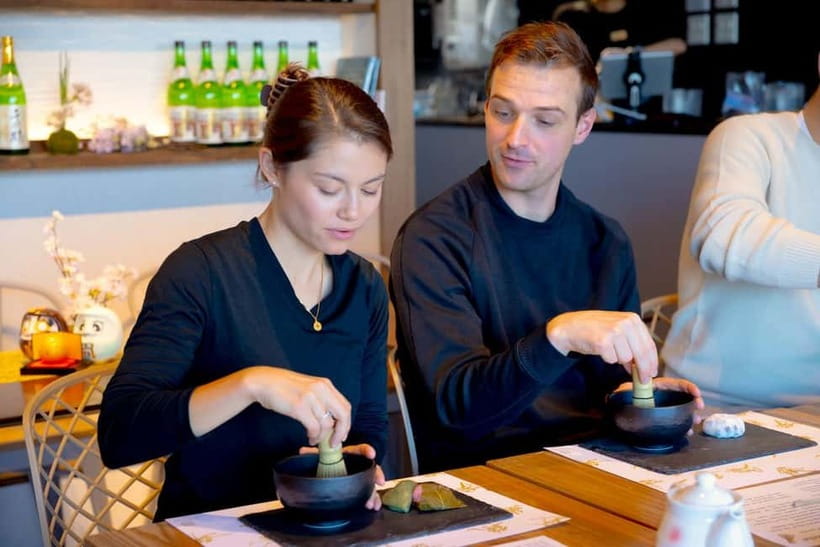
The class works best when you treat it as part of a wider Shinsaibashi and Dotonbori day. You might shop first, attend the tea session, then continue toward the canal area for dinner and nightlife. Or you can use the class as a calm pause before entering the louder streets.
Because the activity lasts only one hour, it does not take over your schedule. That is useful in Osaka, where many visitors want to combine food, shopping, and short cultural stops in the same day.
I would avoid scheduling it too tightly against another booking. The building can take a little time to locate, and the session begins on the third floor. Give yourself enough time to find the entrance, climb up, and settle in without rushing.
The indoor setting also makes it a good choice during hot weather. One participant specifically enjoyed having an hour away from the heat. It can provide the same relief on a rainy day, although the activity is not presented as a weather-dependent tour.
Booking details and practical limits
The experience lasts one hour and is taught in English. Group size is limited to six participants, which helps the instructor give individual guidance.
You can cancel up to 24 hours in advance for a full refund. A reserve-now-and-pay-later option is also available, which helps if your Osaka schedule is still changing.
The activity is offered in a central building rather than at your hotel. Hotel pickup and drop-off are not included, so plan to use the station directions and allow time to find the entrance.
The overall rating is 5 out of 5 from 146 reviews, with repeated praise for the instructors, the clear explanations, the friendly atmosphere, the sweets, and the chance to make matcha yourself. The consistent weakness is not poor service. It is simply that an hour passes quickly and the tasting portion is light.
Who should book this matcha experience?
I would recommend it to first-time matcha drinkers, couples, families with older children, solo visitors who enjoy small-group activities, and anyone who wants a calm cultural stop near Osaka’s main food district.
It is also a good choice if you want a practical souvenir skill. After the class, you will know the basic steps for making matcha at home, even if your first homemade cup is not as smooth as the instructor’s.
I would choose a different activity if your main goal is a full tea ceremony, a substantial meal, or a long formal lesson. This is a friendly introduction with a hands-on element, not an all-day cultural program.
Should you book it?
Book this class if you want an easy, affordable way to connect a Japanese drink with its tools, customs, and flavor. The small group and supportive English-speaking staff make it approachable, while the location lets you pair it with Dotonbori and Shinsaibashi.
Skip it only if you have little interest in tasting matcha or if you need a filling food experience. For $22, the class offers good value when you judge it as a compact cultural activity with sweets, instruction, and a skill you can repeat at home.
FAQ
How long does the matcha making experience last?
The experience lasts one hour.
How much does the activity cost?
The listed price is $22 per person.
Where does the class meet?
It meets on the third floor of the Galleria Acca Building, about five minutes on foot from Shinsaibashi Station. The coordinates are 34.6723159, 135.5024459.
Is the class taught in English?
Yes. The instructor and local staff provide English-language guidance.
What is included in the price?
The price includes the cooking class, ingredients, and instructor. You also make and drink matcha with Japanese sweets during the session.
How many people are in each group?
The class is limited to six participants.
More Tea and Sweets Making in Osaka
- Osaka : Exclusive Tea Ceremony & Wagashi Cooking
★ 5.0 · 2 reviews - Matcha Making Class in Tokyo with Authentic Japanese Sweets Set
★ 5.0 · 744 reviews - Tangier: Sunset, Tea, Sweets, Camel Ride, and Hercules Caves
★ 4.9 · 575 reviews - Tokyo: Matcha Making Experience with Mochi Sweets in Asakusa
★ 4.9 · 388 reviews
Just added around Osaka
- Osaka:Zen Tea Ceremony and Foot Bath Experience<45min>★ 5.0 · 7 reviews
- Osaka Japanese Cooking And Matcha Class near Osaka Castle★ 5.0 · 22 reviews
- Osaka: Tea Ceremony, Calligraphy, and Kimono Experience★ 5.0 · 6 reviews
- Nara Deer Park, Uji Matcha, & Hot Spring Full-Day Tour from Osaka★ 4.0 · 21 reviews
- Osaka: Nara, Todaiji, Uji Matcha, and Hot Spring Tour★ 4.0 · 7 reviews
- Craft Sushi and Matcha Ice Cream in Central Osaka (3-Course Meal)★ 5.0 · 2 reviews
- Tea and Calligraphy Session at a Table in Osaka★ 5.0 · 4 reviews
- ZEN therapy | Shiatsu-style massage, EnergyTherapy & Japanese Tea★ 5.0 · 5 reviews
Matcha Experiences in Osaka, compared.
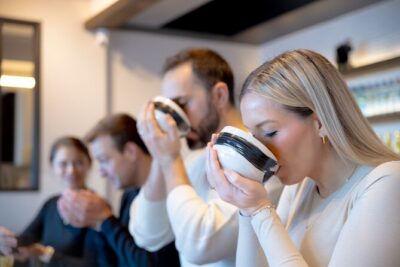
Matcha Making Class in Osaka with Authentic Japanese Sweets Set
Read our review →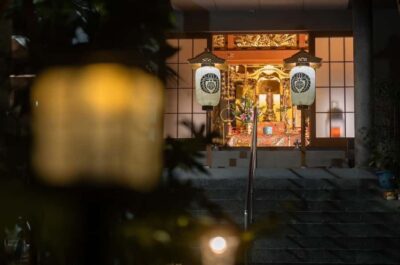
Osaka Temple Cool Foot Bath & Matcha Experience〈45min〉
Read our review →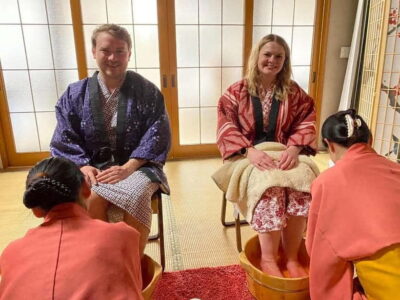
Osaka Temple Head Spa &Matcha Facial – Refresh & Glow〈90min〉
Read our review →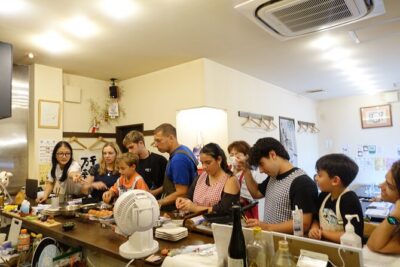
Osaka Japanese Cooking And Matcha Class near Osaka Castle
Read our review →
Nara Deer Park, Uji Matcha, & Hot Spring Full-Day Tour from Osaka
Read our review →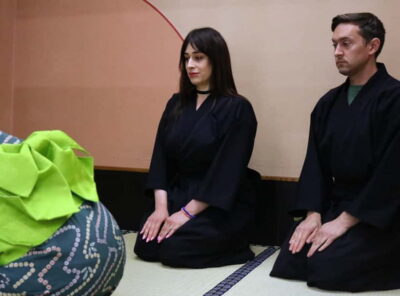
Learn Zen in a class of making Matcha tea near Osaka Castle
Read our review →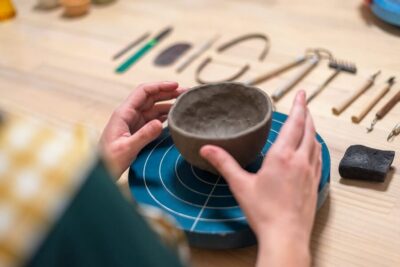

Browse the lists this tour appears in