
Review · TOKYO
Japanese Traditional Sweets making and Tea Ceremony
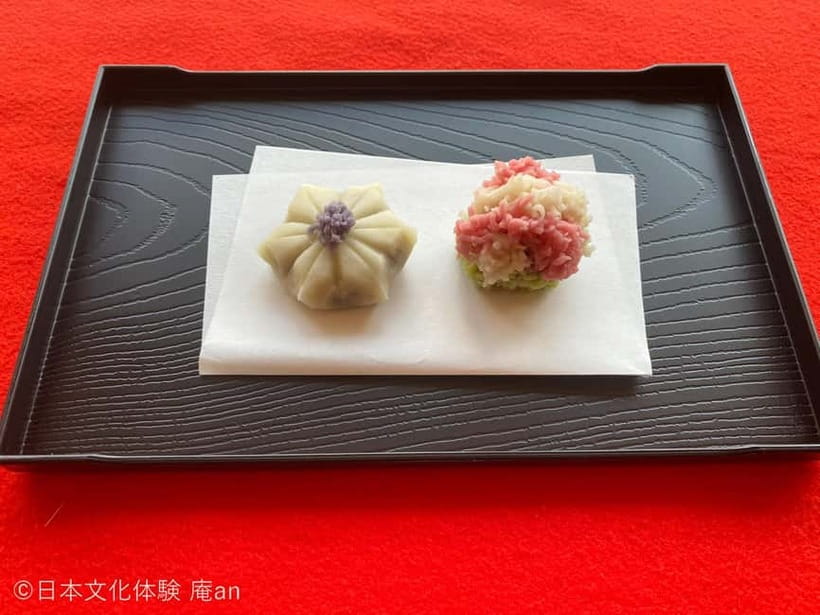
Sweet-making turns tea into a craft. This 95-minute class introduces you to Kyoto-style wagashi, with two seasonal nerikiri sweets, then pairs them with single-origin Uji matcha. I like the use of bean paste from long-established Kyoto shops, and I like that the class includes both hands-on work and a proper tea ceremony. The main caution is language: instruction is in Japanese, with English translation provided as much as possible.
The price is a friendly $18 per person, especially since you make two sweets and prepare your own matcha. I also like the clear, visual nature of the class. Demonstration matters here, and one recent participant found the instructor’s gestures easy enough to follow despite limited English. Still, a crowded session could make it hard to hear or keep up, so arrive early and watch closely.
Key points at a glance
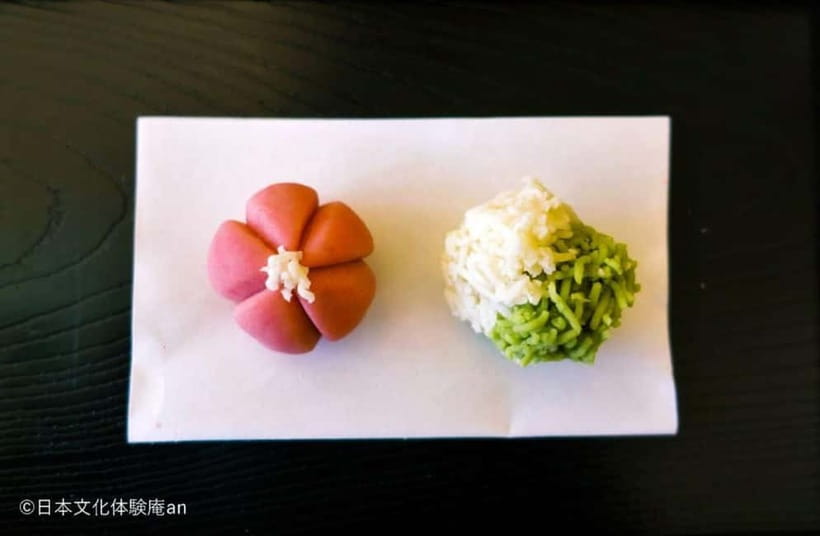
- Two seasonal nerikiri sweets: Make one flower-shaped sweet and one kinton-style sweet from colored white bean paste.
- Kyoto-sourced ingredients: The white and red bean pastes come from long-established Kyoto shops.
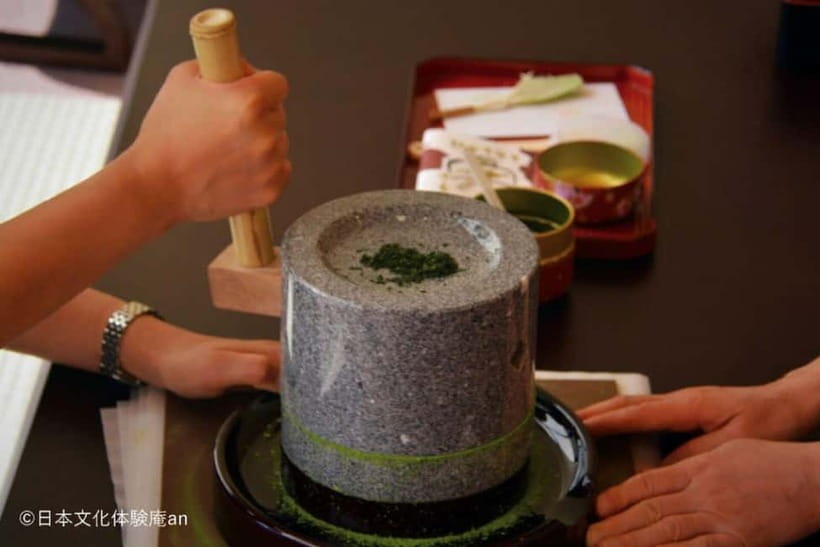
- Uji matcha preparation: See a matcha-grinding demonstration, then prepare your own tea.
- A compact 95-minute class: The schedule moves from sweet-making to tea ceremony without taking up a full day.
- Japanese-language instruction: English help is available as much as possible, but demonstrations carry much of the lesson.
- Useful low-cost extras: A take-out box costs 100 yen, while a completion certificate costs 300 yen.
Starting with Kyoto-style wagashi in Tokyo
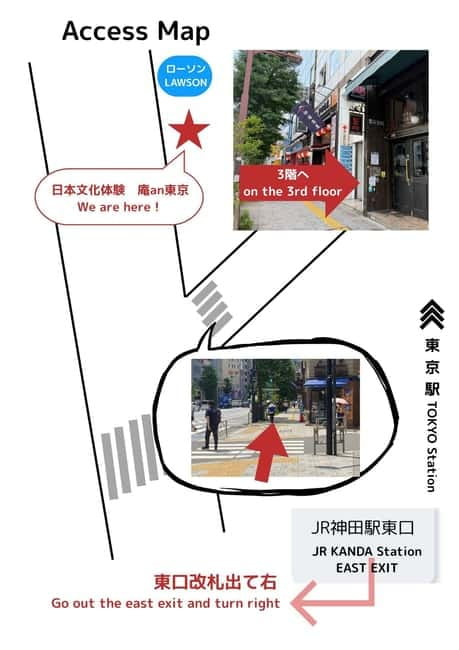
You meet at AN TOKYO Japanese Culture Experience, located at 35.6916541, 139.7715022 in Tokyo. The class offers a taste of Kyoto food culture without requiring a trip to Kyoto itself. That distinction matters: the setting is in Tokyo, but the ingredients and sweets connect you with a style of confectionery strongly associated with Kyoto.
The first lesson concerns wagashi, the broad family of Japanese traditional sweets. These are not ordinary snack foods. Shape, color, season, texture, and presentation all matter. A sweet may suggest a flower, fruit, or other seasonal image, so you are making something that belongs beside tea, not simply mixing sugar and flour.
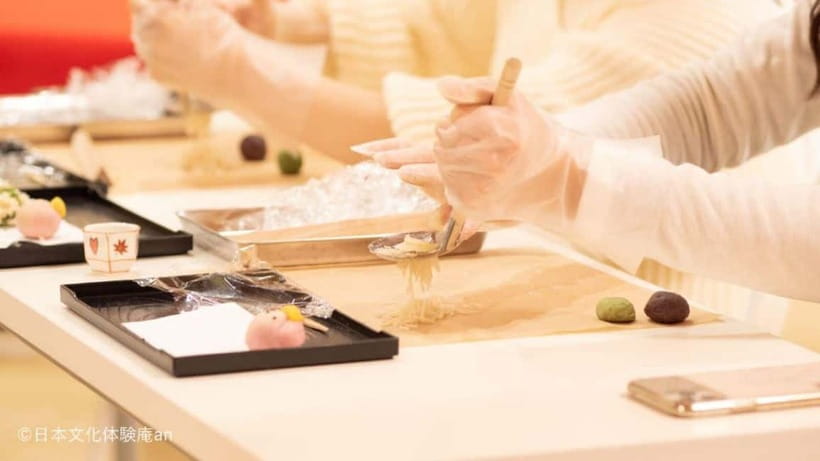
You begin with nerikiri, a refined sweet made from colored white bean paste. The class starts at the coloring stage, which gives you a chance to see how a plain pale mixture becomes something more expressive. You then shape the paste into seasonal designs.
I like this approach because it gives you a real task right away. You are not just watching someone perform a tea ceremony from across the room. Your hands are involved, and the result is something you can eat later in the session.
More Tea and Sweets Making in Tokyo
- Matcha Making Class in Tokyo with Authentic Japanese Sweets Set
★ 5.0 · 744 reviews - Tokyo: Matcha Making Experience with Mochi Sweets in Asakusa
★ 4.9 · 388 reviews - Make Traditional Nerikiri Sweets & Matcha experience in Shibuya
★ 5.0 · 130 reviews
Making two seasonal nerikiri sweets
The first sweet is a flower-shaped nerikiri. The exact flower can change with the season, so the finished piece may reflect the time of year rather than follow one fixed design all year. This seasonal focus is one of the nicest details of the class. Japanese sweets often use restrained colors and symbolic forms, and the shape is part of the pleasure.
You work with white bean paste that comes from established Kyoto shops. That ingredient choice gives the activity more substance than a generic cooking demonstration. The paste is central to the taste and texture, and the class lets you handle the same basic material used for a high-grade Japanese sweet.
Next comes a kinton nerikiri. Kinton sweets have a different look from the smooth flower form, giving you two ways to shape the paste. Making both is useful because you can compare the techniques and see how a small change in form affects the final appearance.
This is also where the class can become more difficult than it first sounds. Coloring and shaping a soft paste requires care. A neat result may take patience, especially if you are trying to copy a seasonal form precisely. The aim is not professional perfection, though. The fun is in learning how the sweet is built and seeing your own version take shape.
The class gives you about 55 minutes before the tea portion begins. That is enough time for the two sweets and for explanations, but it is not an open-ended workshop. You should expect the instructor to keep the class moving.
One practical tip: focus on the demonstration before starting your own piece. Since the teaching language is Japanese, the hand movements are especially important. If you need English support, contact the operator in advance and ask for it. The class can provide English translation as much as possible, but it is wise not to expect every explanation to be delivered in fluent English.
Why the Kyoto bean paste matters
White bean paste can sound simple, but it is the base of the sweets, so its quality affects both texture and flavor. The activity uses white and red bean paste produced by long-established Kyoto shops. That gives you a direct connection to the ingredient rather than a purely decorative craft session.
The taste is also meant to work with matcha. High-quality bean paste brings sweetness, while matcha contributes a more bitter, grassy flavor. Together, they make sense in the traditional tea setting. The pairing keeps the sweetness from feeling too heavy and gives the tea a purpose beyond being a drink at the end.
I would not book this expecting a large meal. You are making two sweets, then eating them with matcha. It is a cultural tasting and workshop, not a food tour or a full cooking class.
The 55-minute pause and change of pace
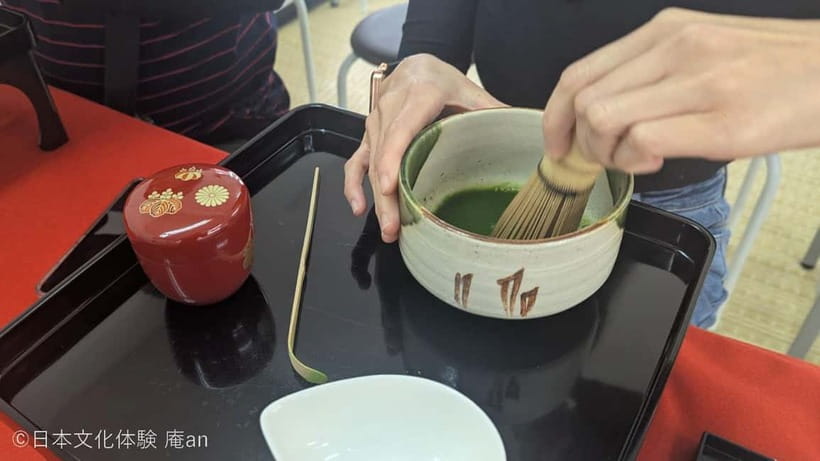
After the sweets are prepared, the schedule includes a break at about the 55-minute mark. The tea portion begins around 65 minutes into the program. This pause separates the creative, hands-on work from the quieter tea lesson.
That change of pace is helpful. The first part asks you to concentrate on color and shape. The second part turns your attention toward preparation, movement, and taste. If you prefer constant action, the break may feel a little slow, but it also keeps the 95-minute program from becoming a rush of instructions.
The timetable is fairly exact:
- At the beginning, you receive an explanation of traditional sweets.
- You make a flower-shaped nerikiri.
- You make a kinton nerikiri.
- Around 55 minutes, the class pauses.
- Around 65 minutes, the tea explanation begins.
- You watch a matcha-grinding demonstration.
- You take part in the tea ceremony.
- Around 85 minutes, there is picture time.
- The program ends at about 95 minutes, followed by eating and drinking time before you leave.
The picture time is a useful touch. Your sweets are temporary creations, so photographs let you keep a record before you eat them. If you want a box for taking sweets away, it costs 100 yen. The listed program centers on eating them with your matcha, so the box is an optional extra rather than part of the basic price.
More Tea Ceremonies in Tokyo
- Kimono Tea Ceremony at Tokyo, Asakusa Maikoya
★ 5.0 · 638 reviews - Tokyo: Traditional Tea Ceremony with a Tea Master
★ 5.0 · 528 reviews - Tea Ceremony Workshop in Tokyo by the Experienced Instrucor
★ 5.0 · 189 reviews - Asakusa: Kimono Tea Ceremony with Matcha and Sweet
★ 4.9 · 153 reviews
Preparing Uji matcha and joining the tea ceremony
The tea segment uses Uji matcha, including a single-origin variety described as special matcha. Uji, near Kyoto, is one of Japan’s best-known tea-producing areas. Here, the point is not only to drink matcha but to understand a little of how it is prepared.
You first receive an explanation of the tea ceremony. Then you watch a matcha-grinding demonstration before preparing your own tea. The grinding demonstration helps show that matcha is not simply green tea leaves placed in hot water. It is powdered tea, and preparation affects the final drink.
After making the matcha, you enjoy it with the two sweets from the first part of the class. This pairing is the payoff of the program. You can taste how bean paste softens the sharper side of matcha, while the tea keeps the sweets from becoming one-note sweet.
The ceremony itself should be approached with a little patience. Tea preparation involves deliberate movements, and the activity is designed to introduce you to that world rather than turn it into a quick drink stop. You do not need prior tea experience based on the supplied details, but you should be ready to follow instructions carefully.
The instructor is Japanese, and one named presenter, Marie, has been praised for clear presentation. Another participant specifically found the demonstrations effective even when English was difficult. That is encouraging, but a separate account described a crowded session where the instructor was hard to hear and continued without waiting. This is the most important practical weakness to keep in mind.
Language, group size, and the pace of instruction
The official language is Japanese. English translation is available as much as possible, but it is not presented as a fully English-language class. That makes this a better choice for you if you are comfortable learning through demonstration, simple instructions, and visual cues.
You can improve your chances of following along by sitting where you can see the instructor’s hands. Watch each step before copying it, especially during the coloring and shaping. If the room feels busy, keep your materials organized and avoid falling behind during the first sweet.
The information provided does not give a maximum group size. Because of that, I cannot promise a small class. The mixed feedback points to a real possibility that some sessions may feel crowded. If close personal instruction is your top priority, contact AN TOKYO before booking and ask about the expected group size for your date.
The class will not wait for late arrivals, regardless of the reason. Build in extra time to reach the meeting point. This matters even more in Tokyo, where a missed start can mean missing the first explanation and the most important shaping demonstration.
What the $18 price really gives you
At $18 per person, this is one of the more affordable ways to try a focused Japanese food and culture activity. You receive the sweet-making lesson, two prepared nerikiri, the matcha demonstration, the tea ceremony, and your own matcha preparation.
The value comes from the combination. A simple wagashi tasting would cost less in time but would not show you how the sweets are made. A longer cooking class might offer more food but cost more and take up much of your day. This class sits between the two: short enough to fit into a Tokyo itinerary, but hands-on enough to feel like an activity rather than a passive sample.
The extra charges are modest. A take-out box is 100 yen, and a completion certificate is 300 yen. You can request a nominative certificate by providing names in advance. Otherwise, the name space will be left blank.
The certificate is optional and has little practical value, but it could be a nice keepsake for children or for anyone collecting cultural experiences. The box is more useful if you do not want to eat both sweets during the program.
Who will enjoy this 95-minute class
I would recommend this to you if you want a short cultural activity with something edible at the end. It works especially well for first-time visitors who want an introduction to wagashi and matcha without committing to a full-day class.
Families may also like it. Children under two who sit on a parent’s lap are free, while the supplied information does not specify other child pricing. The shaping work can appeal to anyone who enjoys crafts, though young children may need help with careful coloring and fine details.
This is also a good fit for food-minded people who want to understand why Japanese sweets are shaped and colored so carefully. You will leave with more than a sugar tasting. You will have seen how season, form, ingredient quality, and tea fit together.
I would hesitate to recommend it if you need detailed English instruction at every step, dislike group activities, or are likely to arrive late. It may also disappoint you if you expect a full meal or a long, formal tea ceremony with extensive historical explanation.
Booking advice and the final call
You can cancel up to 24 hours in advance for a full refund, and reserve now while paying later. Keep in mind that reservations received after 17:00 are processed the next day, and changes made after a cancellation fee applies may carry a separate charge. The class will not compensate you for travel costs if you cancel or miss it.
Book this experience if you want an affordable, compact introduction to two distinctly Japanese pleasures: seasonal wagashi and matcha. The Kyoto bean paste, two different nerikiri shapes, and Uji tea give the class enough substance to justify the 95 minutes.
Skip it if you need guaranteed English instruction or a very small group. Otherwise, arrive early, sit where you can see the demonstration, and consider adding the 100-yen box if you want to save your handiwork. At $18, this is a sensible pick for a Tokyo day when you want to make something, taste something, and learn why the pairing matters.
FAQ
Where does the Japanese sweets and tea ceremony take place?
The experience takes place at AN TOKYO Japanese Culture Experience in Tokyo, Honshu. The coordinates are 35.6916541, 139.7715022.
How long does the experience last?
The scheduled program lasts 95 minutes. The main activities finish around the 85-minute mark, followed by eating and drinking time before departure.
What sweets will I make?
You will make two seasonal nerikiri sweets. One is flower-shaped, and the other is a kinton nerikiri.
Is English instruction available?
The official language is Japanese. English translation will be provided as much as possible, and you can contact the operator if you would like English support added.
Is matcha included?
Yes. The class includes a matcha-grinding demonstration, a tea ceremony experience, and your own matcha preparation using Uji matcha.
Can I take the sweets home?
A sweets take-out box is available for 100 yen. It is not included in the base price.
What happens if I arrive late?
The event will not be held for delayed arrivals. You should allow extra time to reach the meeting point.
Just added around Tokyo
- Yokohama : Tea Ceremony with Sweets and Souvenir★ 5.0 · 5 reviews
- Walking Tour: Yanaka,Nezu& Sendagi: Tea Ceremony & Old Tokyo★ 5.0 · 3 reviews
- Private Kimono and tea ceremony at local home near Tokyo Disney★ 5.0 · 6 reviews
- Private Mochi・Matcha sweets Making Class Near Shibuya Area★ 5.0 · 22 reviews
- Tokyo Sweets Tour: Hidden Gems & Matcha at an Old Tea House★ 5.0 · 6 reviews
- Kimono and Tea Ceremony in Asakusa Private Food Tour With Guide★ 5.0 · 4 reviews
- 2 Hours Mochi &Nerikiri Making & Matcha Class in Bunkyo★ 5.0 · 21 reviews
- Tokyo Tea Ceremony Class at a Traditional Tea Room★ 5.0 · 2 reviews
Tea Ceremonies in Tokyo, compared.
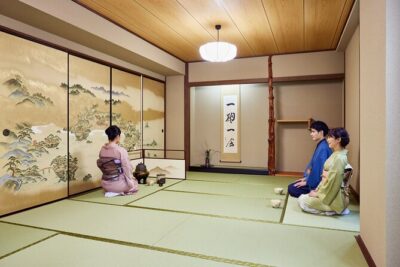
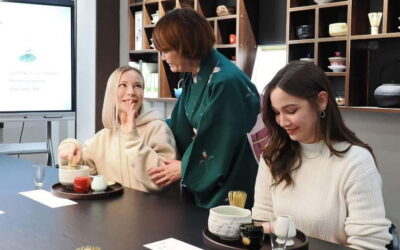
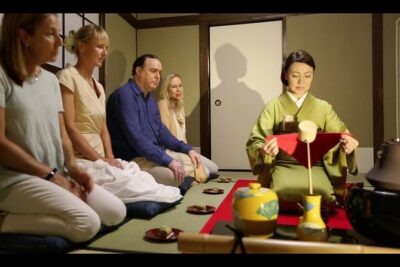
Tea Ceremony Workshop in Tokyo by the Experienced Instrucor
Read our review →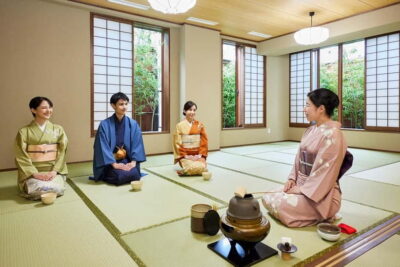
Asakusa: Kimono Tea Ceremony with Matcha and Sweet
Read our review →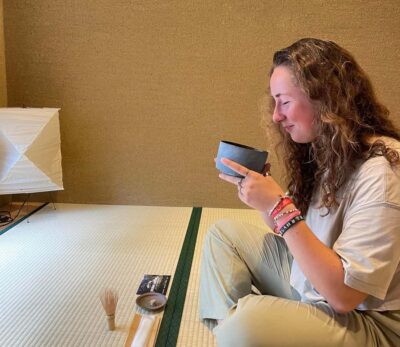
Tea Ceremony Experience in a Private Tea Room in Shibuya
Read our review →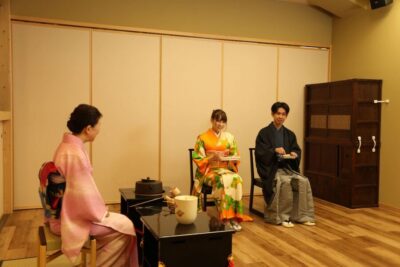
Tea ceremony experience in Japanese-style room 60min
Read our review →Browse the lists this tour appears in