
Review · TOKYO
Tokyo: Casual Japanese Tea Ceremony Experience
Slow down with a bowl of matcha. This one-hour session offers a friendly introduction to Japanese tea culture without the strict rules, formal setting, or fear of making a cultural mistake. I like the chance to whisk my own matcha and the easygoing small-group format, where a maximum of eight people can ask questions and take photos. The main drawback is that kimono wear and rental are not included, so you should not book this expecting a full costume experience.
The $25 price is fair for a short cultural activity in Tokyo, especially if you want more than a quick cup of green tea. I also like that the host explains the meaning behind each action instead of asking you to copy movements without context. The relaxed lounge setting may not satisfy you if you want a highly formal ceremony with strict etiquette and a historic tea room.
Key Points At A Glance
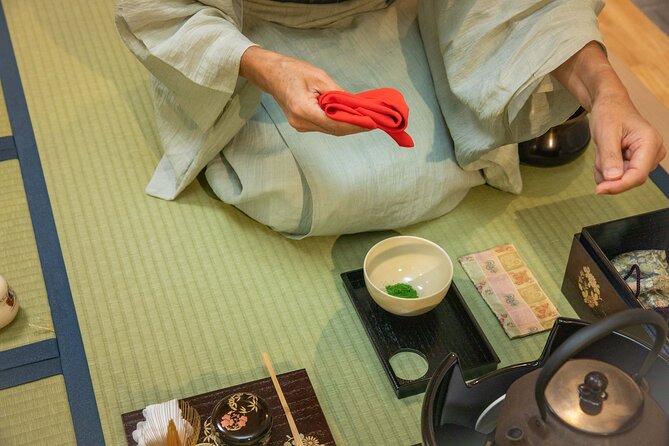
- Make your own bowl of matcha: You learn to whisk powdered green tea rather than simply watch a host prepare it.
- Designed for first-timers: The casual format removes much of the pressure linked with formal tea ceremony rules.
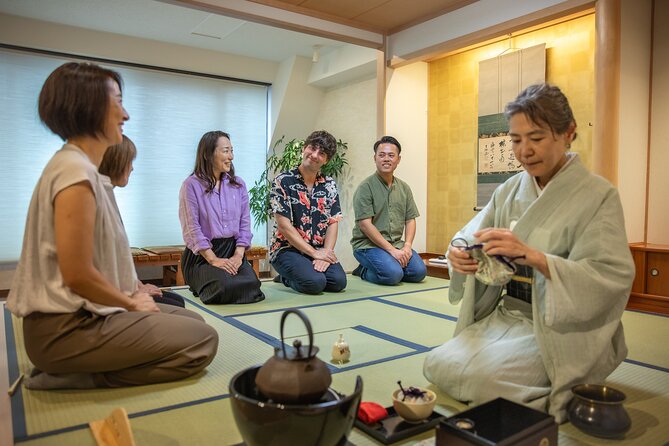
- Small group of up to eight: The limited size should give you room to ask questions and follow the demonstration.
- Traditional sweets are included: You taste Japanese sweets alongside freshly prepared matcha.
- Asakusa meeting point: The session starts and ends at Tokyo Tourist Lounge Asakusa, on the fifth floor.
- One hour and $25: It fits neatly into a day of sightseeing and offers a reasonably priced cultural pause.
What This Tokyo Tea Experience Is Really About
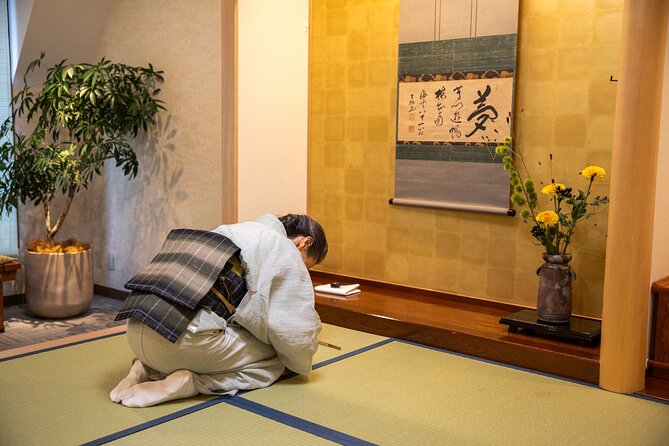
A Japanese tea ceremony can look intimidating from the outside. There are careful movements, prescribed manners, special utensils, and a quiet rhythm that may seem difficult to understand. This session takes the pressure off while keeping the heart of the tradition intact.
You learn that tea ceremony is not only about drinking matcha. The host explains the ideas behind preparing, presenting, and receiving the tea. The focus is on harmony and hospitality, which gives the activity more meaning than a simple beverage tasting.
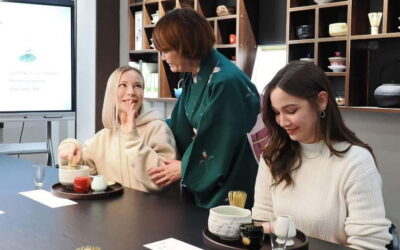
The setting is a comfortable lounge rather than a strict ceremonial room. That choice matters. You can listen without worrying that a small mistake will offend someone, and you can ask for clarification when a gesture or custom is unfamiliar.
I see this as a gentle first step into Japanese culture. You get enough background to understand what you are doing, but not so much ceremony that the hour becomes stiff or difficult to follow.
More Tea Ceremonies in Tokyo
- Kimono Tea Ceremony at Tokyo, Asakusa Maikoya
★ 5.0 · 638 reviews - Tokyo: Traditional Tea Ceremony with a Tea Master
★ 5.0 · 528 reviews - Tea Ceremony Workshop in Tokyo by the Experienced Instrucor
★ 5.0 · 189 reviews
Arriving At Tokyo Tourist Lounge Asakusa
The meeting point is Tokyo Tourist Lounge Asakusa, at 5F, 2-18-15 Kaminarimon, Taito City, Tokyo 111-0034. The activity begins and ends at this same location, which keeps the logistics simple.
The meeting point is near public transportation, though the supplied details do not name a specific station or give walking directions. I would check the exact address before leaving your hotel and allow enough time to find the building and reach the fifth floor.
Ending where you start is useful in Asakusa. You do not need to learn a new address after the tea session, and you can continue sightseeing in the area afterward. Since the class lasts about one hour, it can also fit before or after another planned activity.
The experience accepts mobile tickets, so you can keep your booking on your phone. Confirmation is provided when you book. For a short activity, those simple arrangements are welcome.
The Opening Explanation: Tea Culture Without The Pressure
The session begins with an introduction to Japanese tea culture and the general idea of the way of tea. Rather than presenting a long list of rules, the host explains why each stage matters.
This is where the casual format earns its keep. You do not need to arrive with knowledge of Japanese etiquette, and you do not need to worry about using the wrong gesture at the wrong time. The host is there to guide you through the process in clear, approachable terms.
The teaching also helps you notice details you might otherwise miss. Pouring water, whisking the tea, presenting the bowl, and receiving it all have a place in the sequence. Once you understand the purpose of those actions, the ceremony feels less like a performance and more like a conversation carried out through objects and movement.
One session specifically received praise for its detailed explanation of the ceremony and its history. That is an important point for me. A good introduction should leave you with more than a pleasant taste. It should help you recognize the care behind Japanese tea practice when you encounter it again.
Whisking Your Own Matcha
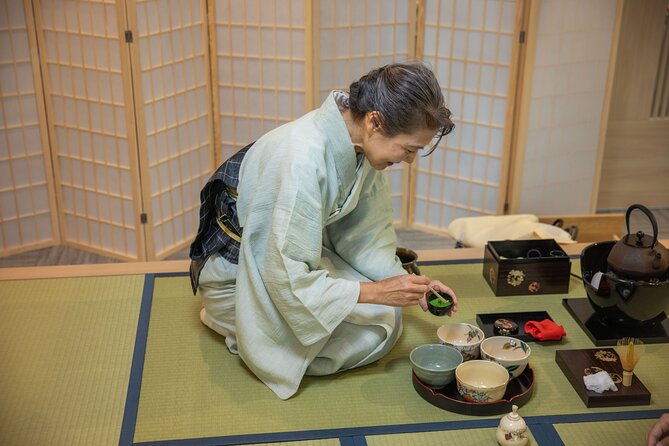
The hands-on section is the heart of the activity. You prepare your own bowl of powdered green tea with guidance from the host, learning how to combine the tea and water with a whisk.
You are not just watching someone else perform a polished ritual. You get to try the technique yourself, which makes the process easier to remember. The action looks simple, but the explanation gives it purpose and helps you understand why the tea is prepared in this way.
The relaxed setting is especially helpful here. If your first bowl is not perfectly smooth, that is part of the learning process. You can ask questions as you work, and the host can explain what you should notice in the tea.
You then taste the freshly prepared matcha at your own pace. Matcha has a distinctive flavor that can be grassy, bitter, and strong compared with ordinary tea. Traditional Japanese sweets balance that flavor and make the tasting more approachable.
The activity includes coffee and/or tea, with the main focus clearly placed on matcha preparation. If you have never tried powdered green tea, this gives you a useful introduction without requiring you to commit to a long tea-focused program.
Same place, a different pot:
- Matcha Making Class in Tokyo with Authentic Japanese Sweets Set
★ 5.0 · 744 reviews - Tokyo: Matcha Making Experience with Mochi Sweets in Asakusa
★ 4.9 · 388 reviews - Asakusa Cultural Walk & Matcha Making Tour
★ 5.0 · 245 reviews - Mt. Fuji & Lake Kawaguchiko Ropeway Panorama Full-Day Tour
★ 4.6 · 236 reviews
Japanese Sweets And The Meaning Of Hospitality
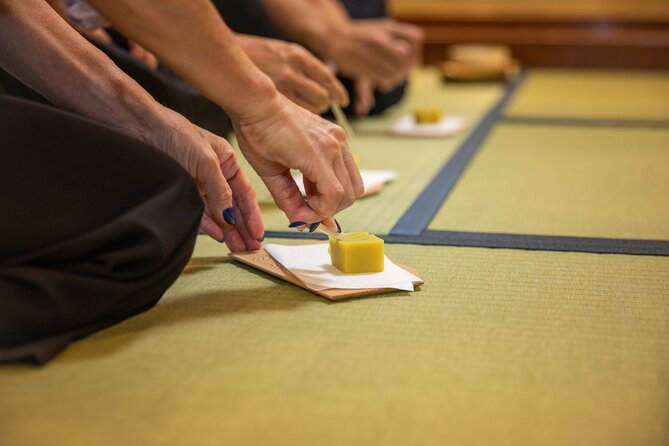
The sweets are not an extra detail. They help explain how Japanese tea is traditionally enjoyed. Their sweetness provides a contrast to matcha and gives the tasting a clear rhythm.
The host presents the tea and explains the connection between each step. That presentation is part of the lesson in hospitality. A bowl of tea is not treated as a random drink handed across a counter. It is prepared with care and offered as a thoughtful gesture.
You also have time to enjoy the sweets and tea without being hurried through a series of tastings. The pace suits people who want to pay attention to the experience rather than rush toward the next attraction.
I appreciate that the activity does not pretend to recreate every demanding rule of a formal ceremony. Instead, it gives you enough of the setting, flavors, and ideas to understand the tradition in a practical way.
Why The Eight-Person Limit Matters
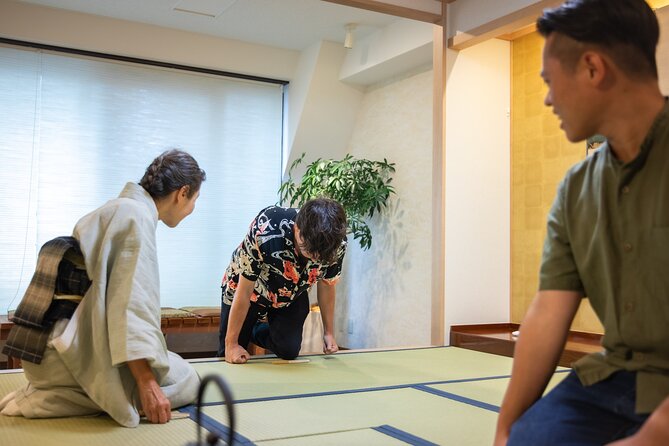
The group limit is eight people. That is small enough to make questions realistic, which matters in a cultural activity built around explanation and demonstration.
In a large class, you might struggle to see the preparation or get help with your own bowl. Here, the host can keep the pace manageable and give participants a chance to follow along.
A small group also supports the calm mood promised by the activity. The ceremony is meant to slow you down, and a crowded room would work against that goal. The group size cannot guarantee a private session, but it does keep the format more personal than a large tour.
The tradeoff is that the experience may feel less formal than a traditional ceremony. If you want silence, strict posture, and exact etiquette from beginning to end, this casual version may feel too light. If you want a welcoming cultural lesson, the small group is a strong feature.
What You Do Not Get: Kimono And Formal Ritual
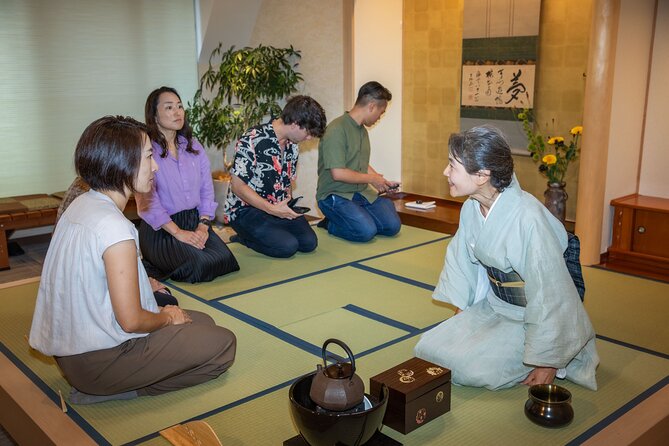
Kimono rental and wearing a kimono are not included. This is worth noting because many visitors connect tea ceremony with formal Japanese clothing. You will need to arrange that separately if dressing up is important to you.
The activity also does not promise a strict ceremonial setting. The goal is comfort and understanding, not a full reproduction of a formal tea school. You can ask questions and take photos, two things that may not fit easily into a more traditional ceremony.
That freedom makes this a good choice for beginners, families, and curious visitors who want to learn without worrying about etiquette mistakes. It also means the session is best understood as a casual cultural introduction, not a formal qualification or a complete tea ceremony training course.
I would book it for the lesson and hands-on practice. I would not book it as a substitute for a kimono photo session or an elaborate ceremonial performance.
Is One Hour Enough?
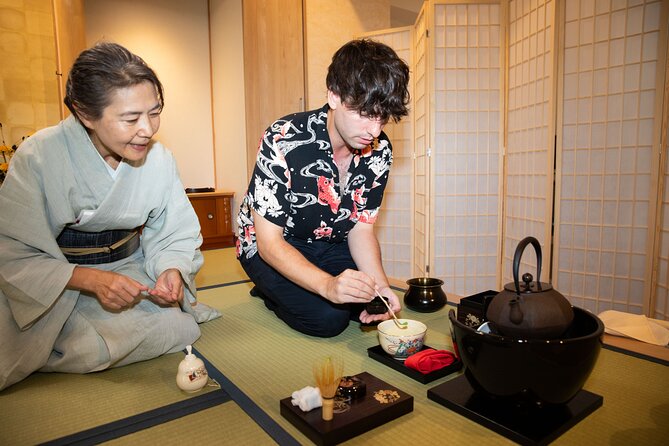
For an introduction, one hour is a sensible length. You receive an explanation of tea culture, learn the steps, prepare your own matcha, taste sweets, and have time for questions.
The short format also makes the experience easy to add to a busy Tokyo schedule. You can fit it between other plans without giving up half a day. The meeting point remains the same at the end, so you can continue your visit after the session.
The limitation is depth. You will not cover every school of tea, every utensil, or every historical period in sixty minutes. You should see this as a well-sized first lesson rather than a full study of Japanese tea culture.
For most people, that is the right balance. The session gives you a clear taste of the subject and leaves room to explore further on your own.
Who Should Book This Experience
I would recommend this activity if you are visiting Japan for the first time and want a cultural experience that feels easy to enter. You do not need prior knowledge, formal clothing, or confidence with Japanese etiquette.
It also suits you if you enjoy hands-on activities. Preparing your own bowl gives the session more substance than a demonstration alone, and you can remember the technique when you try matcha again.
Families and mixed-age groups may appreciate the relaxed approach, though the supplied information does not specify a minimum age. If you need that detail, confirm it before booking.
This is also a good option for repeat visitors. You may have seen temples, gardens, and markets already, but a tea session gives you a quieter way to connect with Japanese customs.
I would be less likely to recommend it if your main goal is a formal ceremony in a historic tea house, a kimono rental, or a long, detailed course in tea preparation. Those expectations do not match what this activity offers.
Price, Timing, And Cancellation
At $25 per person, the experience offers solid value for a one-hour cultural activity. You receive instruction, matcha preparation, traditional sweets, and the chance to ask questions in a group capped at eight people.
The price is particularly reasonable if you value explanation and participation. A simple cup of tea would cost less, but it would not give you the same lesson or guided practice.
You can cancel for a full refund if you do so at least 24 hours before the start time. Cancellations within 24 hours are not refunded, and changes inside that period are not accepted. The cut-off follows Tokyo local time, so keep that in mind if you are booking from another time zone.
Final Verdict: A Friendly First Taste Of Tea Culture
Book this casual Japanese tea ceremony if you want to understand matcha and Japanese hospitality without the formality that can make a traditional ceremony feel intimidating. The best parts are the hands-on whisking, the clear explanation of each step, the traditional sweets, and the small group of no more than eight.
The $25 cost and one-hour length make it easy to fit into a Tokyo itinerary. The session has earned a 4.9 rating, with 96 percent recommending it, and the praise focuses on the detailed explanations, warm welcome, and thoughtful teaching associated with Midori.
Skip it if you are specifically seeking kimono rental or a strict, highly ceremonial performance. For everyone else, this is a pleasant way to slow down, ask questions, and leave with a better understanding of what is in your bowl.
FAQ
Where does the tea ceremony take place?
The activity starts and ends at Tokyo Tourist Lounge Asakusa, 5F, 2-18-15 Kaminarimon, Taito City, Tokyo 111-0034, Japan.
How long does the experience last?
The activity lasts approximately one hour.
How much does it cost?
The listed price is $25 per person.
How many people can join the group?
The activity has a maximum of eight participants.
Is the experience suitable for beginners?
Yes. It is designed as a casual introduction for people who may find strict tea ceremony etiquette intimidating.
Can I make my own matcha?
Yes. You learn how to whisk powdered green tea and prepare your own bowl of matcha.
Are Japanese sweets included?
Yes. The session includes traditional Japanese sweets to enjoy with the matcha.
Is kimono rental included?
No. Wearing a kimono and kimono rental are not included.
Can I take photos during the session?
Yes. The casual format allows you to take photos and ask questions.
Is cancellation free?
You can cancel for a full refund at least 24 hours before the experience start time. Cancellations within 24 hours are not refunded.
Just added around Tokyo
- Yokohama : Tea Ceremony with Sweets and Souvenir★ 5.0 · 5 reviews
- Walking Tour: Yanaka,Nezu& Sendagi: Tea Ceremony & Old Tokyo★ 5.0 · 3 reviews
- Private Kimono and tea ceremony at local home near Tokyo Disney★ 5.0 · 6 reviews
- Private Mochi・Matcha sweets Making Class Near Shibuya Area★ 5.0 · 22 reviews
- 2 Hours Mochi &Nerikiri Making & Matcha Class in Bunkyo★ 5.0 · 21 reviews
- Tokyo Sweets Tour: Hidden Gems & Matcha at an Old Tea House★ 5.0 · 6 reviews
- Kimono and Tea Ceremony in Asakusa Private Food Tour With Guide★ 5.0 · 4 reviews
- Tokyo Tea Ceremony Class at a Traditional Tea Room★ 5.0 · 2 reviews
Tea Ceremonies in Tokyo, compared.
Tea Ceremony Workshop in Tokyo by the Experienced Instrucor
Read our review →
Asakusa: Kimono Tea Ceremony with Matcha and Sweet
Read our review →
Tea Ceremony Experience in a Private Tea Room in Shibuya
Read our review →
Tea ceremony experience in Japanese-style room 60min
Read our review →Browse the lists this tour appears in