
Review · TOKYO
Tokyo: Tea Ceremony & Japanese Sweets Making
Tea has a quiet way of slowing Tokyo down. This one-hour workshop pairs a traditional tea ceremony with hands-on matcha making and seasonal Japanese sweets, all guided in clear English by a tea master with more than 10 years of experience. I like that you do not only watch: you prepare the matcha yourself and design a sweet to eat with it.
I also like the small group limit of 10 people, which should make the lesson easier to follow than a large demonstration. The friendly teaching style and peaceful ceremony earn this experience strong marks, with a 4.8 rating and 90 percent recommendation rate. The main consideration is its short length, since you get a focused introduction rather than a long cultural class.
Key points to know before booking
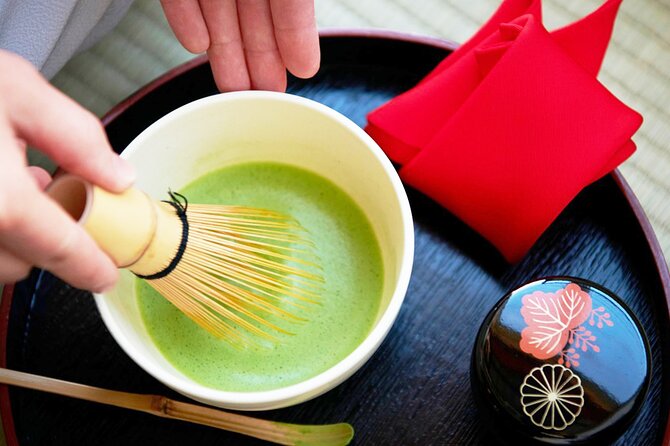
- You make your own matcha: The lesson moves beyond watching a tea ceremony and lets you prepare the drink yourself.
- A tea master leads the class: Your instructor has more than 10 years of experience with tea ceremony practice.
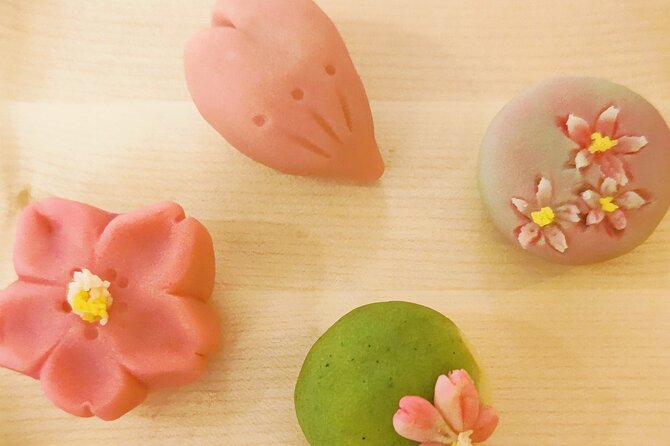
- Japanese sweets are part of the activity: You craft a seasonal sweet and enjoy it with your matcha.
- The class is taught in clear English: This makes the cultural explanations easier to follow.
- The group is capped at 10 people: The small maximum should help keep the demonstration personal.
- The price is $32.58 per person: For a one-hour cultural activity with a hands-on element, that is a reasonable Tokyo add-on.
A calm introduction to Japanese tea in Hakusan
This experience takes place in Hakusan, in Tokyo’s Bunkyo City, at a venue listed inside a building on Hakusan 1-chome. The meeting point is the second floor of Phil Park Hakusan Hills, at the location associated with VaLerio Luana, a diet-focused personal training gym.
That address detail matters. It is not presented as a famous temple, historic tea house, or tourist landmark. You should allow time to identify the building and confirm you are at the right second-floor meeting point. The activity is near public transportation, but the supplied information does not name a particular station or give walking directions, so checking the route before you leave is sensible.
Once you arrive, the format is refreshingly direct. You are not spending half the booking on transfers or sightseeing stops. The class focuses on tea, sweets, and the basic rhythm of a formal Japanese tea ceremony.
For me, that narrow focus is a strength. Tokyo offers endless sightseeing, but a short workshop gives you a chance to sit still and pay attention to one custom. It also works well on a busy day when you want something cultural without committing to a full afternoon.
More Tea and Sweets Making in Tokyo
- Matcha Making Class in Tokyo with Authentic Japanese Sweets Set
★ 5.0 · 744 reviews - Tokyo: Matcha Making Experience with Mochi Sweets in Asakusa
★ 4.9 · 388 reviews - Make Traditional Nerikiri Sweets & Matcha experience in Shibuya
★ 5.0 · 130 reviews
Watching the Otemae tea demonstration
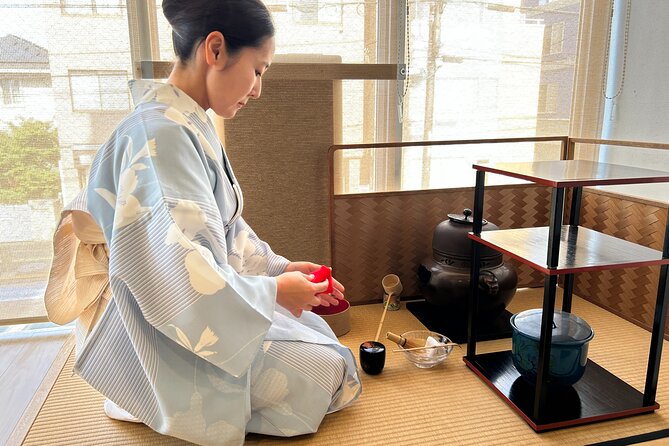
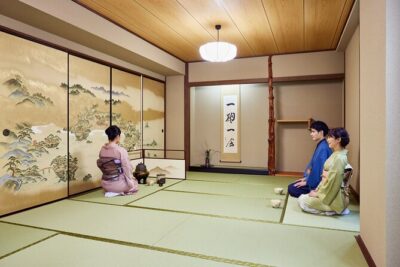
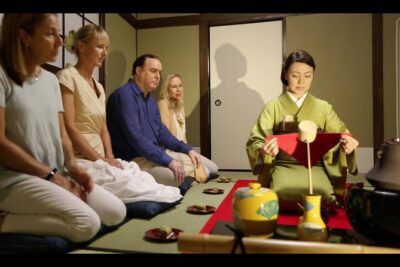
The session includes an Otemae demonstration. In simple terms, this is the formal preparation and serving of tea, where the actions are deliberate and orderly rather than rushed.
The value of this part is not only the finished cup. You get to see how much care goes into the movements, tools, and presentation. The ceremony creates a different pace from ordinary café service, and the quiet, careful process is likely to be the most peaceful part of the hour.
Your tea master has more than a decade of experience, which gives the demonstration useful authority. The instructor can show the proper method while explaining what you are seeing in English. That is important because a ceremony can look beautiful but remain confusing if nobody explains the purpose of the gestures.
You should not expect a full scholarly lecture on every aspect of Japanese tea culture. The time is limited, and the emphasis is practical. Still, seeing the demonstration before making your own tea gives you a clear model to follow.
Preparing matcha instead of only watching
After the demonstration, you get the chance to prepare matcha yourself. This hands-on step is one of the best reasons to choose the experience.
Making matcha requires more participation than ordering a powdered green tea in a café. You are asked to pay attention to the preparation process and then taste the result. That small act turns the ceremony from a performance into something you take part in.
The experience description does not specify every tool, measurement, or technique used, so you should think of this as a guided introduction rather than advanced instruction. The tea master will guide you through the process, but the hour is not designed to make you a trained tea practitioner.
I like this balance. You receive enough instruction to understand the basic method, then get the pleasure of trying it with your own hands. If your matcha does not come out perfectly, that is part of the fun. The point is to notice the process and flavor, not to pass an exam.
The taste can also be more meaningful after you have prepared the tea yourself. You are likely to notice the texture and full flavor differently when you understand the work behind the cup.
Making a seasonal Japanese sweet
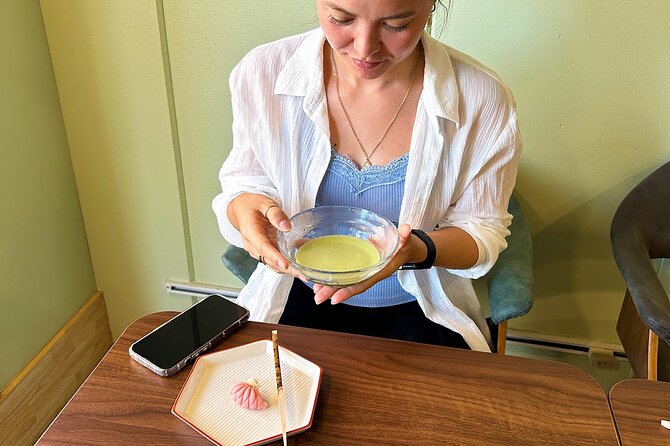
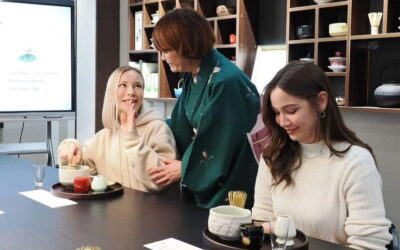
The second hands-on element is the Japanese sweet. You craft a seasonal sweet yourself, then enjoy it alongside the matcha.
This is a welcome addition because the sweet is not treated as an afterthought. In a tea ceremony, food and tea work together, and the sweet helps balance the bitterness of matcha. Designing or shaping your own confection also gives the class a creative side.
The information provided does not name the exact sweet or explain which seasonal design will be used. That means the finished item can vary, but it also keeps the activity tied to the season rather than forcing the same object all year.
I would especially recommend this part to anyone who likes food workshops but does not want a long cooking class. You are not signing up for a multi-course lesson. Instead, you get one focused craft that connects directly to the tea you prepare.
The sweet-making portion may also make the experience more approachable for families and first-time visitors. Tea ceremony can seem formal from the outside. Creating something with your hands makes the setting feel less intimidating.
More Tea Ceremonies in Tokyo
- Kimono Tea Ceremony at Tokyo, Asakusa Maikoya
★ 5.0 · 638 reviews - Tokyo: Traditional Tea Ceremony with a Tea Master
★ 5.0 · 528 reviews - Tea Ceremony Workshop in Tokyo by the Experienced Instrucor
★ 5.0 · 189 reviews - Asakusa: Kimono Tea Ceremony with Matcha and Sweet
★ 4.9 · 153 reviews
Clear English and a small class size
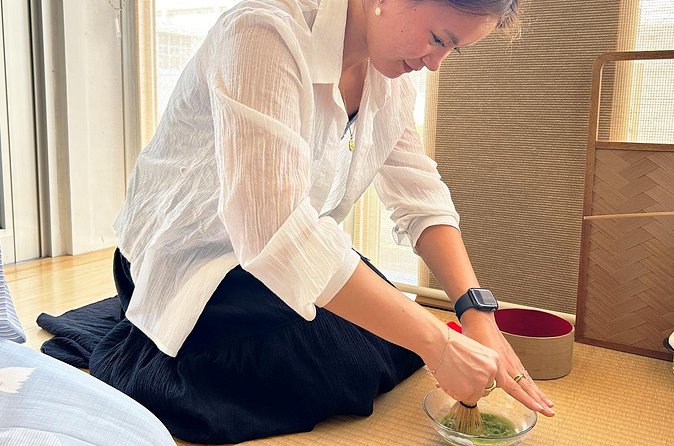
The workshop is guided in clear English by an expert host. That promise is practical, not decorative. Tea ceremony has rules and gestures that can be easy to miss, and clear explanations help you understand what is happening instead of simply copying movements.
The group maximum is 10 people. That is small enough to give the activity a personal feel, though the actual number in your session may be lower. A smaller class should make it easier to see the demonstration, ask questions, and receive help while preparing matcha or sweets.
The available feedback describes the instructor as very friendly and praises the ceremony as fascinating and peaceful. That combination matters. A formal tradition can feel stiff if the host treats it as a museum display. A warm instructor helps you relax while still respecting the ceremony.
No instructor name is provided, so I cannot tell you who will lead your specific session. What you can count on is the stated experience level of more than 10 years and English-language guidance.
What the one-hour schedule means for you
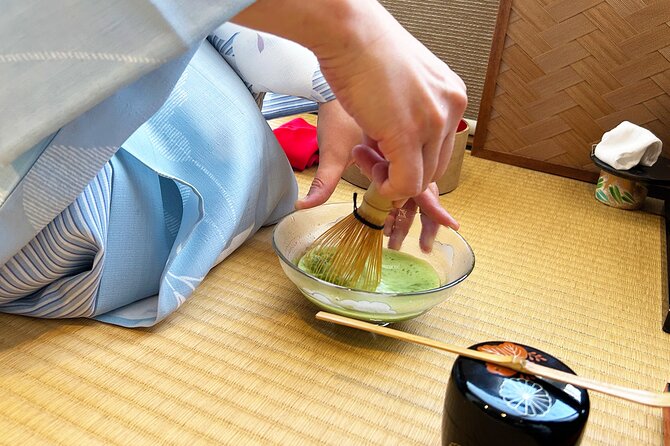
The activity lasts about one hour and ends where it begins. The compact schedule makes it easy to fit between other Tokyo plans.
A likely flow is:
- Arrival at the Hakusan meeting point
- A traditional Otemae demonstration
- An explanation of matcha preparation
- Your own matcha-making practice
- Seasonal Japanese sweet making
- Tasting the tea and sweet together
- Return to the original meeting point
The exact timing for each stage is not provided, so do not expect a minute-by-minute schedule. The class is best understood as a single continuous workshop rather than a series of separate stops.
One hour is enough for an introduction, but it also sets a limit. You will not have much time for long conversation, repeated practice, or a detailed tour of tea history. If you want a full-day cultural program, this will feel brief. If you want a well-contained activity with real participation, the short format is an advantage.
I would place it early in your Tokyo itinerary if you want the quiet mood to influence the rest of your day. It can also work after a morning of sightseeing, when a seated, slower activity offers a useful change of pace.
Is $32.58 a fair price?
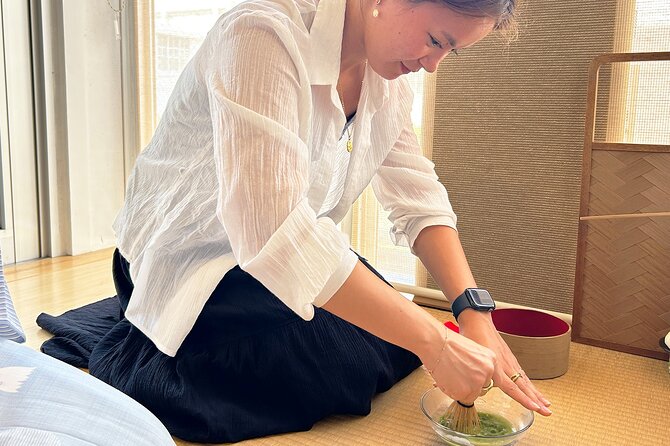
At $32.58 per person, the price is reasonable for a small-group cultural workshop in Tokyo. You are paying for more than a cup of tea. The fee covers instruction from an experienced tea master, the demonstration, your own matcha preparation, and a seasonal Japanese sweet that you make and eat.
The value is strongest if you prefer active experiences. Someone who only wants to taste matcha can likely spend less at a tea shop. Here, the appeal is learning the basic process and taking part in the ceremony.
The small group limit also supports the price. With no more than 10 people, the class should not feel like a large show where you sit at the back and watch someone else work. The personal element is central to the experience.
Still, keep the duration in mind. At roughly one hour, this is not a bargain if you measure value by time alone. It is a good purchase for a focused cultural stop, not a replacement for a full tea ceremony course.
Who will enjoy this Tokyo tea workshop?
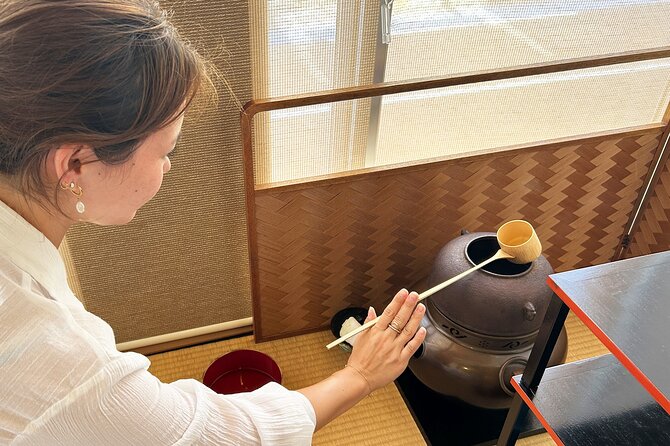
I would recommend it to first-time visitors who want a gentle introduction to Japanese tea customs. You do not need previous matcha experience, and the English guidance makes the activity easier to follow.
It also suits people who enjoy food and craft activities. Making a sweet gives you something concrete to do, while the tea ceremony provides the cultural setting.
Families may appreciate the short duration and hands-on format, though the supplied information does not give a minimum age or child policy. For that reason, check directly if you are booking for young children.
The class should also suit solo participants and couples who want a quieter Tokyo experience. The small group size gives you a chance to participate without the pressure of performing for a large audience.
You may want to skip it if you are looking for a grand historic setting, an extensive cultural lecture, or a long culinary workshop. The venue is a modern building location, not a stated temple or historic tea house, and the session is intentionally compact.
Practical planning for the Hakusan meeting point
The activity begins and ends at the same meeting point, which simplifies your plans. You will not need to arrange a separate pickup or find your way across Tokyo after the class.
Use the full address when navigating:
Japan, 113-0001 Tokyo, Bunkyo City, Hakusan, 1-chome 26-17, Phil Park Hakusan Hills, second floor.
The address includes Japanese text and a building name, so keep the mobile ticket available and check the venue details before setting out. The experience is near public transportation, but no specific station is identified in the supplied information.
Confirmation arrives when you book, and the activity accepts mobile tickets. That means you should not need a printed voucher, though your phone should be charged and easy to access.
Free cancellation is available if you cancel at least 24 hours before the local start time. A cancellation or change made within 24 hours is not accepted for a refund. That rule is worth noting when building a packed Tokyo schedule, since weather, delayed trains, and changing plans can quickly affect a one-hour booking.
Should you book this tea ceremony?
Book it if you want a short, hands-on introduction to matcha and Japanese sweets rather than a passive cultural demonstration. The experienced tea master, clear English instruction, small group limit, and peaceful tone make it a sensible choice for first-time learners.
The $32.58 price is fair when you value participation and personal instruction. Just keep your expectations in the right place: this is a focused one-hour workshop at a Hakusan meeting point, not a full historical tour or an elaborate temple ceremony.
If that sounds like the kind of pause your Tokyo itinerary needs, I would book it. If you want a longer lesson or a famous traditional setting, spend your time and money elsewhere.
FAQ
Where does the tea ceremony experience take place?
It takes place at a meeting point in Hakusan, Bunkyo City, Tokyo, on the second floor of Phil Park Hakusan Hills at the address associated with VaLerio Luana.
How long does the activity last?
The experience lasts approximately one hour.
What happens during the activity?
You watch an Otemae tea demonstration, learn how to prepare matcha, make your own matcha, create a seasonal Japanese sweet, and taste them together.
Is the experience taught in English?
Yes. The activity is guided in clear English by an expert host.
Who leads the tea ceremony?
A tea master with more than 10 years of experience leads the session. A specific instructor name is not provided.
How many people can join?
The activity has a maximum of 10 participants.
Does the experience start and end at the same place?
Yes. It ends back at the original meeting point.
Is the activity near public transportation?
Yes. The meeting point is described as being near public transportation, though a specific station is not provided.
Can I cancel for a full refund?
Yes, if you cancel at least 24 hours before the local start time. Cancellations made less than 24 hours before the start time are not refunded.
Just added around Tokyo
- Yokohama : Tea Ceremony with Sweets and Souvenir★ 5.0 · 5 reviews
- Walking Tour: Yanaka,Nezu& Sendagi: Tea Ceremony & Old Tokyo★ 5.0 · 3 reviews
- Private Kimono and tea ceremony at local home near Tokyo Disney★ 5.0 · 6 reviews
- Private Mochi・Matcha sweets Making Class Near Shibuya Area★ 5.0 · 22 reviews
- Tokyo Sweets Tour: Hidden Gems & Matcha at an Old Tea House★ 5.0 · 6 reviews
- Kimono and Tea Ceremony in Asakusa Private Food Tour With Guide★ 5.0 · 4 reviews
- 2 Hours Mochi &Nerikiri Making & Matcha Class in Bunkyo★ 5.0 · 21 reviews
- Tokyo Tea Ceremony Class at a Traditional Tea Room★ 5.0 · 2 reviews
Tea Ceremonies in Tokyo, compared.
Tea Ceremony Workshop in Tokyo by the Experienced Instrucor
Read our review →
Asakusa: Kimono Tea Ceremony with Matcha and Sweet
Read our review →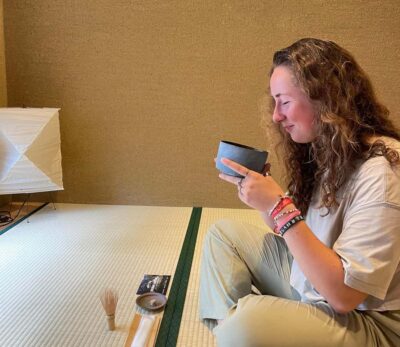
Tea Ceremony Experience in a Private Tea Room in Shibuya
Read our review →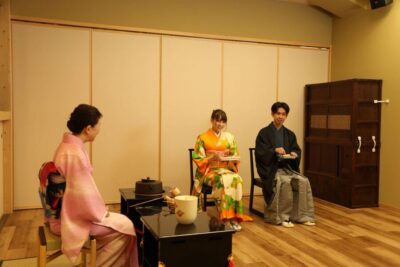
Tea ceremony experience in Japanese-style room 60min
Read our review →Browse the lists this tour appears in