
Review · TOKYO
Tokyo: Matcha Tea Ceremony Experience at Japanese room in Shibuya
Tea tells a quiet story. This one-hour experience gives you a hands-on introduction to Japanese tea culture in a traditional Japanese room in Shibuya, with guidance on manners, matcha preparation, and the finer differences between Japanese teas. I especially like that you make your own bowl of matcha instead of simply watching a demonstration, and that the session includes several teas, including matcha and hojicha. The main consideration is its short length: you get a friendly introduction, not a full study of the tea ceremony.
I also like the small group size, capped at eight people, which should make it easier to ask questions and receive help with the whisking technique. Instructors such as Taku, So-Wa, and Ryota have been praised for clear explanations and warm teaching. At $32.58 per person, it is a fair price for a guided cultural activity, though tea lovers looking for a long, formal ceremony may want something more specialized.
Key Points at a Glance
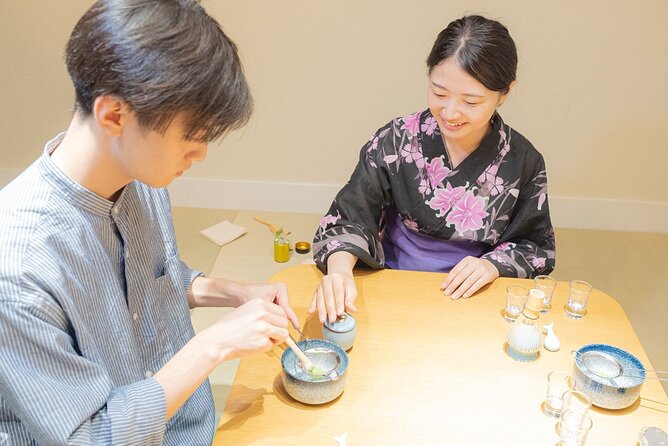
- Make your own matcha: Prepare a bowl yourself with step-by-step help from the instructor.
- Taste three additional teas: Compare Japanese teas and learn how matcha and hojicha differ.
- Learn etiquette without pressure: The session explains basic tea ceremony manners in a relaxed setting.
- Small group setting: The maximum group size is eight people, allowing room for questions.
- Convenient Shibuya meeting point: The activity starts and ends at 2-chōme-14-13 Shibuya, near public transportation.
- Good value for a one-hour cultural stop: At $32.58, it costs less than many longer guided activities while offering active participation.
A Quiet Hour in the Middle of Shibuya
Shibuya is famous for bright signs, crowded crossings, and a fast urban rhythm. This activity gives you a useful change of pace. Instead of racing from one sight to the next, you spend about an hour learning a simple ritual built around attention, care, and hospitality.
The meeting point is at 2-chōme-14-13 Shibuya, Tokyo 150-0002. The activity ends at the same place, which keeps the logistics simple. Since the location is near public transportation, you can fit the class into a wider day in Shibuya without arranging a separate ride at the end.
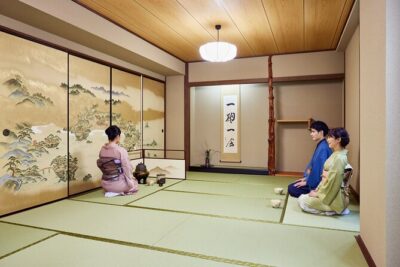
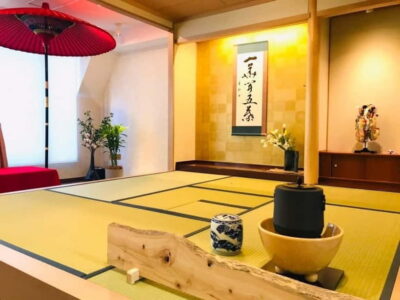
The setting is described as a Japanese room, giving the session a more fitting atmosphere than a casual café. You should not expect an elaborate temple ceremony or a grand historic tea house. Instead, the appeal is the chance to learn the basic form of the tradition in a welcoming space, with the instructor close by to explain each step.
The group limit of eight matters here. Tea preparation is easier to follow when you can see the instructor’s hands and ask a question without competing with a large crowd. It also keeps the mood personal, which fits the quiet nature of the activity.
More Matcha Experiences in Tokyo
- Matcha Making Class in Tokyo with Authentic Japanese Sweets Set
★ 5.0 · 744 reviews - Tokyo: Matcha Making Experience with Mochi Sweets in Asakusa
★ 4.9 · 388 reviews - Asakusa Cultural Walk & Matcha Making Tour
★ 5.0 · 245 reviews
Learning the Basic Etiquette Without Feeling Awkward
Japanese tea ceremony has formal movements and manners, but this introduction does not appear designed to test you. The focus is on learning the essential etiquette in a calm, beginner-friendly way.
Your instructor explains how to approach the tea, how to handle the bowl, and how the preparation fits into the wider tradition. You do not need prior knowledge of matcha or Japanese customs. The teaching style is intended to help first-time participants feel comfortable rather than worried about making a mistake.
That makes this a useful choice for people who want cultural context but do not have time for a long workshop. It can also help you notice details you might otherwise miss when seeing tea ceremony in a film, museum display, or formal performance.
The best approach is to treat the class as a cultural lesson, not a performance for tourists. Pay attention to the small gestures. The point is not only to produce a drink, but to understand why preparation, presentation, and respect are linked in the ceremony.
Making Your Own Bowl of Matcha
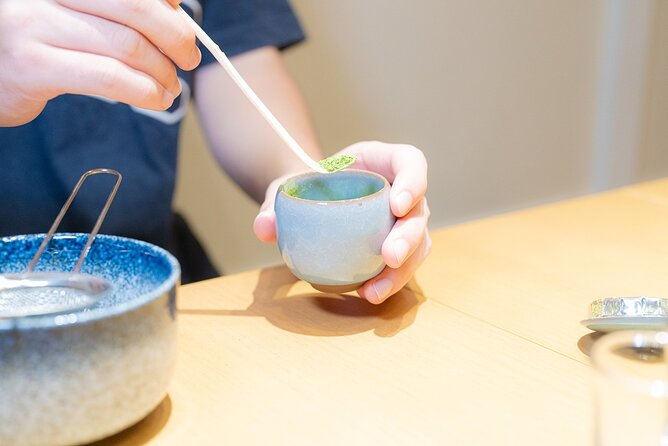
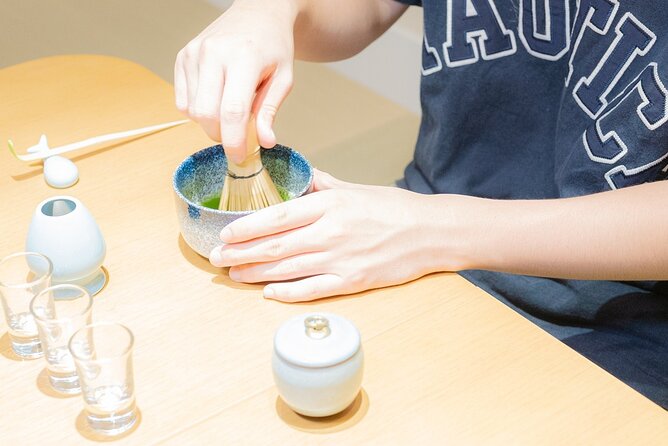
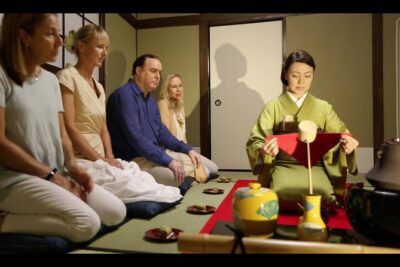
The hands-on matcha preparation is the heart of the experience. Rather than receiving a finished bowl, you prepare the tea yourself under the instructor’s direction.
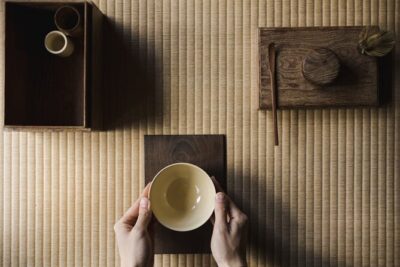
Matcha is powdered green tea, so it requires a different method from ordinary steeped tea. You will learn the basic technique for combining the powder and water, then whisking it into a smooth drink. The instructor helps you through the process, which is useful because the technique can feel unfamiliar at first.
This part is simple, but it gives you a better sense of the care behind the ceremony. You see how a few modest tools and ingredients can create a drink with a strong flavor and a distinct texture.
The class is also a good place to ask questions. Taku has been praised for helping participants make a satisfying cup of matcha and for explaining both matcha and hojicha clearly. So-Wa has also been singled out for sharing background about tea ceremony and Japanese culture, while Ryota made a strong impression on participants who wanted to learn more about matcha.
You should expect the result to vary from person to person. That is part of the fun. The goal is not to produce a perfect bowl on your first attempt, but to understand the method and gain confidence with the tools.
Traditional sweets may accompany the matcha. They provide a pleasant contrast to the tea’s earthy, bitter notes and are an important part of how matcha is often enjoyed. The sweets also make the tasting feel more complete, rather than leaving you with only a strong cup of green tea.
Comparing Matcha, Hojicha, and Other Japanese Teas
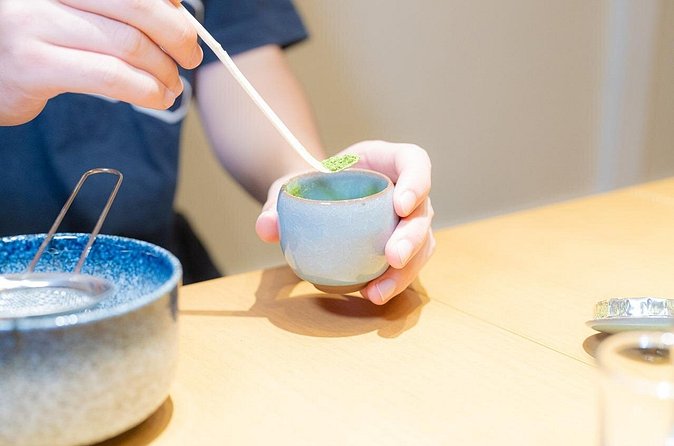
The tasting portion adds real value because it moves beyond one familiar idea of Japanese tea. You taste several kinds and compare their flavors, including hojicha, which is roasted green tea.
Hojicha has a warmer, toasted character than matcha. It is often easier for people who find powdered green tea intense or unfamiliar. One participant described hojicha as a new favorite after trying it here, which says something about the usefulness of tasting more than one style.
The experience finishes with three different teas, according to the available details. The exact selection may vary, but the purpose is clear: you get to notice differences in flavor, preparation, and tradition rather than treating all Japanese tea as the same.
I like this part because it turns a cultural activity into a practical lesson. Afterward, you will have a better idea of which teas you enjoy. You may also recognize hojicha, matcha, and other Japanese teas when you see them on a menu during the rest of your time in Japan.
The tasting is not described as a professional tea certification class, and you should not expect an advanced lesson in cultivation or production. It is a compact introduction. For most visitors, that is enough to make tea culture feel more approachable.
More Tea Ceremonies in Tokyo
- Kimono Tea Ceremony at Tokyo, Asakusa Maikoya
★ 5.0 · 638 reviews - Tokyo: Traditional Tea Ceremony with a Tea Master
★ 5.0 · 528 reviews - Tea Ceremony Workshop in Tokyo by the Experienced Instrucor
★ 5.0 · 189 reviews - Asakusa: Kimono Tea Ceremony with Matcha and Sweet
★ 4.9 · 153 reviews
Friendly Instructors Make the Difference
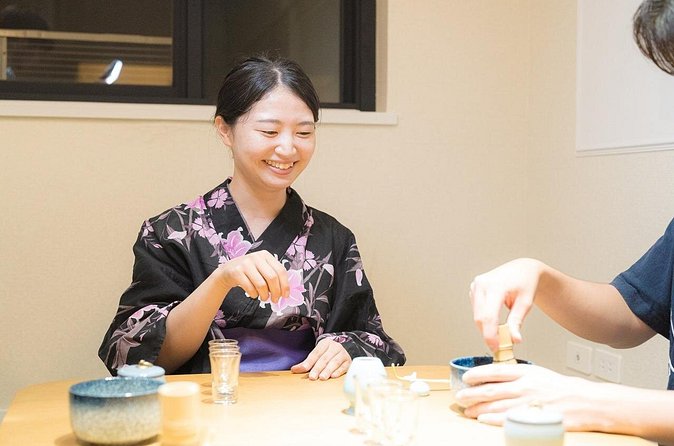
The quality of a short cultural activity depends heavily on the person leading it. Here, the instructors receive repeated praise for being friendly, patient, and willing to answer questions.
Taku is associated with explanations of matcha, hojicha, Japanese customs, and the practical steps of making tea. So-Wa is praised for discussing the history of tea ceremony and broader Japanese culture. Ryota is also mentioned positively for making the matcha lesson enjoyable.
Those details matter because a one-hour class leaves little time for confusion. A rushed or overly formal instructor could make the session feel stiff. A patient teacher can explain why a gesture matters, correct your technique, and keep the mood easy.
The teaching also appears to cover both traditional and modern Japan. That balance is useful. You learn about the ceremony as a living custom, not just as an old ritual separated from daily life.
Still, instructor style can vary from one scheduled session to another. The available information points to a warm and informative approach, but the exact rhythm of your class will depend on the person leading it and the questions your group asks.
Is $32.58 Good Value?
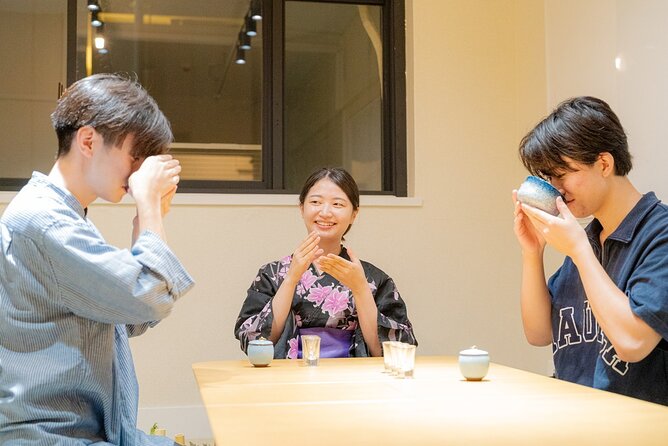
At $32.58 per person, this is reasonably priced for a one-hour cultural activity in Tokyo. You are paying for instruction, a traditional setting, hands-on matcha preparation, and a tasting of several Japanese teas.
The value is strongest if you want active participation. A simple cup of tea at a café would cost less, but it would not teach you the etiquette or let you prepare matcha yourself. A longer formal ceremony could offer more depth, but it would likely require more time and cost more.
The short duration is both a strength and a limit. You can fit it between sightseeing plans, shopping, or a meal in Shibuya. It is also manageable if you are traveling with children or friends who do not want to spend half a day in a formal cultural program.
On the other hand, serious tea enthusiasts may find the hour too brief. The activity covers the basics rather than the full range of Japanese tea ceremony practices. You are buying an introduction, not an expert workshop.
With a maximum of eight people, the price also includes a more personal setting than a large demonstration. That makes the cost easier to justify, especially if you value questions and direct help with the matcha preparation.
Who Will Enjoy This Experience Most?
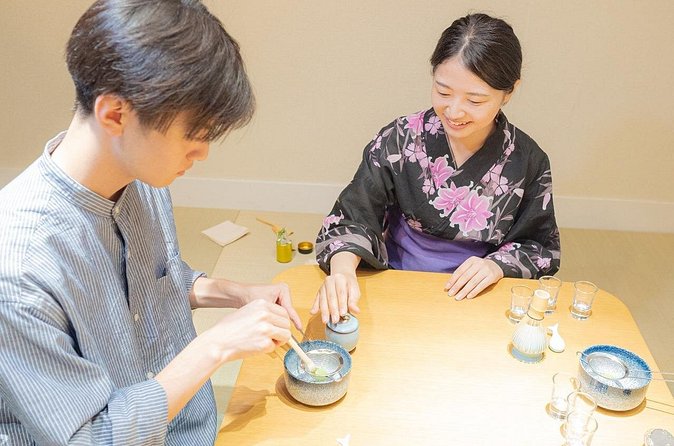
This activity suits first-time visitors to Japan who want a cultural experience that is easy to fit into a busy Tokyo schedule. You do not need previous knowledge of tea ceremony, and the relaxed format should help if you are unsure about Japanese etiquette.
It is especially good for:
- People who want to make matcha rather than only watch a ceremony
- Tea drinkers curious about hojicha and other Japanese teas
- Couples, families, and small groups seeking a quiet break in Shibuya
- Visitors who prefer practical cultural activities over a lecture
- Anyone who wants an introduction lasting about one hour
It may be less suitable if you want a highly formal ceremony with a long sequence of traditional movements. It may also disappoint you if you are looking mainly for a large historical venue or an extensive lesson about tea production.
The strongest reason to book is the balance between participation and explanation. You get enough background to understand the meaning of the activity, but you also spend time doing something with your hands.
Practical Details Before You Go
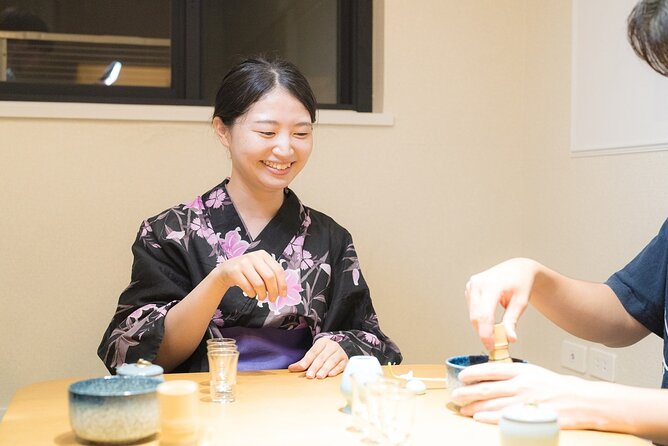
The activity uses a mobile ticket, and confirmation is provided at booking. Check the meeting details carefully before leaving for the session, since the activity begins and ends at 2-chōme-14-13 Shibuya.
Plan to arrive with enough time to locate the meeting point. The activity lasts about one hour, and the schedule is likely to feel compact once the etiquette lesson, matcha preparation, and tea tasting are included.
The group size is limited to eight people. If you want the best chance of a quieter session and more direct interaction with the instructor, a smaller scheduled group may suit you well.
Free cancellation is available if you cancel at least 24 hours before the start time. Cancellations or changes made less than 24 hours in advance are not accepted for a refund, and the cut-off follows local Tokyo time.
Should You Book the Shibuya Matcha Experience?
I would book this if you want a friendly, low-pressure introduction to Japanese tea ceremony with a hands-on element. The chance to make your own matcha, taste three additional teas, and ask questions in a group of no more than eight people gives the hour real substance.
The experience is particularly good value for visitors who enjoy trying local foods and drinks but also want cultural context. Hojicha may become your surprise favorite, and the etiquette lesson can give you a better understanding of the care behind the ceremony.
Skip it only if you are looking for a long, formal, highly detailed tea ceremony. For everyone else, this is a practical way to slow down in Shibuya, learn a few useful customs, and leave with a clearer sense of why Japanese tea culture remains so carefully respected.
FAQ
How long does the matcha tea ceremony experience last?
The activity lasts approximately one hour.
Where does the experience start?
It starts at 2-chōme-14-13 Shibuya, Tokyo 150-0002, Japan.
Where does the activity end?
The activity ends back at the meeting point.
Do I make my own matcha?
Yes. You prepare your own bowl of matcha with step-by-step guidance from the instructor.
Will I taste other Japanese teas?
Yes. The experience includes tasting and comparing different Japanese teas, with three additional teas included according to the activity details.
Is the experience suitable for beginners?
Yes. It is designed as a relaxed, beginner-friendly introduction to tea ceremony manners, matcha preparation, and Japanese tea traditions.
How many people can join the activity?
The maximum group size is eight people.
Is cancellation free?
Yes. You can cancel for a full refund if you cancel at least 24 hours before the experience start time.
Just added around Tokyo
- Yokohama : Tea Ceremony with Sweets and Souvenir★ 5.0 · 5 reviews
- Walking Tour: Yanaka,Nezu& Sendagi: Tea Ceremony & Old Tokyo★ 5.0 · 3 reviews
- Private Kimono and tea ceremony at local home near Tokyo Disney★ 5.0 · 6 reviews
- Private Mochi・Matcha sweets Making Class Near Shibuya Area★ 5.0 · 22 reviews
- Kimono and Tea Ceremony in Asakusa Private Food Tour With Guide★ 5.0 · 4 reviews
- 2 Hours Mochi &Nerikiri Making & Matcha Class in Bunkyo★ 5.0 · 21 reviews
- Tokyo Sweets Tour: Hidden Gems & Matcha at an Old Tea House★ 5.0 · 6 reviews
- Tokyo Tea Ceremony Class at a Traditional Tea Room★ 5.0 · 2 reviews
Tea Ceremonies in Tokyo, compared.
Tea Ceremony Workshop in Tokyo by the Experienced Instrucor
Read our review →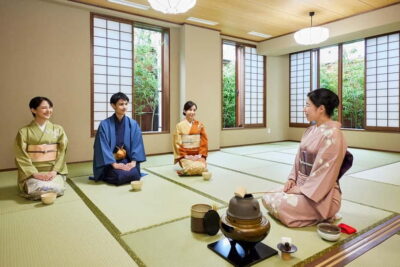
Asakusa: Kimono Tea Ceremony with Matcha and Sweet
Read our review →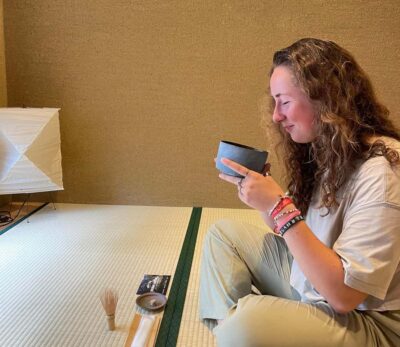
Tea Ceremony Experience in a Private Tea Room in Shibuya
Read our review →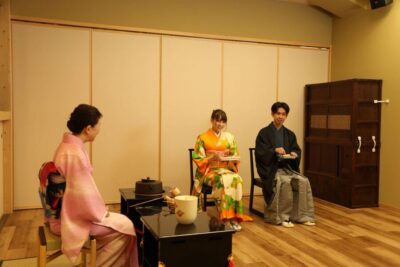
Tea ceremony experience in Japanese-style room 60min
Read our review →Browse the lists this tour appears in