
Review · TOKYO
Matcha Experience with of Japanese Tea Tasting in Tokyo
Tea can tell a story. This small Tokyo class moves beyond cafe matcha, pairing seven Japanese teas with clear lessons on cultivation, processing, and taste. I especially like the chance to compare sencha, kabusecha, Gyokuro, hojicha, and other teas side by side, then make your own matcha with a bamboo whisk. The homemade sweets from Rina are another strong point, though the session may feel rushed if you want long pauses between tastings.
The class costs $57.98 per person and lasts about 90 minutes. That is not a bargain for a quick drink, but it is fair for a small group capped at five people, several tea preparations, food, and hands-on instruction from Chisei, a former Kyoto tea farmer who worked in the field for six years.
Five things to know before you book
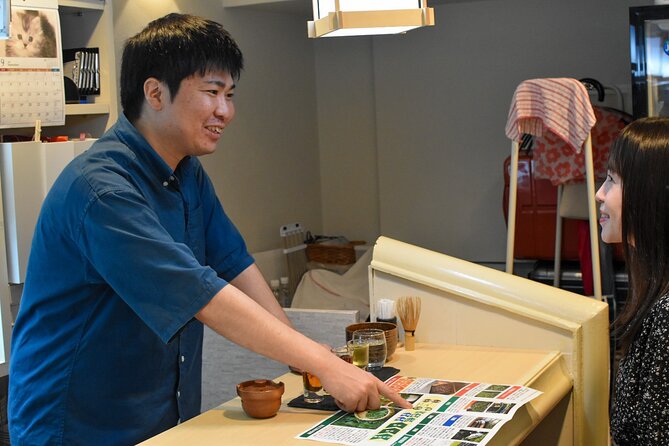
- Chisei teaches from experience: He grew tea in Kyoto for six years, so you hear about cultivation and processing from someone who has done the work.
- The group is very small: With a maximum of five participants, you can ask questions and get help using the bamboo whisk.
- You taste more than matcha: The program includes sencha, kabusecha, Gyokuro, deep-steamed sencha, hojicha, genmaicha, Japanese black tea, and matcha preparations.
- Rina makes the sweets: Homemade treats accompany the Japanese black tea and add a welcome change of pace.
- The meeting point is unusual: The class begins at Matcha Trip Japan inside Henn Na Hotel, on the second floor at Sports Bar Leaf in Taito City.
- You can cancel for free: A full refund is available if you cancel at least 24 hours before the start time.
Why this Tokyo tea class feels different
Many Tokyo visitors encounter tea as a menu item. You order matcha, sencha, or hojicha, drink it, and move on. This class gives you the missing pieces: how the leaf is grown, how it is treated after harvest, and why two teas made from the same plant can taste so different.
That context matters. Sencha is not simply a cheaper version of Gyokuro, and hojicha is not just green tea served hot. Shading, steaming, roasting, and other production choices change the color, smell, texture, and flavor in the cup.
Chisei is well suited to this format. He is not presenting tea as an abstract ceremony detached from farming. His background lets him explain the work behind the drink, with diagrams and pictures used during the lesson. That makes this a good pick if you want facts you can remember after leaving Tokyo.
The teaching style also seems to be patient and conversational. Chisei and Rina have been praised for answering questions carefully and for asking about allergies before serving food. You should feel free to speak up if one tea seems too bitter, too grassy, too roasted, or simply not to your taste.
More Matcha Experiences in Tokyo
- Matcha Making Class in Tokyo with Authentic Japanese Sweets Set
★ 5.0 · 744 reviews - Tokyo: Matcha Making Experience with Mochi Sweets in Asakusa
★ 4.9 · 388 reviews - Asakusa Cultural Walk & Matcha Making Tour
★ 5.0 · 245 reviews
Arriving at Henn Na Hotel in Taito City
The meeting point is Matcha Trip Japan at 111-0042 Tokyo, Taito City, Kotobuki, 3-chome 19-8. More specifically, you go to the second floor of Henn Na Hotel, where the session takes place at Sports Bar Leaf.
That setup may surprise you. This is not described as a traditional tea house with tatami rooms and garden views. The location is practical and urban, and the experience is built around teaching, tasting, and conversation rather than formal surroundings.
You receive a mobile ticket, and the class begins and ends at the same location. The return to the meeting point is useful if you are fitting the class between sightseeing stops, since you do not need to arrange a separate pickup or figure out a new destination at the end.
The location is near public transportation, but the provided information does not identify a particular station or give walking directions. Check the map carefully before you leave, and allow time to find the correct hotel floor. The sports bar name may not sound like an obvious tea-class venue, so this is one place where a little advance preparation helps.
Starting with a seasonal welcome drink
The session begins with a seasonal welcome drink. While you enjoy it, Chisei explains the teas you will taste and gives you an outline of the class.
This opening does useful work. Instead of placing a cup in front of you without explanation, the hosts establish what to notice. You begin thinking about color, fragrance, and taste before the main comparison starts.
The seasonal drink may vary, so you should not expect one fixed beverage every time. That changing element gives the class a local and timely feel, though anyone hoping for a specific tea at the start should keep expectations flexible.
The welcome drink also gives you a moment to settle in. With a group of no more than five, the first few minutes can become a relaxed introduction rather than a formal lecture.
Comparing six Japanese teas side by side
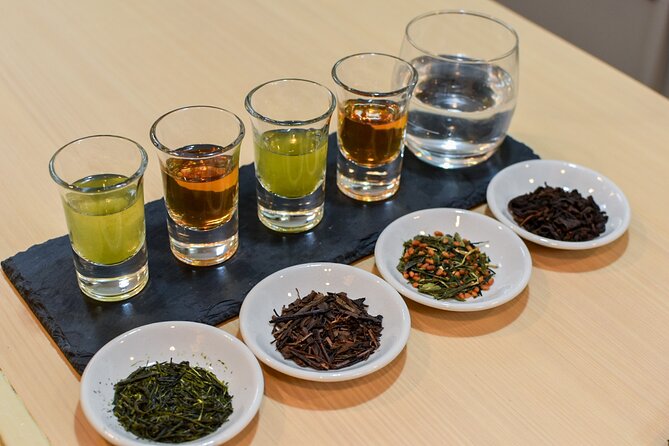
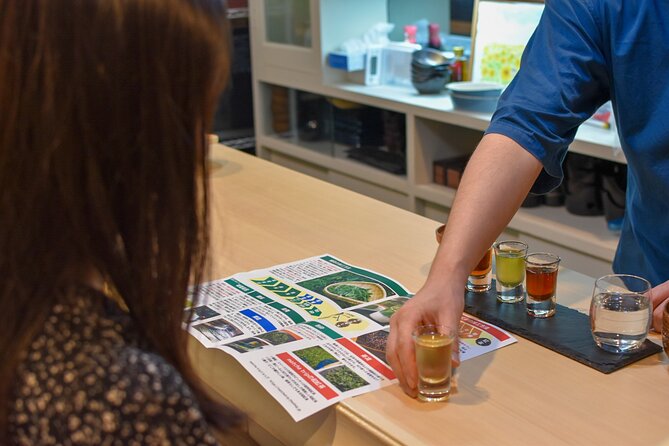
The central section compares six teas: sencha, kabusecha, Gyokuro, deep-steamed sencha, genmaicha, and hojicha. The exact presentation is part of the lesson. You first look at the leaves, then the tea is prepared in a way intended to show its best qualities.
This is where the class offers its strongest value. A single cup can be pleasant, but several cups in sequence help you notice contrasts. You can look at leaf shape and color, smell the brewed tea, and consider how the flavor changes from one preparation to the next.
Sencha gives you a useful reference point for Japanese green tea. Kabusecha and Gyokuro are shaded before harvest, and that changes their character. The lesson explains these distinctions rather than asking you to memorize a list of names.
Deep-steamed sencha adds another useful comparison. Longer steaming affects the leaves and the finished drink, so it gives you a chance to connect processing with what you see and taste.
Hojicha brings roasted notes and a different color. Genmaicha adds roasted rice to the blend, creating another clear contrast. These teas help show that Japanese tea is not one single flavor profile, and they are especially useful if you usually assume all green tea tastes alike.
The description lists seven varieties in the included drinks, while the detailed schedule also includes a welcome drink, Japanese black tea, matcha, and latte preparations. In practice, you should expect a broad tasting session rather than a rigid promise that every cup will follow one identical format.
More Tea Tastings in Japan
- Authentic Japanese tea tasting: sencha, matcha and gyokuro
★ 5.0 · 12 reviews - Authentic Japanese tea tasting session: sencha, matcha, gyokuro
★ 5.0 · 11 reviews - Nara:5 Type of Tea Tasting & Mindful Tea Ceremony
★ 5.0 · 28 reviews - Nara:Tea Tasting&Private Tea Ceremony -Master Matcha Making-
★ 5.0 · 19 reviews
Japanese black tea and Rina’s homemade sweets
After the green tea comparison, you taste Japanese black tea with homemade sweets made by Rina. This part gives your palate a break from the more vegetal and savory notes of green tea.
The sweets have received especially warm praise, and for good reason: food makes the lesson more memorable. You are not only hearing how tea pairs with a snack. You are testing the pairing yourself, which helps you notice how sweetness changes the flavor of the tea.
The treats are described as homemade Japanese sweets, but the exact recipe can vary. That is a plus for repeat visitors, although you should not book this class expecting a particular pastry or dessert.
One unusual detail is the chance to eat tea leaves with ponzu. That is not a standard cafe experience, and it shows a less familiar side of tea culture. If you are curious about using the whole leaf rather than throwing it away after brewing, this small tasting may be one of the most memorable moments of the class.
If you have allergies, mention them early. Chisei has been praised for asking about allergy conditions, but you should still provide clear information when you arrive.
Learning to prepare your own matcha
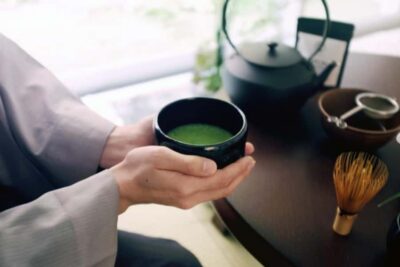
The hands-on finale is an usucha matcha-making lesson. Usucha is the lighter, thinner style of matcha commonly associated with whisking powdered tea with hot water.
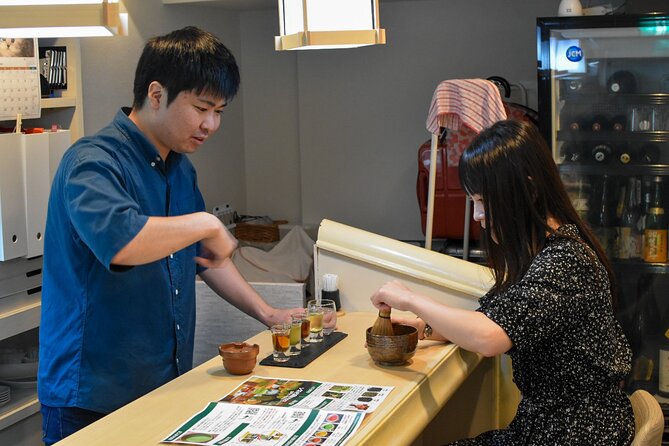
You use a bamboo tea whisk and learn the basic method for making matcha at home. This is more useful than simply watching a host prepare a bowl, because you get a chance to handle the whisk and understand the movement required.
Do not expect a full formal tea ceremony with every traditional step. The experience is a class for general visitors, and its purpose is to explain tea while giving you a practical skill. That makes it approachable for beginners who may feel unsure about ceremony etiquette.
The practical angle is one of the class’s best features. Afterward, you can buy matcha or tea equipment if you wish, and the hosts have sold products for home use. You do not need to become a tea expert to benefit. You only need enough interest to try the process and taste the result.
The small group matters here. Five people or fewer means you have a better chance of receiving direct guidance if your whisking feels awkward. It also leaves room for questions about water, proportions, whisking, or storage, as long as the schedule allows.
Matcha lattes and roasted tea lattes
The drink selection goes beyond traditional preparations. The experience includes two types of matcha, three kinds of matcha latte, and hojicha latte.
These drinks are useful if you enjoy modern tea cafes as much as traditional Japanese tea. A latte can be easier for someone who finds straight matcha too strong, bitter, or grassy. Comparing latte styles also shows how milk changes the balance of the tea.
Hojicha latte offers a roasted alternative to matcha latte. Its flavor profile is different, and it gives you a chance to decide whether you prefer the fresh, green character of matcha or the warmer roasted quality of hojicha.
The number of drinks can sound ambitious for a 90-minute session. You will taste many small servings, not sit down to full cups of every tea. If you are sensitive to caffeine, keep that in mind when booking. The supplied information does not specify caffeine-free options or serving sizes, so ask the hosts before the class if that is important to you.
What the $57.98 price really buys you
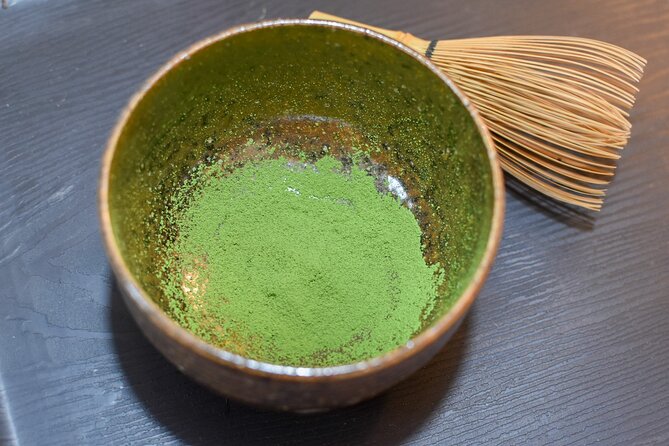
At $57.98 per person, the class costs more than stopping at a cafe for matcha and a sweet. That comparison misses the point, since you are paying for instruction, several preparations, homemade food, and a group size limited to five.
The value is strongest if you want to understand what you are drinking. Chisei explains tea cultivation and processing from firsthand experience, and the session includes visual material as well as tasting. You leave with more than a souvenir drink.
The price is less compelling if you only want a quick matcha photo or a formal ceremony in a beautiful traditional setting. This is a workshop, not a sightseeing attraction. The room is a setting for learning, and much of the appeal comes from the hosts rather than the architecture.
For a tea enthusiast, the cost is reasonable because you get several chances to compare flavor and preparation. For a casual visitor, the class is still worthwhile if you enjoy food education and small-group activities, but you should be ready to spend the full 90 minutes focused on tea.
Who will enjoy this experience most
I would recommend the class to anyone who wants a quieter, more personal activity in Tokyo. The five-person limit makes it a strong choice for solo visitors, couples, and small groups who prefer conversation to a large tour format.
It also suits beginners. You do not need a working knowledge of Japanese tea, and the hosts explain the basics in English. The class can also satisfy experienced tea drinkers because the comparison includes less familiar styles such as kabusecha, Gyokuro, and deep-steamed sencha.
Families with older children may find the tasting format interesting, though the supplied information does not state a minimum age. Ask before booking if you are planning to bring children.
This is not the best match for anyone seeking a long formal ceremony, a garden setting, or a food-heavy activity. The treats are part of the program, but tea remains the main subject. You should also avoid using the session for wholesale or commercial discussions, since it is designed for general participants rather than business inquiries.
Practical details worth knowing
The activity lasts about one hour and 30 minutes, and it begins and ends at the meeting point. Confirmation arrives at booking, and service animals are allowed.
Free cancellation is available up to 24 hours before the local start time. Changes or cancellations made later are not accepted for a refund, so check your Tokyo schedule before committing.
The program information uses slightly different counts for the teas, listing seven varieties in one place and describing eight types in the detailed tasting plan. It is safest to think of the class as a broad tea sampler with several matcha and latte options, not as a fixed number of full servings.
You may also want to bring a small notebook if you care about remembering the differences. With sencha, kabusecha, Gyokuro, deep-steamed sencha, genmaicha, hojicha, Japanese black tea, and matcha in the same session, the flavors can blur together by the end.
Should you book the Matcha Experience?
Book it if you want to understand Japanese tea rather than simply drink it. The strongest reasons are Chisei’s farming background, the very small group, the side-by-side comparisons, the chance to whisk your own matcha, and Rina’s homemade sweets.
Skip it if your priority is a grand tea-room setting or a short, quiet cup with no instruction. At $57.98, this experience earns its price through the teaching and variety. For curious first-timers and serious tea fans, it offers a useful and unusually personal look at the drink behind the cafe menu.
FAQ
Where does the matcha experience take place?
It takes place at Matcha Trip Japan, 111-0042 Tokyo, Taito City, Kotobuki, 3-chome 19-8. The meeting location is on the second floor of Henn Na Hotel, at Sports Bar Leaf.
How long does the experience last?
The class lasts approximately one hour and 30 minutes.
How many people can join the class?
The maximum group size is five participants.
Which teas are included?
The experience includes sencha, kabusecha, Gyokuro, deep-steamed sencha, hojicha, genmaicha or brown rice tea, Japanese black tea, matcha, and latte preparations. The program information gives slightly different totals in different sections, so the exact number of servings may vary.
Do I get to make my own matcha?
Yes. You make usucha matcha with a bamboo tea whisk and learn a method you can use at home.
Are snacks included?
Yes. Homemade sweets are served with Japanese black tea, and the experience may also include an unusual tasting of tea leaves with ponzu.
Can I cancel for a refund?
Yes. You can cancel for a full refund at least 24 hours before the experience start time. Cancellations or changes made less than 24 hours before the start time are not refunded.
More Food and Drink Tours in Tokyo
- Experience all of Japanese culture and Japanese food experience classes “origami, udon, Japanese food, green tea, calligraphy” in 4 hours
★ 5.0 · 105 reviews - Tokyo Sushi Making Class : Sake Ceremony & Matcha Experience
★ 5.0 · 44 reviews - Tokyo: Matcha Tasting and Making Experience
★ 4.9 · 21 reviews - Kimono and Tea Ceremony in Asakusa Private Food Tour With Guide
★ 5.0 · 4 reviews
More Tea Tastings in Tokyo
- Twinings 2-Hour Tea Tasting Masterclass in London
★ 5.0 · 105 reviews - Tea Tasting and Pairing Concept Workshop
★ 5.0 · 57 reviews - Munnar: Tea trail, Tea Factory, and Tea Tasting Tour
★ 4.9 · 47 reviews - Biking Real Shanghai& Tea Tasting Experience
★ 4.5 · 45 reviews
Just added around Tokyo
- Yokohama : Tea Ceremony with Sweets and Souvenir★ 5.0 · 5 reviews
- Walking Tour: Yanaka,Nezu& Sendagi: Tea Ceremony & Old Tokyo★ 5.0 · 3 reviews
- Private Kimono and tea ceremony at local home near Tokyo Disney★ 5.0 · 6 reviews
- Private Mochi・Matcha sweets Making Class Near Shibuya Area★ 5.0 · 22 reviews
- Tokyo Sweets Tour: Hidden Gems & Matcha at an Old Tea House★ 5.0 · 6 reviews
- Kimono and Tea Ceremony in Asakusa Private Food Tour With Guide★ 5.0 · 4 reviews
- 2 Hours Mochi &Nerikiri Making & Matcha Class in Bunkyo★ 5.0 · 21 reviews
- Tokyo Tea Ceremony Class at a Traditional Tea Room★ 5.0 · 2 reviews
Matcha Experiences in Tokyo, compared.
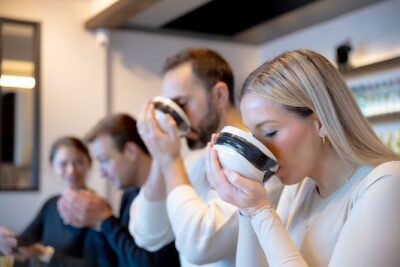
Matcha Making Class in Tokyo with Authentic Japanese Sweets Set
Read our review →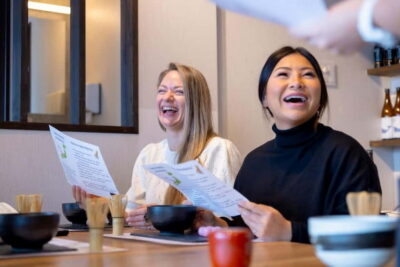
Matcha Making Experience with Mochi Sweets in Asakusa
Read our review →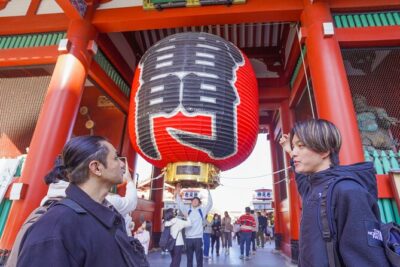
Asakusa: Kimono Tea Ceremony with Matcha and Sweet
Read our review →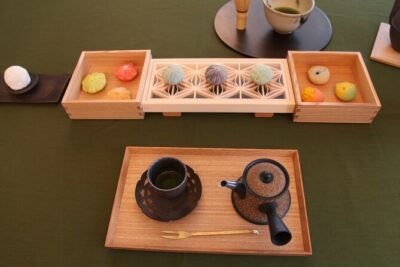
Make Traditional Nerikiri Sweets & Matcha experience in Shibuya
Read our review →
Browse the lists this tour appears in