
Review · MUNNAR
Munnar: Tea trail, Tea Factory, and Tea Tasting Tour
Tea tastes better when you know its journey. This three-hour Munnar tour links a guided plantation walk with the Lockhart Tea Factory and a tasting of several tea grades. I like the direct connection to working tea country, and I like that guides such as Mari, Raja, and Raj explain both the plants and the people who depend on them. The main catch is transport: getting from the plantation to the factory is not included.
For about $13 per person, you get the walk, factory entry, guide, and tasting, which is strong value in Munnar. The plantation section is usually the most personal part, often in a small group, while the factory can become busier and harder to hear. Bring sunscreen, water, and shoes suited to uneven ground.
Key points to know before booking
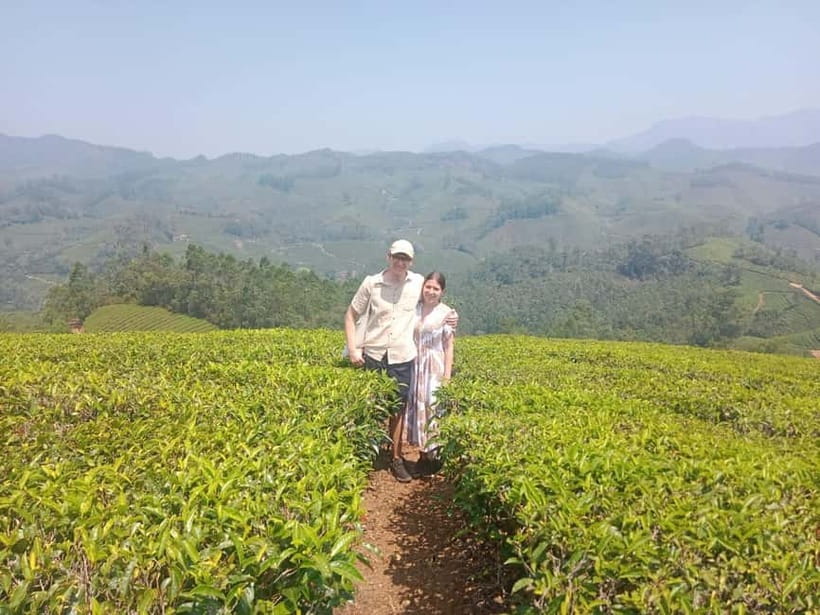
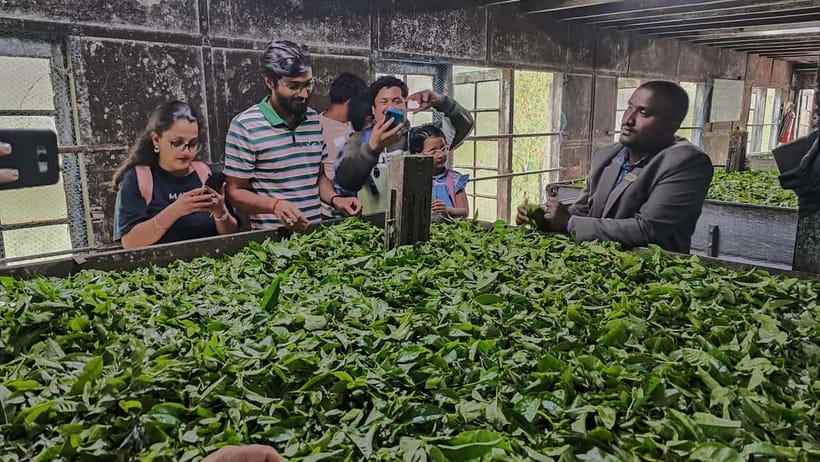
- A real plantation walk: Spend roughly one to two hours among Munnar’s tea terraces, learning how leaves are grown and picked.
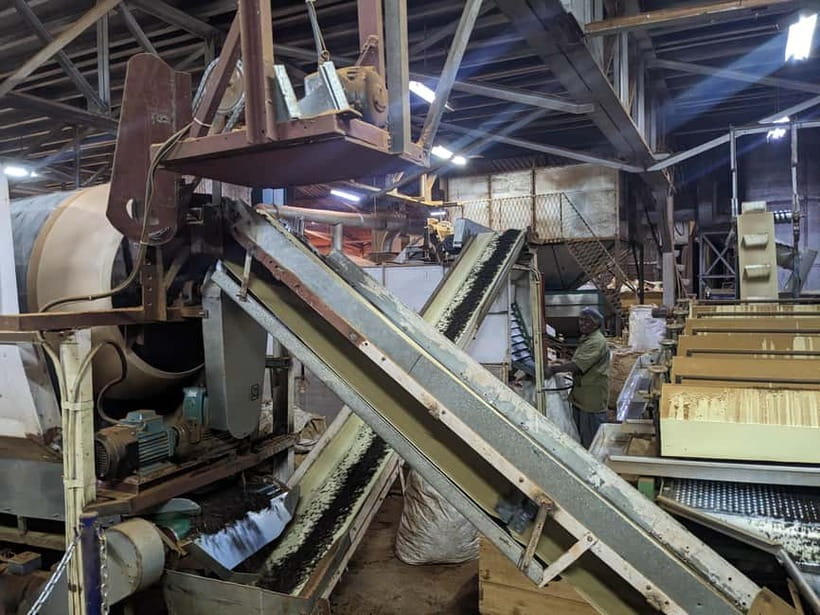
- Lockhart Tea Factory: See traditional Orthodox tea production, older machinery, processing rooms, and a tea museum at a factory dating from 1936.
- A useful tasting: Try around five or six teas, including black, green, and specialty grades, with guidance on aroma, flavor, texture, and brewing.
- Strong local guiding: Mari receives repeated praise for his warmth and tea knowledge, while Raja and Raj are also noted for clear explanations and friendly service.
- Plan your own transfer: Transport to and from Lockhart Tea Factory is not included, and you may need a private driver or paid tuk-tuk arrangement.
- Easy for walkers, not wheelchair users: The route includes uneven plantation surfaces and is not suitable for people with mobility impairments.
Why this short Munnar tour works
Munnar is often seen from a car window or a roadside photo stop. This experience gives you a reason to slow down. Instead of simply photographing the green hills, you learn why the plants are clipped, how the leaves are picked, and what happens after they leave the bush.
I especially like the balance between outdoor time and working industry. The walk gives you fresh air and mountain views. The factory then shows the less romantic side of tea: machinery, sorting, drying, and processing. Together, the two parts explain the drink in your cup far better than a plantation photo alone.
The experience also has a useful human element. Guides explain how tea supports the local community and may point out plants, wildlife, and other features around the estate. Mari has been especially praised for making the walk feel relaxed and personal. At times, he has shared tea and bananas from home during a rest stop, a small gesture that adds warmth without turning the tour into a staged show.
The main limitation is the connection between stops. The plantation and factory are separate locations, and the advertised price does not cover transport. Some bookings have arranged tuk-tuks or homestay pickup for an extra charge, but you should confirm the plan before arriving. If you assume a vehicle is automatically included, the day can begin with needless confusion.
More Tea Factory Tours in Munnar:
- Munnar Tea Trail Tour , Tea factory visit & Tea Tasting
★ 5.0 · 25 reviews - From Munnar: Tea Factory, Plantation, and National Park Tour
★ 4.7 · 3 reviews - Kyoto: Tea Museum Tickets and Matcha Grinding Experience
★ 4.9 · 739 reviews
Walking through Munnar’s tea terraces
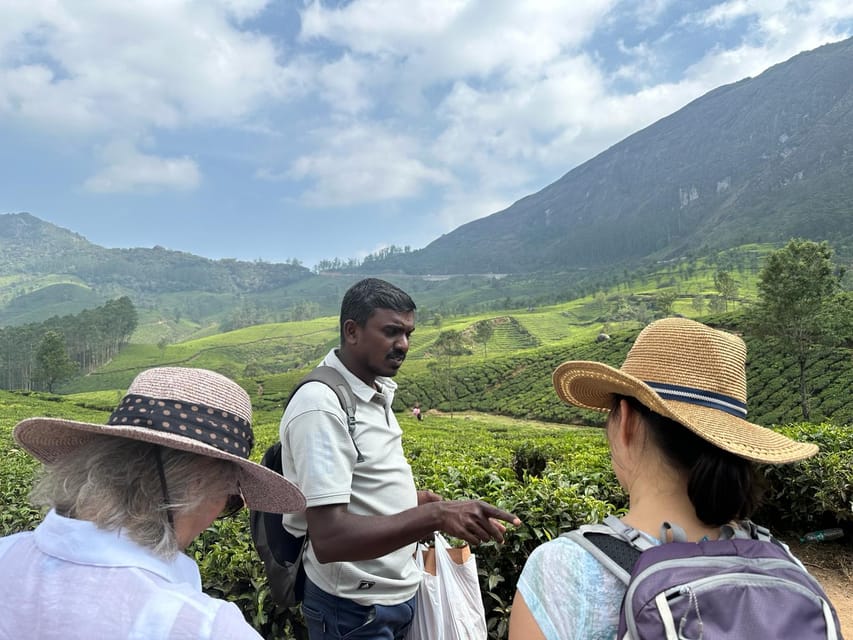
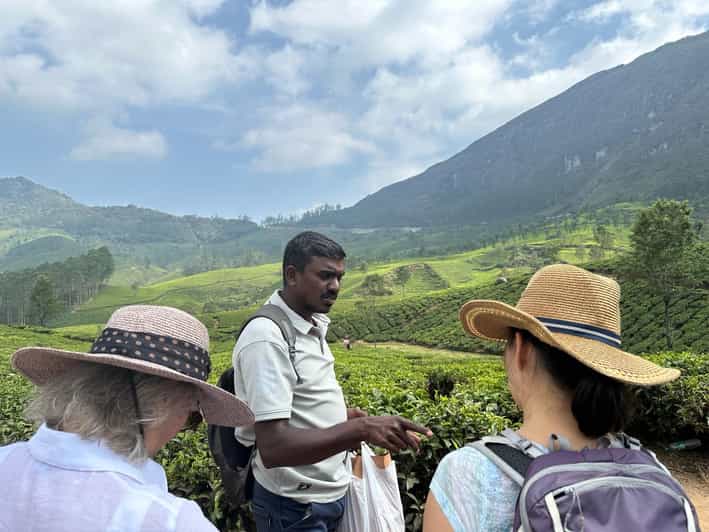
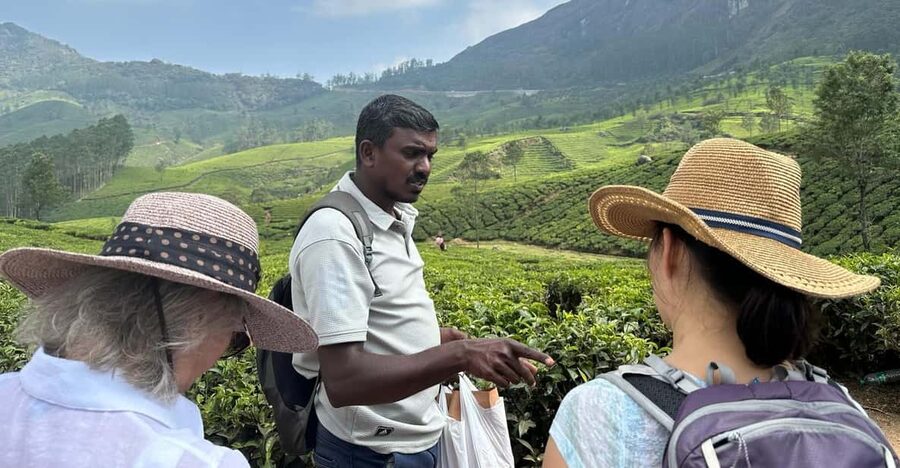
The plantation walk takes about one to two hours, depending on the group and pace. You meet the guide at the stated starting point, then walk through the tea gardens on paths and slopes that can be uneven. This is not a long mountain trek, but it is more than stepping a few meters from a road for a photograph.
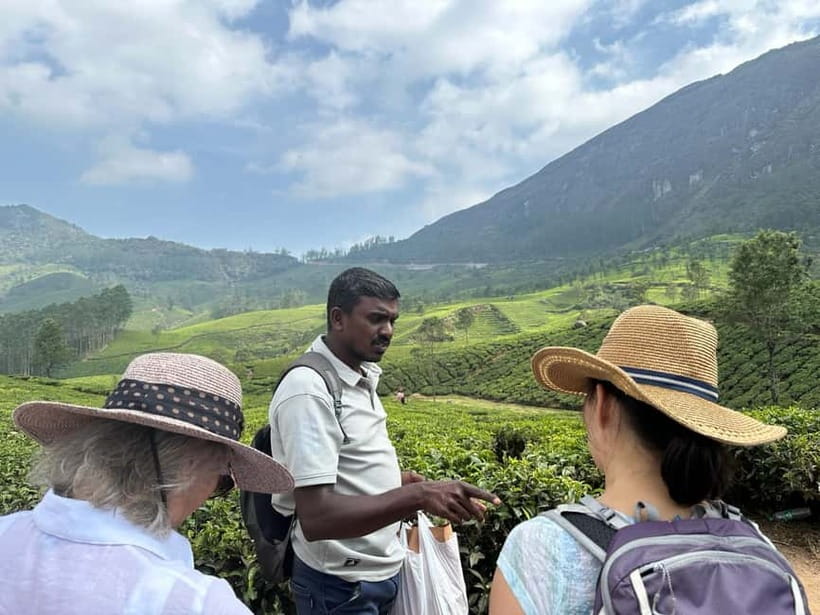
That difference matters. A proper walk lets you see how the tea bushes cover the hills in ordered rows and terraces. Your guide can explain plucking methods, cultivation, and the daily work behind each harvest. You also get time to ask questions, stop for views, and take photographs without being hurried from one lookout to the next.
The most useful lesson is the connection between the plant and the final cup. Guides have shown visitors which parts of the plant are selected for different kinds of tea. That makes the later tasting easier to understand, since you are not treating black tea and green tea as completely separate plants.
The scenery is a major part of the appeal. Munnar’s highland air, rolling tea fields, and broad views make this a pleasant morning or afternoon outing. Still, the sun can be surprisingly strong. One visitor regretted forgetting sunscreen, and that is an easy mistake to avoid. Wear a hat, apply sunscreen before you start, and carry water.
You should also respect the plantation rules. Do not touch the tea plants unless the guide specifically directs you. The route may include shade breaks, but you should dress for walking rather than relying on cool mountain weather.
The guides add much of the value here. Mari is repeatedly praised for explaining tea cultivation, local life, flora, and fauna in an engaging way. Raja is also noted for showing how different plant parts relate to tea production. Raj has been praised for his welcoming manner and explanations of the estate and factory.
English is the tour language. Most visitors find the guides friendly and informative, but one person found the guide’s English somewhat difficult to follow. If you miss a point, ask for it to be repeated. The tour works best when you treat it as a conversation rather than a lecture.
Lockhart Tea Factory and its 1936 machinery
After the plantation, you continue to Lockhart Tea Factory. This is where transport planning matters most. The factory visit is included, but transportation to and from it is not. A private driver may be needed between the two points, while paid tuk-tuk transfers may sometimes be arranged.
Lockhart is one of Munnar’s older functioning tea factories, dating from 1936. The visit shifts the focus from growing to manufacturing. You walk through processing rooms, see traditional Orthodox tea production, and view older machinery and museum displays about tea in Munnar.
The factory gives the tour a useful dose of reality. Tea making is not simply a matter of picking leaves and placing them in a packet. The leaves pass through several stages, and the guide explains how processing affects the finished tea. The smell of fresh tea leaves is part of the experience, especially around the working rooms.
The factory portion usually takes about an hour, though the full schedule can vary. It is informative, but it may feel less intimate than the plantation walk. Different groups can join at the factory, creating a larger crowd of roughly 20 people at times. Machinery noise can make it difficult to hear every word, particularly if you are standing at the back.
I would try to stay close to the guide, especially during explanations near operating equipment. If the group is large, ask where you should stand before the talk begins. This is one area where the experience can feel less calm than the plantation section.
The museum and vintage equipment give the visit a sense of continuity. You are not only watching a modern production line. You are also seeing how tea manufacture developed in Munnar and how an established factory still connects the crop to the finished product.
Tasting five or six Munnar teas
The tasting is the natural finish. After seeing the bushes and the machinery, you can compare the results in the cup. A typical session lasts about 30 minutes and may include five or six teas.
You can expect to taste black, green, and specialty teas. The guide explains how to notice aroma, flavor, texture, and the effect of brewing. The session also covers the origins of tea as a drink and commonly discussed health benefits. The most valuable part, though, is learning how the tea’s character relates to its growing conditions and processing.
This is not just a quick sample at a shop counter. The tasting helps you connect the factory explanation with something you can smell and drink. You may also pick up practical brewing tips. Several people particularly enjoyed the tea prepared by their guide and asked how to make it themselves.
The tasting can also help you decide what to buy. Lockhart has a factory shop, and you may purchase tea after the visit. There is no stated pressure to buy, and prices have been considered reasonable. You can wait until after tasting rather than guessing which packet looks appealing on a shelf.
Meals and drinks beyond the included tea tasting are not covered. Bring water for the walk, and do not count on the tasting to replace lunch or a proper drink break.
More Tea Tastings in Munnar:
- Twinings 2-Hour Tea Tasting Masterclass in London
★ 5.0 · 105 reviews - Tea Tasting and Pairing Concept Workshop
★ 5.0 · 57 reviews - Biking Real Shanghai& Tea Tasting Experience
★ 4.5 · 45 reviews - Matcha Experience with of Japanese Tea Tasting in Tokyo
★ 5.0 · 31 reviews
How much value do you get for $13?
At $13 per person, this is one of the better-value short activities in Munnar if you want more than a view and a photograph. The price includes a guided plantation walk, factory admission, tea tasting, and an English-speaking guide. It also packs three different ways of understanding tea into three hours: cultivation, production, and drinking.
The value is strongest for first-time visitors to Munnar. You do not need prior tea knowledge, and the guide makes the process understandable. The activity is also short enough to fit around other sightseeing, though you should allow extra time if arranging transport yourself.
The price does not include transportation to or from Lockhart Tea Factory, meals, or other drinks. That can raise your total cost, particularly if you need a private vehicle. Pickup and drop-off from a homestay may be available on request for an added charge, but do not treat it as part of the standard package.
I would judge the value by asking how much you care about context. If you only want a quick plantation photograph, this tour may feel longer than necessary. If you want to understand how tea is grown and processed, the combination is unusually useful for the price.
Group size, timing, and practical comfort
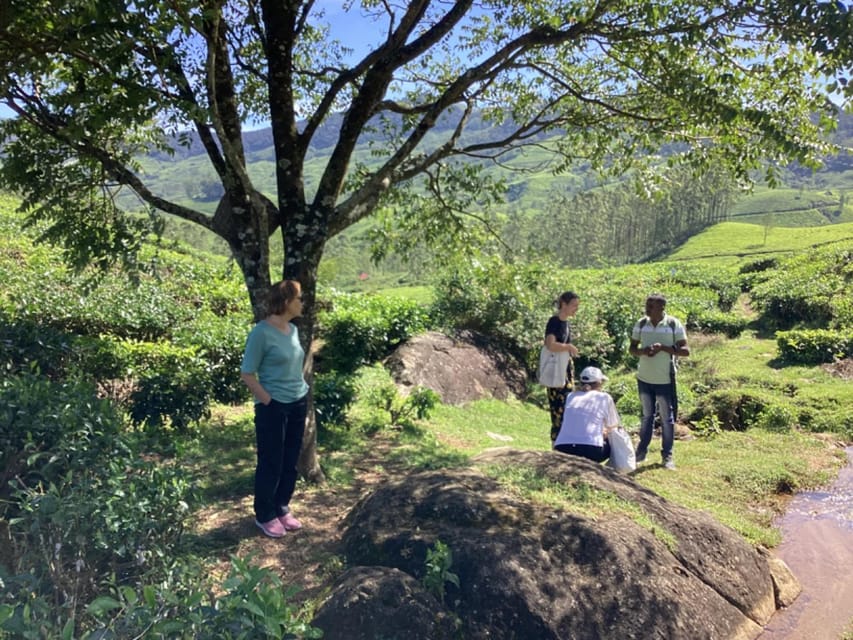
The plantation portion may be small and personal. One recent group had only four people, which allowed plenty of questions and a relaxed pace. The factory can gather several groups together, so expect a change in atmosphere between the two stops.
The full activity lasts three hours. The walk is normally the most active part, while the factory and tasting provide more stationary time. You should arrive five minutes early and contact the guide or operator at least an hour before the tour, since mobile connectivity is not available at the meeting area.
Clear directions matter. One person found the starting instructions less clear than they should have been, so confirm exactly where you must report and how you will reach the plantation. Do not wait until you arrive in Munnar to sort out the transfer between stops.
Wear comfortable walking shoes and clothing suitable for uneven paths. A hat, sunscreen, and water are essential in the open tea fields. The route is not suitable for wheelchair users or people with mobility impairments.
The experience is conducted in English. It is best suited to adults and older children who can walk comfortably, listen around machinery, and stay with the guide. Since touching the plants is not allowed, children who need a hands-on farm activity may find the rules restrictive.
Who will enjoy this tea experience most?
You should consider this tour if you enjoy learning how ordinary products are made. Tea drinkers will get the most from the tasting, but you do not need to be an enthusiast. The guide’s explanations give beginners enough background to follow the process.
It also suits photographers who want more than a roadside stop. The terraces, mountain air, and plantation paths offer plenty of scenic material, while the factory adds machinery and working details. Just remember that the tour is educational first, not a dedicated photography session.
This is a good choice for couples, small groups, and solo visitors who prefer a local guide to exploring alone. It is less suitable if you have limited mobility, dislike uneven paths, or want a fully transport-inclusive excursion.
Guide quality can shape the day. Mari receives particularly strong praise for his patience, humor, tea knowledge, and attention to walking pace. Raja and Raj are also praised for clear explanations and friendly service. You cannot guarantee a particular guide unless the operator confirms one, but the repeated praise for the guiding team is a strong sign of what makes this activity work.
Should you book the Munnar Tea Trail Tour?
I would book it if you want a compact, affordable introduction to Munnar’s tea country. The plantation walk feels more meaningful than a quick photo stop, the Lockhart visit shows the working process, and the tasting gives you a clear finish. At $13, the included elements offer good value.
Book with one condition: settle the transport plan before you go. Ask how you will reach Lockhart Tea Factory, whether a tuk-tuk or private car is needed, and what extra charges apply. If you can manage that detail, this is a smart three-hour addition to a Munnar itinerary.
FAQ
How long does the Munnar Tea Trail Tour last?
The tour lasts three hours, including the plantation walk, Lockhart Tea Factory visit, and tea tasting.
What is included in the tour price?
The price includes a guided plantation walk, tea tasting, a visit to Lockhart Tea Factory, and all entry fees.
Is transportation to Lockhart Tea Factory included?
No. Transportation to and from Lockhart Tea Factory is not included. You may need your own private driver, and paid tuk-tuk or homestay transfer arrangements may be available on request.
How many teas will I taste?
The tasting may include five or six teas, including black, green, and specialty varieties.
What language is the tour conducted in?
The live tour guide conducts the experience in English.
What should I bring?
Bring comfortable walking shoes, a hat, sunscreen, and water. Wear clothing suitable for walking on uneven surfaces.
Is the tour suitable for wheelchair users?
No. The tour is not suitable for wheelchair users or people with mobility impairments because the plantation walk includes uneven ground.
More Food and Drink Tours in Munnar
- Jakarta: Volcano, Tea/Rice Fields, Hot Spring, Local Food
★ 4.9 · 515 reviews - Private Tea Ceremony and Sake Tasting in Kyoto Samurai House
★ 5.0 · 163 reviews - SF’s Chinatown: Tea & Dim Sum Food Tour – Includes full meal, 3hr
★ 5.0 · 153 reviews - Experience all of Japanese culture and Japanese food experience classes “origami, udon, Japanese food, green tea, calligraphy” in 4 hours
★ 5.0 · 105 reviews
Just added around Munnar
- Tea plantation walk with Visit of Historical ,village & Market★ 5.0 · 5 reviews
- Tea Plantation, Grass Land and Mountain Hiking in Munnar★ 5.0 · 6 reviews
- Tea Farm Tourism★ 5.0 · 8 reviews
- Tea plantation walk and stay in valley view Room (By Munnar Info)★ 4.0 · 2 reviews
- Munnar Tea Plantation Evening walking with Sunset View★ 5.0 · 8 reviews
- Munnar: Tea Garden and Elephant Safari Trip by 4×4★ 4.1 · 16 reviews
- From Munnar: Tea Factory, Plantation, and National Park Tour★ 4.7 · 3 reviews
- Munnar Tea Trail Tour , Tea factory visit & Tea Tasting★ 5.0 · 25 reviews
Tea Factory Tours, compared.
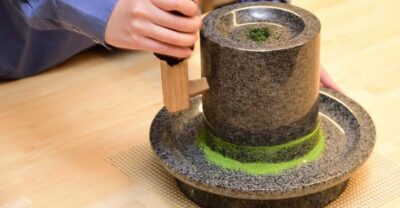
Tea Museum Tickets and Matcha Grinding Experience
Read our review →Uva Halpewatte Tea Factory Tour in Ella Sri Lanka
Read our review →
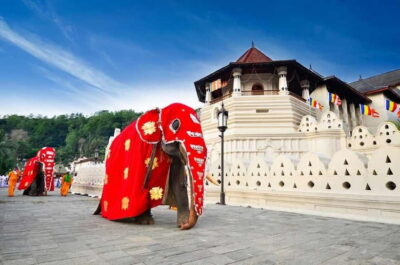

Tea Factory, Train, and Nine Arch Day Tour with Pickup
Read our review →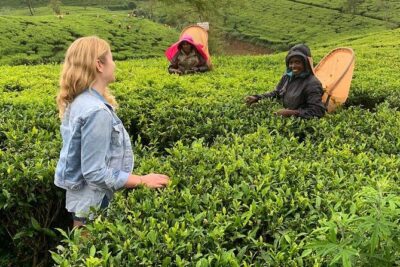
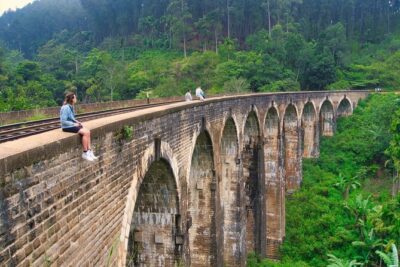
Ella Private Day Trip with Train Ride & Tea Factory-All Inclusive
Read our review →
Nuwaraeliya Tea Factory and WaterFall Tour’s With DMJ Tours
Read our review →Browse the lists this tour appears in