
Review · TOKYO
A perfect Japanese experience: Tea Ceremony and Mochi Forming
Sweet art, served with tea. This Tokyo experience combines seasonal wagashi making with a tea ceremony inside a century-old antique store. I like the setting, which feels more personal than a standard activity room, and I like the hands-on work: you shape colorful nerikiri dough much like clay, then eat your creation with matcha. The small group, capped at five people, also gives the session an intimate feel.
The main consideration is the language gap. The host is a Japanese artisan who may not speak English fluently, so demonstrations and gestures may carry much of the lesson. The activity is also non-refundable, and late arrivals still finish at the scheduled time.
Key details at a glance
- Century-old antique store: Browse old tableware before the hands-on portion begins.
- Seasonal nerikiri sweets: Shape Japanese confectionery inspired by flowers, fans, plum blossoms, hydrangeas, or other seasonal designs.
- Tea room finale: Sit in a chair in a dedicated tea room and enjoy your sweet with real, unsweetened matcha.
- Small group of up to five: A good size for watching the craft closely and asking questions.
- Everything supplied: Tools and ingredients are included, so you only need to arrive ready to work.
- About 1 hour 40 minutes: Long enough for making sweets and tea without taking half a day from your Tokyo plans.
Entering the Yanaka antique store
The meeting point is at 6-chōme-2-40 Yanaka, Taito City, Tokyo 110-0001. The activity begins and ends there, and the location is near public transportation. Exact transit directions are not provided, so I would check the route carefully before leaving your hotel and allow time for Tokyo’s large stations and busy transfers.
The shop itself is part of the appeal. Instead of walking into a plain classroom, you enter an old antique store with tableware on display. Take a few minutes to look around before sitting down. This opening gives the experience a sense of place and helps connect the sweets to Japanese serving customs.
That setting matters. Wagashi is not only about flavor. Shape, color, season, and presentation all count. Seeing antique dishes before making the sweets helps you notice how carefully a small confection can be presented.
The store has also received attention from CNN, but the real value is less about that publicity and more about the unusual venue. You are learning in a working artisan setting rather than in a generic rental room. If you enjoy old objects, traditional crafts, or small shops with a local character, this first part may be as memorable as the tea itself.
More Tea and Sweets Making in Tokyo
- Matcha Making Class in Tokyo with Authentic Japanese Sweets Set
★ 5.0 · 744 reviews - Tokyo: Matcha Making Experience with Mochi Sweets in Asakusa
★ 4.9 · 388 reviews - Make Traditional Nerikiri Sweets & Matcha experience in Shibuya
★ 5.0 · 130 reviews
Understanding nerikiri, the soft craft behind wagashi
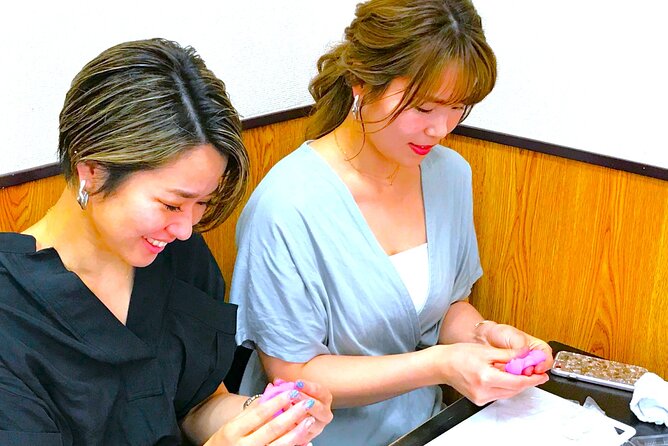
The sweets used here are called nerikiri, a type of wagashi made with a mochi-flour-based mixture. The activity presents the dough as an easy, playful material. You form different colored pieces and combine them to create a target design.
That makes the class approachable. You do not need to arrive with pastry skills or artistic training. The process is closer to working with colorful clay than baking a complicated dessert. The challenge is not operating an oven or measuring a long list of ingredients. It is shaping the material carefully enough to create a recognizable flower, fan, or other seasonal form.
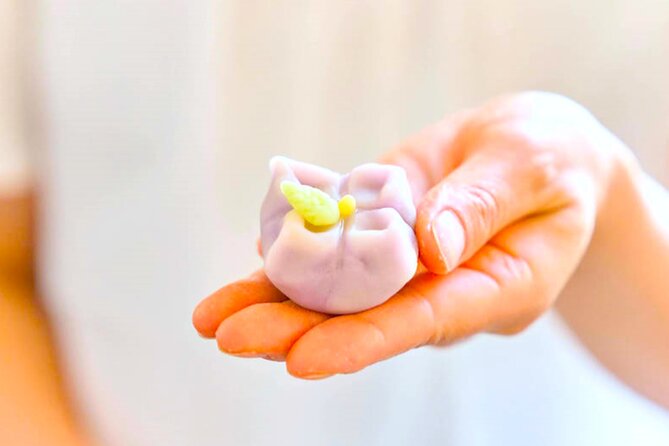
The seasonal focus is one of the strongest reasons to book. The designs can change with the time of year. Past sessions have included a plum and a hydrangea, as well as cherry blossom and spring themes. Other groups made a fan and a flower. This means you should not expect one fixed menu at every session.
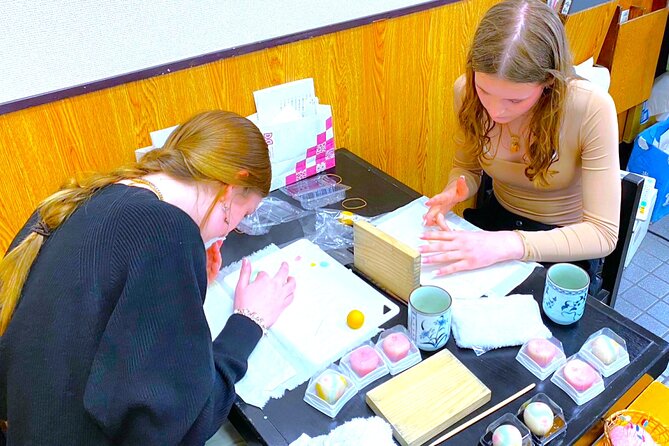
The supplied description promises four different styles of sweets, while individual sessions described by participants focused on two finished designs. The practical reading is simple: the exact number and type of pieces can vary by season and class plan. You should expect several forms of seasonal confectionery, but not assume that you will make the same flowers shown in every photograph.
The hands-on forming session
Once you are seated at your work station, the host provides the tools and ingredients. You do not need to bring special equipment, cooking supplies, or materials. That is useful for visitors trying to pack light, especially if this activity is one stop among many in Tokyo.
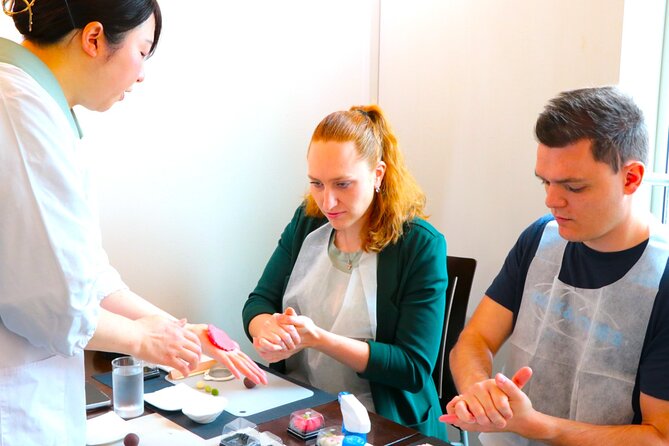
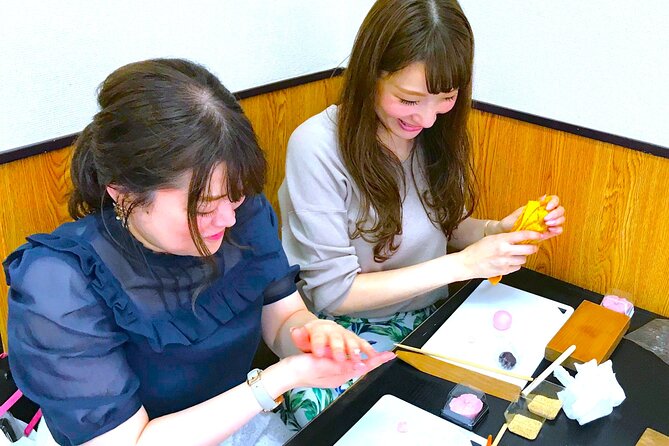
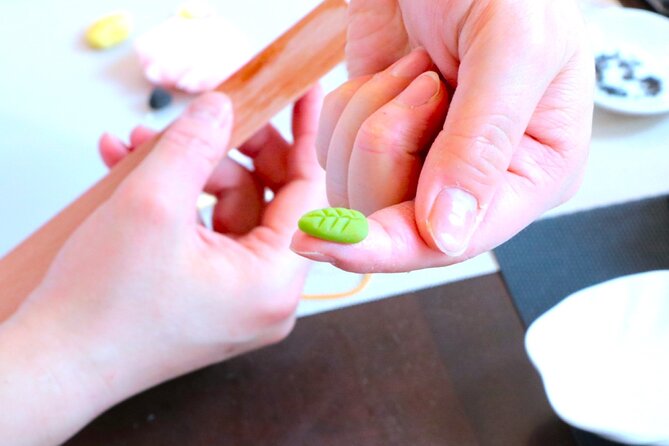
The chef demonstrates the forming process, then you copy the movements. You may start with colored portions of dough and gradually shape them into petals, leaves, folds, or other details. The finished sweet is meant to look delicate, but the class itself is designed to be fun rather than intimidating.
I like this part because it gives you something to do with your hands. Many cultural activities ask you to watch a demonstration and take a few photos. Here, you make an object yourself, and the small imperfections become part of the memory. The work can also be funny. One participant described the class as full of laughter, with a kind and witty teacher.
Do not expect the precise finish of a professional wagashi artisan. The point is to learn the basic idea of the craft and appreciate the care behind a small Japanese sweet. You will likely leave with more respect for the skill required to produce the flawless versions seen in shops.
The class may be especially satisfying for anyone who likes arts and crafts. You get color, texture, repetition, and a clear result within a short session. Children under 13 cannot join, but older teenagers can participate if accompanied by an adult when under 18.
Why the changing designs matter
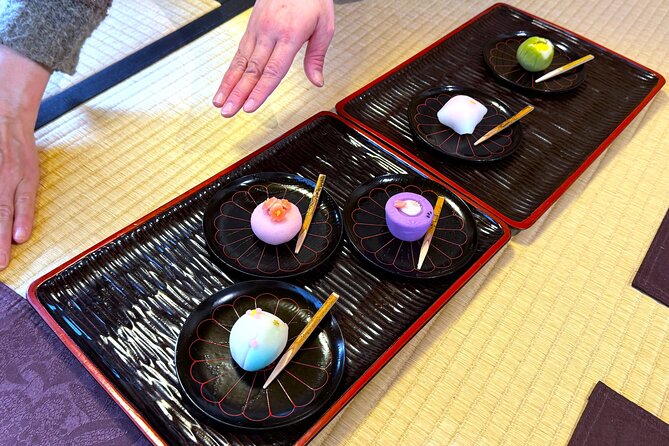
Nerikiri is closely tied to the seasons through its colors and shapes. A flower design can suggest spring, while another form may reflect a different time of year. That seasonal connection gives the activity more meaning than simply decorating candy.
The designs also encourage you to look closely. A finished sweet may resemble a flower, fan, or landscape in miniature, but it is still food. The apparent contradiction is part of the charm: you spend time making something beautiful, then eat it.
The sweets contain no artificial additives and last only two days when refrigerated. That short shelf life is worth remembering. You should not plan to carry them around Tokyo all afternoon or take them home for a long international journey. If you want to preserve the experience, take a photograph before tasting them.
More Tea Ceremonies in Tokyo
- Kimono Tea Ceremony at Tokyo, Asakusa Maikoya
★ 5.0 · 638 reviews - Tokyo: Traditional Tea Ceremony with a Tea Master
★ 5.0 · 528 reviews - Tea Ceremony Workshop in Tokyo by the Experienced Instrucor
★ 5.0 · 189 reviews - Asakusa: Kimono Tea Ceremony with Matcha and Sweet
★ 4.9 · 153 reviews
Moving into the tea room
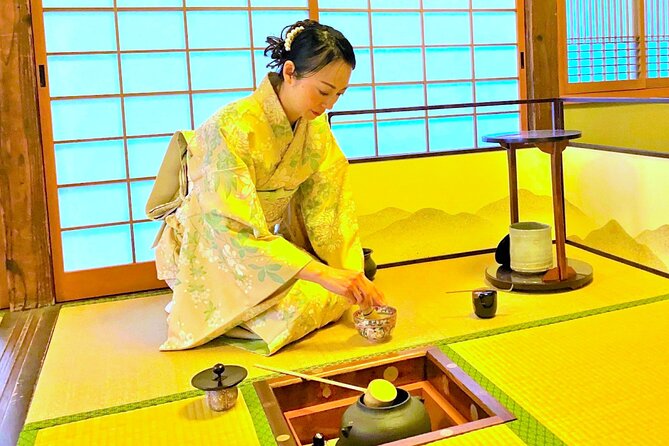
After the forming session, you move to a dedicated tea room. The room is designed for the tea ceremony while sitting in a chair, rather than requiring you to kneel on the floor. That makes the experience more comfortable and removes one common worry about traditional tea settings.
The host serves a confection first, followed by real matcha. The matcha is not sweetened, so expect a distinct, earthy bitterness rather than a dessert-style green tea. Eating the wagashi before the tea is part of the balance. The sweetness prepares your palate for the stronger flavor of the matcha.
This is a short introduction to tea ceremony, not a full study of every rule and school of the tradition. Still, the order, room, serving style, and quiet attention to the sweet give you a taste of the ritual. The chair-based arrangement also makes it easier to focus on what is happening rather than on your knees.
I would treat this section as the calm finish to the craft session. After working with the dough, you get time to slow down and enjoy what you made. It also gives you a chance to see how wagashi functions in context, not merely as a colorful object on a plate.
A small group with an artisan host
The maximum group size is five people. That is a real advantage here. With only a few participants, you should have a clearer view of the demonstration, and the host can offer individual guidance as you shape the sweets.
The host is described as an artisan rather than a commercial tour operator. That distinction sets the right expectation. You may not receive polished, scripted commentary in fluent English. Instructions could be brief, visual, or supported by demonstration.
For some people, that is part of the fun. You communicate through hands, smiles, repetition, and the shared task. For others, especially those wanting a detailed lecture on Japanese confectionery, the language limitation may feel frustrating.
I would not book this expecting a long academic explanation. Book it for the chance to work directly with a Japanese craftsperson in an unusual shop. A patient attitude will make the session much easier and more enjoyable.
What the $55.38 price includes
At $55.38 per person, the cost is reasonable for a small-group cultural activity lasting about 1 hour 40 minutes. You are paying for the instruction, all tools and ingredients, several sweet-making designs, a tasting, matcha, and access to an antique store and tea room setting.
The price is higher than simply buying wagashi from a department-store food hall, but that comparison misses the main point. You are paying for the process and the personal instruction. If you only want to taste Japanese sweets, a shop visit will be cheaper. If you want to understand how their shapes are made and leave with a hands-on memory, this class offers better value.
The small group also improves the price calculation. A five-person maximum means the session is not built around moving a large crowd through a demonstration. You receive more attention than you would at a mass-market workshop, although the exact amount of English explanation may be limited.
The activity is booked, on average, 16 days ahead. That suggests you should reserve early if the dates of your Tokyo visit are fixed, especially because only five places are available per session.
Timing, age rules, and practical cautions
The program lasts approximately 1 hour 40 minutes. That fits neatly into a morning or afternoon plan, but you should avoid scheduling a major attraction immediately afterward. Tokyo transit delays and the need to find the meeting point can eat into your margin.
Arrive on time. If you are late, the program still ends at the original scheduled time. You also will not receive a refund if you are unwell or under the influence of alcohol and are refused entry.
Everyone entering the venue must pay, including someone who wants to accompany a participant without taking part. That rule matters for families or couples where one person plans to watch.
The activity is open to people aged 13 and older. Anyone under 18 must be accompanied by an adult. Most people can participate, but the supplied information does not describe specific accommodations for mobility, hearing, vision, or dietary needs. If you have a particular requirement, ask before booking rather than assuming the host can arrange it.
The ticket is mobile, which keeps the check-in simple. Confirmation arrives within 48 hours of booking, subject to availability. Because the experience is non-refundable and cannot be changed for any reason, confirm your date before paying.
Who will enjoy this most
I would recommend this experience to you if you like:
- Hands-on arts and crafts
- Traditional Japanese food presented in small portions
- Small shops and old objects
- Quiet cultural activities rather than large group sightseeing
- Seasonal details in food and design
- Tea, matcha, and the ritual around serving sweets
It is also a good choice for couples, friends, solo visitors, and families with older children. The work gives people something to share, and the tea room provides a natural pause afterward.
You may want to skip it if you need fluent English instruction, dislike matcha bitterness, or want to take your sweets home for several days. It is also not the best match for anyone seeking a full-day cultural tour or an elaborate meal. This is a compact workshop with a focused purpose.
Should you book the tea ceremony and mochi forming experience?
I would book it if you want a personal Tokyo activity that combines making, tasting, and tradition in one short visit. The century-old antique store, five-person limit, seasonal designs, and chair-based tea ceremony give it more character than a basic confectionery lesson.
Go in with realistic expectations. The host may rely on demonstration more than fluent English, the exact designs can change, and the class may focus on two finished forms even though the broader experience offers several styles. The ticket cannot be refunded or changed, so check the date and meeting point carefully.
For a reasonable price, you get a craft lesson, Japanese sweets, matcha, and a setting that feels connected to the local tradition. If that sounds better than another hurried Tokyo attraction, reserve ahead and arrive ready to shape something imperfect but delicious.
FAQ
Where does the experience begin?
It begins at 6-chōme-2-40 Yanaka, Taito City, Tokyo 110-0001, Japan.
Where does the activity end?
The activity ends back at the meeting point.
How long does the experience last?
It lasts approximately 1 hour 40 minutes.
How many people can join?
The group has a maximum of five participants.
What is included in the price?
Tools, ingredients, the wagashi-making activity, a sweet tasting, and Japanese matcha are included.
What type of Japanese sweet will I make?
You will work with nerikiri, a wagashi sweet made with a mochi-flour-based mixture. Designs are inspired by the season and can vary.
Is the tea ceremony performed while kneeling?
No. The tea room is designed for the ceremony while sitting in a chair.
What is the minimum age?
Participants must be at least 13 years old. Anyone under 18 must be accompanied by an adult.
Can I cancel or change my booking?
No. The experience is non-refundable and cannot be changed for any reason.
Just added around Tokyo
- Yokohama : Tea Ceremony with Sweets and Souvenir★ 5.0 · 5 reviews
- Walking Tour: Yanaka,Nezu& Sendagi: Tea Ceremony & Old Tokyo★ 5.0 · 3 reviews
- Private Kimono and tea ceremony at local home near Tokyo Disney★ 5.0 · 6 reviews
- Private Mochi・Matcha sweets Making Class Near Shibuya Area★ 5.0 · 22 reviews
- Kimono and Tea Ceremony in Asakusa Private Food Tour With Guide★ 5.0 · 4 reviews
- 2 Hours Mochi &Nerikiri Making & Matcha Class in Bunkyo★ 5.0 · 21 reviews
- Tokyo Sweets Tour: Hidden Gems & Matcha at an Old Tea House★ 5.0 · 6 reviews
- Tokyo Tea Ceremony Class at a Traditional Tea Room★ 5.0 · 2 reviews
Tea Ceremonies in Tokyo, compared.
Tea Ceremony Workshop in Tokyo by the Experienced Instrucor
Read our review →
Asakusa: Kimono Tea Ceremony with Matcha and Sweet
Read our review →
Tea Ceremony Experience in a Private Tea Room in Shibuya
Read our review →
Tea ceremony experience in Japanese-style room 60min
Read our review →Browse the lists this tour appears in