
Review · TOKYO
Japanese Traditional Breakfast and Tea Ceremony
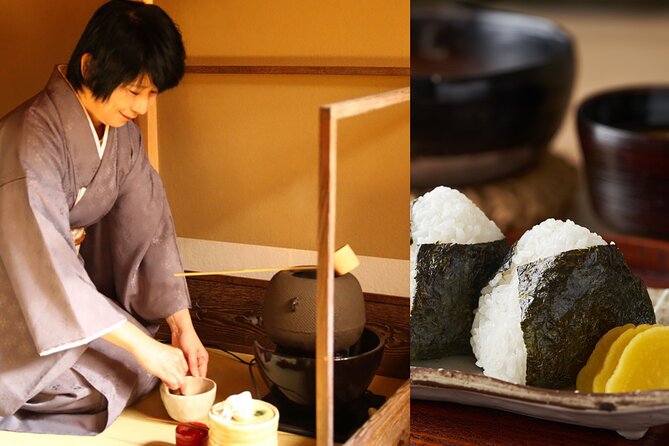
Start your Tokyo morning with tea and calm. This 90-minute experience pairs a light Japanese breakfast with a guided matcha ceremony, giving you a friendly introduction to customs that can feel formal or mysterious on your own. I especially like the chance to make your own onigiri and then drink matcha prepared with high-quality tea by an English-speaking tea master. The main drawback is the meeting point, which one participant found a little difficult to locate.
The $60.81 price is fair if you want more than a meal. You are paying for breakfast, sweets, two tea ceremonies, English explanations, a short meditation, and time with a licensed tea master who has at least five years of experience. The experience is also limited to a maximum of 28 people, although that can still feel like a fairly large group for a quiet ceremony.
Key points at a glance
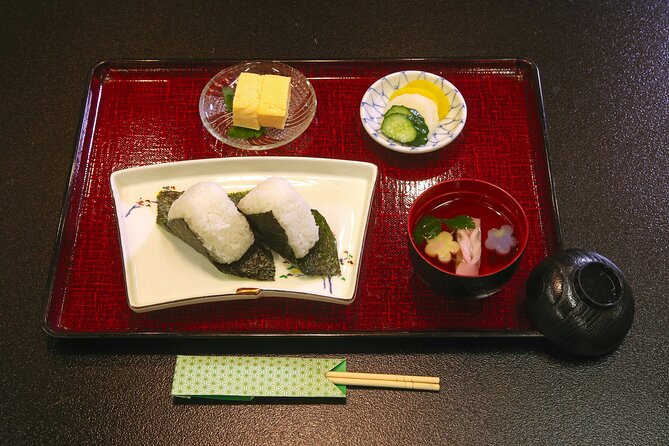
- Onigiri joins the tea ceremony: You make rice balls yourself, then enjoy them with other breakfast items and sweets.
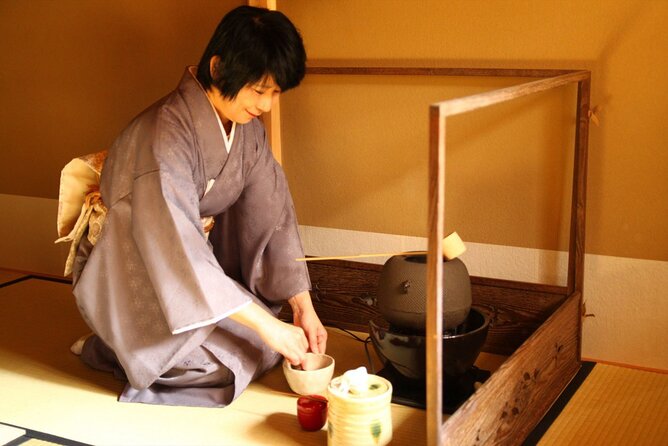
- Two tea experiences are included: First, watch the host perform the ceremony. Then make your own tea with instruction.
- Zen is explained in plain English: The guide discusses meditation, the hanging scroll, tea utensils, and the meaning behind the ritual.
- The setting begins at 9 a.m.: It is an early cultural activity that can replace a standard hotel breakfast.
- A bilingual tea master leads the session: The tea master has at least five years of experience and prepares matcha using high-quality tea.
- The meeting point needs planning: The activity starts and ends at Kikai Shinkō Kaikan, near public transportation, in Shibakōen.
A calm start near Shibakōen
The morning begins at 9 a.m. at Kikai Shinkō Kaikan, 3-chōme-5-8 Shibakōen, Minato City, Tokyo 105-0011. The location is near public transportation, but I would allow extra time to find the building. One person had trouble locating the venue, so do not cut it close, especially if you are navigating Tokyo for the first time.
This is not a pickup tour. You make your own way to the meeting point, and the activity returns there when it ends. That makes the experience easy to fit into a Tokyo morning, but you need to handle the route yourself.
The session lasts about an hour and a half. That is long enough to explain the customs and let you try them, but short enough to combine with sightseeing afterward. The early start also gives the activity a useful purpose: instead of eating a forgettable hotel breakfast, you begin the day with a meal tied to Japanese daily life and traditional hospitality.
A nationally certified guide interpreter provides the welcome and explanations. The tea master is bilingual and conducts the ceremony in English, so you are not left guessing what each action means. That matters here, since the value is not only in drinking tea. It is in understanding why the host moves, pauses, serves, and presents the tea in a particular way.
More Tea Ceremonies in Tokyo
- Kimono Tea Ceremony at Tokyo, Asakusa Maikoya
★ 5.0 · 638 reviews - Tokyo: Traditional Tea Ceremony with a Tea Master
★ 5.0 · 528 reviews - Tea Ceremony Workshop in Tokyo by the Experienced Instrucor
★ 5.0 · 189 reviews
Breakfast with onigiri and Japanese sweets
The breakfast is described as light rather than large. Expect freshly prepared rice balls and other local flavors, along with traditional Japanese sweets. The exact menu is not specified, so you should not book this expecting a full restaurant-style breakfast.
The onigiri activity adds something personal to the meal. You have a chance to shape your own rice ball, then serve it with the other breakfast items. This small task helps turn breakfast into participation rather than a plate placed in front of you. One family found the meal especially useful because it gave them a clear sense of what a traditional Japanese breakfast can look like.
I like this part for another reason: onigiri is familiar, practical Japanese food. It is not a showpiece designed only for a tourist demonstration. Making one gives you a simple skill you can repeat later, perhaps with ingredients available from a Tokyo convenience store or your own kitchen.
The sweets provide a different taste and texture from the savory breakfast. Their sweetness is part of the tea experience, not just an extra dessert. The program specifically includes traditional Japanese sweet confections, so you can expect the host to explain how the sweet fits with the matcha.
Because the breakfast is light, consider your own appetite. If you normally need a substantial morning meal, this may work better as a cultural breakfast followed by a second snack later. For most people, though, the food should be enough to make the activity feel like more than a lecture with tea.
Watching the tea master perform
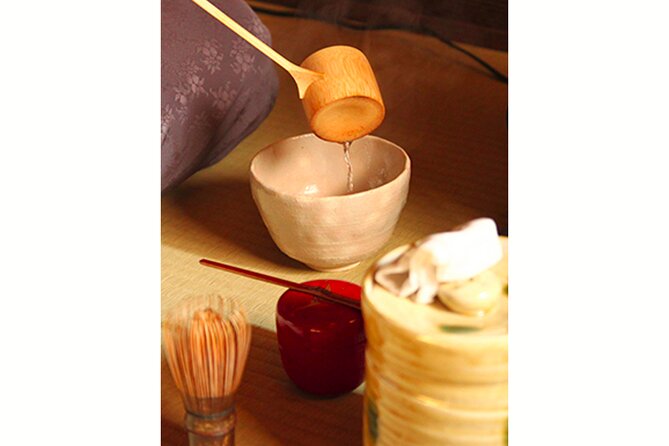
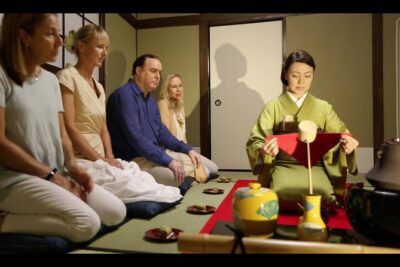
The first tea ceremony is performed by the tea master. This gives you a chance to watch before you try anything yourself. The host prepares authentic matcha using high-quality tea, while the guide explains the ceremony, the utensils, and the ideas linked to Zen practice.
A tea ceremony can look simple from the outside. A bowl, whisk, scoop, and carefully measured movements do not immediately reveal why the ritual matters. The English commentary helps connect those actions to the broader spirit of the ceremony.
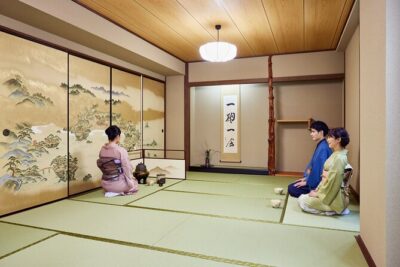
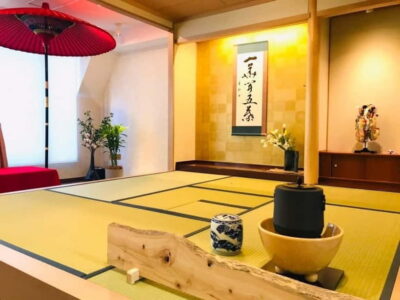
You also learn about the hanging scroll displayed in the room. The scroll expresses the spirit of Zen, and its presence helps explain why the room is arranged as it is. This is a useful detail because it moves the experience beyond matcha tasting. You are introduced to the visual and reflective parts of the tea room as well as the drink itself.
The short meditation period sets the tone. It is not presented as a long class or demanding spiritual exercise. Instead, it gives you a pause before breakfast and tea. If your Tokyo mornings tend to begin with train schedules, phone maps, and crowded streets, this brief quiet period may be one of the most welcome parts of the experience.
The tea master has more than five years of experience and is licensed. That does not mean you need prior knowledge or special etiquette. The point is to watch, ask questions, and understand enough to take part with confidence.
Making your own matcha
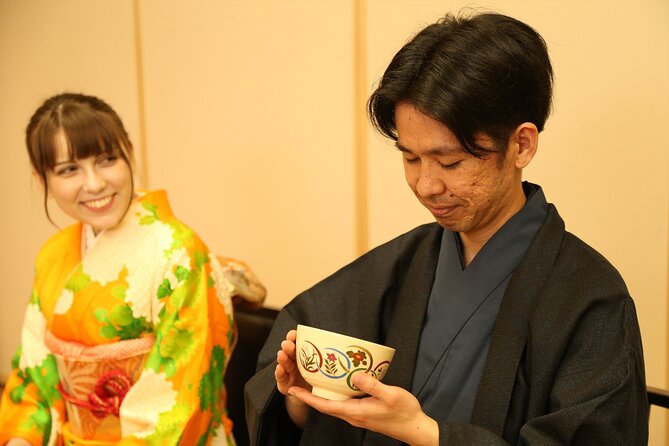
After watching the demonstration, you have a second tea ceremony that you perform yourself with instruction. This is the strongest feature for anyone who wants a hands-on activity.
You get to handle the tea utensils and prepare your own matcha. The host guides you through the process, so the activity is suitable even if you have never used a bamboo whisk or taken part in a formal tea ceremony.
I would pay particular attention during the demonstration, since the second round is where the small details become clear. The order of the actions, the way the tea is whisked, and how the bowl is handled all make more sense after you have seen the master perform them.
The practical benefit is that you can recreate parts of the ritual at home. The experience specifically teaches matcha customs that you can use again, though it does not promise that all equipment or ingredients are provided for you to take home. Think of it as a lesson in method and manners, not a shopping package.
The tea itself may be stronger and more bitter than the sweetened green tea served in many cafes. That contrast is part of the experience. The traditional sweet helps balance the matcha, and the guide explains how the two are enjoyed together.
Same place, a different pot:
- Matcha Making Class in Tokyo with Authentic Japanese Sweets Set
★ 5.0 · 744 reviews - Tokyo: Matcha Making Experience with Mochi Sweets in Asakusa
★ 4.9 · 388 reviews - Asakusa Cultural Walk & Matcha Making Tour
★ 5.0 · 245 reviews - Mt. Fuji & Lake Kawaguchiko Ropeway Panorama Full-Day Tour
★ 4.6 · 236 reviews
Zen ideas without a heavy lecture
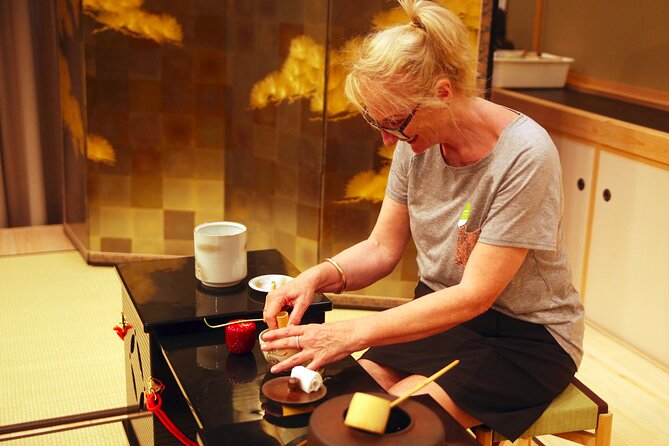
The cultural explanation is one of the reasons this activity earns its price. You are not simply shown a ceremony and told to copy it. The English commentary covers Zen practices, the hanging scroll, and tea utensils, giving each part a place in the larger picture.
The short meditation is useful here. It allows you to feel the slower rhythm of the ceremony instead of treating it as a performance to photograph. The tone is described as relaxed, which should help families and first-time visitors take part without worrying about making a serious mistake.
I would not expect a full course in Zen Buddhism or Japanese tea history during 90 minutes. The schedule is too short for that. What you get is a focused introduction, with enough context to help you notice more when you encounter matcha, tea rooms, or Japanese sweets elsewhere.
That balance suits a first visit to Tokyo. You receive genuine cultural context, but the activity does not require a full morning of study. It is approachable for children and adults, provided everyone can sit quietly for the meditation and follow instructions during the tea preparation.
How the group size affects the experience
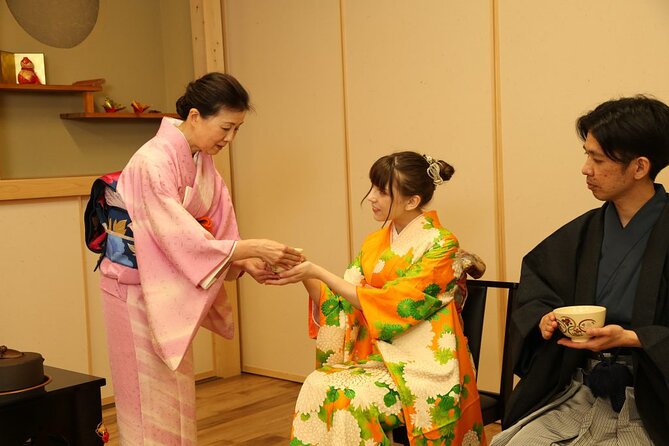
The maximum group size is 28 people. That is not an intimate private lesson, so you should set your expectations accordingly. You may not receive extended one-to-one attention, and the sense of quiet will depend partly on how the group behaves.
Still, the group format can work well for a demonstration followed by guided practice. The important question is not whether the experience is private, but whether you are comfortable learning in a shared setting.
Group discounts are available, which may improve the value for families or friends traveling together. A family found the experience easy to share across ages, with breakfast providing a simple introduction and the tea ceremony offering a memorable activity for everyone.
The mobile ticket is convenient, since you can keep the booking details on your phone. Confirmation is sent within 48 hours, subject to availability, so avoid assuming the reservation is final until you receive that confirmation.
Is $60.81 a fair price?
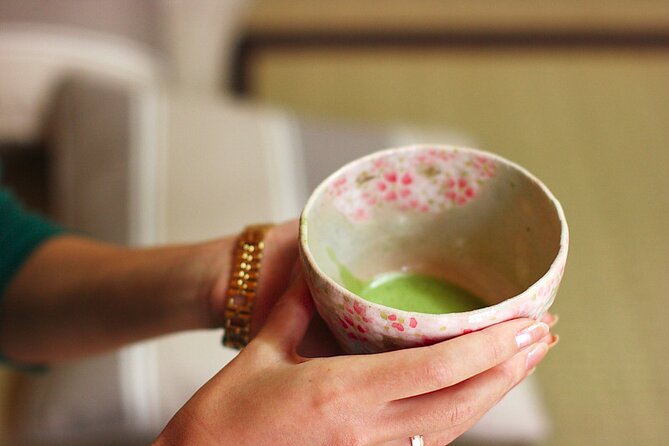
At $60.81 per person, this is more expensive than buying breakfast and matcha at a cafe. That comparison misses the main point, though. The fee includes food, sweets, a performed ceremony, an English explanation, a meditation period, and your own guided tea preparation.
The value is strongest if you would otherwise pay for a separate cultural activity. You receive an introduction to Japanese breakfast, a chance to make onigiri, a lesson in matcha preparation, and an explanation of Zen-related objects and customs in one compact session.
The price is less attractive if you only want a filling meal or a quick cup of green tea. The breakfast is light, and the activity is built around instruction and ritual. You are paying for access to a tea master and for the setting in which the food and tea are presented.
For families, group discounts may help. For solo visitors, the value depends on your interest in Japanese culture. If you are curious about tea ceremony but unsure about committing to a longer formal program, this shorter format makes a sensible test.
Who should book this morning experience?
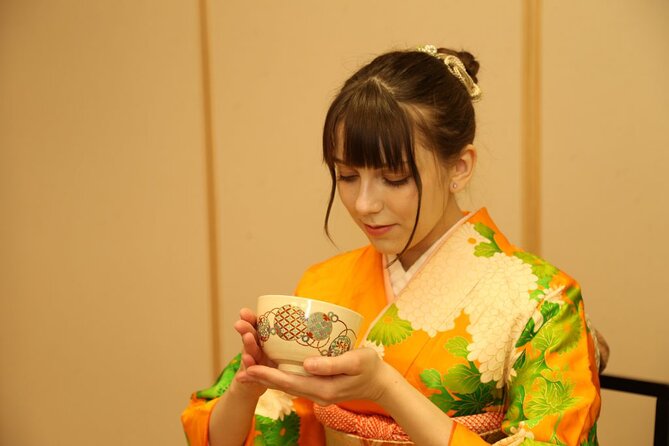
I would recommend it most strongly to first-time visitors who want cultural context without spending half a day in a museum. It also suits families, since making onigiri gives younger participants something active to do.
It is a good choice for anyone who enjoys food preparation, traditional arts, or calm activities. The English explanations make it accessible, and the relaxed format removes some of the pressure that can come with formal Japanese etiquette.
You may want to skip it if you need a large breakfast, dislike group activities, or prefer to explore at your own pace. The 9 a.m. start also requires a reasonably organized morning, especially because the venue may take time to find.
The activity is also weather dependent under its operating policy. If poor weather causes cancellation, you are offered another date or a full refund. The same applies if the minimum number of participants is not reached.
Practical booking advice for Tokyo
Book with some planning. The experience is booked, on average, 53 days ahead, which suggests that popular dates may fill before your trip. Confirmation arrives within 48 hours, subject to availability.
You can cancel for a full refund up to 24 hours before the start time. Cancellations or changes made inside that window are not refunded or accepted. The cutoff uses Tokyo local time, so check the clock carefully if you are changing plans from another time zone.
Wear something comfortable for sitting and taking part, though no special clothing requirement is provided. Arrive early enough to find Kikai Shinkō Kaikan without rushing into the meditation or first demonstration.
Since there is no pickup or drop-off, use public transportation and keep the meeting address available on your phone. The activity ends back at the same place, leaving you free to continue around Minato City or return to another part of Tokyo.
My final recommendation
I would book this experience if you want a friendly, compact introduction to Japanese breakfast and tea ceremony. Its best features are the onigiri making, the chance to prepare your own matcha, and the clear English explanation of Zen customs, the hanging scroll, and tea utensils.
The main cautions are the light meal, group size of up to 28 people, and the need to find the meeting point yourself. If those details suit your plans, $60.81 buys more than breakfast. It gives you a practical cultural lesson that you can remember and partly repeat at home.
FAQ
Where does the Japanese breakfast and tea ceremony begin?
It begins at Kikai Shinkō Kaikan, 3-chōme-5-8 Shibakōen, Minato City, Tokyo 105-0011, Japan.
What time does the experience start?
The experience starts at 9 a.m.
How long does the activity last?
It lasts approximately 1 hour and 30 minutes.
Does the experience include breakfast?
Yes. A light Japanese breakfast is included, along with traditional Japanese sweet confections.
Can I make my own onigiri?
Yes. The experience includes making onigiri, which is then served with other breakfast items and sweets.
Do I make my own matcha?
Yes. After watching the tea master, you perform a second tea ceremony yourself with instruction.
Is the tea ceremony explained in English?
Yes. A bilingual licensed tea master and a nationally certified guide interpreter provide explanations in English.
How many people can join the experience?
The maximum group size is 28 people.
Can I cancel for a full refund?
Yes. You can cancel at least 24 hours before the start time for a full refund. Changes or cancellations made less than 24 hours before the start time are not accepted or refunded.
Just added around Tokyo
- Yokohama : Tea Ceremony with Sweets and Souvenir★ 5.0 · 5 reviews
- Walking Tour: Yanaka,Nezu& Sendagi: Tea Ceremony & Old Tokyo★ 5.0 · 3 reviews
- Private Kimono and tea ceremony at local home near Tokyo Disney★ 5.0 · 6 reviews
- Private Mochi・Matcha sweets Making Class Near Shibuya Area★ 5.0 · 22 reviews
- Tokyo Sweets Tour: Hidden Gems & Matcha at an Old Tea House★ 5.0 · 6 reviews
- Kimono and Tea Ceremony in Asakusa Private Food Tour With Guide★ 5.0 · 4 reviews
- 2 Hours Mochi &Nerikiri Making & Matcha Class in Bunkyo★ 5.0 · 21 reviews
- Tokyo Tea Ceremony Class at a Traditional Tea Room★ 5.0 · 2 reviews
Tea Ceremonies in Tokyo, compared.
Tea Ceremony Workshop in Tokyo by the Experienced Instrucor
Read our review →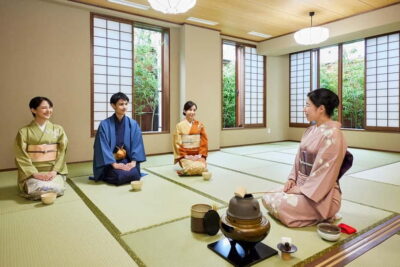
Asakusa: Kimono Tea Ceremony with Matcha and Sweet
Read our review →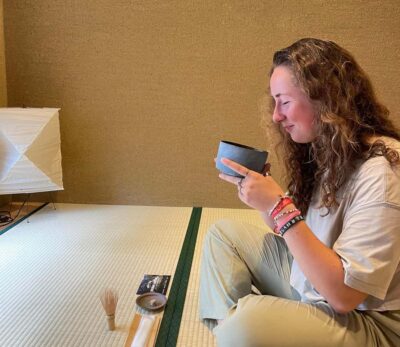
Tea Ceremony Experience in a Private Tea Room in Shibuya
Read our review →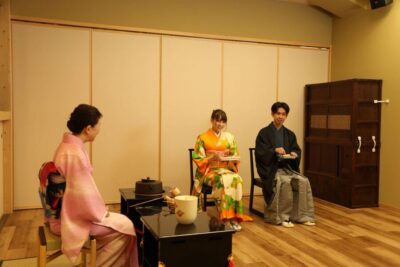
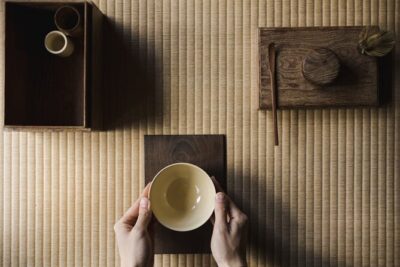
Tea ceremony experience in Japanese-style room 60min
Read our review →Browse the lists this tour appears in