
Review · TOKYO
Privately visit local home for relax tea ceremony &music, Tokyo
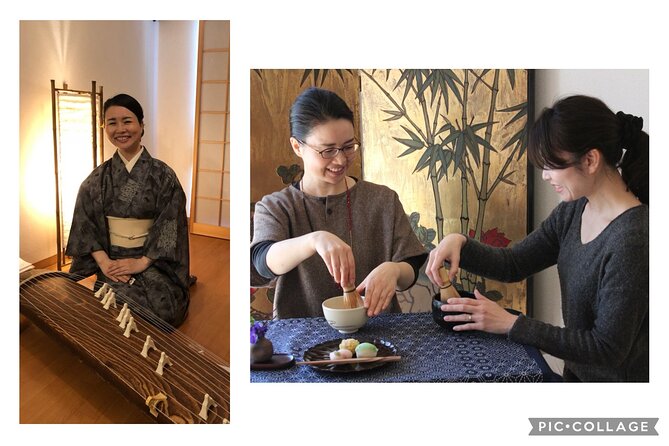
Tea tastes better when there are no stiff rules. In Noriko’s home near Shin-Urayasu, you’ll make matcha, hear live koto music, and ask honest questions about Japanese life. I like the private setting and the chance to try the koto yourself. I also like that the experience feels personal rather than staged. The main consideration is location: Shin-Urayasu is outside central Tokyo, though it takes about 20 minutes from Tokyo Station.
The two-hour visit costs $81 per person, which is fair if you want real conversation and hands-on activities rather than a quick cultural demonstration. The optional yukata costs another 3,500 yen and adds time, but it can turn a pleasant visit into a special photo opportunity. Noriko’s warmth and wide knowledge of tea, music, history, and everyday Japanese questions are central to the experience.
Key Points
- A private home visit: Only your group participates, giving you room to ask direct questions and set a relaxed pace.
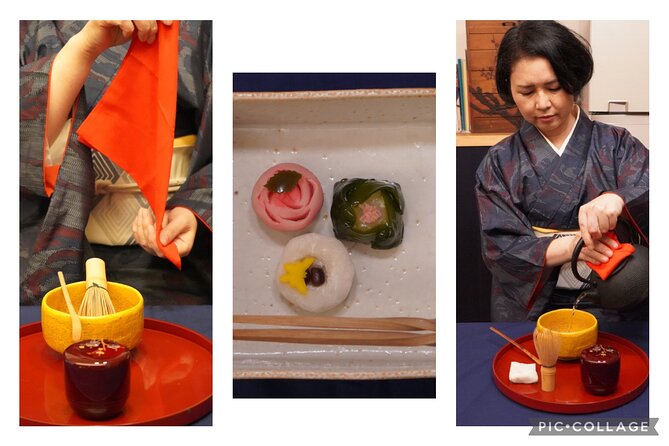
- Hands-on matcha preparation: Noriko prepares the first bowl, then guides you through making the second.
- Live koto music: You hear two pieces and then try playing a melody yourself.
- Three small sweets: Your tea comes with two small sweets and one seasonal sweet.
- Optional yukata dressing: For 3,500 yen, men need about 10 minutes to dress, while women need 20 to 30 minutes and receive a simple hairstyle.
- Easy access from Tokyo Station: Shin-Urayasu is about 20 minutes away, followed by a three to four-minute walk.
From Tokyo Station to Noriko’s Home
The meeting point is Shin-Urayasu Station, about 20 minutes from Tokyo Station. That short train ride matters because it keeps the experience easy to reach without placing you in the middle of Tokyo’s busiest streets.
You’ll meet Noriko at the station. From there, you walk together for roughly three to four minutes to her home. The route is simple, and you do not need to find the house alone. The activity also ends back at the meeting point, so your transport plan remains straightforward.
The setting is part of the appeal. This is not a large cultural venue or a performance hall. You enter a cozy Japanese home, where the experience can feel more like a friendly visit than a formal appointment.
That intimacy has a clear benefit: you can ask about Japanese customs, tea, music, and daily life as questions come to mind. For many people, that conversation will be worth as much as the planned activities.
Still, you should choose this experience with the setting in mind. A private home visit is not designed for people who want a polished stage show, a large garden, or a long list of sightseeing stops. Its value comes from time with one host and the chance to participate.
More Tea Ceremonies in Tokyo
- Kimono Tea Ceremony at Tokyo, Asakusa Maikoya
★ 5.0 · 638 reviews - Tokyo: Traditional Tea Ceremony with a Tea Master
★ 5.0 · 528 reviews - Tea Ceremony Workshop in Tokyo by the Experienced Instrucor
★ 5.0 · 189 reviews
The First Bowl of Matcha
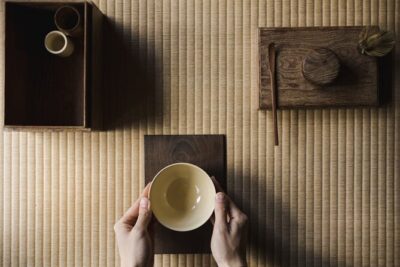
Noriko begins with a relaxed tea ceremony. She gives you a little background on the ceremony before preparing the first bowl of matcha.
The word relaxed is important here. You are not expected to master strict etiquette before you sit down. Noriko explains what is happening, and the format leaves space for questions. If formal tea ceremonies seem intimidating, this approach offers a gentler introduction.
The first bowl lets you watch the process before trying it yourself. You can pay attention to the preparation, the tools, and the rhythm without worrying about your own turn.
You also receive two small sweets and one seasonal sweet with the tea. These are not just extras. In a tea ceremony, sweets balance the bitter taste of matcha, so they help you understand the experience as a whole.
The seasonal sweet gives the visit a connection to the time of year, though the specific sweet will depend on when you go. Do not expect a full meal. This is a small tasting designed to accompany the tea.
Making Your Own Matcha
For the second bowl, you prepare the matcha yourself. Noriko guides you step by step, so you do not need previous experience.
This hands-on part is one of the strongest reasons to book. Watching someone prepare tea can be interesting, but making your own bowl gives you a better sense of the care involved. You also get a chance to ask questions while you work, rather than waiting for a formal explanation to end.
The relaxed format makes the activity suitable for people who feel unsure about getting Japanese customs right. You are not being graded on technique. The point is to take part, notice the details, and enjoy the cup you made.
I especially like the balance between demonstration and participation. Noriko prepares the first bowl, then passes the activity to you. That structure gives you context before asking you to try.
The tea portion will appeal most to visitors who want more than a quick sample. You have time to listen, prepare, taste, and talk. If you already know a great deal about Japanese tea, the informal questions and personal setting may matter more to you than the basic instruction.
Two Koto Pieces, Then Your Turn
After the tea, Noriko introduces the koto, a traditional Japanese stringed instrument. She performs two pieces before inviting you to try it.
This is a pleasant change of pace. The tea ceremony asks you to slow down and observe. The koto session gives you a more active way to connect with Japanese culture.
You may be surprised by how quickly you can play a melody, but the exact difficulty will depend on the piece and your own comfort. The important point is that you are not limited to sitting quietly while a musician performs. You get to touch the instrument and attempt it yourself.
Noriko’s musical performance also gives the activity a sense of occasion. You hear the instrument in the hands of someone who plays it, then experience the difference between listening and producing a sound yourself.
This portion should suit families, couples, and small groups who enjoy trying something new together. It also gives you a useful topic for conversation afterward. You can ask about the instrument, the music, or how it fits into Japanese culture.
The koto session is not described as a full concert, so set your expectations correctly. You will hear two pieces and have a chance to play. If your priority is a long musical performance, this may feel brief. If you want a cultural introduction with participation, the length is well judged.
Same place, a different pot:
- Matcha Making Class in Tokyo with Authentic Japanese Sweets Set
★ 5.0 · 744 reviews - Tokyo: Matcha Making Experience with Mochi Sweets in Asakusa
★ 4.9 · 388 reviews - Asakusa Cultural Walk & Matcha Making Tour
★ 5.0 · 245 reviews - Mt. Fuji & Lake Kawaguchiko Ropeway Panorama Full-Day Tour
★ 4.6 · 236 reviews
What Noriko Adds to the Visit
Noriko is more than a host who moves you from one activity to another. She explains the tea, performs on the koto, helps you play, and answers questions about Japan.
The strongest praise for this experience centers on her range. She can discuss tea, music, history, and other questions about Japanese culture in the same visit. That matters because the best home experiences are shaped by conversation, not only by a fixed script.
You should arrive with questions if you have them. The private format gives you a chance to ask about customs that may not fit into a standard sightseeing tour. You can ask as you go, rather than trying to remember everything until the end.
The host’s personal effort also makes the visit feel generous. Noriko is described as going beyond the basic plan, and that spirit is part of the appeal. The experience is built around welcome and exchange, not simply showing you a set of objects.
Of course, a host-led visit is personal by nature. You may appreciate that warmth more than a large tour group would. If you prefer to keep to yourself, you may find the conversation more central than expected.
Adding the Yukata Experience
You can add a cotton kimono, called a yukata, for 3,500 yen. Ask for this option when you book, because it is not simply an add-on you decide to request at the door.
For men, dressing takes about 10 minutes. For women, allow 20 to 30 minutes, including choosing the yukata, and a simple hairstyle is included. Afterward, Noriko helps you take photos.
The extra time changes the shape of the visit. The standard experience lasts about two hours, while the yukata option extends it. That is useful to know if you have a train reservation, dinner booking, or another timed activity afterward.
I see the yukata as worthwhile for people who want a keepsake photo or who enjoy dressing in traditional clothing. It also adds a visual element to an otherwise quiet, conversation-based visit.
The extra 3,500 yen is separate from the $81 tour price. You can pay by cash, card, or PayPal. If you are watching your budget, the main tea and koto experience is complete without it.
If you add the yukata, leave enough room in your schedule. Women in particular need more dressing time, and the photos come after the clothing and hairstyle are finished.
Is $81 a Fair Price?
At $81 per person, this is not the cheapest way to taste matcha in Tokyo. You can find quick tea samples and cultural demonstrations for less.
The value here comes from privacy, time, and personal attention. Your group has the home to yourselves for the activity, and you receive two different hands-on moments: preparing matcha and trying the koto.
You also get a live performance, three small sweets, cultural explanation, and direct conversation with Noriko. For someone who wants a private introduction instead of a short commercial stop, the price is reasonable.
Group discounts are available, which may make the experience more attractive for families or friends traveling together. The exact discount is not specified, so check the price for your group before booking.
I would not choose this mainly for food. The sweets are small, and there is no indication of a full meal. I would choose it for the host, the home setting, the music, and the chance to ask questions.
The experience is often booked about 20 days in advance. That suggests you should plan ahead, especially if you want the yukata option or have only a few days in Tokyo.
Who Will Enjoy This Most?
I would recommend this visit to you if you want a calm cultural activity with real participation. It works well for couples, families, friends, and solo visitors who enjoy conversation.
It is also a good choice if formal tea ceremony etiquette makes you nervous. Noriko’s relaxed approach removes much of that pressure while still introducing the ceremony and its purpose.
Music lovers have an extra reason to consider it. The two koto pieces provide a proper performance, and trying the instrument yourself gives the visit a playful edge.
Families may appreciate the variety. Sitting for tea, making matcha, listening to music, and playing the koto offer several different ways to stay involved. The private format also avoids the challenge of keeping up with a large group.
I would hesitate to recommend it if your Tokyo schedule is packed with central sightseeing and you dislike leaving the city center for a short visit. Shin-Urayasu is easy to reach, but it is still a separate stop outside central Tokyo.
You should also think about your interest in home-based activities. The experience is intentionally personal and informal. If you want grand architecture, elaborate ceremony, or several sightseeing locations, choose a different activity.
Practical Details Before You Book
Confirmation arrives at booking, and mobile tickets are supported. You meet at Shin-Urayasu Station and return there when the activity ends.
Service animals are allowed, and the experience is near public transportation. Since only your group participates, you do not have to share the home with other tour groups.
Free cancellation is available if you cancel at least 24 hours before the start time. Cancellations or changes made less than 24 hours ahead are not accepted for a refund, and the cut-off uses local time.
Wear something comfortable for sitting and participating. The provided details do not specify a dress code, but the yukata option requires extra time for changing if you choose it.
Give yourself enough time to reach Shin-Urayasu Station. The walk to the home is short, but arriving at the station without a rush will make the welcome feel more relaxed.
Should You Book This Private Tokyo Tea Visit?
Book it if you want personal contact, a quiet home setting, and more than a quick look at Japanese culture. The private format, Noriko’s friendly guidance, the matcha activity, and the koto session make this feel like a genuine cultural exchange.
I would especially choose it for a first visit to Japan when you want an easy introduction to tea ceremony and traditional music without formal pressure. Add the yukata if photos and traditional dress are important to you, but allow extra time and budget.
Skip it if you want a large-scale performance, a full meal, or an activity in central Tokyo itself. For everyone else, $81 buys two hours of participation and conversation, not just a seat in an audience. That is a fair trade for a warm, private welcome near Tokyo.
FAQ
Where does the experience begin?
It begins at Shin-Urayasu Station, at 1 Chome-1 Irifune, Urayasu, Chiba 279-0012, Japan.
How far is Shin-Urayasu Station from Tokyo Station?
Shin-Urayasu Station is about 20 minutes from Tokyo Station.
How long is the walk from the station to the home?
You walk with Noriko for about three to four minutes from Shin-Urayasu Station to her home.
How long does the main experience last?
The main experience lasts approximately two hours.
Is the activity private?
Yes. Only your group participates in the activity.
What is included in the tea portion?
Noriko prepares the first bowl of matcha, and you make the second with her guidance. You also receive two small sweets and one seasonal sweet.
How much does the optional yukata experience cost?
The optional yukata experience costs 3,500 yen. It can be paid by cash, card, or PayPal, and you should request it when booking.
Just added around Tokyo
- Yokohama : Tea Ceremony with Sweets and Souvenir★ 5.0 · 5 reviews
- Walking Tour: Yanaka,Nezu& Sendagi: Tea Ceremony & Old Tokyo★ 5.0 · 3 reviews
- Private Kimono and tea ceremony at local home near Tokyo Disney★ 5.0 · 6 reviews
- Private Mochi・Matcha sweets Making Class Near Shibuya Area★ 5.0 · 22 reviews
- Tokyo Sweets Tour: Hidden Gems & Matcha at an Old Tea House★ 5.0 · 6 reviews
- Kimono and Tea Ceremony in Asakusa Private Food Tour With Guide★ 5.0 · 4 reviews
- 2 Hours Mochi &Nerikiri Making & Matcha Class in Bunkyo★ 5.0 · 21 reviews
- Tokyo Tea Ceremony Class at a Traditional Tea Room★ 5.0 · 2 reviews
Tea Ceremonies in Tokyo, compared.
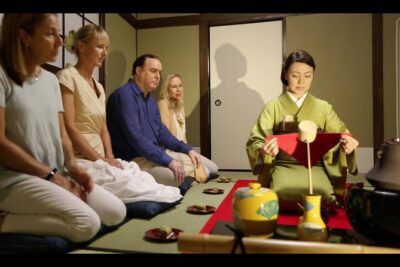
Tea Ceremony Workshop in Tokyo by the Experienced Instrucor
Read our review →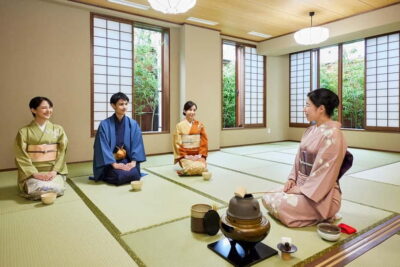
Asakusa: Kimono Tea Ceremony with Matcha and Sweet
Read our review →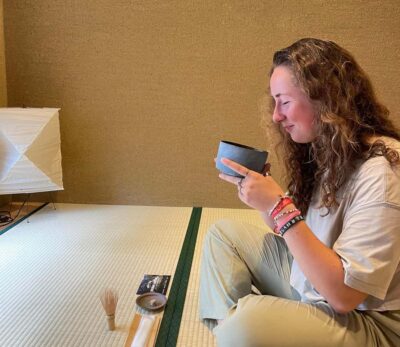
Tea Ceremony Experience in a Private Tea Room in Shibuya
Read our review →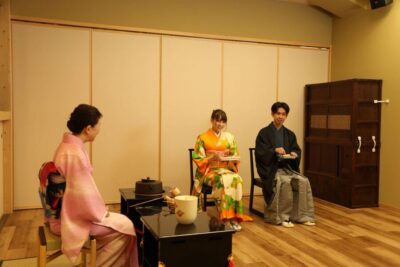
Tea ceremony experience in Japanese-style room 60min
Read our review →Browse the lists this tour appears in