
Review · JAPAN
Shizuoka Tea Picking Private Experience
Tea country has a quiet rhythm. This private Shizuoka outing brings you into working tea fields, where you can pick fresh leaves, taste local teas, and see how the crop is handled. I like the small private format and the chance to meet people connected to the farm rather than simply viewing the fields from a train window. The six-tea souvenir set is another thoughtful touch. The main consideration is timing: outside the main harvest season, picking may be limited, even though a machine demonstration can still make the visit worthwhile.
The tour begins and ends at Kanaya Station, which keeps the meeting point clear. Guides such as Nao and Stella have helped make the visit feel personal, with time for conversation as well as instruction. You should also plan for the extra taxi cost between the station and the destination, since that ride is not included.
What makes this Shizuoka tea visit special
- Pick leaves at a local tea farm: You get a hands-on look at tea production rather than only a tasting.
- Visit a rare wooden tea factory and house: Historic equipment and materials help explain how tea was made before modern facilities became common.
- Taste several kinds of tea: Sampling different leaves gives you a better sense of how much flavor can vary within one region.
- Receive six tea varieties to compare at home: The gift turns a short outing into a useful souvenir and tasting lesson.
- Meet your guide at Kanaya Station: The clear start and finish simplify the day, especially if you are using public transport.
- Private booking for your own group: You can ask questions and set the pace without sharing the experience with a large tour party.
Why Shizuoka is a good place to learn about Japanese tea
Shizuoka is one of Japan’s best-known tea-producing areas, and this activity puts you close to the farms that give the prefecture its reputation. The appeal is not only the drink in your cup. It is the connection between the green fields, the people who tend them, the machinery used to process the leaves, and the customs built around serving tea.
That connection matters because tea can seem simple when you buy it in a shop. On this visit, you get to see that even a familiar drink has several stages behind it. You pick leaves, taste finished teas, look at production tools, and hear about the role tea has played in Japanese life.
The setting also offers a welcome change from Japan’s large cities. The tea fields provide open countryside and a slower pace. You will not spend the whole two hours moving between crowded sights. Instead, the experience centers on one place and one subject, which gives the visit a clear purpose.
I especially like that the activity includes both the old and the current sides of production. The farm provides the practical, hands-on part. The wooden factory and house show earlier methods and equipment. A machine demonstration may also be available, particularly when your visit falls between harvest periods.
More Private Tea Experiences in Japan
- Private Tea Ceremony and Sake Tasting in Kyoto Samurai House
★ 5.0 · 163 reviews - Tea Ceremony Experience in a Private Tea Room in Shibuya
★ 4.9 · 125 reviews - Kyoto: Private Tea Ceremony with a Garden View
★ 4.9 · 61 reviews
Starting at Kanaya Station
Your meeting point is Kanaya Station in Shimada, Shizuoka. The tour returns to this same point, so you do not need to arrange a separate end point or work out where to meet your onward transport.
That simple plan is useful in rural Japan, where attractions can be spread out and local transport may be less frequent than in Tokyo or Kyoto. The station gives you a fixed place to arrive, meet your guide, and finish the outing.
The taxi ride from the station to the tea farm is not included. You should budget for the round trip and confirm the practical details with the operator after booking. The tour price covers the guide and the tea activities, but not this local transfer or lunch.
After your booking is confirmed, the operator invites you into a LINE group chat with your assigned guide. Download and register for LINE before the tour if you do not already use it. If LINE is not available to you, contact the operator separately so communication can be arranged.
Picking tea in the fields
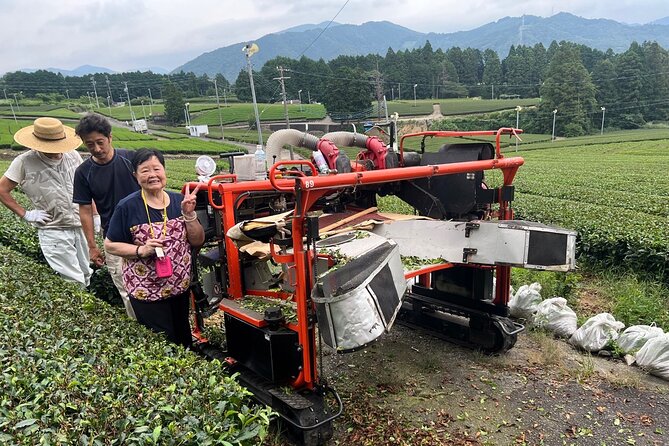
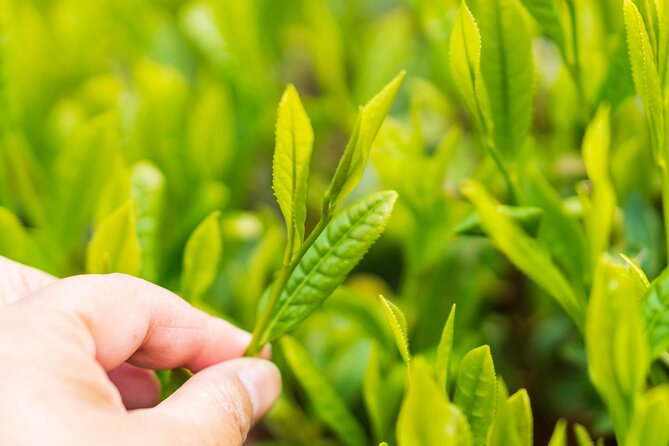
The first major activity is picking fresh tea leaves at a local farm. This is the part that gives the visit its strongest sense of place. You are not only hearing about tea production. You are handling the leaves and seeing the fields where they grow.
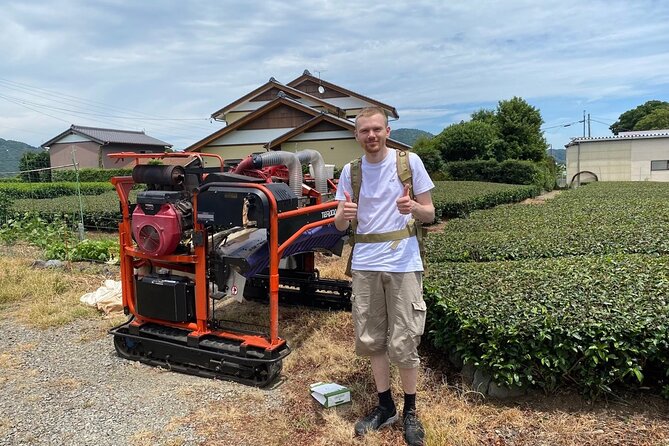
The exact amount of picking can depend on the season. One participant booked between harvest periods and still picked some leaves, while also seeing a demonstration of machine harvesting. That makes the tour a reasonable choice outside peak picking time, but you should not expect the same hands-on activity in every season.
Your guide can explain how the leaves are selected and how the work changes when machines are used. The contrast is useful. Hand picking shows the care involved in collecting leaves, while machine harvesting explains how a working farm manages a larger crop.
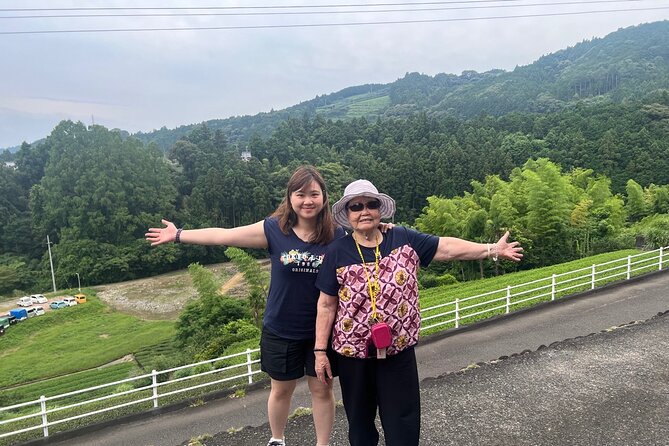
The fields also give you time to appreciate the countryside around Kanaya. This is a relaxed stop, not a race through a series of attractions. Bring a camera if you want photographs, but remember that the main point is learning how the tea is grown and gathered.
Shoes and clothing should be suitable for an outdoor farm setting. The supplied information does not specify special clothing requirements, so check with the operator if you have concerns about ground conditions or the season of your visit.
Tasting several local teas
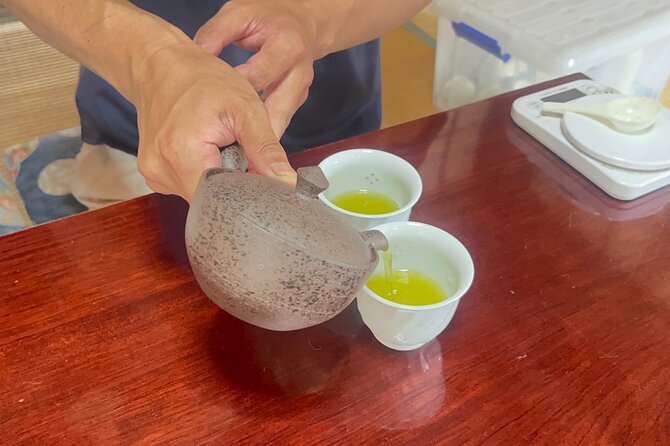
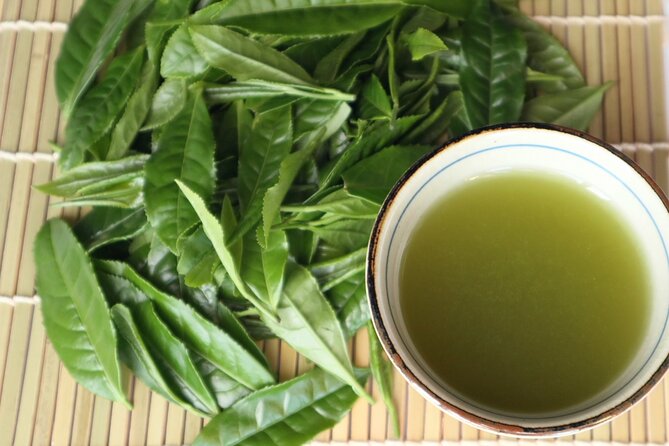
Tea tasting gives the picking activity a useful follow-up. After seeing the leaves in the field, you can compare finished teas and notice how different leaves can produce different flavors and impressions.
The activity includes a variety of teas, and the commemorative gift contains six different types of tea leaves for comparison. This is more useful than a single sample because it encourages you to taste side by side. You can note which tea you prefer and continue the comparison after returning home.
The gift also gives the tour value beyond its two-hour duration. At $130.07 per person, the experience is not a cheap station-side activity. The price makes more sense if you value a private guide, farm access, tea sampling, the factory visit, and the take-home set together.
Stock is not guaranteed. If the six-tea set is unavailable, another souvenir is provided instead. That is worth remembering if the tasting set is the main reason you want to book. You receive a souvenir, but the exact form can change.
The tasting is also a good fit for people who enjoy food and drink experiences but do not want a formal cooking class. You get cultural context and comparison without having to spend a full day on the subject.
Same place, a different pot:
- Kyoto: Tea Ceremony in a Traditional Tea House in Kiyomizu
★ 4.9 · 3,519 reviews - Kyoto: Tea Ceremony Ju-An at Jotokuji Temple
★ 4.9 · 3,207 reviews - Kyoto: 45-Minute Tea Ceremony Lesson Experience
★ 4.3 · 2,378 reviews - World Heritage Kyoto & Nara Uji Authentic Matcha Experience
★ 5.0 · 1,573 reviews
Inside the wooden tea factory and house
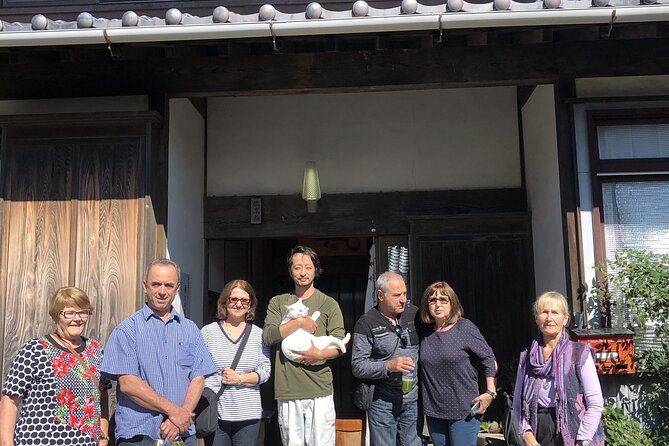
A wooden tea factory and house form one of the more unusual parts of the visit. Facilities like this are rare now, so the stop adds a sense of age and continuity that a modern processing plant might not provide.
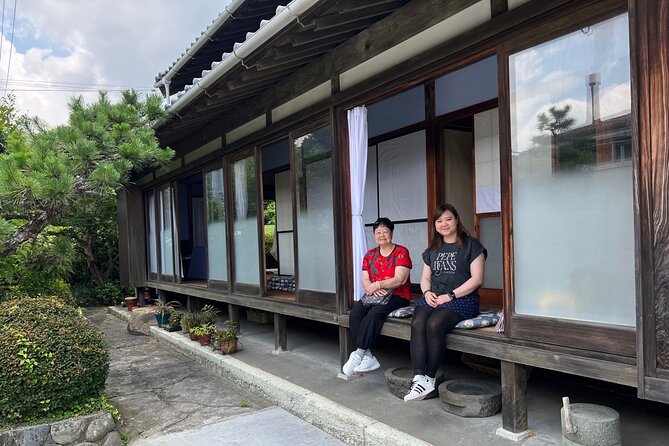
You can see historic production equipment and materials while your guide explains how tea was made. The value here is practical rather than theatrical. Tools show the physical work behind the finished product, and the building helps you picture how tea production once fit into daily life.
I would give this stop plenty of attention. It is easy to focus only on picking leaves because that is the most obvious activity, but the factory visit explains what happens after the leaves leave the field. It also provides context for the tea you taste later.
The information does not promise a full working tour of every production stage, so you should think of this as an introduction rather than a technical factory course. Still, the combination of the old building, equipment, and farm setting makes the visit more distinctive than a standard tasting at a shop.
The human side of the private format
A private tour changes the feel of the afternoon. Only your group participates, so you can ask questions without worrying about holding up a large bus group. If you are traveling with family or friends who have different levels of interest in tea, the guide can focus more attention where it is useful.
The personal contact is one of the experience’s strongest features. Nao has been praised for meeting visitors promptly at the station and taking care of the practical details. The afternoon can feel more like time spent with a local connection than a formal lecture.
Stella has also guided the farm visit, including for someone making a first trip to Japan. Her tour included tea sampling, a chance to pick leaves outside the main harvest period, and a demonstration of machine harvesting. These details suggest that the guide can adjust the explanation to the season and the visitor’s interest.
That flexibility is important because tea production is tied to nature and timing. The fields do not follow a tourist timetable. A private guide can explain what is happening on the day rather than forcing the visit into a fixed promise that may not match the season.
The private setup may be less useful if you prefer a large group for social energy or a broad sightseeing itinerary. This is a focused activity, not a general tour of Shizuoka.
Is two hours enough?
Two hours is a sensible length for this experience. It gives you time for the farm, tasting, factory visit, and conversation without turning a single subject into an all-day commitment.
You should treat the stated duration as approximately two hours. The ride from Kanaya Station to the destination is separate from the activity, and the total time for your outing will be longer once you include the taxi journey and time at the station.
The short length also makes the tour easy to add to a larger Shizuoka plan. You can spend part of the day in the Kanaya or Shimada area and use this visit as the central activity. Lunch is not included, so plan that separately.
I would not choose this tour if you need a packed schedule with constant movement. Its strength is the slower pace. You get time to look, taste, ask questions, and notice the details of the farm and old factory.
What the $130.07 price gets you
At $130.07 per person, this experience sits in the paid-specialty-tour category. You are paying for more than admission. The fee includes the guide, the tea-picking activity, the tasting experience, and cashless medical treatment in case of injury or illness during the tour.
The private format is the largest factor in the value. A shared group activity might cost less, but it would not offer the same direct access to a guide or the same freedom to ask questions. If you are genuinely interested in Japanese tea, that attention can justify the price.
The tea set also adds practical value, provided it is in stock. Six varieties let you continue the experience at home and share it with friends or family. If the souvenir is replaced, the tour still includes the main farm and factory activities, but the value changes slightly for anyone focused on taking home tea.
Group discounts are available, though the specific discount is not provided. Check the current total for your party before booking. Since the price is listed per person, the final cost may depend on how many people join and how the discount is applied.
Do not forget the taxi cost. It is not included in the tour price, and lunch is also separate. These are small planning details, but they affect the real cost of the outing.
Who will enjoy this tea experience most?
I would recommend this tour to you if you enjoy local food traditions, rural scenery, and activities where you can handle or taste something connected to the place. Tea drinkers will get the most from the comparisons, but you do not need expert knowledge to take part.
It also suits first-time visitors to Japan who want something beyond major city sights. The farm and wooden factory offer a more personal view of the country, while the station meeting point keeps the day manageable.
Families may appreciate the hands-on picking, though the supplied information does not specify a minimum age or child pricing. Ask the operator if you are booking with young children or anyone who may have trouble walking around a farm.
This is less suitable for someone looking for a long factory tour, a full meal, or a broad sightseeing route through Shizuoka. It is also not ideal if you strongly need guaranteed peak-season picking. The activity can continue between harvest periods, but the emphasis may shift toward tasting, explanation, and machine demonstrations.
Practical booking advice before you go
You receive confirmation within 48 hours, subject to availability. After confirmation, watch for the LINE group invitation and complete your registration before the tour date.
The tour offers free cancellation if you cancel at least 24 hours before the local start time. Cancellations made inside that period are not refundable, and changes made less than 24 hours before the start are not accepted.
Because the tour ends back at Kanaya Station, check your onward train time before you book. Leave room for the taxi ride and any conversation that continues after the formal activity. The information says the experience is near public transportation, but it does not provide a precise taxi duration.
Bring your appetite for tea, curiosity about farm work, and a willingness to spend two hours on one subject. The more questions you ask, the more useful the private format becomes.
Should you book the Shizuoka tea tour?
Book it if you want a close look at tea culture through a farm visit, leaf picking, tasting, and an old wooden factory. The personal guidance from Nao or Stella, the private format, and the six-tea souvenir set make it more meaningful than a quick cup of tea at a shop.
Think twice if you are mainly seeking guaranteed peak-season harvesting, a low-cost activity, or a full-day sightseeing program. The $130.07 price requires you to value the guide and the access, and you must add taxi and lunch costs.
For tea lovers and curious first-time visitors, I think the tour offers a pleasant, focused way to connect a famous Japanese drink with the people and places behind it.
FAQ
Where does the Shizuoka tea tour begin?
The tour begins at Kanaya Station in Kanayashinmachi, Shimada, Shizuoka. It ends back at the same meeting point.
How long does the tea-picking experience last?
The activity lasts approximately two hours. Travel between Kanaya Station and the destination is separate from the activity duration.
Is transportation included in the price?
No. Round-trip taxi fare between the meeting point and the destination is not included. Lunch is also not included.
What is included in the tour?
The price includes the guide fee, the tea-picking experience, and special activity time. Cashless medical treatment is also included in case of injury or illness during the tour.
Do I need a LINE account?
The operator invites you to a LINE group chat with your assigned guide after booking confirmation. If you do not have LINE, download and register for the app in advance, or contact the operator separately if you cannot use it.
Can I cancel for a full refund?
Yes. You can cancel for a full refund up to 24 hours before the experience start time. Cancellations or changes made less than 24 hours before the start are not accepted for a refund.
Just added around Japan
- Yokohama : Tea Ceremony with Sweets and Souvenir★ 5.0 · 5 reviews
- Walking Tour: Yanaka,Nezu& Sendagi: Tea Ceremony & Old Tokyo★ 5.0 · 3 reviews
- Visit local home for music and tea ceremony near Disney★ 4.9 · 13 reviews
- Trip to Kamakura & Enoshima: Shrines, Seaside, Temples &Tea★ 5.0 · 11 reviews
- Yokohama: Sushi & Gyoza Cooking with Matcha & GreenTea Experience★ 5.0 · 3 reviews
- Kyoto tea town for matcha lovers★ 5.0 · 16 reviews
- Uji: Private immersion into Kyoto’s tea and reglious culture★ 5.0 · 17 reviews
- Uji Tea Ceremony and UNESCO Heritage Walking Tour★ 5.0 · 20 reviews
Private Tea Experiences in Japan, compared.

Private Tea Ceremony and Sake Tasting in Kyoto Samurai House
Read our review →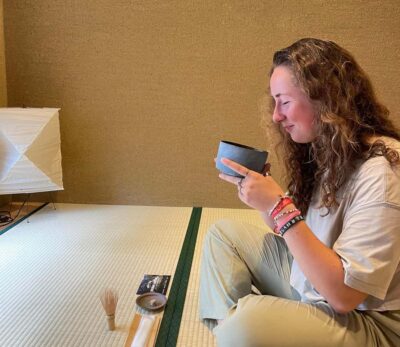
Tea Ceremony Experience in a Private Tea Room in Shibuya
Read our review →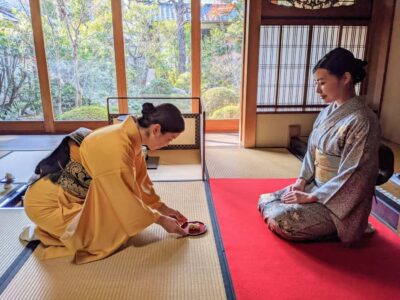
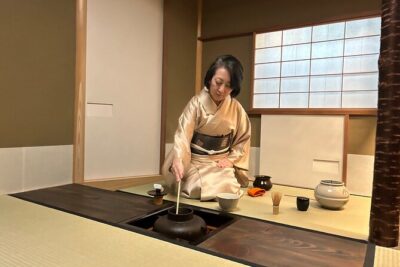
Kyoto Private Tea Ceremony with Tea Master at Home
Read our review →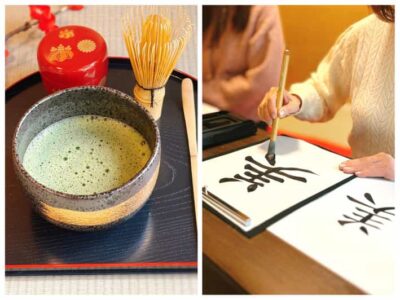
Stunning Private Tea Ceremony: Camellia Garden Teahouse
Read our review →
Private Tea Ceremony in Hidden Townhouse (Kid-Friendly)
Read our review →
Tea Tasting&Private Tea Ceremony -Master Matcha Making-
Read our review →Browse the lists this tour appears in