
Review · OSAKA
Tea and Calligraphy Session at a Table in Osaka
Small rituals can make a big impression. This one-hour session in Shinsaibashi brings matcha tea and Japanese calligraphy together, with a professional tea master guiding you through both at a table rather than on tatami. I like the relaxed format and the fact that you create a piece of artwork to take home.
The price is appealing at $22.76 per person, especially for a short cultural activity in central Osaka. I also like the friendly, attentive staff, who have helped participants with photos and made the session feel welcoming. The main consideration is that an hour passes quickly, so this is a taste of two traditions rather than a long, formal study of either one.
Key points to know before booking
- Two Japanese traditions in one hour: You can combine a matcha tea ceremony with calligraphy or choose only one of the two.
- Table seating instead of tatami: The setup is easier for beginners and avoids the kneeling traditionally associated with some tea ceremonies.
- Professional guidance: A tea master leads the tea portion, while staff guide you through the calligraphy activity.
- Take-home artwork: You make a piece of Japanese calligraphy and keep it as a travel souvenir.
- Small group size: The maximum is 10 people, which should allow for personal help during the hands-on parts.
- Central Shinsaibashi location: The activity begins and ends at Shinsaibashi ARTY Inn, at 2-chōme-17-3 Nishishinsaibashi.
A compact cultural stop in central Osaka
The session takes place at Shinsaibashi ARTY Inn, in Osaka’s Chuo Ward. That puts you in a useful part of the city for combining this activity with shopping, food, and sightseeing around Shinsaibashi.
The meeting point is 2-chōme-17-3 Nishishinsaibashi, Osaka, 542-0086. The activity ends at the same place, so you do not need to arrange transport from a separate finishing point.
The room also displays samurai outfits, giving the setting more visual interest than a plain classroom. Some feedback also mentions musical instruments and a samurai experience at the venue. Those features should be treated as separate offerings, not part of the $22.76 tea and calligraphy package. Optional extras listed for the facility include a samurai experience with traditional Japanese music for ¥3,300, samurai armor dressing for ¥12,000, kimono dressing for ¥12,000, and ninja dressing for ¥5,000.
That distinction matters. The main booking is a focused one-hour introduction. You are not paying for a full costume program, stage show, or long cultural workshop.
More Tea and Calligraphy Workshops in Japan
- Osaka: Tea Ceremony, Calligraphy, and Kimono Experience
★ 4.9 · 130 reviews - Osaka: Private Tea Ceremony and Calligraphy Experience
★ 5.0 · 50 reviews - Samurai dress-up and shows, plus Tea Ceremony & Calligraphy
★ 5.0 · 27 reviews
Why the table setting helps beginners
Traditional Japanese tea ceremony can appear formal and intimidating if you have never seen it before. A table-based format removes some of that pressure. You can focus on the order of the ritual, the matcha, the Japanese sweet, and the explanation without worrying about how to sit on tatami or copy every movement perfectly.
This is especially useful if you want cultural context but do not want a highly ceremonial event. The format also works well for families, older visitors, and anyone who finds floor seating uncomfortable. The supplied information says most people can participate, and service animals are allowed.
I would still think of this as an introduction rather than a traditional tea ceremony in its fullest form. The table arrangement is practical, but it may feel less formal to someone specifically seeking a classic tatami-room setting.
The professional tea master is an important part of the experience. Instead of simply being handed a cup of matcha, you receive guidance through the tea portion. That can help you understand why the preparation and presentation matter, even within a short session.
Matcha, Japanese sweets, and a measured pace
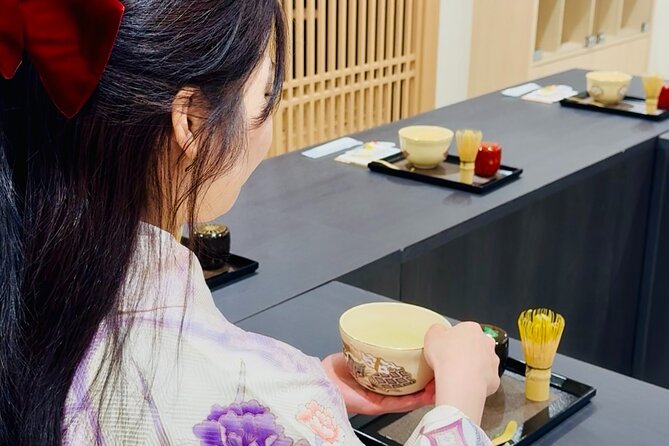
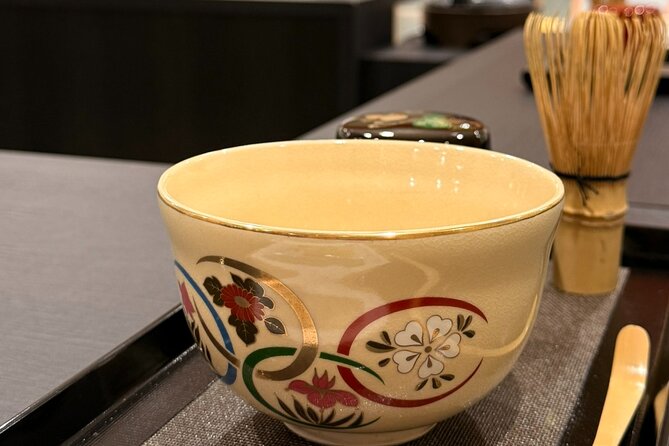
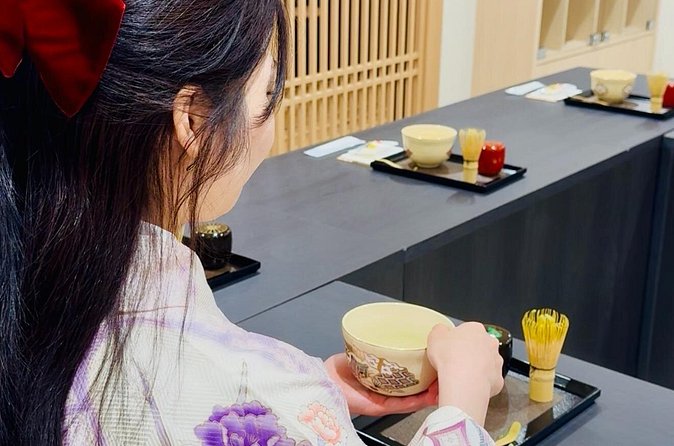
The tea portion includes matcha and Japanese sweets. Those two elements belong together, since the sweet balances the tea’s strong, grassy flavor.
You can expect the emphasis to be on learning and participation, not simply drinking a beverage. A tea master personally guides the session, giving you a chance to see the process and understand the basic etiquette.
The one-hour length keeps the experience manageable. You can fit it into a busy Osaka day without giving up half an afternoon. At the same time, the short schedule means the explanations must remain fairly selective. You will gain a useful first look, but not every detail of tea history, utensils, regional styles, or advanced etiquette.
I like that balance for a first visit. Many visitors want to try matcha in a meaningful setting but do not need a several-hour lesson. If tea ceremony is your main reason for booking, you may prefer to give the tea portion your full attention rather than split the hour with calligraphy.
Calligraphy that becomes a souvenir
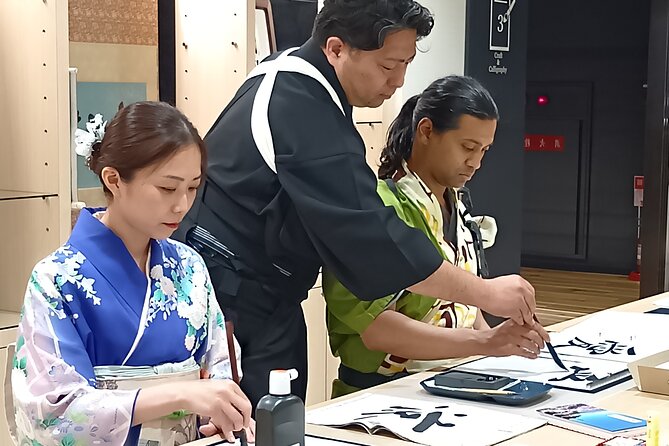
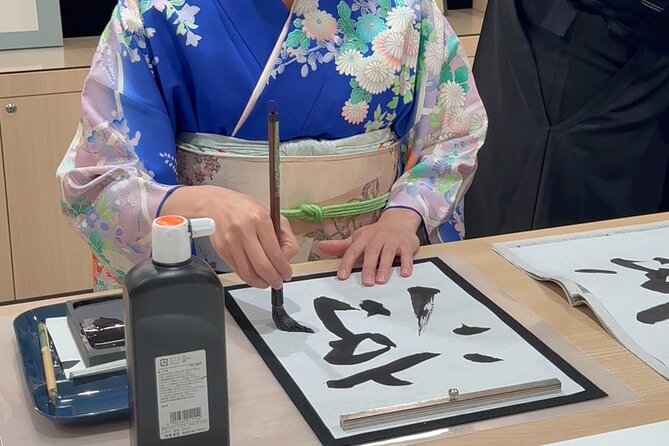
The calligraphy portion is the more hands-on half of the session. You practice Japanese writing with guidance and create a finished piece to take home.
That final artwork gives the activity a clear payoff. You are not left with only a photograph or a memory of watching someone else work. You have something physical to pack, display, or give to someone after returning home.
Calligraphy can also help you notice details of Japanese writing that are easy to miss on signs and menus. Brush pressure, line thickness, spacing, and the shape of each character all matter. Even a short lesson can make written Japanese look less mysterious.
The staff have been praised for making the calligraphy class fun and for being helpful throughout the session. That is valuable here because brushwork can feel awkward at first. Friendly correction makes it easier to try without worrying about producing perfect work.
Do not expect to become a skilled calligrapher in one hour. The point is to experience the materials, follow guidance, and make your own piece. If you want a polished professional artwork, this may not be the right standard. If you want a personal souvenir made during an enjoyable activity, it makes good sense.
More Tea and Calligraphy Workshops in Osaka
- Premium Kimono Dressing, Tea Ceremony, Calligraphy, Samurai show
★ 5.0 · 18 reviews - Learn Zen in a class of making Matcha tea near Osaka Castle
★ 4.8 · 17 reviews - Osaka:Zen Tea Ceremony and Foot Bath Experience<45min>
★ 5.0 · 7 reviews - Osaka: Tea Ceremony, Calligraphy, and Kimono Experience
★ 5.0 · 6 reviews
An itinerary built around one stop
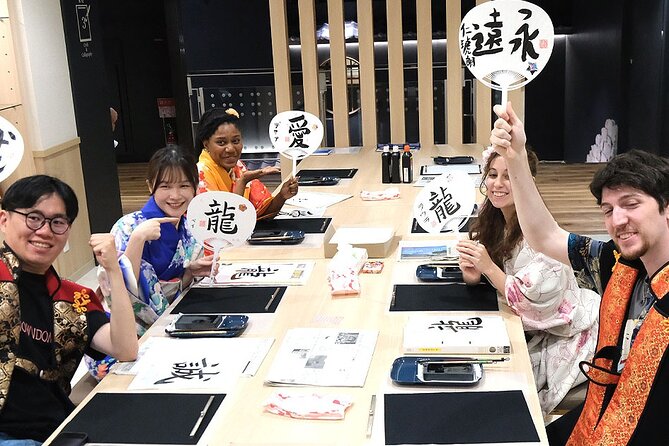
There is only one scheduled stop: Shinsaibashi ARTY Inn. That simplicity is part of the appeal.
You arrive at the facility, receive guidance through the selected cultural activities, and return to the same meeting point when the session ends. There is no bus transfer, walking tour, or complicated route to follow. For a first day in Osaka, that makes the booking easy to place around other plans.
The session is described as a limited-time plan combining tea ceremony and calligraphy. You do not have to do both. If you prefer, you can select only tea ceremony or only calligraphy, depending on the available booking choice.
That flexibility is useful for couples or families with different interests. One person may want the matcha experience while another prefers the brushwork. Still, check the exact option you select at booking so you know which activities are included in your reservation.
The maximum group size is 10 people. That is small enough to make personal assistance more realistic than in a large demonstration. It also helps during calligraphy, when you may need a quick explanation or correction.
Friendly help and a relaxed atmosphere
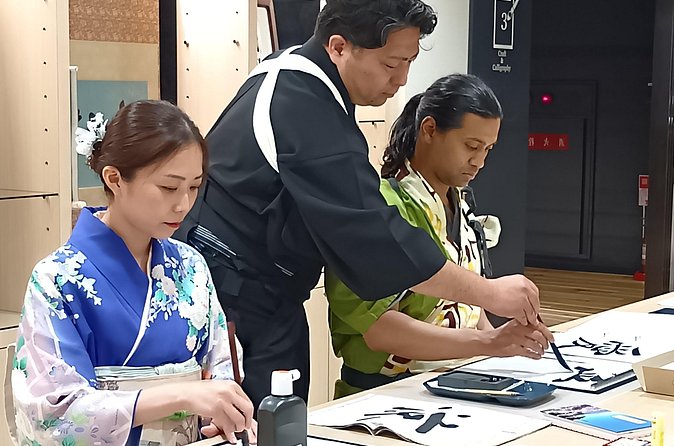
The strongest praise centers on the staff. The welcome has been described as friendly, attentive, and helpful, with staff taking photos and making sure people were comfortable.
That detail matters more than it may seem. Cultural activities can become stiff if the instructor treats every mistake as a problem. Here, the tone appears to be encouraging, which suits an introductory experience.
The setting also includes displays of samurai outfits. These provide a useful visual backdrop and may add interest before or after the tea and calligraphy portion. Just keep your expectations clear: the outfit displays do not mean costume dressing is included in the standard price.
The facility’s broader cultural offerings may make this a good choice if you want to build a longer visit around several Japanese activities. The tea and calligraphy session itself, however, remains the core product at the advertised price.
Is $22.76 good value?
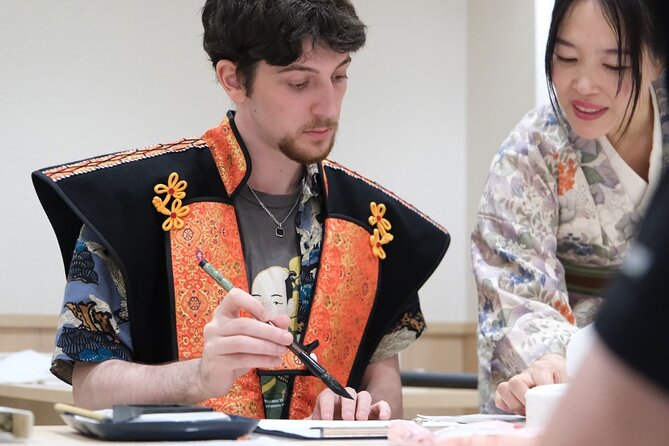
At $22.76 per person, I consider this a strong value for a one-hour activity that includes matcha, a Japanese sweet, professional guidance, and a take-home artwork.
The value comes from the combination. A short tea tasting alone might feel too brief, while a simple craft lesson might lack cultural context. Putting both together gives you two different ways to participate: one centered on ritual and taste, the other on movement and making.
The price is also easier to justify because the session is in central Osaka and does not require a long trip outside the city. You are paying for an organized activity, not just materials.
There are limits. The class is short, and the total experience may feel basic if you already have strong knowledge of Japanese tea ceremony or calligraphy. Optional samurai, kimono, ninja, and music offerings cost extra, so the final bill can rise if you add them.
For most first-time visitors, the base price is the sensible place to start. Add the other activities only if costume photography or samurai themes are a major priority for you.
Who will enjoy this most?
I would recommend the session to you if you want a low-pressure introduction to Japanese culture during a city break. It suits first-time visitors, couples, families, and solo visitors who prefer an activity with a clear beginning and end.
It is also a good choice if you want a souvenir that you made yourself. The calligraphy artwork gives the experience more personal value than a standard demonstration.
The table format makes it practical for people who do not want to sit on tatami. Service animals are allowed, and the activity is near public transportation. Most people can participate, though the supplied information does not provide detailed accessibility measurements or a full list of accommodations, so you should contact the provider if you have specific needs.
I would be less likely to choose it if you want a long, formal tea ceremony, advanced calligraphy tuition, or a quiet temple setting. This is a friendly cultural sampler in a central facility, not an extended traditional apprenticeship.
Timing, group size, and cancellation
Plan on approximately one hour from start to finish. Because the activity is short, arriving at the stated meeting point on time matters. Confirmation is provided when you book, and the experience is offered with a mobile ticket.
The maximum group size is 10 people. That should keep the session manageable, though the exact feel will depend on how many people are booked for your time.
Free cancellation is available if you cancel at least 24 hours before the local start time. Cancellations made within 24 hours are not refunded, and changes during that period are not accepted.
The activity is booked, on average, 18 days ahead. That is not a guarantee that every date sells out, but it is a useful reason to reserve before your Osaka plans are fixed, particularly if you need a specific time.
Should you book the tea and calligraphy session?
Book it if you want an affordable, compact introduction to two Japanese traditions, with a professional tea master, friendly staff, and a calligraphy piece to take home.
The best reason to choose it is the balance. You get to watch and taste during the tea portion, then pick up a brush and make something yourself. The table setting keeps the experience approachable, and the Shinsaibashi location makes it easy to fit into a day in Osaka.
Skip it if you are seeking a highly formal tea ceremony or serious calligraphy training. For everyone else, especially first-time visitors, $22.76 buys a pleasant hour with genuine cultural content and very little logistical fuss.
FAQ
Where does the tea and calligraphy session take place?
It takes place at Shinsaibashi ARTY Inn, located at 2-chōme-17-3 Nishishinsaibashi, Chuo Ward, Osaka, 542-0086, Japan.
How long does the activity last?
The experience lasts approximately one hour.
What is included in the price?
The experience includes a tea ceremony with matcha and Japanese sweets, plus Japanese calligraphy. You create and take home your calligraphy artwork.
Do I have to participate in both activities?
No. You can choose tea ceremony, calligraphy, or the combined option, depending on the booking choice available.
How many people can join the session?
The maximum group size is 10 people.
Can I cancel for a refund?
Yes. You can receive a full refund if you cancel at least 24 hours before the experience start time. Cancellations within 24 hours are not refunded, and changes during that period are not accepted.
Just added around Osaka
- Osaka:Zen Tea Ceremony and Foot Bath Experience<45min>★ 5.0 · 7 reviews
- Osaka Japanese Cooking And Matcha Class near Osaka Castle★ 5.0 · 22 reviews
- Osaka: Tea Ceremony, Calligraphy, and Kimono Experience★ 5.0 · 6 reviews
- Nara Deer Park, Uji Matcha, & Hot Spring Full-Day Tour from Osaka★ 4.0 · 21 reviews
- Osaka: Nara, Todaiji, Uji Matcha, and Hot Spring Tour★ 4.0 · 7 reviews
- Craft Sushi and Matcha Ice Cream in Central Osaka (3-Course Meal)★ 5.0 · 2 reviews
- ZEN therapy | Shiatsu-style massage, EnergyTherapy & Japanese Tea★ 5.0 · 5 reviews
- Discover Japanese Tea Blending Techniques in Osaka★ 5.0 · 19 reviews
Tea and Calligraphy Workshops in Japan, compared.
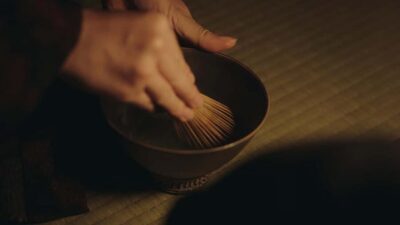
Tea Ceremony Meditation – Make Matcha with Tea Master
Read our review →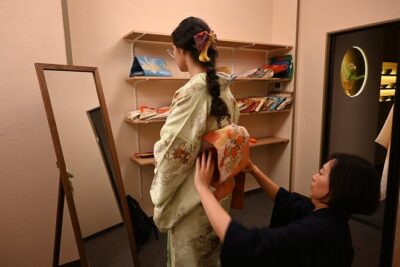
Tea Ceremony, Calligraphy, and Kimono Experience
Read our review →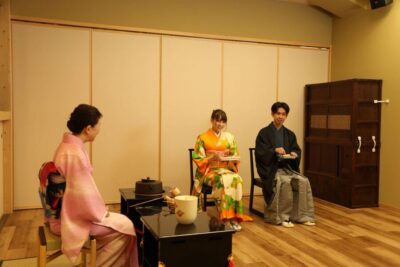
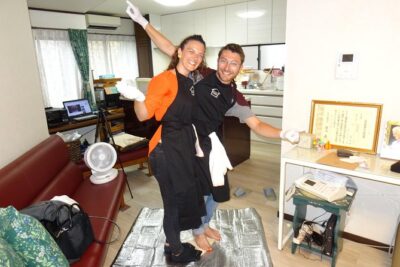
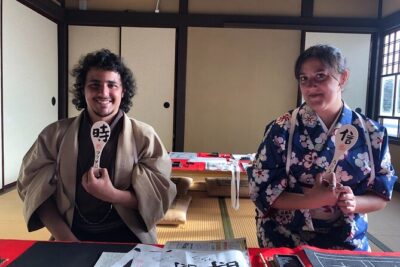
An Amazing set of Cultural experience: Kimono, Tea Ceremony and Calligraphy
Read our review →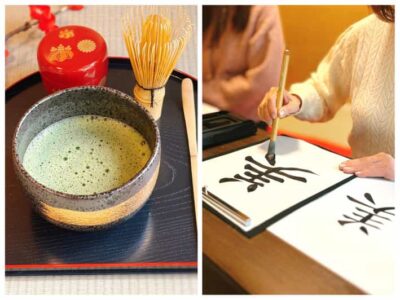
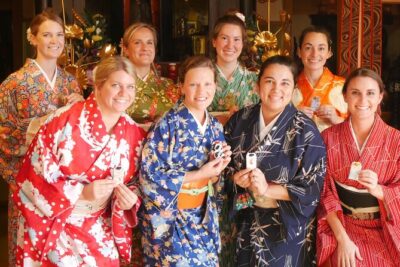
Cultural Activities :Kimono, tea ceremony, Calligraphy and Amulet
Read our review →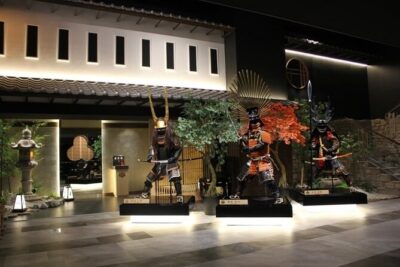
Samurai dress-up and shows, plus Tea Ceremony & Calligraphy
Read our review →Browse the lists this tour appears in