
Review · HIROSHIMA
Private Hiroshima Matcha & Wagashi Experience Tour
Slow down with a bowl of tea. This private Hiroshima experience pairs hands-on matcha making with a walk through three local shopping arcades, where you choose your own tea utensils, matcha, and wagashi. I like the personal format, since Sachi can explain the basics at your pace, and I like the chance to buy the actual matcha you use. The main trade-off is that this is not a formal tea ceremony in a tatami room.
I also like the practical route. About 1.2 kilometers of walking takes you through covered arcades, which helps on a hot or rainy day. You finish at a table with chairs, not kneeling on the floor, and you leave with any unused matcha as a souvenir. If you want a polished ceremonial performance, this may feel too casual. If you want to understand matcha by making it yourself, it offers a friendly introduction.
Key Points Before You Book
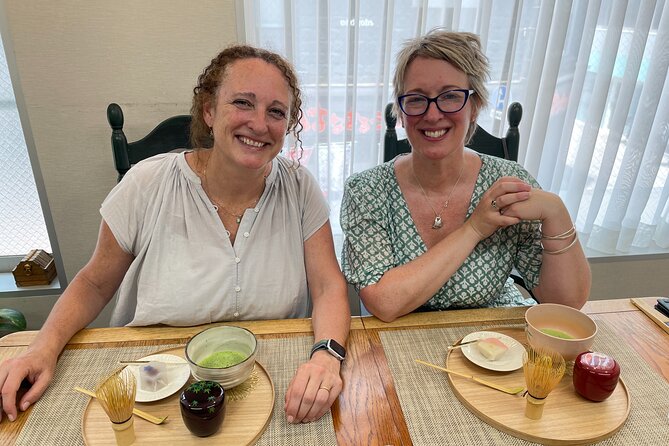
- Choose your own matcha and wagashi: You select the tea and Japanese sweets you will later enjoy.
- Meet at 10:30 am: The tour starts at Starbucks Coffee on Hiroshima Hondori and returns there at the end.
- Walk through three covered arcades: Ebisu-dori, Urabukuro, and Nakanotana shopping streets form the route.
- Make matcha at a table: You learn whisking, serving tips, and basic etiquette in a relaxed rental space.
- Private for your group: Only your party takes part, which makes questions and pacing easier.
- Plan around the cancellation rule: You can cancel for a full refund up to 24 hours before the start time.
Why This Hiroshima Tea Experience Works
Hiroshima has plenty of major sights, but a small food and culture activity can give your day a different rhythm. This tour does not ask you to sit quietly and watch someone else prepare tea. You walk into local shops, make choices, and then prepare the drink yourself.
That active format matters. Matcha can look simple when you see it in a film: powder, hot water, whisk, done. In practice, the movement takes some care. One first-time participant found the process more difficult than expected, but also said Sachi explained it carefully and made the session fun. That is a useful clue for beginners. You do not need previous tea experience, but you should expect to pay attention.
The sweets are not an afterthought. Wagashi are made to work with tea, and their delicate sweetness helps soften matcha’s grassy, bitter edge. You select your own sweets at a local confectionery shop, then pair them with the tea you have chosen. That gives you a small lesson in taste, not just a photo opportunity.
The private format is another real benefit. Your group does not need to keep up with strangers or feel awkward about asking basic questions. Sachi can explain tea types, tools, preparation, and serving manners in a direct way. The experience also works well for people who want cultural context without committing to a long formal ceremony.
More Matcha Experiences in Japan:
- World Heritage Kyoto & Nara Uji Authentic Matcha Experience
★ 5.0 · 1,573 reviews - Kyoto: Arashiyama Bamboo Forest, Monkeys, Matcha & Temple Tour
★ 5.0 · 759 reviews - Matcha Making Class in Tokyo with Authentic Japanese Sweets Set
★ 5.0 · 744 reviews
Starting at Hiroshima Hondori at 10:30 am
The meeting point is Starbucks Coffee at 9-1 Hondori, Naka Ward, Hiroshima. The stated start time is 10:30 am, and the activity ends back at this same point after about two hours.
This central meeting point makes the tour easy to fit into a morning in the city. You should arrive with enough time to locate the Starbucks and meet Sachi without rushing. The activity is near public transportation, but the exact best route depends on where you are staying.
The end point matters for planning. You are not dropped in another part of Hiroshima with a navigation puzzle to solve. You return to the starting location, so you can continue sightseeing, find lunch, or head back toward your hotel from a known spot.
The timing is also sensible. A 10:30 am start gives you a cultural activity before the middle of the day, and the two-hour length leaves room for other Hiroshima plans. Do not expect a full-day food tour or a long formal ceremony. This is a compact introduction.
Choosing Tea Tools on Ebisu-dori
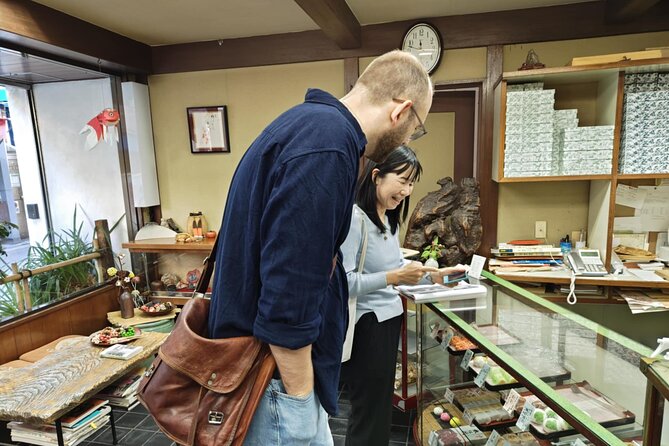
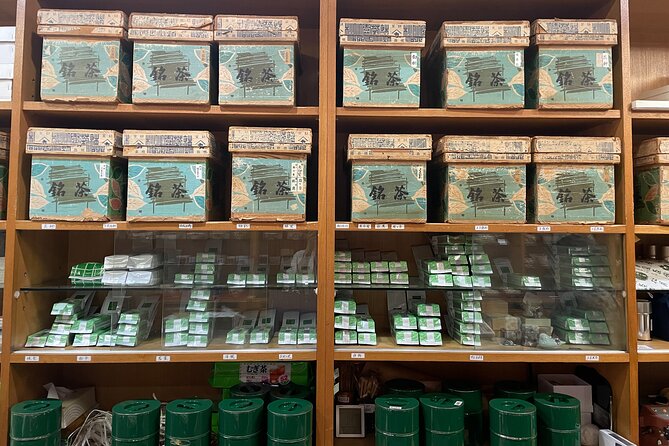
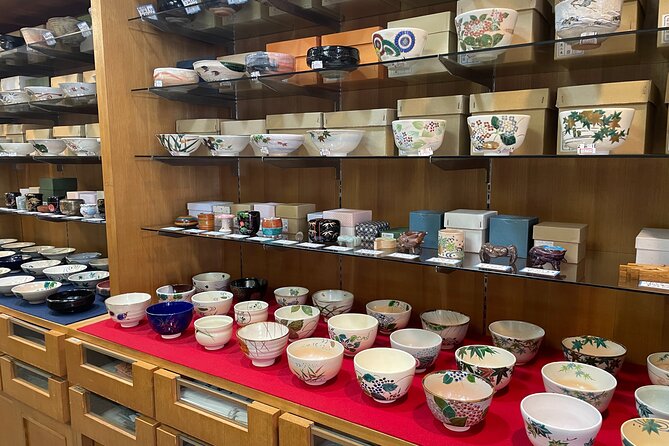
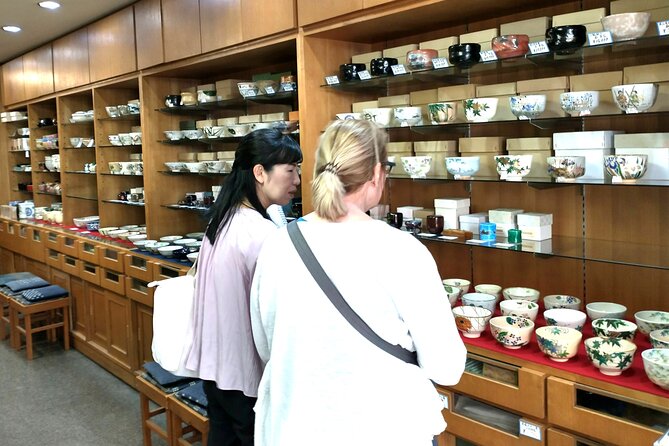
The first stop is Ebisu-dori Shopping Street, where you visit a shop specializing in tea ceremony utensils and matcha. This is more interesting than simply receiving a prepared bowl, because you get to see the equipment connected with the practice.
The shop carries traditional tea tools and high-quality matcha. You personally select the matcha used later in the session. That choice gives you a better sense of how much variety exists within a product many people know only as a bright green powder.
Sachi’s role here is to explain what you are looking at and help you make a choice. The provided details do not specify the exact brands, prices, or number of options, so you should not expect a fixed shopping list. The point is to browse and select, not to receive a guaranteed particular product.
This stop lasts about 30 minutes. That is enough time for an introduction, but not enough for an extended lesson in every tea utensil. I would treat it as a focused first step. You get context for the bowl, whisk, scoop, and other items you will use, then move on before the shopping portion becomes tiring.
Picking Wagashi on Urabukuro
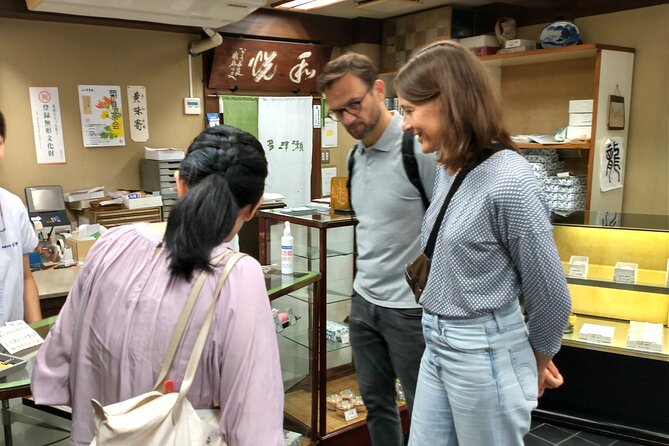
Next comes Urabukuro Shopping Street and a local Japanese confectionery shop. Here you choose the wagashi served with your matcha.
Wagashi are traditional Japanese sweets often associated with tea gatherings. Their appeal is not only flavor. Shape, color, and season can matter too, though this experience does not promise any specific seasonal design or confection. What you receive depends on what is available at the shop on the day.
I like this part because it places the sweets in their proper setting. You are not tasting a random dessert beside tea. You are choosing a confection intended to balance matcha, then seeing how the two work together.
The stop takes about 30 minutes. For many people, that will be plenty of time to make a choice and learn the basic connection between wagashi and tea. If you are hoping for a long confectionery lesson or a cooking class, this is not that. You select the sweets rather than make them.
The tour’s strongest cultural idea is visible here: Japanese tea is not just about the liquid in the bowl. The tools, the sweets, the serving method, and the attention given to small details all belong to the experience.
More Tea and Sweets Making in Japan:
- Matcha Making Class in Osaka with Authentic Japanese Sweets Set
★ 5.0 · 509 reviews - Tokyo: Matcha Making Experience with Mochi Sweets in Asakusa
★ 4.9 · 388 reviews - Kyoto: Japanese Traditional Sweets Making and Tea Ceremony
★ 4.4 · 314 reviews - Osaka: Matcha Making Experience with Japanese Sweets
★ 5.0 · 146 reviews
Whisking Matcha in a Table-and-Chair Setting
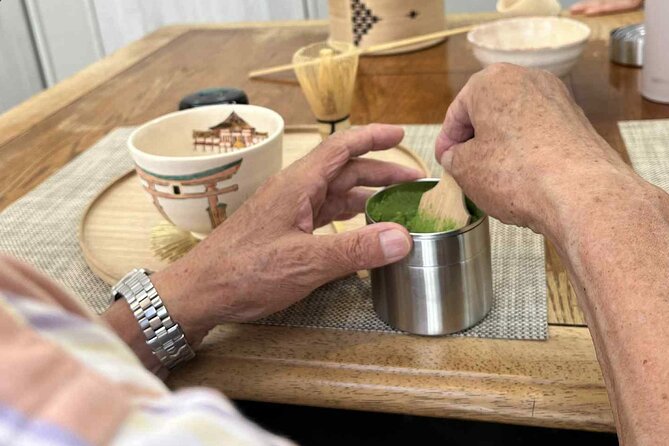
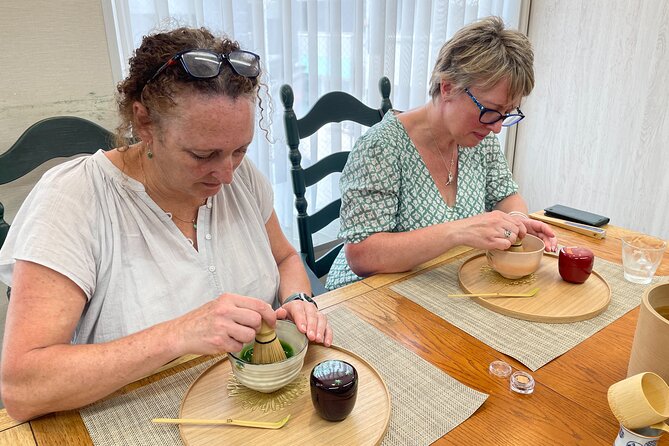
The final stop is in the Nakanotana Shopping Street area, where you move to a rental space. The session usually takes place at a table with chairs, a detail that makes the activity easier for many people than a floor-based ceremony.
Sachi teaches you how to whisk matcha and offers tips for making it taste good. You also learn graceful serving etiquette. The exact room can change because the rental space depends on availability, so you should not expect a fixed traditional tea house or tatami interior.
That flexibility is both a strength and a limitation. A casual room helps you concentrate on the tea instead of worrying about posture, formal rules, or kneeling. At the same time, anyone seeking the atmosphere of a classic Japanese tea ceremony may find the setting plain.
The practical lesson is the heart of the tour. You do not simply hold a bowl for a picture. You try the whisking yourself, which lets you understand why preparation matters. Sachi’s careful explanations are especially useful here. One first-time participant found the technique surprisingly difficult, even after seeing it performed on television, so beginners should not feel clumsy if the first attempt is imperfect.
The full preparation section lasts about one hour. That gives you the most time to ask questions, practice, taste the matcha, and learn serving manners. You also get to enjoy the wagashi you selected earlier, creating a clear beginning, middle, and end to the experience.
Any leftover matcha becomes a special souvenir for you to take away. That adds value to the session, since you can try making the tea again later rather than leaving the skill behind in Hiroshima.
The Covered Arcade Route and Walking Effort
The total walking distance is about 1.2 kilometers, or roughly three-quarters of a mile. Most of the route passes through covered shopping arcades, which is helpful during rain or strong summer heat.
This is not a strenuous walking tour. Still, you are moving between three areas and spending time browsing shops, so comfortable shoes make sense. The route is spread across Ebisu-dori, Urabukuro, and Nakanotana rather than being confined to one building.
The covered arcades add local texture. You see tea and confectionery shops as part of everyday commercial streets rather than visiting a specially built cultural attraction. The information provided does not promise specific sightseeing stops, historic buildings, or photo sites along the way, so I would book this for the tea and shopping experience rather than for landmark viewing.
One caution: the cancellation terms say the experience requires good weather, even though much of the walking takes place under cover. If poor weather causes cancellation, you are offered another date or a full refund. Weather decisions are based on local time, so keep your schedule flexible if conditions look uncertain.
What $55.60 Buys You
At $55.60 per person, this is not the cheapest way to drink green tea in Hiroshima. You are paying for more than a bowl of matcha, though. The price includes a private guide, about two hours of instruction and walking, help choosing tea utensils and matcha, selected wagashi, and a hands-on preparation session.
The private setup improves the value for couples, families, or small groups who want a personal explanation. You can ask questions without competing with a larger class, and Sachi can focus on your level of experience.
The souvenir matcha also helps. Any leftover tea is yours to take away, giving you a small product rather than only a two-hour memory. The supplied information does not state how much matcha remains or whether all selected items are included in the price, so I would confirm any shopping costs before choosing extra utensils or sweets.
For a visitor already familiar with matcha, the value may be more limited. You may know how to whisk tea and understand wagashi already. The tour is best priced for beginners who want guidance and a private cultural activity, not for specialists seeking an advanced tea-school lesson.
Who Will Enjoy This Most
I would recommend this experience to first-time matcha drinkers, curious food lovers, couples, and families who prefer doing something rather than watching a performance. The table-and-chair setting also suits people who do not want to kneel in a tatami room.
It works well for a short Hiroshima stay because the activity lasts about two hours and ends where it begins. The covered walk makes it a useful option during hot or wet weather, though the provider still reserves the right to cancel for poor conditions.
You should think twice if your main goal is a formal tea ceremony. This experience is intentionally casual. The rental space may change, and it is not held in a traditional tatami room.
I would also be cautious about booking if you need a fully fixed schedule and location. The general meeting point is clear, but the rental space depends on availability. That is normal for a flexible local activity, yet it is worth understanding before you reserve.
Booking Details That Matter
Confirmation arrives when you book, and the activity is offered as a private experience for your group only. The meeting point is Starbucks Coffee on Hiroshima Hondori, and the listed start time is 10:30 am.
Free cancellation applies if you cancel at least 24 hours before the start time. Cancellations or changes made less than 24 hours before the activity are not accepted for a refund. If the experience is canceled because of poor weather, you receive the choice of another date or a full refund.
The activity is near public transportation, but no exact station instructions are provided. I would check your route in advance and allow time to find the meeting point.
Should You Book This Matcha Tour?
Book it if you want a friendly, private introduction to matcha that includes local shopping, wagashi, and hands-on practice. The strongest reasons are Sachi’s careful explanations, the chance to choose your own tea and sweets, the covered arcade route, and the leftover matcha souvenir.
Skip it if you want a formal ceremony in a tatami room, a full cooking class, or an advanced lesson in tea technique. For everyone else, especially first-timers, the $55.60 price buys a personal cultural activity with enough structure to teach you something and enough freedom to keep it relaxed.
FAQ
Where does the Hiroshima matcha experience begin?
It begins at Starbucks Coffee, 9-1 Hondori, Naka Ward, Hiroshima, 730-0035, Japan.
What time does the tour start?
The listed start time is 10:30 am.
Where does the activity end?
The activity ends back at the meeting point at Starbucks Coffee on Hiroshima Hondori.
How long does the experience last?
It lasts approximately two hours.
Is this a private activity?
Yes. Only your group participates in the activity.
How much walking is involved?
The route includes about 1.2 kilometers, or approximately 0.75 miles, of walking.
Is the walking route covered?
Most of the walking takes place through covered shopping arcades.
Is this a traditional tatami tea ceremony?
No. The experience takes place in a rental space with a table and chairs, not a traditional tatami room.
Do I choose the matcha and wagashi?
Yes. You choose the matcha at a tea utensil and matcha shop, then select wagashi at a local Japanese confectionery shop.
Can I cancel for a full refund?
Yes, if you cancel at least 24 hours before the experience start time. Changes or cancellations made less than 24 hours before the start time are not accepted for a refund.
Just added around Japan
- Yokohama : Tea Ceremony with Sweets and Souvenir★ 5.0 · 5 reviews
- Walking Tour: Yanaka,Nezu& Sendagi: Tea Ceremony & Old Tokyo★ 5.0 · 3 reviews
- Visit local home for music and tea ceremony near Disney★ 4.9 · 13 reviews
- Trip to Kamakura & Enoshima: Shrines, Seaside, Temples &Tea★ 5.0 · 11 reviews
- Yokohama: Sushi & Gyoza Cooking with Matcha & GreenTea Experience★ 5.0 · 3 reviews
- Kyoto tea town for matcha lovers★ 5.0 · 16 reviews
- Uji: Private immersion into Kyoto’s tea and reglious culture★ 5.0 · 17 reviews
- Uji Tea Ceremony and UNESCO Heritage Walking Tour★ 5.0 · 20 reviews
Matcha Experiences, compared.
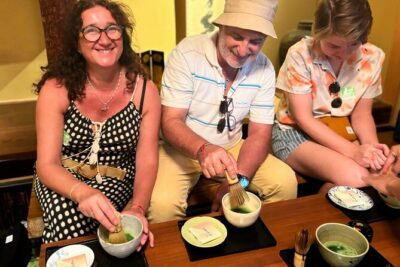
World Heritage Kyoto & Nara Uji Authentic Matcha Experience
Read our review →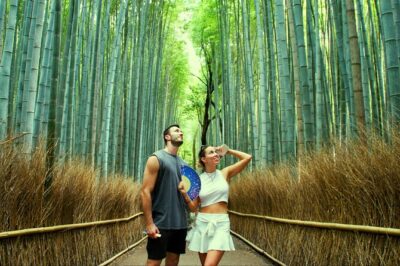
Arashiyama Bamboo Forest, Monkeys, Matcha & Temple Tour
Read our review →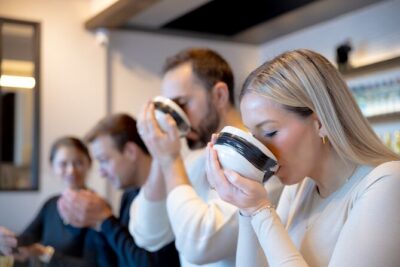
Matcha Making Class in Tokyo with Authentic Japanese Sweets Set
Read our review →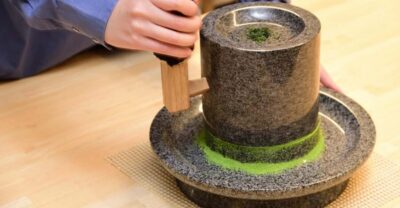
Tea Museum Tickets and Matcha Grinding Experience
Read our review →
Matcha Making Class in Osaka with Authentic Japanese Sweets Set
Read our review →
Tea Ceremony Meditation – Make Matcha with Tea Master
Read our review →
Matcha Making Experience with Mochi Sweets in Asakusa
Read our review →
Browse the lists this tour appears in