
Review · JAPAN
Nagoya: Japanese Traditional Sweets making and Tea Ceremony
Small sweets, serious craft. This 95-minute Nagoya experience gives you two things many visitors only see from a distance: making seasonal nerikiri and preparing matcha. I especially like the use of white and red bean paste from long-established Kyoto shops, plus the chance to shape sweets with your own hands. At $18, it is an easy way to add a calm, cultural activity to a busy Japan itinerary.
I also like the clear structure: sweets first, tea afterward, then time to eat what you made. The main consideration is that this is an introduction to tea culture rather than a full formal tea ceremony, and the instructor is Japanese, with English translation provided as much as possible. The venue is on the third floor with no elevator, so plan your arrival and stairs accordingly.
Key points to know before booking
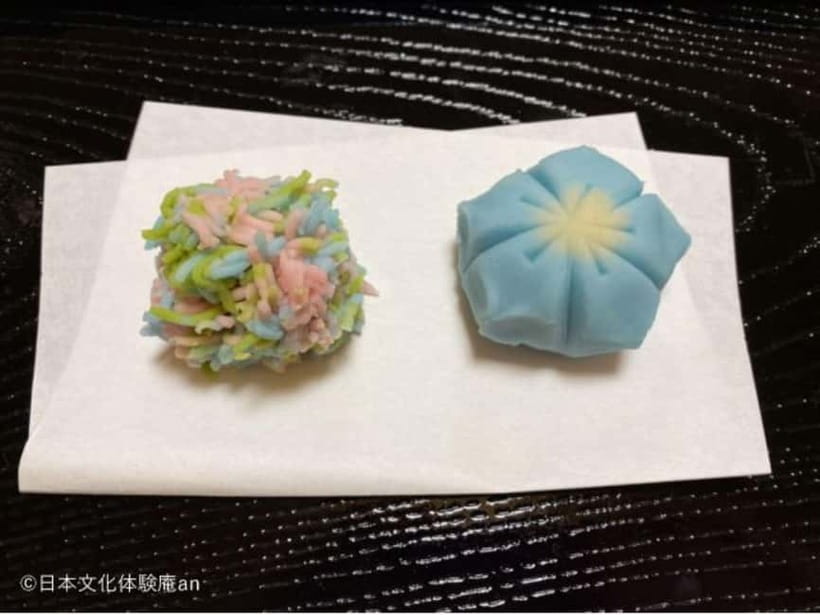
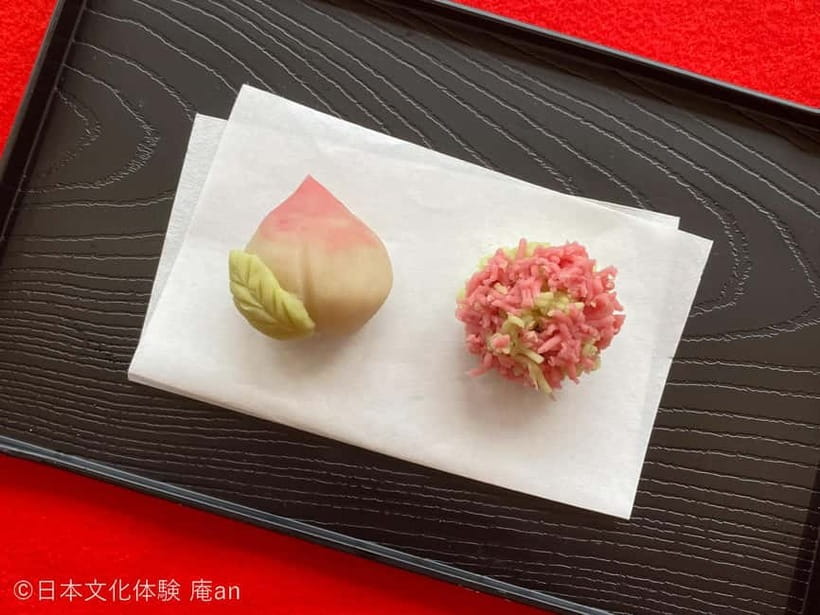
- You make two seasonal nerikiri sweets, including a flower-shaped sweet and a kinton-style sweet.
- The bean paste comes from established Kyoto shops, giving the activity a stronger food connection than a simple craft class.
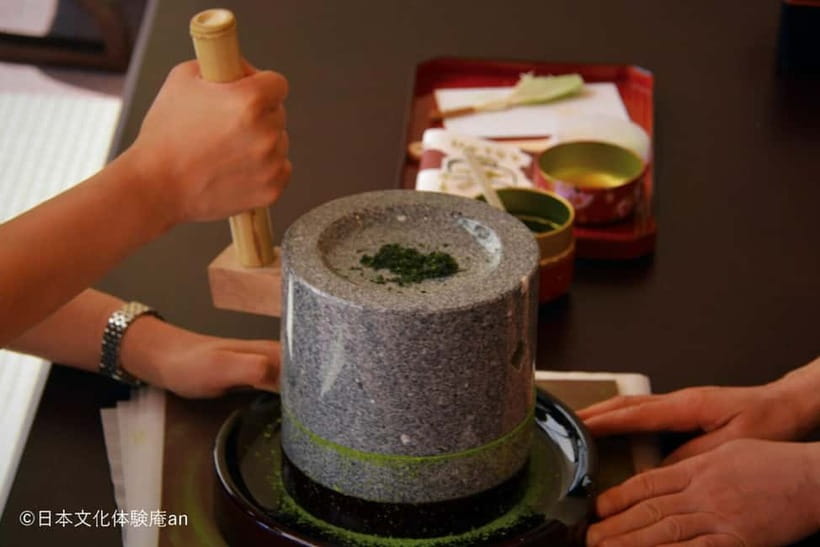
- You prepare your own matcha with Uji tea, including a matcha-grinding demonstration.
- The class lasts 95 minutes, with the main sweet-making finished before the tea portion begins.
- The location is close to central Nagoya, one minute from Kokusai Center Station Exit 3 and about 13 minutes on foot from Nagoya Station.
- English help is available as much as possible, and several classes have been led clearly in English, but you should contact the provider if English support is important to you.
Why this Nagoya activity is worth your time
Nagoya is often treated as a transport stop between Tokyo and Kyoto. That is a shame. The city has plenty to offer, but its central location also makes it easy to fill the day with shopping, stations, museums, and hurried meals.
This class gives you a slower 95 minutes. You sit down, work with your hands, learn why the sweets look the way they do, and finish by eating them with matcha. It is not a grand ceremonial production. That is part of its appeal. You get a practical introduction to Japanese sweets and tea without committing half a day to a formal cultural program.
The price is another strong point. At $18 per person, the class costs less than many organized cultural activities in Japan. You receive two hands-on activities, the ingredients, instruction, and the matcha and sweets you prepare. Optional extras cost 100 yen for a take-out box and 300 yen for a completion certificate.
For a solo visitor, couple, or family, this is a modest expense for a useful cultural memory. You also leave with a better understanding of the balance between sweet bean paste and bitter matcha, rather than simply consuming one more Japanese snack.
More Tea Ceremonies in Japan:
- Kyoto: Tea Ceremony in a Traditional Tea House in Kiyomizu
★ 4.9 · 3,519 reviews - Kyoto: Tea Ceremony Ju-An at Jotokuji Temple
★ 4.9 · 3,207 reviews - Kyoto: 45-Minute Tea Ceremony Lesson Experience
★ 4.3 · 2,378 reviews
Getting to the third-floor venue
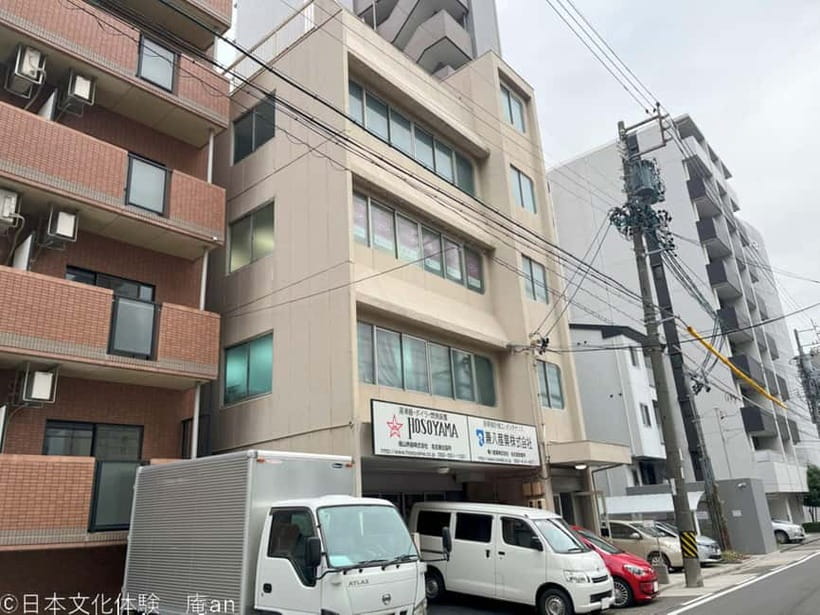
The meeting point is one minute from Exit 3 of Kokusai Center Station on Nagoya’s Sakura-dori subway line. If you are coming from Nagoya Station, allow about 13 minutes on foot from the Sakura-dori side.
That makes the class easy to fit before or after sightseeing in the station area. I would still leave extra time. The organizers state that they cannot hold the event for late arrivals, and the venue is on the third floor with no elevator. Arrive early enough to find the building, climb the stairs, and settle in without rushing.
The operating hours are 10:00 to 17:00. Reservations received after 17:00 are processed the next day, so late-evening booking requests may not receive an immediate response.
Starting with Kyoto-style bean paste
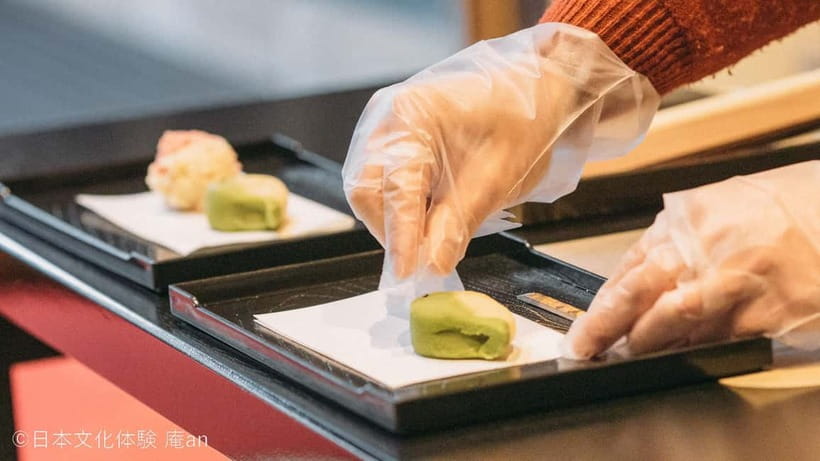
The class begins with an explanation of Japanese traditional sweets before you start making nerikiri. The ingredients matter here. The white and red bean paste is produced by long-established shops in Kyoto, which gives the activity a direct link to the craft of wagashi rather than treating the sweets as generic confectionery.
Nerikiri is a high-grade Japanese sweet made from colored white bean paste shaped into seasonal flowers, fruits, or other natural forms. The finished item may look delicate, but the process is hands-on. You begin by coloring the white bean paste, then work it into the required shapes.
This is where you should expect more craft than cooking. You are not baking or using a complicated kitchen. The fun is in controlling the color, forming the paste, and trying to make a neat seasonal design. Your result may not look exactly like the instructor’s. That is normal, and it is part of the charm. The activity gives you a small appreciation for the skill behind sweets that often look almost too perfect to eat.
The seasonal designs change. One class featured a ginkgo leaf and chestnut, while other sessions may use different flowers or fruits. That seasonal focus gives the class a connection to the time of year and means the exact designs are not fixed for every date.
Making the two nerikiri designs
The first sweet is a flower-shaped nerikiri. You will color and shape the bean paste while following the instructor’s example. The second is a kinton nerikiri, another style that requires you to handle the paste in a different way.
The schedule places both sweets before the tea portion, with the main preparation taking about 55 minutes. That is enough time for an explanation, demonstration, and hands-on work without making the session feel like a race.
I like this two-design format because it gives you variety. You are not repeating one easy shape twice. You get to compare two methods and see how the same basic paste can become very different sweets.
Families can take part together. The activity has worked well for children, including a six-year-old who received support from the hosts. Young children who sit on a parent’s lap are free if they are under two years old. For older children, the class can be a good shared activity, though adults should expect to help with fine shaping if needed.
More Tea and Sweets Making in Japan:
- Matcha Making Class in Tokyo with Authentic Japanese Sweets Set
★ 5.0 · 744 reviews - Matcha Making Class in Osaka with Authentic Japanese Sweets Set
★ 5.0 · 509 reviews - Tokyo: Matcha Making Experience with Mochi Sweets in Asakusa
★ 4.9 · 388 reviews - Kyoto: Japanese Traditional Sweets Making and Tea Ceremony
★ 4.4 · 314 reviews
A short break before the tea lesson
After the sweets are prepared, there is a scheduled break at about the 55-minute mark. The tea explanation begins around minute 65, giving you a little time to pause between the two parts.
This break helps the class feel balanced. Without it, the shift from detailed sweet-making to tea preparation could feel crowded. You also get a moment to look at your finished sweets before they become the final course.
If you want a souvenir, bring 100 yen for the optional sweets take-out box. The basic activity is designed for eating and drinking during the session, so a box is useful if you want to save the sweets for later.
Preparing Uji matcha in your own bowl
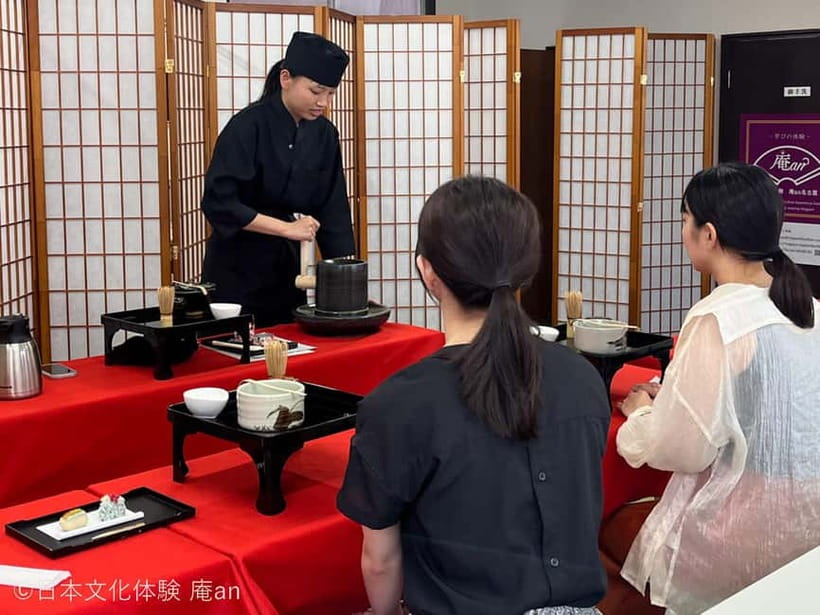
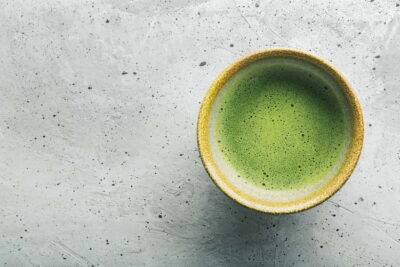
The tea portion begins with an explanation of tea, followed by a matcha-grinding demonstration. You then prepare your own matcha using Uji matcha.
The activity explains more than simply how to drink the tea. You learn something about the work behind matcha preparation and the proper way to enjoy it. That context makes the final tasting more meaningful, especially if this is your first time with matcha.
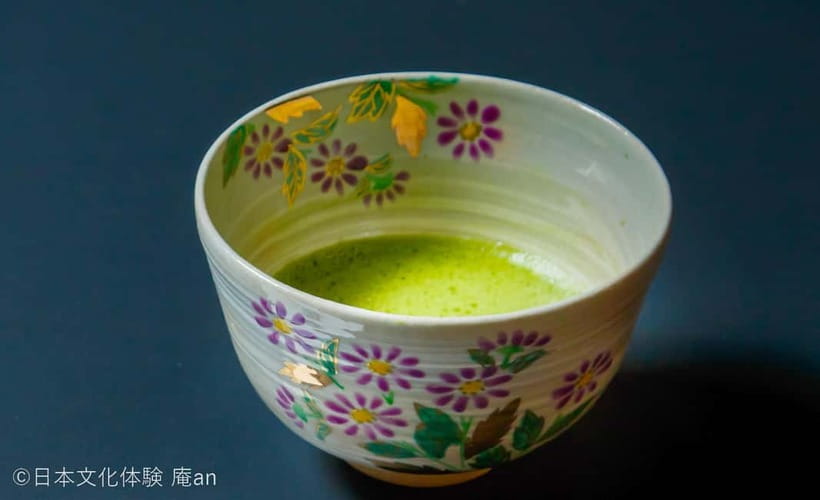
The program uses single-origin special matcha, and the tea is served with the sweets you made earlier. The pairing makes sense: the sweetness of the high-quality white or red bean paste balances the sharper taste of matcha.
Do not book this expecting a long, formal tea ceremony with every traditional movement presented in full ceremonial form. It is better understood as a practical tea experience with instruction, preparation, tasting, and some ceremonial elements. That shorter format suits many visitors because you learn the basics without needing to know anything beforehand.
What the language support is like
The official language is Japanese, and English translation is provided as much as possible. This point deserves attention if you are not comfortable following demonstrations visually.
English delivery has been excellent in some sessions, with instructors giving clear and easy-to-follow instructions. Hosts named in feedback include Mariko and Saki, and both were praised for patient, welcoming teaching. Another instructor was fluent in English and helped make the class easy to follow.
Still, English support may depend on the instructor and the session. Contact the provider in advance if you need English assistance added to your booking. The activity is hands-on, so demonstrations help, but you should not assume every explanation will be fully delivered in English unless you confirm it.
The final tasting and picture time
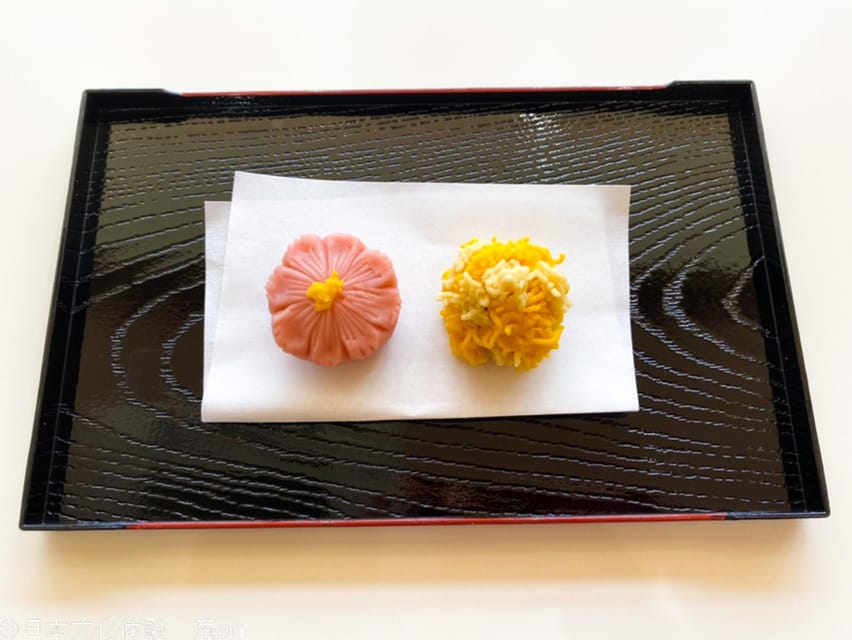
The official schedule allows picture time around minute 85, followed by eating and drinking before departure at about 95 minutes. This is a useful detail. You can photograph the sweets while they are still arranged neatly, then enjoy them with the matcha.
The tasting is the payoff, but not the only reason to book. You have made both sweets yourself, so the flavor comes with a little context. You can see how the smooth paste, seasonal shapes, and matcha fit together.
The class also gives you a chance to take photos without turning the whole activity into a photo session. If you care about pictures, bring your camera or phone, but focus first on the instructions. The shapes require some attention, and the class does not wait for long if you fall behind.
How the value compares with the time commitment
At $18, this is strong value for central Nagoya. A 95-minute class is long enough to include real instruction and two different activities, yet short enough to fit around a museum visit, shopping, or a train departure.
The ingredients improve the value. You are not simply decorating pre-made sweets. You work with bean paste from Kyoto shops and prepare Uji matcha yourself. The use of single-origin matcha also gives the tea portion a little more substance than a basic snack demonstration.
There are small added costs. The take-out box is 100 yen, and a completion certificate is 300 yen. The certificate can be nominative if you provide names in advance. Otherwise, the name space is left blank. Neither extra is necessary, but the certificate could suit families or children who want a keepsake.
Some participants also wanted to buy matcha and tea equipment at the venue. The available information does not confirm a full retail selection, so ask on site if you hope to purchase supplies.
Who should book this experience
This class suits you best if you want a gentle introduction to Japanese food culture with a clear beginning and end. It is a good choice for:
- First-time visitors curious about wagashi and matcha
- Families seeking an activity that adults and children can share
- Couples looking for something quieter than shopping or sightseeing
- Solo visitors who want a structured cultural activity near Nagoya Station
- Anyone with only part of a day in Nagoya
- Visitors who enjoy crafts, food presentation, and seasonal design
It may not suit you if you want a full formal tea ceremony, a large meal, or a long lecture about Japanese tea. The class is compact and practical. Its strength is participation, not ceremony on a grand scale.
Keep the no-elevator access in mind, and do not arrive late. If you have strict language needs, contact the provider before booking rather than relying on translation during the session.
Should you book the Nagoya sweets and tea class?
Yes, if you want an affordable, hands-on cultural activity close to central Nagoya. The best features are the two seasonal sweets, the Kyoto-sourced bean paste, the Uji matcha preparation, and the patient instruction reported in sessions led by hosts such as Mariko and Saki.
Book it with the right expectation. You are learning the basics of nerikiri and matcha, not attending a complete formal tea ceremony. For $18 and 95 minutes, that is a fair trade. You get to make something beautiful, learn how to enjoy it, and slow down for a little while in the middle of your Japan trip.
FAQ
How long does the Nagoya sweets and tea experience last?
The activity lasts 95 minutes, including sweet-making, a break, tea instruction, matcha preparation, picture time, and final eating and drinking.
How much does the experience cost?
The listed price is $18 per person.
Where does the experience meet?
The venue is one minute from Exit 3 of Kokusai Center Station on Nagoya’s Sakura-dori subway line. It is about a 13-minute walk from the Sakura-dori side of Nagoya Station.
What sweets will I make?
You will make two seasonal Japanese sweets called nerikiri. The schedule includes a flower-shaped nerikiri and a kinton nerikiri. Seasonal designs can vary, with examples including a ginkgo leaf and chestnut.
What ingredients are used?
The class uses white and red bean paste produced by long-established shops in Kyoto. The tea portion uses Uji matcha, including single-origin special matcha.
Is the tea ceremony fully formal?
The activity includes tea instruction, a matcha-grinding demonstration, tea preparation, and a tea-ceremony experience. It is an introduction rather than a full formal tea ceremony.
Is the activity available in English?
The official language is Japanese, and English translation is provided as much as possible. Contact the provider if you would like English support added or need clear confirmation before booking.
Is there an elevator at the venue?
No. The venue is on the third floor, and there is no elevator.
Can I cancel for a full refund?
You can cancel up to 24 hours in advance for a full refund. The provider does not hold the event for late arrivals, and cancellation fees may apply after the stated deadline.
Just added around Japan
- Yokohama : Tea Ceremony with Sweets and Souvenir★ 5.0 · 5 reviews
- Walking Tour: Yanaka,Nezu& Sendagi: Tea Ceremony & Old Tokyo★ 5.0 · 3 reviews
- Visit local home for music and tea ceremony near Disney★ 4.9 · 13 reviews
- Trip to Kamakura & Enoshima: Shrines, Seaside, Temples &Tea★ 5.0 · 11 reviews
- Yokohama: Sushi & Gyoza Cooking with Matcha & GreenTea Experience★ 5.0 · 3 reviews
- Kyoto tea town for matcha lovers★ 5.0 · 16 reviews
- Uji: Private immersion into Kyoto’s tea and reglious culture★ 5.0 · 17 reviews
- Uji Tea Ceremony and UNESCO Heritage Walking Tour★ 5.0 · 20 reviews
Tea Ceremony Experiences, compared.
Tea Ceremony in a Traditional Tea House in Kiyomizu
Read our review →
Browse the lists this tour appears in