
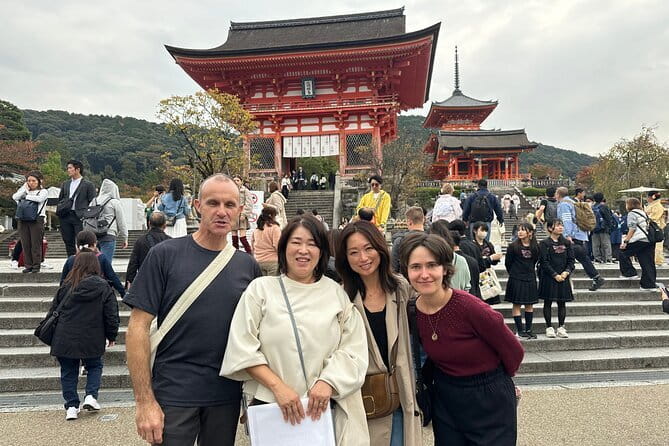
Review · KYOTO
Kyoto WAKIMIZU Half Day Tour: Secrets of Matcha & Wagashi Sweets
Water changes everything in Kyoto. This compact tour links spring water, shrine customs, matcha, and wagashi in a way that gives familiar Japanese treats a stronger sense of place. I like the small maximum of six people and the chance to taste water at several sacred sources, not simply hear about it.
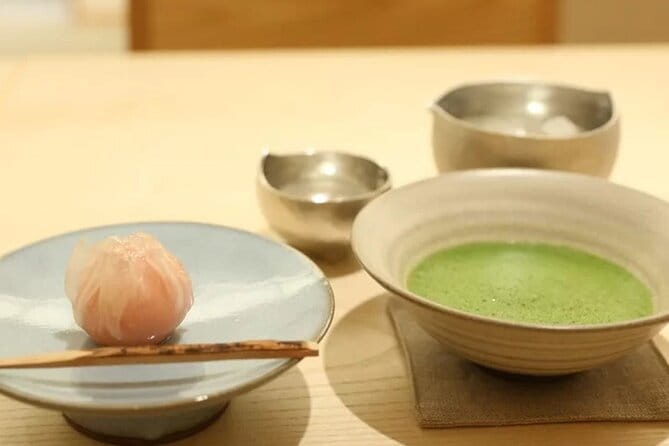
I also like the final stop at Kameya Yoshinaga, a confectionery founded in 1803, where you receive matcha prepared with spring water and fresh namagashi made specially for the experience. The main drawback is the meeting information: the tour lists Kyoto Station as the start and end, but the walking route begins at Yasaka Shrine, so I would confirm the exact rendezvous details before booking.
Key points to know before booking
- Three spring-water stops: Taste water associated with Yasaka Shrine, Nishiki Tenmangu, and Hiyoketemmangu.
- A 200-year-old sweet shop: Finish at Kameya Yoshinaga, founded in 1803, for matcha and special namagashi.
- A very small group: The maximum is six people, which suits anyone who prefers conversation over a crowd.
- A short afternoon outing: The tour starts at 1:00 pm and lasts about 2 hours and 40 minutes.
- A cultural focus: You learn shrine customs, local legends, and why Kyoto water matters to tea and sweets.
- One practical catch: Private transportation is not included, and the tour needs at least two participants to operate.
Why Kyoto spring water matters to matcha and wagashi
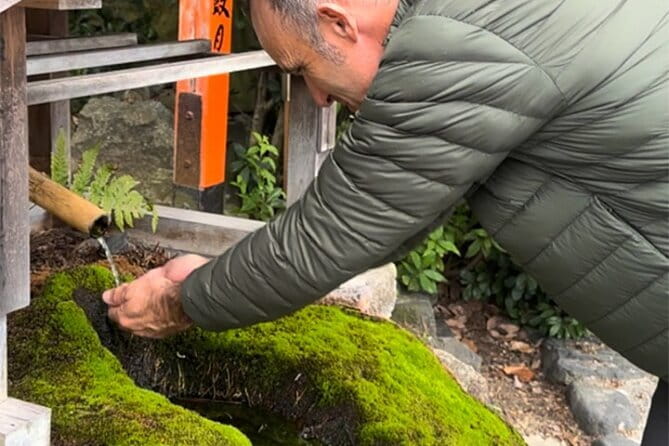
Kyoto sits in a basin with plentiful groundwater. That water has long supported daily life, tea preparation, and Japanese confectionery. On this tour, water is not a side note. It is the thread joining the shrines, local beliefs, matcha, and sweets.
That makes the experience more interesting than a basic tea tasting. You are asked to notice differences between spring sources and think about how water affects taste. I like that approach because it gives you something concrete to pay attention to. Instead of hearing only that Kyoto has a long tea tradition, you connect the tradition to a physical resource beneath the city.
The tour also shows how practical needs and religious customs overlap. Spring water can be used for ritual hand washing, drinking, tea, and sweets. The meaning changes from place to place, but the same basic resource keeps appearing.
You should not expect a large museum-style lesson or an extended tea ceremony. This is a walking experience with several short stops, followed by a seated food and drink experience at the confectionery shop. Its appeal comes from the connections between places, not from spending a long time at any single attraction.
More Matcha Experiences in Kyoto
- Kyoto: Arashiyama Bamboo Forest, Monkeys, Matcha & Temple Tour
★ 5.0 · 759 reviews - Kyoto: Tea Ceremony Meditation – Make Matcha with Tea Master
★ 4.8 · 406 reviews - Kyoto: Kimono Tea Ceremony with Matcha and Sweet
★ 4.9 · 249 reviews
Yasaka Shrine and the first taste of sacred water
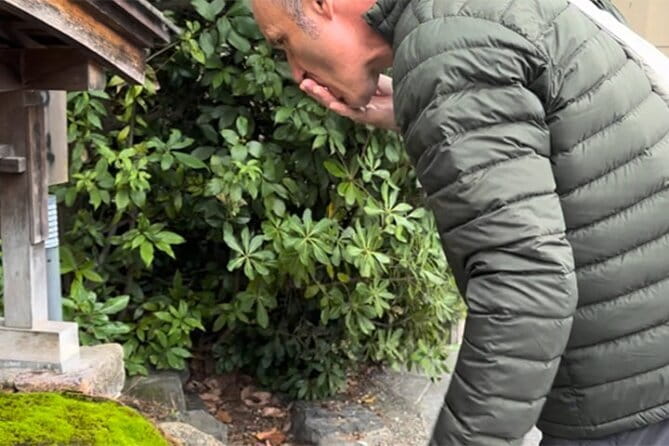
The route begins at Yasaka Shrine, one of Kyoto’s best-known religious sites. The tour places special attention on the spring water connected with the shrine, known as Gion Shinsui, or Power Water.
Local belief says that a dragon’s lair lies beneath the shrine’s main hall in a sacred pond. The spring water flowing from this place is tied to that story and is treated with respect. You also learn about Biyomizu, or beauty water, associated with a shrine dedicated to beauty.
The ritual described for this location involves drinking the spring water and then applying a few drops of the beauty water. That small action gives the stop a practical focus. You are not only looking at shrine architecture. You are learning how people interact with the site.
The planned visit lasts about 20 minutes. That is enough time for an introduction, some explanation of the customs, and a quick look at the water source, but not enough for a long historical tour of Yasaka Shrine. If Yasaka Shrine is already on your Kyoto plan, this tour gives you a more specific reason to return.
I especially like this opening because it sets the tone for the rest of the outing. Water here is treated as both a natural resource and something with spiritual meaning. You begin with local belief, then continue through the city to other springs with different stories.
Nishiki Tenmangu and water linked with learning
The second stop is Nishiki Tenmangu, with about 10 minutes planned. The spring water here is associated with Tenjin, the deity of learning.
The water is believed to offer protection from misfortune, wisdom, and success in academic pursuits. You do not need to share those beliefs to find the stop useful. It shows how different shrines give particular meaning to the same basic element.
This is also a good place to notice the changing character of the water stories. At Yasaka Shrine, the focus is on a dragon, power, and beauty. At Nishiki Tenmangu, the focus shifts toward learning and protection. The tour uses these contrasts to help you see Kyoto’s religious customs as varied rather than interchangeable.
The short visit means the guide has to keep the explanation focused. That suits the pace of a half-day tour, but anyone hoping for a long shrine visit may find the stop brief. You are moving through a theme, not setting aside a full afternoon for each shrine.
The tour feedback gives this part of the experience added value because the shrine customs themselves were considered worthwhile. You are shown how to approach the sites and how ritual hand washing fits into a visit. Those instructions can make future shrine visits feel less uncertain.
Hiyoketemmangu and a shrine tied to fire protection
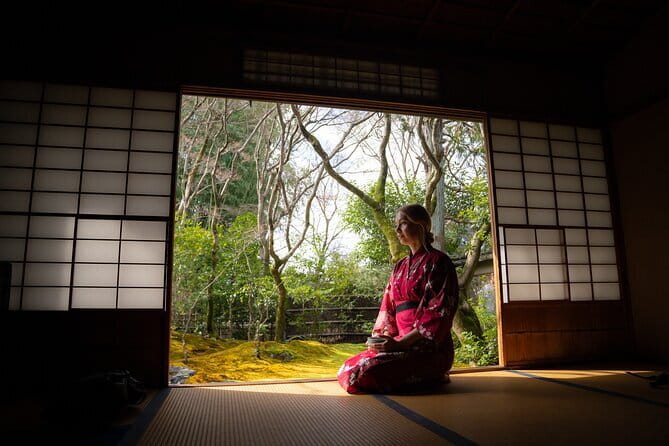
At Hiyoketemmangu, the spring water is linked with a fire-preventing deity. This stop also carries a dramatic local story connected to the Hamaguri-gomon Incident in the late Edo period.
According to the tradition, the area escaped a major fire during that event. Since then, stories of the shrine’s protection against fire have continued. Again, the tour uses water as a way into a larger story about danger, survival, and religious trust.
The visit is scheduled for about 10 minutes. That is a short window, but the subject is memorable. Fire was a serious threat in historic cities, and a shrine believed to protect a neighborhood from it would have had a clear place in local life.
I like the progression of the three water sources. The first stop introduces sacred water and beauty. The second connects it with learning and protection from misfortune. The third brings in fire prevention. Each spring has a separate identity, so the tour does not simply repeat the same explanation three times.
You should keep your expectations realistic. The experience does not provide a detailed archaeological study of every spring, and the supplied information does not promise extensive time at each site. Its strength is the shared theme and the guide’s ability to connect brief visits into one story.
More Tea and Sweets Making in Kyoto
- Kyoto: Japanese Traditional Sweets Making and Tea Ceremony
★ 4.4 · 314 reviews - Kyoto: Traditional Tea Ceremony with Matcha & Sweets in Gion
★ 4.9 · 27 reviews - 2 Types of Japanese Sweets making and Tea Ceremony
★ 4.6 · 17 reviews - Kyoto near Fushimiinari Wagashi making&Small Group Tea Ceremony
★ 5.0 · 14 reviews
The final reward at Kameya Yoshinaga

The tour ends at Kameya Yoshinaga, a Japanese confectionery shop founded in 1803. This is the most substantial stop, with about 30 minutes planned.
Here you receive a bowl of matcha prepared with spring water and namagashi, or fresh Japanese wagashi. The sweets are made specially for the tour and are not usually available in the shop. That detail gives the final tasting real value. You are not simply buying a standard sweet from a display case. You are receiving something tied directly to this experience.
Namagashi are delicate fresh sweets, often made in forms connected with seasons, nature, or Japanese aesthetics. The provided details do not specify the exact designs or flavors served on the day, so you should treat the presentation as a pleasant surprise rather than expect a particular sweet.
The matcha is the logical finish. After tasting spring water at several sites, you can consider how water affects the drink in the bowl. The tour does not promise a formal lesson in whisking matcha, so I would think of this as a guided tasting and cultural experience rather than a full tea ceremony.
This final stop is where the $80 price becomes easier to judge. A large part of the fee pays for the guide’s time, the small group, the cultural interpretation, and a special serving at a long-established confectionery. If you only want a bowl of matcha and a sweet, you can likely spend less elsewhere. If you want the story behind them and access to a special namagashi serving, the price is more defensible.
The strongest praise in the written feedback focused on the Japanese sweets and the chance to discover less familiar places with a local guide. That matches the tour’s best quality: it turns a simple snack into the conclusion of a city walk.
The pace, group size, and practical shape of the afternoon
The full experience lasts about 2 hours and 40 minutes and begins at 1:00 pm. The listed stops account for about 70 minutes, with the rest of the time used for walking, explanations, and moving between locations.
That schedule makes this a good choice if you want a focused afternoon activity rather than a full-day commitment. You can fit it around other Kyoto plans, though I would avoid booking another timed activity immediately afterward. Walking tours can run slightly beyond their estimates, and the route includes several separate locations.
The maximum group size is six people. I consider that one of the tour’s strongest practical features. A small group makes it easier to ask about shrine behavior, water, sweets, or local customs. It also keeps the experience from feeling like a lecture delivered to a large crowd.
Private transportation is not included. The tour is near public transportation, but the supplied information does not give a vehicle transfer between stops. You should therefore expect a walking-based outing and wear comfortable shoes.
There is one detail worth checking carefully. The meeting and ending point are both given as Kyoto Station, while the first stated sightseeing stop is Yasaka Shrine. Since those locations are not the same place, confirm where the guide will actually meet you and how the route begins. This is especially important if you are relying on the mobile ticket for directions.
The tour requires at least two participants to operate. If that minimum is not reached, cancellation is scheduled to be communicated four days before departure, with a full refund offered. The maximum is six, so the experience can be canceled for low demand but cannot grow into a large group.
Confirmation is sent within 48 hours of booking, subject to availability. The activity is listed as suitable for most people, but the walking format and multiple stops mean you should consider your own comfort with being on foot.
Who will get the most from this experience
I would recommend this tour to you if you enjoy learning why a food or drink tastes the way it does. The water theme gives the afternoon a clear purpose, and the final matcha and wagashi tasting ties the earlier stops together.
It also suits first-time visitors who want help with shrine customs. The written feedback specifically praised the chance to learn about Yasaka Shrine and ritual hand washing. A local guide can make these small actions easier to understand and less awkward.
The tour is a good fit for repeat visitors too. If you have already seen Kyoto’s main temples, a route built around springs and lesser-known shrine stories offers a different way to look at the city.
Families and small groups may appreciate the short duration and the sweet tasting, though the information does not specify a child price or a child-focused format. You should also remember that the activity requires two participants and caps the group at six.
I would be more cautious about recommending it if your main goal is a long tea ceremony, extensive shrine sightseeing, or private transportation. The tea portion is one bowl of matcha and sweets, and each spring stop is brief. You are buying a connected cultural walk, not three full shrine tours and a formal tea lesson.
Is the $80 price fair?
At $80 per person, this is not the cheapest way to drink matcha in Kyoto. You can find tea and sweets at many shops for less.
The value comes from the complete package. You receive a small-group guided walk, explanations of three spring sources, instruction about shrine customs, a bowl of matcha, and special namagashi at a confectionery with roots going back to 1803. The tour also gives you a reason to notice water, something most sightseeing routes pass without much thought.
I would call the price reasonable for someone who values interpretation and a small group. It is less compelling if you already know Kyoto’s shrine customs and only want a quick dessert stop.
The experience is non-refundable and cannot be changed for any reason. That makes the minimum-participant rule and the meeting-point question important to settle before you commit. Ask for clarification early, especially if your Kyoto schedule is tight.
Should you book the Kyoto WAKIMIZU tour?
Book it if you want a thoughtful, food-centered walk that connects Kyoto’s spring water with shrine practice, matcha, and fresh wagashi. The small group, special sweets, and local stories give the afternoon more substance than a standard café visit.
I would particularly choose it for a first or second Kyoto visit when you want an introduction to customs without spending a full day in a temple district. Just confirm the exact Kyoto Station meeting instructions, allow time for walking, and remember that the tour only runs with at least two participants.
Skip it if you want a formal tea ceremony, a long visit at each shrine, or a low-cost tasting. For the right kind of food and culture enthusiast, though, this is a well-shaped short tour with a clear idea and a satisfying final course.
FAQ
How much does the Kyoto WAKIMIZU tour cost?
The price is $80 per person.
How long does the tour last?
The tour lasts approximately 2 hours and 40 minutes.
What time does the tour begin?
The scheduled start time is 1:00 pm.
Where does the tour start and end?
The listed meeting point and ending point are both Kyoto Station, at Higashishiokoji Kamadonocho, Shimogyo Ward, Kyoto, 600-8216, Japan. Because the first sightseeing stop is Yasaka Shrine, confirm the precise meeting instructions before departure.
What is included in the price?
A bowl of matcha and sweets is included.
Is transportation included?
No. Private transportation is not included. The experience is near public transportation.
How many people can join the tour?
The tour has a maximum of six participants.
Can the tour be canceled if too few people book?
Yes. The tour requires at least two participants. If that minimum is not reached, you will be notified four days before departure, and a full refund will be issued.
Can I cancel or change my booking?
No. The experience is non-refundable and cannot be changed for any reason.
Just added around Kyoto
- Uji Walking Tour – Byodo-in temple and Tea Ceremony from Kyoto★ 3.5 · 3 reviews
- Tea ceremony at Kyoto’s Zen Temple Teahouse★ 5.0 · 2 reviews
- Kyoto: Authentic Tea Ceremony in a Small Group★ 5.0 · 7 reviews
- Tea Ceremony in 150 Years Old Townhouse with Tables and Chairs★ 5.0 · 22 reviews
- Silent Beauty of Kyoto Zen Walk and Tea Experience★ 5.0 · 2 reviews
- Tea Ceremony Experience in Traditional Kyoto Townhouse★ 5.0 · 19 reviews
- Traditional Tea Ceremony in Kyoto★ 4.5 · 3 reviews
- Kyoto Private Tea Ceremony at a Japanese Inns★ 5.0 · 12 reviews
Matcha Experiences in Kyoto, compared.
Arashiyama Bamboo Forest, Monkeys, Matcha & Temple Tour
Read our review →
Tea Ceremony Meditation – Make Matcha with Tea Master
Read our review →
Arashiyama Bamboo, Temple, Matcha, Monkeys & secret spots
Read our review →
Traditional Tea Ceremony with Matcha & Sweets in Gion
Read our review →
Matcha Grinding Experience and Walking Tour in Uji Kyoto
Read our review →
Browse the lists this tour appears in