
Review · JAPAN
Kimono Dressing & Tea Ceremony Experience at a Beautiful Garden
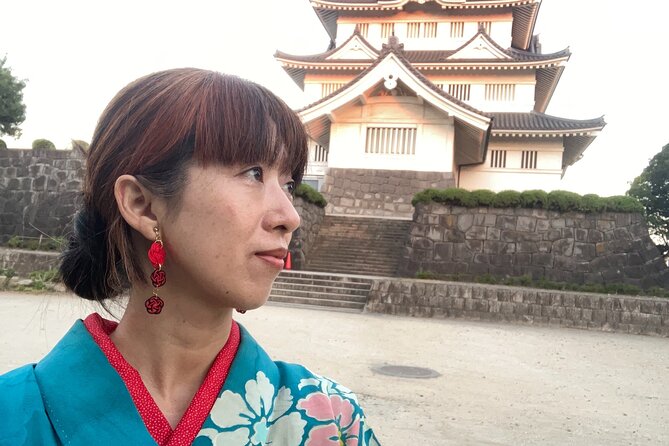
Step into old Japan for two hours. This private Chiba experience pairs kimono dressing with a garden walk and a matcha tea ceremony at Shorai-tei, a traditional tea room by Mihama Garden. I like the personal touch from Grace, a Chiba resident of about 18 years, and the choice of formal kimono, hakama, or Japanese-style costumes. The main consideration is that the tea room must confirm availability after booking, so your reservation is not final until that check is complete.
You will spend $80 per person, which is fair if you want hands-on cultural time rather than a quick photo stop. The experience is best for couples, families, and small private groups who want Grace to explain customs and help with photos. It is less suited to anyone looking for a long garden tour or a full-day introduction to Japanese culture.
Four details that shape the experience
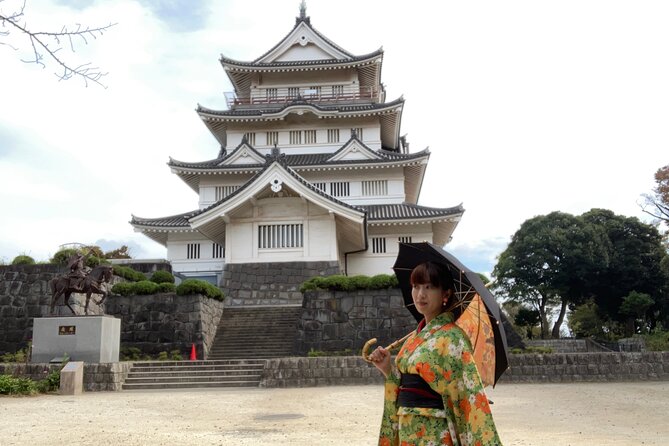
- Shorai-tei provides the setting: You dress in a traditional tea room beside Mihama Garden, rather than in a modern studio.
- Your clothing choice changes the mood: Women can select a kimono or Japanese-style costume, while men can choose a kimono with hakama for a samurai-like appearance.
- The garden walk is part of the activity: After dressing, you stroll around the pond and among seasonal flowers while taking photos.
- Tea ceremony follows the photo time: You receive matcha green tea and a traditional sweet chosen for seasonal relevance.
- Grace leads a private group: Only your party participates, allowing room for questions and personal help.
- Reservations depend on tea room availability: Confirmation arrives within 48 hours, so plan ahead. The activity is booked, on average, 27 days before the date.
Arriving at Shorai-tei beside Mihama Garden

You meet at Shoraitei, 2-chome-116 Hibino, Mihama Ward, Chiba, 261-0021. The meeting point is near public transportation, which helps if you are staying in or around Chiba and do not want to arrange a private transfer.
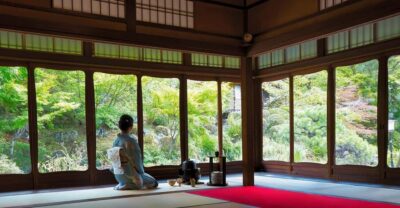
The setting matters here. Shorai-tei is a traditional tea room by Mihama Garden, and traditional tea ceremonies are often held there. That gives the experience a stronger sense of place than dressing up in a hotel room or a temporary event hall.
The serving location changed from Gaihana-tei to Mihama-en in April 2025. Check your confirmation carefully for the current meeting details, especially if you have visited the area before or saved older directions.
Grace is the guide and host. She has lived in Chiba for about 18 years, raised her two children there, and clearly wants you to see the city through a local connection. She also works as an interpreter, which is useful when customs, clothing, and tea etiquette need more than a quick explanation.
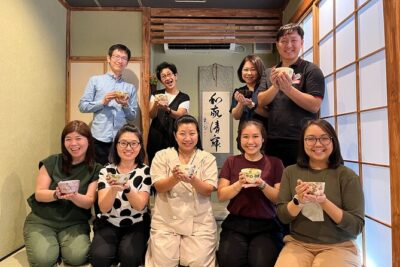
This is a private activity. Only your group takes part, so you do not have to share the dressing process or tea room with a large class. That makes the $80 price easier to justify for couples or families who want direct attention.
More Tea Ceremonies in Japan:
- Kyoto: Tea Ceremony in a Traditional Tea House in Kiyomizu
★ 4.9 · 3,519 reviews - Kyoto: Tea Ceremony Ju-An at Jotokuji Temple
★ 4.9 · 3,207 reviews - Kyoto: 45-Minute Tea Ceremony Lesson Experience
★ 4.3 · 2,378 reviews
Choosing a kimono, hakama, or costume
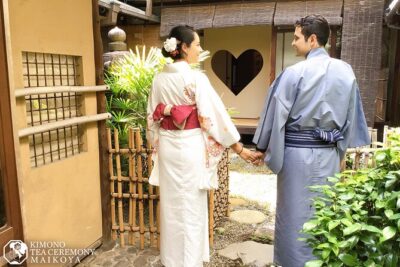
The first main part is selecting your clothing. Kimono are prepared for you, and the staff dress you rather than asking you to manage complicated layers on your own. That is important because a kimono is not simply a robe you tie around yourself. The fit, wrapping, and finishing touches create the proper look.
Women can choose from kimono and Japanese-style cosplay costumes. That gives you two different moods. A kimono offers a more traditional appearance, while the costume option may appeal to children, families, or anyone who wants a playful photo session.
Men can choose a kimono with hakama. Hakama are the pleated trousers worn with formal traditional clothing, and they create the samurai-style look described for this activity. It is a useful option for couples because both people can dress in clothing that feels distinctive rather than settling for the same basic robe.
The available selection will depend on what is prepared and available on your date. You should think of the choice as part of the activity, not as a guaranteed fashion showroom with unlimited sizes, colors, or designs. The supplied details do not specify sizing, footwear, changing-room arrangements, or options for very young children, so ask Japan Travel by G about those points if they matter to your group.
A five-star experience from a couple specifically praised the range of kimono and hakama options. They also noted help from Ari, who assisted Grace during the visit. That extra pair of hands can make dressing smoother, especially when two people are choosing clothes and preparing for photographs at the same time.
Walking around the pond in full dress
Once you are dressed, you walk through the garden and around the pond. Seasonal flowers provide the changing backdrop, so the garden will not look exactly the same throughout the year.
This portion is not a guided sightseeing circuit with a long list of monuments. Its value is simpler. You get to feel how the clothing changes your movement and posture while you walk through a Japanese garden. The pond and flowers give you natural places to pause, and the activity builds in time for photographs.
I like this combination because the clothing is not kept indoors. You actually take it outside and use the garden as part of the experience. For families, the walk also breaks up the dressing process before the quieter tea ceremony. For couples, it creates a shared photo session without adding a separate photography booking.
You should wear or bring clothing that is easy to change out of. The tour lasts about two hours, and part of that time is spent dressed in layers chosen for appearance rather than comfort. The supplied information does not state how far you walk, whether the paths are accessible for mobility devices, or whether seating is available throughout the garden. Contact the provider if those details affect your plans.
The garden visit also depends on the season. Flowers may be a major part of the setting at one time of year and less noticeable at another. The garden itself remains part of the experience, but you should not book a specific floral display unless the provider confirms it.
Learning the rhythm of a matcha tea ceremony
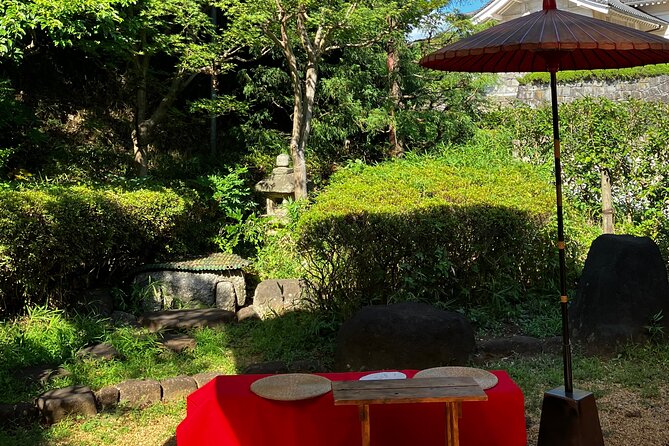
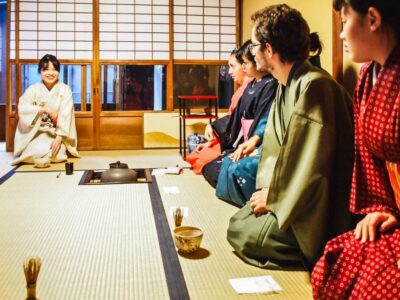
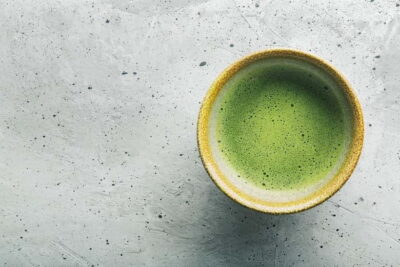
The tea ceremony takes place after the garden walk. You receive matcha green tea and a traditional Japanese sweet. Matcha has a bright green color, a distinct aroma, and a flavor that combines slight bitterness with sweetness.
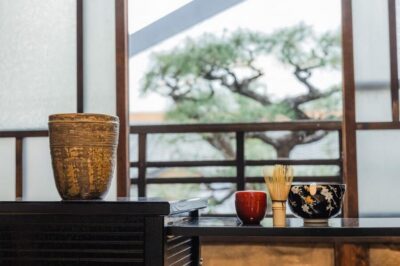
The point is not simply to drink tea. A Japanese tea ceremony places value on the way the tea is served, the setting, the utensils, and the quiet attention given to the moment. Grace can explain those elements in a way that connects the ritual to daily Japanese culture.
The sweet is chosen with the season in mind and made in a delicate style. That small detail helps you notice the relationship between Japanese food and the time of year. The sweet is also meant to balance the tea, so you can appreciate matcha without treating it like an ordinary cup of green tea.
You should know what the activity does not promise. The information does not say that you will prepare the tea yourself, learn every formal movement, or take part in a lengthy ceremony conducted according to the most strict school traditions. Think of it as a guided introduction that lets you observe and experience the central customs in a proper tea room.
That approach suits most first-time visitors. You get enough explanation to understand what you are seeing, but the schedule still leaves room for the kimono and garden portion. If your main interest is advanced tea practice, this two-hour format may feel brief.
More Kimono and Tea Ceremonies in Japan:
- Kimono Tea Ceremony at Kyoto Maikoya, NISHIKI
★ 5.0 · 911 reviews - Kimono Tea Ceremony at Tokyo, Asakusa Maikoya
★ 5.0 · 638 reviews - Kyoto: Kimono Tea Ceremony at Orizuruya Gion
★ 4.9 · 618 reviews - KYOTO Tea Ceremony with kimono near by Imamiya Jinjya Shrine
★ 5.0 · 343 reviews
Grace, Ari, and the value of a private booking
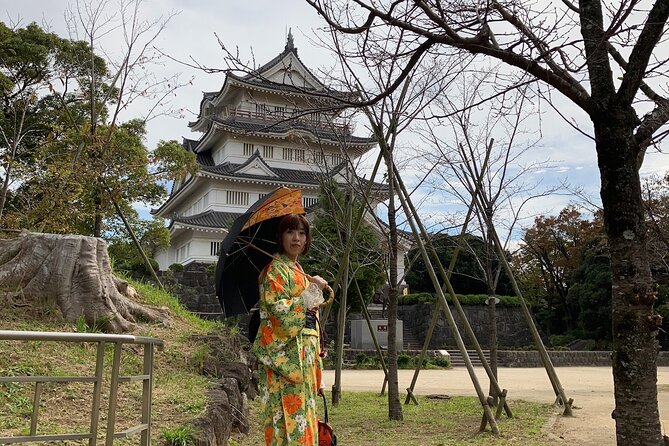
Grace is more than a person who manages the schedule. She describes herself as a mother of two who has lived in Chiba for nearly two decades and wants people visiting Japan to have the same kind of local cultural contact she enjoyed during her own travels.
That background gives the activity a friendly, personal tone. You are not just being moved from dressing room to garden to tea room. You have someone who can interpret the customs and help you understand why each part matters.
Ari may also assist with dressing and photographs, as shown by the experience of one couple. The staff can take plenty of pictures, which is useful because taking self-timer photos in a kimono is not always easy. The available information does not promise a professional photographer or edited images, so bring your phone and make sure it has enough battery.
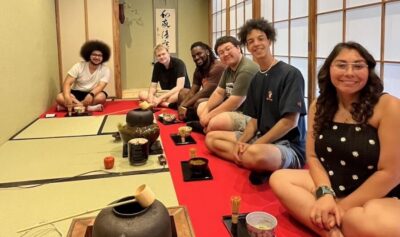
The private format is one of the strongest reasons to book this rather than a larger cultural class. You can ask questions without worrying about slowing down a whole group. Children may also find it easier to stay involved when the activity is shaped around your own party.
At the same time, private does not mean fully customized. The clothing selection, tea room availability, and exact flow still depend on the provider and location. You are paying for personal attention and a complete cultural activity, not for a made-to-order ceremony designed from scratch.
Is $80 per person a good value?
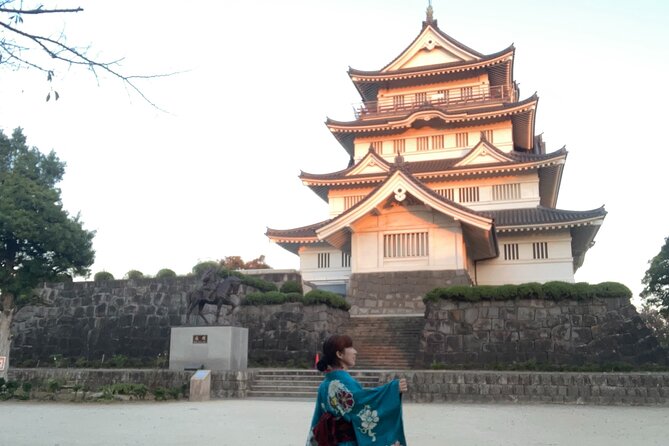
At $80 per person, this is not the cheapest way to wear a kimono in Japan. The price makes better sense when you count the full package: dressing assistance, access to a traditional tea room, a garden walk, photo opportunities, matcha, a seasonal sweet, and a private guide for about two hours.
You are also paying for convenience. Without this arrangement, you would need to find a kimono rental, manage the dressing process, locate a suitable garden, and book a separate tea activity. That may cost less in some cases, but it also creates more planning and leaves you to handle the clothing on your own.
The value is strongest for two or more people who care about taking photos and learning the meaning behind the customs. A couple can share the activity, choose coordinated looks, and receive direct help from Grace and Ari. A family can include different clothing styles, including costumes for women and hakama for men.
The price is less attractive if you only want a quick kimono photograph. It may also feel high if matcha tea is your only goal, since the tea ceremony is one part of a longer sequence. I would book it for the combination, not for any single feature.
The five-star rating is based on four reviews, so it is encouraging but still a small sample. The strongest praise focuses on Grace as a host, interpreter, and historian, along with the clothing choices and hands-on format. Those are the areas where you should expect the experience to deliver its best value.
Who should book this Chiba experience?
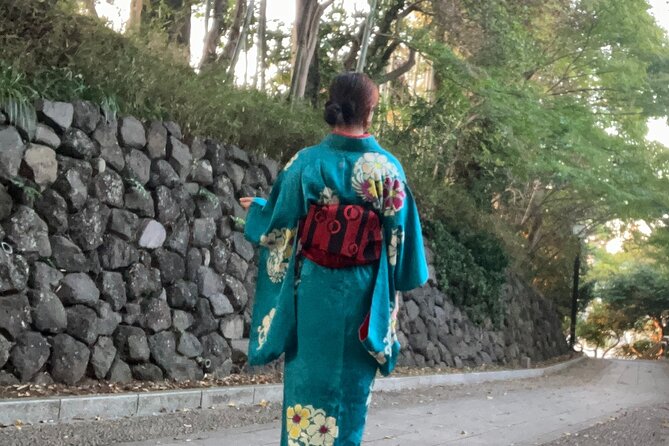
I would recommend it to couples who want a shared cultural activity away from a standard sightseeing route. The kimono and hakama choices make the photographs more interesting, while the tea ceremony gives the outing a calm finish.
Families may also enjoy it, especially if children are interested in costumes and pictures. The private booking means your group can move at its own pace within the two-hour schedule. Still, ask about children’s sizes and changing arrangements before booking, since those details are not provided.
It is a good fit for first-time visitors who want a clear introduction to two recognizable parts of Japanese culture. Grace can connect the clothing, garden, and tea ceremony rather than treating them as unrelated attractions.
You may want something else if you need a long, formal tea lesson, extensive historical commentary, or a large garden with several hours of independent exploring. This is a compact, guided activity built around participation and photographs.
The experience runs for about two hours and ends back at the meeting point. It is offered as a mobile ticket activity, which is convenient when you are moving around Chiba with a phone rather than printing paperwork.
Practical details before you reserve
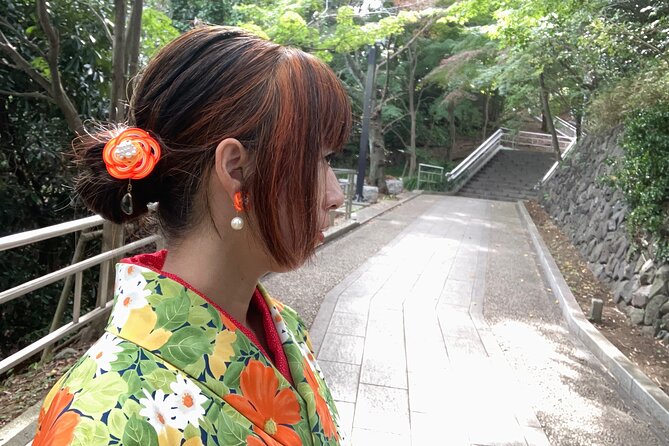
Confirmation is provided within 48 hours of booking, subject to tea room availability. Because the tea room must be checked, do not assume the date is fully secured until you receive confirmation.
The activity is booked an average of 27 days ahead. That does not guarantee that you must reserve exactly that early, but it is a useful warning for weekends, holidays, or dates when you need a particular schedule.
Free cancellation is available up to 24 hours before the start time for a full refund. Changes or cancellations made less than 24 hours before the activity are not accepted or refunded, based on local time.
The start and end point are the same: Shoraitei in Hibino, Mihama Ward. Since the experience is near public transportation, check your route before leaving and allow enough time to arrive dressed for the occasion, not rushed and carrying too many bags.
My verdict: a thoughtful cultural activity with a clear focus
Book this if you want to wear traditional clothing, walk through a garden, and learn about matcha in one private visit. The best parts are the personal guidance from Grace, the choice of kimono or hakama, and the fact that the tea ceremony takes place in a traditional tea room rather than being added as a token refreshment.
I would skip it if your priority is a long tea course, an extensive garden tour, or guaranteed details about costume sizes and accessibility that have not been provided. For most couples and families, though, $80 buys a well-shaped two-hour introduction with real participation and photographs to remember it by.
FAQ
Where does the kimono and tea ceremony experience begin?
It begins at Shoraitei, 2-chome-116 Hibino, Mihama Ward, Chiba, 261-0021, Japan.
Where does the activity end?
The activity ends back at the meeting point.
How long does the experience last?
The experience lasts approximately two hours.
What clothing choices are available?
Women can choose a kimono or a Japanese-style cosplay costume. Men can choose a kimono with hakama.
Are matcha and sweets included?
Yes. Matcha green tea and a traditional Japanese sweet are provided during the tea ceremony.
Is the activity private?
Yes. Only your group participates in the private activity.
Just added around Japan
- Yokohama : Tea Ceremony with Sweets and Souvenir★ 5.0 · 5 reviews
- Walking Tour: Yanaka,Nezu& Sendagi: Tea Ceremony & Old Tokyo★ 5.0 · 3 reviews
- Visit local home for music and tea ceremony near Disney★ 4.9 · 13 reviews
- Trip to Kamakura & Enoshima: Shrines, Seaside, Temples &Tea★ 5.0 · 11 reviews
- Yokohama: Sushi & Gyoza Cooking with Matcha & GreenTea Experience★ 5.0 · 3 reviews
- Kyoto tea town for matcha lovers★ 5.0 · 16 reviews
- Uji: Private immersion into Kyoto’s tea and reglious culture★ 5.0 · 17 reviews
- Kyoto Matcha Green Tea Tour★ 4.5 · 23 reviews
Tea Ceremony Experiences, compared.
Tea Ceremony in a Traditional Tea House in Kiyomizu
Read our review →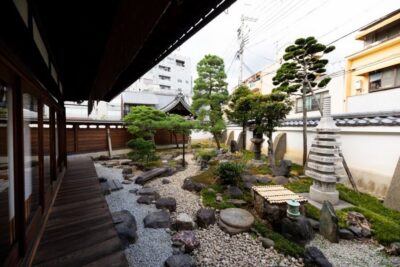
Browse the lists this tour appears in