
Review · HIROSHIMA
Home Experience: Tea Ceremony & Moss Garden Walk(Day trip)
The quietest Japan may be the most memorable. This private Hiroshima day trip takes you to a 200-year-old farmhouse in a peaceful valley, where you can share a homemade lunch, walk beside a river, and drink matcha in a moss garden. I especially like the personal scale of the visit and the choice of activities, from forest walking to rice farming. The main catch is transport: train and bus tickets are not included, so you must plan the journey from Hiroshima carefully.
This is not a quick tea demonstration followed by a souvenir stop. You spend about seven hours with your host, cooking, eating, walking, and learning about Japan’s unusual moss culture. The setting feels connected to daily life rather than arranged only for sightseeing.
You should also know that the experience depends on good weather and that the public transport journey takes time. If you want a packed day of Hiroshima’s major sights, this will feel slow. If you want rural quiet and direct contact with a local family, it offers something quite different.
Key points at a glance
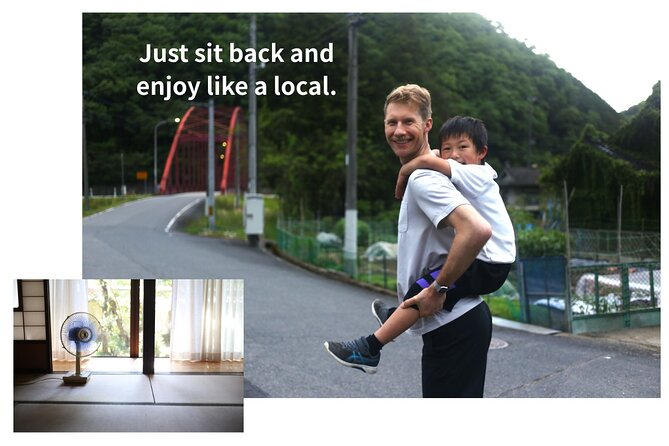
- A 200-year-old kominka farmhouse: Spend time in a traditional Japanese home with tatami rooms, modern renovations, and a retro feel.
- A homemade lunch you help prepare: Ingredient costs are included, and cooking together is part of the visit.
- A private moss garden: Learn why moss matters in Japanese culture while seeing a collection of local varieties.
- Flexible outdoor time: Choose among a river walk, forest walk, rice farming, or other activities arranged with your host.
- Matcha in the garden or tatami room: Weather and preference decide whether your tea is served outdoors or indoors.
- A small private group: Only your own party takes part, making the day personal and adaptable.
Leaving Hiroshima for a quieter valley
The meeting time is 9:30 a.m., with the journey beginning at JR Kabe Station. From there, you take a bus for about an hour through peaceful rural surroundings. The public transport route is part of the day’s character, but it also means you need to allow enough time to reach the meeting point.
The tour information says pickup is offered, yet private transportation is not included. Train and bus tickets are also excluded. Those details do not necessarily conflict, but they do mean you should confirm the exact meeting arrangement before setting off. Ask where pickup applies, which transport you should use, and how much time you need from central Hiroshima.
That bus ride helps mark the change from city to countryside. You leave behind Hiroshima’s urban pace and arrive in an area described as a valley with no shops and few crowds. You are not coming here for convenience. You are coming for space, quiet, and a closer look at ordinary rural life.
The setting will suit you if you enjoy seeing how a place feels away from its famous sights. It may frustrate you if you dislike public transport connections or want every minute of a day trip filled with major attractions.
More Tea Ceremonies in Japan:
- Kyoto: Tea Ceremony in a Traditional Tea House in Kiyomizu
★ 4.9 · 3,519 reviews - Kyoto: Tea Ceremony Ju-An at Jotokuji Temple
★ 4.9 · 3,207 reviews - Kyoto: 45-Minute Tea Ceremony Lesson Experience
★ 4.3 · 2,378 reviews
Entering the 200-year-old Japanese house
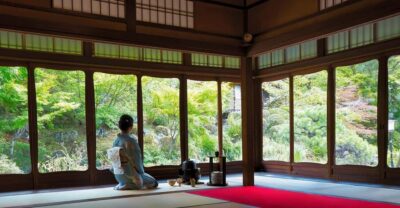
The farmhouse, known as a kominka, is the heart of the experience. You can expect traditional tatami rooms, the atmosphere of an old Japanese home, and renovations that make the house feel comfortable while keeping its older character.
The home has received some of the strongest praise attached to this experience. One account describes a house with two centuries of history that still feels almost new after renovation. Another describes a warm welcome from Naomy’s children and an immediate affection for the house and its setting. Those details matter because the visit is not limited to looking at an old building from outside. You are welcomed into a lived-in family space.
That makes the day more personal than a standard heritage-house visit. You may notice how the rooms are used, how the garden relates to the house, and how everyday family life fits into an old structure. The tone is friendly and informal, though you should remember that you are entering someone’s home. Courtesy, patience, and a willingness to follow the household’s rhythm will improve the experience.
The farmhouse has both historic character and practical comfort. If you expect a polished museum with signs in every room, this is not that. The value comes from conversation, shared food, and time in the setting.
Cooking lunch together, then sitting down to eat
Lunch is included, and the cost of ingredients is covered. You cook together with your host, then share the meal as a local family might. The exact menu is not specified, so you should not book this expecting a particular dish or a restaurant-style course.
I like this part because it turns lunch into an activity rather than a break between scheduled stops. Cooking gives you a natural way to spend time with your host, ask questions, and take part instead of simply watching. It also makes the farmhouse feel like a home rather than a backdrop.
The meal is likely to be one of the day’s most social moments. If you enjoy food as a way to understand place, this is a strong reason to book. If you have dietary restrictions, ask about them before the visit, since no specific dietary arrangements are provided in the details available here.
The experience is private, with only your group participating. That makes it easier to discuss preferences and pace, though the quality of the conversation will depend partly on your group and your communication with the guide. The provider describes the guide as certified, and the host’s warm family welcome is a central part of the visit.
Learning why moss matters in Japan
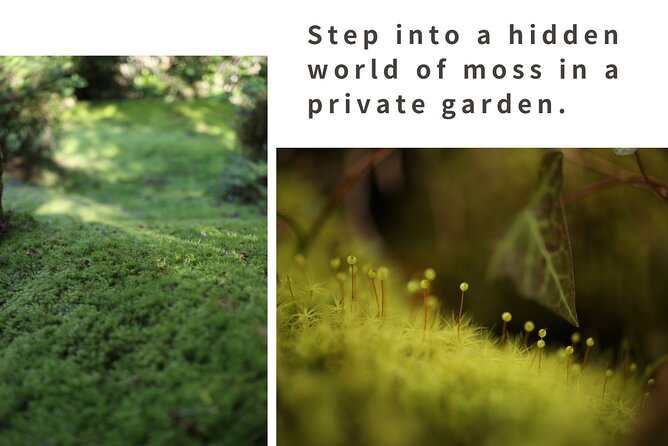
The moss garden receives about an hour of the day. It is not simply a patch of greenery to stroll past. Your local guide introduces Japan’s moss culture and explains that the country has around 1,800 types of moss, nearly one tenth of the world’s moss varieties according to the tour description.
That is an unusual subject, and it gives the visit a distinct identity. Japan is often associated with grand temples, rock gardens, and famous cherry blossoms. Moss offers a quieter way to think about beauty, age, moisture, shade, and careful gardening. Here, the focus is small and close to the ground.
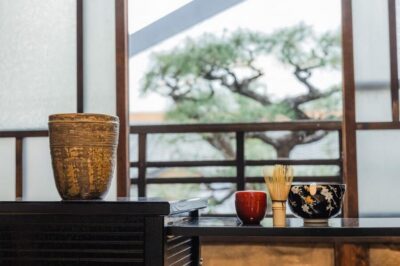
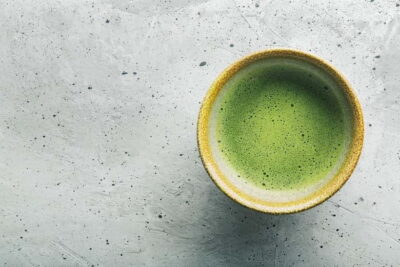
You can enjoy matcha in this garden if the weather is pleasant. The tea is prepared specifically for you, with care and sincerity, and the garden provides the most natural setting for it. The experience also works indoors, since you can drink the tea in a tatami room if you prefer or if the weather turns poor.
Do not expect a formal tea ceremony with a long sequence of strict movements unless your host explains that this is part of your private program. The details describe a bowl of matcha prepared for you, not a full ceremonial performance. That can be an advantage if you want a relaxed introduction rather than a highly formal lesson.
More Walking Tours in Japan:
- Asakusa Cultural Walk & Matcha Making Tour
★ 5.0 · 245 reviews - Kyoto Tea Ceremony & Kiyomizu-dera Temple Walking Tour
★ 5.0 · 115 reviews - Uji: UNESCO Heritage & Tea Ceremony Walking Tour
★ 4.6 · 54 reviews - The Way of Tea: Kyoto Crafts, Hidden Temples & Wabi-Sabi Walk
★ 5.0 · 41 reviews
Choosing between the river and the forest
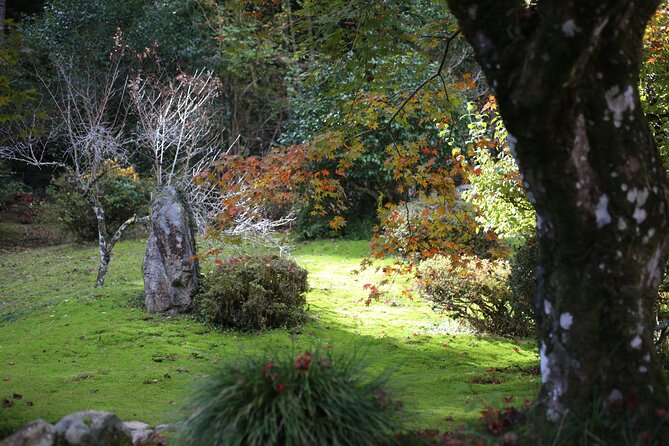
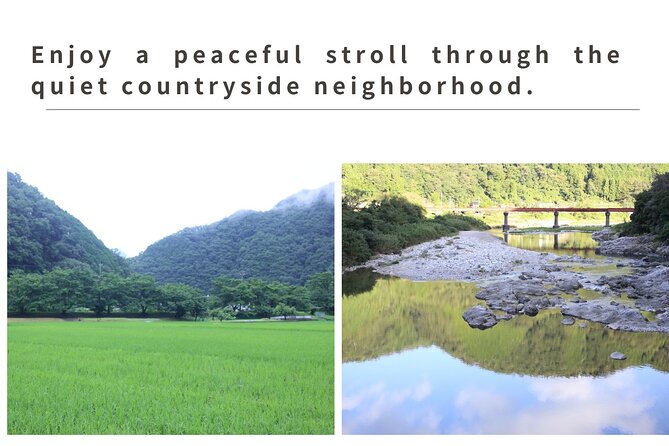
About an hour is set aside for a short walk around the neighborhood. You can follow the nearby river or head into the forest behind the house. The choice gives the day some flexibility and lets you match the walk to your interests and the conditions.
The river option should appeal to you if you prefer an easy, peaceful stroll and want to see the local area at a gentle pace. The forest option offers a quieter setting among trees. Rice farming is also listed as a possible activity, along with other choices arranged around your interests.
The description does not give trail distances, elevation, or a difficulty rating. That means you should ask about walking conditions if mobility, footwear, or fitness is a concern. The available information says most people can participate, but it does not promise a fully step-free route.
This part of the program is valuable because it avoids forcing every group into the same schedule. A family may prefer river time. A keen nature lover may choose the forest. Someone interested in rural work may ask about rice farming. Tell Naomy what you want to do before or during the visit so the day can take shape around your group.
Matcha with a choice of setting
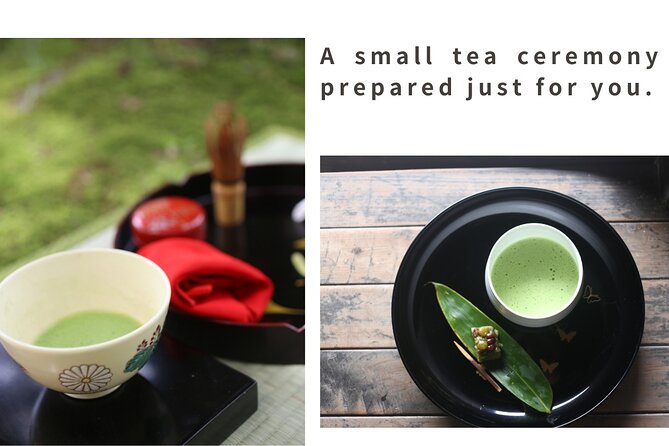
The final major portion of the visit is a matcha experience lasting about an hour and a half. Your host prepares a bowl of matcha, served either in the moss garden or in a tatami room. That choice is practical, not just decorative. Rural weather can change, and the indoor option keeps the experience comfortable.
The tea becomes more meaningful after the rest of the day. You have already seen the house, shared food, and walked around the valley. Sitting with matcha at that point feels like a pause rather than a standalone activity squeezed into a busy schedule.
The setting also gives you a chance to slow down. This is not an attraction designed for quick photographs and a fast departure. You need to be comfortable with quiet conversation and unhurried time. The host’s replies to past visitors describe the day as a shared family memory, and that personal tone is part of the appeal.
If you have never tasted matcha, this is an easy setting in which to try it. If you already know Japanese tea culture, you may appreciate the connection between the tea, the tatami room, the garden, and the wider countryside.
What the $130.82 price really covers
At $130.82 per person, this is not the cheapest way to spend a day near Hiroshima. The price includes the guide fee and the ingredients for lunch, but not your train or bus tickets and not private transportation.
The value depends on what you want from a day out. You are paying for roughly seven hours of private time, a home visit, cooking, lunch, a moss garden explanation, a walk, and matcha. You are also paying for the chance to shape the day around your own group rather than join a large scheduled outing.
That is a fair proposition for someone who values personal contact and rural culture. It is less attractive if you mainly want transport, famous sights, or a low-cost introduction to tea. A simple tea activity in Hiroshima would probably require less time and money, but it would not offer the farmhouse, lunch, countryside, and family setting.
Because the public transport cost is separate, calculate the full amount before booking. Also remember that the experience is commonly reserved far ahead, with bookings averaging about 249 days in advance. That suggests you should not leave it until the last few days of a Hiroshima visit if the date matters to you.
Who will enjoy this day most
This experience fits you best if you want a slower and more personal side of Japan. It should work well for solo visitors, families, couples, and small groups who enjoy food, gardens, nature, and conversation.
You will likely appreciate it if you:
- Prefer rural places to busy sightseeing zones
- Like taking part in cooking rather than only eating
- Want a private activity for your own group
- Enjoy walking at an easy pace
- Are curious about moss, Japanese homes, and matcha
- Do not mind spending much of the day away from central Hiroshima
It may not suit you if you have only one day in Hiroshima and want to see the Peace Memorial Park, Miyajima, or other major sights. It is also a poor match if you expect private door-to-door transport, a fixed menu, or a formal tea-school ceremony.
The weather matters. The provider requires good conditions, and a cancellation caused by poor weather can lead to another date or a full refund. If your schedule is tight, leave some flexibility.
Useful planning advice before you book
Confirm the meeting point and transport plan. The stated start point is JR Kabe Station, while pickup is also offered, and private transportation is not included. Get clear instructions before the morning of the tour.
Allow extra time for the one-hour bus ride after meeting at Kabe Station. The journey is part of the rural setting, but you do not want to begin the day worried about a missed connection.
Tell Naomy what interests you. The day can include a river walk, forest time, rice farming, or other activities, so your preferences can help shape the visit. Ask about the walking route if anyone in your group has mobility concerns.
Finally, treat the house as a family home. A warm welcome is central to the experience, and the visit works best when you arrive ready to participate, listen, and share the pace of the household.
Should you book Naomy’s rural Hiroshima experience?
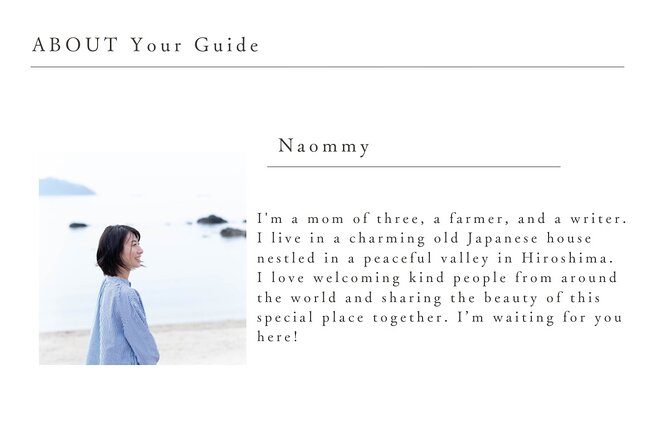
Book it if you want a genuine-feeling day built around a Japanese home, a shared meal, nature, and personal conversation. The combination of a 200-year-old kominka, a private moss garden, flexible outdoor time, and matcha gives you far more than a short cultural demonstration.
Skip it if you want efficient sightseeing, included transport, or a formal tea ceremony with a fixed program. The extra journey and separate transport costs are real drawbacks.
For the right person, this is one of the more distinctive ways to spend a day outside Hiroshima. You return with more than a cup of tea. You get time in a family home, a taste of rural routine, and a clearer sense of how quiet places can tell their own story.
FAQ
Where does the experience start?
The stated start point is JR Kabe Station, with a start time of 9:30 a.m.
How long does the experience last?
The full experience lasts about seven hours.
Is transportation included?
Train tickets, bus tickets, and private transportation are not included. The tour information also says pickup is offered, so confirm the exact arrangement before your visit.
How long is the bus ride?
The bus ride from JR Kabe Station through the countryside takes about one hour.
Is lunch included?
Yes. The guide fee and the ingredients for the shared lunch are included.
Do I cook lunch myself?
You cook lunch together with the host before sharing the meal.
What outdoor activities are available?
Possible activities include a river walk, a forest walk, rice farming, and other options based on your interests.
Can I drink matcha outdoors?
Yes. If the weather is suitable, you can drink matcha in the moss garden. You can also choose to have it in a tatami room.
Is this a private tour?
Yes. Only your own group participates in the activity.
What happens if the weather is poor?
The experience requires good weather. If it is canceled because of poor weather, you can be offered another date or a full refund. You can also cancel for a full refund up to 24 hours before the start time.
More Day Trips in Japan
- From Colombo: Kandy, Pinnawala and Tea Factory Full-Day Trip
★ 4.4 · 99 reviews - Ella Private Day Trip with Train Ride & Tea Factory-All Inclusive
★ 5.0 · 61 reviews - Tea Village in lost Town and Buddha 1 day tour
★ 5.0 · 32 reviews - Private Day Trip to Kiambethu Tea Farm in Limuru from Nairobi
★ 5.0 · 31 reviews
Just added around Japan
- Yokohama : Tea Ceremony with Sweets and Souvenir★ 5.0 · 5 reviews
- Walking Tour: Yanaka,Nezu& Sendagi: Tea Ceremony & Old Tokyo★ 5.0 · 3 reviews
- Visit local home for music and tea ceremony near Disney★ 4.9 · 13 reviews
- Trip to Kamakura & Enoshima: Shrines, Seaside, Temples &Tea★ 5.0 · 11 reviews
- Yokohama: Sushi & Gyoza Cooking with Matcha & GreenTea Experience★ 5.0 · 3 reviews
- Kyoto tea town for matcha lovers★ 5.0 · 16 reviews
- Uji: Private immersion into Kyoto’s tea and reglious culture★ 5.0 · 17 reviews
- Uji Tea Ceremony and UNESCO Heritage Walking Tour★ 5.0 · 20 reviews
Tea Ceremony Experiences, compared.
Tea Ceremony in a Traditional Tea House in Kiyomizu
Read our review →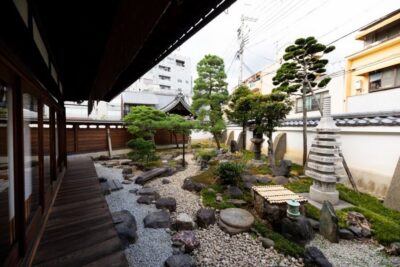
Browse the lists this tour appears in