
Review · SOUTH KOREA
Busan: Join a Tea Ceremony & Create a Calligraphy Memento
Quiet moments are rare in Busan. In a small seaside teahouse, you can slow down with three seasonal teas, graceful tea rituals, and a brush-and-ink keepsake. I especially like the private, three-person format and the chance to learn from Min, the friendly local tea educator. The main consideration is simple: this is a calm cultural session, not a sightseeing tour packed with activity.
I also like that you leave with something you made yourself, rather than only a few photos. The two-hour visit costs $69 per person, which is fair for a private lesson, three teas, artisan vintage teaware, snacks, and personal guidance, though it may feel expensive if you only want a quick tasting.
Key points to know before booking
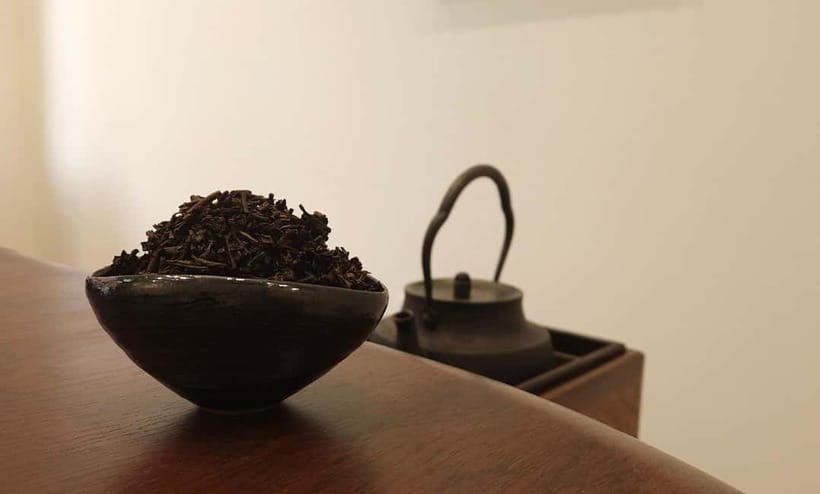
- Three seasonal teas anchor the two-hour session, with each tea presented as part of a wider Korean and Chinese tea tradition.
- The group is limited to three people, making it easier to ask questions and receive help with the calligraphy.
- Min leads the session in Korean, English, or Chinese, and past participants especially praise her calm teaching style.
- The calligraphy memento is made by you, with a choice of seven messages mentioned by one participant.
- Daman Cha sits in a quiet seaside village setting, on the second floor of Building A, facing the bridge.
- Tea snacks are included, but you should report food allergies in advance.
A peaceful pause in Yongho-dong
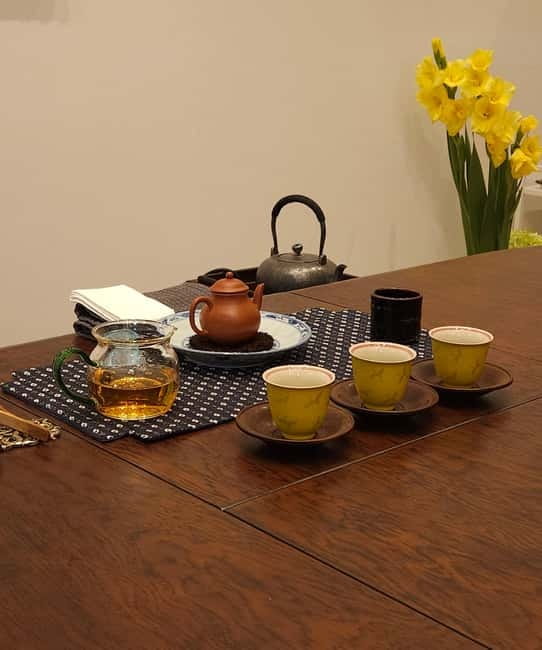
Daman Cha is located in Yongho-dong, a seaside village area of Busan. The tea room is called a da-sil, a traditional term for a dedicated tea space. Your visit begins and ends here, so there is no rushing from one stop to another.
The setting matters. Busan can be loud, fast, and full of sights competing for your attention. This visit offers the opposite: a small room, quiet hospitality, and time to focus on the cup in front of you. I would place it well for a morning or afternoon when you want a cultural activity that leaves room for thought.
The meeting point is 다만茶, also called Daman Cha. It is at 220-1, Building A, Villivcentro, Yongho-dong 958, Nam-gu, Busan. The Korean address is 부산 남구 분포로 61, 빌리브센트로 A동 2층 220-1, 다만茶. Look for the second floor of Building A, facing the bridge from outside.
One useful detail comes from a past visit: the host sent pictures showing the way to the tea room. That can be helpful because the address includes a building name and unit number rather than a famous public landmark. Still, check the starting time and allow enough time to find Building A before the session begins.
More Tea Ceremonies in the world:
- Kyoto: Tea Ceremony in a Traditional Tea House in Kiyomizu
★ 4.9 · 3,519 reviews - Kyoto: Tea Ceremony Ju-An at Jotokuji Temple
★ 4.9 · 3,207 reviews - Kyoto: 45-Minute Tea Ceremony Lesson Experience
★ 4.3 · 2,378 reviews
How the tea ceremony unfolds
The session lasts two hours. Rather than watching a quick demonstration and moving on, you take part in a traditional tea ceremony experience with personal instruction.
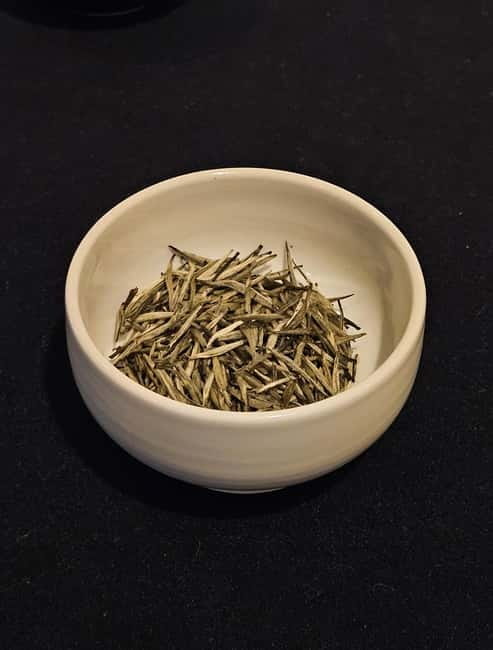
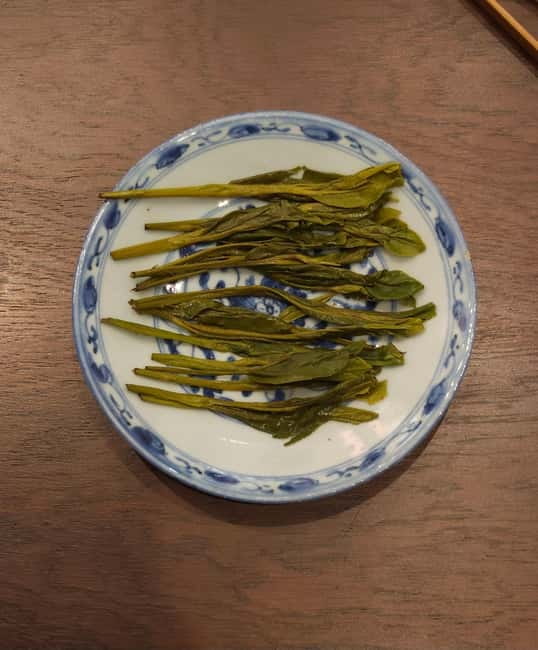
The exact order of the teas can change with the season, but the plan includes three seasonal teas. This gives you more than one flavor and shows how different leaves, preparation methods, and serving choices affect the experience. Seasonal tea also keeps the visit from feeling like a fixed museum display. What you taste depends on what is being served at that time of year.
Min presents each tea with care and explains the customs connected with it. Past participants found the session helpful for understanding both Korean and Chinese tea customs, so you can expect cultural context as well as drinking tea. The information is not treated as a lecture separate from the ceremony. It is tied to what you are seeing and tasting.
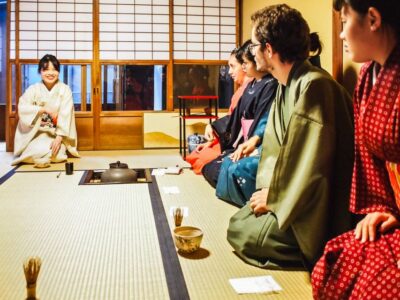
The traditional movements are part of the appeal. Tea is prepared, poured, and served with attention to pace and setting. One participant compared the experience to meditation, which is a useful way to understand the mood. You are not being asked to perform a formal ritual from start to finish without help. You are guided through it, with room for questions and conversation.
I would not book this expecting a technical qualification in tea. The value lies in learning how tea can shape a quiet social moment. You get a close look at the details of the ceremony, the role of the teaware, and the customs that surround the drink.
Vintage teaware gives the session its character
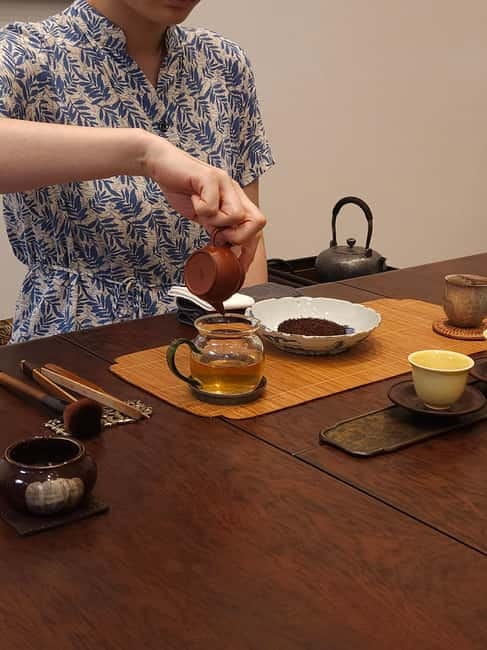
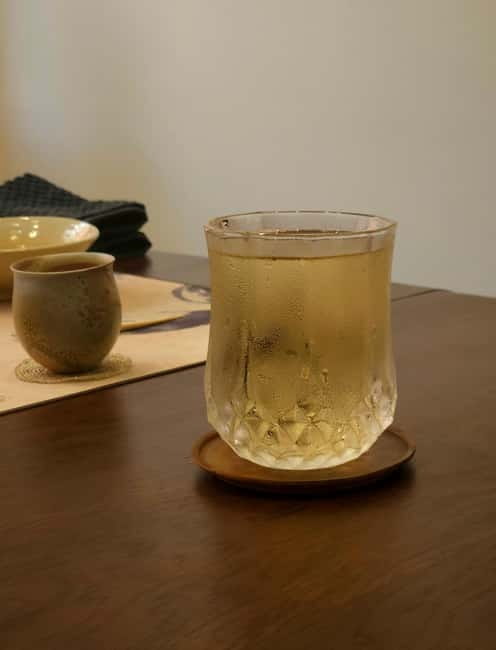
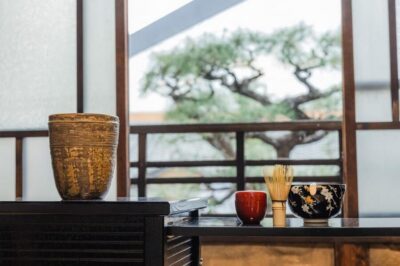
The tea is served with artisan vintage teaware. This is more than decoration. Cups, pots, trays, and serving pieces affect the pace of the ceremony and help create a sense of occasion.
The selection is intended to match the mood of the tea session. You will have the chance to see and use pieces that are different from the standard cups found in a café. That makes the experience useful for anyone interested in ceramics, table settings, or the quiet arts connected with tea.
The word vintage should not lead you to expect a formal antiques tour. The main focus remains the tea ceremony. Still, the teaware adds texture to the visit and gives Min a natural way to explain how tea culture is expressed through objects as well as customs.
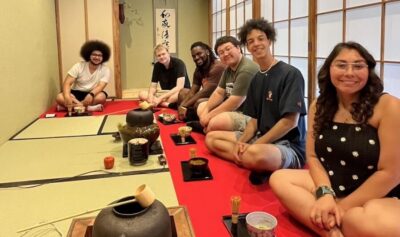
This is also where the small group size makes a difference. With no more than three participants, you are likely to have a clear view of the preparation and enough space to ask about a pot, cup, or serving method. A larger group would change the atmosphere and make the session feel less personal.
Tea snacks and seasonal flavors
Tea snacks are included with the tasting. They give you something small to enjoy alongside the tea and help make the session feel like a complete ritual rather than a series of samples.
The information does not specify the exact snacks or tea varieties, since they are seasonal. That is worth keeping in mind if you need to plan around a particular ingredient. Tell the host about any food allergies in advance.
The tasting is not presented as a large meal. You should arrive expecting tea, small snacks, conversation, and a calm activity. If you need lunch or a substantial refreshment stop, plan that separately.
For me, the strongest part of a seasonal tasting is the comparison between teas. Three varieties allow you to notice differences instead of treating tea as one general flavor. Min can answer questions about the teas and the customs around them, which adds value if you are curious but do not already know much about tea.
More Tea and Calligraphy Workshops in the world:
- Kyoto: Tea Ceremony Meditation – Make Matcha with Tea Master
★ 4.8 · 406 reviews - Osaka: Tea Ceremony, Calligraphy, and Kimono Experience
★ 4.9 · 130 reviews - Experience all of Japanese culture and Japanese food experience classes “origami, udon, Japanese food, green tea, calligraphy” in 4 hours
★ 5.0 · 105 reviews - Tokyo: Practicing Zen with a Japanese Tea Ceremony
★ 4.7 · 105 reviews
The calligraphy activity and your handmade keepsake
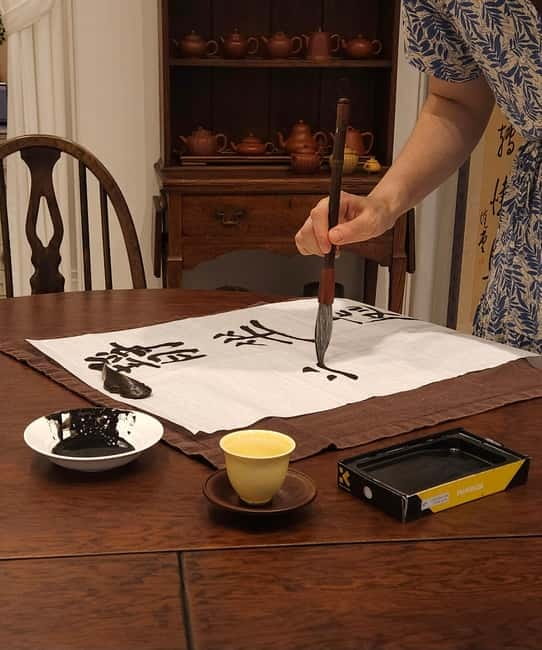
The second major part of the visit is calligraphy. Tea culture in East Asia has long been connected with poetry, painting, and brushwork. Here, you respond to the tea session by writing with brush and ink.
You do not simply receive a printed souvenir. You make the memento yourself. That gives the final piece a personal connection to the time spent in the tea room, even if your brush technique is less than perfect. A little unevenness is part of the charm.
One participant noted a choice of seven messages. The exact options may vary, but the format gives you a starting point rather than asking you to invent a phrase from scratch. Min provides guidance, so you can approach the activity as a beginner.
The calligraphy section is a good reason to choose this experience over a basic tea tasting. It changes the pace again. First you settle into the tea ritual, then you reflect on it through writing. The result is a small physical reminder of the visit that fits easily into your luggage.
Do not expect a full calligraphy course. You will not become an expert in two hours. Instead, you get an approachable introduction to brush and ink, plus a meaningful item to take home.
Min’s teaching style and language options
Min is the person who shapes the mood of the session. Past participants describe her as gentle, patient, friendly, and well-informed about tea ceremonies and writing. They also appreciated being able to ask questions and chat rather than sit through a rigid presentation.
That personal quality is important in a small room. Tea rituals can feel intimidating if every movement seems like a test. Min’s guidance makes the activity more welcoming, particularly if you are traveling alone or have never tried calligraphy.
The experience is available in Korean, English, and Chinese. That makes it accessible to a broad range of visitors, though the best language for your session will depend on the instructor and group on that date.
Solo visitors should take note. One person who arrived alone found the setting welcoming and did not feel uncomfortable asking questions. The three-person limit helps here. You are not joining a large bus group where it is easy to disappear into the crowd.
Who will enjoy this Busan experience
I would recommend this for several kinds of visitors:
- You want a quieter cultural activity between Busan’s busier sightseeing stops.
- You enjoy tea, ceramics, calligraphy, or traditional arts.
- You prefer a small group and direct contact with a local instructor.
- You are traveling alone and want an organized experience that still feels personal.
- You want a souvenir with some meaning, not just another shop purchase.
- You are interested in both Korean and Chinese tea customs.
It is less suitable if you want dramatic views, extensive sightseeing, or a busy schedule. The seaside setting is part of the mood, but the activity itself happens in the tea room. You are going there to sit, listen, taste, write, and slow down.
Families with very young children may find the two-hour quiet format difficult, though the activity is wheelchair accessible. The provided information does not give a minimum age, so ask before booking if that matters for your group.
Is $69 a fair price?
At $69 per person, the experience is not the cheapest way to drink tea in Busan. You are paying for a private or near-private session, not simply a beverage and a seat.
The price includes three seasonal tea tastings, snacks, the traditional ceremony, use of artisan vintage teaware, the calligraphy activity, and guidance from a local tea educator. It also covers two hours in a small group of no more than three participants.
That combination makes the price reasonable for someone who values instruction and atmosphere. The handmade calligraphy piece adds another layer of value because you create it during the visit and take it home afterward.
The calculation is different if tea is your only interest. A café will cost less, and a basic cultural demonstration may also be cheaper. You should book Daman Cha when you want the full experience: tasting, explanation, ritual, conversation, and a creative activity.
The strong rating of 4.9 from nine reviews supports the idea that the session delivers what it promises, particularly in terms of relaxation, hospitality, tea knowledge, and calligraphy. The number of ratings is still small, so I would treat it as encouraging rather than definitive.
Timing, cancellation, and practical details
The session takes two hours, with starting times available according to the date you choose. That is long enough to avoid feeling rushed, but short enough to fit into a day of Busan sightseeing.
Free cancellation is available up to 24 hours in advance for a full refund. You can also reserve now and pay later, which helps if your Busan schedule is still changing.
The tea room is wheelchair accessible. Language support is available in Korean, English, and Chinese. Food allergies should be reported ahead of time because snacks are part of the session.
The address is detailed, but you should pay attention to the building information: Daman Cha is on the second floor of Building A, unit 220-1, facing the bridge. Save the Korean address and any directions sent before the visit. That small bit of preparation can prevent a stressful start.
Should you book the Daman Cha tea ceremony?
Book it if you want to experience Busan at a slower pace and you enjoy activities that reward attention. The best parts are the three seasonal teas, the personal instruction from Min, the unusual teaware, and the handmade calligraphy memento.
I would especially recommend it for solo visitors, couples, and small groups who prefer thoughtful conversation to a packed tour schedule. It is also a good choice on a day when you need a break from city noise.
Skip it if you want a meal, a major attraction, or a full afternoon of sightseeing. This is a focused two-hour session in a quiet tea room. At $69, it earns its price through personal attention and the complete tea-and-calligraphy experience, not through the amount of food or the number of places visited.
For the right visitor, that is exactly the point. You leave with a calmer mind, a better sense of Korean tea culture, and a brush-written reminder made by your own hand.
FAQ
How long does the tea ceremony and calligraphy experience last?
The experience lasts two hours. It begins and ends at Daman Cha teahouse in Yongho-dong, Busan.
How many people can join the session?
The activity is limited to three participants, making it a small-group experience.
Which languages are available?
The experience is offered in Korean, English, and Chinese.
What is included in the price?
The $69 price includes three seasonal tea tastings, a traditional tea ceremony, artisan vintage teaware, tea snacks, a tea-inspired calligraphy activity, and personal guidance from a local tea educator.
Where is Daman Cha located?
Daman Cha is on the second floor of Building A, unit 220-1, Villivcentro, Yongho-dong 958, Nam-gu, Busan. It faces the bridge from outside. The Korean address is 부산 남구 분포로 61, 빌리브센트로 A동 2층 220-1, 다만茶.
Can I cancel the booking?
You can cancel up to 24 hours in advance for a full refund. Reserve now and pay later is also available.
Just added around the world
- Yokohama : Tea Ceremony with Sweets and Souvenir★ 5.0 · 5 reviews
- York: Private Horse-Drawn Carriage Ride and Afternoon Tea★ 5.0 · 3 reviews
- Yogyakarta: Prambanan Tour, Sukuh Temple & Tea Plantation★ 5.0 · 3 reviews
- Wadi Rum: 2-Hour Jeep Tour with Bedouin Tea★ 5.0 · 11 reviews
- Walking Tour: Yanaka,Nezu& Sendagi: Tea Ceremony & Old Tokyo★ 5.0 · 3 reviews
- Washington, D.C.: Tea Around Town Bus Tour with Landmarks★ 3.4 · 7 reviews
- Visit local home for music and tea ceremony near Disney★ 4.9 · 13 reviews
- Volcano, Hot Spring, Mud Bath & Tea plantation all included★ 5.0 · 5 reviews
Tea Ceremony Experiences, compared.
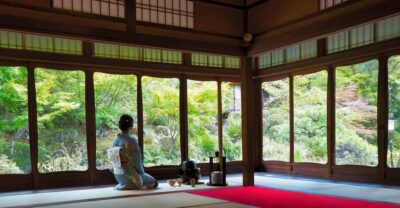
Tea Ceremony in a Traditional Tea House in Kiyomizu
Read our review →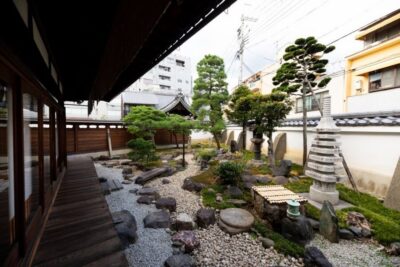
Browse the lists this tour appears in