
Review · TOKYO
Kimono rental in Asakusa Tokyo
Step into Asakusa’s old-world charm. This kimono rental gives you a simple way to experience Japanese dress, traditional matcha etiquette, and the streets around Sensoji Temple without committing to a full-day tour. I especially like the large choice of kimono and yukata, along with hair styling, accessories, sandals, and a handbag included in the basic experience. The optional photographer is another strong point, since you get help finding attractive spots instead of trying to manage a tripod in crowded streets.
The main thing to watch is the plan you select. Matcha tea is not included with every kimono rental option, and makeup, large-luggage storage, and some extra accessories cost more. At about $42.70 per person, the price is fair for dressing, hairstyling, and a full day with the outfit, but the total can rise if you add tea, photography, luggage storage, or extras.
Quick facts about the Asakusa experience
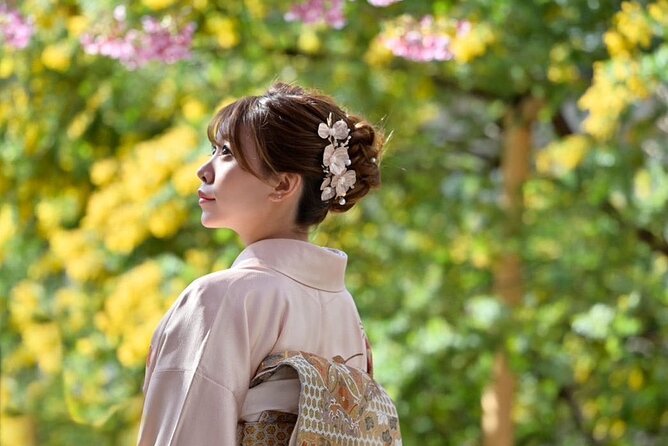
- Walk out in full traditional dress: You can keep the kimono or yukata until 17:30, giving you time to stroll around Asakusa and take your own photos.
- Hair and accessories are included: Women and girls receive suitable hairstyling and hair accessories, while footwear and a traditional handbag complete the outfit.
- Choose your photo time: The optional professional session lasts either 30 or 60 minutes near Sensoji Temple and the Sumida River.
- Small-group setting: The stated maximum is five people, which should make dressing and personal attention easier.
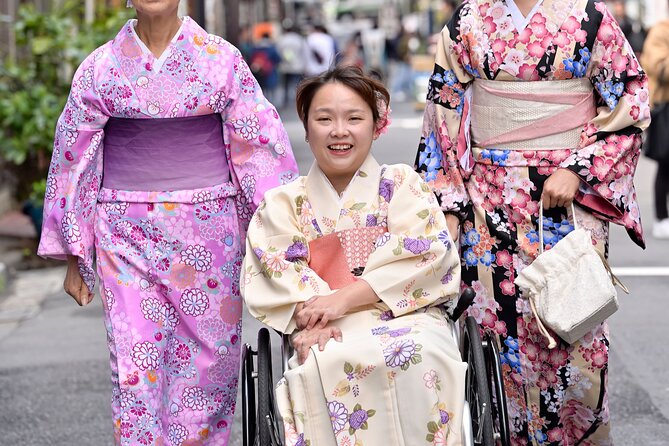
- Children and wheelchair users are welcome: Special kimono options are available for children and wheelchair users.
- Matcha requires careful booking: The tea experience is an add-on or separate plan, and matcha is not served to children under seven because it contains caffeine.
Choosing your kimono at 1-chōme-16-2 Asakusa
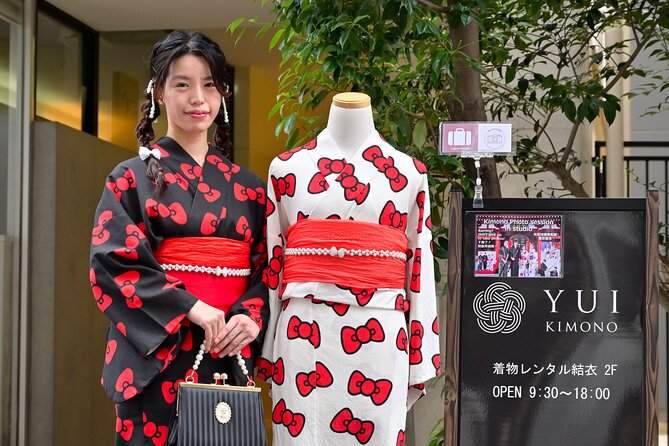
Your experience begins at 1-chōme-16-2 Asakusa, in Tokyo’s Taito City. The shop offers a broad range of styles, from light, easy-to-wear garments for walking to traditionally made silk kimono intended for more formal occasions.
You may also choose a summer yukata. A yukata is lighter and usually easier to wear for a long walk, especially in warm weather. A more formal kimono creates a dressier look, but the layers and tight obi belt can feel less forgiving after several hours. If you plan to spend most of the day outside, ask the staff which option suits the season and your walking plans.
The choice is part of the fun, but it can also take time. If you are booking for a family or a group, allow patience for everyone to choose colors and patterns. The staff will help match the obi, or sash, to the outfit. Accessories such as obijime are not included and cost an additional 550 yen, so ask about the price before adding them.
The shop also carries children’s kimono. Families have used the service with children from age four, and the activity is suitable for children over one year old. The staff has experience working patiently with young children, although the dressing process may take longer with a large family.
More Kimono and Tea Ceremonies in Tokyo
- Kimono Tea Ceremony at Tokyo, Asakusa Maikoya
★ 5.0 · 638 reviews - Tokyo: Matcha and Kimono Experience
★ 4.7 · 219 reviews - Tokyo: Asakusa Kimono Dressing and Matcha Experience
★ 4.9 · 173 reviews
Dressing, hairstyling, and the small details
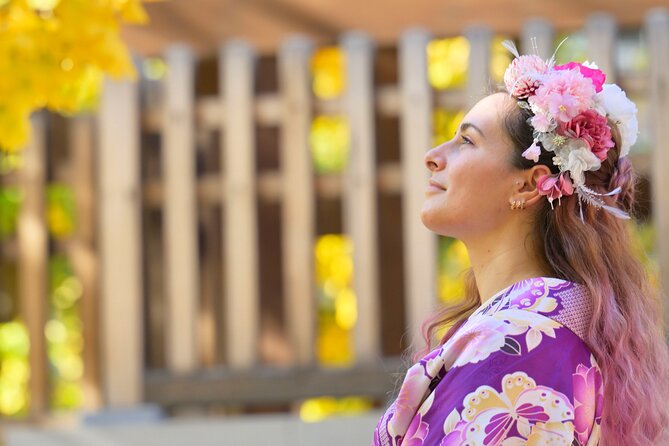
Once you choose your outfit, the staff dresses you in layers and secures the obi. This is not simply putting on a robe. A kimono is shaped, tied, and adjusted carefully, which is one reason the experience feels more special than renting a costume for a quick photograph.
Hair styling and hair accessories are included for women and girls. This detail received especially warm praise, and it makes a real difference in photographs. The hairstyle helps the kimono look complete rather than borrowed at the last minute.
Footwear and a traditional handbag are also included. The wooden sandals, called geta, are part of the look, but you should expect them to feel different from ordinary walking shoes. If you are planning a long stroll, keep your route sensible and take breaks when needed.
Men’s hair styling is not included. Makeup is also not part of the rental fee, and you pay for it separately if you want it. Large suitcases are not stored for free. The listed charge is 550 yen, so arrive with a small bag if possible.
The outfit may feel snug. That is normal, but tell the staff if anything is uncomfortable. You will enjoy the day more if the obi is secure without being painful.
Matcha tea and the meaning behind the ritual
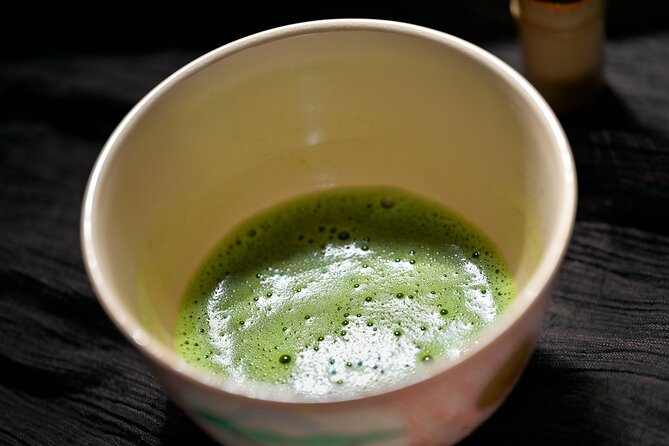
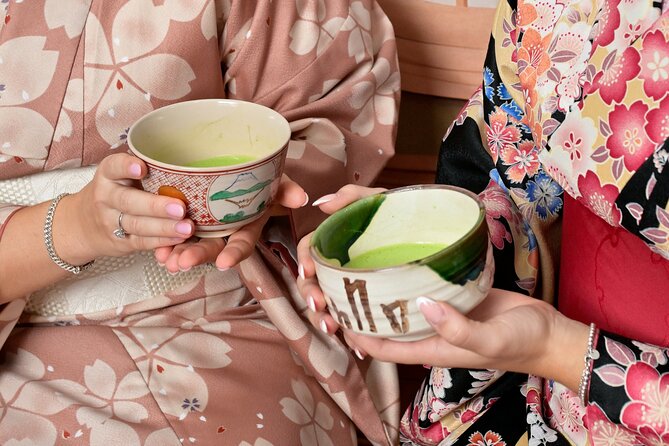
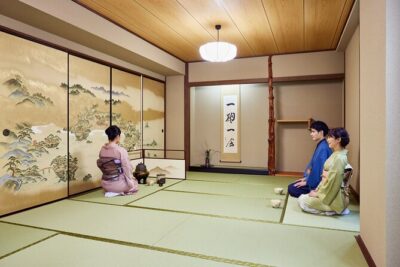
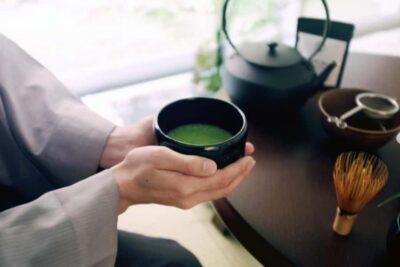
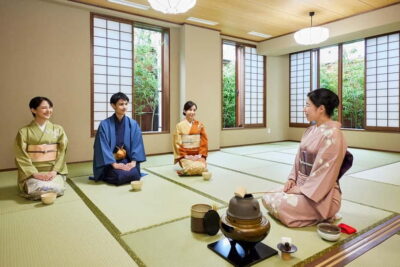
The matcha portion offers more than a sweet drink. You learn how to enjoy Japanese powdered green tea and receive an introduction to the manners and spirit of a traditional tea ceremony.
The lesson is described as short, so do not expect a long formal tea school session. Instead, think of it as a friendly cultural introduction that helps you understand why certain movements and gestures matter. Wearing a kimono during the tea experience gives the activity a stronger sense of occasion.
Be careful when selecting your plan. Kimono rental plans do not automatically include matcha tea or sweets. The experience description presents matcha as an available option, but the basic rental can be booked without it. Confirm that your reservation includes tea before you arrive.
Children under seven are not served matcha because it contains caffeine. A family with children can still enjoy the dressing and cultural setting, but you should not assume every child will receive tea. The tea experience has been adapted for families in the past, yet the age restriction remains important.
Walking around Sensoji until 17:30
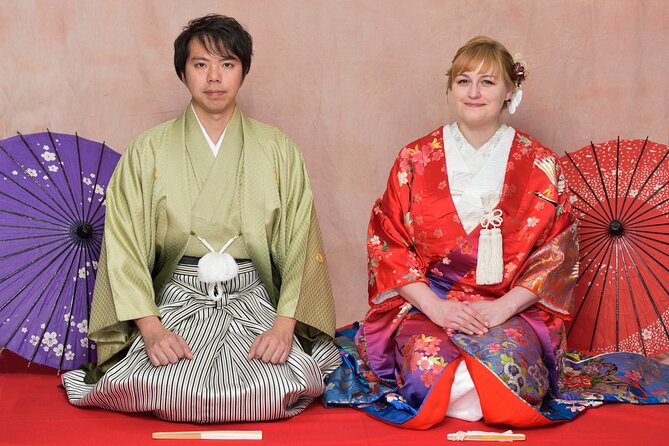
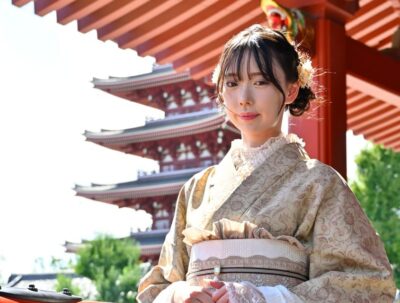
After dressing, you can explore Asakusa at your own pace. The kimono rental lasts for the day, with return required by 17:30. That gives you a generous window for photos, a meal, and a walk around the district.
Sensoji Temple is the natural focus. The area around Tokyo’s oldest temple provides traditional-looking streets and recognizable temple scenery. The nearby back streets and the Sumida River also offer different settings, giving your photographs some variety.
The freedom to walk without a guide is valuable. You are not rushed from one stop to the next, and you can decide how much time to spend taking pictures or simply enjoying the outfit. It also means you are responsible for keeping track of the return time. Set a reminder, especially if you plan to wander farther from the shop.
A kimono can make an ordinary stroll feel like a special event, but Asakusa is still a working urban district. You will encounter public streets, pedestrians, and normal city traffic. Treat the outfit with care, and remember that the wooden sandals may slow your pace.
Same place, a different pot:
- Matcha Making Class in Tokyo with Authentic Japanese Sweets Set
★ 5.0 · 744 reviews - Tokyo: Traditional Tea Ceremony with a Tea Master
★ 5.0 · 528 reviews - Tokyo: Matcha Making Experience with Mochi Sweets in Asakusa
★ 4.9 · 388 reviews - Asakusa Cultural Walk & Matcha Making Tour
★ 5.0 · 245 reviews
The optional 30 or 60 minute photo session
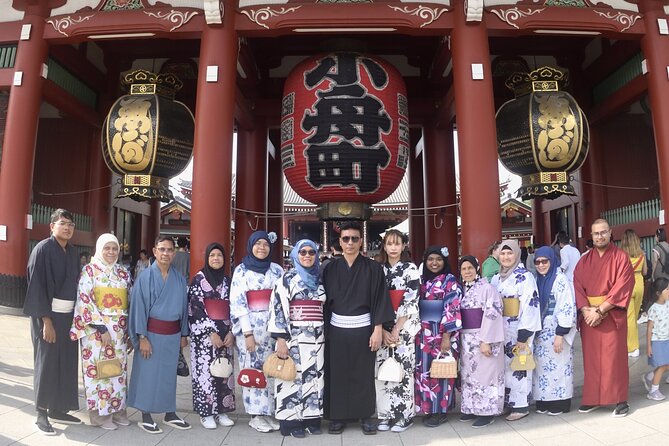
If you want polished photographs, the photo plan is worth serious consideration. A professional photographer familiar with the nearby area accompanies you to photogenic places around Sensoji Temple and the Sumida River.
The shorter session lasts 30 minutes. This suits couples, parents with young children, or anyone who wants a small collection of portraits without giving up much sightseeing time. The 60-minute option gives you more room for different backgrounds, group arrangements, and relaxed poses.
The photographer’s local knowledge solves a common problem. You do not need to guess where to stand or ask strangers to take a picture. The session can include back streets, temple views, seasonal foliage, and river scenery, depending on conditions.
Photographs are edited and sent as downloadable data within a week. That waiting period matters if you need the images immediately for a same-day post or a travel slideshow. You will receive the finished files later, not at the shop before you leave.
Photography is an add-on, so it increases the cost. Still, I think it is the best extra for couples, families, and anyone unlikely to get good full-length photographs otherwise. The service has produced memorable images in different seasons, including cherry blossoms and late autumn leaves.
How much value do you get for $42.70?
At $42.70 per person, the basic price covers the kimono or yukata, obi, rental period, hairstyling and hair accessories, geta, and a handbag. You can wear the outfit around Asakusa for the rest of the day, which gives the price more value than a short dressing-room photo opportunity.
The strongest value is for people who want an activity rather than just a costume rental. You receive help getting dressed, a finished hairstyle, traditional accessories, and the freedom to explore one of Tokyo’s most atmospheric districts.
The price becomes less attractive if you add every extra. Matcha may require a separate plan. A 30 or 60-minute photo session costs more, large luggage storage is 550 yen, obijime costs an additional 550 yen, and makeup is separate. Ask for the full cost before confirming optional services.
For a solo visitor, the basic rental may be enough if you can take your own photos. For a couple or family, the photographer may justify the added expense because group pictures are difficult to arrange. Group discounts are available, which may help larger parties, but the advertised maximum is five people.
A family of seven has been accommodated after contacting the shop directly. Since the stated maximum is five, I would not assume a larger group can simply book online. Contact the provider first and get approval.
Who will enjoy this most?
I would recommend this experience to first-time visitors who want an approachable cultural activity in Tokyo. You do not need prior knowledge of kimono etiquette, and the staff helps with the practical details.
It also suits couples celebrating a trip, parents and children, and friends who want coordinated photographs. The staff has been especially praised for being patient with children and considerate while dressing guests.
The experience works well for visitors who want flexibility. You are not confined to a studio, and you can use the kimono around Asakusa until the return time. The photo plan is helpful if you want professional images, while the rental-only plan keeps the day more affordable.
Wheelchair users can participate because suitable kimono options are available. Service animals are allowed, and the shop is near public transportation. Still, the provider should be told about any specific mobility needs in advance so the dressing process can be handled comfortably.
This may not suit you if you dislike tight clothing, wooden sandals, or a lengthy dressing process. It is also less appealing if you want a full formal tea ceremony rather than a short introduction. The experience offers a taste of the tradition, not an advanced lesson.
Practical advice before you book
Reserve at least a little time for the dressing process, especially if you are booking for several people. Children may need extra patience, and choosing among many kimono styles can slow the start.
Wear something that makes changing easy. Do not arrive with a large suitcase unless you are willing to pay the 550-yen storage fee. Decide ahead of time if you want the tea experience, photography, or extra accessories, then confirm which costs are included.
If photographs matter, consider the season and the light. The photographer can guide you to suitable locations, but outdoor scenery changes throughout the year. Cherry blossoms, autumn leaves, temple streets, and the river each create a different setting.
The activity has a five-person maximum and is confirmed at booking. Free cancellation is available up to 24 hours before the start time. Cancellations or changes inside that window are not accepted for a refund.
Should you book the Asakusa kimono rental?
Yes, if you want a friendly, hands-on introduction to Japanese dress in a memorable part of Tokyo. I like the combination of staff-assisted dressing, hairstyling, a full day with the outfit, and the option to add matcha or professional photographs.
Book the rental-only plan if you mainly want to walk around Asakusa and take your own pictures. Choose the tea option if learning basic ceremony etiquette matters to you. Add the photographer if you are traveling as a couple or family and want finished portraits rather than a collection of hurried snapshots.
Just confirm the inclusions, extra charges, group size, and return time before paying. With those details clear, this is a good-value cultural activity that gives you more than a costume change and a quick photograph.
FAQ
Where does the kimono rental experience begin?
It begins at 1-chōme-16-2 Asakusa, Taito City, Tokyo 111-0032, Japan.
Where does the experience end?
You return the kimono at the original meeting point, so the activity ends there.
How long does the rental experience last?
The scheduled experience takes about two hours, but you can explore Asakusa in the rented kimono until 17:30 before returning it.
Is matcha tea included with the kimono rental?
Not with every plan. Kimono-only rental plans do not include matcha tea or sweets, so confirm that you have selected a tea option if you want this part.
Can children participate?
Yes. Children’s kimono are available, and children over one year old can participate. Matcha is not served to children under seven because it contains caffeine.
Are hair styling and accessories included?
Hair styling and hair accessories are included. The rental also includes footwear and a traditional handbag. Makeup and some additional accessories cost extra.
Is photography included?
Photography is an optional add-on. You can choose a 30-minute or 60-minute session, and edited photo data is sent for download within one week.
Can wheelchair users participate?
Yes. Kimono options for wheelchair users are available.
What is the cancellation policy?
You can cancel up to 24 hours before the experience start time for a full refund. Cancellations or changes made less than 24 hours before the start time are not accepted.
Just added around Tokyo
- Yokohama : Tea Ceremony with Sweets and Souvenir★ 5.0 · 5 reviews
- Walking Tour: Yanaka,Nezu& Sendagi: Tea Ceremony & Old Tokyo★ 5.0 · 3 reviews
- Private Kimono and tea ceremony at local home near Tokyo Disney★ 5.0 · 6 reviews
- Private Mochi・Matcha sweets Making Class Near Shibuya Area★ 5.0 · 22 reviews
- Tokyo Sweets Tour: Hidden Gems & Matcha at an Old Tea House★ 5.0 · 6 reviews
- Kimono and Tea Ceremony in Asakusa Private Food Tour With Guide★ 5.0 · 4 reviews
- 2 Hours Mochi &Nerikiri Making & Matcha Class in Bunkyo★ 5.0 · 21 reviews
- Tokyo Tea Ceremony Class at a Traditional Tea Room★ 5.0 · 2 reviews
Kimono and Tea Ceremonies in Tokyo, compared.
Asakusa: Kimono Tea Ceremony with Matcha and Sweet
Read our review →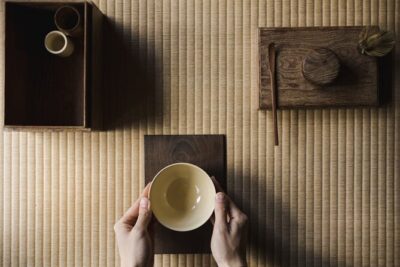
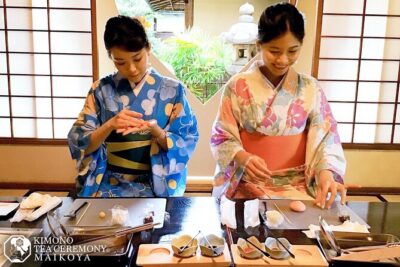
Sweets Making and Kimono Tea Ceremony at Tokyo Maikoya
Read our review →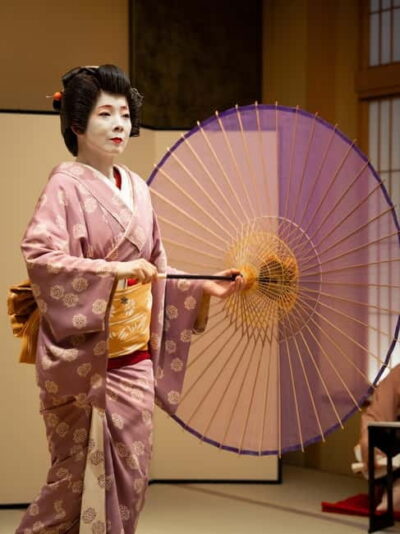
Asakusa: Geisha Performance and Tea House Experience
Read our review →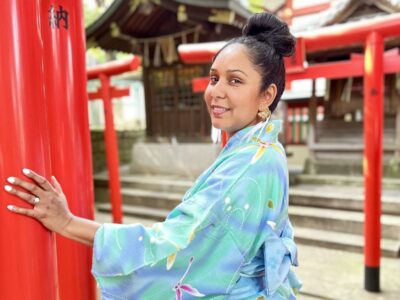
Genuine Tea Ceremony, Kimono Dressing, and Photography
Read our review →Browse the lists this tour appears in